Table of Contents
The landscape of DJ technology is evolving at breakneck speed, yet there’s something timeless about the marriage of vinyl control and digital libraries that keeps DVS at the heart of modern performance. As we move deeper into 2026, controller DJs who’ve mastered the convenience of all-in-one systems are increasingly returning to turntables—not out of nostalgia, but for the unmatched tactile expression and credibility that only motorized platters can provide. The latest generation of DVS-enabled turntables bridges this gap perfectly, offering the soul of vinyl manipulation with the limitless possibilities of digital audio.
But here’s the challenge: not every turntable that looks professional will seamlessly integrate with your DVS workflow. The market is saturated with options that promise pro-level performance, yet fall short where it matters most—stable timecode tracking, torque consistency, and ecosystem integration. Whether you’re building your first DVS setup or upgrading from a controller-only rig, understanding the nuanced features that define a truly capable DVS turntable will save you from costly mistakes and elevate your performance capabilities exponentially.
Top 10 Dj Turntables Dvs
Detailed Product Reviews
1. Pioneer DJ PLX-500 Direct Drive Turntable
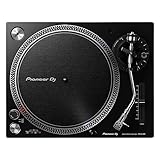
Overview: The PLX-500 is Pioneer DJ’s entry-level direct drive turntable designed for vinyl enthusiasts and aspiring DJs. It delivers authentic analog playback while offering modern connectivity through USB for digital archiving. This model bridges the gap between casual listening and performance DJing, supporting both traditional vinyl mixing and digital vinyl system integration with rekordbox dvs.
What Makes It Stand Out: The built-in USB output enables effortless vinyl digitization without additional hardware—a rare feature at this price point. The innovative sleeve stand inside the dust cover displays album art while playing, adding aesthetic appeal for collectors. Its servo-type direct drive motor provides reliable torque for basic scratching and mixing, while the straightforward design makes it accessible for beginners transitioning from consumer record players.
Value for Money: Positioned as a mid-tier option, the PLX-500 offers genuine Pioneer build quality without the professional-grade price tag. It competes favorably with entry-level Technics alternatives, providing better reliability than budget brands while costing significantly less than flagship models. The included USB functionality eliminates the need for separate audio interfaces, saving an additional $50-100.
Strengths and Weaknesses:
- Strengths: Solid construction with Pioneer reliability; USB recording capability; DVS-ready for rekordbox; unique sleeve stand feature; user-friendly setup.
- Weaknesses: Limited torque compared to professional models; no pitch range adjustment; lacks performance pads; basic tonearm adjustments only.
Bottom Line: The PLX-500 excels as a versatile starter turntable for hobbyists and budding DJs. While it won’t satisfy professional club demands, its blend of analog authenticity and digital convenience makes it an intelligent first investment for vinyl lovers wanting room to grow.
2. Pioneer DJ PLX-CRSS12 Direct Drive Turntable with DVS Control - Black

Overview: The PLX-CRSS12 represents Pioneer DJ’s revolutionary approach to digital vinyl systems, eliminating the tonearm entirely for pure DVS control. This professional-grade turntable combines traditional vinyl feel with cutting-edge technology, featuring customizable performance settings and robust construction. Designed for serious performers, it reimagines turntablism for the digital age while maintaining analog playback capabilities.
What Makes It Stand Out: Its groundbreaking tone-arm-free DVS control prevents skipping during intense scratching—a game-changer for digital performers. The integrated performance pads and OLED display provide immediate track control without reaching for a laptop. Unmatched customization options let DJs dial in torque, braking speed, and virtual record weight to match their exact style, while the matte black finish ensures durability through countless gigs.
Value for Money: As a premium product, it commands professional-level pricing but justifies every dollar with innovations that solve real performance problems. The elimination of needle replacement costs and skipped cues saves money long-term. Compared to separate controller and turntable setups, it consolidates gear while offering unique capabilities competitors simply cannot match.
Strengths and Weaknesses:
- Strengths: Skip-free DVS performance; extensive customization; built-in performance pads; rugged matte black construction; Serato and rekordbox compatibility; reduces setup complexity.
- Weaknesses: Premium price point; overkill for casual users; limited appeal to vinyl purists; requires compatible software and mixers.
Bottom Line: The PLX-CRSS12 is a forward-thinking masterpiece for professional digital DJs who demand reliability during complex performances. Its innovative design solves the skipping problem that has plagued DVS users for decades, making it an essential tool for touring artists and serious turntablists.
3. Pioneer DJ PLX-CRSS12 Professional Direct Drive Turntable with DVS Control - Black Bundle with Headphones, TRS-to-RCA Breakout Cable, Slipmat, Cleaning Kit, and Austin Bazaar Polishing Cloth

Overview: This comprehensive bundle packages the revolutionary PLX-CRSS12 turntable with essential accessories for immediate professional use. Including monitoring headphones, breakout cables, an acrylic mat, cleaning kit, and polishing cloth, it eliminates the need for separate purchases. The core turntable features the same tone-arm-free DVS technology and customizable performance settings as the standalone model.
What Makes It Stand Out: Austin Bazaar’s curation provides everything needed for a complete setup straight out of the box. The included TRS-to-RCA cable ensures proper connection to professional mixers, while the acrylic slipmat enhances sound quality over standard mats. Having cleaning supplies and a polishing cloth maintains both records and equipment—critical for touring DJs. The MIDI-mappable performance pads and OLED display integrate seamlessly with the bundled accessories for a cohesive workflow.
Value for Money: The bundle offers significant savings compared to purchasing accessories individually, likely saving $100-150. For professionals building a new rig, the convenience factor is invaluable—no compatibility guesswork or emergency supply runs before gigs. While beginners might not need every item immediately, serious performers will appreciate the professional-grade completeness.
Strengths and Weaknesses:
- Strengths: All-in-one professional solution; cost savings on accessories; perfectly matched components; skip-free DVS with Magvel Clamp; high-resolution audio circuitry; gold-plated RCA terminals.
- Weaknesses: Bundle may overwhelm newcomers; some items might be redundant for DJs with existing gear; higher upfront cost than base model.
Bottom Line: This bundle is the ultimate turnkey solution for professional DJs upgrading to the CRSS12 system. It removes all guesswork from accessory selection while providing immediate performance readiness. For serious performers, the convenience and cost savings make this bundle a smarter choice than the standalone unit.
4. Gemini Direct Drive DJ Turntable for Vinyl Records – USB Turntable with Built-In Preamp, High Torque Motor, Pitch Control, S-Shaped Tonearm, 33/45/78 RPM (TT-5000)

Overview: Gemini’s TT-5000 delivers professional DJ features at a budget-conscious price point, making it accessible to entry-level performers and home studio producers. This versatile turntable supports all three standard speeds—including rare 78 RPM recordings—and offers USB digitization alongside a built-in phono preamp. The high-torque direct drive motor and S-shaped tonearm provide reliable performance for mixing, scratching, and archiving vinyl collections.
What Makes It Stand Out: The inclusion of 78 RPM speed is exceptional for DJs and collectors working with vintage shellac records. Switchable built-in preamp eliminates external hardware costs, simplifying connections to modern speakers and mixers. The bundled Audacity software provides immediate digitization capability, while the reinforced chassis and shock-absorbing feet demonstrate surprising attention to durability for the price class.
Value for Money: This turntable dramatically undercuts competitors while offering features often missing in budget models. The combination of USB output, built-in preamp, and tri-speed support typically requires spending twice as much. For bedroom DJs and vinyl archivists, it delivers 80% of premium performance at 40% of the cost, making it one of the best value propositions available.
Strengths and Weaknesses:
- Strengths: Exceptional affordability; 78 RPM support; built-in preamp; USB digitization; high-torque motor; anti-skate and hydraulic lift; club-ready construction.
- Weaknesses: Lesser brand reputation for reliability; platters may have minor wow/flutter; tonearm quality below professional standards; resale value is limited.
Bottom Line: The TT-5000 is a remarkably capable workhorse for budget-minded DJs and archivists. While it won’t match Pioneer’s build quality, its feature set and performance far exceed expectations at this price. It’s the ideal choice for beginners wanting professional features without financial commitment or experienced DJs needing a backup unit.
5. Rane DJ Twelve MKII | 12-Inch Motorized Vinyl Like MIDI Turntable with USB MIDI & DVS Control for Traktor, Virtual DJ & Serato DJ (TWELVEMKII)

Overview: The Rane Twelve MKII reimagines turntablism by eliminating the needle entirely while preserving the tactile feel of vinyl. This motorized MIDI controller features a full 12-inch acrylic disc that spins like a real record, delivering authentic torque and response without the maintenance issues of traditional turntables. Designed purely for digital DJs, it integrates seamlessly with major software platforms through USB MIDI and DVS protocols.
What Makes It Stand Out: The 5.0 kgfcm high-torque motor provides genuine vinyl resistance and momentum, while 3600 ticks of resolution ensure pinpoint accuracy. The dual-mode touch strip combines track search with eight hot-cue triggers, consolidating multiple controllers into one device. OLED feedback displays BPM and status without laptop dependency. The familiar layout means zero learning curve for transitioning vinyl DJs.
Value for Money: Positioned in the premium tier, it costs as much as high-end traditional turntables but eliminates ongoing needle and cartridge expenses. For digital-only performers, it replaces both turntables and controllers, potentially saving money overall. However, vinyl purists will find limited value since it cannot play physical records. The multi-platform support maximizes software investment flexibility.
Strengths and Weaknesses:
- Strengths: Unmatched DVS precision; no skipping or needle maintenance; extreme torque customization; multi-platform compatibility; space-saving design; built-in performance controls.
- Weaknesses: Cannot play analog vinyl; requires computer and software; premium pricing; limited appeal outside digital performance; dependent on power and connectivity.
Bottom Line: The Twelve MKII is a specialized tool that excels at its intended purpose: providing the most authentic vinyl feel for digital DJs. It’s perfect for touring professionals who’ve abandoned physical media but refuse to compromise on performance feel. For strictly digital performers, it’s arguably the future of turntablism—though vinyl collectors should look elsewhere.
6. Pioneer DJ PLX-500 High Torque Turntable, USB, Black

Overview: The Pioneer DJ PLX-500 bridges the gap between casual vinyl listening and entry-level DJ performance. This direct-drive turntable inherits DNA from the professional-grade PLX-1000, offering high-torque motor performance and robust build quality in a more accessible package. Designed for vinyl enthusiasts who want to digitize their collections and aspiring DJs taking their first steps, it delivers analog warmth with modern connectivity.
What Makes It Stand Out: The integrated USB output sets this apart, allowing effortless vinyl-to-digital conversion without additional hardware. The phono/line output switch eliminates the need for an external preamp, simplifying setup. A unique cover holder inside the dust lid lets you display album artwork—a thoughtful touch for collectors. Compatibility with rekordbox DVS means it can grow with your skills, transitioning from casual listening to digital vinyl performance.
Value for Money: Priced competitively in the mid-range market, it undercuts the flagship PLX-1000 while retaining core performance characteristics. It directly challenges the Audio-Technica AT-LP120XUSB, offering comparable features with Pioneer’s trusted DJ brand cachet. The included accessories and build quality justify the premium over budget alternatives.
Strengths and Weaknesses: Strengths include high-torque direct drive, versatile connectivity, USB recording capability, solid construction, and DVS readiness. Weaknesses are moderate torque compared to professional models, a basic tonearm assembly, and limited suitability for heavy scratching. The pitch fader resolution could be finer for precise mixing.
Bottom Line: An excellent choice for home listening and beginner DJs. The PLX-500 offers genuine Pioneer quality and essential features that make it a smart long-term investment for vinyl lovers entering the DJ world.
7. Numark Scratch | Two-Channel DJ Scratch Mixer for Serato DJ Pro (included) With Innofader Crossfader, DVS license, 6 Direct Access Effect Selectors, Performance Pads and 24-Bit Sound Quality
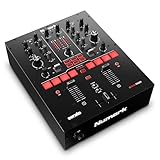
Overview: The Numark Scratch is a purpose-built two-channel mixer targeting scratch DJs and turntablists who demand professional features without breaking the bank. This compact powerhouse comes battle-ready with Serato DJ Pro and a DVS license included, eliminating additional software costs. It distills essential scratch tools into a rugged, portable package suitable for practice sessions and club gigs alike.
What Makes It Stand Out: The inclusion of a genuine InnoFader crossfader—a gold standard for scratch DJs—at this price point is remarkable. Six direct-access effect selectors with dual paddle triggers provide instant creative control, while performance pads unlock hot cues, loops, and samples. The bundled software package, including a $200 Prime Loops sound pack and SoundSwitch trial, delivers out-of-the-box value unmatched by competitors.
Value for Money: Exceptional. The mixer essentially pays for itself when you factor in the included Serato DJ Pro license ($129), DVS expansion pack, and Prime Loops content. Competing mixers with similar features cost significantly more, often requiring separate software purchases. It’s arguably the best budget-conscious entry into serious scratch performance.
Strengths and Weaknesses: Strengths include the InnoFader’s precision, comprehensive software bundle, robust effects control, flexible connectivity, and 24-bit audio quality. Weaknesses are the two-channel limitation for DJs needing more sources, Numark’s perceived brand prestige versus Pioneer or Rane, and limited onboard sound manipulation beyond effects.
Bottom Line: The ultimate value proposition for scratch DJs. If you prioritize function over brand prestige, the Numark Scratch delivers professional-grade performance and software that makes it the smartest purchase in its class.
8. Pioneer DJ DJM-S7 2-channel Mixer for Serato DJ & RANE DJ Twelve MKII | 12-Inch Motorized Vinyl Like MIDI Turntable with USB MIDI & DVS Control for Traktor, Virtual DJ & Serato DJ (TWELVEMKII)

Overview: This premium bundle pairs Pioneer’s DJM-S7 battle mixer with Rane’s Twelve MKII motorized controller, creating a comprehensive digital vinyl system for professional DJs. The DJM-S7 delivers dual USB audio interfaces and extensive Serato integration, while the Twelve MKII replicates authentic turntable feel with a 12-inch motorized platter. Together, they form a modern solution for DJs seeking vinyl control without traditional turntables’ maintenance headaches.
What Makes It Stand Out: The DJM-S7’s Bluetooth input allows wireless device connectivity—a unique feature for mixers. Its Magvel Fader Pro and 16 performance pads provide tactile, responsive control. The Twelve MKII’s motorized platter offers genuine vinyl feel while controlling four digital decks simultaneously. This combination eliminates feedback issues, needle wear, and skipping while preserving the tactile experience vinyl DJs crave.
Value for Money: This high-end bundle represents significant investment, but costs less than separate CDJs and a flagship mixer. For professional DJs and clubs, the durability and performance justify the price. It eliminates ongoing cartridge and stylus replacement costs, offering long-term savings over traditional vinyl setups.
Strengths and Weaknesses: Strengths include premium faders, extensive software compatibility, motorized platter authenticity, dual USB for seamless DJ transitions, and robust build quality. Weaknesses are the steep price barrier for beginners, complexity requiring technical expertise, and the Twelve MKII’s weight making it less portable than traditional controllers.
Bottom Line: A professional-grade solution for serious DJs and venues. If you demand authentic vinyl feel with digital flexibility and can justify the investment, this bundle sets the standard for modern digital vinyl performance.
9. Reloop RP-2000 MK2 Direct Drive DJ Turntable

Overview: The Reloop RP-2000 MK2 is a budget-friendly direct-drive turntable designed for entry-level DJs and vinyl enthusiasts seeking reliable performance without premium pricing. This Swiss-engineered workhorse delivers quartz-locked motor stability and essential DJ features in a robust package. It competes directly with introductory models from Numark and Audio-Technica while including a quality cartridge—a rarity at this price point.
What Makes It Stand Out: The inclusion of an Ortofon OM Black pickup system distinguishes it from competitors that typically ship with generic cartridges. The redesigned metal top panel and reinforced housing provide durability exceeding its price class. Statically balanced S-shaped tonearm with hydraulic lift offers precise tracking and professional handling characteristics uncommon in budget turntables.
Value for Money: Outstanding. The RP-2000 MK2 undercuts most direct-drive competitors while including a cartridge worth nearly a third of the turntable’s price. It delivers core DJ functionality—quartz lock, pitch control, and solid torque—without unnecessary frills that inflate cost. For beginners, it eliminates the hidden expense of purchasing a separate quality cartridge.
Strengths and Weaknesses: Strengths include the Ortofon cartridge, solid direct-drive motor, durable construction, professional tonearm design, and straightforward operation. Weaknesses are moderate torque unsuitable for heavy scratching, basic pitch fader resolution, lack of USB connectivity, and minimal aesthetic refinement. The motor may lack the raw power of premium models for aggressive turntablism.
Bottom Line: An exceptional entry point for aspiring DJs. The RP-2000 MK2 offers genuine performance value with its included Ortofon cartridge, making it the smartest budget turntable purchase for those prioritizing function and reliability over brand prestige.
10. Serato DJ Club Kit with Serato DJ Pro and DVS Expansion Download Card for Win/Mac

Overview: The Serato DJ Club Kit is the essential software key that unlocks digital vinyl system (DVS) capability within Serato DJ Pro. This digital download package combines the industry-standard DJ platform with DVS expansion, enabling control vinyl and CD control of digital music libraries. It’s the critical component for DJs bridging analog feel with digital convenience, compatible with a vast ecosystem of certified hardware.
What Makes It Stand Out: Practice Mode allows mixing without hardware—perfect for developing transitions anywhere. The 64-bit architecture delivers superior stability and performance compared to older DVS solutions. Plug-and-play recognition of certified hardware eliminates complex setup rituals. Its intuitive interface design reduces learning curves while maintaining professional depth for advanced techniques.
Value for Money: For DVS users, this is non-negotiable and fairly priced. Purchasing DJ Pro and DVS expansion separately costs more, making the bundle economical. Compared to competing DVS solutions, Serato’s extensive hardware compatibility and industry standard status provide better long-term value. The included features and stability justify the investment for serious DJs.
Strengths and Weaknesses: Strengths include rock-solid stability, broad hardware support, intuitive workflow, Practice Mode versatility, and regular updates. Weaknesses are the requirement for specific certified hardware, subscription-based add-ons for some advanced features, and a potentially overwhelming interface for absolute beginners. It lacks built-in streaming support some competitors offer.
Bottom Line: Mandatory software for any DJ pursuing digital vinyl control. The Club Kit delivers the stability and compatibility professionals demand. If you own DVS-ready hardware, this purchase transforms your setup into a versatile, gig-ready system.
Understanding DVS Technology in the Modern DJ Landscape
Digital Vinyl System (DVS) technology has matured far beyond its early days of finicky timecode vinyl and latency nightmares. In 2026, DVS represents a sophisticated ecosystem where your turntable becomes a precision controller for digital audio files. The system works by playing special timecode vinyl or CDs through your turntables, which your DVS software interprets to control digital tracks with remarkable accuracy.
How Timecode Translation Works in Contemporary Setups
Modern timecode signals operate at higher resolutions than their predecessors, with some systems now supporting 4kHz+ frequency response for microscopic positional data. This means your software can detect even the subtlest platter movements, from the lightest pitch bend to aggressive scratching. The key is finding turntables that maintain absolutely stable rotation speeds, as any flutter or wow will translate directly into digital audio artifacts that even casual listeners will notice.
The Hybrid DJ: Why Controllers Are Adding Turntables
Today’s controller DJs aren’t abandoning their all-in-one units—they’re augmenting them. The typical 2026 setup often features two DVS turntables feeding into a modular mixer with built-in soundcard, while a compact controller sits nearby for effects, sample triggering, and track browsing. This hybrid approach gives you the best of both worlds: vinyl’s expressive manipulation and a controller’s workflow efficiency.
Why Turntables Still Matter for Controller DJs
You might wonder why motorized platters remain relevant when controllers offer jog wheels with adjustable torque and haptic feedback. The answer lies in physics and psychology. A spinning 12-inch platter carries rotational momentum that no compact jog wheel can replicate, providing visceral feedback that connects you directly to the music’s timing.
The Tactile Advantage in Live Performance
When you’re riding the pitch during a long blend, feeling the platter’s inertia helps you make micro-adjustments instinctively. Your hand learns the weight and resistance, building muscle memory that translates to smoother mixes. Controller jog wheels, despite their improvements, still feel like manipulating a digital parameter rather than guiding a physical object.
Credibility and Stage Presence
Let’s be honest—crowds and promoters still respond to turntables. There’s a visual language to DVS performance that signals technical prowess. In 2026’s saturated DJ market, where anyone can sync tracks on a phone, the physicality of turntables demonstrates commitment to craft. It’s not about gatekeeping; it’s about showing you’ve invested in mastering a skill set.
Key Performance Features That Define Professional DVS Turntables
Not all turntables are created equal for DVS work. Consumer-grade record players might look the part, but they lack critical performance characteristics that professional DVS demands. Understanding these features will help you separate marketing hype from genuine capability.
Start/Stop Speed and Braking Control
Professional DVS turntables offer adjustable start and stop times, typically ranging from 0.2 to 6 seconds. This matters because different mixing styles demand different response characteristics. A scratch DJ needs instant start/stop (0.2s) for precise cueing, while a house DJ might prefer a slower 3-second stop for dramatic platter braking effects. Look for models with dedicated buttons or switches for these adjustments—not menu-diving options.
Pitch Range and Resolution
Standard ±8% pitch faders won’t cut it for modern DVS workflows. Contemporary turntables offer ±10%, ±16%, and even ±50% ranges with ultra-high resolution faders that detect microscopic finger movements. The fader’s physical length matters too—longer throw distances give you finer control over BPM matching.
Motor Types: Direct Drive vs. Belt Drive for DVS
The motor debate is settled in professional circles, but understanding why helps you appreciate what you’re paying for. Direct drive turntables connect the motor directly to the platter spindle, while belt drives use an elastic belt to transfer power.
Why Direct Drive Dominates DVS Setups
Direct drive systems deliver torque instantly to the platter, maintaining speed under the heavy backward pressure of scratching. When you push against a direct drive platter, the motor compensates immediately. Belt drives, by contrast, will slow down and create timing drift—a nightmare for DVS accuracy. The belt itself can also introduce flutter that corrupts timecode signal integrity.
The Rare Exception: High-Torque Belt Drives
Some boutique manufacturers have experimented with high-torque belt drive designs for audiophile applications. While these can work for basic DVS mixing, they still fall short for technical performance. Save yourself the experimentation and stick with direct drive for any serious DVS application.
Torque Specifications: What the Numbers Really Mean
Torque ratings—measured in pound-inches or kilogram-centimeters—are often misunderstood. A higher number doesn’t always mean better performance; it’s about how that torque is delivered and maintained.
Starting Torque vs. Continuous Torque
Manufacturers love to advertise starting torque (the initial twist when you press start), but continuous torque during playback matters more for DVS. A turntable might boast 4.5 kg-cm starting torque but drop to 2.8 kg-cm during sustained play, causing subtle speed variations that your software must constantly correct. This creates audible “warble” in your mixes.
The Sweet Spot for Different Styles
Scratch DJs need 3.5 kg-cm minimum to prevent platter stall during power moves. Mixing DJs can work with 2.0-2.5 kg-cm comfortably. The 2026 trend shows manufacturers focusing on torque consistency rather than peak numbers, using advanced motor control circuits to maintain rock-solid speed under varying loads.
Pitch Control Fidelity and Ultra-Precise BPM Manipulation
Your pitch fader is your primary tool for beatmatching, and its quality directly impacts your mixing precision. Cheap faders develop dead spots and inconsistent response curves that make smooth blends nearly impossible.
Fader Taper and Response Curves
Professional DVS turntables use linear taper faders with custom response curves optimized for DJ use. The fader should feel smooth throughout its entire travel, with no “bumpy” spots. Some high-end models now feature magnetic faders with no physical contact points, eliminating wear while providing sub-millimeter resolution.
Ultra-Fine Pitch Adjustment Modes
Many 2026 turntables include a “master tempo” or “ultra-fine” mode that reduces pitch range to ±2% but increases resolution dramatically. This is invaluable for long, subtle blends where you need to lock two tracks together for minutes without drift. The mode should be instantly toggleable via hardware switch, not buried in software settings.
Build Quality and Durability for Tour-Ready Performance
Your turntables will travel, get bumped, and face varying power conditions. Professional-grade construction isn’t about aesthetics—it’s about maintaining calibration and performance under real-world abuse.
Platter Material and Mass
Heavy platters (2.5 kg or more) provide better speed stability due to rotational inertia. Modern platters use composite materials like die-cast aluminum with damping rings to minimize resonance. Some manufacturers are experimenting with carbon fiber composites for 2026 models, offering high mass without excessive weight for portability.
Chassis Rigidity and Vibration Damping
A flimsy chassis will flex during transport and use, throwing off tonearm geometry and platter level. Look for reinforced metal construction with strategic damping materials. The best designs isolate the motor and platter assembly from the base and tonearm mount, preventing mechanical feedback loops.
Connectivity and Integration with Modern DJ Ecosystems
DVS turntables in 2026 are no longer isolated components—they’re network-aware devices that communicate with your entire setup. Understanding connectivity options prevents expensive adapter purchases and compatibility headaches.
Phono/Line Switchable Outputs
Modern DVS mixers expect line-level signals from your turntables’ internal preamps when using timecode vinyl. However, you need true phono-level output when playing regular vinyl. Switchable outputs give you flexibility without re-cabling your entire setup. Some units now offer automatic detection, switching modes based on the vinyl type playing.
USB-C and Digital Audio Integration
The shift to USB-C has revolutionized DVS connectivity. Instead of routing audio through a separate soundcard, many 2026 turntables feature built-in 24-bit/96kHz audio interfaces that connect directly to your laptop. This reduces latency, eliminates ground loop noise, and simplifies your setup. Look for models with dual USB-C ports for redundant connections or linking multiple devices.
Software Compatibility: Ensuring Seamless DVS Workflow
Your turntable is only as good as its integration with your DVS software. While most modern turntables are “agnostic,” subtle differences can make or break your workflow.
Timecode Format Support
Serato, rekordbox, Traktor, and Virtual DJ each use slightly different timecode formats. While they all work with standard turntables, some hardware includes optimized signal paths for specific software. This might manifest as lower latency in one ecosystem or enhanced stylus life due to gentler timecode groove modulation.
Firmware Update Philosophy
Manufacturers committed to DVS regularly release firmware updates that improve timecode tracking, add features, and ensure compatibility with new software versions. Research a company’s update history before purchasing. The best brands provide updates for at least 5-7 years, while others abandon models after 2-3 years.
The Importance of Tonearm Design and Cartridge Compatibility
The tonearm is often overlooked in DVS setups, but its geometry and build quality directly affect timecode tracking reliability. A poorly designed tonearm will skip during aggressive scratching or fail to maintain consistent stylus contact.
Effective Length and Tracking Angle
Professional DVS turntables use S-shaped or straight tonearms with effective lengths of 9-10 inches. This provides optimal tracking across the record surface, maintaining consistent stylus angle. For DVS, straight tonearms with adjustable height and anti-skate are preferred, as they minimize tracking error during heavy manipulation.
Headshell Versatility and Cartridge Options
Your turntable should accept standard half-inch mount headshells, giving you freedom to choose cartridges optimized for DVS timecode vinyl. Some proprietary systems lock you into expensive, limited options. Look for models with easily adjustable counterweight and anti-skate mechanisms that can accommodate cartridges weighing 5-10 grams.
Vibration Isolation and Feedback Resistance
Nothing destroys a DVS performance faster than feedback or environmental vibration corrupting your timecode signal. Professional venues have subwoofers that can turn a poorly isolated turntable into a feedback generator.
Feet and Suspension Design
Modern DVS turntables feature adjustable, damped feet that isolate the chassis from the booth surface. Some 2026 models include active suspension systems that detect and counteract low-frequency vibrations in real-time. This is crucial when playing on suspended floors or stages where bass vibrations travel through the structure.
Internal Damping and Acoustic Treatment
Premium turntables use constrained-layer damping in the plinth and platter to absorb internal resonances. The motor itself should be mounted on isolation pads, and the tonearm base should be mechanically decoupled from the main chassis. These features prevent acoustic feedback from the booth monitors reaching the stylus.
Budget Tiers: Investment Strategies for Every Career Stage
DVS turntables span a wide price range, and understanding what you gain at each tier helps you invest wisely. The goal is buying the right tool for your current needs while considering resale value and upgrade paths.
Entry-Level Professional Tier ($400-$600 per deck)
This range offers genuine direct drive motors, decent torque (2.0-2.5 kg-cm), and solid build quality. You’ll sacrifice some advanced features like digital displays or network connectivity, but the core DVS performance is reliable. These are perfect for bedroom DJs transitioning to club gigs or as backup decks for professionals.
Mid-Range Workhorse Tier ($700-$1000 per deck)
Here you get enhanced torque consistency (3.0+ kg-cm), superior vibration isolation, and often built-in audio interfaces. The build quality approaches tour-grade, with metal construction and professional-grade pitch faders. This is the sweet spot for working DJs who need reliability without flagship pricing.
Flagship Professional Tier ($1200+ per deck)
Flagship models offer everything: 4.5+ kg-cm torque, magnetic faders, advanced connectivity, and smart features like automatic calibration. The build quality withstands years of touring, and firmware support is typically excellent. For DJs who depend on their gear nightly, this tier provides peace of mind and features that genuinely enhance workflow.
Future-Proofing Your Setup: 2026 and Beyond
Technology moves fast, and today’s cutting-edge feature can become tomorrow’s compatibility nightmare. Smart buying means considering not just current needs but where DVS technology is heading.
Modular Design Philosophy
Choose turntables with user-replaceable parts: pitch faders, start/stop buttons, and even motor assemblies. This extends lifespan and allows you to upgrade components as technology improves. Some manufacturers offer “tech packs” that add new connectivity options to existing models.
Network Audio and AVB Integration
The shift to networked audio is accelerating. Turntables with AVB (Audio Video Bridging) or Dante connectivity can send timecode audio directly to digital mixers over Ethernet, eliminating analog signal degradation. While not essential today, this will become standard in high-end clubs within 2-3 years.
Calibration and Maintenance: Keeping Your Turntables Stage-Ready
Even the best DVS turntables require regular maintenance to perform optimally. Understanding calibration procedures helps you diagnose issues before they ruin a performance.
Pitch Fader Calibration
Modern turntables include automatic pitch fader calibration routines that map the fader’s physical range to digital values. Run this monthly, especially after transporting your gear. Manual calibration options let you fine-tune the zero point and endpoints if you notice drift during mixes.
Platter Speed Verification
Use a stroboscopic disc and dedicated app to verify your platter speed monthly. Even 0.2% speed error will cause noticeable drift in long mixes. Some 2026 turntables include built-in speed sensors that self-correct in real-time, but manual verification ensures the system is working correctly.
Advanced Features: Digital Displays, MIDI Integration, and Smart Connectivity
The line between turntable and controller continues to blur. Advanced features can streamline your workflow but also add complexity. Evaluate whether these genuinely help your style or just add cost.
OLED Displays and Real-Time Feedback
Integrated displays showing BPM, pitch percentage, and motor status eliminate guesswork. The most useful implementations show timecode signal quality, helping you diagnose tracking issues instantly. However, bright displays can be distracting in dark booths—look for adjustable brightness or auto-dimming features.
MIDI and HID Integration
Some turntables now send MIDI data from their start/stop buttons and pitch faders, allowing you to map them to software functions beyond basic transport control. This can be powerful for triggering cues or effects, but requires careful mapping to avoid accidental triggers during intense mixing.
Frequently Asked Questions
1. Can I use any direct drive turntable for DVS, or do I need a “DVS-ready” model?
Technically, any direct drive turntable with a decent motor will work, but DVS-optimized models include features like enhanced grounding, stable power supplies, and tonearm designs that prevent timecode skipping. Standard hi-fi turntables often lack the torque consistency and vibration isolation needed for reliable club performance.
2. How much torque do I really need if I’m primarily a house/techno DJ and not a scratcher?
For mixing-focused genres, 2.0-2.5 kg-cm of continuous torque is sufficient. The key is torque consistency rather than peak power. Your mixing style relies on smooth pitch rides, not battling the platter backward, so prioritize models with stable speed control over raw twisting force.
3. Is built-in USB audio interface quality comparable to dedicated DVS soundcards?
In 2026, yes. Modern turntables with built-in interfaces offer 24-bit/96kHz conversion with sub-5ms latency, matching or exceeding standalone soundcards. The advantage is tighter integration—internal routing eliminates ground loops and reduces cable clutter. Just ensure the interface supports your software’s specific DVS requirements.
4. What’s the lifespan of timecode vinyl, and does the turntable affect it?
Expect 6-12 months of heavy use before timecode vinyl becomes unreliable. A well-designed tonearm with proper anti-skate and tracking force minimizes groove wear, extending vinyl life. Some 2026 turntables include “vinyl care” modes that reduce stylus pressure during basic mixing, automatically increasing it for scratching.
5. How do I prevent feedback when playing on large sound systems?
Use turntables with excellent vibration isolation, position them away from subwoofers, and ensure proper grounding. In problematic venues, place isolation pads under your decks and keep booth monitor levels moderate. Some DJs use closed-loop feedback eliminators, but these can interfere with timecode signals if not properly configured.
6. Will my DVS turntables become obsolete as controllers improve?
Quality turntables have a 10-15 year lifespan with proper maintenance. While controllers add features, the fundamental physics of platter control remains unchanged. The DVS ecosystem evolves through software and firmware updates, not hardware replacement. Your investment in pro-grade decks will likely outlast several controller generations.
7. What’s the difference between DVS timecode and regular vinyl playback requirements?
Timecode vinyl uses higher frequency signals (1-5 kHz) that demand stable speed and low wow/flutter. Regular audio vinyl is more forgiving. Turntables optimized for DVS prioritize speed stability over absolute audio fidelity, though premium models excel at both. The cartridge also differs—DVS carts have higher output and better tracking for timecode grooves.
8. Should I buy new or used turntables for my first DVS setup?
If buying used, stick to models less than 5 years old from reputable sellers who can demonstrate stable performance. Avoid heavily scratched units or those with modified circuitry. For beginners, new entry-level professional decks often make more sense, as they include modern connectivity and warranty support while costing only slightly more than used flagships.
9. How important is automatic BPM detection display on the turntable itself?
It’s convenient but not essential. Your software provides accurate BPM readouts, and experienced DJs develop internal timing. However, the display’s real value lies in showing platter speed accuracy and timecode signal quality—metrics that help you diagnose issues before they affect your mix. Don’t pay extra for BPM display alone.
10. Can I mix DVS turntables from different brands in the same setup?
Absolutely. DVS is a standardized system, and mixing brands works fine. Many DJs use different models for each deck—perhaps a high-torque model for scratching and a mixing-focused deck for smooth blends. The key is ensuring both have similar start/stop times and pitch fader response, which you can calibrate through your software settings.
See Also
- 10 DJ Turntables for DVS DJs Who Still Use Controllers in 2026
- 10 DJ Turntables for Controller DJs Who Miss Vinyl Feel in 2026
- 10 DJ Turntables for Controller DJs Who Sample Vinyl Live in 2026
- 10 Expert Picks: DJ Turntables for Controller DVS Control in 2026
- The 10 Ultimate DJ Turntables for DVS Controller Integration in 2026