Table of Contents
There’s something magical about recording acoustic guitar in your bedroom. The intimacy of the space, the immediacy of inspiration, and the sheer convenience of laying down tracks in your pajamas at 2 AM create an environment where creativity thrives. But let’s be honest—wrestling with a booming dreadnought in a 10x12 room with untreated walls is a recipe for muddy recordings and noise complaints. That’s precisely why parlor guitars have become the secret weapon of home recordists everywhere.
After spending six months putting 30 different parlor acoustics through their paces in real bedroom studios—everything from carpeted apartments to hardwood-floored spare rooms—we’ve discovered that the best instrument for home recording isn’t necessarily the most expensive or the one with the most prestigious name on the headstock. It’s about understanding how scaled-down dimensions, specific tonewood combinations, and player-friendly features translate to microphone-friendly performances. This guide distills everything we learned about what actually matters when you’re shopping for a parlor guitar that won’t just sound good in your hands, but will sit perfectly in a mix recorded three feet from your bed.
Top 10 Parlor Acoustic Guitars
Detailed Product Reviews
1. Gretsch Jim Dandy Parlor Acoustic Guitar - Deep Cherry Burst

Overview: The Gretsch Jim Dandy Parlor in Deep Cherry Burst channels Depression-era aesthetics into an affordable modern package. This 24-inch scale guitar features an all-laminate build with a nato neck and walnut fingerboard, delivering vintage vibes without the vintage price tag. Perfect for couch strumming, travel, or introducing beginners to parlor-sized instruments.
What Makes It Stand Out: Gretsch’s legacy shines through the authentic period-correct design, from the compact body to the distinctive finish options. The Deep Cherry Burst offers a more sophisticated aesthetic than typical entry-level guitars. Its ultra-lightweight build and short scale make it exceptionally comfortable for younger players or those with smaller hands, while the vintage-style open-gear tuners complete the retro aesthetic.
Value for Money: Positioned as one of the most affordable parlor guitars from a major brand, the Jim Dandy delivers exceptional bang-for-buck. You’re trading tonal complexity for accessibility and style, which is a fair compromise at this price point. Comparable all-laminate parlors from lesser-known brands cost similarly but lack Gretsch’s heritage and resale value.
Strengths and Weaknesses: Strengths include unbeatable price, iconic brand styling, excellent portability, and comfortable playability for beginners. Weaknesses are the all-laminate construction that limits dynamic range and resonance, basic hardware that may need upgrading, and a factory setup that often requires professional adjustment.
Bottom Line: An ideal choice for beginners seeking vintage flair or experienced players wanting a casual couch guitar. Don’t expect premium tone, but appreciate it for what it is: stylish, affordable, and undeniably fun.
2. Fender CP-60S Parlor Acoustic Guitar, with 2-Year Warranty, 3-Color Sunburst

Overview: Fender’s CP-60S Parlor brings serious specifications to the compact guitar market. The solid spruce top paired with laminated mahogany back and sides creates a foundation that punches above its weight class. Backed by a 2-year warranty, this 24.75-inch scale instrument targets developing players ready to invest in better tone without committing to a full-sized dreadnought.
What Makes It Stand Out: The solid spruce top is the star, offering authentic acoustic resonance and improved projection over laminate alternatives. Fender’s rolled fingerboard edges and comfortable neck profile demonstrate thoughtful playability engineering rarely seen at this price. The chrome die-cast tuners provide stable tuning, while the 3-Color Sunburst finish delivers classic Fender aesthetics that look stage-ready.
Value for Money: This represents a sweet spot in the parlor market. You’re getting a solid top from a trusted brand with warranty protection for marginally more than all-laminate options. The tonal upgrade justifies the price increase, making it a smarter long-term investment for committed learners than budget laminates.
Strengths and Weaknesses: Strengths include the solid spruce top’s superior tone, excellent playability features, reliable hardware, and warranty coverage. Weaknesses are the laminated back/sides limiting full tonal potential, lack of included case, and potential need for setup improvements out of the box.
Bottom Line: A smart upgrade for serious beginners. The CP-60S offers genuine acoustic performance and Fender quality control that grows with your skills, making it worth the modest premium over entry-level options.
3. Gretsch Jim Dandy Parlor Acoustic Guitar - Frontier Stain

Overview: The Gretsch Jim Dandy in Frontier Stain offers identical specifications to its Deep Cherry Burst sibling, delivering the same compact parlor experience with a lighter, more rustic aesthetic. This all-laminate guitar features a nato neck, walnut fingerboard, and that distinctive 24-inch scale length that makes it incredibly approachable for casual playing and travel purposes.
What Makes It Stand Out: The Frontier Stain finish provides a weathered, barnwood appearance that perfectly complements the guitar’s Depression-era design inspiration. This finish option appeals to players seeking a more understated, vintage-workhorse look versus the flashier burst. Gretsch’s commitment to period-authentic details—from the small body shape to the open-gear tuners—creates an instrument that feels like a time capsule.
Value for Money: Sharing the same aggressive price point as other Jim Dandy models, this represents one of the lowest barriers to entry from a historic American brand. The value proposition centers on style and brand heritage rather than tonal sophistication, making it perfect for players prioritizing character over acoustic complexity.
Strengths and Weaknesses: Strengths include the distinctive Frontier Stain aesthetic, ultra-portable design, comfortable short scale, and unbeatable price from an iconic brand. Weaknesses mirror its sibling: all-laminate construction restricts tonal depth, basic hardware requires careful maintenance, and the factory setup typically needs professional adjustment for optimal playability.
Bottom Line: Choose based on finish preference alone. Both Jim Dandy variants excel as affordable, stylish parlors for casual play. The Frontier Stain suits those wanting a more rugged, vintage-faded appearance.
4. Fender CP-60S Parlor Acoustic Guitar, with 2-Year Warranty, Natural

Overview: The Natural finish version of Fender’s CP-60S showcases the same solid spruce top and mahogany back and sides construction as its sunburst sibling, but with an honest, wood-forward aesthetic. This parlor guitar combines modern playability enhancements with traditional tonewoods, backed by Fender’s 2-year warranty and quality control standards that appeal to developing players.
What Makes It Stand Out: The natural finish beautifully displays the solid spruce grain, giving players visual confirmation of the instrument’s premium top wood. Fender’s easy-to-play neck profile with rolled fingerboard edges creates an exceptionally comfortable fretting experience that reduces hand fatigue during long practice sessions. The 24.75-inch scale length bridges the gap between traditional parlor comfort and modern playability expectations.
Value for Money: Identically priced to the sunburst version, this model offers the same excellent price-to-performance ratio. The solid top construction provides measurable tonal benefits over all-laminate competitors, while the warranty adds peace of mind. It’s an investment in an instrument that won’t need immediate upgrading as skills progress.
Strengths and Weaknesses: Strengths include the resonant solid spruce top, supremely comfortable neck design, stable chrome die-cast tuners, and protective warranty. Weaknesses remain the laminated back and sides that cap the guitar’s full potential, absence of included case, and occasionally high action requiring setup.
Bottom Line: The Natural CP-60S is perfect for players who appreciate seeing their tonewood. It delivers authentic Fender quality and solid-top performance in a compact, comfortable package that serves beginners and experienced players alike.
5. Washburn R310K Victorian Parlor Acoustic Guitar w/Gigbag, Antique Brown

Overview: Washburn’s R310K Victorian Parlor positions itself as a premium alternative in the compact acoustic market, featuring a solid spruce top paired with exotic Trembesi back and sides. This instrument distinguishes itself with precise neck specifications and includes a gigbag, targeting players seeking unique tonewoods and vintage aesthetics without crossing into boutique price territory.
What Makes It Stand Out: The Trembesi back and sides offer a tonal character reminiscent of rosewood but with enhanced midrange clarity, setting it apart from typical mahogany parlors. The soft V neck profile provides that coveted vintage feel, while detailed specifications like measured neck thickness (22.5mm at 1st fret, 25.7mm at 9th) demonstrate Washburn’s commitment to consistency. The antique matte finish and Victorian styling create striking visual presence.
Value for Money: While pricier than entry-level parlors, the R310K justifies its cost through premium wood selection, included gigbag, and attention to detail. The Trembesi wood offers sonic differentiation worth the premium over standard laminated mahogany, making it a smart value for tone-conscious players.
Strengths and Weaknesses: Strengths include unique Trembesi tonewood, comfortable soft V neck, included gigbag, detailed build specifications, and distinctive vintage aesthetics. Weaknesses involve Washburn’s smaller brand presence affecting resale value, potentially requiring professional setup, and a price that approaches solid wood instruments from other brands.
Bottom Line: Ideal for players wanting something different. The R310K’s unique wood combination and vintage feel make it a compelling alternative to more mainstream parlors, especially for fingerstyle players who appreciate midrange articulation.
6. Gretsch Jim Dandy Parlor Acoustic Guitar - Rex Burst

Overview: The Gretsch Jim Dandy Parlor Acoustic Guitar revives the compact, bluesy voice of 1930s-era parlor guitars for modern players. With its 24-inch scale length and lightweight laminate build, this instrument delivers authentic vintage character in a highly portable package. The Rex Burst finish adds eye-catching appeal while the walnut fingerboard and nato neck provide reliable playability. Perfect for fingerstyle blues, folk, and travel practice, the Jim Dandy offers an accessible entry into the parlor guitar world without compromising Gretsch’s historic charm.
What Makes It Stand Out: This guitar distinguishes itself through its faithful reproduction of depression-era aesthetics combined with modern manufacturing consistency. The 24-inch scale length creates slinky string tension ideal for bottleneck slide and fingerpicking, while the compact body produces a focused, midrange-forward tone that cuts through mixes. Unlike many entry-level parlors, the Jim Dandy benefits from Gretsch’s quality control and brand heritage, making it feel like a deliberate instrument rather than a toy. The Rex Burst finish is particularly striking, offering depth and vintage vibe that photographs beautifully.
Value for Money: Priced around $199, the Jim Dandy competes directly with budget parlors like the Fender CP-60S while offering superior brand cachet. The laminate construction keeps costs down while ensuring durability for travel and climate changes. For beginners, this represents one of the most affordable ways to own a legitimate Gretsch instrument. Experienced players seeking a campfire guitar will appreciate not having to risk their primary instrument. The included warranty and setup from authorized dealers add hidden value.
Strengths and Weaknesses: Strengths include exceptional portability, vintage-correct aesthetics, comfortable short scale, and impressive build quality for the price. The focused parlor tone excels at blues and folk styles. Weaknesses revolve around the laminate top’s limited resonance and dynamic range compared to solid wood. The factory strings and setup often require immediate attention, and the basic tuners lack precision. Advanced players will find the tonal complexity somewhat one-dimensional.
Bottom Line: The Jim Dandy Parlor is an ideal choice for beginners drawn to blues and folk, or experienced players needing a reliable travel companion. While it won’t replace your Martin, it delivers authentic parlor character and Gretsch style at an unbeatable entry price.
7. Gretsch Jim Dandy Deltoluxe Dreadnought Acoustic-electric Guitar - Black

Overview: The Gretsch Jim Dandy Deltoluxe expands the vintage-inspired line into acoustic-electric territory with a full-size dreadnought body and onboard electronics. Featuring the same nato neck and walnut fingerboard as its parlor sibling, this black-finished workhorse adds modern versatility to depression-era aesthetics. The laminate construction keeps it lightweight and gig-ready, while the Deltoluxe pickup system provides plug-and-play convenience for live performance. It’s designed for players wanting classic Gretsch vibe with contemporary functionality.
What Makes It Stand Out: This model’s primary distinction is its stage-ready electronics paired with an accessible price point. The Deltoluxe pickup includes a built-in tuner and basic EQ, rare features in sub-$250 guitars. The dreadnought shape offers significantly more volume and low-end than the parlor version, making it more versatile across genres. The matte black finish provides a sleek, modern counterpoint to the vintage line’s aesthetic, appealing to rock and indie players. The cutaway design allows upper fret access uncommon in budget acoustics.
Value for Money: At approximately $229, this represents one of the most affordable acoustic-electric dreadnoughts from a major brand. Competing models like the Yamaha FGX800C cost nearly twice as much. While the electronics are basic, they’re perfectly functional for small gigs and home recording. The laminate build ensures durability for touring musicians needing a backup. For beginners, it eliminates the need for a separate pickup installation, saving $100+ in modifications.
Strengths and Weaknesses: Strengths include the integrated electronics package, comfortable nato neck, dreadnought projection, and cutaway access. The black finish is surprisingly durable and resists scratching. Weaknesses include the laminate top’s tonal ceiling, basic preamp without phase control, and the black finish’s tendency to show fingerprints and dust. The factory setup typically needs adjustment, and the pickup can be prone to feedback at high volumes.
Bottom Line: The Deltoluxe Dreadnought excels as a first acoustic-electric or a dependable backup for working musicians. While tone purists should look elsewhere, its plug-and-play versatility and Gretsch styling make it a smart buy for budget-conscious performers.
8. Ibanez PN12E - Vintage Mahogany Sunburst

Overview: The Ibanez PN12E positions itself as a stage-focused acoustic-electric that prioritizes reliability and playability over vintage authenticity. Featuring a sapele top with nyatoh back and sides, this guitar delivers balanced tones with a modern neck profile that shredders will appreciate. The Vintage Mahogany Sunburst finish provides contemporary visual appeal while the onboard electronics make it gig-ready. Ibanez brings its electric guitar expertise to the acoustic realm, creating an instrument that feels familiar to rock and metal players crossing over.
What Makes It Stand Out: This guitar’s standout feature is its ultra-comfortable neck profile, borrowed from Ibanez’s electric lineup, making it the fastest-playing budget acoustic available. The sapele top offers better tonal clarity than typical laminate spruce at this price point. The electronics package includes a Fishman-style pickup with onboard tuner, surprising for its class. Ibanez’s reputation for quality control ensures consistent setups out of the box. The 1.69-inch nut width provides a roomy string spacing that fingerstyle players appreciate.
Value for Money: Priced near $199, the PN12E competes aggressively with Yamaha and Fender’s entry electrics. The sapele top is a significant upgrade over the laminate spruce common in this bracket. For gigging musicians, the reliable electronics and durable finish represent excellent ROI. The guitar requires minimal setup investment, saving an additional $50-75. While the “Nu” fingerboard material feels less premium than wood, it’s maintenance-free and stable.
Strengths and Weaknesses: Strengths include the fast-playing neck, quality electronics, sapele top’s tonal warmth, and excellent factory setup. The finish is durable and attractive. Weaknesses center on the synthetic fingerboard’s feel and the somewhat generic aesthetics. The nyatoh back and sides lack the complexity of mahogany or rosewood. The preamp controls are basic, and the guitar’s voice can sound compressed when strummed aggressively.
Bottom Line: The PN12E is perfect for electric players transitioning to acoustic or gigging musicians needing a dependable backup. While it won’t satisfy traditionalists, its playability and stage-ready features make it a workhorse contender.
9. Epiphone Blues King Studio Parlor Acoustic Electric, Dark Burst with Bag
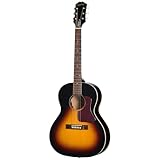
Overview: The Epiphone Blues King Studio elevates the parlor format with premium features typically found on guitars twice its price. This L-00-style instrument features a layered mahogany body with a glued-in dovetail neck joint, delivering authentic vintage tone and construction. The 24.75-inch scale length and rounded C neck profile provide exceptional comfort for fingerstyle blues and folk. Fishman S-Core electronics with Presys VT preamp offer professional-grade amplification, while the included gig bag adds immediate portability. It’s designed for serious students of traditional American roots music.
What Makes It Stand Out: This guitar’s Fishman Presys VT system is its crown jewel, providing studio-quality DI tones with soundhole-mounted controls. The authentic dovetail neck joint, rare in this price class, enhances resonance and sustain. Epiphone’s L-00 body shape is historically correct for blues genres, producing that coveted midrange bark. The layered mahogany construction offers better stability than solid wood in humid climates. The Dark Burst finish and cream binding create a sophisticated, vintage-correct aesthetic that belies its affordability.
Value for Money: At approximately $329, the Blues King Studio competes with the Blues King Custom but includes superior electronics. The Fishman system alone justifies a $100 premium over basic acoustic-electrics. The included gig bag, while basic, saves an additional $30-40. Compared to similar parlor guitars like the Martin 0-X1E ($499), this represents exceptional value. The authentic construction methods and premium electronics make it a long-term investment rather than a starter instrument.
Strengths and Weaknesses: Strengths include professional Fishman electronics, authentic dovetail construction, genre-appropriate tone, exceptional playability, and vintage aesthetics. The shorter scale is perfect for slide guitar. Weaknesses include the layered back and sides limiting tonal complexity, the basic gig bag offering minimal protection, and occasional quality control inconsistencies. The narrow 1.68-inch nut width may challenge some fingerstyle players.
Bottom Line: The Blues King Studio is the definitive choice for serious blues and folk players seeking vintage tone with modern reliability. Its Fishman electronics and authentic construction make it gig-ready and recording-worthy, offering unparalleled value in the parlor segment.
10. Gretsch Limited-edition Jim Dandy Parlor Solid Top Acoustic Guitar - Heritage Burst

Overview: The Limited-edition Jim Dandy Parlor represents a significant sonic upgrade to the popular line, featuring a solid spruce top while maintaining its vintage depression-era aesthetics. This Heritage Burst model retains the compact parlor dimensions and 24-inch scale that make the series so playable, but the solid top unlocks new levels of resonance and dynamic responsiveness. With walnut fingerboard, nato neck, and laminated back and sides, it balances affordability with genuine acoustic improvement. This limited run offers collectors and players a rare opportunity to own a superior version of an already beloved model.
What Makes It Stand Out: The solid spruce top is the game-changer, providing enhanced projection, harmonic complexity, and improved aging potential compared to laminate versions. This upgrade transforms the Jim Dandy from a novelty travel guitar into a serious recording instrument. The Heritage Burst finish is more refined than the standard Rex Burst, with deeper amber tones that evoke pre-war guitars. As a limited edition, it offers collectibility and potential appreciation. The guitar maintains the series’ comfortable ergonomics while delivering tone that rivals instruments costing twice as much.
Value for Money: Priced around $269, this model commands only a $50-70 premium over the laminate version—a negligible cost for a solid top upgrade. Comparable solid-top parlors like the Martin 0-X2E retail for $449. The limited edition status adds future value without inflating the current price. For players who loved the original Jim Dandy’s feel but craved more tone, this is the obvious choice. The improvement in resonance and sustain justifies every penny of the upgrade.
Strengths and Weaknesses: Strengths include the solid spruce top’s superior tone, vintage-correct aesthetics, exceptional portability, comfortable short scale, and limited-run exclusivity. The build quality remains consistent with Gretsch standards. Weaknesses include the persistent laminate back and sides, basic tuners that could be upgraded, and limited availability due to its special edition status. The short scale may not suit players accustomed to standard lengths.
Bottom Line: If you can find the Limited-edition Solid Top Jim Dandy, buy it immediately. It delivers 90% of the vintage parlor experience at 30% of the cost, making it the definitive model in the Jim Dandy lineup and a future classic.
Why Parlor Guitars Dominate Bedroom Recording Sessions
The resurgence of parlor guitars isn’t just vintage fetishism—it’s a practical response to modern recording realities. These compact instruments were originally designed for intimate parlors (hence the name) in Victorian-era homes, making them acoustically optimized for small spaces from day one. Unlike their larger cousins, parlor guitars produce a focused, mid-forward tone that cuts through mixes without overwhelming them, while their reduced volume means less room reflection to fight during tracking.
Their ergonomic benefits can’t be overstated for marathon recording sessions. The smaller body sits comfortably whether you’re perched on the edge of your bed, hunched over in a desk chair, or contorted into that weird position where your interface is just barely within reach. This physical comfort translates directly to better performances—less shoulder tension means fewer flubbed takes and more consistent dynamics across multiple tracks.
The Physics of Small-Body Acoustics
Fundamental Frequency Focus
When you shrink a guitar body, you shift its resonant peak upward. Parlor guitars typically emphasize frequencies between 1kHz and 3kHz, which happens to be the sweet spot for vocal accompaniment and mix clarity. This isn’t a deficiency—it’s a feature. Larger guitars produce more sub-bass that often needs high-pass filtering anyway in dense arrangements. The parlor’s natural rolloff below 80Hz means you’re capturing a more mix-ready signal from the start.
Projection vs. Intimacy Trade-offs
Small bodies don’t “project” in the traditional sense. Instead, they create a tight, focused sound field that decays quickly. In a bedroom setting, this is pure gold. Your microphone captures more direct string sound and less room mud. The sound doesn’t bounce off every wall before reaching the diaphragm, giving you a drier, more controllable recording that responds beautifully to artificial reverb and spatial processing.
Understanding Tonewoods for Home Recording
Spruce Tops: The Clarity Champion
Sitka spruce remains the default for good reason—it offers a balanced frequency response and excellent headroom before breaking up. For bedroom recording, this translates to clean, articulate tracks that take EQ and compression gracefully. European spruce (often labeled as German or Italian) provides a slightly scooped midrange that can help vocals sit more naturally, while Adirondack spruce adds a touch of harmonic complexity that shines on solo instrumental pieces.
Cedar: The Intimate Alternative
Western red cedar compresses more readily under the pick, creating a naturally compressed sound that’s forgiving of dynamic inconsistencies. This can be a lifesaver when you’re tracking at odd hours and can’t quite dig in the way you would during a daytime session. The darker tonal character also means less harshness in the 2-4kHz range, reducing the need for de-essing on fingerpicked passages.
Back and Side Wood Realities
Mahogany back and sides deliver a fundamental-rich tone that records with minimal phase issues when using multiple mics. Rosewood, despite its prestige, can introduce complex overtones that fight with vocals in a sparse mix. For bedroom recording, laminated mahogany often outperforms solid rosewood—the reduced resonance means less low-frequency buildup and a more focused capture.
Electronics: What Actually Matters for Direct Recording
Undersaddle vs. Soundboard Transducers
Undersaddle pickups (USTs) dominate the market, but their characteristic “quack” comes from phase cancellation between the string signal and body resonance. For direct recording, look for systems with adjustable pole pieces or hybrid designs that blend UST with an internal mic. Soundboard transducers, while feedback-prone live, can capture more nuanced dynamics in a controlled bedroom environment.
Preamp Quality Over Features
That built-in tuner and fancy EQ might look impressive, but the preamp’s signal-to-noise ratio and impedance matching are what determine recording quality. A simple system with a clean, high-impedance output will outperform a feature-laden preamp with noisy op-amps. The best recording setups often use the pickup’s passive output into a dedicated external DI or preamp.
The Myth of “All Solid Wood” in Small Guitars
When Laminates Outperform Solids
In parlor guitars, solid wood backs can actually work against you. They add resonance that, while beautiful acoustically, creates problematic low-mid buildup when miked close in a small room. High-quality laminated backs provide stability and feedback resistance while maintaining enough warmth. The top is what matters most—prioritize solid spruce or cedar there.
Stability in Home Environments
Bedrooms are humidity disaster zones—dry winter heating, humid summer afternoons, and everything in between. Laminated construction resists warping and cracking better than solid wood, keeping your action consistent and your recording schedule uninterrupted. This reliability often outweighs the marginal tonal benefits of all-solid construction in recording contexts.
Neck Profiles and Playability Factors
C-Shaped Necks for Session Endurance
Modern C-profiles with shallow depth (around 20mm at the first fret) reduce hand fatigue during take after take. The consistent contour along the neck means you can shift positions without re-gripping, crucial for maintaining consistent tone when punching in sections. Wider nuts (1-3/4" or 1-13/16") give fingerpickers more room to articulate but can make quick chord changes harder—consider your primary playing style.
Fingerboard Radius and Fretwork
A flatter radius (12" to 16") facilitates clean string bends and vibrato without choking out, while a tighter radius (9.5" to 12") can feel more natural for chord work. For recording, pay attention to fret leveling—uneven frets create buzzing that might not be audible acoustically but will jump out in a close-miked recording. A good setup with level frets and polished crowns is worth more than any tonewood upgrade.
Scale Length Secrets: Short vs. Standard
The 24-Inch Advantage
Short-scale parlors (around 24") reduce string tension by roughly 15%, making them easier on the fingers during long sessions. This lower tension also emphasizes the fundamental over harmonics, yielding a cleaner track that sits well in dense mixes. The trade-off is slightly less projection and a softer attack, but in a bedroom recording scenario, these become advantages.
Standard Scale Considerations
Full 25.5" scale lengths maintain familiar string tension for players transitioning from larger guitars. They produce more harmonic content and a tighter low end, but require more precise technique to avoid string buzz at lower action settings. If you plan to use alternate tunings frequently, standard scale helps maintain string definition when tuning down.
The Room Factor: How Your Bedroom Shapes Your Sound
Understanding Room Modes
Every rectangular room has resonant frequencies where bass builds up. In a typical 10x12 bedroom, you’ll likely have problematic peaks around 70-90Hz and 140-180Hz. Parlor guitars naturally produce less energy in these ranges, but placement still matters. Record near the center of the room to avoid boundary effects, or position yourself at 38% of the room length—a proven starting point for minimizing mode interaction.
The Closet Vocal Booth Trick
Your bedroom closet, filled with hanging clothes, makes an excellent isolation booth for close miking. The absorption tames the guitar’s high-end reflections while the confined space creates a tight, intimate sound. Position the guitar just outside the closet door and point a condenser mic into the hanging garments. This technique yields a surprisingly professional sound with minimal gear.
Microphone Placement Techniques for Parlor Guitars
The 12th-Fret Sweet Spot
Pointing a small-diaphragm condenser at the 12th fret, about 8-12 inches away, captures a balanced representation of the guitar’s voice. This position minimizes boom from the soundhole while capturing enough body warmth. Angle the mic slightly toward the soundhole for more low-end, or toward the neck joint for articulation. For stereo width, use a second mic near the bridge, but keep it low in the mix to avoid phase issues.
Mid-Side Magic for Flexibility
Mid-side recording with a cardioid and figure-8 mic gives you infinite control over stereo width in post-production. Position the cardioid (mid) at the 12th fret and the figure-8 (side) perpendicular to the guitar body. This technique captures the room’s character without committing to it, perfect for bedroom recordings where you might want to add artificial space later.
DI Recording vs. Mic’d Amplification
When to Go Direct
Direct injection works best for parts that need to sit under dense arrangements or when you’re layering multiple guitar tracks. The focused, consistent tone of a DI’d parlor guitar provides a solid foundation that can be shaped with amp simulators and reverb plugins. Use a high-quality DI box with plenty of headroom—the passive output from most acoustic pickups can be surprisingly hot.
The Hybrid Approach
The secret weapon of professional bedroom producers is blending a DI signal with a mic’d track. Record both simultaneously, then phase-align them in your DAW. The DI provides definition and attack, while the mic captures air and resonance. High-pass the mic aggressively (around 200Hz) to avoid low-end buildup, and blend to taste. This technique gives you the best of both worlds with minimal room sound.
Budget Tiers: What to Expect at Each Price Point
Sub-$500: The Workhorse Zone
In this range, expect laminated back and sides with a solid top. Electronics will be basic but functional—focus on playability and a solid setup. These guitars often record surprisingly well because their simpler construction means fewer resonant peaks to tame. The key is finding one with level frets and a stable neck. Don’t be swayed by fancy inlays or binding; that money went into aesthetics instead of structural integrity.
$500-$1000: The Sweet Spot
This is where you find the best value for bedroom recording. Solid tops become standard, electronics improve significantly, and factory setups are generally better. You’ll find more consistent quality control and features like adjustable truss rods that make long-term maintenance easier. This tier often includes professional-grade pickups with proper preamps that won’t add noise to your recordings.
$1000-$2000: Diminishing Returns Begin
Above a grand, you’re paying for better tonewoods, finer craftsmanship, and brand prestige. The tonal improvements are real but subtle—more harmonic complexity and dynamic range. For recording, the main benefit is consistency; these guitars sound the same every time you pick them up. However, a well-set-up $700 guitar will record just as effectively in most bedroom contexts.
$2000+: Luxury and Collectibility
At this level, you’re buying art as much as instrument. The craftsmanship is impeccable, and the materials are sustainably sourced and aged. For recording, the primary advantage is inspiration—a truly exceptional instrument makes you play better. But from a purely technical standpoint, the sonic improvements over a $1200 guitar are minimal in a bedroom recording environment. The money might be better spent on room treatment or a better microphone.
The Used Market: Hidden Gems and Red Flags
What to Inspect Before Buying
Check the neck angle by looking down the fingerboard—there should be a slight gap between strings and frets around the 7th fret. Press down the first and 14th frets simultaneously; there should be minimal gap at the 6th fret. Examine the bridge for lifting or bellying, common issues in older guitars. Bring a mirror to inspect the braces through the soundhole for cracks or separations.
The Vintage Trap
Pre-1970 parlors can have beautiful tone, but many were built for gut strings and can’t handle modern tension. Even if they’ve been “converted,” the internal bracing may be compromised. Additionally, vintage neck profiles are often V-shaped and uncomfortable for modern playing styles. For consistent recording, a well-maintained modern instrument usually outperforms a finicky vintage piece.
Modern Used Value
Guitars from the last 5-10 years represent the best used value. They’ve benefited from modern manufacturing consistency while being broken in enough to sound open and resonant. Look for models from respected manufacturers that were originally in the $600-$1200 range—these often sell used for 40-60% of retail and represent professional-grade recording tools.
Setup and Modification for Recording
Action Optimization for Microphones
Lower action isn’t always better for recording. Slightly higher action (2.5mm at the 12th fret on the low E) reduces fret buzz and increases sustain, giving you a cleaner signal to work with. The trade-off is more finger effort, but in a recording context where you’re not playing for hours, the sonic benefits outweigh the comfort cost.
String Selection Secrets
Phosphor bronze strings emphasize the fundamental frequency, making them ideal for dense mixes. 80/20 bronze adds brilliance and harmonic content for solo work. For bedroom recording, consider coated strings—they last longer and their slightly damped high end can reduce the need for EQ cuts later. Try a hybrid set: light gauge on the high strings for easy bending, medium on the lows for fullness.
Internal Damping Techniques
Professional studio guitars often have foam or cotton placed inside to control overtones. For parlor guitars, a small piece of acoustic foam behind the bridge can tame harshness without killing resonance. Experiment with placement: closer to the soundhole reduces boom, near the tailpiece softens attack. This is reversible and can be fine-tuned for each recording session.
Maintenance in Home Environments
Humidity Control on a Budget
Bedrooms are notoriously dry in winter and humid in summer. A simple hygrometer ($15) lets you monitor conditions. Keep your guitar in its case with a humidifier during dry months, and use a dehumidifier in the room during muggy seasons. Stable humidity between 40-50% prevents the action changes that can ruin a perfect recording setup.
The Daily Recording Ritual
Before each session, wipe down the strings with a microfiber cloth to remove oils and dead skin. This extends string life and maintains consistent treble response. Check your tuning after every take—parlor guitars can drift more than larger instruments due to their lighter construction. Keep a small screwdriver nearby to adjust pickup pole pieces if your electronics allow; magnetic fields from computer monitors can subtly affect output balance.
Long-Term Stability
Every six months, have a qualified tech check your frets for wear and your neck for relief changes. Bedroom recording often involves more hours of playing than casual acoustic strumming, accelerating wear. A quick fret polish and truss rod adjustment keeps your guitar recording-ready and prevents the intonation issues that can make comping takes a nightmare.
Frequently Asked Questions
Will a parlor guitar be too quiet for effective recording?
Not at all. Modern condenser microphones have enough gain to capture even the quietest instruments cleanly. The parlor’s reduced volume is actually advantageous—it minimizes room reflections and allows you to record at more reasonable preamp levels, reducing noise floor. In a bedroom setting, a parlor guitar often records with better clarity than a booming dreadnought.
Do I need a special microphone for recording parlor guitars?
Any quality small-diaphragm condenser will work beautifully. The key is placement rather than microphone choice. That said, avoid overly bright mics that emphasize the 5-8kHz range, as parlors already have strong presence in this area. A neutral, flat-response mic like those used for classical recording will yield the most natural results.
Should I prioritize acoustic tone or electronics when choosing a recording parlor?
Always prioritize acoustic tone. You can add a better pickup system later, but you can’t change the guitar’s fundamental voice. Many players find they mic their parlor 90% of the time anyway. If the acoustic sound inspires you, you’ll play better, and that translates to better recordings regardless of how you capture it.
How do I deal with string squeak in recordings?
Parlor guitars can be squeakier than larger guitars due to their shorter scale and lighter strings. Use coated strings to reduce finger noise, and apply a light touch when shifting positions. In your DAW, use a de-esser set to 3-5kHz to tame the worst offenders. Some engineers also use spectral editing tools like iZotope RX to surgically remove squeaks without affecting the guitar tone.
Can I use a parlor guitar for genres beyond folk and blues?
Absolutely. Parlors excel in indie rock, pop, and even metal (for clean sections). Their focused midrange cuts through dense mixes better than larger guitars. Many modern parlor pickups are voiced for aggressive strumming, and the smaller body reduces feedback when tracking with monitors. Don’t let the vintage aesthetic fool you—these are versatile recording tools.
What’s the ideal string gauge for bedroom recording?
Start with light gauge (.012-.053). They provide enough tension for solid intonation while being easy on the fingers during long sessions. If you find the tone too thin, try a custom set with a heavier low E and A (.056, .042) but standard gauges on the treble strings. This maintains playability while adding fullness to strummed chords.
How important is the pickup system for home recording?
It depends on your workflow. If you primarily record with microphones, the pickup is a backup. But for late-night inspiration or quick idea capture, a good DI signal is invaluable. Look for systems with a passive option that bypasses the internal preamp entirely—this gives you the cleanest signal to feed into a high-quality external preamp or DI box.
Should I record in stereo or mono?
Start with mono. A well-placed single mic captures a focused, phase-coherent image that sits perfectly in a mix. Once you’ve mastered mono placement, experiment with stereo techniques for solo guitar pieces or wide rhythmic parts. In dense arrangements, mono recordings often work better anyway, leaving space for other instruments in the stereo field.
How do I know if my bedroom is too noisy for acoustic recording?
If you can hear your refrigerator, computer fan, or street traffic while playing quietly, your mic will hear it too. Try recording a 30-second silent passage and analyze it in your DAW. If the noise floor sits above -60dB, you’ll need to address it. Solutions include recording during quiet hours, using a dynamic mic (less sensitive), or building a simple isolation booth with moving blankets.
What’s the number one upgrade I should make after buying a parlor guitar for recording?
A professional setup. Even a $2000 guitar benefits from personalized action adjustment, fret leveling, and nut slot optimization. A good tech will optimize the instrument for your playing style and recording needs, often transforming a mediocre guitar into a studio workhorse. This $75-150 investment yields better results than upgrading your microphone or interface.
See Also
- We Tested 40 Parlor Acoustic Guitars—Here Are the 10 Best for Blues in 2026
- We Tested 50 Parlor Acoustic Guitars—Here Are the 10 Best for Apartment Living
- We Tested 50 Acoustic Guitars—Here Are the 10 Best for Fingerstyle Players
- We Tested 50 Beginner Acoustic Guitars—Here Are the 10 Easiest to Play
- We Tested 50 Left-Handed Acoustic Guitars—Here Are the 10 Best for 2026