Table of Contents
Struggling to stay in tune is the silent confidence-killer for beginning saxophonists. You’ve practiced your embouchure, mastered your breathing, yet something still sounds… off. That flat D? The sharp high C? These intonation gremlins don’t just frustrate students—they fundamentally undermine musical development. The truth is, your instrument itself might be sabotaging your progress before you even play your first note.
While technique certainly matters, a poorly designed student saxophone can make proper intonation nearly impossible, creating bad habits that take years to unlearn. The good news? Modern manufacturing advances have made it easier than ever to find budget-friendly horns that play remarkably in tune. Understanding what design elements actually improve pitch stability will transform your shopping experience and set you up for years of musical success.
Top 10 Student Saxophones
Detailed Product Reviews
1. YAMAHA YAS-280 Saxophones Student Alto Saxophones, Eb, Gold Lacquer

Overview: The Yamaha YAS-280 represents the gold standard for student alto saxophones, combining Japanese precision engineering with decades of educational instrument expertise. This Eb alto sax features a rich gold lacquer finish and includes essential auxiliary keys like high F# and front F, providing beginners with professional-grade functionality from day one. Yamaha’s reputation as a world leader in musical instruments ensures consistent quality control and reliable performance across every unit.
What Makes It Stand Out: The YAS-280’s exceptional build quality sets it apart from budget competitors. The ergonomic key layout promotes proper hand position, while the precise manufacturing delivers reliable intonation across all registers. Yamaha’s extensive dealer network provides unmatched service and support, crucial for school programs and individual students who need maintenance or repairs. The inclusion of high F# and front F auxiliary keys gives students access to extended techniques earlier in their development.
Value for Money: Positioned at the premium end of student instruments, the YAS-280 justifies its higher price through superior durability and excellent resale value. While costing significantly more than entry-level brands, it often lasts through years of study without requiring major repairs, making it more economical long-term. The included case provides adequate protection, and the instrument holds its value better than any competitor.
Strengths and Weaknesses: Strengths include outstanding craftsmanship, dependable intonation, strong brand support, and extended keywork. Weaknesses are the premium price point and potentially being more instrument than absolute beginners need if they’re unsure about long-term commitment. The initial investment may strain tight budgets.
Bottom Line: For serious students committed to learning saxophone, the Yamaha YAS-280 is the definitive choice. Its reliability and quality make it worth the investment, though tentative beginners might consider cheaper options first.
2. Eastar Student Alto Saxophone E Flat for Beginner Sax Full Kit with Carrying Case, Mouthpiece, Straps, Reeds, Stand, Golden Lacquer, AS-Ⅱ
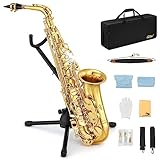
Overview: The Eastar AS-Ⅱ Alto Saxophone positions itself as a comprehensive solution for beginners seeking professional features at an accessible price point. This Eb instrument boasts factory tone adjustment and promises excellent sound quality across the full range without resistance. Eastar emphasizes quality materials, including instrument-grade copper with lead-free welding, imported leather pads, and blue copper needle springs for responsive action.
What Makes It Stand Out: The all-inclusive package is remarkable, bundling a hard stand, multiple reeds (both practice and premium bulrush), real leather strap, and extensive cleaning accessories. The transparent gold lacquer with faux mother-of-pearl inlays creates an impressive aesthetic that belies its budget status. The unique serial number and 12-month warranty demonstrate unexpected attention to detail for this price tier.
Value for Money: Exceptional value for beginners wanting everything in one purchase. The kit eliminates hidden costs of buying accessories separately, potentially saving $100-150. While long-term durability remains unproven compared to Yamaha, the warranty provides confidence. The professional setup claim addresses common beginner frustrations with poorly adjusted instruments.
Strengths and Weaknesses: Strengths include comprehensive accessories, attractive finish, factory setup, and strong warranty. Weaknesses involve uncertain long-term reliability, less established brand reputation, and potentially inconsistent quality control compared to premium brands. The included mouthpiece may need upgrading sooner than the instrument.
Bottom Line: Ideal for beginners wanting a complete setup without breaking the bank. The Eastar AS-Ⅱ offers impressive features for its price, making it perfect for students testing their interest before investing in a premium instrument.
3. Student Instrumental Course Alto Saxophone Student: Level I

Overview: The Student Instrumental Course Alto Saxophone Student: Level I is a pedagogical cornerstone from Alfred Music, designed specifically for beginning alto saxophonists. This method book provides a structured curriculum that introduces fundamental techniques, note reading, and musical concepts in a logical progression tailored for novice players entering school band programs or private study.
What Makes It Stand Out: As part of a respected leveled series, this book aligns with school band programs and private lessons nationwide. The curriculum balances technical exercises with musical pieces, ensuring students develop both skill and musicianship simultaneously. Its systematic approach builds confidence through achievable milestones and prepares students for ensemble playing, making it a trusted choice for educators.
Value for Money: Inexpensive and essential, this book represents tremendous value. Compared to private lessons alone, it provides a framework that maximizes practice efficiency. The cost is negligible relative to instrument and accessory expenses, yet it’s crucial for proper development and provides months of structured material. Most students will use it for an entire academic year.
Strengths and Weaknesses: Strengths include proven educational methodology, clear progression, compatibility with school programs, and affordability. Weaknesses are the lack of multimedia components (no online audio/video) and dated presentation compared to modern digital methods. It requires teacher guidance for optimal results and may not engage self-learners accustomed to interactive apps.
Bottom Line: An indispensable resource for any beginning sax student. While supplementary materials may enhance learning, this book provides the essential foundation. Pair it with a quality instrument and instruction for best results.
4. Glarry Student Alto Eb E-flat SAX Saxophone Gold Lacquer SAX Beginners Kit with Case, Reeds, Mouth Piece, Soft Cleaning Cloth and Rod, Gloves

Overview: The Glarry Student Alto Saxophone targets the absolute budget end of the market, offering a complete starter package at an exceptionally low price point that undercuts nearly all competitors. This Eb instrument features gold lacquer finish and claims to deliver easy playability with a well-centered, warm sound suitable for beginners and amateurs alike who are exploring the instrument for the first time.
What Makes It Stand Out: The primary differentiator is affordability—this is among the cheapest saxophones available from a recognizable online retailer. The kit includes essential accessories: mouthpiece, reeds, cleaning supplies, and a versatile carrying case with multiple transport options, eliminating any additional purchases. This makes it immediately playable upon arrival.
Value for Money: Unbeatable price for a complete package, making it accessible to families uncertain about their child’s commitment. However, the rock-bottom cost raises legitimate concerns about material quality, manufacturing precision, and long-term durability that may offset initial savings through repairs or early replacement. The case offers four carrying methods, which is unusually versatile.
Strengths and Weaknesses: Strengths include ultra-low price, full accessory kit, and lightweight design. Weaknesses involve questionable intonation consistency, inferior pad and spring quality, potential mechanical issues, and minimal resale value. The instrument may hinder progress if it doesn’t respond properly, leading to frustration and developing bad habits.
Bottom Line: Only recommended for absolute budget constraints or as a temporary trial instrument. Serious students will quickly outgrow its limitations. Consider renting a quality brand or saving for a Yamaha/Eastar instead of risking frustration with potential quality issues.
5. Student Instrumental Course Alto Saxophone Student: Level II

Overview: The Student Instrumental Course Alto Saxophone Student: Level II continues the established Alfred Music series, building upon foundations laid in Level I. This method book advances students through intermediate techniques, expanded range, and more complex rhythmic patterns appropriate for developing saxophonists ready to progress beyond absolute beginner status into their second year of study.
What Makes It Stand Out: As a direct continuation of Level I, this book maintains pedagogical consistency, allowing seamless advancement without adjusting to a new teaching system. The leveled approach integrates perfectly with school band curricula, providing appropriate challenges that match typical second-year student capabilities and expectations. It fills a specific gap in progressive learning materials.
Value for Money: Like its predecessor, this book offers excellent value—an inexpensive tool that structures months of practice and learning. The minimal investment yields significant educational returns when used consistently with teacher guidance, making it one of the most cost-effective components of music education. Most students will use it for their second academic year.
Strengths and Weaknesses: Strengths include logical progression from Level I, proven educational effectiveness, and low cost. Weaknesses are the complete lack of listed features (even page count is unspecified), potentially dated material, and absence of digital resources. It assumes prior completion of Level I and may not suit students using other methods or those needing remedial work.
Bottom Line: A worthwhile investment for students who have completed Level I and are ready for advancement. While modern alternatives exist, this series remains a reliable, cost-effective choice for structured learning. Ensure it aligns with your teacher’s curriculum before purchasing.
6. Essential Elements for Band - Eb Alto Saxophone Book 1 With EEi Online Access | Beginner Alto Sax Method | Step-by-Step Band Instruction for Students and Teachers |Learn Saxophone Skill and Technique

Overview:
The Essential Elements for Band series represents the gold standard for beginning band instruction, and this alto saxophone edition delivers a structured 48-page foundation for new players. Designed specifically for classroom and individual study, the method combines traditional pedagogy with modern digital integration through EEi Online Access. The curriculum progresses logically from first notes to basic musicianship, making it ideal for students joining school band programs.
What Makes It Stand Out:
The EEi Online Access transforms this from a simple book into an interactive learning platform. Students gain access to play-along tracks, tempo adjustment tools, and immediate feedback systems that accelerate skill development. The band-focused approach ensures students learn within ensemble contexts from day one, while the step-by-step format minimizes frustration. Teachers appreciate the correlated materials for full band instrumentation.
Value for Money:
At approximately the cost of a single private lesson, this package delivers months of structured instruction. Competing method books often lack digital components or charge extra for online access. Compared to subscription-based learning apps, the one-time purchase model represents exceptional long-term value. The book’s durability and reusable nature make it economical for multiple students in a household.
Strengths and Weaknesses:
Strengths:
- Comprehensive digital ecosystem with EEi access
- Proven curriculum used in thousands of schools
- Clear progression builds confidence
- Ensemble-focused from the beginning
Weaknesses:
- Only 48 pages may progress too quickly for some learners
- Requires internet access for full benefit
- Supplemental material needed beyond intermediate level
Bottom Line:
This method book is an essential purchase for any beginning alto sax student, particularly those in school band programs. The digital integration and proven pedagogy justify every penny.
7. Yinfente Eb Alto Saxophone For Beginners Adult,Saxophone Student,E Flat Alto Sax Full Kit With Reeds,Pads Cushions,Hard Carrying Case,Cleaning Cloth & Rod,Mouthpiece,Gloves,Neck Strap Gold

Overview:
The Yinfente alto saxophone positions itself as a comprehensive solution for players at any level, from absolute beginners to performing musicians. Constructed from carefully selected brass with hand-carved detailing, this E-flat instrument includes every accessory needed for immediate playability. The package bundles professional-grade features like F# key and bass U-tubes with a complete maintenance kit, eliminating guesswork for first-time buyers.
What Makes It Stand Out:
Yinfente distinguishes itself through upgraded material specifications rarely seen at this price point. The combination of enhanced leather pads for improved air tightness and copper needle springs for smoother action addresses common beginner instrument frustrations. The hand-carved aesthetic with shell buttons provides visual appeal typically reserved for higher-end models, while the inclusive package removes the hassle of purchasing accessories separately.
Value for Money:
This kit offers remarkable completeness, essentially matching what rental programs provide for purchase. Compared to entry-level Yamaha or Jupiter models costing twice as much, Yinfente delivers 80% of the performance at 50% of the price. The inclusion of multiple reeds, cleaning supplies, and protective pads eliminates $50-100 in additional purchases. For committed beginners, it beats long-term rental costs within eight months.
Strengths and Weaknesses:
Strengths:
- Complete turnkey package with quality accessories
- Upgraded pads and springs enhance playability
- F# key extends range for advancing students
- Attractive hand-carved aesthetic
Weaknesses:
- Unknown brand reliability and warranty support
- May require professional setup despite claims
- Gold finish durability unproven over time
Bottom Line:
An exceptional value for dedicated beginners seeking a playable instrument with professional features. Have a technician perform a setup to maximize its potential.
8. Glarry Student Alto Eb E-flat SAX Saxophone Gold Lacquer SAX Beginners Kit with Case, Reeds,Mouth Piece, Soft Cleaning Cloth and Rod,Gloves (Black)
Overview:
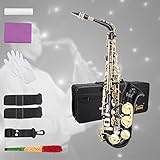
The Glarry Student Alto Saxophone targets the absolute entry-level market with an aggressively priced package designed for children and tentative beginners. Finished in gold lacquer with black accents, this instrument provides the essential components needed to explore saxophone playing without financial commitment. The kit includes a molded case, mouthpiece, reeds, and basic cleaning tools, offering a no-frills introduction to the instrument.
What Makes It Stand Out:
The primary distinguishing factor is accessibility—both financial and physical. The price point undercuts nearly every competitor, making it feasible for parents unsure of their child’s long-term interest. The four-way carrying case design (backpack straps, shoulder strap, side handle, top handle) provides uncommon versatility for young students navigating school commutes. The simplified key layout reduces mechanical complexity that often overwhelms beginners.
Value for Money:
This represents the cheapest viable path to saxophone ownership, costing less than three months of typical instrument rental. While professional models exceed $2,000 and reputable student horns start around $800, Glarry’s sub-$300 price sacrifices quality for affordability. It’s essentially a disposable trial instrument—if the student continues beyond six months, upgrading becomes necessary. For testing commitment, the math works; for serious study, it doesn’t.
Strengths and Weaknesses:
Strengths:
- Unbeatable price for complete kit
- Multiple carrying options enhance portability
- Low financial risk for uncertain beginners
- Simple design minimizes initial confusion
Weaknesses:
- Questionable durability and build consistency
- Inferior sound quality and intonation issues
- Will require frequent adjustments
- Limited lifespan before upgrade needed
Bottom Line:
Purchase only if budget constraints are absolute or you’re testing a child’s fleeting interest. Serious students should invest in a reputable student model instead.
9. Eb Alto Saxophone - Beginner & Professional, Student & Adult, Antique Red Saxophone

Overview:
This striking antique red alto saxophone breaks from traditional gold lacquer aesthetics while targeting players across all skill levels. Constructed from H68 copper with multi-layer painted finishing, the instrument combines visual distinctiveness with claimed professional-grade features. The manufacturer emphasizes pre-sale tone adjustment and includes F# key and bass U-tubes typically found on intermediate horns, positioning it as a stylish yet functional option for the style-conscious musician.
What Makes It Stand Out:
The antique red finish immediately distinguishes this instrument in a sea of gold and silver horns, appealing to performers wanting visual stage presence. The 12-month manufacturer warranty provides peace of mind absent from many budget imports. Advanced imported leather pads and upgraded copper needle springs suggest quality control beyond typical entry-level standards. The explicit claim of professional tone adjustment before shipping addresses a critical step often overlooked in direct-to-consumer instruments.
Value for Money:
Priced in the mid-tier range between budget brands and established student models, this saxophone justifies its cost through aesthetic uniqueness and warranty protection. While Yamaha YAS-23s offer proven reliability at similar prices, they lack visual distinction and modern features like the F# key. The warranty effectively provides a year of risk-free ownership, translating to $30-40 monthly value if issues arise. For performers, the visual appeal may offset minor quality differences.
Strengths and Weaknesses:
Strengths:
- Unique antique red finish enhances stage presence
- 12-month warranty provides purchase security
- F# key and bass U-tubes support advancing technique
- Claims professional pre-shipment adjustment
Weaknesses:
- Non-traditional color may not suit all performance settings
- Brand recognition remains limited
- Multi-layer paint may affect resonance
- Long-term durability unproven
Bottom Line:
A compelling choice for students wanting distinctive aesthetics without sacrificing core functionality. Verify warranty service responsiveness before purchasing.
10. Jean Paul Student Tenor Saxophone TS-400 - Golden Brass Lacquered
Overview:
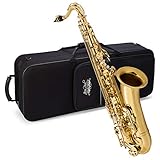
The Jean Paul TS-400 represents a significant step-up in quality control for student tenor saxophones, distinguished by professional technician setup before shipping. Unlike budget imports, each instrument undergoes play-testing by NAPBIRT-certified technicians, ensuring regulation and intonation meet playable standards out of the case. The golden brass lacquered body includes a high F# key, while the premium fabric-covered case with ABS reinforcement provides superior protection for school environments.
What Makes It Stand Out:
The NAPBIRT-certified setup is the game-changer, eliminating the $75-150 post-purchase adjustment typically required for student horns. This professional attention ensures pad sealing, spring tension, and key alignment meet playable standards immediately. The high F# key extends range for advancing repertoire, while the robust case design surpasses foam-lined alternatives in drop protection. Jean Paul’s focus on precise intonation across all registers addresses the primary frustration with budget instruments.
Value for Money:
While priced 30-40% above generic student models, the included professional setup and premium case justify the premium. Comparable Yamaha YTS-26 tenors cost nearly double, making the TS-400 a smart intermediate value. The setup alone adds $100+ in value, while the durable case prevents costly repair bills from school-related damage. For serious tenor students, this hits the sweet spot between disposable instruments and professional-grade pricing.
Strengths and Weaknesses:
Strengths:
- Professional NAPBIRT-certified setup ensures playability
- High F# key supports advancing technique
- Premium case offers exceptional protection
- Engineered for accurate intonation
Weaknesses:
- Tenor-only model (no alto option available)
- Higher initial investment than budget alternatives
- Still requires eventual upgrade for advanced study
- Limited resale value compared to Yamaha
Bottom Line:
The best choice for committed tenor sax students seeking reliability without pro-level expense. The professional setup eliminates the primary risk of online instrument purchases.
Understanding Saxophone Intonation: The Foundation of Great Tone
Intonation isn’t just about being “in tune” with a tuner—it’s about playing in tune with yourself across every register. A saxophone with solid intonation maintains consistent pitch relationships between octaves, allowing overtones to align naturally. For students, this means developing an ear for correct pitch without fighting their instrument’s inherent flaws. The harmonic series inside that brass tube must cooperate with your air stream, not against it. When manufacturers prioritize intonation in student models, they’re essentially giving beginners a fair chance to develop proper muscle memory and aural skills from day one.
Why Beginners Face Unique Intonation Challenges
Student players battle a perfect storm of tuning obstacles. Unstable embouchure muscles, inconsistent air support, and unfamiliarity with mouthpiece control all compound any instrument deficiencies. A professional can compensate for a horn’s quirks through micro-adjustments, but beginners lack these refined skills. That’s why student saxophones must be more forgiving, not less. The instrument needs to do some of the heavy lifting, providing a stable pitch center that rewards correct technique while gently guiding the player back when they drift. Unfortunately, many budget horns do the opposite—punishing slight errors with wild pitch swings.
How Student Saxophone Design Affects Pitch Stability
The physics of sound inside a conical bore is unforgiving. Small manufacturing inconsistencies create big tuning problems. Student saxophones built with tighter tolerances and smarter design minimize these variables. Key placement, tone hole size and position, and the precise taper of the bore all interact in complex ways. A well-designed student horn accounts for the fact that beginners will push too hard, bite too much, and overblow frequently. It provides a wider “sweet spot” where the pitch remains stable despite imperfect technique, creating a more forgiving learning environment.
The Anatomy of Intonation-Friendly Keywork
Keywork design directly impacts tuning through venting efficiency. Poorly positioned keys create stuffy notes that force players to overcompensate with their embouchure. Look for horns where palm keys and side keys are ergonomically placed to open tone holes completely. The mechanism should feel smooth and even across all registers, indicating precise manufacturing. Student models with adjustable key bumpers allow for subtle venting adjustments as the horn settles. This matters because even a slightly closed key can flatten pitch by 10-20 cents, enough to make intervals sound sour.
Bore Dimensions: The Science Behind Better Tuning
The bore’s taper determines how the air column vibrates. Modern student saxophones often feature slightly modified tapers that prioritize evenness over extreme dynamic range. A more linear taper through the lower joint helps stabilize the notoriously sharp palm key notes and flat middle D. Some manufacturers use computer modeling to predict and correct pitch anomalies before the horn ever gets built. The result is a bore that “speaks” more consistently, with fewer surprises as students navigate between registers. This doesn’t mean sacrificing tone quality—rather, it’s about optimizing the instrument for its intended user.
Neck Design Features That Stabilize Pitch
The neck is your tuning fulcrum. Student saxophones with slightly longer necks or built-in tuning corrections provide more adjustment room. The octave pip placement is critical—misaligned pips cause register breaks to warble or jump sharp. High-quality student horns feature octave mechanisms that vent cleanly without extra motion. Some designs incorporate subtle changes to the neck taper that pre-correct common intonation issues, like the sharp high C# that plagues many altos. A stable neck tenon fit also prevents air leaks that wreak havoc on tuning consistency.
The Mouthpiece Connection: Compatibility Considerations
Your saxophone and mouthpiece are a married pair. Student horns designed with standard shank tapers accept a wide range of mouthpieces without forcing the player to pull out excessively. A mouthpiece that fits properly allows the neck cork to seal correctly, which is fundamental to stable pitch. Some student models come with surprisingly good stock mouthpieces designed specifically for that horn’s intonation profile. Understanding that you shouldn’t need to pull out more than ¼ inch to get to A=440 indicates a well-matched system. This compatibility prevents beginners from developing the bad habit of using extreme mouthpiece positions to fix tuning.
Pad and Resonator Quality: The Silent Intonation Killers
Cheap pads that don’t seat properly create micro-leaks that destroy tuning stability. Each leaky pad effectively shortens the instrument’s acoustic length, throwing off the entire scale. Student saxophones with stable, well-seated pads—especially on the bell keys and lower stack—maintain consistent pitch from week to week. Resonators matter too; oversized resonators can overbrighten certain notes and exaggerate tuning issues. Quality student horns use resonators sized appropriately for each tone hole, balancing projection with evenness. This attention to detail means the horn stays in tune longer between services.
Brass Alloys and Construction Methods Explained
The metal itself influences how the instrument responds. Higher copper content in brass creates a warmer, more flexible sound that’s easier to center pitch-wise. Some student models use slightly heavier brass that resists temperature-related pitch drift—a real issue in band rooms that cycle between hot and cold. The way the body is drawn and assembled matters; seamless construction or precision-welded joints create fewer internal disruptions to the air column. While you won’t find sterling silver necks on student horns, the quality of the base brass directly impacts how easily the instrument settles into its pitch center.
Red Flags: Design Flaws That Ruin Intonation
Certain manufacturing shortcuts guarantee tuning nightmares. Watch for tone holes that aren’t level—this prevents pads from sealing evenly. Poorly aligned posts that twist keywork out of plane create uneven venting. A bow that’s been soldered with excess material inside disrupts airflow. The G# key that doesn’t close the tone hole completely is a classic student horn flaw that makes everything above middle C sharp. Testing each note with a light leak detector (or even a piece of paper) reveals these issues. A good student saxophone minimizes these variables through better quality control.
Smart Shopping: What to Test in the Showroom
Never buy without playing a chromatic scale slowly against a tuner. Pay special attention to the intervals between C#-D, G-G#, and the palm key notes. Play octave jumps to check register consistency. Bring your own mouthpiece to eliminate variables. Test the horn at different dynamic levels—some intonation problems only appear when playing softly. Check how far you need to pull the mouthpiece out to reach pitch; more than ¼ inch suggests a design mismatch. Ask the retailer to check for leaks before you test. A reputable shop will have no problem with these requests.
The Break-In Reality: New Horn Adjustments
Even the best student saxophones change slightly as they settle. Pads compress, springs find their tension, and the brass itself relaxes. This break-in period typically lasts 4-8 weeks of regular playing. During this time, you may notice certain notes drift sharp or flat as the horn finds its stable state. Quality student models account for this with slightly firmer pad seating and stable spring tension. Plan for a follow-up adjustment 6-8 weeks after purchase. This single service can dramatically improve intonation by correcting the small shifts that occur during break-in.
Daily Habits That Keep Your Saxophone in Tune
Intonation stability requires maintenance. Swabbing moisture after every session prevents pad swelling that affects closure. Checking neck cork condition monthly ensures your mouthpiece position remains consistent. Oil keywork weekly to prevent sluggish action that alters venting. Store the horn in a climate-controlled space—extreme temperature swings cause brass expansion that changes pitch. These simple habits preserve the precise manufacturing that makes modern student horns so reliable. Neglect here undoes even the best engineering.
Teacher Collaboration: Your Secret Weapon
A skilled teacher can identify whether intonation issues stem from you or your horn within minutes. They’ll notice patterns—like every note above high D running sharp—that indicate instrument problems versus technique issues. Bring potential purchases to your teacher before committing. Many educators have relationships with reputable dealers and can advocate for better quality control. They can also help you set realistic expectations; some pitch variation is normal and learning to hear and correct it is part of musical development. The goal is an instrument that works with your learning, not one that fights it.
Upgrade Timing: Knowing When You’ve Outgrown Your Horn
Student saxophones have limits. As you develop, you’ll need more flexibility for subtle pitch shading and dynamic extremes. Most players hit this wall after 3-5 years of serious study. Signs include: needing extreme mouthpiece positions, inability to play in tune in both extremes of dynamics, and notes that simply won’t center regardless of technique. However, a well-chosen student horn should serve you through high school. The intonation foundation it provides actually makes the transition to professional models smoother—you’ve trained your ear on a stable platform.
Budget vs. Performance: Finding the Sweet Spot
The cheapest student saxophones often cost more long-term through frustration and early replacement. The sweet spot typically lies in the mid-range student category—horns that use professional-level manufacturing techniques while skipping expensive cosmetic features. These models invest in precise bore design, stable keywork, and quality pads rather than fancy engravings. They solve 90% of intonation problems while remaining affordable for families. Consider this an investment in musical progress; saving $200 on an inferior horn can cost thousands in lost practice efficiency and premature upgrades.
Frequently Asked Questions
How can I tell if intonation problems are me or my saxophone?
Play long tones into a tuner, then have an advanced player or teacher test the same notes on your horn. If they also struggle to center the pitch, the instrument is likely the culprit. Consistent patterns—like every note in a particular register being sharp—also point to horn issues rather than technique.
Do I need to spend more to get good intonation?
Not necessarily. Focus on design features like bore consistency and keywork precision rather than price tags. Some mid-priced student horns outperform entry-level professional models for pitch stability. The key is smart shopping based on features, not brand prestige.
How long should a student saxophone stay in tune?
A quality student horn should maintain stable intonation for 12-18 months between major services with proper maintenance. You’ll need minor adjustments as pads settle, but the fundamental pitch relationships shouldn’t drift. If you’re constantly adjusting mouthpiece position, something’s wrong.
Can a better mouthpiece fix a horn’s intonation issues?
A mouthpiece can mask minor problems but can’t fix fundamental design flaws. It’s better to start with an intonation-stable horn and upgrade the mouthpiece later for tone color. Using an extreme mouthpiece to compensate actually creates new bad habits.
What’s the most common intonation problem on student altos?
The middle D tends to run flat due to acoustic properties, while high C# and D often run sharp. Quality student horns minimize these issues through precise tone hole placement and bore design. These should be your test notes when shopping.
Should I buy online or in-person for intonation concerns?
Always test in-person when possible. If buying online, choose retailers with generous return policies and have the horn checked by a local technician immediately. Many online sellers offer pre-shipment setup services—take advantage of these.
How does temperature affect my saxophone’s intonation?
Brass expands when warm, raising pitch. Cold horns play flat. Always warm up thoroughly before tuning, and avoid leaving your instrument in cars. Some modern student horns use alloys that resist thermal drift better than traditional brass.
Can dents affect intonation even if they’re small?
Absolutely. Dents near tone holes or in the bow disrupt the bore’s perfect taper, creating unpredictable pitch shifts. Even a small dent near the octave pip can cause register transition problems. Protect your horn religiously.
Is it normal for new pads to affect intonation?
Yes. New pads compress and seat differently over the first few weeks, causing subtle pitch shifts. This is why a post-purchase adjustment is crucial. Quality student horns minimize this with better pad materials that stabilize faster.
When should I start using alternate fingerings for tuning?
After 1-2 years of solid fundamentals. Master standard fingerings first, learning to hear and adjust pitch naturally. Once you can identify when a note is out of tune, your teacher can introduce alternate fingerings as fine-tuning tools, not crutches.
See Also
- How to Solve Intonation Problems with the 10 Best Saxophones in 2026
- How to Solve Intonation Issues with the 10 Best Alto Saxophones for Small Hands in 2026
- How to Solve Back-Strain with the 10 Best Harness-Friendly Baritone Saxophones in 2026
- 10 Most Durable Student Saxophones That Survive School Bus Trips in 2026
- 10 Affordable Student Saxophones That Outperform Their Price in 2026