Table of Contents
There’s something magical about playing guitar at midnight when inspiration strikes, but your neighbors, family members, or sleeping housemates probably don’t share that sentiment. The age-old struggle of the bedroom guitarist has evolved from muffling amps with blankets to a golden era of sophisticated practice amplifiers designed specifically for silent, high-quality playing. Whether you’re a city dweller in a thin-walled apartment, a parent stealing precious practice moments after putting kids to bed, or simply someone who prefers the intimacy of headphone sessions, the right practice amplifier can transform your relationship with your instrument.
Modern practice amps with headphone outputs have shattered the compromise between volume and tone quality. Today’s options deliver studio-grade amp modeling, responsive feel, and speaker cabinet simulation that makes your headphones sound like a mic’d 4x12 stack—without the 100-decibel reality check. But not all headphone-ready amps are created equal, and navigating the sea of features, specifications, and marketing claims can feel overwhelming. This comprehensive guide cuts through the noise to help you understand exactly what makes a practice amplifier truly exceptional for quiet nights, empowering you to make an informed decision based on your playing style, goals, and budget.
Top 10 Practice Guitar Amplifiers
Detailed Product Reviews
1. Flatsons FBA-10 Guitar Amp, 10W Mini Electric Guitar Amplifier with Clean/Drive Channel, 6H Working, USB-C Rechargeable, 3.5mm Headphone/AUX Jack, Wireless Portable Amp for Indoor Practice, Traveling

Overview: The Flatsons FBA-10 redefines portable guitar amplification with its 10W analog architecture and comprehensive modern feature set. This compact powerhouse delivers genuine tube-like response through pure analog circuitry, while USB-C charging and Bluetooth 5.3 streaming cater to contemporary players who demand mobility without sacrificing tonal integrity.
What Makes It Stand Out: What distinguishes the FBA-10 is its uncompromising analog signal path in a battery-powered format. The dual Clean/Drive channels provide authentic amp voicings, while wireless audio streaming and a 6-hour battery life eliminate cables for true grab-and-go convenience. The handcrafted two-tone grille merges vintage aesthetics with functional acoustic transparency, creating an instrument you’d proudly display.
Value for Money: Priced competitively against entry-level practice amps, the FBA-10 justifies its cost through versatility that traditional amps lack. You’re essentially getting three devices: a practice amp, Bluetooth speaker, and headphone amplifier. For buskers and travelers, the battery operation alone offsets the premium over AC-only alternatives.
Strengths and Weaknesses: Strengths:
- Genuine analog tone in portable form
- 6-hour USB-C rechargeable battery
- Bluetooth 5.3 audio streaming
- Headphone jack for silent practice
- Lightweight (580g) and compact
Weaknesses:
- 10W output limits live performance
- Brand lacks Fender’s legacy credibility
- Build quality may not withstand heavy touring
- Wireless connectivity can introduce latency
Bottom Line: The Flatsons FBA-10 excels for modern players prioritizing portability and connectivity. While not replacing your main rig, it’s an ideal travel companion and practice solution that honors analog principles in a wireless world. Highly recommended for apartment dwellers and mobile musicians.
2. Fender Frontman 10G Guitar Amp, 10 Watts, with 2-Year Warranty, 6 Inch Fender Special Design Speaker, 5.75Dx10.25Wx11H Inches

Overview: The Fender Frontman 10G represents the industry’s benchmark for entry-level practice amplification. This AC-powered 10-watt combo delivers the brand’s signature clean tones through a proprietary 6-inch speaker, wrapped in a no-nonsense enclosure that prioritizes reliability over frills for disciplined skill development.
What Makes It Stand Out: Fender’s 2-year warranty and Special Design speaker differentiate this from budget competitors. The closed-back cabinet enhances low-end response beyond typical 10W amps, while the simple gain/overdrive/volume/treble/bass layout teaches fundamental tone shaping. You’re buying into Fender’s quality control and resale value—rare commodities at this price point.
Value for Money: At its price bracket, you’re paying partially for the Fender badge, but the warranty and proven reliability justify the modest premium. However, modern alternatives offer battery power and Bluetooth for similar money, making this strictly a home practice tool rather than a versatile portable solution.
Strengths and Weaknesses: Strengths:
- Legendary Fender build quality and support
- Closed-back design improves bass response
- Straightforward controls for beginners
- 2-year manufacturer warranty
- Retains value better than generic brands
Weaknesses:
- No battery operation limits portability
- Heavy at 11.7 pounds for its size
- Lacks headphone jack and aux input
- No modern connectivity options
- Overdrive sounds thin at high gain
Bottom Line: The Frontman 10G serves beginners who value brand heritage and warranty security over features. It’s a solid, if uninspired, practice tool that will outlast cheaper alternatives but feels dated compared to portable, wireless competitors. Choose for reliability, not innovation.
3. LEKATO Mini Electric Guitar Amp 5W, Portable Guitar Amp Bluetooth with Built-in 4 Effects, Clean Distortion Overdrive Reverb, Rechargeable Small Amplifier for Practice, Black (JA-05G)

Overview: The LEKATO JA-05G pioneers ultra-portable amplification by integrating directly into your guitar’s output jack. This 5-watt micro amp packs four essential effects and Bluetooth connectivity into a featherweight package, redefining “grab-and-go” practice for players who refuse to be tethered to traditional amplifier conventions.
What Makes It Stand Out: Its plug-and-play design eliminates cables entirely, hanging from your strap button like a large pedal. Built-in clean, distortion, overdrive, and reverb effects provide tonal variety without external gear, while Bluetooth audio streaming lets you jam along with backing tracks anywhere. The 6-hour rechargeable battery supports extended practice sessions in spaces where traditional amps are impractical.
Value for Money: This is among the most affordable rechargeable guitar amps available, delivering remarkable utility for the price. While 5 watts won’t shake walls, the convenience factor alone justifies the cost for travelers and late-night practitioners. It’s a specialized tool, not a primary amplifier, priced accordingly.
Strengths and Weaknesses: Strengths:
- Revolutionary direct-plug portability
- Four built-in effects onboard
- Bluetooth backing track integration
- 6-hour battery life
- Extremely lightweight and affordable
Weaknesses:
- 5W output limits headroom severely
- No dedicated headphone jack mentioned
- Sound quality can’t match larger amps
- Build quality concerns for heavy use
- Limited tonal refinement
Bottom Line: The LEKATO JA-05G excels as a secondary practice tool for travelers and quiet home use. Don’t expect stage-worthy tone, but embrace the freedom of truly portable amplification. A worthy novelty with genuine utility.
4. Flatsons FBA-10 Guitar Amp, 10W Mini Electric Guitar Amplifier with Clean/Drive Channel, 6H Work, USB-C Rechargeable, 3.5mm Headphone/AUX, Wireless Portable Amp for Indoor Practice, Travel (White)

Overview: The Flatsons FBA-10 in white offers identical circuitry to its black counterpart, delivering 10 watts of pure analog tone in a striking vintage-inspired aesthetic. This variant trades the classic black grille for a brighter presentation that highlights the handcrafted woven texture, making it as much a design piece as a musical instrument.
What Makes It Stand Out: Beyond sharing the black model’s analog signal path and 6-hour USB-C battery, the white finish creates a unique visual identity that stands out in a sea of black amplifiers. The two-tone woven grille becomes more pronounced against the light chassis, appealing to players who view their gear as room decor. Functionally identical, aesthetically distinctive.
Value for Money: Priced identically to the black version, color choice becomes purely aesthetic preference. The value proposition remains strong against competitors: you’re getting wireless streaming, rechargeable operation, and true analog tone in a package that costs less than many entry-level AC amps with fewer features.
Strengths and Weaknesses: Strengths:
- Same excellent analog tone and features as black model
- Unique white aesthetic stands out visually
- 6-hour battery and Bluetooth 5.3
- Compact and lightweight portability
- Headphone/aux connectivity
Weaknesses:
- White finish shows dirt and wear more readily
- Identical limitations as black version (10W ceiling)
- Brand recognition still developing
- Wireless latency potential
Bottom Line: Choose the white FBA-10 if you value distinctive aesthetics alongside portable analog performance. It’s functionally identical to the black model, so decision comes down to which finish complements your space and style. A solid choice for design-conscious mobile musicians.
5. Fender Frontman 20G Guitar Amp, 20 Watts, with 2-Year Warranty 6 Inch Fender Special Design Speaker, 10x16x16 inches

Overview: The Frontman 20G scales Fender’s proven practice amp formula to 20 watts, adding a dedicated Drive channel with independent volume and enhanced EQ section. This AC-powered combo maintains the series’ workhorse reliability while providing enough headroom for small jams and more nuanced tone sculpting than its 10-watt sibling.
What Makes It Stand Out: The separate Drive channel with its own volume control allows blending clean and dirty tones—uncommon in budget amps. Three-band EQ provides genuine tonal flexibility, while the 20-watt output bridges practice and performance. Fender’s 2-year warranty and Special Design speaker continue the series’ emphasis on durability, making this a long-term investment for advancing players.
Value for Money: The price jump from the 10G delivers meaningful upgrades: more power, better EQ, and independent channel control. However, it remains AC-only and lacks modern features, making it less versatile than similarly priced portable amps. You’re paying for Fender quality and wattage, not innovation or mobility.
Strengths and Weaknesses: Strengths:
- 20W output suitable for small gigs
- Independent Drive channel volume
- Three-band EQ for precise tone shaping
- Fender’s reliable construction and warranty
- Closed-back cabinet enhances low-end
Weaknesses:
- Still no battery operation
- Larger and heavier than 10G
- No auxiliary input or headphone jack
- Lacks Bluetooth connectivity
- Overdrive remains somewhat generic
Bottom Line: The 20G suits advancing beginners needing more power and control without sacrificing reliability. While feature-poor compared to modern portable amps, it delivers Fender tone and build quality at an accessible price. A solid, if traditional, step-up amp.
6. JOYO Mini Amp 5W Portable Electric Practice Amp Bluetooth Rechargeable Guitar Amplifier Built-in 4 Effects Clean Distortion Overdrive Reverb, Black (JA-05G)

Overview: The JOYO Mini Amp JA-05G is a ultra-portable 5-watt practice amplifier designed for guitarists who need mobility without sacrificing essential features. This rechargeable unit combines built-in effects with Bluetooth connectivity, making it ideal for bedroom practice, travel, or jamming anywhere inspiration strikes. The package includes a thoughtful extension plug specifically for Stratocaster-style guitars, solving a common compatibility issue with mini amps.
What Makes It Stand Out: The integrated Bluetooth 5.1 audio input sets this apart from basic practice amps, allowing seamless backing track streaming from your devices. Four onboard effects—clean, distortion, overdrive, and reverb—cover fundamental tones without requiring pedals. The 5-hour battery life liberates you from wall outlets, while the included extension plug demonstrates JOYO’s attention to real-world usability for Strat players.
Value for Money: Priced competitively against other mini amps, the JA-05G offers exceptional value by bundling wireless connectivity, multiple effects, and battery operation. Comparable units from premium brands cost significantly more while offering similar wattage. The added extension plug and rechargeable capability justify the modest price premium over entry-level plug-in-only models.
Strengths and Weaknesses: Strengths include true portability, Bluetooth streaming, rechargeable convenience, and the Stratocaster extension plug. The four built-in effects eliminate need for external pedals during practice. Weaknesses are the lack of a headphone jack for silent practice, the limitation of Bluetooth as input-only (no wireless headphones), and 5-watt power that won’t keep up with drums. The single 6.35mm output may limit connectivity options.
Bottom Line: Perfect for beginners, travelers, and apartment dwellers, the JOYO JA-05G delivers surprising functionality in a pocket-sized package. If you prioritize portability and wireless backing tracks over silent practice capability, this rechargeable mini amp punches well above its weight class.
7. CXLWZ Electric Guitar Amp 20 Watt Amplifier Portable Amp with Headphone Input Gain Powe Including Professional Noise Reduction Cable (Black)

Overview: The CXLWZ 20-Watt Electric Guitar Amplifier positions itself as a versatile practice and light performance solution for budget-conscious musicians. This portable combo delivers essential features including headphone output, auxiliary input, and comprehensive tone controls. Weighing just 6.2 pounds, it strikes a balance between power and portability that home players and street performers will appreciate.
What Makes It Stand Out: The inclusion of a professional noise-reduction cable demonstrates attention to signal integrity often overlooked in this price bracket. Dedicated headphone output enables silent practice, while the AUX input facilitates jamming along with tracks. The straightforward control layout—gain, bass, treble, and volume—provides hands-on tone shaping without menu diving, making it immediately accessible for beginners.
Value for Money: This amp competes directly with entry-level models from major brands but includes a premium shielded cable that would cost $15-25 separately. Twenty watts of power offers enough headroom for small gatherings and practice sessions with acoustic instruments, representing a sweet spot between underpowered 10-watt units and more expensive 30-watt alternatives. The durable construction suggests longevity uncommon at this price point.
Strengths and Weaknesses: Strengths include the headphone jack for quiet practice, included noise-canceling cable, lightweight portability, and intuitive controls. The AUX input and robust build quality exceed expectations. Weaknesses are the absence of built-in effects, unknown brand reputation for long-term reliability, and lack of USB connectivity for modern recording needs. The 6.2-pound weight, while portable, is heavier than some competitors.
Bottom Line: An excellent choice for beginners and intermediate players seeking a no-frills practice amp with silent practice capability. The CXLWZ delivers reliable performance and essential features at a compelling price, though tone purists may eventually want effects.
8. Fender Mustang LT25 Guitar Amp, 25-Watt Combo Amp, with 2-Year Warranty, 30 Preset Effects with USB Audio Interface for Recording

Overview: The Fender Mustang LT25 is a 25-watt modeling amplifier that brings Fender’s legendary tone and digital flexibility to beginners and home recordists. Featuring 30 preloaded presets, an 8-inch speaker, and a USB audio interface, this combo amp serves as both practice tool and recording solution. The 1.8-inch color display simplifies navigation through its deep feature set.
What Makes It Stand Out: Fender’s two-year warranty and brand pedigree provide confidence unmatched by budget competitors. The USB audio interface transforms the amp into a plug-and-play recording device, eliminating need for separate audio gear. Thirty presets covering everything pristine cleans to high-gain metal tones offer immense sonic variety. The color display makes preset management intuitive, even for digital novices.
Value for Money: While pricier than basic practice amps, the LT25 justifies cost through professional recording capability and Fender’s build quality. Comparable recording interfaces alone cost $50-100, effectively making the amplifier portion a value-add. The two-year warranty and access to Fender’s Tone app ecosystem provide long-term value that generic brands cannot match.
Strengths and Weaknesses: Strengths include the USB recording interface, 30 versatile presets, Fender brand reliability, intuitive color display, and two-year warranty. The 25-watt power handles most home situations. Weaknesses are the 8-inch speaker’s limited low-end response for bass-heavy genres, potential complexity overwhelming absolute beginners, and lack of battery power for true portability.
Bottom Line: Ideal for aspiring recording artists and serious beginners, the Mustang LT25 offers professional features at an entry-level price. If you value recording capability and tonal variety over simplicity, this Fender delivers exceptional long-term value.
9. Fender Rumble 15 V3 Bass Amp for Bass Guitar, 15 Watts, with 2-Year Warranty 6 Inch Speaker, with Overdrive Circuit and Mid-Scoop Contour Switch

Overview: The Fender Rumble 15 V3 is a purpose-built bass amplifier delivering 15 watts through a 6-inch speaker, designed specifically for low-end practice and small-room performance. This third-generation Rumble series amp features Fender’s signature bass voicing, overdrive circuit, and mid-scoop contour switch in a compact, lightweight enclosure. The two-year warranty reinforces Fender’s commitment to quality.
What Makes It Stand Out: Unlike generic guitar amps marketed for bass, the Rumble 15 V3 is engineered specifically for bass guitar frequency response. The overdrive circuit adds gritty character without external pedals, while the mid-scoop contour switch instantly modernizes your tone. The sealed enclosure design maximizes low-end efficiency from the small speaker, and the removable grille allows customization.
Value for Money: As an entry-level Fender bass amp, it commands a slight premium over no-name brands but delivers authentic Fender low-end DNA. Fifteen watts is optimal for apartment practice and bedroom jamming, where larger amps would be excessive. The two-year warranty and robust build quality ensure years of reliable service, making it a smarter long-term investment than cheaper alternatives.
Strengths and Weaknesses: Strengths include bass-specific voicing, useful overdrive circuit, mid-scoop tone shaping, Fender’s two-year warranty, and professional build quality. The compact size suits small spaces. Weaknesses are the 15-watt limitation for band rehearsals, 6-inch speaker that can’t reproduce sub-low frequencies, absence of headphone output for silent practice, and lack of direct recording capability.
Bottom Line: Perfect for beginning bassists and practice-focused players, the Rumble 15 V3 delivers authentic Fender tone in a bedroom-friendly package. If you need a reliable, no-nonsense bass amp for home use, this is your best entry-level choice.
10. Orange Crush 12 12W 6" Guitar Amplifier and Speaker Combo, Orange
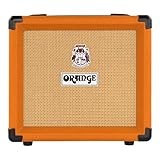
Overview: The Orange Crush 12 is a 12-watt analog guitar amplifier that strips away digital complexity in favor of pure, classic tone. Featuring a 6-inch speaker, dual gain controls, and a 3-band EQ, this combo delivers the iconic British crunch Orange is famous for in a compact, affordable package. It’s a back-to-basics amp for players who value simplicity and authentic analog circuitry.
What Makes It Stand Out: Orange’s legendary high-gain character shines through even at this price point, with dual gain stages allowing precise control over breakup character. The 3-band EQ provides effective tone shaping without digital menus. The brand’s distinctive aesthetics and robust build quality make it a statement piece. Unlike modeling amps, the all-analog signal path delivers immediate response and organic distortion.
Value for Money: The Crush 12 offers genuine Orange tone at an entry-level price previously impossible from this premium brand. While lacking effects and digital features, it invests in core tone quality where it matters. Competing modeling amps offer more features but can’t match the authentic analog feel and signature Orange voicing. For tone purists, this focused approach provides better value than feature-laden digital alternatives.
Strengths and Weaknesses: Strengths include authentic Orange overdrive, simple intuitive controls, durable build quality, and prestigious brand heritage. The analog circuitry responds dynamically to playing touch. Weaknesses are the lack of effects, no headphone output for silent practice, absence of auxiliary input, and limited clean headroom from 12 watts. The 6-inch speaker restricts low-end punch.
Bottom Line: Ideal for rock and metal players seeking genuine Orange grind without complexity, the Crush 12 delivers premium analog tone in a practice-friendly size. Choose this for authentic British overdrive, not versatility.
Why Headphone-Ready Practice Amps Are Essential for Modern Guitarists
The modern guitarist faces a unique set of challenges that didn’t exist for previous generations. Urbanization means more musicians live in apartments and shared housing where traditional amplification is simply not an option. Even in suburban homes, family schedules and noise ordinances create windows of opportunity that rarely align with creative inspiration. A quality practice amplifier with headphone capabilities removes these barriers entirely, offering 24/7 access to your instrument without compromise.
Beyond simple convenience, these devices preserve the tactile experience that makes electric guitar compelling. Direct-input recording interfaces might offer silent playing, but they lack the immediate physical interaction of an amp—knobs to twist, buttons to press, and a self-contained ecosystem that keeps you focused on playing rather than software menus. The best practice amps maintain this hands-on approach while delivering tones that inspire rather than discourage, ensuring your technique development isn’t hampered by sterile, lifeless sound.
Understanding the Different Types of Practice Amplifiers
Not all silent practice solutions share the same DNA. The technology powering your headphone output dramatically affects tone, response, and overall playing experience. Recognizing these fundamental differences helps you match an amplifier’s architecture to your personal preferences.
Solid-State Practice Amps
Solid-state amplifiers use transistor-based circuitry to amplify your guitar signal, offering reliability, consistency, and typically lower price points. For headphone practice, these amps excel at clean tones and take pedals reasonably well. Their linear response means what you dial in at low volumes translates predictably when you eventually plug into a larger rig. Many solid-state practice amps include analog headphone circuits that provide a direct, uncolored signal path—ideal for players who want to hear their pedalboard’s true character or prefer a “what you hear is what you get” approach.
Tube Amp Solutions for Headphone Use
Purists often struggle with the idea of practicing without tubes, and manufacturers have responded with innovative hybrid solutions. Some practice amps incorporate a single 12AX7 preamp tube to add authentic harmonic complexity and touch sensitivity, while others offer load box functionality that lets you connect your actual tube amp’s speaker output to a headphone circuit. These solutions capture the sag, bloom, and dynamic response that defines tube tone, though they typically require more maintenance and carry higher price tags. The warmth and compression characteristics that make tubes desirable at stage volumes remain present even through headphones, creating a more organic practice experience.
Digital Modeling Amplifiers
Digital modeling represents the cutting edge of practice amp technology. These units use powerful DSP (Digital Signal Processing) chips to replicate the behavior of famous amplifiers, cabinets, microphones, and effects chains. The advantage for headphone players is profound: you’re not just hearing a guitar amp through headphones, you’re hearing a complete mic’d rig simulation with room ambiance, speaker breakup characteristics, and even virtual microphone placement. This technology has matured to the point where many professional players use modelers for recording and silent practice, trusting them to deliver authentic feel and tone that rivals physical gear.
Micro Amplifiers
The micro amp category has evolved far beyond the novelty toys of the past. Modern micro amplifiers pack surprising capability into packages small enough to fit in a gig bag. While traditionally focused on portability over features, many now include legitimate headphone outputs with cabinet simulation, multiple amp voices, and even Bluetooth connectivity. These serve dual purposes: practice at home through headphones, and impromptu acoustic jams with their tiny built-in speakers. The compromise typically comes in control sophistication and overall sound quality, but for players prioritizing minimalism, they represent an elegant solution.
Key Features to Look for in Headphone-Equipped Practice Amps
When evaluating practice amplifiers, certain features separate transformative tools from disappointing toys. Understanding these elements helps you look past marketing fluff to identify genuinely useful capabilities.
Headphone Output Quality and Impedance Matching
The headphone jack itself reveals much about an amp’s design philosophy. A dedicated headphone amplifier circuit with proper impedance matching ensures your headphones receive adequate power and correct frequency response. Look for amps specifying output impedance below 10 ohms—lower is better for driving modern headphones effectively. Some premium models include separate volume controls for headphones and speakers, preventing ear-splitting surprises when switching between outputs. The physical location of the jack matters too; front-panel placement saves you from fumbling behind the amp in dark rooms.
Built-In Effects and Amp Modeling
Comprehensive onboard effects eliminate the need for external pedals during practice sessions, streamlining your setup. Quality practice amps offer at least reverb, delay, and modulation effects with adjustable parameters. More sophisticated units provide multiple amp models ranging from clean American combos to high-gain British stacks, each with authentic gain staging and EQ interaction. The key is editability—can you save presets? Are parameters adjustable beyond simple one-knob controls? Deep editing capability means your practice tones can evolve with your playing rather than forcing you to outgrow the amp’s limitations.
Auxiliary Input for Backing Tracks
Practicing in isolation limits musical development. An auxiliary input lets you jam along with songs, metronome apps, or YouTube lessons through the same headphones as your guitar. The best implementations feature independent volume controls for your guitar and the auxiliary source, plus automatic mixing that prevents clipping when both signals peak simultaneously. Some advanced models even offer pitch and tempo manipulation for the aux input, letting you slow down difficult passages without changing pitch—an invaluable learning tool.
Direct Recording Capabilities
Many modern practice amps double as USB audio interfaces, sending your amp-processed tone directly to recording software. This feature essentially gives you two devices in one: a practice amp for headphone sessions and a studio tool for capturing ideas. Look for 24-bit/96kHz or higher resolution, low-latency monitoring, and class-compliant drivers that work without proprietary software. This connectivity transforms practice sessions into productive recording opportunities, making it easier to document your progress and creative breakthroughs.
The Importance of Cabinet Simulation for Realistic Tone
Plugging headphones directly into a traditional amplifier’s preamp output produces a harsh, fizzy tone that bears little resemblance to a real amp. This happens because you’re missing the final and most crucial tone-shaping stage: the speaker cabinet. Cabinet simulation (cab sim) uses impulse responses—detailed sonic snapshots of real speaker cabinets captured with professional microphones—to recreate this missing element.
Advanced cab sim technology accounts for microphone type (SM57, Royer R-121, etc.), mic placement (on-axis, off-axis, distance), and even room acoustics. Some practice amps allow you to select different virtual cabinets or load third-party impulse responses, effectively giving you access to the same tools used in professional studios. Without quality cab sim, even the best amp models sound artificial and fatiguing during extended practice sessions. When testing amps, listen for low-end thump, midrange clarity, and smooth high frequencies—signs that the cabinet simulation is doing its job properly.
Power Output and Volume Control Nuances
Practice amp wattage ratings can be misleading. A 5-watt tube amp can still be deafeningly loud, while a 20-watt solid-state model might be perfect for bedroom levels. For headphone practice, the power amp section becomes less critical than the preamp and digital processing quality. However, wattage still impacts the physical design—higher-powered amps typically include better transformers and components that can improve overall tone even at silent levels.
More important than raw wattage is the volume control’s taper and range. The best practice amps feature volume pots with logarithmic tapers that allow precise adjustment in the critical 0-30% range where most bedroom playing occurs. Some digital amps include “power soak” or “attenuation” features that let you crank the gain for natural tube-like compression while keeping overall volume at whisper levels. This gives you the best of both worlds: amp-like response and neighbor-friendly output.
Portability and Form Factor Considerations
Your practice amp should fit your lifestyle, not dictate it. Bedroom players might prefer desktop units that sit comfortably on a nightstand or desk, with controls angled upward for easy tweaking. These designs often sacrifice built-in speakers for a more compact footprint, making them ideal for pure headphone practice. Travel-oriented players should prioritize battery-powered amps weighing under 3 pounds that can fit in a backpack alongside a laptop.
Consider control layout density—overly cramped knobs become frustrating during creative flow states. Some amps use multi-function controls to save space, requiring button combinations to access secondary features. While this enables more capability in small packages, it can interrupt your practice session when you need to reference a manual just to turn on the tuner. Strike a balance between features and intuitive operation based on how much menu-diving you’re willing to tolerate.
Battery Power vs. AC Adapter: Which Is Right for You?
Power flexibility defines where and when you can practice. Battery-powered amps free you from wall outlets entirely, enabling practice in parks, hotel rooms, or anywhere inspiration strikes. Most battery-powered units run on AA batteries or internal rechargeable lithium packs, offering 6-15 hours of playtime. The trade-off is typically lower output power and occasional noise from switching power supplies that can introduce hiss into headphone outputs.
AC-powered amps generally deliver cleaner power, more headroom, and superior overall performance, especially in digital modeling units with power-hungry processors. If you primarily practice in one location, AC power ensures consistent performance without the ongoing cost and environmental impact of disposable batteries. Some hybrid models offer both options, automatically switching to battery power when unplugged—a feature that provides the best of both worlds for players who occasionally need portability.
Connectivity Options Beyond Headphones
Modern practice amps function as the hub of a larger musical ecosystem. USB connectivity enables firmware updates, preset management, and direct recording. Bluetooth audio streaming lets you play along with songs wirelessly, though latency can be an issue—look for Bluetooth Low Energy implementations or dedicated low-latency codecs like aptX HD for better sync between your guitar and backing tracks.
MIDI compatibility, while rare in budget practice amps, allows integration with foot controllers and DAW automation, turning your practice amp into a serious recording tool. Some units include XLR line outputs for connecting to PA systems or recording consoles, effectively making them direct boxes with built-in amp modeling. Consider which connectivity features align with your broader musical goals beyond just silent practice.
Tone Shaping Controls: What Matters Most at Low Volumes
At whisper-quiet levels, human hearing becomes less sensitive to bass and treble frequencies—a phenomenon described by the Fletcher-Munson curves. The best practice amps compensate for this with tone controls that remain musically useful across their entire range, rather than becoming harsh or muddy when adjusted. Amps with midrange controls are particularly valuable, as mids define your guitar’s presence in a mix and help you develop an ear for frequency balance.
Gain structure is equally important. Quality practice amps offer smooth, progressive gain increases that let you explore edge-of-breakup tones essential for dynamic playing. Look for amps with separate preamp and master volume controls, which provide more flexibility than single-volume designs. Some digital amps include “amp feel” or “response” parameters that adjust virtual power amp sag and speaker compression, letting you fine-tune the playing experience to match your touch and playing style.
Price Tiers and What to Expect at Each Level
Practice amp pricing spans from budget-friendly to surprisingly premium, with each tier offering distinct capabilities. Understanding these brackets helps set realistic expectations and prevents overspending on features you’ll never use.
Under $100: Expect basic solid-state circuits with minimal effects, simple analog headphone outputs, and potentially noisy operation. These amps get the job done for beginners but often lack inspiring tone and durability. Most include small built-in speakers and run on batteries, making them suitable for absolute beginners or travel use.
$100-$200: This sweet spot delivers serious value. You’ll find entry-level modeling amps with multiple amp voices, decent cabinet simulation, and essential effects like reverb and delay. Build quality improves significantly, with metal control panels and sturdy enclosures. Most include auxiliary inputs and some form of preset saving. These amps serve dedicated beginners and intermediate players who want authentic tone without breaking the bank.
$200-$300: Professional-grade features appear in this range. Expect high-resolution cabinet simulation, deep editing capabilities via smartphone apps, USB audio interface functionality, and robust metal chassis construction. These amps often include expression pedal inputs, multiple effects loops, and the ability to load custom impulse responses. Intermediate to advanced players will find these units suitable for both practice and recording demos.
$300+: Premium territory offers studio-quality sound, extensive I/O options, and build quality that withstands years of use. These amps function as legitimate recording preamps and digital audio interfaces, with features like re-amping capability, dual headphone outputs for student/teacher setups, and professionally curated presets. While overkill for casual players, serious musicians and recording artists will appreciate the professional workflow integration and uncompromising tone quality.
Common Pitfalls When Choosing a Practice Amp
Even experienced guitarists make mistakes when selecting practice amplifiers, often because they apply stage-amp logic to bedroom-amp decisions. One frequent error is prioritizing wattage over features—buying a “real amp” with a headphone jack rather than a purpose-built practice tool. Traditional amps typically lack proper cabinet simulation, resulting in disappointing headphone tone despite excellent speaker performance.
Another mistake is ignoring headphone impedance requirements. Plugging high-impedance studio headphones (250+ ohms) into an underpowered headphone output yields weak, anemic tone. Conversely, low-impedance headphones (16-32 ohms) can sound harsh and distorted if the amp’s output isn’t properly designed. Always check the amp’s recommended headphone impedance range and match it to your existing headphones or budget for new ones.
Players also frequently overlook the importance of preset management. An amp with 100 amp models becomes frustrating if you can’t save your favorite combinations. Ensure any modeling amp you consider includes user preset slots—ideally 10 or more—to store your go-to tones. Finally, don’t underestimate the value of a built-in tuner. While it seems trivial, having a reliable, always-available tuner encourages more frequent tuning checks, developing your ear and ensuring your practice time builds good habits.
Setting Up Your Ideal Quiet Practice Rig
Creating an inspiring practice space involves more than just plugging headphones into an amp. Start with quality headphones designed for extended listening sessions—closed-back models prevent sound leakage and provide better bass response, while open-back designs offer a more natural, speaker-like soundstage at the cost of isolation. Look for headphones with frequency responses extending from 20Hz-20kHz and impedance between 32-80 ohms for optimal compatibility with most practice amps.
Cable management significantly impacts the experience. Use a short, high-quality instrument cable (10 feet or less) to minimize noise and clutter. Consider a headphone extension cable with a right-angle plug to prevent the cable from protruding awkwardly from the amp. For players using multiple guitars, a small desktop stand keeps instruments within arm’s reach, encouraging spontaneous practice sessions.
Position your amp at ear level when possible—this simple adjustment makes tweaking controls easier and provides a more direct sound. If your amp includes a built-in stand or wedge design, use it. For desktop setups, a small platform or stack of books angled toward you works wonders. Keep a notepad or smartphone nearby to jot down riff ideas, and consider adding a simple LED lamp to illuminate controls without flooding your room with sleep-disrupting bright light.
Maximizing Your Practice Sessions with Headphone Amps
Silent practice tools enable techniques that are difficult with traditional amps. Use the metronome function—built into many digital amps—to develop rock-solid timing without the cognitive load of operating a separate device. Start slow, perhaps 60-70% of target tempo, and gradually increase speed in 5 BPM increments, focusing on clean execution rather than speed.
Take advantage of auxiliary inputs to practice transcribing solos. Load a song into a slow-downer app, connect via aux input, and work through phrases at reduced speed. Many practice amps let you loop sections, creating a focused environment for mastering difficult passages. Record your practice sessions using the USB output, then listen back critically to identify timing issues, inconsistent dynamics, or unwanted string noise that you might miss while playing.
Experiment with amp models outside your comfort zone. If you’re a metal player, spend time with clean Fender-style models to develop your chord melody and fingerpicking technique. Blues players can explore high-gain models to understand modern picking dynamics and muting techniques. This cross-training makes you a more versatile musician and prevents practice ruts. Set a timer for 10-15 minute blocks dedicated to specific skills—alternate picking, legato, bending intonation—using different amp tones to keep your ears fresh and engaged.
When to Upgrade from a Practice Amp
Practice amplifiers serve specific purposes, and recognizing their limitations helps you know when it’s time to expand your arsenal. If you find yourself consistently frustrated by the lack of dynamic response, or if the cabinet simulation sounds increasingly artificial as your ear develops, you’ve likely outgrown your current unit. This typically happens after 2-3 years of dedicated playing, when your technique and tone preferences have matured.
Another sign is connectivity frustration. If you’re cobbling together multiple adapters to record, or if you can’t integrate new pedals effectively, a more sophisticated amp with proper I/O becomes necessary. Players who start gigging small venues need amps that function as both practice tools and performance solutions—units with XLR direct outputs and enough clean headroom for rehearsals.
Budget constraints often dictate initial purchases, but financial changes might justify an upgrade. If you initially bought a sub-$100 amp and now have the means to invest in a $250+ model, the improvement in tone quality, durability, and features offers genuine value. Conversely, if you overspent on a premium practice amp but rarely use its advanced features, downsizing to a simpler, more portable unit might better serve your actual needs. The goal is alignment between your gear’s capabilities and your playing requirements, not simply owning the most expensive or feature-rich option available.
Frequently Asked Questions
Will practicing with headphones hurt my timing or dynamics compared to playing through a real amp?
Quality practice amps with proper cabinet simulation preserve the dynamic response and feel of a real amplifier. The key is using headphones that provide accurate frequency response and practicing with a metronome to develop internal timing. Many players actually improve faster with headphones because they hear details in their playing that get lost in room acoustics.
Do I need special headphones for my practice amp, or will any pair work?
While any headphones will produce sound, studio-quality closed-back headphones with 32-80 ohm impedance yield the best results. This range ensures your practice amp’s headphone output can drive them properly without distortion or weak signal. Avoid earbuds and consumer headphones with exaggerated bass or treble—they color your tone and develop bad EQ habits.
Can I use my practice amp’s headphone output to record directly into my computer?
Only if the amp specifically includes USB audio interface functionality. The headphone output is an analog signal designed for listening, not recording. Attempting to record from it requires additional hardware and typically results in poor quality. Look for amps with USB or dedicated line outputs marked for recording if this feature matters to you.
Why does my guitar sound harsh or fizzy through headphones?
This usually indicates poor cabinet simulation or impedance mismatch. The headphone output bypasses the physical speaker, which normally smooths high frequencies. Ensure your amp’s cabinet simulation is enabled, try different virtual cabinet models if available, and verify your headphones match the amp’s recommended impedance range.
Is a tube-based practice amp worth the extra cost for headphone practice?
It depends on your tonal priorities. Tube-based practice amps or load box solutions provide authentic harmonic complexity and touch sensitivity that digital models approximate. However, modern high-end modelers have become incredibly convincing. If you’re a tone purist who notices subtle dynamic nuances, tubes might justify the cost. For most players, a quality digital modeler offers better value and versatility.
How do I prevent headphone cable noise while practicing?
Use a short, high-quality instrument cable to reduce interference pickup. Keep your headphone cable away from power adapters and your phone. For active pickups, ensure your guitar’s battery is fresh, as weak batteries increase noise. Some practice amps include noise gates—set the threshold just above your guitar’s natural noise floor to clean up the signal without affecting sustain.
Can I connect multiple headphones for silent jam sessions with friends?
Most practice amps only drive one pair of headphones effectively. For duo practice, look for amps specifically advertising dual headphone outputs with independent volume controls. Alternatively, use a compact headphone amplifier splitter, but be aware this may degrade tone and reduce overall volume. Some premium units include a dedicated “student output” for this exact purpose.
What’s the difference between a headphone output and a line output?
Headphone outputs include a small power amplifier to drive headphones and typically have cabinet simulation applied. Line outputs are lower-level signals designed for connecting to other audio gear and may or may not include cabinet simulation. For silent practice, always use the dedicated headphone output. For recording, use the line output or USB connection if available.
Will using headphones damage my hearing over time?
Any prolonged exposure to sound above 85dB can cause hearing damage, and headphones can easily exceed this level. Keep volume at conversational levels (around 60-70dB) and take a 10-minute break every hour. Many practice amps include volume limiters or warning indicators when output exceeds safe levels. Consider open-back headphones for longer sessions, as they create less ear fatigue than closed-back designs.
How long should a quality practice amp last before needing replacement?
A well-built practice amp should serve you for 5-10 years. Solid-state and digital models have no tubes to wear out, though battery-powered units may need battery replacement every 2-3 years. Physical components like knobs and jacks wear first—look for amps with metal chassis and reinforced connections. Firmware updates can extend a digital amp’s lifespan by adding features and models, making them more future-proof than analog alternatives.
See Also
- 10 Practice Guitar Amplifiers with Headphones Out for Quiet Nights in 2026
- 10 Practice Guitar Amplifiers with Headphone Output for Silent Nights in 2026
- 10 Quiet Practice Guitar Amplifiers with Aux In for Backing Tracks in 2026
- How to Choose the 10 Best Combo Guitar Amplifiers for Open-Mic Nights in 2026
- The 10 Ultimate Best Practice Guitar Amplifiers for Apartment Living in 2026