Table of Contents
There’s something undeniably magical about the intimate voice of a parlor guitar. In 2026, as players increasingly seek authentic, organic tones over processed perfection, these small-bodied wonders are experiencing a renaissance that shows no signs of fading. For vintage tone chasers, the appeal runs deeper than mere nostalgia—it’s about capturing the raw, immediate sound that defined pre-war blues, early folk recordings, and parlor-room singalongs from a century ago.
But here’s the challenge: the market is now flooded with options claiming “vintage vibe,” from faithful reproductions to modern interpretations that merely borrow aesthetics. Discerning true value requires understanding what actually contributes to that coveted throaty midrange, compressed dynamic response, and singing treble that makes vintage parlors so special. This guide cuts through the marketing noise to equip you with the knowledge to identify instruments that deliver genuine vintage character without the collector-grade price tag.
Top 10 Parlor Acoustic Guitars
Detailed Product Reviews
1. Gretsch Jim Dandy Parlor Acoustic Guitar - Deep Cherry Burst

Overview: The Gretsch Jim Dandy Parlor in Deep Cherry Burst channels Depression-era aesthetics with modern production efficiency. This 24-inch scale guitar features a nato neck, walnut fingerboard, and all-laminate construction topped with a vintage-inspired finish that screams Americana.
What Makes It Stand Out: Its compact parlor dimensions make it ideal for couch strumming and travel, while the iconic Gretsch branding adds vintage credibility. The Deep Cherry Burst finish offers a more sophisticated look than typical budget guitars, and the period-correct details like the pinned bridge and open-gear tuners enhance its retro appeal.
Value for Money: Positioned in the sub-$200 category, this guitar delivers exceptional accessibility. While laminate construction limits tonal complexity compared to solid-top instruments, it provides durability and weather resistance that beginners and casual players appreciate. You’re paying for character and playability rather than premium tonewoods.
Strengths and Weaknesses: Strengths include unbeatable portability, vintage charm, comfortable short-scale neck, and rock-solid reliability. The all-laminate build ensures it can handle humidity changes without issue. Weaknesses are the limited dynamic range, quieter projection, and basic hardware that may require eventual upgrading. The nato neck, while functional, lacks the stability of mahogany.
Bottom Line: Perfect for beginners seeking style on a budget, songwriters needing a sofa companion, or players wanting a travel guitar with authentic vibe. Don’t expect concert-hall projection, but for intimate settings and practice, it’s a charming, reliable choice that punches above its price class.
2. Fender CP-60S Parlor Acoustic Guitar, with 2-Year Warranty, 3-Color Sunburst

Overview: The Fender CP-60S elevates the parlor format with solid-wood performance at an accessible price point. Featuring a solid spruce top paired with laminated mahogany back and sides, this 24.75-inch scale guitar delivers authentic Fender craftsmanship backed by a two-year warranty.
What Makes It Stand Out: The solid spruce top is the star, offering enhanced resonance and dynamic response that laminate tops simply cannot match. Chrome die-cast tuners provide stable tuning, while the rolled fingerboard edges create a broken-in feel rarely found at this price. The included two-year warranty demonstrates Fender’s confidence in their Indonesian craftsmanship.
Value for Money: Competing with instruments costing $100 more, the CP-60S represents a sweet spot for serious beginners. The solid top alone justifies the price jump from all-laminate guitars, while the Fender pedigree ensures quality control and resale value. It’s an investment that grows with your playing.
Strengths and Weaknesses: Strengths include impressive projection for a parlor, comfortable neck profile, quality hardware, and that solid top’s tonal maturity. The 3-Color Sunburst finish is flawlessly applied. Weaknesses include laminated back and sides that still restrict ultimate tonal complexity, and the lack of included case or gigbag. Some players may prefer a longer scale for fingerstyle.
Bottom Line: An outstanding choice for advancing beginners or intermediate players wanting parlor portability without sacrificing tone. The solid top makes this a legitimate musical instrument, not just a novelty. Factor in a case purchase, and you’ve got a gig-worthy companion for years.
3. Gretsch Jim Dandy Parlor Acoustic Guitar - Frontier Stain

Overview: The Gretsch Jim Dandy in Frontier Stain offers identical specifications to its Deep Cherry Burst sibling, delivering vintage parlor charm in a lighter, more rustic aesthetic. This all-laminate guitar features a nato neck, walnut fingerboard, and compact 24-inch scale that prioritizes portability and comfort.
What Makes It Stand Out: The Frontier Stain finish provides a weathered, barnwood appearance that appeals to roots musicians and vintage enthusiasts. Like its counterpart, it captures the essence of 1930s Gretsch guitars with period-appropriate appointments including a pinned rosewood bridge and open-gear tuners. The short scale length makes it exceptionally playable for smaller hands.
Value for Money: Holding steady in the entry-level bracket, this guitar competes directly with other all-laminate parlors while offering superior brand heritage. The laminate construction ensures durability for travel and casual use without the humidity concerns of solid wood. It’s priced for impulse purchases and beginner accessibility.
Strengths and Weaknesses: Strengths include its featherlight weight, authentic vintage vibe, comfortable action out of the box, and road-ready durability. The Frontier Stain finish hides wear beautifully. Weaknesses mirror the Deep Cherry version: limited volume, compressed dynamic range, and basic hardware that may need eventual replacement. The all-laminate body restricts tonal development as skills progress.
Bottom Line: Ideal for the same audience as its stained sibling—beginners, travelers, and casual strummers who prioritize character over cutting-edge tone. Choose the Frontier Stain if you prefer a more rustic, understated look. It’s a reliable, fashionable couch guitar that delivers exactly what it promises without pretension.
4. Fender CP-60S Parlor Acoustic Guitar, with 2-Year Warranty, Natural

Overview: The Fender CP-60S in Natural finish provides the same solid-top performance as its sunburst counterpart, allowing the wood’s grain to take center stage. This Indonesian-built parlor features a solid spruce top, mahogany back and sides, and a walnut fingerboard with Fender’s comfortable rolled edges.
What Makes It Stand Out: The Natural finish reveals the solid spruce top’s grain patterns, giving each instrument unique visual character. The easy-to-play neck profile with rolled fingerboard edges creates a premium feel typically reserved for higher-end guitars. Fender’s two-year warranty and quality control standards ensure consistency across instruments.
Value for Money: Identical in value to the sunburst version, this guitar sits in the mid-tier price bracket while delivering features found on more expensive instruments. The solid top provides growing room for developing players, making it a smarter long-term investment than all-laminate alternatives. Natural finishes often age gracefully, adding value over time.
Strengths and Weaknesses: Strengths include excellent clarity and projection from the solid top, comfortable playability, stable chrome die-cast tuners, and versatile tone suitable for fingerpicking and light strumming. The Natural finish is understated and elegant. Weaknesses remain the laminated back and sides, lack of included case, and shorter scale that may not suit all playing styles.
Bottom Line: A fantastic option for players who appreciate natural wood aesthetics and solid-top performance in a compact package. The CP-60S Natural delivers Fender quality and genuine acoustic tone that will satisfy progressing students and gigging musicians alike. It’s a workhorse parlor that punches well above its weight class.
5. Washburn R310K Victorian Parlor Acoustic Guitar w/Gigbag, Antique Brown

Overview: The Washburn R310K Victorian Parlor positions itself as a premium offering in the parlor segment, featuring a solid spruce top, exotic Trembesi back and sides, and a vintage-inspired soft V neck profile. This instrument includes a gigbag and targets experienced players seeking old-school feel.
What Makes It Stand Out: The soft V neck profile is a standout feature, providing that authentic pre-war playing experience modern guitars rarely replicate. Trembesi, an Indonesian tonewood similar to mahogany, offers unique tonal character. Washburn’s attention to detail is evident in provided neck thickness specifications (22.5mm at 1st fret, 25.7mm at 9th), showing commitment to consistency.
Value for Money: Priced higher than entry-level parlors but including a gigbag, the R310K offers fair value for discerning players. The solid top, premium hardware, and included case justify the premium over budget options. It’s positioned for intermediate to advanced players who understand and appreciate neck profile nuances.
Strengths and Weaknesses: Strengths include the exceptional neck feel, solid wood construction, unique Trembesi tonality, and included gigbag. The antique matte finish is gorgeous and functional. Weaknesses include a higher price point that may deter beginners, less brand recognition than Fender or Gretsch, and Trembesi’s unproven long-term reputation compared to mahogany.
Bottom Line: Best suited for experienced players seeking vintage-inspired playability and distinctive tone. The soft V neck makes this a fingerpicker’s dream, while the solid construction ensures gig-worthiness. If you value neck feel and old-school vibe over mainstream brand appeal, the Washburn R310K delivers a refined, personality-rich parlor experience.
6. Gretsch Jim Dandy Parlor Acoustic Guitar - Rex Burst

Overview: The Gretsch Jim Dandy Parlor Acoustic Guitar channels Depression-era aesthetics into a compact, modern instrument perfect for couch strumming and bluesy fingerpicking. This all-laminate parlor guitar features a nato neck and body with a striking Rex Burst finish, delivering vintage vibes at an entry-level price point. Its 24-inch scale length and petite body make it exceptionally comfortable for players of all sizes, particularly those seeking a travel-friendly companion that doesn’t compromise on style.
What Makes It Stand Out: The Jim Dandy’s authentic 1930s Gretsch aesthetic sets it apart from other budget parlor guitars. The Rex Burst finish evokes classic instruments without the vintage price tag. Its compact dimensions aren’t just nostalgic—they’re practical for apartment living and on-the-go playing. The Gretsch name carries heritage weight rarely found in this price category, making it more than just another starter guitar. The short scale and lightweight build create a playing experience that’s immediately approachable and endlessly fun.
Value for Money: Priced firmly in the sub-$200 category, the Jim Dandy competes directly with generic brand parlors while offering superior styling and brand recognition. You’re trading tonal complexity for affordability and character, which is a fair exchange for beginners or collectors. Comparable parlor guitars from other major brands typically cost 30-50% more, making this an accessible entry point into niche body shapes.
Strengths and Weaknesses: Strengths: Authentic vintage styling; extremely comfortable and portable; affordable Gretsch heritage; great for practice and travel; short-scale playability. Weaknesses: All-laminate construction limits resonance and dynamic range; basic hardware; small body produces modest volume; not suitable for aggressive strumming.
Bottom Line: Ideal for beginners seeking style, travelers needing portability, or experienced players wanting a fun, low-commitment couch guitar. The Jim Dandy delivers retro charm and playability that outweigh its sonic limitations for the right player.
7. Ibanez PN12E - Vintage Mahogany Sunburst

Overview: The Ibanez PN12E brings acoustic-electric versatility to the parlor guitar format, featuring a sapele top and nyatoh back and sides in a vintage mahogany sunburst finish. This 6-string combines Ibanez’s reputation for playability with stage-ready electronics, making it a practical choice for performers who need a compact, amplified instrument. The smaller body maintains comfort while the built-in pickup system expands its utility beyond the living room.
What Makes It Stand Out: The inclusion of electronics at this price point distinguishes the PN12E from purely acoustic parlors. Its sapele construction provides tonal warmth similar to mahogany, while the nyatoh body keeps costs manageable without sacrificing durability. Ibanez’s neck profile expertise ensures smooth playability, and the vintage sunburst finish gives it a classic appearance. The acoustic-electric capability makes it gig-ready for coffeehouse performances and rehearsals.
Value for Money: For players needing amplification, the PN12E eliminates the cost of aftermarket pickup installation, representing significant savings. Competing acoustic-electric parlors typically start at higher price points, making this an exceptional value. You’re getting a recognizable brand name, factory-installed electronics, and gig-worthy construction for roughly the price of a decent acoustic-only model.
Strengths and Weaknesses: Strengths: Built-in electronics for instant amplification; comfortable parlor body size; quality Ibanez craftsmanship; attractive vintage finish; affordable acoustic-electric option. Weaknesses: Unspecified electronics may lack tonal sophistication; laminate construction; smaller body limits acoustic projection; may require professional setup.
Bottom Line: Perfect for beginners ready to perform or record, and intermediate players seeking an affordable, amplified parlor guitar. The PN12E’s versatility and value make it a smart choice for those prioritizing plug-and-play convenience.
8. Gretsch Jim Dandy Deltoluxe Dreadnought Acoustic-electric Guitar - Black

Overview: The Gretsch Jim Dandy Deltoluxe expands the retro line into dreadnought territory, offering a larger acoustic-electric option with a classic black finish. Built with laminate construction throughout and nato neck, back, and sides, this guitar delivers the iconic Jim Dandy aesthetic in a fuller-voiced package. The Deltoluxe pickup system provides straightforward amplification, making it suitable for practice, recording, and small performances where projection matters.
What Makes It Stand Out: This dreadnought version maintains the Jim Dandy’s vintage charm while addressing the parlor model’s volume limitations. The black finish offers a timeless, stage-ready aesthetic, and the Deltoluxe electronics provide plug-and-play simplicity. It bridges the gap between the compact parlor and full-sized acoustic, delivering more bass and projection while retaining affordable pricing. The Gretsch heritage adds collectible appeal rarely found in budget dreadnoughts.
Value for Money: Competing dreadnoughts with built-in electronics often cost significantly more, making this an attractive entry-level option. You’re getting a recognizable brand, vintage styling, and amplification capability for less than many acoustic-only alternatives. The dreadnought shape provides superior volume and low-end response compared to parlor models at similar price points, maximizing sonic value.
Strengths and Weaknesses: Strengths: Dreadnought body for fuller sound; built-in electronics; classic black finish; affordable Gretsch styling; more projection than parlor models. Weaknesses: All-laminate construction; basic electronics; larger size reduces portability; hardware quality reflects price point.
Bottom Line: An excellent choice for beginners wanting a louder acoustic voice with amplification options, or players seeking a budget-friendly stage guitar with vintage Gretsch character. The dreadnought size makes it more versatile than its parlor sibling.
9. Epiphone Blues King Studio Parlor Acoustic Electric, Dark Burst with Bag
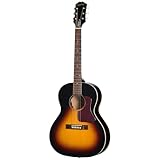
Overview: The Epiphone Blues King Studio elevates the parlor guitar with premium features typically found on higher-priced instruments. This L-00-style acoustic-electric boasts a layered mahogany body, 24.75-inch scale length, and a glued-in tapered dovetail neck joint for improved resonance. The Fishman S-Core pickup and Presys VT preamp system deliver professional amplification, while the included gig bag adds immediate portability. Finished in Dark Burst, it’s purpose-built for blues, folk, and fingerstyle genres.
What Makes It Stand Out: Professional-grade Fishman electronics set this apart from budget acoustic-electrics, offering authentic plugged-in tone with soundhole-mounted controls. The traditional dovetail neck joint enhances sustain and vibration transfer compared to bolt-on designs. The shorter 24.75-inch scale reduces string tension, making bends and fretting easier—ideal for vintage-style playing. Epiphone’s attention to period-correct details, including the cream binding, creates an instrument that looks and feels more expensive.
Value for Money: While pricier than entry-level parlors, the Fishman system alone justifies the cost premium. Comparable guitars with similar electronics typically retail for hundreds more. The included gig bag and superior construction details—dovetail joint, quality binding, and refined neck profile—make this a smart investment for serious students and gigging musicians seeking authentic vintage tone.
Strengths and Weaknesses: Strengths: Premium Fishman electronics; traditional dovetail neck joint; comfortable short scale; quality gig bag included; attractive vintage aesthetics; genre-appropriate design. Weaknesses: Layered back and sides limit acoustic complexity; parlor body lacks projection for heavy strumming; electronics may overshadow acoustic tone for purists.
Bottom Line: Perfect for intermediate players and serious beginners wanting stage-ready performance and authentic blues tones. The Blues King Studio’s electronics and build quality make it a worthy investment for dedicated fingerstyle and blues enthusiasts.
10. Gretsch Limited-edition Jim Dandy Parlor Solid Top Acoustic Guitar - Heritage Burst

Overview: The Limited-edition Jim Dandy Parlor represents a significant upgrade with its solid spruce top, delivering enhanced tonal complexity while retaining the beloved compact body shape. This acoustic-only model features laminated back and sides with a walnut fingerboard, finished in an eye-catching Heritage Burst. As a limited edition, it offers collectibility alongside improved sonic performance, bridging the gap between the standard Jim Dandy and premium parlor guitars.
What Makes It Stand Out: The solid spruce top is the star, providing richer harmonics and better dynamic response than laminate alternatives. This tonal upgrade transforms the Jim Dandy from a casual novelty into a serious practice instrument. The Heritage Burst finish distinguishes it from standard models, and the limited production run adds investment potential. It maintains the comfortable short scale and lightweight portability that made the original popular, while delivering a more inspiring acoustic voice.
Value for Money: Solid-top guitars typically start at much higher price points, making this an exceptional value proposition. You’re getting the most critical tonal upgrade—solid wood on the soundboard—while keeping costs down with laminated back and sides. For players who don’t need electronics, this offers superior tone over the standard Jim Dandy for a modest price increase, representing excellent dollar-to-tone ratio.
Strengths and Weaknesses: Strengths: Solid spruce top improves tone dramatically; limited edition collectibility; retains compact, comfortable size; vintage Heritage Burst finish; affordable solid-wood entry point. Weaknesses: No electronics; laminated back/sides still limit potential; limited availability; may cost more than some all-laminate acoustic-electrics.
Bottom Line: An excellent choice for players prioritizing acoustic tone over amplification. The solid top makes this a legitimate practice and recording instrument, perfect for those who love the Jim Dandy aesthetic but crave better sound quality.
Understanding the Parlor Guitar Renaissance
The Historical Context
Parlor guitars weren’t originally designed to be “vintage”—they were simply the standard acoustic guitar for domestic music-making from the 1850s through the 1940s. Their compact dimensions made them practical for homes before the era of central heating and spacious living rooms. The tone we now fetishize as “vintage” was essentially a byproduct of economic necessity: smaller bodies, shorter scale lengths, and ladder bracing were cost-effective building methods, not tonal philosophies.
What modern players often misunderstand is that these instruments were built to accompany human voices in small rooms, not project to the back of a concert hall. This fundamental design purpose creates a midrange-forward voice that sits perfectly in a mix without EQ manipulation—a quality that’s making them indispensable in 2026’s raw recording movement and unplugged performance scenes.
Why 2026 Is a Golden Era for Parlor Guitars
The current manufacturing landscape has created perfect conditions for value-conscious buyers. Advanced CNC machining has democratized quality, allowing smaller shops to produce consistent instruments at lower price points. Simultaneously, the torrefaction (thermally aged) wood process has matured, offering authentic vintage tonal characteristics without waiting 80 years. Major brands have also poured research into understanding what makes those pre-war instruments special, applying that knowledge to production models that cost a fraction of what you’d pay for a beaten-up original.
Perhaps most importantly, the used market has stabilized. The pandemic-era buying frenzy has subsided, leaving reasonably priced vintage and recent used instruments available for patient hunters. In 2026, you can find a gig-worthy parlor with genuine soul for less than a mid-tier smartphone—if you know what to look for.
Defining “Vintage Tone” for the Modern Player
The Sonic Signature of Pre-War Parlors
When tone chasers speak of “vintage parlor sound,” they’re describing a specific acoustic fingerprint. Unlike modern small-bodied guitars that aim for balance and projection, true vintage parlors produce a fundamental-heavy tone with strong lower-midrange emphasis (around 200-400 Hz) and a treble that sings without harshness. The bass is present but controlled—more felt than heard—creating a compressed, intimate voice that responds dynamically to picking attack.
This sound comes from several interacting factors: the reduced air volume inside the smaller body creates faster sound wave reflection, ladder bracing (common until the late 1930s) restricts top movement in ways that emphasize mids, and the shorter scale lengths reduce string tension, making the instrument more responsive to light touch. Understanding this signature helps you evaluate whether a modern instrument genuinely captures these qualities or simply looks the part.
Modern Interpretations vs. Authentic Replicas
Manufacturers in 2026 fall into two camps: those building authentic replicas using historical construction methods, and those creating modern interpretations that reference vintage tone while improving playability. Neither approach is inherently superior, but they serve different purposes.
Authentic replicas often use period-correct materials and techniques—hide glue construction, hand-scalloped ladder bracing, and historically accurate neck profiles. These instruments deliver the genuine article sonically but can feel foreign to players accustomed to modern necks and setups. Modern interpretations might incorporate X-bracing (for better bass response), slimmer necks, and adjustable truss rods, sacrificing some historical accuracy for versatility and comfort.
The value proposition depends entirely on your priorities. If you’re recording period-correct acoustic blues, the authentic replica justifies its price. For singer-songwriters wanting vintage character without fighting their instrument, modern interpretations often represent better value.
Key Construction Features That Define Value
Body Dimensions and Scale Length
True parlor guitars typically measure between 11.5 and 13 inches across the lower bout, with depths around 3.75 to 4.25 inches. Scale lengths generally range from 24 to 24.75 inches, though some historic models went as short as 23.5 inches. These dimensions aren’t arbitrary—they directly create the compressed, focused tone that defines the style.
When evaluating value, pay attention to how manufacturers describe their instruments. “Parlor-inspired” or “parlor-size” often means a 00 or 000 body that’s larger than historical parlors. While these can be fine guitars, they won’t produce the same focused midrange. True value comes from instruments that commit to authentic dimensions, as the tone is inseparable from the size.
Bracing Patterns: Ladder vs. X-Bracing
Ladder bracing—horizontal braces running across the top like rungs on a ladder—defines the pre-war parlor sound. This simple pattern allows the top to vibrate in a way that emphasizes mids and compresses dynamics, creating that “blues box” character. However, it offers less structural support and can limit the instrument’s lifespan if not built carefully.
X-bracing, the modern standard, provides better top stability and more balanced frequency response. Many contemporary parlors use X-bracing to prevent warranty issues and appeal to modern ears. Some builders use modified X-bracing or hybrid patterns to split the difference. For vintage tone purists, ladder-braced instruments command a premium but deliver the authentic voice. Value-conscious buyers should consider whether the tonal difference justifies potential structural trade-offs, especially in sub-$1000 instruments where wood quality may be questionable.
Neck Joints and Their Impact on Resonance
The neck joint method significantly affects both tone and long-term stability. Traditional dovetail joints, common in vintage instruments, allow excellent energy transfer between neck and body but require skilled repair if problems arise. Modern bolt-on necks, often concealed with traditional-looking heels, offer easier adjustability and lower manufacturing costs.
In 2026, some manufacturers are using advanced adhesives and precision machining to create hybrid joints that offer the best of both worlds. For value hunters, a well-executed bolt-on neck on a parlor guitar isn’t necessarily a compromise—it’s often a practical improvement that doesn’t measurably harm tone. The key is ensuring the joint is tight and properly fitted, as any gap kills resonance regardless of construction method.
Tonewood Selection for Authentic Vintage Sound
Solid Woods vs. Laminated: The Non-Negotiables
Here’s where many budget parlor guitars fall short. Vintage tone requires a solid wood top—no exceptions. The top (soundboard) is responsible for 80% of an acoustic guitar’s voice, and laminated tops simply cannot reproduce the complex harmonic response of solid wood. They’ll sound acceptable when new but lack the improving character that comes as solid wood opens up with play.
For back and sides, the equation changes. While solid wood is ideal, high-quality laminated mahogany or maple can still deliver vintage character in a parlor-sized instrument. The smaller body means the back and sides contribute less to the overall tone compared to a dreadnought. Value-focused buyers should prioritize a solid top above all else, then allocate remaining budget to solid back and sides if possible.
Top Woods: Mahogany vs. Spruce Debate
Pre-war parlors most commonly featured spruce tops (often Adirondack or Sitka), but mahogany-topped parlors have become increasingly popular for their immediate, mid-focused punch. In 2026, this choice defines your tonal direction.
Spruce offers more headroom, complexity, and dynamic range—it’s more versatile but requires heavier playing to wake up. Mahogany delivers instant vintage grunt, with a controlled bass and strong fundamental that’s perfect for fingerstyle blues. For recording, mahogany’s focused voice often requires less EQ work. Value considerations: solid mahogany tops are generally less expensive than quality spruce, making them attractive for budget-conscious buyers seeking immediate vintage vibe.
Back and Sides: Mahogany, Maple, and Alternative Options
Mahogany remains the classic choice for parlor back and sides, contributing warmth and midrange focus that complements the small body. However, don’t overlook maple—particularly in ladder-braced instruments, maple back and sides can add clarity and definition that prevents the mids from becoming muddy.
Emerging alternatives like sapele (a mahogany cousin) and African okoume offer similar tonal properties at lower price points. Some builders are experimenting with sustainable domestic woods like cherry or walnut, which can provide unique voices while appealing to environmentally conscious buyers. The key is matching wood density to your desired outcome: denser woods like rosewood (where ethically sourced) add overtones and complexity, while softer mahoganies keep the voice focused and direct.
The Role of Aging and Torrefaction
Torrefaction—thermally aging wood in an oxygen-free environment—has revolutionized the vintage tone market. By 2026, the process has been refined to the point where even budget instruments can feature torrefied tops that sound decades old out of the box. This isn’t marketing fluff; torrefied wood exhibits the same cellular structure changes as naturally aged wood, reducing damping and increasing responsiveness.
For value chasers, torrefaction offers perhaps the best bang-for-buck in achieving vintage tone without vintage price. However, not all torrefaction is equal. Look for specific information about the process temperature and duration—reputable builders will share these details. Be wary of vague terms like “aged tone wood” without explanation. The sweet spot appears to be moderate torrefaction (around 200-220°C) that opens up the wood without making it brittle.
Hardware and Appointments: Where Value Hides
Vintage-Style Tuners: Function vs. Aesthetics
Those open-gear, butterbean-button tuners look gorgeous and complete the vintage aesthetic, but they vary wildly in quality. In 2026, several manufacturers offer vintage-styled tuners with modern gear ratios (like 18:1) that provide stability without sacrificing appearance. Cheaper instruments often use low-ratio vintage replicas that look the part but require constant adjustment.
When assessing value, check the gear ratio and smoothness of operation. Quality tuners should turn smoothly without backlash. For gigging musicians, consider whether the aesthetic is worth potential tuning instability. Many professional players opt for modern sealed tuners on their workhorse parlors, prioritizing function over form—and that choice doesn’t diminish the vintage tone one bit.
Saddle and Nut Materials
The saddle and nut are your tone’s final gatekeepers before vibration reaches the body and strings leave the tuners. Vintage-correct materials include bone and ivory (now illegal and ethically problematic). Modern equivalents like Tusq or Micarta can actually provide more consistent density and better transfer properties than average-quality bone.
For value, bone remains the benchmark—it’s inexpensive, works beautifully, and can be easily shaped by any qualified tech. However, don’t dismiss synthetic options from reputable manufacturers. The key is avoiding cheap plastic, which damps vibration and kills sustain. In 2026, some budget builders are using surprisingly good composite materials; tap the saddle gently with a fingernail—if it produces a clear “tick” rather than a dull thud, it’s likely decent material.
Finish Types: Nitrocellulose vs. Modern Alternatives
Nitrocellulose lacquer is the holy grail for vintage tone chasers because it’s thin, breathable, and allows wood to resonate more freely. It also checks and wears beautifully, developing that coveted vintage patina. However, it’s expensive to apply, harmful to the environment, and cracks easily in dry conditions.
Modern polyester and polyurethane finishes are more durable and affordable but can be applied too thickly, choking tone. The value sweet spot in 2026 is UV-cured acrylic or thin-skin poly finishes that offer nitro-like resonance with modern durability. Some boutique builders are even offering “aged finish” options that simulate decades of checking without structural compromise. For players in variable climates, these modern alternatives represent better long-term value than delicate nitro finishes.
The Neck Profile Debate: Authentic vs. Playable
V-Shapes, C-Shapes, and Modern Compromises
Authentic pre-war parlor necks were often chunky V-shapes that feel foreign to modern hands. These profiles were partly a result of hand-shaping with spokeshaves and partly structural necessity with the stiff, heavy strings of the era. While they contribute to the complete vintage experience, they can be fatiguing during long playing sessions.
Contemporary “vintage-V” profiles are typically softened and rounded for comfort while retaining the basic shape. Many value-oriented manufacturers now offer “modified V” or “soft V” profiles that split the difference beautifully. The key is understanding that neck profile doesn’t significantly affect tone—it’s a comfort and authenticity choice. Don’t sacrifice playability for historical accuracy unless you’re specifically chasing a period-correct experience.
Fingerboard Radius Considerations
Vintage parlors typically had flat 12" or even completely flat fingerboards, which some fingerstyle players prefer for clean string separation. Modern guitars often use more radiused boards (14" to 16") that make barre chords more comfortable. In 2026, compound radius fingerboards are appearing on mid-range parlors, offering vintage-style flatness in the cowboy chord positions while curving slightly higher up for lead work.
For value, a standard modern radius on a parlor neck isn’t a dealbreaker—it often makes the instrument more versatile. However, if you’re specifically after that vintage fingerstyle feel, insist on a flatter radius. The difference is subtle but noticeable in how the strings respond to finger pressure.
Electronics: To Plug In or Stay Pure?
The Piezo Problem in Small Bodies
The parlor guitar’s magic lives in its delicate balance of frequencies, and undersaddle piezo pickups—while convenient—often destroy that balance. They accentuate harsh highs and brittle attack while missing the warm mids that define the vintage voice. In a small body, this problem is magnified because there’s less low-end content to balance the piezo’s inherent brightness.
Value-conscious buyers should be wary of cheap electronics packages that add $100-200 to the price but deliver poor amplified tone. Many experienced parlor players prefer to mic their instruments or use external pickups that can be removed, preserving the acoustic integrity. If you must have onboard electronics, budget for a quality system or plan to upgrade later.
Minimalist Solutions for the Stage
2026 has seen a rise in minimalist pickup solutions designed specifically for small-bodied guitars. Soundboard transducers that attach with putty, small microphones that mount in the soundhole, and even contact mics placed strategically on the bridge plate can capture the vintage character more faithfully than traditional undersaddle systems.
Some manufacturers now offer “electronics-ready” models with pre-installed endpin jacks but no actual pickup, allowing you to choose your own solution. This modular approach represents excellent value—you’re not paying for components you’ll replace, and you can select a pickup that matches your specific tonal needs.
Price Tiers and What to Expect at Each Level
Sub-$500: Finding Hidden Gems
The sub-$500 market in 2026 is surprisingly robust for parlor guitars, but requires careful vetting. At this price, expect laminated back and sides but insist on a solid top. Brands from Southeast Asia have mastered consistent production of ladder-braced instruments that capture authentic vintage vibe, though quality control can vary.
Key features to demand: adjustable truss rod, bone or quality synthetic saddle, and decent tuners. Compromises to accept: simpler binding, polyester finishes, and generic electronics if included. The best values in this tier often come from companies that focus exclusively on small-bodied guitars rather than offering parlors as an afterthought in their lineup.
$500-$1000: The Sweet Spot for Serious Players
This is where value peaks for most vintage tone chasers. You’ll find solid wood construction throughout, torrefied tops becoming standard, and historically accurate bracing patterns. Many builders in this range offer made-in-Mexico or made-in-China instruments with final setup done domestically, splitting the difference between cost and quality.
Expect nitrocellulose or high-quality thin-finish alternatives, vintage-correct neck profiles (or thoughtful modern alternatives), and hardware that won’t need immediate replacement. This tier also includes used instruments from respected brands that have depreciated to accessible prices—often representing the best tonal value if you’re willing to hunt.
$1000-$2000: Professional-Grade Instruments
Professional-grade parlors in 2026 offer boutique-level attention to detail at production prices. You’ll find hand-voiced tops, premium aged tonewoods, and impeccable fit and finish. Many builders in this tier offer custom options like alternative neck profiles or finish choices without the full custom-shop premium.
The value proposition here is longevity and consistency. These instruments will sound great out of the case and continue improving for decades. They also hold resale value better than cheaper alternatives. For working musicians who record regularly or perform acoustically, this tier often provides the best return on investment.
Beyond $2000: When Vintage Originals Make Sense
Above $2000, you’re entering the territory where actual vintage instruments become viable options. A 1930s Stella or Regal in player-grade condition might cost $2500-4000 and offer authentic tone that no reproduction can fully match. However, you’re buying potential problems: no truss rod, fragile construction, and the constant threat of cracks.
The value calculation here depends on your purpose. For collectors and historical performance, nothing beats the real thing. For most players, a high-end modern reproduction between $1500-2500 will be more reliable, more playable, and deliver 95% of the vintage tone. The extra 5% rarely justifies the maintenance headaches and limited versatility.
Where to Shop: Navigating the 2026 Marketplace
Online Retailers vs. Brick-and-Mortar
The online parlor guitar market has matured significantly, with most major retailers now offering high-resolution audio samples, 360-degree photos, and generous return policies. However, parlor guitars vary more unit-to-unit than larger guitars due to their responsive nature, making hands-on evaluation valuable.
The smart 2026 strategy is hybrid: research extensively online to understand specs and read owner reviews, then visit physical stores to test finalists. Many brick-and-mortar shops will price-match online retailers while offering the value of professional setup and personal service. Don’t overlook smaller regional chains that may stock boutique brands the big boxes ignore.
The Used Market in the Digital Age
Reverb, eBay, and specialized acoustic guitar forums have made vintage and recent-used parlors more accessible than ever. The key is knowing how to read listings critically. Look for detailed photos of the neck joint, bridge, and fret wear. Ask specifically about string action measurements and whether the guitar holds stable tuning.
In 2026, AI-assisted listing tools have improved, but they also enable sellers to generate compelling descriptions for mediocre instruments. Trust your instincts: if a deal seems too good to be true, it likely is. Focus on sellers with extensive, detailed feedback specifically related to acoustic instruments. The best values often come from players upgrading within the same brand, as they know the instrument’s history and can provide honest assessments.
Direct-to-Consumer Brands Worth Considering
The DTC model has disrupted the acoustic guitar market, with several parlor specialists selling directly to players at prices 30-40% below traditional retail. These brands often offer torrefied tops, solid wood construction, and thoughtful designs that cater specifically to vintage tone enthusiasts.
The trade-off is that you can’t try before you buy, though most offer 30-45 day return windows. Value comes from cutting out distributor and retailer markups, but you’re betting on the company’s quality control and customer service. Research their setup process—do they do a final QC in the US? What does their warranty cover? The best DTC brands have active user communities where you can get unfiltered feedback before purchasing.
Playability Factors Beyond Specifications
Setup and Action: The Make-or-Break Factor
A parlor guitar’s small body and short scale make setup absolutely critical. String heights that feel fine on a dreadnought can make a parlor feel stiff and unresponsive. The ideal setup for vintage-style playing typically features slightly higher action than modern shredders prefer—around 3/32" at the 12th fret on the bass side and 2/32" on the treble. This allows the top to breathe and produce its full voice.
When evaluating any parlor, check for buzzing on the first three frets (indicating a nut that’s cut too low) and choking on bends above the 7th fret (suggesting insufficient neck relief). Many new instruments come with overly high “factory setup” to avoid warranty claims. Budget $75-150 for a professional setup regardless of purchase price—it’s the single best investment you can make in any acoustic guitar.
String Spacing at the Saddle
Parlor guitars traditionally had narrower string spacing (around 2" or less at the saddle) to accommodate the smaller body and period playing styles. This can feel cramped for modern fingerstyle players used to 2-1/8" or wider spacing. Some contemporary builders have widened spacing to appeal to modern players, which improves comfort but can slightly alter the string-to-string balance.
For vintage authenticity, embrace the narrower spacing—it encourages a more economical, vintage-appropriate technique. For versatility, look for modern spacing. The value consideration is whether the builder has compensated the saddle properly for their chosen spacing. Poorly compensated saddles create intonation issues that no amount of technique can overcome.
Accessibility of Higher Frets
Traditional parlors often had 12-fret necks that joined the body at the 12th fret, limiting upper register access. Modern interpretations frequently use 14-fret designs that improve playability while retaining parlor dimensions. Some builders offer “convertible” designs with a removable fingerboard extension.
For vintage tone purists, the 12-fret design contributes to the sound because the bridge sits in a more active area of the top. For modern players, the 14-fret design is infinitely more practical. Value isn’t about which is better—it’s about matching the design to your playing needs. Don’t pay a premium for a 12-fret design if you never venture past the 10th fret.
The Importance of a Professional Setup
What a Setup Should Address
A proper parlor setup goes beyond adjusting action. It should include nut slot depth adjustment, saddle height and compensation, neck relief optimization, fret level and polish, and tuner lubrication. For vintage-style instruments, the tech should also check for loose braces (especially critical in ladder-braced guitars) and ensure the bridge is properly glued.
In 2026, many shops offer “acoustic optimization” services that include tapping the top to find optimal bracing and even selective brace shaving for instruments that are overly stiff. While this adds cost, it can transform a good parlor into an exceptional one. For instruments under $1000, this level of attention might exceed the guitar’s value, but in the $1000+ tier, it’s worth every penny.
Budgeting for Post-Purchase Work
Smart buyers mentally add $100-200 to any parlor purchase price for professional setup. Even instruments advertised as “professionally set up” often benefit from personalized adjustment to your playing style and string choice. Factor this into your value calculation—a $600 guitar that needs $150 in setup work is still better value than an $800 “perfectly set up” guitar that doesn’t speak to you acoustically.
Some retailers now include a setup with purchase, which can represent significant value. Ask specifically what their setup includes—a true setup takes 1-2 hours of skilled labor, not a quick truss rod tweak. Stores that employ dedicated acoustic specialists typically deliver better results than general guitar techs.
Maintenance for Longevity
Humidity Control for Small-Bodied Instruments
Parlor guitars are particularly susceptible to humidity damage due to their thin tops and smaller gluing surfaces. A top that sinks just 1/32" on a parlor has a more dramatic tonal impact than the same movement on a dreadnought. Invest in a quality hygrometer and maintain 45-55% relative humidity where you store the instrument.
The value of a humidifier system becomes clear when you consider repair costs. A cracked top repair starts at $200 and can easily exceed $500 if the bridge lifts or braces come loose. A $50 room humidifier and $15 soundhole humidifier represent cheap insurance. For instruments with nitrocellulose finishes, humidity control also prevents finish checking and clouding.
Cleaning and Fret Care
The vintage tone pursuit shouldn’t mean letting your instrument become filthy. Wipe down strings and fretboard after each playing session—parlor guitars respond to light strings, and skin oils accelerate corrosion. Every string change, clean the fretboard with a slightly damp cloth and apply a tiny amount of fretboard oil if it’s rosewood or ebony.
Polish frets every 6-12 months depending on play time. Dull frets increase string friction, affecting tuning stability and sustain. For instruments with lacquer finishes, use only products specifically designed for nitro—modern cleaners can cause clouding or stickiness. This basic maintenance preserves both tone and resale value, making it a non-negotiable part of ownership.
Common Pitfalls to Avoid
Falling for “Vintage-Style” Marketing
The term “vintage-style” has become meaningless through overuse. It can describe everything from historically accurate replicas to guitars that simply have a sunburst finish and open-gear tuners. Read specifications critically: does “vintage-style bracing” mean ladder bracing or just non-scalloped X-bracing? Is “aged toner” a sprayed-on color or actual torrefaction?
Value lives in specifics, not adjectives. A plain-looking guitar with a solid torrefied top, hand-fitted dovetail neck joint, and quality bone saddle will outperform a flashier instrument with vague “vintage vibe” marketing. Trust measurements and material lists over evocative copywriting.
Ignoring the Return Policy
Even expert players can’t fully evaluate a parlor guitar in a noisy store or through online demos. The instrument needs to live in your space, respond to your touch, and sit in your recordings. A 30-day return policy isn’t a courtesy—it’s essential for making an informed decision.
When buying online, confirm who pays return shipping (it can cost $50-100 for a parlor) and whether there’s a restocking fee. Some retailers now offer “home trial programs” where you pay a small fee to try an instrument for a week. This represents excellent value compared to being stuck with a guitar that doesn’t inspire you.
Overlooking the Importance of a Trial Period
Beyond the return policy, give yourself a meaningful trial period. Play the guitar acoustically for at least a week before deciding. Record it with your usual mics and preamps. Play it alongside other instruments if you perform in a group. Many parlor guitars sound magical in isolation but get lost in a mix, while others that seem unremarkable solo fit perfectly in a band context.
The value of patience cannot be overstated. That “just okay” instrument might open up dramatically with daily playing, while the initially impressive one might reveal harshness or imbalance over time. Vintage tone is a long-term relationship, not a first-date impression.
Future-Proofing Your Investment
Resale Value Considerations
Parlor guitars from established brands with strong online communities tend to hold value better. Instruments from boutique builders with small production runs can appreciate if the builder gains recognition. Documentation matters: keep all paperwork, original case, and even the inspection tags from setup.
Modified instruments generally sell for less, so think carefully before irreversible changes. A replaced saddle is fine; a shaved bridge or re-fretted neck can reduce value significantly. For sub-$1000 instruments, resale value is less critical—the depreciation has already happened. For $1500+ purchases, consider it an insurance policy.
Modding and Upgrading
The parlor guitar’s simplicity makes it ideal for upgrades. A bone saddle upgrade on a $400 guitar with a solid top can yield tonal improvements that far exceed the $30 investment. Swapping tuners for higher-quality vintage-style machines, upgrading the nut, or even having a luthier voice the bracing can transform a budget instrument.
The value proposition of modding depends on your skills. A $600 guitar with $200 in professional upgrades can rival $1200 instruments, but only if the base guitar has good bones (solid top, proper neck angle). Document any modifications with photos and keep original parts. This preserves both the instrument’s story and its resale potential.
Frequently Asked Questions
What makes a parlor guitar different from a travel guitar?
Travel guitars prioritize portability and durability, often using laminated woods and modern bracing that maximize volume from a tiny body. Parlor guitars are full-voiced instruments designed for serious music-making, using traditional construction methods that produce a specific vintage tonal character. While both are small, their design philosophies are completely different.
Can I get authentic vintage tone from a parlor under $500?
Absolutely, but you must prioritize a solid top above all else. Several manufacturers now offer solid-top, ladder-braced parlors in the $300-500 range that capture 80% of the vintage sound. The remaining 20% comes from premium tonewoods, finer construction details, and professional setup—improvements you’ll appreciate more as your ear develops.
Should I choose a 12-fret or 14-fret parlor?
Choose 12-fret for maximum vintage authenticity and a slightly richer tone, as the bridge sits in a more active area of the top. Choose 14-fret for modern playability and better upper-fret access. Tonally, the difference is subtle; playability-wise, it’s significant. Most players new to parlors should start with 14-fret designs.
How do I know if a parlor’s ladder bracing is well-executed?
Tap the top gently between the soundhole and bridge—you should hear a clear, musical note rather than a dull thud. Look for even, thin braces (about 1/4" wide) that are cleanly notched into the linings. Poor ladder bracing is often overly heavy, which chokes the top. If possible, compare the instrument’s responsiveness to a known good ladder-braced parlor.
Are parlor guitars loud enough for live performance?
For solo acoustic gigs in small to medium rooms, yes. Their focused midrange cuts through ambient noise better than a boomy dreadnought. For larger venues or playing with other instruments, you’ll need amplification. Consider this: in the pre-PA era, parlors were performance instruments. Their design is inherently performance-ready; our modern expectations of volume have just changed.
What string gauge works best for vintage parlor tone?
Light gauge (11-52 or 12-54) phosphor bronze strings are ideal. They don’t overdrive the small top, allowing its natural compression to work. Heavy strings can choke the instrument and potentially cause structural damage over time. Some vintage enthusiasts use silk-and-steel strings for an even more period-correct feel and tone, though they have lower output.
How long does it take for a solid-top parlor to “open up”?
Typically 6-18 months of regular playing. Torrefied tops sound broken-in immediately but continue improving for years. The opening-up process is more noticeable in parlors than larger guitars because the top’s responsiveness is so central to their character. Play daily, and you’ll hear the tone become richer and more complex within weeks.
Can I use a parlor for alternate tunings?
Parlors excel at alternate tunings. Their shorter scale length reduces string tension, making drop tunings and open tunings more stable with less floppy-string effect. Many blues players specifically choose parlors for open G, D, and C tunings. Just ensure your nut slots are properly cut for your chosen string gauges to avoid binding.
What’s the ideal humidity range for my parlor guitar?
45-55% relative humidity is the safe zone. Below 40%, you risk top shrinkage and cracks. Above 60%, you risk bridge lifting and swollen frets. Parlor guitars are more humidity-sensitive than larger instruments due to their thinner tops and smaller glue joints. A $20 soundhole humidifier and a $15 hygrometer are essential accessories.
Should I buy a parlor with electronics pre-installed?
Only if the electronics are specifically voiced for small-bodied guitars. Most generic undersaddle systems fight the parlor’s natural voice. Better to buy an acoustic-only instrument and add a quality external pickup later. If you must have onboard electronics, look for systems with external microphone blending or proprietary small-body algorithms from companies that specialize in acoustic amplification.
See Also
- 10 Budget Parlor Acoustic Guitars Under $500 That Don’t Sacrifice Tone in 2026
- 10 Parlor Acoustic Guitars with Vintage Sunburst for Retro Aesthetics in 2026
- 10 Acoustic Guitars for History Buffs Who Love Vintage Tone in 2026
- 10 Must-Have Parlor Acoustic Guitars for Fingerstyle Players in 2026
- 10 Best Value 12-String Acoustic Guitars for Sparkling Choruses Under $800