Table of Contents
There’s something undeniably authentic about sliding a glass or brass tube across the strings of a parlor guitar. That raw, vocal-like cry seems to channel the very essence of Delta blues, where players like Robert Johnson and Son House coaxed otherworldly sounds from humble instruments. In 2026, the parlor guitar renaissance isn’t just a nostalgic trend—it’s a full-blown movement among blues purists and modern players alike. These compact, responsive instruments offer a unique combination of portability, intimate tone, and historical mojo that larger guitars simply can’t replicate.
But not every parlor guitar is cut out for the rigors of slide playing. The physics of sliding a hard object across strings demands specific characteristics in an instrument’s construction, setup, and materials. Whether you’re a seasoned player looking to downsize or a newcomer drawn to the blues’ most expressive technique, understanding what makes a parlor guitar excel for slide work will save you countless hours of frustration and potentially thousands of dollars in trial-and-error purchases.
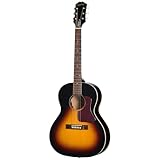
Top 10 Parlor Acoustic Guitars



Detailed Product Reviews
Why Parlor Guitars Are Perfect for Blues Slide
Parlor guitars possess an inherent vocal quality that complements slide technique beautifully. Their smaller bodies produce a focused, midrange-forward tone that cuts through a mix without the boomy low-end that can muddy slide articulation. The reduced string tension common on shorter-scale parlors makes it easier to execute the subtle vibrato and microtonal bends that define expressive blues slide. Plus, their lightweight, ergonomic design allows for hours of comfortable playing—whether you’re on your front porch or in a dimly lit juke joint.
The Historical Legacy: Parlor Guitars and Delta Blues
The connection between parlor guitars and blues runs deeper than mere aesthetics. These instruments were the workhorses of early 20th-century American music, affordable enough for traveling musicians and robust enough for the road. Their smaller size made them ideal companions for players who relied on thumb-picking and slide techniques to create full, orchestrated arrangements.
From Front Porches to Recording Studios
When early bluesmen stepped into makeshift recording studios, their parlor guitars delivered a balanced, articulate sound that recording equipment of the era could capture effectively. The guitars’ natural compression and emphasis on midrange frequencies meant that slide notes sang with clarity, while the controlled bass response prevented overwhelming the primitive microphones. This historical precedent isn’t just romantic—it’s sonic science that still applies today.
Critical Features for Slide-Friendly Parlors
Selecting a parlor guitar for slide requires looking beyond cosmetic appeal. The instrument must accommodate the unique demands of sliding a hard object across its strings while maintaining playability for fretted passages.
Body Dimensions and Resonant Character
Traditional parlor dimensions—typically 12-fret neck joints with bodies around 18-19 inches long—create a compressed, punchy voice that responds brilliantly to slide attack. The smaller air chamber produces a quicker attack and decay, giving each slide note definition and preventing the washiness that can plague larger guitars. Look for bodies with adequate depth (3.5-4 inches) to ensure enough volume and low-end support without sacrificing clarity.
Neck Profiles That Facilitate Slide Technique
A comfortable slide neck features a rounded, substantial profile—often a soft V or C shape—that anchors your hand during slide passages. Avoid ultra-slim modern necks; they offer less purchase for your thumb and can lead to hand fatigue. The neck should also have enough shoulder to prevent your slide fingers from contacting the fretboard edges during wide vibrato movements.
Tonewood Selection for Optimal Slide Tone
Wood choice dramatically influences how a parlor guitar responds to slide playing. Each species imparts distinct harmonic characteristics that either enhance or fight against the glassy, sustained tones you’re chasing.
Top Wood: Spruce, Cedar, and Mahogany
Sitka spruce remains the gold standard for responsiveness and headroom, delivering clear, bell-like slide tones with excellent projection. Cedar offers a warmer, darker voice that softens the attack—ideal for players seeking a more mellow, vintage-blues sound. Mahogany tops produce a woody, midrange-focused tone that compresses beautifully under slide pressure, though they can lack the brilliance needed for cutting leads.
Back and Sides: Mahogany, Rosewood, and Maple
Mahogany back and sides provide the quintessential blues bark—dry, punchy, and immediate. This combination emphasizes the fundamental note over complex overtones, keeping slide lines articulate and focused. Rosewood adds harmonic richness and sustain, creating a more orchestral quality that suits sophisticated slide arrangements. Maple, while less traditional, offers exceptional clarity and note separation for players who use complex tunings and intricate slide melodies.
Understanding Scale Length and String Tension
The parlor guitar’s traditionally shorter scale length (typically 24-24.9 inches) reduces string tension, making it easier to fret chords and execute slide vibrato. However, this can also lead to a floppier feel that some players find imprecise. Modern parlors sometimes extend to 25 inches or more, striking a balance between comfortable tension and articulate slide response. Consider your touch: heavy-handed players benefit from slightly longer scales that resist overdriving, while lighter touches thrive on the buttery feel of traditional short scales.
Nut Width and String Spacing: Finding Your Sweet Spot
Slide playing demands slightly wider string spacing to prevent adjacent strings from buzzing against your slide. A nut width of 1-3/4 inches to 1-13/16 inches provides adequate room for clean single-note lines while maintaining comfortable chording. Pay attention to string spacing at the saddle too—wider spacing there (2-1/4 inches or more) gives you more precise control over which strings you activate, crucial for nuanced slide work.
The Crucial Role of Action and Setup
Action height can make or break a slide guitar. Too low, and you’ll encounter fret buzz and unwanted overtones. Too high, and intonation becomes a nightmare, requiring excessive pressure that chokes sustain.
Factory Setups vs. Professional Modifications
Few factory setups prioritize slide playing. Most arrive optimized for light-gauge strings and low action for conventional fretting. A qualified luthier can transform a stock parlor into a slide monster by adjusting the truss rod, raising the saddle, and potentially installing a new nut with wider slots. Budget an additional $150-300 for professional setup work—it’s often the difference between a mediocre and magnificent slide instrument.
Hardware Considerations for Tuning Stability
Blues slide players frequently explore open tunings (Open G, Open D, DADGAD), placing unusual stresses on tuning machines. Quality hardware ensures your parlor stays in tune through aggressive string bends and vibrato.
Tuners and Machine Heads
Open-back vintage-style tuners look authentic but may lack the gear ratio precision modern players expect. Look for 18:1 or higher gear ratios for smooth, stable tuning. Slot-head designs, while traditional, can require specialized string winding techniques that some players find inconvenient.
Bridge and Saddle Materials
The bridge transfers string energy to the top, making its construction critical for slide tone. A well-fitted bone saddle provides excellent transfer efficiency and a bright, articulate tone. Compensated saddles improve intonation accuracy, especially important when using higher action for slide. Some modern parlors feature adjustable saddles—convenient but potentially prone to energy loss compared to traditional drop-in saddles.
Budget Tiers: What Your Money Gets You in 2026
The parlor market spans from sub-$300 import models to custom instruments exceeding $5,000. Understanding what each tier offers helps set realistic expectations.
Entry-level parlors ($300-600) now feature surprisingly solid construction and decent tonewoods, though hardware and factory setups remain inconsistent. Mid-range instruments ($800-1,500) deliver professional-grade tonewoods, better hardware, and more refined construction—often the sweet spot for serious players. Premium parlors ($2,000+) offer hand-voiced tops, premium materials, and meticulous setup work that reveals the full potential of slide technique.
Vintage Vibe vs. Modern Reliability
Authentic vintage parlor guitars possess unmatched mojo but come with significant caveats. Ninety-year-old wood delivers a complexity that can’t be artificially aged, but these instruments often require extensive neck resets, crack repairs, and internal bracing work to handle modern slide string gauges. Contemporary parlors offer stable necks, truss rod adjustability, and warranty protection while capturing vintage essence through torrefied tops and historically-informed construction. For gigging players, modern reliability usually trumps vintage mystique.
Amplifying Your Parlor for Performance
While parlor guitars excel acoustically, most performance situations require amplification. The challenge lies in capturing their intimate character without introducing feedback or unnatural coloration.
Microphone Techniques
A small-diaphragm condenser microphone positioned at the 12th fret captures the balanced essence of a parlor’s voice. For more ambient room sound, add a second mic aimed at the body, blended subtly. This technique preserves the natural acoustic character that makes parlors special.
Pickup Systems
Undersaddle pickups often sound quacky and artificial on parlors, fighting against the guitar’s natural compression. Soundboard transducers or miniature condenser mics mounted internally provide more faithful reproduction. Some advanced systems blend both sources, giving you control over your amplified voice.
Must-Have Accessories for Slide Players
Your parlor guitar is only part of the equation. The right accessories unlock its slide potential and protect your investment.
Slides, Strings, and Capos
Glass slides produce smooth, warm tones but require careful handling. Brass or steel slides offer brighter, more aggressive tones with greater sustain. For strings, medium gauges (.013-.056) provide enough tension for articulate slide work without excessive flop. Partial capos (like the Shubb C7B) create fascinating open-tuning variations without retuning.
Maintenance and Setup Tools
A string action gauge, capo for neck straightness checks, and basic truss rod wrench empower you to make seasonal adjustments. Humidity control is crucial—parlor guitars’ smaller bodies are particularly susceptible to cracking from dry conditions. Invest in a quality hygrometer and maintain 45-55% relative humidity.
Developing Your Technique on a Parlor Body
The parlor’s compact dimensions require subtle technique adjustments. Its quick response rewards a lighter touch—let the slide do the work rather than pressing excessively. Practice muting behind the slide with your index finger to eliminate unwanted overtones. The reduced string spacing demands precise slide angle control; keep your slide parallel to the frets and use your wrist, not your arm, for vibrato. Spend time developing your pinky and ring finger independence for fretting chords while your slide finger floats above.
Looking Ahead: 2026 Innovations and Trends
This year’s parlor market shows exciting developments. Torrefaction processes now produce tops that rival decades-old wood for responsiveness. Innovative bracing patterns—like hybrid X-fan designs—enhance projection without sacrificing the compressed character slide players love. Some manufacturers are experimenting with slightly enlarged lower bouts (while maintaining traditional length) to add low-end support for open tunings. Sustainable, alternative tonewoods are gaining acceptance, offering ethical options that perform admirably for slide work.
Frequently Asked Questions
What’s the ideal action height for slide on a parlor guitar?
Aim for approximately 3/32" on the treble side and 4/32" on the bass side at the 12th fret. This provides clearance for clean slide notes while allowing reasonable fretting capability. Individual playing style and slide wall thickness will require fine-tuning these measurements.
Can I use regular light gauge strings for slide playing?
Light gauges (.012-.053) work for hybrid fretted/slide playing but lack the tension for articulate pure slide technique. Medium gauges (.013-.056) offer better control and sustain. Some players prefer heavy gauges (.014-.059) for open tunings, though these may require neck reinforcement.
Do I need a special nut for slide playing?
A standard nut works fine if the action is properly set. However, a slightly wider nut (1-13/16") with carefully filed slots prevents strings from binding during aggressive vibrato. Some slide specialists install a “zero fret” for consistent string height and tone.
Are parlor guitars too small for effective slide technique?
Not at all. Their compact size concentrates the string energy, creating a more direct connection between your slide and the guitar’s voice. The key is proper setup and technique adjustment—their responsiveness actually makes them ideal for nuanced slide work.
Should I choose a 12-fret or 14-fret parlor for blues?
12-fret parlors position the bridge in the sweet spot of the lower bout, maximizing resonance and producing the quintessential blues bark. 14-fret models offer better upper-fret access for hybrid playing. For pure slide tradition, 12-fret designs have the edge.
How much should I budget for a quality slide parlor?
Plan on $800-1,500 for a professional-grade instrument that performs reliably. Add $200-300 for essential setup and potential nut/saddle upgrades. This mid-range tier delivers 90% of the performance of premium instruments without the diminishing returns.
Can I convert my existing parlor guitar for slide?
Absolutely. A professional setup involving saddle height increase, potential nut replacement, and truss rod adjustment can transform most parlors. Instruments with adjustable truss rods and sufficient saddle height to work with are the best candidates for conversion.
What’s better for slide: bone or tusq saddle?
Bone delivers a slightly brighter, more articulate tone with faster attack—excellent for cutting, aggressive slide. Tusq offers consistency and a slightly warmer voice with excellent sustain. For blues, bone’s natural character and transfer efficiency often wins out.
Do I need a pickup system for blues slide?
For personal practice, no. For jam sessions or performances, yes. A quality pickup system prevents you from fighting to be heard. Internal mic systems preserve the parlor’s acoustic character better than undersaddle pickups, making them preferable for blues authenticity.
How do I prevent buzzing when playing slide on a parlor?
Ensure your action is adequate (see above), keep your slide perfectly parallel to frets, and develop a light touch. Mute behind the slide with your index finger, and use a slide with proper wall thickness for your string gauge. Practice slow, controlled movements before building speed.
See Also
- 10 Ultimate Acoustic Guitars for Open-G Slide Playing in 2026
- We Tested 40 Parlor Acoustic Guitars—Here Are the 10 Best for Blues in 2026
- 10 Must-Have Parlor Acoustic Guitars for Fingerstyle Players in 2026
- 10 Budget Parlor Acoustic Guitars Under $500 That Don’t Sacrifice Tone in 2026
- 10 Parlor Acoustic Guitars with Vintage Sunburst for Retro Aesthetics in 2026