Table of Contents
The rhythmic precision of a championship drumline doesn’t just happen by accident—it’s forged through countless hours of practice and equipment that responds like a natural extension of the player’s hands. As we march into 2026, the evolution of marching drum sticks has reached an exciting inflection point where traditional craftsmanship meets cutting-edge material science. Anti-slip grip tape technology, once a simple afterthought, has become a sophisticated performance feature that can make or break a season.
Whether you’re a seasoned drum corps veteran, a high school band director building your percussion program, or a passionate individual looking to upgrade your gear, understanding the nuances of modern marching sticks is crucial. The right pair with properly engineered grip tape doesn’t just prevent drops during that critical finals performance; it reduces fatigue, prevents repetitive strain injuries, and unlocks dynamic range you never knew you had. Let’s dive deep into everything you need to know to make an informed decision in this rapidly advancing market.
Top 10 Marching Drum Sticks
Detailed Product Reviews
1. Vic Firth Corpsmaster Signature Snare – Ralph Hardimon

Overview: The Vic Firth Corpsmaster Ralph Hardimon snare stick is a marching percussion institution. Designed by the legendary Ralph Hardimon himself, this stick has been the backbone of countless championship drumlines and is trusted by elite groups worldwide. Crafted from premium USA hickory, it delivers the durability and response demanded by serious players who need reliability through grueling rehearsal schedules.
What Makes It Stand Out: The modified barrel tip and elongated taper create a unique sweet spot that enhances control while maintaining balanced rebound. This design allows for precise articulation at high tempos and a full-bodied sound at lower volumes. The stick’s weight distribution feels natural in matched grip, making it ideal for modern marching technique and contemporary literature.
Value for Money: Positioned in the premium tier, these sticks justify their price through exceptional craftsmanship and longevity. While budget sticks might last a few weeks, the Hardimon’s dense hickory construction withstands months of rigorous rehearsal. For competitive ensembles, the consistency between pairs eliminates variables that could affect performance.
Strengths and Weaknesses: Strengths include unmatched durability, professional-grade balance, and versatile performance across dynamic ranges. The stick’s signature feel translates well from practice pad to drum. Weaknesses are its substantial weight, which may challenge younger or smaller players, and the specific taper design that requires adjustment for those switching from lighter sticks.
Bottom Line: This is the gold standard for serious marching snare drummers. Ideal for high school, collegiate, and DCI-level percussionists who prioritize control and durability. Beginners may want to develop fundamentals on lighter sticks first.
2. Vic Firth Corpsmaster Signature Snare – Mike Jackson

Overview: The Vic Firth Corpsmaster Mike Jackson signature stick brings a distinctive feel to the marching snare world. Designed for percussionists who demand power without sacrificing finesse, this stick features engineering that pushes mass forward while maintaining the refined control expected from a signature series product.
What Makes It Stand Out: The thick shoulder provides immediate power transfer, while the long reverse taper shifts weight toward the front, creating a unique balance that many tenor and snare players love. This forward-weighted design helps achieve authoritative downbeats and crisp articulation at volume. The extended taper still delivers surprising rebound for rolls and fast passages.
Value for Money: These premium-priced sticks compete directly with other signature models. The specialized reverse taper design offers a distinct advantage for players seeking that specific feel. The quality control ensures each pair matches perfectly, justifying the investment for serious musicians who’ve developed their technique.
Strengths and Weaknesses: Strengths include exceptional power projection, innovative weight distribution, and robust hickory construction. The design excels in outdoor environments where projection is critical. Weaknesses include an adjustment period for traditional grip players and those accustomed to standard tapers. The unique feel isn’t universal, and some may find it less versatile than the Hardimon model.
Bottom Line: Perfect for advanced players seeking a forward-weighted feel with power. Best suited for tenor drummers and snare players who prioritize projection. Try before committing if you’re new to reverse taper designs.
3. ProMark Scott Johnson Hickory Signature Marching Snare Drum Sticks - FireGrain For Playing Harder, Longer - No Excess Vibration - Lacquer Finish, Large Round Tip, Hickory Wood - 1 Pair
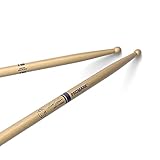
Overview: The ProMark Scott Johnson FireGrain stick represents modern innovation in marching percussion. Featuring ProMark’s proprietary heat-tempering process, these hickory sticks promise enhanced durability while maintaining traditional feel. At 17 inches with a .700-inch diameter, they fit comfortably in the standard marching stick range.
What Makes It Stand Out: The FireGrain treatment penetrates the wood, increasing density without adding weight. This creates a stick that resists chipping and breakage significantly longer than untreated hickory. The large round tip produces a robust, warm sound on kevlar heads that cuts through ensembles differently than barrel tips. Being entirely US-made ensures quality oversight from forest to finished product.
Value for Money: These sit at a competitive price point, offering premium features without the signature model premium. The extended lifespan due to FireGrain technology translates to fewer replacements, making them economically smart for budget-conscious programs. They deliver professional performance at a mid-tier price.
Strengths and Weaknesses: Strengths include exceptional durability, consistent manufacturing, and a full-bodied sound profile. The lacquer finish provides secure grip in various weather conditions. Weaknesses include the round tip’s less-articulate definition compared to barrel designs, and some players report the FireGrain process creates a slightly different flex feel that requires adaptation.
Bottom Line: An excellent choice for players prioritizing durability and value. Ideal for high school programs and individual drummers who want premium performance without frequent replacements. Perfect for those hard on their sticks.
4. Heavy Marching Drum Sticks - “Exhausted” Weight, 3 Levels for Strength Training, Pitch & Weight Matched, Hickory Wood with Non-Slip Grip for Marching Band & Drumline,Strength Training Drum Sticks

Overview: These “Exhausted” weight training sticks serve a singular purpose: building marching percussion endurance. Not intended for performance, these extra-heavy hickory tools create resistance that makes regular sticks feel effortless by comparison. They’re a specialized training aid rather than a traditional drumstick.
What Makes It Stand Out: The three-tiered system—Comfort, Tired, and Exhausted—allows progressive strength development. The “Exhausted” level represents maximum resistance for advanced conditioning. Each pair is meticulously weight and pitch matched, ensuring balanced practice sessions. The non-slip grip proves essential when fatigue sets in during extended workouts.
Value for Money: As a training tool, they offer excellent value compared to injury or inconsistent technique. However, they’re a supplement, not a replacement for standard sticks. The price reflects their specialized nature. For serious drumlines focusing on conditioning, they’re a worthwhile investment, but individual players might find limited use.
Strengths and Weaknesses: Strengths include rapid endurance building, improved dynamic control when returning to regular sticks, and durable construction that withstands abuse. The progressive system accommodates different fitness levels. Weaknesses include potential for developing bad habits if overused, risk of strain injuries without proper guidance, and the temptation to use them beyond their intended purpose.
Bottom Line: Effective but specialized tool for advanced players and drumlines. Use sparingly under instructor supervision. Not recommended for beginners or as primary practice sticks. Integrate them into a balanced training regimen for best results.
5. Vic Firth Corpsmaster Signature Snare – Ralph Hardimon Nylon

Overview: The Vic Firth Corpsmaster Ralph Hardimon Nylon tip stick delivers the legendary Hardimon design with modern tip technology. Maintaining the same 17-inch length, .710-inch diameter, and signature barrel tip shape, this variant swaps wood for nylon, offering a different sonic character and enhanced durability where it matters most.
What Makes It Stand Out: The nylon tip provides unwavering consistency in articulation and eliminates the chipping and wear that plague wood tips during high-volume playing. This makes them ideal for extended outdoor rehearsals and performances where tip integrity is crucial. The long taper and barrel tip geometry remain unchanged, preserving the responsive control that defines the Hardimon lineage.
Value for Money: Priced similarly to its wood-tipped sibling, the nylon version offers extended tip life, potentially justifying the cost for heavy players. The investment makes sense for performers who prioritize consistent attack over the warmth of wood. For ensembles requiring uniform sound, these eliminate tip wear variables.
Strengths and Weaknesses: Strengths include exceptional tip durability, brighter articulation that cuts through amplified ensembles, and the trusted Hardimon balance. They excel in wet conditions where wood tips might soften. Weaknesses include a slightly brighter, less organic sound that some purists avoid, and the rare but catastrophic possibility of a tip detaching. The marginally different tip weight subtly alters the stick’s balance.
Bottom Line: Perfect for marching percussionists seeking maximum tip durability without sacrificing the Hardimon feel. Ideal for high-hat work in hybrid percussion setups and outdoor performances. Choose based on sonic preference—keep wood tips for warmth, these for consistency and longevity.
6. 3-Pairs Vic Firth Corpsmaster Signature Ralph Hardimon Marching Snare Drum Sticks (SRH)

Overview: The Vic Firth Corpsmaster Ralph Hardimon signature marching snare sticks represent the gold standard for serious percussionists. This value-packed bundle includes three pairs of the renowned SRH model, ensuring you’re always prepared for intense practice sessions and performances. Crafted from premium hickory, these sticks deliver the perfect balance of durability, response, and articulation that marching percussion demands.
What Makes It Stand Out: The Hardimon signature design features a unique barrel-shaped tip and precise taper that produces exceptional clarity on high-tension drums. The three-pair packaging is particularly noteworthy—most retailers sell these individually, making this bundle both convenient and economical. Vic Firth’s legendary weight and pitch matching ensures every stick feels identical, eliminating performance variables.
Value for Money: Purchasing three pairs simultaneously offers significant savings over individual retail prices. While not inexpensive, these professional-grade sticks outlast cheaper alternatives by months, making them more economical long-term. For drumline members and instructors who burn through sticks, this bulk option is financially smart.
Strengths and Weaknesses: Strengths include unmatched consistency, superior durability, signature design trusted by championship ensembles, and bulk convenience. Weaknesses: the thicker profile may challenge younger players with smaller hands, and the initial investment is substantial for beginners. Some may find the weight fatiguing during all-day rehearsals.
Bottom Line: These are essential tools for committed marching percussionists. The three-pair bundle eliminates frequent reordering and ensures stick consistency throughout a season. If you’re serious about marching snare performance, this package delivers professional quality and value that justifies every penny.
7. Vic Firth Corpsmaster Signature Snare –Thom Hannum Beast

Overview: The Vic Firth Corpsmaster Thom Hannum “Beast” lives up to its intimidating name with robust specifications designed for maximum projection. Measuring .700" in diameter and 17" in length, these sticks provide substantial mass for aggressive marching applications. As a signature model from the legendary DCI instructor, they embody decades of championship-level drumline expertise.
What Makes It Stand Out: The Beast’s defining characteristic is its sheer girth—the .700" diameter creates powerful, authoritative strokes that cut through outdoor ensembles. The extra length provides leverage for enhanced rim shots and dynamic control. This isn’t a subtle stick; it’s built for drummers who need to be heard across football fields and stadiums.
Value for Money: Priced competitively with other Vic Firth signature models, the Beast offers specialized performance that generic sticks cannot match. While slightly more expensive than standard hickory sticks, the enhanced durability and specific design for outdoor marching justify the premium. You’re paying for Thom Hannum’s expertise distilled into stick form.
Strengths and Weaknesses: Strengths include incredible volume and projection, exceptional durability under high-tension heads, superior leverage for complex passages, and trusted signature design. Weaknesses: the thick diameter can cause hand fatigue and may be unsuitable for indoor percussion where subtlety is required. Not recommended for younger players or those with smaller grips.
Bottom Line: Perfect for outdoor marching percussionists seeking maximum power and presence. The Beast excels in situations where projection trumps finesse. If you play in a competitive drumline that performs primarily in stadium settings, these sticks deserve serious consideration. For indoor ensembles or younger players, look elsewhere.
8. Marching Drum Sticks - “Tired” Weight (Medium Heavy), Hickory Wood with Non-Slip Grip for Strength Training & Practice, Designed for Marching Band & Drumline

Overview: These innovative “Tired” weight marching sticks serve a singular purpose: building percussionist strength and endurance through strategic resistance training. Heavier than standard marching sticks, these hickory tools feature a medium-heavy weight classification designed to challenge your hands, wrists, and forearms during practice sessions before switching back to performance sticks for effortless speed.
What Makes It Stand Out: The progressive training system concept is revolutionary—offering Comfortable, Tired, and Exhausted weights allows methodical strength development. Unlike makeshift solutions, these maintain authentic marching stick dimensions: longer shaft, thicker diameter, and large acorn tip, ensuring technique transfers directly to performance. The non-slip grip coating provides security during intense, sweaty workouts.
Value for Money: As a specialized training tool, these sticks justify their price through purposeful design. While you could simply use old, heavier sticks, the consistent weight matching and authentic marching profile make these far more effective. For serious drummers, the endurance gains translate to better performance, making this a worthwhile investment.
Strengths and Weaknesses: Strengths include targeted strength building, progressive system integration, authentic feel, excellent grip, and weight/pitch matching. Critical weakness: these are NOT performance sticks—using them in actual ensemble settings would be inappropriate and potentially damaging to technique. They’re also too specialized for casual players who don’t need dedicated training tools.
Bottom Line: An excellent training aid for dedicated marching percussionists seeking competitive advantage. Use these during individual practice to build endurance, then switch to standard sticks for rehearsals and performances. Not a replacement for your primary sticks, but a valuable supplement for serious athletes of drumming.
9. Vic Firth Corpsmaster Signature – Ralphie Jr.

Overview: The Ralphie Jr. delivers the legendary Hardimon stick design in a thoughtfully scaled-down package perfect for younger percussionists and indoor marching applications. This Vic Firth Corpsmaster signature model maintains the essence of the original SRH while reducing dimensions to accommodate smaller hands and tighter playing environments where oversized sticks prove cumbersome.
What Makes It Stand Out: Being a proportionally reduced version of the iconic Ralph Hardimon stick is its primary distinction. Younger players no longer must struggle with adult-sized sticks that hinder technique development. The model preserves the signature barrel tip and taper ratio, ensuring that advancing students develop proper muscle memory that transfers seamlessly to full-size sticks as they grow.
Value for Money: Positioned at the same price point as standard signature sticks, the Ralphie Jr. offers identical Vic Firth quality and craftsmanship. For instructors and parents, this represents excellent value—no compromise on materials or manufacturing standards while providing age-appropriate equipment that prevents bad habits from oversized sticks.
Strengths and Weaknesses: Strengths include perfect sizing for middle school and early high school players, indoor marching suitability, premium hickory construction, and authentic Hardimon feel. Weaknesses: quickly outgrown by developing players, insufficient projection for outdoor marching ensembles, and limited utility for average-sized high school drummers. Not a substitute for full-size sticks in competitive outdoor drumlines.
Bottom Line: Essential equipment for middle school percussion programs and indoor ensembles. The Ralphie Jr. bridges the gap between beginner sticks and professional gear, ensuring proper technique development. Purchase for younger players or indoor-specific use, but transition to full-size Hardimons for outdoor marching.
10. Vic Firth Corpsmaster Signature – Ralph Hardimon Hammer

Overview: The Ralph Hardimon Hammer reimagines the classic Hardimon profile using innovative Sta-Pac laminate material, creating a uniquely dense and heavy stick for marching applications. This signature model maintains the familiar taper, tip shape, and balance that Hardimon devotees expect while introducing a radically different material composition that enhances durability and adds purposeful weight.
What Makes It Stand Out: The Sta-Pac laminate construction sets this stick apart from traditional hickory models. This dense material offers exceptional durability while providing added mass that some drummers prefer for enhanced stick response and power. The material’s unique feel and sound character opens new tonal possibilities on high-tension marching heads.
Value for Money: As a premium material innovation, these sticks command a higher price than standard hickory models. However, the remarkable durability means fewer replacements over time, potentially offsetting the initial cost. For drummers seeking specific weight characteristics or extreme longevity, the investment proves worthwhile.
Strengths and Weaknesses: Strengths include outstanding durability, unique weight and feel, consistent Hardimon geometry, and reduced breakage. Weaknesses: the dense material transmits more vibration to hands, potentially increasing fatigue; different rebound characteristics require adjustment; and the premium price may deter budget-conscious buyers. Not ideal for players who prefer traditional wood feel.
Bottom Line: A specialized tool for advanced percussionists seeking durability and unique playing characteristics. The Hammer excels for heavy-hitting drummers who break standard hickory sticks regularly. Try before committing to ensure the Sta-Pac feel suits your technique. Innovative but not for everyone—traditionalists may prefer classic hickory Hardimons.
The Evolution of Marching Drum Stick Design
From Military Roots to Modern Innovation
Marching percussion has traveled a fascinating journey from the rigid wooden mallets of military field drummers to today’s precision-engineered implements. Early stick designs prioritized durability over playability, with smooth, varnished surfaces that became slippery the moment humidity rose. The introduction of grip tape in the late 1990s was revolutionary, but early versions were little more than athletic tape that quickly unraveled and left sticky residue. Today’s anti-slip grip tape represents a quantum leap forward, incorporating textured polymers, moisture-wicking channels, and adhesive formulas that bond molecularly to the stick’s surface.
The Grip Revolution of the 2020s
The past five years have witnessed unprecedented innovation in grip technology. Manufacturers have moved beyond simple friction enhancement to create grip patterns that actively channel sweat away from pressure points. Micro-texturing techniques, inspired by gecko foot adhesion and tire tread designs, provide secure hold without sacrificing the subtle tactile feedback essential for dynamic control. As we approach 2026, expect to see smart materials that subtly adjust their texture based on temperature and moisture levels.
Understanding Anti-Slip Grip Tape Technology
Material Science Behind Modern Grip Tape
Contemporary grip tapes utilize multi-layer composites that would impress aerospace engineers. The base layer typically features pressure-sensitive acrylic adhesives designed for wood and composite substrates. The functional layer combines silicone carbide particles, thermoplastic elastomers, or engineered rubber compounds to create consistent friction coefficients. Premium options in 2026 incorporate antimicrobial silver ions to prevent the bacterial buildup that causes premature degradation and unpleasant odors.
How Grip Patterns Affect Performance
Not all grip textures are created equal. Diamond-knurled patterns excel for traditional matched grip players who need security during rimshots. Linear ribbed designs benefit those using traditional grip, allowing the stick to pivot naturally in the fulcrum while maintaining control. Hexagonal honeycomb patterns distribute pressure evenly across the palm, reducing hot spots during all-day rehearsal sessions. The depth and spacing of these patterns directly influence rebound feel—shallower textures preserve more natural stick vibration, while deeper patterns can mute overtones.
Weather Resistance and Durability Factors
Outdoor marching demands grip tape that laughs at adversity. UV stabilizers prevent sun-induced brittleness during summer band camp. Hydrophobic coatings cause water to bead and roll off rather than saturating the tape. Freeze-thaw cycling resistance ensures the adhesive won’t delaminate during those crisp October evening rehearsals. The best 2026 formulations maintain 90% of their original grip performance after 200+ hours of intense playing.
Anatomy of a Premium Marching Drum Stick
Taper Design and Balance Points
The taper—the gradual reduction in diameter from shoulder to tip—determines a stick’s moment of inertia and thus its feel. Long tapers create whippier, more responsive sticks ideal for fast diddle passages. Short tapers concentrate mass toward the front, delivering authoritative strokes for fortissimo impacts. The balance point, typically measured from the butt end, should align with your natural fulcrum position. Anti-slip tape placement must complement this balance; poorly positioned tape can shift the perceived balance point by half an inch, fundamentally altering stick response.
Tip Shapes and Their Sonic Impact
While grip tape doesn’t directly affect the tip, your confidence in the grip influences how you articulate. Barrel tips deliver full-bodied tones on Kevlar heads but require precise control that slippery sticks compromise. Acorn tips offer versatility for multi-tenor players who frequently switch between drums and cymbals. The emerging “hybrid teardrop” shape, gaining popularity in 2026, provides the articulation clarity of a small tip with the body of a larger profile—perfect for players who’ve mastered their anti-slip enhanced grip.
Butt End Engineering for Power Transfer
The butt end experiences tremendous forces during rim clicks and backsticking. Modern sticks feature reinforced butt designs with denser wood grain orientation or composite inserts. Grip tape should extend at least two inches onto the butt to prevent slippage during these techniques. Some designs now incorporate a slight flared “pommel” that works synergistically with the tape, creating a mechanical stop that augments the friction grip.
Material Selection: Beyond Traditional Hickory
Carbon Fiber Composites in 2026
Carbon fiber sticks, once dismissed as too harsh and unforgiving, have matured dramatically. Newer formulations blend carbon fiber with flax fibers or recycled materials to dampen unwanted overtones while retaining incredible durability. The uniform density eliminates the grain-related weak points inherent in wood. However, grip tape adhesion to carbon composites requires specialized surface preparation—look for sticks with factory-applied primer layers that ensure the tape won’t peel after your first sweaty rehearsal.
Hybrid Wood Blends and Sustainability
Environmental consciousness drives innovation in laminated stick construction. Manufacturers layer different wood species to optimize each section’s properties—dense rosewood for the tip, flexible maple for the shaft, and impact-resistant hickory for the butt. These hybrids often feature exposed laminations that create natural texture under the grip tape, enhancing mechanical bonding. Sustainable forestry certifications now appear on premium sticks, appealing to eco-conscious programs.
Weight-to-Density Ratios Explained
Two sticks can weigh identical amounts but feel completely different due to density distribution. Specific gravity measurements help predict how a stick will feel in motion. Lower density woods (like maple, around 0.55 g/cm³) feel lively and quick but may lack heft for outdoor projection. Higher density options (like hickory at 0.70 g/cm³) provide power but can cause premature fatigue. Your grip tape adds approximately 3-5 grams; factor this into your weight calculations, especially for tenor players using lighter sticks.
Sizing and Specifications Decoded
Length Variables for Different Marching Styles
Standard marching snare sticks hover around 17 inches, but 2026 sees more specialized lengths. Indoor percussion favors 16.5-inch sticks for tighter visual demands. Bass drum mallets extend to 18 inches for reach across larger drums. The critical measurement is how far the grip tape extends from the fulcrum zone—typically 5-7 inches from the butt. Tape that’s too long restricts hand movement; too short fails to provide adequate coverage during grip shifts.
Diameter Choices and Hand Fatigue
Diameter affects fatigue more than any other dimension. Larger diameters (.710" to .725") reduce the grip force needed, benefiting players with larger hands or those prone to cramping. Smaller diameters (.650" to .680") enable faster finger control but require more muscular effort to maintain grip. Anti-slip tape adds approximately .015" to the effective diameter—choose your base stick accordingly. Some players intentionally select undersized sticks and build up grip thickness with tape for a truly custom feel.
Proprietary Sizing Systems to Know
Manufacturers increasingly use their own nomenclature. “5B Marching” doesn’t mean what it did in 2010. Pay attention to actual measurements rather than model numbers. The emerging “DRS” (Dynamic Response Scale) rating system, gaining traction in 2026, quantifies how a stick’s flex profile interacts with grip friction to produce actual playing feel. A DRS-7 stick with aggressive grip tape feels completely different than a DRS-7 with minimal texture.
Performance Characteristics to Evaluate
Rebound Response and Stroke Efficiency
Your grip tape directly influences rebound by affecting how the stick rotates in your hand. Overly aggressive grip can choke natural rebound, forcing you to work harder. The sweet spot provides enough friction to prevent slippage while allowing micro-adjustments that facilitate free stroke technique. Test this by playing sustained 16th-note diddles at 160 BPM—if your hands feel locked and rigid after 30 seconds, the grip is too tenacious. If the stick migrates in your hand, it’s insufficient.
Projection and Articulation Balance
Outdoor marching requires sticks that cut through wind and distance without sacrificing clarity. Heavier sticks with moderate grip tape provide the mass for projection while allowing the subtle finger control needed for clean articulation. The tape’s texture shouldn’t create audible “squeaking” during quiet passages—a common issue with low-quality rubber-based grips. Premium silicone-infused tapes remain silent even during the most delicate pianissimo passages.
Cross-Contamination Between Drum Types
Multi-tenor players face unique challenges. The same grip tape that secures your stick during snare-style crossovers might snag on drum rims during quick sweeps. Look for grip patterns that become less aggressive toward the shoulder, creating a smooth transition zone. Some 2026 designs feature gradient texturing—maximum grip at the fulcrum, gradually reducing to near-smooth at the tip—to facilitate the hybrid techniques modern tenor books demand.
Durability and Longevity Factors
Stress Point Reinforcement
Marching sticks experience stress concentrations at the neck and shoulder where rimshots occur. Quality manufacturers reinforce these areas with compressed grain or composite overlays. Grip tape applied over these zones must have exceptional adhesion to prevent peeling from repeated impact flexing. The best tapes feature segmented designs that allow slight stretching without delaminating, similar to how athletic kinesiology tape moves with skin.
Grip Tape Adhesion Longevity
Even the best grip tape fails if the adhesive gives out. Modern acrylic adhesives cure over 24-48 hours, reaching maximum bond strength after a week of playing. Avoid cleaning sticks with alcohol-based solutions, which break down adhesive polymers. Instead, use mild soap and water on non-taped areas only. In 2026, we’re seeing “self-healing” adhesives that re-bond minor edge lifts when pressure is applied, extending usable life by months.
When to Retire Your Sticks
A stick’s lifespan isn’t measured in days but in impact cycles. For active drumline members, this translates to 4-6 weeks of heavy use. Retire sticks when grip tape shows consistent edge lifting that reappears after repressing, when the underlying wood shows visible cracking, or when the balance point shifts due to material compression. Don’t wait for catastrophic failure—fatigue micro-fractures in the stick core can cause unpredictable breaks during performance.
Ergonomics and Injury Prevention
Vibration Dampening Technology
Repeated impact vibrations contribute to tendonitis and carpal tunnel syndrome. Modern grip tapes incorporate viscoelastic layers that absorb harmful frequencies while transmitting the tactile feedback essential for control. This is particularly crucial for bass drummers whose larger mallets generate more intense shock waves. The tape’s thickness matters—2mm provides optimal dampening without excessively muting stick response.
Grip Tape and Carpal Tunnel Prevention
The relationship between grip force and nerve compression is well-documented. Anti-slip tape reduces the static grip force needed by up to 40%, allowing blood flow to continue unimpeded through the carpal tunnel. However, tape that’s too thick or positioned incorrectly can force awkward wrist angles. Ensure the tape’s edges don’t create pressure ridges against your palm. Some players benefit from “grip gaps”—small untaped zones at precise anatomical landmarks that prevent nerve impingement.
Customization for Hand Size
One size doesn’t fit all. Players with smaller hands should position grip tape closer to the butt, creating a shorter fulcrum distance. Larger-handed individuals benefit from extended tape coverage toward the shoulder. The emerging trend of “modular grips” allows you to apply segmented tape pieces, building up thickness only where your specific grip pattern demands it. This customization is worth the extra effort for players dealing with chronic hand pain.
Environmental and Climate Considerations
Humidity Effects on Grip Tape
Summer band camp in the South can push humidity above 90%, turning untreated sticks into slippery hazards. High-quality grip tapes maintain their coefficient of friction across 20-95% relative humidity ranges. Look for hydrophobic treatments that cause moisture to bead rather than absorb. Some advanced tapes feature dual-layer moisture management: a wicking inner layer that transports sweat to evaporative outer channels, keeping the surface grip consistent.
Temperature Extremes and Material Performance
Cold weather makes grip tape stiff and less pliable, while extreme heat softens adhesives and can cause tape migration. The performance window for premium tapes in 2026 spans -10°F to 120°F, covering virtually all marching conditions. If you perform in sub-freezing temperatures (think holiday parades), precondition sticks indoors and consider tape with “thermal memory” that remains flexible in the cold. For desert climates, UV-resistant formulations prevent the tape from becoming gummy and transferring residue to your hands.
UV Exposure and Outdoor Marching
Months of outdoor rehearsals degrade materials through photodegradation. Modern grip tapes include UV inhibitors that prevent the polymer chains from breaking down. However, these additives have a finite lifespan—typically one full marching season of intense sun exposure. Rotate multiple pairs to distribute UV exposure, and store sticks in a dark, cool case when not in use. The tape’s color also matters; darker colors absorb more UV and degrade faster than lighter, reflective shades.
Cost-Benefit Analysis
Price Tiers and What They Deliver
Entry-level sticks with basic grip tape ($15-25) use single-layer rubber formulations adequate for beginner ensembles. Mid-range options ($30-45) introduce multi-layer composites and better adhesives, suitable for competitive high school lines. Professional-grade sticks ($50-75) feature advanced materials, precision manufacturing tolerances, and grip tapes with proprietary technologies. The price jump from mid to professional often reflects just 10-15% performance improvement but can mean the difference between good and great at the DCI level.
Bulk Purchasing for Drumlines
Most manufacturers offer educational pricing for bulk orders—typically 20-30% discounts for quantities over 50 pairs. When ordering for a full line, request sample pairs with different grip styles for section leaders to test. Some suppliers provide “grip tape only” bulk rolls, allowing you to apply fresh tape mid-season without replacing perfectly good sticks. Calculate cost-per-hour-of-use rather than sticker price; a $70 stick that lasts 100 hours costs less than a $25 stick that fails after 20 hours.
Warranty and Replacement Programs
Progressive manufacturers now warranty grip adhesion for 90 days and stick structural integrity for 60 days of normal use. Read the fine print—most exclude damage from rimshots (which is absurd for marching sticks). Some offer pro-rated replacement programs where you return worn sticks for discounted new pairs, promoting sustainability. Keep your purchase receipts; many warranty claims require proof of date and authorized dealer.
Maintenance and Care Protocols
Cleaning Grip Tape Without Damage
Never submerge taped sticks in water. Instead, use a slightly damp microfiber cloth with mild detergent, wiping in the direction of the texture. For stubborn grime, a soft-bristled toothbrush works wonders. Avoid abrasive cleaners that round over the texture’s edges, reducing effectiveness. Some players swear by specialized grip tape cleaners, but these offer minimal benefit over gentle soap and water. Allow sticks to air dry completely before storage—trapped moisture breeds bacteria and degrades adhesive.
Storage Solutions for Longevity
Store sticks vertically in a rack rather than jumbled in a bag—this prevents tape edges from catching and peeling. Maintain moderate humidity (40-60%) in your storage area; too dry and wood cracks, too humid and adhesives soften. Temperature-controlled environments are ideal. For long-term offseason storage, wrap the grip area in wax paper to protect the tape from dust and ozone degradation.
Re-taping vs. Replacement Decisions
Re-taping makes economic sense for premium sticks with intact structural integrity. Remove old tape using a plastic scraper and adhesive remover designed for musical instruments (not harsh solvents). Sand the stick lightly with 400-grit paper to create fresh tooth for adhesion. Apply new tape with even tension, overlapping edges by 1/16 inch. However, if the stick shows wear patterns, cracks, or significant balance shift, replacement is the smarter investment—new tape on a failing stick is lipstick on a pig.
Matching Sticks to Your Marching Style
Traditional Corps Style Requirements
DCI-style marching demands sticks that project over brass sections while executing razor-clean technique. Grip tape must be aggressive enough for one-handed flam taps but smooth enough for quick stick rotations during visual flourishes. Many corps players prefer tape that extends from the fulcrum to the butt, leaving the shoulder clean for visual sliding techniques. The weight distribution should feel slightly front-heavy to assist with downstroke clarity.
Modern Show Band Applications
College and high school show bands increasingly incorporate theatrical elements, requiring sticks that facilitate quick hand changes and spinning. Grip tape with moderate texture in the fulcrum zone but minimal coverage toward the shoulder enables these visual techniques. Show bands often use electronics, so sticks shouldn’t produce excessive contact noise that microphones pick up—some grip tapes dampen this “tick” sound, cleaning up the mix.
Indoor Percussion Nuances
The controlled environment of indoor percussion removes weather variables but introduces new demands. Grip tape can be more aggressive since players don’t deal with gloves or extreme temperatures. The focus shifts to ultra-consistent weight matching between pairs—differences as small as 2 grams become audible in exposed solo passages. Many indoor players customize grip patterns for each hand, reflecting the different demands of traditional grip.
The Future of Smart Drum Sticks
Embedded Sensor Technology
2026 sees the emergence of sticks with integrated MEMS (Micro-Electro-Mechanical Systems) sensors that measure velocity, tilt, and impact location. These sensors embed in the butt end, requiring grip tape with EMI (electromagnetic interference) shielding to prevent signal corruption. While still niche, this technology promises to revolutionize practice efficiency by providing real-time feedback on stroke consistency. The grip tape must be removable to access charging ports while maintaining its protective function.
App Integration and Performance Tracking
Companion apps analyze sensor data to identify grip pressure inconsistencies that lead to fatigue. They can detect when your fulcrum shifts due to tape wear, prompting replacement before performance suffers. Some systems even suggest optimal grip tape positioning based on your unique hand geometry and playing style. Privacy concerns exist—ensure these apps don’t share your competitive data without explicit consent.
Battery Life and Durability Concerns
Smart sticks currently last 8-10 hours on a charge, barely sufficient for a full competition day. The grip tape must accommodate wireless charging coils, requiring specific thickness tolerances. Durability testing shows sensor sticks have a 15% higher failure rate than traditional sticks, primarily due to electronics damage from rimshots. Until ruggedness improves, keep smart sticks for rehearsal analysis and use traditional sticks for performance.
Making Your Final Decision
Testing Protocols Before Purchase
Never buy sticks without playing them. Reputable retailers offer demo pairs with sanitizable grip surfaces. Test with your actual drum and head combination—what feels perfect on a practice pad may choke on a Kevlar marching head. Play your full dynamic range from pianissimo rim taps to fortissimo center shots. Perform your most technically demanding lick at performance tempo. The grip should feel secure within 30 seconds of playing, not after a “break-in” period.
Consulting with Veteran Marchers
Experience is invaluable. Talk to DCI vets, college drumline captains, and instructors who’ve tried countless stick combinations. They’ll share insights about how specific grip patterns hold up under real-world conditions. Online forums dedicated to marching percussion offer candid reviews, but filter advice through the lens of your specific needs—a WGI champion’s preference may not suit a parade band’s requirements. Attend percussion clinics where manufacturers showcase new grip technologies.
Trial Periods and Return Policies
Some manufacturers offer 30-day satisfaction guarantees, recognizing that stick choice is deeply personal. Keep packaging and documentation until you’re certain. Use these trials during your heaviest playing periods to truly test durability. Don’t be afraid to return sticks that don’t meet expectations—even premium options. Your hands and your performance deserve equipment that works for you, not against you.
Common Mistakes to Avoid
Overlooking Grip Tape Thickness
That extra 2mm of tape thickness changes the stick’s effective diameter and your hand’s closing angle. Players with smaller hands may find thick tape forces an exaggerated grip that causes fatigue. Conversely, players with large hands might need the build-up to achieve proper fulcrum contact. Always measure your grip diameter with calipers after taping to ensure consistency across your stick inventory.
Ignoring Stick Matching Pairs
Even precision-manufactured sticks vary slightly. Always purchase pre-matched pairs where weights are within 3 grams and balance points within 1/8 inch. Unmatched pairs force your hands to compensate unconsciously, leading to asymmetrical technique and potential injury. Some suppliers now laser-etch matching codes on the butt ends. If buying individually, invest in a digital scale and balance jig to pair them yourself.
Choosing Style Over Substance
That limited-edition grip pattern might look stunning under stadium lights, but if the tape’s texture doesn’t suit your sweat profile or playing style, you’re sacrificing performance for aesthetics. Similarly, don’t select sticks because your favorite corps uses them—what works for world-class athletes in peak condition may be completely wrong for your hands and skill level. Prioritize function, then consider form.
Frequently Asked Questions
How often should I replace the grip tape on my marching sticks?
Replace grip tape when you notice consistent edge lifting that reappears after pressing down, significant smoothing of the texture, or any change in grip security during play. For active drumline members, this typically occurs every 4-6 weeks. However, if the underlying stick shows wear, cracks, or balance shift, replace the entire stick rather than just the tape.
Can I apply regular athletic tape as a substitute for dedicated anti-slip grip tape?
While possible, it’s not recommended. Athletic tape lacks the specialized adhesives designed for stick impact and temperature extremes. It absorbs moisture, becomes gummy, and leaves residue that damages the stick’s finish. Dedicated grip tape offers engineered textures, durability, and vibration dampening that athletic tape cannot match. The small cost savings isn’t worth the performance compromise.
Does grip tape affect the sound of my drums?
Indirectly, yes. Poor grip can cause inconsistent stick angles and impact locations, creating uneven sounds. High-quality grip tape itself doesn’t contact the drum head, so it doesn’t directly alter timbre. However, some ultra-thick tapes can slightly mute stick vibration, subtly darkening the sound. This effect is negligible for outdoor marching but may be noticeable in indoor percussion settings.
Should beginners use sticks with aggressive grip tape?
Beginners benefit from moderate grip tape that provides security without developing a death-grip habit. Overly aggressive textures can mask developing technique flaws. Start with medium-texture tape and progress to more aggressive patterns as your hands strengthen and your technique refines. The goal is developing proper grip mechanics, not relying on friction to compensate.
How do I clean grip tape without damaging it?
Use a slightly damp microfiber cloth with mild detergent, wiping in the direction of the texture. For stubborn dirt, a soft-bristled toothbrush works well. Never submerge taped sticks or use harsh chemicals. Allow sticks to air dry completely before storage. Avoid alcohol-based cleaners that break down adhesive polymers. Gentle, regular cleaning extends tape life significantly.
What’s the ideal grip tape placement for traditional vs. matched grip?
For matched grip, center the tape 6-7 inches from the butt, extending 4-5 inches toward the tip. Traditional grip players should position the tape 5-6 inches from the butt, with a slightly longer 5-6 inch length to accommodate the sliding fulcrum. Many players customize with a “fulcrum patch”—a separate piece of tape precisely where each finger contacts the stick.
Can grip tape prevent or cause blisters?
Properly applied grip tape prevents blisters by reducing the micro-sliding that creates friction hot spots. However, tape with overly aggressive texture or improperly smoothed edges can create new pressure points that cause blisters. Ensure tape edges are pressed firmly flat and consider wearing gloves during the initial break-in period if you’re prone to blisters. Tape that’s too thick can also cause blisters by forcing unnatural hand positioning.
Are there grip tape options for players with latex allergies?
Yes, most premium grip tapes now use synthetic rubber or silicone compounds rather than natural latex. Always check product specifications for “latex-free” certification. Some players with severe allergies use cloth-based grip alternatives or custom-wrap sticks with non-adhesive grip materials secured with finishing tape at the edges.
How does altitude affect grip tape performance?
High altitude (above 5,000 feet) reduces atmospheric pressure, which can cause some adhesive gases to expand and create micro-bubbles under the tape, reducing contact area. This is rare with modern acrylic adhesives but worth monitoring if you live in mountainous regions. The effect is more psychological—dry mountain air increases static electricity, making some synthetic tapes feel “tacky” in unexpected ways.
Will grip tape work with gloves, or should I tape over them?
Quality grip tape works excellently with gloves, often providing better feel than bare hands. Don’t tape over gloves—this creates a sloppy connection and defeats the purpose of both. For glove users, slightly less aggressive tape textures work best since the glove material adds its own friction. Some players prefer taping only the highest-wear areas where gloves make direct stick contact, leaving other areas clean for breathability.
See Also
- Stop Stick Slips: 10 Best 5B Drum Sticks With Grip Tape in 2026
- Stop Vibration Fatigue: 10 Anti-Vibe 5A Drum Sticks in 2026
- 10 Must-Have Marching Drum Sticks That Cut Through Stadium Noise in 2026
- 10 Marching Drum Sticks That Survive Full-Season High-School Bands in 2026
- 10 Travel-Safe Marching Drum Sticks with Hard Cases in 2026