Table of Contents
There’s something magical about the way a hollow body electric guitar fills the sonic space in a jazz trio. While solid-body guitars have their place, nothing quite matches the warm, acoustic resonance and sophisticated articulation of a properly crafted archtop when you’re navigating the interplay between bass and drums. As we look toward 2026, the modern jazz guitarist faces an embarrassment of riches—luthiers have refined their art, pickup technology has evolved to capture nuance without feedback, and manufacturers understand that today’s working musician needs instruments as versatile as the genre itself.
But here’s the challenge: not every hollow body belongs on the bandstand. A guitar that sounds sublime in your practice room might get lost in the mix or become a feedback nightmare when the drummer brushes a little too enthusiastically. The perfect jazz trio guitar balances acoustic projection with electric articulation, responds to the subtlest dynamic shifts, and feels like an extension of your musical voice during those three-hour restaurant gigs. Let’s explore what separates the truly gig-worthy instruments from the merely beautiful ones.
Top 10 Hollow Body Guitars
Detailed Product Reviews
1. IYV-IJZ-300A TSB Jazz Solid hollow-Body Electric Guitar, Tobacco Sunburst

Overview: The IYV-IJZ-300A enters the market as a budget-friendly jazz box targeting players seeking classic aesthetics without premium pricing. Manufactured via CNC automation with computer programming, this instrument promises consistent construction standards. The tobacco sunburst finish delivers vintage visual appeal, while the “perfect neck” claim suggests attention to playability. However, the deliberately vague specifications leave critical details—such as tonewoods, pickup configuration, and hardware quality—undefined, requiring prospective buyers to make assumptions about its componentry.
What Makes It Stand Out: The primary differentiator is its aggressive price point combined with modern manufacturing precision. CNC machining ensures consistent neck profiles and fretwork that often surpasses hand-finishing at this tier. The hollow-body design captures the essential jazz guitar silhouette, making it visually convincing on stage. For beginners or studio musicians needing a niche sound on a strict budget, the IYV-IJZ-300A provides an accessible entry into the semi-acoustic world without financial risk.
Value for Money: Positioned firmly in the entry-level segment, this guitar competes directly with sub-$300 instruments from better-documented brands. The value proposition hinges entirely on acceptable playability out-of-the-box. While you won’t receive premium electronics or hardware, the CNC-constructed neck likely offers better consistency than similarly priced vintage-style guitars. Consider it against used instruments from established brands, which may offer superior components but less predictable condition.
Strengths and Weaknesses: Strengths: Affordable entry point; CNC-manufactured neck consistency; classic tobacco sunburst aesthetic; lightweight hollow-body design suitable for long gigs.
Weaknesses: Vague specifications obscure actual component quality; unknown pickup and hardware durability; no brand reputation for customer support; likely requires professional setup; electronics may need immediate upgrading for serious performance.
Bottom Line: The IYV-IJZ-300A suits beginners or collectors seeking a visually authentic jazz guitar for occasional use. Serious players should budget for potential electronics upgrades and a professional setup. Purchase only from retailers with solid return policies, as quality control remains unpredictable at this price. It’s a functional placeholder, not a lifetime instrument.
2. Grote Full Scale Electric Guitar Semi-Hollow Body Guitar Stainless Steel Frets (Vintage Sunburst)
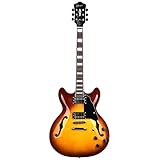
Overview: Grote’s Vintage Sunburst semi-hollow targets players wanting Gibson ES-style vibe with modern fretwork at an accessible price. The 24.75-inch scale length delivers familiar short-scale feel, while the Canadian maple body promises brighter acoustic resonance than traditional laminated maple. A maple neck paired with a blackwood fingerboard and 22 stainless steel frets positions this as a contemporary take on a classic template, complete with a flashy metallic truss rod cover for visual distinction.
What Makes It Stand Out: Stainless steel frets represent a game-changing feature rarely seen below $500, offering virtually wear-free performance and silky bending. The Canadian maple body construction provides enhanced clarity and note definition compared to basswood alternatives common in this price bracket. The metallic truss rod cover adds a touch of boutique aesthetics, while the 24.75-inch scale caters specifically to players transitioning from solid-body Gibsons seeking similar ergonomics in a semi-hollow platform.
Value for Money: Competing in the $250-$350 range, this guitar punches above its weight with premium-grade frets and legitimate maple body construction. Comparable instruments from major brands with stainless frets typically start at $600+. The value equation is strong if the factory setup is adequate, though you should budget $50-75 for professional adjustment. The electronics remain the unknown variable—functional but likely requiring eventual upgrades for discerning players.
Strengths and Weaknesses: Strengths: Genuine stainless steel frets; Canadian maple body enhances tonal clarity; 24.75-inch scale provides familiar Gibson feel; attractive vintage sunburst finish; metallic truss rod cover adds premium touch.
Weaknesses: “Black wood” fingerboard is non-specific (likely dyed poplar); pickup quality unproven for professional use; hardware reliability untested long-term; brand lacks service network; may require nut and bridge adjustments.
Bottom Line: This Grote model excels for players prioritizing fret longevity and maple-bodied articulation on a budget. Ideal for home recording, practice, or backup gigging duties after a proper setup. Upgrade the pickups eventually, and you’ll own a gig-worthy instrument for half the cost of competitors. A smart buy for the pragmatic musician.
3. Grote Full Scale Electric Guitar Semi-Hollow Body Guitar Stainless Steel Frets(Red)
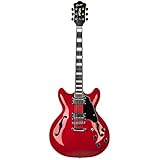
Overview: Essentially a tonal twin to its Vintage Sunburst sibling, this red-finished Grote semi-hollow swaps the Canadian maple body for basswood while retaining the same 24.75-inch scale length and stainless steel fret advantage. The basswood construction shifts the sonic character toward a warmer, mid-focused voice reminiscent of contemporary import guitars. This model targets players seeking the same modern playability but prefer a bolder aesthetic and a softer, less aggressive acoustic response.
What Makes It Stand Out: The vibrant red finish offers stage-ready visual pop that the sunburst version lacks, making it ideal for performers wanting their instrument to command attention. Basswood bodies provide excellent weight relief and a balanced frequency response that sits well in mixed ensembles without excessive brightness. The stainless steel frets remain the headline feature, ensuring this variant delivers the same long-term playability and bending smoothness that distinguishes the Grote line from competitors still using traditional nickel-silver frets.
Value for Money: Priced identically to the maple-bodied version, the value proposition becomes a question of tonal preference rather than cost savings. Basswood’s inherent affordability typically allows manufacturers to allocate budget elsewhere, though Grote maintains the premium fretwork. You’re receiving the same hardware and electronics package, making this an equal value for those prioritizing warmer tones and striking visuals over maple’s snap. The competitive landscape remains the same—few rivals offer stainless frets at this price.
Strengths and Weaknesses: Strengths: Eye-catching red finish; basswood body provides warm, balanced tone; stainless steel frets ensure durability; lightweight and comfortable for extended playing; 24.75-inch scale offers familiar feel.
Weaknesses: Basswood dents more easily than maple; “black wood” fingerboard material unclear; electronics quality remains an unknown; limited brand reputation; setup likely needed out-of-box.
Bottom Line: Choose this variant over the sunburst model if you prefer warmer tones and standout aesthetics. The basswood body makes it slightly more versatile for blues-rock while maintaining jazz credibility. After a professional setup and potential pickup swap, this becomes a reliable workhorse for gigging musicians on a budget. The red finish ensures you’ll be noticed.
4. Redid Semi-Hollow Body Electric Guitar RD-100 Jazz Guitar with F-Hole,Maple neck,humbucker Pickups(Brown)

Overview: The Redid RD-100 embraces the classic 335 template with traditional appointments and modern stainless steel frets. Featuring a Canadian hard maple neck and rosewood fingerboard, this brown-finished jazz box prioritizes authentic materials over marketing fluff. The full control complement—3-way toggle with dual volume and tone knobs—provides genuine tonal shaping capability often omitted in budget semi-hollows. Humbucker pickups and f-holes promise the warm, articulate voice jazz and blues players expect.
What Makes It Stand Out: Genuine rosewood fingerboard material at this price point is increasingly rare due to CITES regulations, suggesting Redid sources compliant, sustainable stock. The Canadian hard maple neck offers superior stability and a silky playing surface that rivals guitars costing twice as much. The comprehensive control layout (2V2T) allows nuanced tone sculpting impossible with simplified circuits, making this a serious tool for working musicians rather than a toy for beginners. Stainless steel frets provide long-term reliability for aggressive jazz comping.
Value for Money: Competing in the $300-$400 bracket, the RD-100 undercuts Epiphone Dot models while matching or exceeding material specifications. The rosewood board and stainless frets alone justify the price difference versus entry-level options. You’re essentially receiving mid-tier components in a budget package, with the only compromises being unbranded pickups and basic hardware. For players comfortable with eventual electronics upgrades, this represents exceptional foundation value.
Strengths and Weaknesses: Strengths: Authentic rosewood fretboard; Canadian hard maple neck; full 2V2T control layout; stainless steel frets; classic brown finish; versatile 335-style platform.
Weaknesses: Pickup brand and quality unspecified; hardware reliability unproven; brand lacks recognition and support network; potentially heavy; finish may have minor imperfections.
Bottom Line: The RD-100 suits serious students and gigging professionals seeking authentic 335 vibe with modern fret durability. The control layout and quality neck make it stage-ready after a proper setup. Upgrade the pickups down the line, and you’ll own a professional instrument for half the typical cost. Highly recommended for traditionalists on a modern budget.
5. Redid Semi-Hollow Body Electric Guitar RD-100 Jazz Guitar with F-Hole,Maple neck,humbucker Pickups(Orange)

Overview: Mechanically identical to its brown counterpart, the orange RD-100 delivers the same robust feature set—Canadian hard maple neck, rosewood fingerboard, stainless steel frets, and full 2V2T control layout—in a vibrant, stage-friendly finish. This variant targets players who prioritize visual presence alongside traditional 335 performance. The orange hue provides a contemporary twist on the classic silhouette, making it ideal for blues-rock and fusion players wanting to stand out in a sea of sunbursts and natural finishes.
What Makes It Stand Out: The orange finish is the obvious differentiator, offering a custom-shop aesthetic rarely available in budget guitars. This visual boldness pairs with the same material advantages as the brown version: genuine rosewood fingerboard for warm articulation, Canadian maple neck for stability, and stainless frets for durability. The combination creates an instrument that looks like a boutique build while maintaining accessible pricing. It’s perfect for performers whose stage presence is as important as their tone.
Value for Money: Sharing identical pricing and specifications with the brown RD-100, the value equation remains exceptional. You’re not paying a premium for the vibrant finish, which suggests efficient manufacturing. The orange poly finish may even be more durable than darker stains, resisting visible scratching. Compared to competitors offering only conservative colors at this price, Redid provides personality without penalty. The same upgrade path applies—budget for eventual pickup swaps while enjoying premium neck and fret materials immediately.
Strengths and Weaknesses: Strengths: Striking orange finish; genuine rosewood fretboard; Canadian hard maple neck; stainless steel frets; complete 2V2T control layout; 335-style versatility.
Weaknesses: Bold color may not suit traditional jazz purists; same unknown pickup quality as brown version; hardware longevity unverified; limited brand history; may need initial setup.
Bottom Line: Opt for the orange RD-100 if you’re a performing musician wanting visual distinction without sacrificing substance. The identical construction to the brown model means you’re getting the same professional-grade neck and fretwork. After a setup and potential pickup upgrade, this becomes a gig-ready statement piece that turns heads and delivers authentic semi-hollow tones. A bold choice for bold players.
6. GROTE Jazz Electric Guitar Hollow Body Chrome Hardware P90 pickup (Vintage Sunburst)

Overview: This Grote hollow-body delivers vintage jazz tones at an entry-level price point. With its 25.5-inch scale length and P90 pickups, it captures the essence of classic archtop guitars without the premium cost. The vintage sunburst finish and chrome hardware provide authentic aesthetics that belie its budget-friendly nature, making it an attractive option for players exploring hollow-body sounds.
What Makes It Stand Out: The P90 single-coil pickups are the star feature, offering gritty, articulate tones that traditional humbuckers can’t replicate. The full 25.5-inch scale provides familiar Fender-like string tension, while the Canadian maple construction ensures decent resonance. Multiple color options let players match their style, and the chrome hardware adds a vintage sparkle that photographs beautifully.
Value for Money: Competing with guitars three times its price, this Grote model makes hollow-body experimentation accessible. While professional archtops command thousands, this instrument lets beginners and intermediates explore jazz, blues, and rockabilly tones without financial risk. The included components provide a complete playing experience out of the box, eliminating hidden costs.
Strengths and Weaknesses: Pros include authentic P90 voicing, attractive vintage aesthetics, and solid maple construction. The 20-fret design limits upper-register access, and the unspecified “black wood” fingerboard raises durability questions. Quality control can be inconsistent, and the factory setup often requires professional adjustment for optimal playability.
Bottom Line: An excellent gateway into hollow-body guitars for players curious about P90 character. Perfect for home practice and small gigs, though serious performers should budget for setup costs and potential electronics upgrades.
7. Grote Full Scale Electric Guitar Semi-Hollow Body Guitar Stainless Steel Frets (Natural)

Overview: Grote’s semi-hollow model targets discerning players with its stainless steel frets and traditional 24.75-inch scale length. The natural finish showcases the Canadian maple body, while the metallic truss rod cover adds modern flair. This instrument bridges the gap between budget models and professional-grade archtops, offering premium features at an accessible price.
What Makes It Stand Out: The 22 stainless steel frets are exceptionally rare at this price point, offering unparalleled durability and smooth bending. The shorter Gibson-style scale creates comfortable string tension for chord work. The semi-hollow design provides authentic warmth while resisting feedback better than fully hollow bodies, making it gig-ready for moderate volume levels.
Value for Money: Stainless steel fretwork typically appears on guitars costing $1,000 or more. Getting this feature on a sub-$300 instrument represents remarkable value. The maple neck and body deliver genuine resonance, making this a smart investment for serious students and gigging musicians who need reliability without breaking the bank. The fret longevity alone justifies the purchase.
Strengths and Weaknesses: Pros include premium fret material, excellent feedback resistance, and comfortable playability. The “black wood” fingerboard composition remains ambiguous, and the brand lacks the prestige of established manufacturers. Electronics may require upgrading for professional use, and the finish can be prone to scratching with regular play.
Bottom Line: A forward-thinking choice for players who prioritize fret longevity and traditional feel. Ideal for blues and jazz enthusiasts seeking professional features on a modest budget, especially those who play frequently and need durable components.
8. Ibanez AF75GBKF AF Artcore 6 String Black Flat Hollow Body Electric Guitar

Overview: The Ibanez AF75GBKF represents the trusted Artcore series’ commitment to quality hollow-body guitars. With its mahogany set neck and bound rosewood fingerboard featuring acrylic block inlays, this instrument delivers authentic jazz box aesthetics and performance. The black flat finish provides a modern twist on traditional design while maintaining classic proportions.
What Makes It Stand Out: Ibanez’s reputation for consistency sets this apart from budget competitors. The ART-1 bridge and VT60 tailpiece provide reliable intonation and sustain. Classic Elite humbuckers offer noise-free operation with warm, articulate clean tones perfect for traditional jazz. The bound fretboard and block inlays demonstrate attention to detail rarely seen at this price tier, signaling professional-grade construction.
Value for Money: While pricier than off-brand alternatives, the Ibanez name ensures quality control, warranty support, and strong resale value. You’re paying for decades of guitar-building expertise and a proven track record. This makes it a safer investment for serious students and working musicians who need dependable performance night after night without surprises.
Strengths and Weaknesses: Pros include trusted brand heritage, quality hardware, and elegant aesthetics. The passive ceramic pickups, while quiet, may lack the character of vintage-style alnico pickups for purists. The mahogany neck adds weight, and the floating bridge requires careful setup. Limited color options restrict personal expression compared to competitors.
Bottom Line: A reliable, stage-ready hollow-body from a reputable brand. Perfect for jazz purists seeking a no-nonsense instrument with proven reliability and classic styling that won’t lose value over time.
9. GROTE Jazz Electric Guitar Semi-Hollow Body Trapeze Tailpiece Bridge Guitar Gig Bag (RED)

Overview: This Grote semi-hollow electric guitar packages vintage aesthetics with modern practicality. The striking red finish features simulated maple grain using advanced printing techniques, creating an eco-conscious alternative to traditional wood veneers. A trapeze tailpiece and included gig bag make this a turnkey solution for players at any level seeking immediate portability.
What Makes It Stand Out: The environmental approach to the finish is unique, reducing wood consumption while maintaining visual appeal. The trapeze tailpiece provides authentic vintage vibes and easy string changes. Most notably, the included gig bag adds immediate portability value, protecting your investment from day one without requiring separate purchase—rare in this price category.
Value for Money: This all-in-one package eliminates hidden costs. While competitors charge extra for cases, Grote includes a gig bag with a guitar priced for beginners. The basswood and maple construction balances cost and tone, making it accessible for students while satisfying seasoned players seeking a backup instrument. The complete package approach maximizes initial value.
Strengths and Weaknesses: Pros include complete package value, comfortable maple neck and rosewood fingerboard, and versatile semi-hollow tone suitable for multiple genres. The simulated wood grain may disappoint purists, and basswood bodies lack the resonance of premium maple. Quality control varies between units, and the gig bag offers minimal protection compared to hard cases.
Bottom Line: The ultimate value package for newcomers to semi-hollow guitars. Ideal for practice, lessons, and casual jams, though gigging musicians should upgrade the bag and plan potential electronics modifications for professional reliability.
10. Semi-Hollow Body Electric Guitar Jazz Electric Guitar with F-Hole,Maple neck,Trapeze Tailpiece Bridge Electric Guitar, Gig Bag,humbucker Pickups (GT335-02-brown)

Overview: The GT335-02-brown positions itself as a feature-packed semi-hollow for genre-hopping musicians. Its maple center block tackles feedback issues that plague traditional hollow-bodies, while Alnico V humbuckers deliver versatile tones from warm jazz to crunchy rock. The vintage brown finish and F-hole design pay homage to 1950s classics with modern engineering.
What Makes It Stand Out: The maple center block is a game-changer, allowing high-gain playing without squealing feedback. Alnico V pickups provide authentic vintage output across all frequencies. The ergonomic neck profile facilitates quick position shifts, while the low action setup benefits both beginners and professionals seeking efficiency. The F-hole enhances acoustic resonance while maintaining electric versatility.
Value for Money: Offering pro-level feedback suppression and premium pickups at a budget price creates exceptional value. The included gig bag and factory setup tailored for mainstream amps remove additional expenses. This guitar competes with instruments double its price in features alone, making it accessible for players wanting professional capabilities without the premium cost.
Strengths and Weaknesses: Pros include superior feedback control, versatile humbucker tones, and player-friendly setup. The brand’s long-term reliability remains unproven compared to legacy manufacturers, and the semi-hollow construction adds noticeable weight. The finish may show wear quickly, and the trapeze bridge limits sustain compared to fixed bridge designs.
Bottom Line: A smart choice for experimental players crossing jazz, blues, and rock territories. Perfect for home recording and small venues where feedback control is crucial, offering professional features without the premium price tag.
Understanding the Jazz Trio Sonic Landscape
When you’re the only harmonic instrument in a trio, your guitar becomes both the chordal foundation and melodic voice. Unlike larger ensembles where you can rely on a piano or horn section, your hollow body must project enough acoustic presence to support walking bass lines while maintaining the clarity to cut through during single-note solos. The best instruments offer a natural compression that responds to your attack—dig in for emphasis, and the guitar sings; back off for subtlety, and it whispers without disappearing.
The trio setting also demands exceptional dynamic range. You’ll need to comp at conversation volume during a bassist’s solo, then step forward with enough authority to command attention during your own improvisation. This requires an instrument with a wide sweet spot—one that doesn’t compress into harshness when pushed but also doesn’t require Herculean effort to produce a usable tone at lower volumes.
Body Styles: Laminate vs. Solid Wood Archtops
The Laminate Advantage for Working Guitarists
Laminate construction isn’t the compromise many purists claim—it’s a practical evolution. Multiple thin layers of wood, pressed and glued under pressure, create a feedback-resistant platform that maintains much of the acoustic complexity you need for jazz. These guitars handle higher stage volumes and amplify more predictably, making them ideal for trio gigs where you might need a touch more volume to balance an aggressive drummer. The trade-off is a slightly quicker note decay and less harmonic complexity, but many players find this focus actually helps in a mix.
Solid Wood Carved Tops for the Purist
Hand-carved spruce or cedar tops represent the traditional path, offering unparalleled harmonic richness and responsiveness. Each note blossoms with overtones, and the instrument breathes in a way that laminate guitars simply cannot match. However, this acoustic vitality comes at a cost: increased feedback susceptibility and often a higher price tag. For trio work, consider carved tops with floating pickups and minimal cutaways, as these designs preserve the top’s vibrational integrity while providing some modern versatility.
The Critical Role of Body Depth and Width
A 16-inch lower bout has become the jazz standard for good reason—it sits comfortably in your lap during long gigs while providing enough internal air volume to generate meaningful acoustic tone. The 17-inch bodies offer more warmth and bass response but can feel cumbersome, especially for smaller players. Depth matters equally: traditional 3-inch deep bodies project more acoustically but feedback sooner, while modern 2.5-inch designs strike a practical balance. For 2026, we’re seeing more manufacturers offering variable depth—shallower at the neck block for comfort, deeper at the endpin for resonance.
Neck Profiles That Enhance Technique
The neck is your primary interface with the instrument, and jazz demands specific considerations. A substantial profile—think “V” or rounded “C” shapes measuring .90" at the first fret and .95" at the ninth—provides the hand-filling support needed for thumb-over chord voicings and extended playing sessions. Avoid ultra-slim modern profiles; they may feel fast initially but cause fatigue during two sets of standards. The 2026 trend favors vintage-inspired shapes with contemporary refinements: rolled fingerboard edges, hand-rubbed oil finishes on the back, and precisely contoured heel transitions.
Fingerboard Radius and Fretwork Nuances
A 12-inch fingerboard radius strikes the ideal balance for jazz—flat enough for clean string-to-string voice leading and complex chord stretches, yet curved enough for comfortable barre chords. Some progressive luthiers are offering compound radii (12" to 16") that modernize the feel without sacrificing traditional playability. Fretwork quality becomes paramount: medium-jumbo frets (.095" wide × .045" tall) allow for precise intonation and easy bending while maintaining enough mass for longevity. Insist on plek’d or hand-leveled frets; nothing kills a gig faster than buzzing notes during a quiet ballad.
Pickup Configurations for Maximum Versatility
Floating Pickups: The Jazz Gold Standard
Floating pickups mounted to the neck or fingerboard preserve the top’s acoustic integrity while capturing the instrument’s natural voice. These typically position a mini-humbucker or P-90 style pickup at the end of the fingerboard, delivering that warm, woody tone that defines classic jazz guitar. The height adjustment is crucial—too close and you’ll get harshness, too far and the tone becomes muddy. The sweet spot usually sits 1/8" from the strings when fretted at the highest fret.
Neck-Mounted Humbuckers for Modern Flexibility
Some contemporary hollow bodies feature traditional neck-mounted humbuckers, offering higher output and better noise rejection. These excel when your trio repertoire extends beyond traditional jazz into fusion, soul, or contemporary styles. Look for pickups with Alnico II magnets and moderate windings (around 7.5k-8.5k ohms) to maintain clarity and avoid the muddiness that plagues high-gain designs. Coil-splitting capabilities add another layer of versatility, though purists might argue it compromises the pure jazz tone.
The Hardware Equation: Bridges, Tailpieces, and Tuners
A floating wooden bridge transfers string vibration more naturally than metal alternatives, contributing to that coveted acoustic quality. However, these require more frequent adjustment and can shift during transport. Compensated ebony or rosewood bridges with inlaid bone saddles represent the premium choice. For tailpieces, trapeze designs maintain traditional aesthetics while providing proper break angle over the bridge. Avoid heavy metal bridges on gigging guitars—they may increase sustain but rob the instrument of its characteristic warmth.
Tuning stability during three-hour gigs demands high-quality tuners with at least an 18:1 gear ratio. Locking tuners, while seemingly modern, can actually benefit jazz players by maintaining consistent string winding and making string changes faster between sets. Look for open-gear designs with vintage styling but modern internal mechanics—they’re lighter, which helps prevent neck dive on hollow bodies.
Scale Length and String Tension Relationships
The traditional 24.75" scale length (Gibson standard) offers slinkier string tension, making complex chord shapes and extended stretches more comfortable during long gigs. However, the 25.5" scale (Fender standard) provides better string-to-string definition and a tighter low end that can help you sit better in a trio mix. Some innovative builders are offering 25" compromises that attempt to capture the best of both worlds. For 2026, consider your playing style—if you favor Joe Pass-style linear lines and stretchy voicings, the shorter scale wins. If your approach is more Jim Hall-esque with intervallic leaps, the longer scale’s clarity might serve you better.
Feedback Management in Intimate Venues
Even the best hollow body will feedback under the wrong conditions. The key is understanding how to work with the instrument rather than against it. Position yourself at least six feet from your amplifier, and angle the cabinet so it’s not pointing directly at the guitar’s f-holes. Foam plugs inserted into the f-holes can tame feedback by 6-8dB without significantly altering tone—essential for louder trio situations. Some modern guitars feature internal blockers or partial center blocks that maintain acoustic character while increasing feedback resistance.
Your picking hand position becomes a natural feedback control: rest your palm near the bridge for aggressive passages, move it toward the neck for mellower tones. This subtle damping is a technique that master jazz guitarists have used for decades, and it works better than any electronic solution.
The Acoustic-Electric Balance: When to Mic vs. When to DI
For the most authentic trio tone, consider blending a microphone with your pickup signal. A small-diaphragm condenser positioned 8-12 inches from the top captures the guitar’s true voice, while the pickup provides consistency and definition. This dual approach requires a small mixer or preamp with phase correction, but the results are transformative. For simpler setups, modern DI boxes with acoustic instrument settings can approximate this blend by adding subtle EQ curves that mimic microphone response.
Finish Types and Their Sonic Impact
Thin nitrocellulose finishes, applied in light coats, allow the wood to breathe and vibrate more freely than thick polyurethanes. This isn’t just tone-sniffing mythology—nitro finishes are measurably more flexible and contribute to the instrument’s aging process, developing more complex overtones as they cure over decades. However, they’re more fragile and susceptible to temperature changes. For a working guitarist, a thin poly finish offers practical durability while modern application techniques have minimized the sonic penalty. The 2026 market includes innovative UV-cured finishes that claim nitro-like resonance with poly-like protection—worth investigating if you’re hard on your instruments.
Budget Tiers: What to Expect at Each Investment Level
Entry-Level Professional ($1,500-$3,000)
In this range, expect laminate construction, imported manufacturing, and quality control that varies between individual instruments. The key is finding examples with exceptional fretwork and properly fitted bridges. Electronics may be generic but serviceable. Plan to budget an additional $300-500 for professional setup and potential pickup upgrades. These guitars can absolutely kill on gigs if you’re willing to put in the setup work.
Mid-Tier Mastery ($3,000-$6,000)
This sweet spot delivers hand-selected woods, better hardware, and often domestic or premium overseas assembly. You’ll find consistent quality control, professional-grade electronics, and necks that feel broken-in from day one. Many working jazz guitarists never need to exceed this range. These instruments offer 90% of what premium guitars provide at half the investment.
Premium Professional ($6,000-$10,000)
Here you enter the realm of hand-voiced tops, custom hardware, and finishes applied by master craftsmen. The differences are subtle but meaningful—more complex harmonic overtones, better sustain control, and an almost telepathic response to dynamic shifts. For the serious trio player, this investment pays dividends in inspiration and reliability. These guitars often appreciate in value, making them sound financial investments.
Master Built ($10,000+)
Commissioning a guitar from a master luthier represents the ultimate expression of your artistic voice. Every detail—from wood selection to neck carve—is tailored to your specifications. While not necessary for most players, those who’ve made this leap rarely return to production instruments. The tonal complexity and playability are transformative, but the investment requires careful consideration of your professional trajectory.
New vs. Vintage: Making the Smart Choice for Gigs
Vintage guitars from the 1950s and 60s offer irreplaceable mojo and tone, but they come with gigging liabilities: fragile finishes, deteriorating electronics, and necks that may not have been designed for modern string gauges. A 1960s archtop might sound heavenly but could leave you stranded if the original pickup fails mid-gig. Modern reproductions capture much of the vintage essence while offering reliable components, stable necks, and warranty protection.
For 2026, consider “modern vintage”—new guitars built with aged woods and period-correct construction but featuring contemporary hardware and shielded electronics. These instruments give you 95% of the vintage tone with 100% of the reliability a working player needs.
The Art of the Test Drive: Evaluating Guitars in Context
Never buy a hollow body without playing it through the amp you’ll use on gigs. What sounds dark and muddy through a practice amp might open up beautifully through a proper jazz chorus or small tube combo. Bring your own amplifier to the shop, or arrange a trial period. Play the guitar acoustically first—if it doesn’t sound compelling unplugged, no pickup will save it. Then amplify it and test feedback thresholds at various volumes.
The Chord Melody Test
Play a complex chord melody like “Stella by Starlight” or “Darn That Dream” using your full dynamic range. Listen for notes that jump out or disappear in the chord voicings. A great jazz guitar maintains even response across all registers. Test single-note lines through the same progression, listening for sustain that supports your phrasing without becoming washy.
Essential Setup Modifications for Trio Performance
Even the finest hollow body benefits from professional setup. Specify a slightly higher action than typical electric setups—5/64" on the low E and 4/64" on the high E at the 12th fret provides enough clearance for clean chord work while allowing comfortable bending. Use flatwound strings (typically .012-.052 or .013-.056) for that traditional jazz thump and reduced finger noise. Have your tech install a second strap button at the neck heel if the guitar only has an endpin button—this balances the instrument better and prevents neck dive.
Care and Maintenance for the Gigging Musician
Hollow bodies are more sensitive to humidity than solid bodies. Maintain 45-55% relative humidity year-round, using a case humidifier during dry seasons. Rapid temperature changes can crack finishes, so never leave your guitar in a car trunk. Wipe down strings and hardware after every gig—sweat corrodes hardware quickly, especially on gold-plated components. Check bridge position monthly; the constant string tension can cause gradual shifting that affects intonation.
Frequently Asked Questions
What’s the ideal body size for a jazz trio guitar?
A 16-inch lower bout with 2.5-3 inch depth offers the best compromise between acoustic projection and feedback resistance. This size provides enough internal volume to generate meaningful unplugged tone while remaining comfortable during long gigs and resistant to feedback at moderate volumes.
How do I prevent feedback without sacrificing tone?
Position yourself 6-8 feet from your amplifier, angle the amp away from your guitar’s f-holes, and consider foam f-hole plugs for louder situations. Develop a damping technique with your picking hand near the bridge, and use a feedback suppressor pedal as a last resort. The right pickup height and a quality preamp also help manage feedback thresholds.
Should I choose a floating or mounted pickup for trio work?
Floating pickups preserve acoustic tone and offer the most traditional jazz sound, ideal for standards and bebop. Mounted pickups provide higher output and better noise rejection, suiting modern jazz and fusion. For pure trio work, floating pickups typically win, but many players successfully blend both using a dual-pickup configuration.
What’s the difference between laminate and carved tops in practical terms?
Carved tops offer richer harmonic complexity and better dynamic response but feedback more easily and cost significantly more. Laminate tops resist feedback, amplify more predictably, and cost less, making them practical for most working guitarists. The tonal difference is noticeable in solo practice but less critical in a trio mix.
How much should I budget for a professional-quality hollow body?
Plan to spend $2,500-$5,000 for a gig-ready instrument that won’t hold you back. This range delivers consistent quality control, professional electronics, and good hardware. Budget an additional $300-500 for professional setup and potentially upgrading the pickup if needed.
Are vintage hollow bodies worth the investment for gigging?
Vintage guitars offer unparalleled tone but come with reliability risks and high maintenance costs. For regular gigging, modern “vintage-inspired” guitars provide 90% of the tone with modern reliability. Only invest in vintage if you have a backup and budget for potential repairs.
What string gauge works best for jazz trio playing?
Most players prefer .012-.052 or .013-.056 flatwound sets. Heavier gauges provide better tension for complex chords and richer tone, while lighter gauges make extended playing easier. Flatwounds reduce finger noise and deliver that classic jazz thump that sits perfectly in a trio.
How important is the fingerboard radius for jazz technique?
A 12-inch radius offers the ideal balance—flat enough for complex stretches and clean voice leading, curved enough for comfortable barre chords. Avoid extremely flat radii (16"+) unless you play primarily single-note lines, and avoid very curved boards (7.25") which complicate advanced chord voicings.
Can I use a hollow body for genres beyond traditional jazz?
Absolutely. Modern hollow bodies with humbuckers and coil-splitting options handle fusion, soul, R&B, and even moderate rock tones. The key is pickup selection and amplifier pairing. Many contemporary jazz guitarists use their hollow bodies for diverse repertoire without compromise.
What setup adjustments are essential before gigging?
Invest in a professional setup with action around 5/64" low E, 4/64" high E at the 12th fret. Install quality flatwound strings, adjust pickup height to 1/8" from strings, and ensure proper intonation. Add a second strap button for balance, and have your tech check for any fret buzz or dead spots across the entire fingerboard.
See Also
- 10 Must-Have Solid Body Electric Guitars for Cover-Band Gigs in 2026
- Top 10 Premium Hollow Body Electric Guitars Worth the Splurge for Jazz Pros
- 10 Top-Rated Hollow Body Electric Guitars for Jazz Fusion Tones in 2026
- Stop Hand Fatigue: 10 Lightweight Hollow Body Electric Guitars for 3-Hour Gigs in 2026
- The 10 Most Versatile Hollow Body Electric Guitars for Gypsy Jazz in 2026