Table of Contents
Street performance has always been a dance between artistry and logistics. You’re not just a musician; you’re a one-person road crew, navigating permits, weather, foot traffic, and the eternal challenge of being heard without being arrested for noise violations. In 2026, the modern busker’s secret weapon isn’t just talent—it’s technology that fits in a backpack and runs longer than your longest setlist. Mini guitar amplifiers have evolved from tinny-sounding toys into sophisticated sound systems that rival their studio-bound ancestors, giving street performers unprecedented freedom to shape their tone and project their sound without breaking their backs or their budgets.
But here’s the catch: not all portable amps are created equal, and the “best” choice depends entirely on your unique performance style, the acoustic environments you frequent, and how much gear you’re willing to schlep between subway cars. This guide cuts through the marketing noise to examine what truly matters when selecting a mini amplifier built for the unpredictable life of a busker. We’re diving deep into power management, sound architecture, durability engineering, and the legal tightropes you’ll walk in cities worldwide.
Top 10 Mini Guitar Amplifiers
Detailed Product Reviews
1. LEKATO Mini Electric Guitar Amp 5W, Portable Guitar Amp Bluetooth with Built-in 4 Effects, Clean Distortion Overdrive Reverb, Rechargeable Small Amplifier for Practice, Black (JA-05G)

Overview: The LEKATO JA-05G is a compact 5-watt practice amplifier built for mobility and simplicity. With a built-in 6.35mm plug that connects directly to your guitar, this all-in-one unit eliminates cable clutter while delivering four essential effects: clean, distortion, overdrive, and reverb. Its pocket-sized form factor makes it an ideal travel companion for maintaining practice routines anywhere.
What Makes It Stand Out: The plug-and-play design offers unmatched convenience—simply plug into your guitar and play. Bluetooth audio functionality allows streaming backing tracks from your phone, transforming solo practice into full-band sessions. The rechargeable battery delivers approximately six hours of playtime, freeing you from power outlets and disposable batteries during outdoor sessions or travel.
Value for Money: Competitively priced for entry-level players, this amp packs impressive versatility into a tiny package. Comparable practice amps often lack Bluetooth connectivity or require constant battery replacements. The four built-in effects eliminate the need for external pedals, making it a cost-effective solution for beginners prioritizing convenience and feature variety over raw power.
Strengths and Weaknesses: Strengths include extreme portability, integrated multi-effects, rechargeable battery, and wireless backing track capability. Notable weaknesses are the absence of a headphone jack for silent practice, limited 5W output unsuitable for jamming with others, and Bluetooth that only accepts audio input (not output to headphones). The direct plug design may not fit all guitar types comfortably.
Bottom Line: The LEKATO JA-05G excels as a portable practice tool for beginner to intermediate players. While it won’t replace a full amplifier for performances or silent practice, it’s an excellent travel companion for keeping skills sharp anywhere inspiration strikes.
2. Flatsons FBA-10 Guitar Amp, 10W Mini Electric Guitar Amplifier with Clean/Drive Channel, 6H Working, USB-C Rechargeable, 3.5mm Headphone/AUX Jack, Wireless Portable Amp for Indoor Practice, Traveling

Overview: The Flatsons FBA-10 elevates the mini amp category with genuine analog circuitry and 10 watts of power. Designed for tone-conscious players, this amplifier delivers tube-like warmth and clarity through a precision-engineered speaker system. Its comprehensive connectivity options make it equally suitable for silent practice, travel playing, or small street performances.
What Makes It Stand Out: Pure analog technology produces authentic, natural tone rarely found in digital mini amps. The handcrafted two-tone woven grille enhances both aesthetics and sound transmission. Bluetooth 5.3 provides stable wireless streaming, while independent headphone and AUX jacks with dedicated volume control offer professional-level flexibility. The 100Hz-20kHz frequency response ensures full-range sound reproduction.
Value for Money: Priced higher than basic 5W models but justified by superior sound quality, the FBA-10 delivers professional analog tone in a portable package. The 10W output covers over 165 feet, outperforming most competitors. Features like USB-C charging and separate AUX volume control eliminate common frustrations, making it a worthwhile investment for serious players seeking portability without tonal compromise.
Strengths and Weaknesses: Strengths include exceptional analog clarity, powerful 10W output, comprehensive connectivity, six-hour battery life, and premium build quality. The vintage design appeals to traditionalists while incorporating modern conveniences. Minor weaknesses include a higher price point that may exceed casual players’ budgets, and potentially more power than necessary for strictly bedroom practice.
Bottom Line: The Flatsons FBA-10 is the portable amp for players who refuse to compromise on tone. Perfect for home practice, travel, and impromptu performances, it successfully bridges the gap between practice tool and legitimate amplifier with authentic analog sound.
3. JOYO Mini Amp 5W Portable Electric Practice Amp Bluetooth Rechargeable Guitar Amplifier Built-in 4 Effects Clean Distortion Overdrive Reverb, Black (JA-05G)

Overview: JOYO’s JA-05G enters the portable amp market as a thoughtfully engineered 5-watt practice solution prioritizing universal compatibility. This amplifier addresses a common frustration with plug-in models by including an extension plug for guitars with recessed output jacks. Four built-in effects and Bluetooth connectivity provide a complete practice experience in an ultra-portable form factor.
What Makes It Stand Out: The included extension plug solves fit issues with Stratocaster-style guitars, a problem that renders many competitors unusable for certain instruments. This attention to real-world compatibility demonstrates JOYO’s player-centric design philosophy. Bluetooth 5.1 ensures stable wireless backing tracks, while the four-switchable effects cover essential practice tones without requiring external pedals.
Value for Money: Offering competitive pricing while solving a common compatibility issue, the JOYO presents exceptional value. The extension plug eliminates additional adapter purchases, saving money and hassle. For Strat owners or players with similarly designed guitars, this feature alone justifies choosing the JOYO over functionally similar alternatives.
Strengths and Weaknesses: Strengths include universal guitar compatibility, four quality effects, Bluetooth connectivity, and true plug-and-play portability. The compact design easily fits in any gig bag. Weaknesses include the lack of a headphone jack for silent practice, approximately five-hour battery life (shorter than some rivals), and Bluetooth functionality limited to audio input only.
Bottom Line: The JOYO JA-05G is the most versatile plug-in practice amp for players with Strat-type guitars. While sharing limitations with similar 5W models, its compatibility-focused design makes it the smart choice for anyone wanting guaranteed fit across their guitar collection.
4. LEKATO Mini Guitar Amplifier, Dual Speakers 5W, Rechargeable Electric Guitar Amp Bluetooth with Clean Overdrive, 6H Working, Headphone Jack, Portable Small Amp for Practice AG-04 (Brown)

Overview: LEKATO’s AG-04 distinguishes itself with a dual-speaker configuration and retro-inspired brown aesthetic. This 5-watt amplifier prioritizes private practice capabilities and visual appeal, offering essential tonal flexibility through clean and overdrive modes. Its vintage design elements make it as much a decorative piece as a functional practice tool.
What Makes It Stand Out: The 3.5mm headphone jack is a critical feature absent from many competitors, enabling true silent practice for apartment dwellers and night owls. Dual speakers create a fuller, more immersive stereo image than single-speaker alternatives. The vintage woven grille and brown finish provide boutique visual character that stands out from generic black practice amps.
Value for Money: Positioned in the mid-range, the AG-04 justifies its price through practical features and aesthetic appeal. The headphone output alone adds significant value for players needing quiet practice options. Dual speakers enhance sound quality without increasing wattage, offering a balanced compromise between portability and performance.
Strengths and Weaknesses: Strengths include essential headphone output, attractive retro design, dual-speaker configuration, Bluetooth 5.0 connectivity, and six-hour battery life via USB-C charging. The lightweight build enhances portability. The primary weakness is having only two effects (clean/overdrive) compared to competitors offering four, limiting sonic exploration for players wanting more variety.
Bottom Line: The LEKATO AG-04 is perfect for players prioritizing silent practice and aesthetic appeal over effect variety. If you need a bedroom amp that won’t disturb others and looks great on display, this dual-speaker model delivers where it matters most.
5. Flatsons FBA-10 Guitar Amp, 10W Mini Electric Guitar Amplifier with Clean/Drive Channel, 6H Work, USB-C Rechargeable, 3.5mm Headphone/AUX, Wireless Portable Amp for Indoor Practice, Travel (White)

Overview: The white Flatsons FBA-10 delivers identical premium analog performance to its standard counterpart, offering 10 watts of authentic tone in a striking ivory finish. This amplifier maintains all technical excellence while providing fresh aesthetics for style-conscious players. The same pure analog circuitry and comprehensive connectivity make it equally capable for practice, travel, or small performances.
What Makes It Stand Out: Beyond the eye-catching white woven grille that brightens any space, this model features the same full analog technology with 100Hz-20kHz frequency response. Bluetooth 5.3 provides cutting-edge wireless stability, while the 10W output covers impressive distances. The handcrafted grille improves both sound transmission and visual appeal, creating a distinctive presence.
Value for Money: Sharing the same price as the standard version, the white variant charges no premium for its unique aesthetic. You receive identical professional-grade analog sound, six-hour battery life, and full connectivity. For players wanting outstanding performance with distinctive style, it represents exceptional value without compromise.
Strengths and Weaknesses: Strengths mirror the standard model: superior analog clarity, powerful output, headphone/AUX flexibility with independent volume control, USB-C charging, and premium construction. The white finish provides unique visual appeal though may require more cleaning. The only weakness remains that 10W might exceed the needs of players who practice exclusively with headphones.
Bottom Line: Choose the white Flatsons FBA-10 for the same outstanding analog performance with refreshing aesthetics. Identical where it counts—sound quality and features—while offering a crisp alternative to traditional amplifier colors. Perfect for tone purists who appreciate distinctive style.
6. LEKATO Mini Guitar Amp Rechargeable Electric Guitar Amplifer 5W, Clean/Overdrive Channels,Portable Small Amp for Guitarist Practice,Black

Overview: The LEKATO Mini Guitar Amp delivers modern convenience in a pocket-sized package. This 5-watt rechargeable amplifier targets guitarists seeking portable practice solutions without sacrificing essential features. With clean and overdrive channels, Bluetooth connectivity, and up to six hours of battery life, it represents the new generation of mini amps designed for the connected musician.
What Makes It Stand Out: The integrated rechargeable battery eliminates constant 9V purchases, while Bluetooth audio playback lets you jam along with backing tracks wirelessly. The independent volume controls for input and auxiliary sources demonstrate thoughtful design, preventing level conflicts during practice sessions. Its 5-watt output surpasses many competitors in the micro-amp category.
Value for Money: Priced competitively against traditional battery-powered mini amps, the LEKATO justifies its cost through USB charging capability and wireless features. While slightly more expensive than basic models, you’ll recoup the difference within months by avoiding disposable batteries. It competes directly with amps costing twice as much from premium brands.
Strengths and Weaknesses: Strengths include impressive battery life, versatile connectivity options, and genuine dual-channel operation. The compact size genuinely fits in gig bags without adding noticeable weight. However, the 5-inch speaker lacks low-end response, and the plastic construction feels less roadworthy than metal chassis alternatives. Tone purists will find the digital clipping less organic than tube-like overdrive.
Bottom Line: Ideal for traveling guitarists and apartment dwellers needing silent practice options. The LEKATO’s rechargeable design and Bluetooth functionality make it a smart choice for modern players prioritizing convenience over boutique tone.
7. Marshall MS2 Battery-Powered Micro Guitar Amplifier

Overview: The Marshall MS2 embodies the legendary brand’s heritage in a micro-sized format. This 1-watt battery-powered amplifier delivers the iconic Marshall aesthetic in an ultra-portable package weighing just 0.34 pounds. Designed for practice on the go, it offers the bare essentials: volume, tone control, and a headphone jack for silent practice.
What Makes It Stand Out: The Marshall badge itself is the primary differentiator, offering brand prestige unmatched in the micro-amp category. Its featherlight weight and diminutive dimensions allow it to clip onto belts or slip into any gig bag pocket. The single-knob tone control provides surprising versatility for such a simple device.
Value for Money: As one of the most affordable ways to own a piece of Marshall history, the MS2 delivers decent value for brand enthusiasts. However, feature-wise, it lags behind similarly priced competitors offering auxiliary inputs and multiple channels. You’re paying partially for the logo rather than functionality.
Strengths and Weaknesses: Strengths include authentic Marshall styling, incredible portability, and straightforward operation requiring no manual. The headphone output enables late-night practice sessions. Critical weaknesses are the anemic 1-watt output that struggles against ambient noise and the lack of an overdrive channel or auxiliary input, limiting its versatility compared to modern alternatives.
Bottom Line: Perfect for Marshall collectors and guitarists needing the absolute smallest practice solution. For serious practice, consider options with more features, but for brand loyalty and extreme portability, the MS2 remains a charming conversation piece.
8. Orange Crush Mini Guitar Amplifier Combo 3 Watts
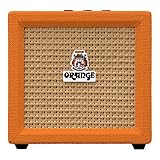
Overview: The Orange Crush Mini packs the brand’s distinctive visual appeal and analog tone into a 3-watt practice amplifier. This compact combo maintains Orange’s signature styling while offering practical features like a built-in tuner and cabinet output. The three-knob control layout simplifies tone shaping without menu diving, making it immediately accessible for beginners and experienced players alike.
What Makes It Stand Out: The integrated chromatic tuner sets it apart from most mini amps, eliminating the need for a separate pedal. Its speaker output jack transforms the unit into a head for driving external cabinets, effectively doubling its utility. The “Shape” control provides more tonal flexibility than typical single-tone knobs, offering scooped to mid-heavy sounds.
Value for Money: Positioned in the mid-range price bracket, the Crush Mini justifies its cost through genuine Orange circuitry and expanded connectivity. While more expensive than basic mini amps, the tuner and cabinet output features add significant value. It competes favorably against budget practice amps lacking these professional touches.
Strengths and Weaknesses: Strengths include authentic Orange tone stack, silent practice capability, and the ability to function as a micro head. The tuner is accurate and backlit for dark stages. Weaknesses include reliance on disposable 9V batteries rather than rechargeable power, and the 3-watt speaker sounds boxy at higher gain settings. No auxiliary input volume control can cause balance issues.
Bottom Line: An excellent choice for Orange fans wanting brand authenticity with practical features. The tuner and cabinet output make it more than just a novelty, serving as a legitimate practice tool for serious musicians.
9. Danelectro Honeytone N-10 Guitar Mini Amp, Black with belt clip

Overview: The Danelectro Honeytone N-10 channels vintage 1950s aesthetics in a functional mini amplifier package. This battery-powered micro amp delivers both clean and overdrive tones through its distinctive lipstick-tube-inspired design. Weighing mere ounces with an integrated belt clip, it prioritizes mobility and retro style over modern features.
What Makes It Stand Out: The leather handle and vintage cosmetics create immediate visual appeal unmatched by plastic competitors. The integrated belt clip enables true walk-and-play functionality, making it unique among mini amps for street performance or practice while moving. Its simple two-way tone switch provides instant gratification without complex controls.
Value for Money: Among the most affordable mini amplifiers available, the Honeytone offers exceptional value for style-conscious buyers. While lacking Bluetooth or rechargeable batteries found in pricier models, it delivers core functionality at a fraction of the cost. The build quality exceeds expectations for the price point.
Strengths and Weaknesses: Strengths include unbeatable retro charm, surprising volume for its size, and genuine overdrive capability. The metal grille and leather accents feel premium. Significant weaknesses are the absence of an auxiliary input for backing tracks and the lack of headphone volume control. Battery life is shorter than advertised, and the plastic casing scratches easily.
Bottom Line: Perfect for players prioritizing vintage style and absolute portability over modern conveniences. The Honeytone excels as a fun, affordable practice tool but falls short for serious musicians needing connectivity options. A great gift for the guitarist who has everything.
10. Fender Frontman 10G Guitar Amp, 10 Watts, with 2-Year Warranty, 6 Inch Fender Special Design Speaker, 5.75Dx10.25Wx11H Inches

Overview: The Fender Frontman 10G represents the entry point into Fender’s amplifier legacy, offering 10 watts of power through a 6-inch Special Design speaker. This traditional practice amp provides a closed-back cabinet for enhanced bass response and a comprehensive control set including gain, overdrive switch, and full EQ. It’s designed for beginners needing authentic amp performance at home.
What Makes It Stand Out: The 2-year warranty demonstrates Fender’s confidence in build quality, rare in this price class. The closed-back design significantly improves low-end response compared to open-back mini amps. Separate treble and bass controls provide genuine tone shaping beyond single-knob compromises, while the 10-watt output handles drums in practice settings.
Value for Money: As a proper amplifier rather than a micro novelty, the Frontman 10G offers tremendous value. It delivers usable clean and overdrive tones suitable for small performances, not just bedroom practice. Competing practice amps with similar power and features cost 30-50% more, making this a smart long-term investment for developing players.
Strengths and Weaknesses: Strengths include robust construction, authentic Fender clean tones, and sufficient volume for band practice. The EQ section is responsive and musical. Weaknesses include lack of battery power, making it less portable than mini amps, and the overdrive channel sounds fizzy at high gain. No auxiliary input or headphone jack limits silent practice options.
Bottom Line: Ideal for beginners needing a serious practice amp that can grow with their skills. The Frontman 10G trades ultra-portability for genuine amplifier performance and Fender tone, making it the best choice for dedicated home practice.
Why Mini Amps Have Revolutionized Street Performance
The busking landscape transformed dramatically when amplification shrank from a 50-pound tube amp to something that slides under an airplane seat. This shift isn’t merely about convenience—it’s fundamentally changed what’s possible on a street corner. You can now run stereo delays in a subway tunnel, loop multiple instruments in a park, or dial in studio-quality tone outside a coffee shop. The psychological barrier has been removed; your gear no longer announces “I’m a professional” with its bulk, but with its sound quality alone.
The Evolution from Bulky to Backpack-Friendly
Remember when “portable” meant a 30-watt solid-state amp with a single strap handle? Those days feel prehistoric. Today’s mini amplifiers leverage neodymium speakers, Class D power sections, and lithium battery cells to deliver what once required a car trunk. We’re seeing units that weigh less than a pedalboard yet produce clean tones at 100dB—enough to cut through urban ambient noise without inviting police attention. This evolution matters because it shifts your energy from load-in to performance, letting you focus on connecting with passersby instead of wrestling with equipment.
Understanding Your Busking Persona and Amp Needs
Before diving into specs, you need to audit your actual performance requirements. The amp that perfectly serves a folk singer-songwriter becomes a paperweight for an eight-piece brass band’s guitarist. Your busking identity dictates your non-negotiable features.
The Solo Acoustic Storyteller
If your setlist leans on fingerpicked ballads and dynamic vocals, you need an amp that prioritizes clean headroom and natural reproduction. You’re not chasing amp distortion—you’re chasing transparency. Look for units with dedicated microphone channels, phantom power for condenser mics, and EQ sections that shape rather than color your sound. Your ideal amp acts as a transparent window between your guitar and the audience’s ears.
The Looping Virtuoso
Building sonic cathedrals one layer at a time? Your amp becomes part of your instrument. You need pristine signal integrity, low-latency processing, and enough power to prevent your loops from dissolving into mush when the fourth layer hits. Stereo outputs aren’t a luxury—they’re a necessity for creating immersive soundscapes that stop pedestrians in their tracks. Your amplifier must handle complex harmonic information without smearing, which means paying attention to DSP quality over raw wattage.
The Full-Band-in-a-Box Performer
Running backing tracks, drum machines, or midi instruments alongside your guitar? Your mini amp is now a mobile PA system. You need multiple input channels, independent volume controls, and enough low-frequency response to make kick drums feel present without muddying your guitar tone. Bluetooth connectivity for streaming tracks and USB-C for charging devices while you play transforms your amp from a simple speaker into a command center.
Power Management: The Lifeblood of Mobile Performance
Nothing kills a performance faster than a dead battery at 3 PM on a Saturday. Understanding power specs separates professional buskers from hobbyists who pack up early. In 2026, battery technology has become the primary battleground for amp manufacturers, but the numbers game can be misleading.
Decoding Battery Specs: mAh, Wh, and Real-World Runtime
Amp manufacturers love flashing milliamp-hour (mAh) ratings, but watt-hours (Wh) tell the true story. A 10,000mAh battery at 12V delivers 120Wh, while the same mAh rating at 5V only provides 50Wh. For busking, calculate your needs backward: a 30-watt amp running at moderate volume draws roughly 15 watts continuously. That 120Wh battery gives you a realistic 6-7 hours, not the 12 hours marketing claims suggest. Always derate manufacturer estimates by 30% to account for real-world conditions—cold weather, signal peaks, and the battery degradation that occurs after six months of daily charging.
Swappable vs. Integrated Batteries: Which Wins for Buskers?
Integrated batteries offer sleeker designs and better weather sealing, but swappable batteries mean infinite runtime. Imagine hitting your fourth hour in a prime location when the low-battery light flashes. With a swappable system, you pop in a fresh cell and keep the tip jar filling. With integrated batteries, you’re done for the day. However, swappable systems add connection points that can fail, and aftermarket batteries vary wildly in quality. The 2026 compromise? Amps with integrated batteries that support USB-C power delivery, letting you extend runtime with a power bank while maintaining a robust primary cell.
Wattage Wars: How Much Power Do You Really Need?
The difference between 15 watts and 50 watts matters less than you think. What matters is how those watts are deployed. A 15-watt amp with a 96dB speaker can sound louder than a 30-watt amp with an 88dB speaker. For street work, focus on clean headroom rather than maximum volume. You need enough power to keep your tone clean when strumming aggressively, not enough to drown out traffic.
The Decibel Dilemma: Balancing Volume with Legal Limits
Most cities cap street performance at 85-90dB at 10 feet. Breaking this limit risks fines or shutdowns. A 20-watt mini amp with an efficient 6.5-inch speaker hits 95dB comfortably before distortion, giving you headroom to spare. The key is buying an amp that sounds full and present at conversation volumes, not one that needs to be cranked to 70% to wake up. Look for units that specify “clean dB output” rather than peak numbers, and invest in a $30 decibel meter app to calibrate your levels before your first citation.
Sound Quality in a Small Package: Non-Negotiable Features
Miniaturization means engineering compromises, but some features are deal-breakers regardless of size. Your amp’s voice is your voice—don’t settle for something that misrepresents your playing.
Speaker Size vs. Portability: Finding Your Sweet Spot
Three-inch speakers fit in a shoulder bag but struggle to reproduce frequencies below 200Hz, making your guitar sound like it’s coming through a phone. Five-inch speakers hit a magical balance—big enough to move air and create bass response, small enough to slide into a backpack. Six-and-a-half-inch speakers deliver near-full-range sound but add bulk. The 2026 innovation is in passive radiator designs, where small speakers use acoustic trickery to produce surprising low-end without increasing cabinet size. For buskers, a 5-inch speaker with a passive radiator often outperforms a heavier 6.5-inch traditional design.
Modeling Technology and Built-In Effects: Friend or Fad?
Modern modeling can place a ’59 Fender Bassman or a Marshall Plexi inside a lunchbox-sized amp. For buskers, this isn’t just cool—it’s practical. You can match your tone to different locations: warm and compressed for subway acoustics, bright and tight for open plazas. But beware of amps with 100+ models you’ll never use. You need 3-5 exceptional core tones, not 50 mediocre ones. Similarly, built-in reverb and delay are invaluable for adding space to your sound in dead urban environments, but chorus and flanger effects often sound gimmicky to passing audiences. Prioritize quality over quantity.
Connectivity in 2026: Beyond the 1/4" Jack
Your amp is now a hub in a connected ecosystem. The modern busker streams tracks, charges devices, and interfaces with phones for setlist management. A single 1/4" input is as outdated as a payphone.
Bluetooth, USB-C, and the Modern Busker’s Workflow
Bluetooth 5.3, now standard in premium mini amps, offers latency low enough for backing tracks (under 40ms), but not for monitoring your live playing. Use it for intermission music or pre-recorded intros, not as your primary input. USB-C is the real game-changer—power delivery for charging, audio interface capability for recording gigs directly to your phone, and firmware updates that add features post-purchase. Look for amps that support USB-C audio input at 24-bit/48kHz; this lets you run amp sims from your phone through the speaker, effectively future-proofing your rig.
Durability and Weather Resistance: Surviving the Streets
Your amp will face rain, dust, spilled coffee, and the impact of a tipsy pedestrian. Consumer electronics standards don’t cut it for professional busking gear.
IP Ratings Explained for Musicians
That IP54 rating means protected from water spray and limited dust ingress—enough for a light drizzle but not a downpour. IP65 gives you full dust protection and water jets, meaning you can play through a serious rainstorm. However, higher IP ratings often mean sealed ports that are harder to access quickly. For most buskers, IP54 with removable port covers offers the best balance. Pay special attention to speaker grille design—metal mesh with hydrophobic coating prevents water from pooling and damaging the cone, a common failure point in “water-resistant” amps.
Weight, Size, and True Portability: The Backpack Test
An amp that’s technically portable but digs into your shoulder after three blocks isn’t truly portable. The threshold for comfortable all-day carrying is about 8 pounds (3.6 kg). Beyond that, you’ll start leaving it at home.
Measure your actual backpack—will the amp slide in easily, or will you need a dedicated gig bag that screams “expensive gear, please rob me”? The ideal busking amp disappears into your daily carry. Look for units under 12 inches in any dimension; this ensures it fits in overhead bins, under bus seats, and in coffee shop corners while you take a break. Handles matter more than you think—recessed handles snag less on straps, while strap-friendly designs let you hang the amp from a hook during setup.
Budget Realities: From Coffee Money to Serious Investment
You can spend $80 or $800 on a mini amp. Both will make noise, but the total cost of ownership tells the real story. Cheap amps fail at the worst moments, costing you gigs and replacement money.
The Total Cost of Ownership: Accessories and Hidden Expenses
That budget amp needs a $40 padded bag, a $25 spare battery, and a $15 rain cover. Suddenly, your $80 amp costs $160. Premium amps often include these accessories and offer 3-year warranties versus 90 days. Factor in resale value—a well-maintained premium amp retains 60% of its value after two years, while budget models become e-waste. For buskers, reliability is economic. One canceled Saturday afternoon gig due to equipment failure can cost you $150 in tips, making that $300 amp a smarter investment than replacing a $100 amp three times.
Legal Considerations: When Your Amp Meets City Hall
Amplification turns a simple street performance into a regulated activity. Most major cities require permits for any amplified sound, and some ban it entirely in certain districts. Your amp’s specifications can affect your legal standing.
Research your target cities’ noise ordinances before buying. Some specify maximum wattage (often 30 watts) or require battery-powered-only operation in historic districts. New York City’s Street Performers Law, for instance, prohibits amplification within 50 feet of a building without written consent. An amp with a quick-detach battery that lets you run on external power banks can help you comply with “battery only” rules while extending runtime. Carry a printed copy of your amp’s specs showing wattage and battery operation—some officers respond to documentation better than arguments.
The Setup Ritual: Optimizing Your Mobile Rig
Your amp is only as good as its placement and integration. A five-minute setup routine can double your perceived volume and halve your battery consumption.
Position your amp at ear level using a collapsible stand—sound projected upward carries farther and sounds fuller than ground-level placement. Angle it 30 degrees toward the nearest reflective surface (building wall, subway tile) to create natural reverb and increase apparent loudness. Run your amp at 60-70% master volume for maximum efficiency; most Class D amps consume disproportionately more power above 80% with minimal volume increase. Finally, calibrate your input gain so your loudest strum just tickles the red LED—this gives you maximum clean headroom while preventing harsh digital clipping that drives audiences away.
Frequently Asked Questions
What’s the minimum wattage I need for busy street corners?
For most urban environments with moderate foot traffic and ambient noise, 15-20 watts provides sufficient clean headroom. The key isn’t raw power but speaker efficiency and smart positioning. A high-efficiency 15-watt amp can outperform a low-efficiency 30-watt model in perceived loudness while consuming less battery.
Can I really get pro-quality tone from a battery-powered amp?
Absolutely. Modern Class D amplification and advanced DSP modeling have closed the gap significantly. The limitation is often the small speaker size, not the electronics. Look for amps with 24-bit processing and quality cabinet simulation; the tone stack matters more than the power source.
How do I protect my amp from rain during outdoor gigs?
Use a rain cover designed for your amp’s IP rating, and always position the amp under your own umbrella rather than relying on building awnings. Angle the speaker grille downward slightly to prevent water pooling. If caught in a downpour, power down immediately, remove the battery if possible, and let the unit dry for 24 hours before testing.
Should I prioritize battery life or sound quality?
For busking, battery life is sound quality. An amp that dies mid-set delivers terrible tone. Aim for a unit that provides 6+ hours of real-world runtime at gigging volume. Many premium amps now offer power-management modes that slightly reduce wattage to extend life—this trade-off is worth it for all-day performers.
Are tube-based mini amps worth considering for street performance?
Generally, no. While some boutique 5-watt tube amps exist, they’re fragile, heavy, and inefficient. The tonal warmth of tubes is lost in noisy street environments, and the maintenance requirements (tube replacement, biasing) make them impractical for daily busking. Solid-state modeling has become indistinguishable to passing audiences.
How important is Bluetooth connectivity for busking?
Bluetooth is useful for intermission music and backing tracks but unreliable for live monitoring due to latency. Prioritize USB-C audio if you need to integrate phone-based apps into your live sound. Bluetooth 5.3 has reduced latency to acceptable levels for non-rhythm backing elements, but don’t depend on it for click tracks or time-sensitive loops.
Can I run vocals and guitar through the same mini amp?
Yes, but with caveats. Look for amps with independent EQ and reverb for each channel. Sharing reverb between vocals and guitar makes both sound muddy. Dual-channel amps with phantom power for condenser mics offer the best integration, though you may sacrifice some guitar-specific tone shaping.
What’s the realistic lifespan of a busking amp’s battery?
Lithium batteries degrade to about 80% capacity after 300-500 full charge cycles. For daily buskers, this means noticeable runtime reduction after 18-24 months. Amps with user-replaceable battery packs extend the unit’s service life dramatically. Avoid amps where the battery is glued or soldered in place.
Do I need a separate DI box for larger street festivals?
Many modern mini amps include balanced XLR outputs with ground lift, eliminating the need for a separate DI. This feature is invaluable when festivals provide PA systems. Check that the XLR output is post-EQ so your tone settings carry to the main speakers, not just a dry unaffected signal.
How do I know if an amp is loud enough before buying?
Check the spec sheet for “clean SPL (sound pressure level)” measured in decibels, not just wattage. A good mini amp should deliver 95-100dB clean at 1 meter. If possible, test the amp outdoors in a similar environment to your regular spots. Many retailers now offer 30-day return policies specifically for street performers to field-test gear.
See Also
- 10 Game-Changing Mini Guitar Amplifiers for Buskers in 2026
- 10 Mini Guitar Amplifiers for Buskers Who Travel Light in 2026
- 10 Essential Mini Guitar Amplifiers for Bedroom Practice in 2026
- We Tested 50 Mini Guitar Amplifiers—Here Are the 10 Best for Buskers in 2026
- How to Solve Stage Volume Issues with the 10 Best Mini Guitar Amplifiers in 2026