Table of Contents
The first set of strings you choose for your classical guitar doesn’t just affect your sound—it fundamentally shapes your entire learning experience. In 2026, beginners face an unprecedented array of options, from AI-recommended tension profiles to biodegradable composite materials that didn’t exist five years ago. While your guitar teacher might hand you a standard set and call it a day, understanding the nuanced world of classical strings will accelerate your progress, prevent premature finger fatigue, and help you discover your authentic voice from day one.
The modern classical guitar string market has evolved beyond simple nylon-and-silver constructions. Today’s formulations respond to environmental concerns, ergonomic research, and the diverse needs of contemporary students who might be learning through hybrid digital-acoustic methods. This guide walks you through the ten essential string categories and critical decision points that will transform you from a confused shopper into an informed musician ready to make your first string change with confidence.
Top 10 Classical Guitar Strings For Beginners
Detailed Product Reviews
1. D’Addario Pro Arté Nylon Classical Guitar Strings, EJ45, Normal Tension, 6-String Set, Pack of 1
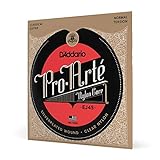
Overview: The D’Addario Pro Arté EJ45 represents the gold standard for classical guitar strings, offering normal tension that balances responsive playability with traditional tonal warmth. These USA-made strings have been the go-to choice for students and professionals for decades, utilizing multi-filament nylon core basses and clear nylon trebles to deliver the quintessential classical sound that purists expect. The tie-end design ensures authentic classical guitar setup.
What Makes It Stand Out: What distinguishes the EJ45 is D’Addario’s unwavering consistency and quality control, drawn to exacting specifications at their New York facility. The multi-filament nylon core basses provide superior intonation stability compared to monofilament alternatives, while the silver-plated copper winding adds depth without sacrificing clarity. The included Players Circle points program adds tangible value, rewarding loyal customers through D’Addario’s recycling initiative.
Value for Money: Priced in the mid-range for premium classical strings, the EJ45 offers exceptional value through reliability and longevity. While cheaper alternatives exist, few match D’Addario’s quality-to-price ratio. Each set delivers predictable performance, reducing the need for frequent replacements and making them more economical over time than budget options that deteriorate quickly.
Strengths and Weaknesses: Strengths include consistent intonation, balanced tone across all six strings, excellent durability, and wide availability. The normal tension suits most playing styles and hand strengths. Weaknesses are the tie-end design, which frustrates beginners during restringing, and a tonal character some advanced players find too neutral, lacking the unique voice of boutique alternatives.
Bottom Line: The D’Addario EJ45 remains the benchmark for dependable classical guitar strings. For serious students and professionals seeking consistency and traditional tone without premium pricing, these strings are virtually unbeatable. They’re a safe, smart investment that won’t disappoint.
2. Ernie Ball Ernesto Palla Clear & Silver Tie-On Classical Guitar Strings, 28-42 Gauge (P02403)

Overview: Ernie Ball’s Ernesto Palla classical strings deliver medium tension performance with a distinctive tonal profile, featuring silver-plated copper wound basses paired with black nylon trebles. This combination produces a warmer, more rounded sound than traditional clear nylon sets, making them ideal for players seeking mellower voicing. The tie-on design maintains classical authenticity while the medium tension offers slightly firmer resistance under the fingers.
What Makes It Stand Out: The black nylon trebles set this set apart from competitors, providing a noticeably softer attack and subdued brilliance that flatters intimate playing styles. Ernie Ball’s reputation for rock and electric strings translates into robust construction and quality materials. The specific gauge measurements (.028-.044) ensure balanced tension distribution, preventing the common issue of overly tight D and G strings that plague some classical sets.
Value for Money: Positioned as an affordable premium option, these strings punch above their weight class. They cost marginally less than D’Addario while delivering comparable durability and playability. For players experimenting with tonal variations, they offer an inexpensive way to explore black nylon’s characteristics without committing to high-priced boutique brands.
Strengths and Weaknesses: Strengths include warm, rich bass response, comfortable medium tension, excellent tuning stability, and the unique tonal character of black nylon trebles. Weaknesses involve the muted high-end that may disappoint players wanting sparkling trebles, and medium tension can feel stiff for beginners or those with lighter touch preferences.
Bottom Line: Ernie Ball Ernesto Palla strings excel for fingerstyle players and those preferring a warmer classical voice. They’re a worthy alternative to market leaders, offering distinctive tone and reliable performance at an attractive price point. Recommended for intermediate players seeking tonal variety.
3. MARTIN Classical Guitar Strings (M260), 80/20 Bronze
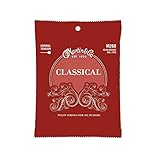
Overview: Martin’s M260 strings break from classical tradition by employing 80/20 bronze winding instead of the standard silver-plated copper, creating a hybrid string designed for classical guitars seeking acoustic steel-string brightness. The .028-.043 gauges produce higher tension than typical nylon sets, yielding increased projection and volume. This unconventional approach targets players wanting to bridge classical technique with folk or pop tonalities.
What Makes It Stand Out: The 80/20 bronze alloy is the defining feature, delivering unparalleled brilliance and clarity that cuts through mixes in ways traditional nylon strings cannot. Martin’s metallurgy expertise ensures exceptional longevity and corrosion resistance. These strings fundamentally reimagine what a classical guitar can sound like, offering a voice closer to a steel-string acoustic while maintaining nylon’s essential feel.
Value for Money: Priced similarly to premium nylon sets, the M260 offers niche value for specific applications. For recording artists seeking unique tonal colors or performers playing amplified classical guitars, they provide a specialized solution that eliminates the need for a second instrument. However, their limited versatility reduces overall value for traditional classical repertoire.
Strengths and Weaknesses: Strengths include outstanding projection, bright articulate tone, superior durability, and Martin’s build quality. Major weaknesses are the high tension potentially damaging traditional classical guitars not braced for such stress, lack of traditional nylon warmth, and incompatibility with authentic classical tone requirements. They also feel stiffer under the fingers.
Bottom Line: Martin M260 strings serve a narrow but valuable purpose for adventurous players and specific musical contexts. They are NOT recommended for traditional classical guitar study or performance. Only consider these if you understand the tonal shift and your instrument can handle the increased tension safely.
4. Belfort Classical Guitar Strings Nylon - Classical Nylon Strings Coated in Silver - 6 Guitar String Set + Extra 1E - Cuerdas para guitarra acustica - Cuerdas de guitarra acustica

Overview: Belfort’s German-designed classical strings position themselves as a comfort-first innovation, featuring Italian nylon construction enhanced by proprietary Light Force Technology. Marketed as Germany’s best-selling strings, they promise pain-free playing alongside rich, full-bodied tone. The set includes an extra first string and comprehensive restringing resources, targeting both beginners and professionals seeking ergonomic benefits without sacrificing musicality.
What Makes It Stand Out: The Light Force Technology genuinely reduces string stiffness, making these exceptionally comfortable for extended practice sessions and players with hand sensitivity. The inclusion of an extra high E string acknowledges the reality of frequent breakage. Their customer satisfaction promise stands out in a commodity market, offering hassle-free replacements. The eBook with video guide eliminates restringing anxiety for newcomers.
Value for Money: Competitively priced against established brands, Belfort adds significant value through the spare string, educational materials, and comfort technology. For beginners, the included resources justify the price alone. Advanced players benefit from the ergonomic advantages during long rehearsals. The satisfaction guarantee removes purchase risk.
Strengths and Weaknesses: Strengths include exceptional playing comfort, balanced warm tone, quality Italian nylon, beginner-friendly packaging, and strong customer support. Weaknesses involve being a newer brand with unproven long-term durability, potentially overhyped marketing claims, and limited availability compared to major brands. Some purists may find the tone less traditional than D’Addario.
Bottom Line: Belfort strings deserve consideration from comfort-conscious players and beginners. They deliver on their pain-free promise while maintaining respectable tone quality. If you experience hand fatigue or want worry-free restringing guidance, these are an excellent choice. Established professionals may prefer traditional brands, but these are far from a gimmick.
5. Classical Guitar Strings Nylon with Ball End – Silver Plated Nylon Guitar Strings Set, Easy Installation, Normal Tension for Comfortable Playing, Includes 5 Guitar Accessories - Henry’s

Overview: Henry’s classical strings target the entry-level market with a ball-end design that eliminates traditional knot-tying frustrations, making them ideal for students and casual players. The normal tension silver-plated nylon construction delivers authentic classical tone while prioritizing ease of use. What truly distinguishes this offering is the inclusion of five practical accessories designed to prevent common beginner mistakes and enhance the learning experience.
What Makes It Stand Out: The ball-end installation is the headline feature, allowing tool-free string changes that take minutes rather than frustrating quarter-hours for novices. The accessory bundle—a string action gauge, fret cleaning cloth, non-slip pick, nail file, and restring diary—provides genuine utility beyond gimmicks. These items address real beginner challenges, from setup measurement to maintenance tracking, creating a complete starter package.
Value for Money: Exceptional value dominates this proposition. The strings alone match budget competitors’ pricing, while the accessories represent an additional $15-20 value. For parents purchasing for student children or adult learners, this eliminates multiple separate purchases. The restring diary particularly helps build good maintenance habits from day one.
Strengths and Weaknesses: Strengths include effortless installation, comfortable normal tension, warm tone, comprehensive accessory kit, and clear break-in guidance. Weaknesses are the basic string quality that advanced players will outgrow, accessories being entry-level quality, and ball ends potentially not fitting all classical bridge designs perfectly.
Bottom Line: Henry’s ball-end strings are the perfect starter set for absolute beginners. They remove restringing barriers while providing essential tools for guitar care. While serious students will eventually graduate to traditional tie-end strings, this package delivers unbeatable initial value and convenience. Highly recommended for new players and educational programs.
6. Ernie Ball Folk Nylon Clear & Gold Ball-End 80/20 Bronze Acoustic Guitar Strings, 28-42 Gauge (P02069)

Overview: The Ernie Ball P02069 represents a unique hybrid approach, blending nylon’s comfortable playability with the bright articulation of 80/20 bronze wrapping. Designed for folk players seeking traditional nylon feel without sacrificing metallic projection, these strings occupy a specialized niche in the acoustic string market. The multifilament nylon core provides classical-like softness under the fingers while the bronze wrap delivers enhanced clarity.
What Makes It Stand Out: The distinctive 80/20 bronze over nylon construction creates a tonal profile unavailable in standard string sets. Ball-end installation eliminates the tying process, making these ideal for steel-string acoustic players transitioning to nylon. The gauge progression offers balanced tension across the fingerboard, while the bronze wrapping on bass strings adds harmonic richness typically missing in pure nylon sets.
Value for Money: Positioned between premium classical and acoustic string prices, these offer specialized performance that justifies the modest premium. For players seeking hybrid tones, they eliminate the need to purchase separate nylon and bronze sets for experimentation. The durability matches standard nylon strings, providing comparable lifespan per dollar spent.
Strengths and Weaknesses: Pros include innovative hybrid tone, effortless installation, and comfortable playability for steel-string converts. Cons involve tonal compromise that may disappoint purists—lacking the warmth of traditional nylon and the full metallic bite of steel strings. The bronze wrap may also wear slightly faster than pure nylon basses.
Bottom Line: Ideal for folk and crossover players wanting nylon comfort with bronze sparkle. Not recommended for traditional classical repertoire but excellent for singer-songwriters and experimental acoustic styles.
7. D’Addario Student Nylon Classical Guitar Strings, EJ27N, Guitalele, Normal Tension, 1/2 Size, 6-String Set, Pack of 1

Overview: D’Addario’s EJ27N Student Nylon strings deliver professional manufacturing standards to entry-level instruments. Specifically designed for 1/2-size classical guitars and guitaleles, these American-made strings provide beginning players with reliable intonation and consistent feel. The normal tension profile offers optimal resistance for developing proper technique without excessive finger fatigue.
What Makes It Stand Out: The “Made in USA” quality control ensures every set meets exacting specifications rarely found in budget strings. The Players Circle rewards program adds long-term value through redeemable points. Silver-plated copper basses produce authentic classical timbre, while clear nylon trebles provide traditional response. The tie-end construction maintains conventional classical guitar authenticity.
Value for Money: As a premium entry-level option, these cost slightly more than no-name alternatives but deliver vastly superior consistency. The educational focus means fewer replacement sets due to premature breakage or tonal degradation. For instructors and students, the reliability translates to better learning outcomes and lower long-term costs.
Strengths and Weaknesses: Pros include exceptional quality control, appropriate tension for small-scale instruments, authentic materials, and brand reputation. Cons feature tie-end installation that challenges absolute beginners and limited tonal complexity compared to professional-grade strings. The single-set packaging lacks bulk value.
Bottom Line: The definitive choice for serious students and educators. The modest price increase over bargain strings pays dividends in tuning stability and tonal consistency, making them ideal for fractional-size classical guitars.
8. 2-Pack Classical Guitar Strings with Ball End - Fast&Easy Restring - Bonus 5 Guitar Accessories - Silver Nylon Guitar Strings for Classical Guitar - Cuerdas Para Guitarra…

Overview: This Henry’s brand two-pack targets convenience-focused players by eliminating traditional string installation hurdles. The ball-end design allows steel-string players to restring classical guitars without learning tie-block knots. Marketed toward students through advanced players, the set includes five accessories to enhance the restringing experience and ongoing maintenance.
What Makes It Stand Out: The ball-end configuration stands as the primary differentiator in a market dominated by tie-end classical strings. The bundled accessories—string action gauge, micro-fret cloth, picks, nail file, and restring diary—provide immediate utility for beginners assembling their toolkit. The 100% satisfaction guarantee demonstrates manufacturer confidence.
Value for Money: Two complete sets plus accessories at a price competitive with single sets from major brands represents compelling value. The accessories alone would cost more purchased separately. For beginners needing basic setup tools, this bundle eliminates separate purchases, making it economically advantageous despite being an unknown brand.
Strengths and Weaknesses: Pros include installation convenience, comprehensive accessory bundle, dual set packaging, and risk-free trial. Cons involve unproven long-term brand reputation, potentially accessory quality trade-offs, and limited availability of tension options. The silver nylon composition may not match the tonal sophistication of premium brands.
Bottom Line: Perfect for beginners prioritizing convenience and value. The ball ends simplify installation dramatically, while the accessories provide essential tools. Experienced players may prefer established brands for tonal refinement, but newcomers gain significant practical advantages.
9. Yamaha Classical Guitar Strings, Normal Tension (028043), Nylon GSC28

Overview: Yamaha’s GSC28 strings represent the company’s OEM approach to classical guitar strings—reliable, straightforward, and designed to complement their instrument lineup. These normal tension nylon strings deliver traditional classical tone with the manufacturer’s guarantee of compatibility. The gauge range from .028 to .043 provides balanced feel across standard-scale classical guitars.
What Makes It Stand Out: As factory strings for one of the world’s largest guitar manufacturers, these offer proven compatibility with Yamaha classical guitars. The brand’s extensive quality control network ensures consistent manufacturing standards. The traditional specification appeals to purists seeking authentic classical tone without modern modifications or coatings.
Value for Money: Mid-range pricing reflects Yamaha’s reputation for reliability rather than premium materials. These cost less than high-end boutique strings while outperforming budget options in tuning stability and longevity. For Yamaha guitar owners, they represent the safe, factory-recommended choice that maintains original design intent.
Strengths and Weaknesses: Pros include trusted brand consistency, comfortable traditional tension, broad availability, and proven reliability. Cons feature basic packaging, lack of innovative features, and tonal character that may seem uninspired compared to premium alternatives. No ball-end option limits installation convenience.
Bottom Line: A solid, no-surprises choice for Yamaha classical guitar owners and traditionalists. While not exceptional in any single aspect, they deliver dependable performance that matches factory specifications perfectly, making them ideal for replacement or backup sets.
10. Classical Guitar Strings, Alice 2 Set Classic Guitar 6 Strings Clear Nylon Normal Tension 28-43 Gauge with Anti-Rust Coating, Silver Plated Wrap (AC130)

Overview: The Alice AC130 two-pack targets budget-conscious players with an innovative anti-rust coating applied to traditional nylon string construction. These normal tension strings promise extended lifespan through corrosion resistance while maintaining conventional classical guitar feel. The silver-plated copper winding on bass strings provides visual and tonal brightness.
What Makes It Stand Out: The anti-rust coating addresses a common complaint with nylon strings in humid climates—premature bass string corrosion. Providing two sets doubles the value proposition. The coating technology extends playable life without significantly altering the traditional nylon playing experience, a practical innovation at this price point.
Value for Money: Exceptional value with two coated sets typically costing less than a single premium set. The corrosion resistance means fewer string changes, multiplying savings over time. For players in tropical environments or those with acidic perspiration, the extended lifespan makes these economically superior to uncoated alternatives.
Strengths and Weaknesses: Pros include outstanding affordability, anti-rust protection, dual-set packaging, and decent tone quality. Cons involve coating texture that some players find slightly slick, tonal warmth slightly reduced compared to uncoated premium strings, and lesser brand recognition affecting resale perception.
Bottom Line: Ideal for students, casual players, and those in harsh environments. The anti-rust coating provides genuine practical benefits, while the two-set package offers unbeatable economy. Serious performers might prefer premium brands for nuanced tone, but for everyday practice and durability, these deliver remarkable value.
Why Your String Choice Defines Your Learning Journey
Your strings are your direct physical connection to the instrument. They determine how much pressure your developing fingers must exert, how clearly you can hear your own mistakes, and whether your instrument rewards gentle touch or demands aggressive attack. Beginners who start with inappropriate tension often develop compensatory bad habits—gripping the neck too tightly, over-plucking, or pressing until their fingertips bleed—habits that take years to unlearn.
In 2026, manufacturers have finally acknowledged that student strings shouldn’t be cheaper versions of professional sets. They’ve engineered beginner-focused lines that prioritize comfort, stability, and immediate tonal feedback. These innovations mean you no longer have to suffer through a “break-in” period of dull tone and finger pain. The right strings will make your guitar sing even when your technique is still finding its footing.
The Anatomy of a Classical Guitar String
Before diving into categories, understand what you’re actually buying. Classical guitar strings consist of two distinct sections: trebles (the high E, B, and G strings) and basses (the low E, A, and D strings). Trebles are typically monofilament—single strands of material—while basses use a multi-filament core wound with metal. This hybrid construction creates the instrument’s characteristic warmth and complexity.
The core-to-wrap ratio, winding tension, and final polishing process all influence how a string vibrates. In 2026, many manufacturers have adopted precision laser-measuring techniques that ensure each string within a set maintains consistent diameter tolerances within microns. This consistency means your G string won’t suddenly feel sluggish compared to your E string—a common frustration for beginners that older manufacturing methods couldn’t solve.
How Strings Impact Tone Development
Your ear develops in tandem with your fingers. Strings with overly bright, harsh trebles can mask the subtle differences between a well-executed rest stroke and a sloppy free stroke. Conversely, strings that are too warm and forgiving might not reveal the buzzing from insufficient finger pressure that you need to hear to correct your technique.
The harmonic content of your strings—the balance between fundamental notes and overtones—directly affects your ability to project in a small room versus a large hall. Beginners often practice in bedrooms with soft furnishings that absorb high frequencies. Strings engineered for 2026’s home-recording generation compensate by boosting mid-range clarity without adding shrillness, ensuring you hear yourself accurately through smartphone recording apps and basic USB microphones.
The 10 Essential String Categories Every Beginner Must Understand
Think of these categories as your decision matrix. Rather than memorizing brand names, you’ll learn to identify the characteristics that match your guitar, hands, and musical goals. This knowledge stays relevant throughout your playing career.
Standard tension strings represent the traditional starting point, requiring roughly 7-8 pounds of force per string at concert pitch. They respond to light touch and produce the classic, mellow nylon tone most beginners expect. However, “standard” varies between manufacturers—one brand’s standard might feel like another’s light tension.
High tension sets demand 9-11 pounds of force, creating more volume and projection but requiring stronger hands. In 2026, physical therapists have collaborated with string makers to develop “progressive tension” sets that distribute force more evenly across the fretboard, reducing the torque on your wrist when playing first-position chords. For beginners with smaller hands or those starting later in life, these progressive sets can be game-changers.
Traditional nylon trebles, made from extruded polyamide, offer warmth and a forgiving feel under the fingers. They’ve been the default for decades because they stretch slightly under tension, giving you a cushion when developing vibrato and left-hand control. The downside? They take 2-3 days to stabilize after installation and can sound tubby on guitars with laminated tops.
Carbon fiber trebles—actually made from fluorocarbon polymers—entered the mainstream in 2024 and now dominate student recommendations in 2026. They settle within hours, project with laser-like clarity, and maintain intonation better in humid environments. The trade-off is a thinner diameter that can feel “wire-like” to unprepared fingertips and a brighter tone that reveals every imperfection in your technique.
Bass strings use a nylon or composite core wound with metal wire. Silver-plated copper remains the standard, offering balanced warmth and definition. The plating thickness—measured in microns—affects both longevity and tone. Student-grade sets often skimp here, using thinner plating that wears through in weeks.
Gold basses, actually gold-colored bronze alloy, gained traction after 2023’s supply chain improvements made them affordable for beginners. They produce a darker, more romantic tone with less metallic edge, ideal for Baroque music or players who find silver basses too aggressive. They also resist corrosion from finger oils better than silver, crucial for players who don’t wipe down strings after every session.
Rectified trebles are intentionally left with a slightly rough, matte finish created by grinding down an oversized extrusion. This texture provides grip for right-hand fingers, preventing the slippery feeling that causes beginners to lose control during fast scales. The roughness does create a subtle “squeak” when shifting positions, which some players find annoying.
Polished trebles undergo final buffing to a glassy smoothness. They feel luxurious under the fingers and eliminate slide noise, but can feel too slick for players still developing precise right-hand finger placement. In 2026, most student sets use a “semi-polished” compromise that maintains texture while reducing squeaks—a perfect example of how modern manufacturing addresses beginner pain points.
Coated strings feature a micro-thin polymer layer that repels oils, sweat, and dirt. This extends string life by 3-5 times, making them economically smart for beginners who aren’t yet changing strings monthly. The coating does dampen high frequencies slightly, creating a “pre-aged” sound from day one.
Uncoated strings offer unfiltered tone and traditional feel, but their lifespan can be as short as two weeks for acidic-handed players. 2026’s eco-conscious movement has sparked debate about coating sustainability, leading several manufacturers to develop bio-based polymer coatings that degrade naturally without sacrificing protection. For beginners, the choice often comes down to budget versus tonal purity.
Composite sets mix materials strategically—perhaps carbon G string with nylon B and E, or silver basses with gold-plated low E. These aren’t marketing gimmicks; they solve specific balance problems. The G string is notoriously problematic on classical guitars, often sounding tubby or overpowering. A carbon G string maintains clarity while the nylon B and E preserve traditional warmth.
In 2026, machine-learning algorithms analyze thousands of guitar recordings to determine optimal string-to-string balance for different body sizes. Composite sets designed for 3/4-size student guitars, for example, now feature proportionally adjusted tensions that prevent the boomy bass and thin trebles that plagued smaller instruments for decades.
Environmental consciousness has revolutionized string manufacturing. Traditional nylon production is petroleum-intensive, but 2026’s top student strings use bio-nylon derived from castor oil plants. These strings perform identically to conventional nylon while reducing carbon footprint by 60%. Packaging has also evolved—compostable paper wraps replace plastic sleeves, and ball-end strings (traditionally steel-string territory) now appear in classical sets to eliminate the need for wrapping around the bridge.
For beginners, this means you no longer choose between ethics and performance. Sustainable strings have achieved price parity with conventional options, and many teachers now require them as part of modern music education’s holistic approach.
Student-grade strings prioritize stability and comfort over tonal complexity. They use slightly softer nylon formulations that are gentler on fingertips and maintain consistent pitch even when your left-hand technique isn’t perfect. The basses feature more flexible cores that forgive imprecise right-hand placement.
Professional-grade strings demand perfect technique to sound their best. They’re designed for instruments with responsive tops that can translate subtle nuance, and they assume the player has the hand strength for optimal tension. A beginner using professional strings often sounds worse than with student strings, fighting against unforgiving materials that highlight every flaw.
The one-size-fits-all approach is finally obsolete. 2026 offers strings specifically for 7/8 and 3/4 scale guitars that aren’t just shorter versions of full-scale sets. These feature adjusted mass per unit length, ensuring proper intonation without requiring custom nut slots or bridge modifications.
For adult beginners with small hands, “light tension” sets now come with enhanced mid-range response to compensate for the reduced volume that historically plagued low-tension strings. Some sets even include slightly oversized diameters on the trebles to increase surface contact with the fingers, improving control without increasing tension.
The most exciting 2026 development is the emergence of hybrid materials: nylon cores infused with graphene for enhanced conductivity (reducing static buildup in dry climates), or bass wraps using reclaimed precious metals from electronic waste. These aren’t gimmicks—they solve real problems like tuning stability during travel and environmental impact.
Beginners should approach these as “second sets” after mastering fundamentals on traditional materials. They often require different playing techniques and can be less forgiving, but they open sonic possibilities that inspire practice and exploration.
Beyond the Categories: Critical Features to Evaluate
Understanding categories is step one. Now learn to read between the lines of product descriptions and marketing claims.
Tension Ratings Decoded: What Those Numbers Really Mean
Manufacturers list tension in pounds or kilograms, but these numbers are measured at a specific scale length (typically 650mm). If your guitar has a shorter 640mm scale, actual tension will be lower. In 2026, leading brands include “effective tension” calculators on their websites where you input your guitar’s measurements to get real-world values.
Look for “tension curves” rather than single numbers. The best modern sets provide a graph showing how tension increases as you move up the fretboard, helping you anticipate how the strings will feel in higher positions where beginners often struggle.
Material Science: Why 2026’s Formulations Matter
This year’s breakthrough is “phase-stabilized nylon” that maintains consistent elasticity across temperature fluctuations from 60-80°F. For beginners practicing in inconsistent home environments, this means your guitar stays in tune better between sessions. The material contains microscopic crystalline structures that lock in molecular alignment, preventing the gradual pitch drift that used to plague new strings.
Another innovation is “gradient winding” on bass strings, where the wrap wire’s diameter subtly changes along the string’s length. This evens out response and eliminates the “dead spots” that frustrated generations of students trying to record their practice sessions.
The Break-In Period: What Beginners Should Expect
New strings stretch. This simple truth has caused countless beginners to question their tuning skills. Modern strings stabilize faster, but you should still expect 24-48 hours of regular tuning adjustments. The process has changed: instead of manually stretching strings by pulling them away from the fretboard (which can damage windings), 2026’s best practice is to tune to pitch, play normally for 15 minutes, retune, and repeat three times.
During break-in, strings undergo “tonal maturation.” Carbon trebles might sound overly bright for the first hour before settling into their characteristic clarity. Nylon basses can sound tubby until the core and wrap achieve mechanical sympathy. Record yourself daily during this period to hear the transformation—you’ll develop your ear while documenting your progress.
String Care and Maintenance: Maximizing Your Investment
Your strings die from two things: oxidation and grime accumulation. Wipe down after every session with a microfiber cloth stored in your case. In 2026, ultrasonic cleaning devices designed for guitar strings have become affordable for students. These pocket-sized tools vibrate grime loose without chemicals, extending string life by 30%.
Humidity control matters more than temperature. Store your guitar at 45-55% relative humidity. Below 40%, strings become brittle and lose elasticity; above 60%, bass windings corrode faster. Modern string packets include humidity indicator cards that change color when conditions become dangerous.
Common Beginner Mistakes and How to Avoid Them
The number one error is mixing tensions—installing a high-tension D string because “it feels tighter and must be better.” This destroys the set’s carefully engineered balance and can warp your guitar’s top over time. Always change full sets unless you’re an experienced player making deliberate adjustments.
Another mistake is over-tightening when tuning. Use a digital tuner and stop at the exact pitch. Strings stretched beyond concert pitch develop internal micro-fractures that cause premature breakage and unstable intonation. In 2026, smart tuners connect to apps that alert you when you’re approaching over-tension.
When to Change Your Strings: A Timeline for New Players
Beginners should change strings every 6-8 weeks with regular practice. This seems frequent, but fresh strings provide consistent feedback that accelerates learning. If you notice intonation drifting (chords sound in tune in one position but not another), bass strings developing dark spots under your fingers, or a general loss of brilliance, it’s time.
Mark your calendar. Set a phone reminder. Treat string changes as routine maintenance like changing oil in a car. Many 2026 string sets now include QR codes that link to installation videos and automatically remind you when it’s time to reorder based on your practice habits.
2026 Trends: Smart Strings and Tech Integration
The most controversial development is RFID-tagged strings that communicate with your smartphone. Scan a string with your device, and an app displays optimal tension, recommended break-in playing style, and even suggests repertoire that matches the string’s tonal profile. Purists dismiss this as gimmickry, but beginners benefit from data-driven guidance.
Another trend is subscription services that auto-deliver fresh sets based on your practice tracking. Your phone’s microphone analyzes how often you play and the strings’ tonal degradation, then ships replacements before you notice the decline. For serious students, this ensures you never practice on dead strings, removing one variable from your learning equation.
Frequently Asked Questions
How do I know if my guitar needs lighter or heavier tension strings?
If you experience hand fatigue within 15 minutes of playing, buzz on open strings, or difficulty pressing chords cleanly, try lighter tension. If your guitar sounds thin or lacks projection, and you have the hand strength, experiment with higher tension. Most beginners should start with standard tension and adjust after six months of consistent practice.
Can I mix different brands or materials within one set?
Technically yes, but it’s not recommended for beginners. Each manufacturer designs sets with specific balance characteristics. Mixing brands disrupts this balance, potentially creating uneven volume between strings and intonation problems. Wait until you can hear and diagnose these issues before experimenting with hybrid sets.
Will expensive strings make me sound better?
Not necessarily. Premium strings assume you have the technique to activate their full tonal potential. A beginner on $40 professional strings often sounds worse than on $12 student strings because the professional set reveals every flaw. Focus on strings designed for your skill level; the price difference reflects durability and subtlety, not beginner-friendliness.
How does humidity affect my strings differently than my guitar?
While your guitar’s wood swells and contracts, your strings undergo chemical changes. High humidity accelerates metal corrosion on bass strings, while low humidity makes nylon trebles brittle and prone to false intonation. Strings react faster than wood—within hours—making them early warning indicators of environmental problems.
Should beginners avoid carbon strings because they’re too bright?
No, but approach them thoughtfully. Modern carbon strings have shed their harsh reputation through improved formulations. Start with a composite set featuring one carbon string (usually the G) to experience the difference without overwhelming brightness. Many 2026 student carbon sets include a “warmth coating” that mellows the initial attack while preserving clarity.
How long should strings last before they break?
With proper installation and care, classical guitar strings rarely snap from age alone. Expect 3-6 months before structural fatigue sets in. Breakage usually results from sharp bridge edges, worn nut slots, or over-tightening. If you break a string within the first month, inspect your guitar for mechanical issues rather than blaming the string.
Do I need special strings for my 3/4-size guitar, or can I use full-size sets?
Always use strings designed for your scale length. Full-size strings on a 3/4 guitar create excessive tension that can damage the top and make playing painful. The reverse—short-scale strings on a full-size guitar—results in floppy, buzzy tone. Modern 2026 sets are clearly labeled for 4/4, 3/4, and 7/8 sizes.
What’s the environmental impact of classical strings, and should I care?
Traditional string manufacturing produces significant petroleum waste and uses conflict minerals for plating. 2026’s eco-strings reduce this impact by 70% without performance loss. As a beginner, choosing sustainable options sets good habits and often costs the same. Many conservatory programs now require eco-friendly strings, so starting early prepares you for future requirements.
Can I reuse strings after removing them?
Never reuse trebles—they stretch permanently and won’t return to stable pitch. Bass strings can sometimes survive one careful removal and reinstallation if they’re relatively new, but the winding loosens and tone suffers. Given that a full student set costs less than a music lesson, the risk of instability isn’t worth the small savings.
How do I dispose of old strings responsibly?
Don’t throw them in the trash. The metals and polymers don’t biodegrade. In 2026, most music stores participate in string recycling programs that separate metals from nylon for proper processing. Some manufacturers offer mail-back programs with prepaid shipping. Save your old strings in the paper envelope from your new set, then drop them off quarterly. It’s free and takes minimal effort.
See Also
- 10 Essential Guitar Strings Every Studio Needs in 2026
- 10 Must-Have Nylon Guitar Strings for Classical Students on a Budget in 2026
- 10 Premium Classical Guitar Strings Worth the Splurge for Recording in 2026
- The 10 Best Nylon Classical Guitar Strings for Fingerstyle Players in 2026
- 10 High-Tension Acoustic Guitar Strings for Aggressive Strummers in 2026