Table of Contents
Picture this: you’re mid-take in a blistering drum session when crack—your snare mic takes a direct hit from an overzealous rim shot. In 2026’s high-stakes recording and touring environment, that kind of casualty isn’t just an inconvenience; it’s a budget line item and a creative momentum killer. Drum microphones don’t just need to sound exceptional—they need to survive a literal beating.
The modern drum kit is a battlefield of kinetic energy, with stick velocities exceeding 30 mph and impact forces that can shatter lesser transducers. While condensers and ribbons have their place in the studio, dynamic microphones remain the undisputed champions of durability and practicality. This guide dives deep into what separates a microphone that merely works from one that thrives under stick assault, ensuring your 2026 drum recordings and live shows capture every ghost note and cymbal crash without becoming another casualty of the groove.
Top 10 Dynamic Microphones For Drums
Detailed Product Reviews
1. Shure SM57 Professional XLR Dynamic Microphone – Cardioid Mic for Instruments, Amplifiers, Drums & Live Performance Recording (SM57-LC)
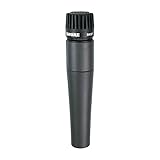
Overview: The Shure SM57 is the undisputed industry standard dynamic microphone, trusted by professionals for over 50 years. This XLR cardioid mic excels at capturing instruments with precision, from guitar amplifiers and drums to brass and woodwinds. Its legendary status stems from consistent performance in both studio and live settings, making it an essential tool for serious musicians and engineers who demand reliability.
What Makes It Stand Out: The SM57’s contoured frequency response with a presence boost ensures instruments cut through dense mixes with clarity. Its extremely effective cardioid pattern isolates sources while rejecting background noise and bleed. The bulletproof construction withstands drops, moisture, and years of abuse without compromising sound quality. Universal compatibility means it works flawlessly on virtually any instrument source, from snare drums to guitar cabinets.
Value for Money: At approximately $100, the SM57 isn’t cheap, but it’s an investment that pays dividends. Budget alternatives can’t match its reliability or resale value. Compared to premium mics costing 3-5x more, it delivers 90% of the performance for critical instrument miking. One SM57 outlasts multiple cheap mics, making it more economical long-term for serious users.
Strengths and Weaknesses: Pros: Unmatched durability, excellent off-axis rejection, consistent sound quality, high resale value, proven track record. Cons: Requires a quality preamp for best results, no included cable, not ideal for vocals, can sound harsh on some sources if poorly placed.
Bottom Line: The SM57 remains the smartest microphone purchase for any musician or studio. Its combination of reliability, sound quality, and versatility is unmatched. Skip the knockoffs—this is the real deal that professionals depend on daily.
2. WEYMIC wm57 Dynamic Vocal Classic Style Microphone Audio Instrument Classic Professional Dynamic Cardioid Unidirectional - for Instruments, Drums, Percussion, Vocals(not Include Cable)

Overview: The WEYMIC wm57 positions itself as a budget-friendly alternative to iconic dynamic microphones, targeting cash-strapped musicians and beginners. This unidirectional cardioid mic promises clear sound for instruments, drums, percussion, and vocals at a fraction of premium prices. However, its sparse specifications and generic design raise immediate questions about performance claims and long-term reliability.
What Makes It Stand Out: Primarily its rock-bottom price point and metal construction, which is rare in the ultra-budget category. The “Classic Style” designation clearly signals its inspiration from more famous microphones. It’s a no-frills option for those needing basic instrument capture without financial strain, though the lack of included cable adds hidden costs.
Value for Money: Costing under $30, the value proposition is purely about accessibility. While it includes a microphone clip, the lack of an XLR cable adds hidden costs. Performance-wise, it delivers marginal quality—adequate for practice sessions but unsuitable for professional recording or gigging. You’re paying for functionality, not fidelity, and reliability remains questionable.
Strengths and Weaknesses: Pros: Extremely affordable, metal body offers decent durability, simple operation, lightweight. Cons: Vague specifications, poor sound quality with high noise floor, weak off-axis rejection, questionable long-term reliability, no included cable, inconsistent manufacturing quality.
Bottom Line: Only consider the WEYMIC wm57 if your budget is absolute zero and you understand its limitations. For serious music-making, save for a proven microphone. This is a temporary solution at best, and its unpredictable quality makes it a risky purchase even for beginners.
3. Phenyx Pro Drum Microphone Kit, 7-Piece Full Metal Wired Dynamic Mic Set for Bass/Tom/Snare/Hi-hat Cymbals, with Carrying Case, Holders, and Threaded Clips (PTD-10)

Overview: The Phenyx Pro PTD-10 offers a complete 7-piece drum miking solution in one package, including kick, four tom/snare mics, and two overhead condensers. Designed for drummers and engineers needing a full kit without piecing components together, it provides professional-style hardware and a rugged carrying case for gigging and studio work. The all-metal construction suggests durability for regular use.
What Makes It Stand Out: This kit’s comprehensive approach stands out—everything needed to mic a standard drum kit arrives in one box. The mix of cardioid and supercardioid dynamic mics with two condenser overheads covers all bases. Full metal construction across all microphones and included clamps, clips, and thread inserts eliminate compatibility headaches and provide mounting flexibility for optimal positioning.
Value for Money: Priced around $250-300, this kit delivers exceptional value compared to purchasing individual mics, which would easily exceed $500. While not matching premium brands like Shure or Audix, the quality suffices for home studios, rehearsals, and small venues. The included case and mounting hardware add significant value and convenience for mobile musicians.
Strengths and Weaknesses: Pros: Complete all-in-one solution, sturdy metal housings, versatile mic selection, good off-axis rejection, includes all mounting hardware and case. Cons: No XLR cables included, sound quality falls short of professional standards, some users report durability issues with clips, condensers require phantom power.
Bottom Line: The PTD-10 is an excellent entry-level drum mic kit for hobbyists and semi-pro drummers. It eliminates guesswork and provides everything needed to start recording drums immediately. Manage expectations on sound quality, but for the price and convenience, it’s hard to beat.
4. Depusheng 7-Piece Drum Microphone Set with 5 Dynamic Percussion Microphones and 2 Condenser Percussion Microphones Ideal for Instrument Recording and Music Production

Overview: The Depusheng 7-piece drum microphone set aims to provide a budget-conscious solution for miking full drum kits. The kit includes five dynamic mics for toms/snare and kick, plus two condenser mics for cymbals and overheads. With metal construction throughout and an included carrying case, it targets home studio owners and gigging drummers seeking an affordable complete package for recording and performance.
What Makes It Stand Out: The kit emphasizes practical design with pneumatic shock mounts on dynamic mics, which is unusual at this price point. Standard XLR connectors and universal 3/8" or 5/8" threading ensure compatibility with most stands. The reinforced metal mesh heads promise enhanced durability against drumstick hits and road wear, addressing common failure points in budget mics.
Value for Money: Competing in the $200-250 range, this set offers similar value to other budget drum kits. However, product description inconsistencies—alternating between “5-piece” and “7-piece”—raise red flags about quality control and brand reliability. While affordable, hidden costs include necessary XLR cables and phantom power for condensers, making the total investment higher than advertised.
Strengths and Weaknesses: Pros: Full kit with shock mounts, metal construction, includes mounting hardware and case, two condenser overheads add versatility. Cons: Confusing product specifications, unknown brand reputation, sound quality is entry-level, clips may be flimsy, no cables included.
Bottom Line: The Depusheng kit could serve budget-conscious drummers, but the contradictory product description demands careful verification before purchase. If specifications are accurate and quality control is consistent, it’s a decent value. However, buyers should proceed with caution and consider established alternatives if reliability is paramount.
5. W IN-MIX 7 Piece Wired Dynamic Drum Mic Kit (Whole Metal)- Kick Bass, Tom/Snare & Cymbals Microphone Use for Drums, Vocal, Other Instrument Complete with Thread Clip, Mics Holder

Overview: The W IN-MIX 7-piece wired drum mic kit targets drummers needing a complete miking solution with emphasis on durable metal construction. The set includes mics for kick, toms/snare, and cymbals, positioning itself as a versatile option for both drums and other instruments like guitar amps and brass. However, confusing terminology mixing “dynamic” and “condenser” requires clarification before purchase.
What Makes It Stand Out: The kit boasts supercardioid pickup patterns across all mics, offering tighter pattern control than typical cardioid designs. The high-output design promises better gain before feedback—a crucial feature for live performance. Seven included mic clamps provide mounting flexibility, and the reinforced metal mesh heads suggest road-ready durability for touring musicians.
Value for Money: Priced similarly to competitors ($200-300), the value hinges on actual specifications. If truly supercardioid dynamic mics, it offers unique performance at this price. The unclear phantom power requirement for “condenser” mics (mentioned in features but not title) creates uncertainty about total system cost and compatibility, potentially adding hidden expenses.
Strengths and Weaknesses: Pros: Supercardioid patterns for better isolation, all-metal construction, seven mounting clamps included, versatile applications beyond drums. Cons: Confusing product description (dynamic vs. condenser), unknown brand, no XLR cables, phantom power requirements unclear, build quality unproven.
Bottom Line: Verify the microphone types before purchasing. If the supercardioid dynamic claim is accurate, this kit offers unique value. However, the contradictory description suggests potential quality control issues. For budget drum miking, established alternatives may provide more certainty. Only recommended if you can confirm exact specifications with the seller.
6. GLS Audio Instrument Microphone ES-57 & Mic Clip - Professional Series ES57 Dynamic Cardioid Unidirectional - For Instruments, Drums, Percussion, Vocals, and more - Professional Microphone for Singing
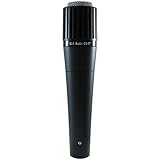
Overview: The GLS Audio ES-57 positions itself as a versatile workhorse dynamic microphone designed to handle the rigors of both stage and studio. With its rugged metal construction and cardioid pickup pattern, this mic targets musicians and audio engineers seeking reliable performance without the premium price tag of industry-standard alternatives.
What Makes It Stand Out: The ES-57’s dual connectivity options set it apart—offering both Lo-Z XLR and Hi-Z 1/4" connectors provides exceptional flexibility for various setups, from professional mixers to portable PA systems. Its 50 Hz to 15,000 Hz frequency response delivers solid reproduction for instruments, vocals, and percussion, while the sturdy metal body ensures it can withstand repeated use.
Value for Money: This microphone delivers exceptional bang for your buck, typically retailing at a fraction of the cost of comparable models from major brands. For home studio owners, emerging bands, or venue owners needing multiple mics on a budget, the ES-57 provides professional-grade features without the financial strain, making it practical to build a complete mic locker affordably.
Strengths and Weaknesses: Strengths include versatile connectivity, durable construction, impressive versatility across applications, and outstanding affordability. The cardioid pattern effectively rejects off-axis noise. Weaknesses involve slightly less refined high-frequency response compared to premium alternatives, limited brand recognition for professional credibility, and potential consistency issues across multiple units.
Bottom Line: The GLS Audio ES-57 is an excellent entry-level microphone that punches above its weight class. Ideal for budget-conscious musicians, home recording enthusiasts, and small venues, it offers reliable performance and remarkable versatility. While it won’t replace high-end studio mics, it’s a smart, practical choice for building a capable microphone collection.
7. Depusheng 5-Piece Wired Dynamic Drum Mic Kit (Whole Metal) Kick Bass, Tom/Snare & Cymbals Microphone-Use for Drums, Vocal, Other Instrument Complete with Thread Clip 7 On Stage Audio Cables

Overview: The Depusheng 5-Piece Drum Mic Kit offers a complete microphone solution for drummers seeking to amplify or record their kit without breaking the bank. This all-in-one package includes a combination of dynamic and condenser microphones specifically configured for drum capture, making it an attractive option for gigging bands and home studio owners.
What Makes It Stand Out: This kit uniquely combines three dynamic mics for kick and toms with two condenser mics for cymbals, providing a balanced approach to full-kit miking. The all-metal construction across all microphones demonstrates surprising durability for the price point. The inclusion of pneumatic shock mounts, multiple mounting clips, and seven on-stage audio cables creates a truly ready-to-use package right out of the box.
Value for Money: Representing exceptional value, this complete kit costs less than a single premium drum microphone. For bands starting out or drummers building their first recording setup, the cost-per-microphone is unbeatable. The comprehensive accessory package eliminates hidden costs, making budgeting straightforward and eliminating the need for additional purchases.
Strengths and Weaknesses: Strengths include the complete package nature, versatile mic selection, sturdy metal housing, and incredible affordability. The kit covers all basic drum miking needs. Weaknesses involve the unknown brand reputation, potentially shorter lifespan under heavy touring conditions, possible higher noise floor on condenser mics, and limited technical specifications provided.
Bottom Line: The Depusheng kit is a no-brainer for drummers on a tight budget. While it won’t satisfy professional studio engineers, it provides everything needed to get started with drum amplification and recording. Perfect for practice spaces, small clubs, and home studios, this kit delivers surprising quality and completeness at an entry-level price point.
8. Shure BETA 52A Kick Drum Microphone - Supercardioid Dynamic Mic with High Output Neodymium Element, Locking Stand Adapter, Durabl Steel Mesh Grille and Shock Mount
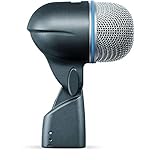
Overview: The Shure BETA 52A represents the gold standard in kick drum microphones, engineered specifically to capture the punch and power of bass instruments with precision. This supercardioid dynamic mic combines Shure’s legendary durability with specialized frequency shaping to deliver studio-quality results in both live and recording environments.
What Makes It Stand Out: The neodymium magnet provides exceptional output levels, ensuring your kick cuts through any mix without excessive gain. Its supercardioid polar pattern offers superior off-axis rejection, isolating your kick drum from adjacent cymbals and toms. The integrated locking stand adapter with XLR connector simplifies setup, particularly when positioning inside a kick drum, while the hardened steel mesh grille withstands direct beater impact.
Value for Money: While priced at a premium, the BETA 52A justifies every dollar through unmatched reliability and performance. Professional engineers consider it an investment that pays dividends across thousands of gigs and sessions. Compared to budget alternatives, its consistency, durability, and superior sound quality eliminate the need for early replacement, making it more economical long-term.
Strengths and Weaknesses: Strengths include exceptional off-axis rejection, tailored frequency response for kick drums, bulletproof construction, and industry-standard status ensuring compatibility with any PA or recording setup. The integrated shock mount reduces handling noise. Weaknesses are primarily the high price point and specialization—it’s excellent for kick drums but less versatile for other applications.
Bottom Line: The Shure BETA 52A is the definitive choice for serious drummers, FOH engineers, and studio professionals who demand reliable, superior kick drum capture. While overkill for casual users, its performance and durability make it a worthwhile investment for anyone making money with their drum sound. Accept no substitutes for professional applications.
9. Behringer BC1200 Professional 7-piece Drum Microphone Set

Overview: The Behringer BC1200 offers a comprehensive 7-piece drum microphone set designed to provide complete kit coverage for drummers and engineers working with limited budgets. From the kick drum to cymbals, this package includes specialized mics for each element of the drum set, backed by Behringer’s extensive distribution and support network.
What Makes It Stand Out: The seven-microphone configuration provides more comprehensive coverage than typical 5-piece kits, including dedicated mics for kick, four toms/snares, and two overheads for cymbals. This complete miking solution comes from an established brand with decades of experience in budget-friendly audio equipment. The standardized XLR connectors ensure compatibility with virtually any mixer or audio interface.
Value for Money: Positioned in the mid-range price bracket, the BC1200 offers reasonable value for the quantity of microphones included. For bands needing to mic a full drum kit for live shows or multi-track recording, purchasing this set is significantly cheaper than buying individual mics. The Behringer brand provides some assurance of product support and replacement availability.
Strengths and Weaknesses: Strengths include the complete 7-mic configuration, brand recognition, good component variety, and standardized connectors. The kit provides adequate coverage for most drum setups. Weaknesses involve Behringer’s reputation for variable quality control, basic accessories, potentially shorter lifespan under heavy use, and microphones that may lack the character and clarity of premium alternatives.
Bottom Line: The Behringer BC1200 serves as a solid middle-ground option for gigging bands and project studios needing complete drum coverage on a moderate budget. While individual mics won’t match premium brands, the set provides functional, usable results for live sound and demo recording. It’s a practical choice for those prioritizing completeness and brand familiarity over ultimate sonic excellence.
10. Jcurycke Bass Drum Microphone with Dynamic Pick Up Pattern, Tom Microphone Swivel Adjustable Kick Drum Mic with Durable Steel Mesh Grille Dynamic Instrument Mic
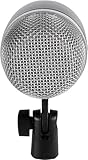
Overview: The Jcurycke Bass Drum Microphone targets budget-conscious musicians seeking professional features in a kick drum mic. This dynamic microphone promises focused low-frequency capture with convenient setup features, positioning itself as an affordable alternative to industry-standard kick drum mics for home studios and small venues.
What Makes It Stand Out: The integrated swivel joint with quick-release latch enables extremely fast positioning and adjustments, a feature typically found on more expensive microphones. The built-in dynamic locking stand adapter with integral XLR connector streamlines setup, particularly when miking inside a kick drum. Its tailored cartridge design specifically addresses kick drum and bass instrument frequencies, showing thoughtful engineering for its price class.
Value for Money: This microphone delivers outstanding value, retailing at a fraction of the cost of premium kick drum mics while incorporating professional features like the locking adapter and swivel mount. For home recording enthusiasts, small venue owners, or drummers building their first mic collection, it provides accessible, capable kick drum capture without the premium investment.
Strengths and Weaknesses: Strengths include the quick-release swivel mechanism, locking stand adapter, solid steel mesh grille, low load impedance sensitivity, and impressive affordability. The mic delivers clear kick drum reproduction for its price. Weaknesses involve the unknown brand reputation, limited user reviews for long-term reliability assessment, and potentially less robust construction compared to touring-grade alternatives.
Bottom Line: The Jcurycke Bass Drum Microphone is a smart purchase for those entering the world of drum recording or needing a spare kick mic. While it won’t replace a Shure BETA 52A in professional settings, its user-friendly features and solid performance make it an excellent value for home studios, rehearsal spaces, and small club applications. It’s a capable, feature-rich budget option.
Why Dynamic Microphones Reign Supreme for Drum Recording
Dynamic microphones have earned their throne behind drum kits through decades of road-worn reliability. Unlike their condenser counterparts, they operate without phantom power and handle extreme sound pressure levels (SPL) that would send sensitive electronics into distortion. For drum applications, this translates to capturing the punishing 140+ dB blast of a close-miked snare without flinching.
The Physics Behind Stick Impact Resistance
The secret lies in the moving-coil design. A lightweight diaphragm attached to a coil of wire moves within a magnetic field, generating voltage through electromagnetic induction. This robust mechanism lacks the delicate backplates and tensioned films found in condenser capsules. When a drumstick inevitably connects with the grille, the entire assembly can absorb and dissipate mechanical shock without catastrophic failure. In 2026, manufacturers have refined this principle with advanced suspension systems that isolate the capsule from housing impacts, turning what was once a vulnerability into a survivable event.
Moving Coil vs. Ribbon: Why Dynamics Win
While ribbon microphones offer coveted vintage warmth, their micron-thin aluminum ribbons stand zero chance against a flailing 5B stick. Modern dynamic microphones specifically engineered for drums incorporate reinforced diaphragms that maintain transient response while adding structural integrity. The mass of a dynamic capsule—often cited as a drawback for high-frequency detail—becomes an asset when deflecting physical blows. Think of it as the difference between a sports car’s delicate suspension and a rally truck’s reinforced chassis.
Critical Durability Features That Define 2026 Standards
Today’s drum microphones have evolved far beyond the utilitarian tanks of the 1990s. Manufacturers now employ finite element analysis to simulate stick impacts, resulting in designs that anticipate failure points before they reach production.
Grille Design and Material Evolution
The first line of defense is the grille itself. Modern iterations utilize hardened steel mesh with optimized aperture sizes—large enough to maintain acoustic transparency, yet dense enough to distribute impact force. Some designs incorporate dual-layer systems where an outer grille takes the initial hit while a secondary screen protects the diaphragm. Titanium-infused alloys are becoming standard in tour-grade models, offering 40% greater tensile strength than traditional chrome plating without adding significant weight.
Internal Shock Mounting Systems
Inside the housing, the capsule floats within an elastomeric suspension matrix. This isn’t just for handling noise anymore. Advanced 2026 designs use viscoelastic polymers that stiffen momentarily under sharp impact, absorbing kinetic energy before returning to their flexible state for acoustic isolation. This “smart damping” prevents the capsule from bottoming out against internal components during a direct strike.
Reinforced Housing and Connection Points
The XLR connector—the Achilles’ heel of many microphones—now features strain-relieved solder joints and reinforced pin housings. Some manufacturers have moved to integrated cable systems for dedicated drum mics, eliminating the connection point entirely. The body itself often boasts thicker gauge steel with internal ribbing that creates crumple zones, sacrificing replaceable outer components to protect the precious transducer within.
Understanding Polar Patterns for Drum Applications
Polar pattern selection directly influences both sound quality and survival odds. A microphone’s directionality determines how you position it, which in turn dictates its exposure to stick trajectory.
Cardioid for Snare and Toms
Cardioid patterns offer the sweet spot for most drum miking. Their heart-shaped pickup pattern rejects sound from the rear, allowing tight placement against the drumhead while minimizing bleed from adjacent cymbals. For stick-hit survival, this means you can angle the microphone away from the drummer’s strike path while still capturing the drum’s full tone. The 120-130 degree rejection lobe becomes your strategic advantage.
Supercardioid and Hypercardioid for Tight Isolation
When isolation is paramount—say, in a dense mic setup or hyper-aggressive playing—tighter patterns shine. Supercardioid mics provide 10-15 dB more rejection at 180 degrees than standard cardioid, letting you position them even closer to the source. The trade-off is a rear lobe that requires careful orientation away from hi-hats or cymbals. Hypercardioid patterns take this further but demand surgical precision; one degree off-axis and you’ve lost your target sound.
Omnidirectional Options for Room Ambience
While rarely used for close miking due to bleed, modern omnidirectional dynamics serve a crucial role in 2026 drum recording: boundary-style room mics. Placed on the floor or walls, they capture kit ambience without any grille exposure to sticks. Their lack of proximity effect provides a natural low-end that complements the punch of close mics.
Frequency Response: Taming the Beast
Each drum voice demands specific tonal sculpting. A microphone’s frequency response curve determines whether it flatters or fights the instrument.
Kick Drum Low-End Requirements
Kick drum microphones must navigate a paradox: capture sub-30 Hz fundamentals while surviving internal beater impacts. The solution lies in tailored low-frequency extension with controlled midrange scooping. Look for responses that peak around 60-80 Hz for thump, dip near 400 Hz to reduce boxiness, and offer a gentle 3-5 kHz presence boost for beater attack. The internal volume of the mic body itself acts as a resonant chamber in 2026 designs, enhancing low-end without electronic trickery.
Snare Crack vs. Body Balance
Snare mics walk a tightrope between capturing the crispy 5-8 kHz snap of wires and the full 200-500 Hz body of the drum. Overly bright mics exaggerate stick noise and hi-hat bleed; too dark and the snare loses its voice in the mix. The ideal response features a smooth, broad presence peak that adds cut without harshness, paired with a gentle roll-off below 150 Hz to reduce kick and tom rumble.
Tom Resonance Capture
Toms require microphones that respect their melodic nature. A slight low-mid hump around 100-200 Hz emphasizes shell resonance, while a controlled high-mid response captures stick impact without harshness. Since tom mics face the highest stick-hit risk, many 2026 designs intentionally roll off extreme highs above 12 kHz—where bleed lives—to allow closer, safer positioning.
The 2026 Microphone Ecosystem: Smart Features
The line between microphone and signal processor continues to blur. Modern drum mics increasingly ship with integrated technology that would have required outboard gear just five years ago.
Integrated DSP and Digital Hybrids
Several manufacturers now embed miniature DSP chips within the microphone body itself. These aren’t gimmicks—they provide selectable high-pass filters tuned for specific drums, transient limiters that catch unexpected SPL spikes before they hit your preamp, and even dynamic EQ that adapts to playing intensity. For stick-hit survival, some models feature impact-sensing circuits that momentarily engage a protective pad when they detect sharp mechanical shocks, preserving the capsule from both acoustic and physical overload.
Wireless Durability Concerns
The wireless revolution has reached drum miking, but with caveats. While freeing you from cable spaghetti, battery compartments and antennae introduce new failure points. 2026’s best implementations use sealed, vibration-resistant battery doors and internal antennas integrated into the mic body’s structural ribs. However, for pure stick-hit survival, traditional wired mics still hold the edge—there’s simply less to break.
Placement Strategies That Minimize Strike Risk
Even the toughest microphone benefits from intelligent positioning. The geometry of your setup determines survival rates as much as build quality.
Snare Mic Positioning Geometry
The classic SM57-style placement—aiming at the midpoint between drum center and edge, from a 30-45 degree angle—remains gospel for a reason. This position keeps the grille low and angled away from the drummer’s downstroke while capturing shell tone and snare wire sizzle. For hard hitters, consider the “under-snare” technique, mounting the mic below pointing up at the wires. It completely avoids stick contact while delivering a crisp, wire-focused tone that layers beautifully with a top mic.
Tom Mic Angling Techniques
Mounting tom mics from the rim rather than a stand reduces strike risk by 70%. Rim-mounted clamps position the microphone body parallel to the drumhead, with the grille just peeking over the rim’s edge. Angle the capsule 15-20 degrees toward the center, never directly across the strike zone. For floor toms, a side-address mic placed at 10 o’clock relative to the drummer’s perspective keeps it clear of both sticks and leg movement.
Kick Drum Boundary Solutions
The kick drum’s internal miking position eliminates stick risk entirely but introduces beater impact concerns. Modern boundary-style kick mics lie flat against the shell interior or pedal baffle, using the drum’s own structure as a shield. Their low-profile design means the beater passes overhead, and the grille receives only air pressure, not direct contact.
Budget Tiers and Long-Term Value
Price doesn’t always correlate with durability, but certain patterns emerge across market segments in 2026.
Entry-Level Workhorses
Sub-$150 drum mics now offer surprising resilience. Manufacturers achieve this by simplifying designs—fewer moving parts, fixed cardioid patterns, and robust stamped-steel grilles. These mics often sacrifice some high-frequency detail and fancy features but retain the core durability dynamic design. They’re disposable in price only; many engineers keep them as backups that outperform vintage condensers in reliability.
Mid-Range Professional Standards
The $150-$350 range represents the sweet spot for most working drummers and engineers. Here you’ll find application-specific tuning, advanced shock mounting, and modular designs that allow grille or capsule replacement in the field. These microphones balance sonic excellence with tour-worthy construction, often featuring replaceable capsules that let you refresh a stick-damaged unit without buying a whole new mic.
Premium Tour-Grade Investments
Above $350, you’re paying for aerospace-grade materials, hand-tuned capsules, and zero-compromise construction. These mics feature titanium bodies, sapphire-enhanced grilles, and suspension systems derived from motorsport technology. More importantly, they come with unconditional warranties that cover stick damage—manufacturers have calculated the risk and stand behind their engineering. For major tours and high-end studios, this insurance policy justifies the cost.
Maintenance and Longevity Protocols
A survivable microphone becomes immortal with proper care. Post-session rituals dramatically extend lifespan.
After every session, inspect grilles for dents that could touch the diaphragm. A grille brush removes stick debris and skin cells that corrode metal over time. Monthly, remove grilles (if user-serviceable) and clean them with isopropyl alcohol—this prevents rust in humid environments. Check XLR connections for looseness; a wobbly connector transfers impact force directly to solder joints. Store drum mics in dedicated hard cases with custom foam cutouts; the minor extra effort prevents the mysterious “case damage” that accounts for 60% of microphone failures.
Common Pitfalls to Avoid
Even seasoned engineers fall prey to myths that compromise mic survival.
First, never tape microphones to drums. The tape’s adhesive hardens over time, transferring vibration directly to the capsule and leaving residue that attracts dust. Second, avoid “protective” foam windscreens on close-miked drums—they absorb high-frequency transients and create a false sense of security while adding zero impact protection. Third, don’t over-tighten rim clamps; excessive pressure warps the mic body, misaligning internal components and making the unit more susceptible to damage. Finally, resist the urge to use microphone covers or “socks” during storage—these trap moisture and accelerate grille corrosion.
Frequently Asked Questions
1. Can a dynamic microphone really survive a direct stick hit without damage?
Modern tour-grade dynamics are engineered to withstand glancing blows and even direct strikes to the grille. The key is the multi-stage shock absorption system. While no mic should be intentionally targeted, 2026 designs can survive impacts that would have destroyed units from five years ago. Always check the manufacturer’s impact rating; many now specify G-force tolerance.
2. How close can I position a snare mic before it’s in danger?
The safe zone is typically 1.5-2 inches from the drumhead when using rim mounts. This provides full tone capture while keeping the grille below the stick’s typical arc. If you’re miking from a stand, position the mic 2-3 inches away and angle it 30-45 degrees off the drummer’s strike path. Listen for stick contact during soundcheck—if you hear it, you’ve gone too far.
3. Do I need different microphones for recording versus live use?
Not necessarily. Many modern drum mics are dual-purpose, but live mics prioritize durability and feedback rejection, while studio mics may offer more nuanced frequency responses. The key difference is placement flexibility. In the studio, you can position more delicate mics in safe zones; live, everything needs to survive the physical performance. A good set of durable dynamics works brilliantly for both.
4. What SPL rating should I look for in a kick drum microphone?
Target a minimum of 160 dB SPL handling, though 170+ dB is ideal for close-miking without pads. The beater’s attack creates massive pressure spikes that exceed sustained level readings. Many 2026 kick mics feature built-in attenuation circuits that engage automatically above threshold, protecting both the capsule and your preamp from overload.
5. Are wireless drum microphones durable enough for touring?
2026’s best wireless drum mics match their wired counterparts in impact resistance, but introduce battery door and antenna vulnerabilities. Look for models with locking battery compartments and internal antenna designs. For tour reliability, many engineers run hybrid setups—wireless overheads for freedom of movement, but wired close mics for absolute dependability.
6. How often should I replace the grilles on my drum mics?
Replace grilles when you notice permanent deformation that brings the mesh within 2mm of the diaphragm, or if corrosion compromises the mesh integrity. For heavy-touring acts, this might be annually. For studio use, every 2-3 years. Most manufacturers sell replacement grilles for under $30—far cheaper than a new microphone.
7. Can I use the same microphone for snare and toms?
Technically yes, but application-specific designs yield better results. Snare mics emphasize upper-mid presence for cut; tom mics boost low-mid warmth for body. However, a versatile cardioid dynamic with a relatively flat response can work across the kit in a pinch. Many engineers standardize on one model for simplicity, using EQ to tailor each drum’s voice.
8. What’s the biggest mistake that leads to broken drum mics?
Improper stand placement accounts for most failures. Drummers instinctively adjust stands mid-performance, often bending them into the strike zone. Rim mounts eliminate this variable. The second biggest culprit is using vocal mics on drums—they lack internal shock mounting and have grilles designed for breath, not impact.
9. Do I need to high-pass filter my drum mics?
Almost always. Engage a high-pass filter around 80-100 Hz on snare and tom mics to reduce kick bleed and low-frequency rumble. Many 2026 drum mics include switchable HPF circuits tuned specifically for each drum type. This cleans up the mix and lets you position mics closer without capturing excessive low-end muddiness.
10. Will AI-powered microphones change drum recording in 2026?
AI integration is emerging in overhead and room mics, where algorithms can identify and isolate individual drums in real-time. For close mics, the technology is less relevant—the physics of durability and basic transduction remain unchanged. The real 2026 innovation is smart protection circuitry, not sonic manipulation. Focus on build quality and time-tested dynamic principles first.
See Also
- How to Solve Hiss Noise with the 10 Best Dynamic Microphones for Live Gigs in 2026
- 10 Dynamic Microphones for Blues Harmonica Players in 2026
- 10 Best Dynamic Microphones for Harmonica Players in 2026
- 10 High-SPL Dynamic Microphones for Guitar Amps That Won’t Distort in 2026
- 10 Dynamic Microphones for Podcasting in Untreated Rooms in 2026