Table of Contents
Every touring musician knows the gut-wrenching sound of gear failing at the worst possible moment—that metallic clang of a saxophone stand collapsing backstage seconds before your cue. On the road, your instrument stand isn’t just another accessory; it’s the silent bodyguard protecting your livelihood through hundreds of load-ins, chaotic festival changes, and cramped van pack-downs. While studio musicians can baby their equipment, road warriors need stands engineered to survive everything from TSA handling to surprise rain showers at outdoor venues.
Finding a truly durable saxophone stand means looking beyond flashy marketing and understanding the engineering that separates road-worthy equipment from glorified living room furniture. This guide cuts through the noise to examine what really matters when your stand needs to survive 200+ shows per year, cross-country flights, and the inevitable abuse of touring life. We’ll explore the materials, design principles, and critical features that define touring-grade durability—helping you make an informed investment that protects both your instrument and your peace of mind.
Top 10 Saxophone Stands
Detailed Product Reviews
1. Hercules DS530BB Alto/Tenor Saxophone Stand with Bag

Overview: The Hercules DS530BB represents the gold standard for portable saxophone stands, designed for both alto and tenor saxophones. This professional-grade stand combines robust construction with intelligent engineering, providing secure instrument support for gigging musicians and serious students alike. The inclusion of a carrying bag enhances its portability, making it ideal for performers who need reliable protection across various venues.
What Makes It Stand Out: Hercules’s signature locking pin system sets this stand apart from competitors. The Folding Yoke features a locking pin that secures the upper yoke in position, while a second locking pin ensures the stand remains stable during use and allows for instant folding when pressed. This dual-locking mechanism eliminates the wobble and collapse risks common in budget stands, offering peace of mind when your valuable instrument is at rest.
Value for Money: Positioned in the mid-premium range, the DS530BB justifies its price through superior engineering and durability. While cheaper alternatives exist, they often lack the security features and brand reliability that Hercules delivers. The stand’s longevity and included carrying bag make it a worthwhile investment, costing less than a single repair if a inferior stand fails and damages your saxophone.
Strengths and Weaknesses: Strengths include exceptional stability, the innovative locking pin system, compact folding design, and reputable brand backing. The padded contact points protect instrument finish effectively. Weaknesses are its slightly higher price point compared to generic brands and marginally heavier weight due to robust construction. Some users may find the locking mechanisms require brief familiarization.
Bottom Line: The Hercules DS530BB is an excellent choice for musicians prioritizing instrument safety and reliability. Its thoughtful design and proven durability make it worth every penny for regular performers and serious students.
2. EASTROCK Alto&Tenor Saxophone Stand Folding Saxophone Stand Saxophone Holder Rack with 2 Detachable Flute/Clarinet Holders Carrying Bag

Overview: The EASTROCK Saxophone Stand delivers remarkable versatility as a budget-friendly solution for multi-instrumentalists. Designed to accommodate both alto and tenor saxophones, this metal stand includes two detachable flute/clarinet holders, transforming it into a comprehensive instrument support system. The foldable design and included flannel bag make it practical for students and musicians needing portable, multi-purpose equipment.
What Makes It Stand Out: The standout feature is undoubtedly the two removable flute/clarinet pegs, allowing simultaneous support of multiple instruments—a rarity at this price point. The ergonomic adjustable backrest adapts to both alto and tenor saxes, while the tripod base provides reasonable stability. The anti-rust metal construction with soft padding demonstrates attention to instrument protection typically absent in economy stands.
Value for Money: This package offers exceptional value, essentially providing three stands for the price of one. Competing products with similar multi-instrument capability often cost twice as much. While the materials may not match premium brands, the inclusion of detachable holders and a carrying bag makes it an unbeatable proposition for students, music educators, or doublers on a tight budget.
Strengths and Weaknesses: Strengths include multi-instrument versatility, affordable pricing, complete accessory package, and decent portability. The soft pads protect finishes adequately. Weaknesses involve slightly less robust construction than professional-grade stands, potential stability concerns with heavier tenor saxes, and basic finishing that may show wear over time. The tripod legs may not grip as securely as weighted alternatives.
Bottom Line: Perfect for students and multi-instrumentalists seeking maximum functionality on a limited budget. The EASTROCK stand sacrifices some premium build quality for outstanding versatility and value.
3. Gonioa Folding Saxophone Stand for Alto Sax, Alto Tenor Sax Stand, Adjustable Metal Triangle Base Design Saxophone Holder Rack Portable Musical Instrument

Overview: The Gonioa Folding Saxophone Stand positions itself as a practical, security-focused option for gigging saxophonists. Engineered for both alto and tenor saxophones, this adjustable metal stand emphasizes instrument protection through its unique chain lock mechanism. The foldable, tripod-based design prioritizes portability without sacrificing stability, making it suitable for musicians who frequently transport their gear between rehearsals and performances.
What Makes It Stand Out: The distinctive chain lock at the bell mouth provides an extra layer of security unmatched by conventional stands, preventing instrument slippage during accidental bumps. Constructed from corrosion-resistant alloy, it promises durability in varying environmental conditions. The adjustable backrest accommodates both saxophone types seamlessly, while the soft-padded arms ensure finish protection.
Value for Money: This mid-range stand offers compelling value for musicians prioritizing security features. While priced slightly above basic models, the chain lock innovation and corrosion-resistant materials justify the premium. It competes favorably with stands lacking such protective measures, potentially saving costly repairs from instrument falls.
Strengths and Weaknesses: Strengths include the innovative chain lock system, durable alloy construction, effective padding, and straightforward folding mechanism. The tripod base provides adequate stability for most settings. Weaknesses stem from its lesser-known brand reputation compared to industry stalwarts, potentially affecting long-term support. The chain lock, while secure, adds a setup step some may find inconvenient. Finish quality may not match premium competitors.
Bottom Line: The Gonioa stand suits gigging musicians seeking enhanced instrument security without breaking the bank. Its chain lock feature provides welcome peace of mind in busy performance environments.
4. Musbeat Saxophone Stand, Saxophone Stand for Alto and Tenor, Mahogany Hardwood Alto Sax Stand with Soft Silicone Yokes, Handcrafted Wooden Tenor Saxophone Holder for Home Studio Display

Overview: The Musbeat Saxophone Stand redefines instrument support as a handcrafted furniture piece rather than mere equipment. Constructed from solid mahogany hardwood with soft silicone yokes, this premium stand serves both alto and tenor saxophones. Designed primarily for home studios and display purposes, its substantial weight and elegant aesthetics make it as much a decorative statement as a functional tool, transforming your instrument into showcased art.
What Makes It Stand Out: The rich mahogany construction delivers unparalleled stability through sheer mass, eliminating tipping concerns common with lightweight metal stands. Each stand features unique wood grain patterns, creating a one-of-a-kind display piece. The soft silicone yokes provide superior finish protection compared to conventional foam padding, while the handcrafted quality exudes luxury and permanence.
Value for Money: This premium-priced stand justifies its cost through genuine hardwood materials and artisanal craftsmanship. While significantly more expensive than metal alternatives, it serves dual purposes as instrument support and room décor. For musicians wanting to display their saxophone prominently, it eliminates the need for separate furniture, representing long-term value despite the initial investment.
Strengths and Weaknesses: Strengths include exceptional stability, stunning aesthetic appeal, superior finish protection, and furniture-quality construction. It keeps instruments readily accessible for practice. Weaknesses are substantial weight limiting portability, vulnerability to humidity changes requiring care, and high price point unsuitable for gigging musicians. The wooden construction may not withstand heavy touring abuse.
Bottom Line: Ideal for home studio owners and musicians treating their instrument as art. The Musbeat stand excels as a permanent display solution where aesthetics and stability outweigh portability concerns.
5. Rhythm Folding Saxophone Stand, Alto/Tenor Sax Stand, Adjustable Saxophone Holder Rack Portable Saxophone Stand

Overview: The Rhythm Folding Saxophone Stand delivers bare-bones functionality for musicians seeking the most economical option. Designed to support both alto and tenor saxophones, this no-frills stand focuses on essential features: an adjustable backrest and foldable tripod design. Its minimalist approach targets beginners and casual players who need basic instrument support without investing in premium construction or multiple accessories.
What Makes It Stand Out: This stand’s primary distinction is its stripped-down simplicity and likely rock-bottom pricing. The foldable design allows for basic portability, while the adjustable backrest accommodates both saxophone types adequately. Without complex mechanisms or extra features, it offers straightforward operation that even novices can master immediately.
Value for Money: As presumably the most budget-conscious option, it provides essential functionality at minimal cost. For absolute beginners uncertain about their commitment to saxophone or students on the tightest budgets, it delivers the core requirement—keeping your instrument off the floor—without financial strain. However, long-term durability concerns may necessitate earlier replacement than pricier alternatives.
Strengths and Weaknesses: Strengths include ultra-affordability, simple operation, lightweight portability, and basic adjustability. It fulfills fundamental needs without complication. Weaknesses encompass potentially inferior materials, questionable long-term stability, lack of included carrying bag, minimal padding quality, and absence of security features. The tripod base may be prone to tipping with heavier instruments.
Bottom Line: Suitable only for absolute beginners or as a temporary solution. Serious students and performers should invest more in secure, durable alternatives that offer better instrument protection and longevity.
6. Musbeat Saxophone Stand, Saxophone Stand for Alto and Tenor, Walnue Hardwood Alto Sax Stand with Soft Silicone Yokes, Handcrafted Wooden Tenor Saxophone Holder for Home Studio Display

Overview: The Musbeat Saxophone Stand redefines instrument storage by merging functional stability with furniture-grade aesthetics. Crafted from solid walnut hardwood, this heavy-duty stand addresses the common frustration of flimsy metal stands that threaten to topple with minor disturbances. Designed for both alto and tenor saxophones, it transforms your instrument from a mere tool into a display-worthy art piece while providing robust protection.
What Makes It Stand Out: Unlike conventional metal stands, the Musbeat features a substantially weighted hardwood base that anchors your saxophone securely. The dual soft silicone yokes cradle your instrument at critical contact points, eliminating finish damage concerns. Its handcrafted walnut construction showcases unique grain patterns, making each stand a one-of-a-kind conversation piece that complements home studios and living spaces far better than utilitarian black metal alternatives.
Value for Money: While priced significantly above basic folding stands, the Musbeat delivers dual functionality as both instrument holder and decorative furniture. Comparable hardwood stands often exceed this price point, and the cost justification comes from its heirloom-quality materials and craftsmanship. For musicians seeking a permanent home solution rather than a portable gig accessory, this represents a sound long-term investment.
Strengths and Weaknesses: Strengths include exceptional stability, stunning aesthetic appeal, superior instrument protection, and dual saxophone compatibility. The heavyweight base prevents tipping better than any portable stand. However, its substantial weight limits transportability, the premium price may deter budget-conscious buyers, and it lacks the quick-fold convenience of metal stands for gigging musicians.
Bottom Line: The Musbeat stand excels for stationary use in homes and studios where display matters as much as function. If you prioritize stability, aesthetic elegance, and permanent readiness for practice, this stand justifies its premium price. Gigging musicians needing portability should look elsewhere, but for dedicated practice spaces, it’s an exceptional choice.
7. STRICH Wooden Saxophone Stand Display For Alto Tenor Sax, Handmade Solid Wood Floor Stand Holder Colour Walnut, Weighted Heavy Base (FH-4, Sax)

Overview: The STRICH Wooden Saxophone Stand delivers furniture-quality craftsmanship for discerning saxophonists seeking a permanent home for their alto or tenor instrument. Built from solid hardwood with a weighted base, this stand prioritizes stability over portability. Its hand-rubbed natural oil finish highlights unique wood grain patterns, positioning it as both functional equipment and decorative accent piece for any music room or studio environment.
What Makes It Stand Out: The stand’s remarkably simple one-minute assembly process distinguishes it from complex multi-part systems. Using just two screws and rotating yokes, setup requires minimal effort and no technical expertise. Each unit’s distinct wood grain ensures no two stands are identical, while the anti-slip rubber base provides enhanced floor grip. The professional design focuses exclusively on alto and tenor saxophones, optimizing support without compromise.
Value for Money: Positioned in the premium category alongside other hardwood stands, the STRICH justifies its cost through solid construction and dual-purpose functionality. It eliminates the need for separate instrument storage and display furniture. While more expensive than folding metal stands, its durability and aesthetic appeal offer better long-term value for stationary applications, making it a worthwhile investment for serious hobbyists and professionals.
Strengths and Weaknesses: Key strengths include rapid assembly, exceptional stability from the heavy base, scratch-free silicone yokes, and stunning visual appeal. The solid hardwood build ensures decades of reliable service. However, the stand’s weight makes it impractical for travel, its fixed design limits portability, and the premium price point exceeds budget-friendly options. It also lacks additional pegs for other instruments.
Bottom Line: The STRICH stand suits musicians seeking a beautiful, permanent saxophone display solution with hassle-free assembly. Its stability and craftsmanship excel in home studios where aesthetics matter. For gigging players requiring portability, consider folding alternatives. For everyone else wanting their instrument accessible and elegantly displayed, this stand delivers exceptional quality.
8. Hercules Stands DS533BB Alto/Tenor Saxophone Stand with Soprano Sax Peg

Overview: The Hercules DS533BB represents the industry standard for portable saxophone stands, accommodating both alto and tenor saxophones while including a dedicated peg for soprano sax. This folding stand addresses the needs of working musicians who require reliable instrument support across multiple horns. Its compact design and proven Hercules engineering make it a staple for gigging players who prioritize functionality and transportability over decorative appeal.
What Makes It Stand Out: The integrated soprano sax peg sets this model apart from basic alto/tenor stands, offering triple-instrument capability in one unit. Hercules’s reputation for robust construction ensures dependable performance night after night. The folding mechanism allows breakdown in seconds, fitting easily into gig bags or storage compartments. This versatility makes it invaluable for multi-instrumentalists and educators who frequently switch between saxophones.
Value for Money: Priced in the mid-range category, the DS533BB commands a slight premium for the Hercules brand name, but delivers proven reliability that budget alternatives cannot match. The ability to securely hold three instruments simultaneously eliminates the need for multiple stands, effectively reducing overall equipment costs. For working musicians, the durability and multi-horn functionality provide excellent return on investment.
Strengths and Weaknesses: Strengths include exceptional portability, triple-instrument capacity, quick setup/breakdown, and trusted brand reliability. The stand’s relatively lightweight design facilitates transport without sacrificing stability for stage use. However, it lacks the weighted base of premium wooden stands, making it more susceptible to tipping in high-traffic areas. The utilitarian metal appearance offers little aesthetic value for home display, and the soprano peg adds minimal value for players who don’t own that instrument.
Bottom Line: The Hercules DS533BB excels for gigging musicians and educators needing portable, multi-instrument support. Its reliability and compact design make it perfect for stage and studio work. For home display or maximum stability, consider weighted wooden alternatives. For everyone else, this stand remains a professional workhorse that justifies its price through proven performance and versatility.
9. Hercules Stands DS630BB Alto/Tenor Saxophone Stand with Auto Grip

Overview: The Hercules DS630BB elevates portable saxophone stand design with its innovative Auto Grip System, providing automated instrument security for alto and tenor saxophones. This advanced folding stand targets serious musicians who demand maximum protection for their valuable instruments without sacrificing portability. The included carrying bag enhances its gigging credentials, making it a comprehensive solution for professionals on the move.
What Makes It Stand Out: The Auto Grip mechanism automatically locks the instrument in place upon placement and releases it with a gentle lift, eliminating manual clamping and reducing the risk of accidental drops. This hands-free operation proves invaluable during quick instrument changes on stage. The system provides consistent, reliable pressure distribution across contact points, preventing finish damage while ensuring stability superior to traditional yoke designs.
Value for Money: Positioned at the higher end of the portable stand market, the DS630BB’s premium price directly reflects its advanced Auto Grip technology. For musicians owning professional-grade saxophones worth thousands of dollars, this added security feature justifies the cost difference over basic models. The included carrying bag and Hercules’s renowned durability further enhance its value proposition, making it a smart investment for touring professionals.
Strengths and Weaknesses: Key strengths include the revolutionary Auto Grip system, rapid deployment, excellent portability, and included storage bag. The automated locking mechanism provides peace of mind unmatched by manual stands. However, the higher price point may deter casual players, the mechanical system adds complexity that could potentially require maintenance, and the metal construction lacks the aesthetic appeal of wooden stands for home use. Some users may find the grip pressure requires adjustment for different instrument finishes.
Bottom Line: The DS630BB stands as the premier choice for gigging professionals who prioritize instrument security above all else. The Auto Grip system offers unparalleled protection and convenience for valuable saxophones. While overkill for beginners or stationary home use, touring musicians and frequent performers will find the premium features well worth the investment for the added safety and peace of mind.
10. REMAGIC Alto & Tenor Saxophone Stand, Foldable Saxophone Stand Holder Rack, Adjustable Metal Sax Tripod Holder Rack, Portable Musical Instrument Accessories
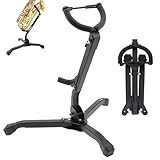
Overview: The REMAGIC Alto & Tenor Saxophone Stand offers an affordable entry into adjustable, portable instrument support, targeting budget-conscious musicians and students. This folding metal tripod stand features an adjustable backrest and integrated chain lock, attempting to deliver premium functionality at a fraction of brand-name prices. Its lightweight design prioritizes portability and easy storage for players just beginning their musical journey.
What Makes It Stand Out: The integrated chain lock at the bell mouth provides an unexpected security feature rarely found in budget stands, offering additional theft deterrence and stability. The adjustable backrest accommodates various saxophone models, enhancing versatility. Its tool-free folding mechanism allows instant setup and breakdown, making it ideal for students transporting between home, school, and practice spaces without hassle.
Value for Money: This stand dramatically undercuts competitors like Hercules while offering comparable features including padded arms and folding legs. For beginners and intermediate players, it delivers essential functionality without the brand premium. While long-term durability remains unproven compared to established manufacturers, the price point allows replacement several times over before matching the cost of a single premium stand, making it an economically sound choice for developing musicians.
Strengths and Weaknesses: Strengths include exceptional affordability, lightweight portability, the unique chain lock feature, and adjustable design. The soft padded arms provide adequate finish protection for student instruments. However, the unknown brand reputation raises durability concerns, the metal construction may not withstand heavy touring abuse, and stability likely falls short of weighted premium stands. The aesthetic is purely utilitarian, offering no decorative value for home display.
Bottom Line: The REMAGIC stand serves as an excellent starter option for students and casual players seeking basic functionality on a tight budget. Its portability and security features exceed expectations for the price. Serious musicians and frequent performers should invest in proven brands, but for beginners needing an affordable, functional stand for home and school use, this delivers remarkable value despite some quality compromises.
Why Durability Matters on the Road
Touring musicians face unique challenges that studio players never encounter. Your stand gets tossed into trailers, shoved into overhead bins, and hurriedly packed while roadies shout countdowns. A durable stand prevents costly instrument damage, eliminates pre-show anxiety, and saves money long-term by avoiding constant replacements. The road doesn’t forgive weak points—every connection point, weld, and adjustment mechanism gets tested daily.
Key Materials That Define Stand Durability
Metal Alloys: Steel vs. Aluminum Construction
The backbone of any touring stand starts with its metal composition. Steel offers unmatched strength and vibration resistance, crucial for preventing tip-overs when stage vibrations from bass amps threaten stability. Look for powder-coated steel that resists rust and chipping. Aluminum provides lighter weight options, but not all aluminum is equal—aircraft-grade 6061-T6 aluminum delivers strength without excessive weight, while cheaper alloys bend under pressure. The sweet spot often lies in hybrid designs using steel for critical load-bearing components and aluminum for non-structural parts.
Plastic Components: Where Most Stands Fail
This is where durability dreams go to die. Cheap ABS plastic pegs and adjustment collars crack in cold weather and warp in hot vans. Touring-grade stands use glass-reinforced nylon or Delrin for plastic parts—these engineered polymers maintain structural integrity across extreme temperature ranges from freezing outdoor festivals to sweltering summer tours. Always inspect plastic components for thickness and reinforcement; if it feels flimsy in your hand, it won’t survive the road.
Understanding Weight vs. Stability Trade-offs
The heaviest stand isn’t automatically the most stable, and the lightest isn’t necessarily fragile. Smart engineering trumps raw weight every time. A well-designed 3-pound stand with a low center of gravity and strategic weight distribution can outperform a clumsy 8-pound model. Consider your physical needs—sax players with back issues shouldn’t sacrifice their health for an unnecessarily heavy stand, but don’t go ultralight if you play in high-traffic areas where bumps are inevitable.
The Importance of Collapsible Design
One-Piece vs. Multi-Piece Collapse
Touring stands must break down quickly and pack flat. One-piece designs that fold like camera tripods eliminate lost parts but sometimes compromise on stability. Multi-piece systems with removable pegs pack smaller but risk losing components in dark venues. The gold standard? Stands where all pieces remain tethered together during breakdown—look for designs with captive screws and attached pegs that can’t disappear into the void of a tour van.
Locking Mechanisms That Actually Hold
A collapsible stand is useless if the locks fail. Cam-lever locks offer fastest setup but wear out faster than threaded collars. The most reliable systems combine both—quick-release for speed, with secondary threaded locks for security. Test any stand by extending it fully and applying downward pressure; if you feel any wiggle or hear clicking sounds, walk away. On tour, that wiggle becomes a failure point.
Base Design: Tripod vs. Solid Base
Tripod Advantages for Uneven Stages
Three-legged stands dominate touring for good reason—they adapt to sloped stages, grass, and uneven concrete where four-legged bases rock and wobble. Wide-spread tripod bases with rubberized feet provide stability without excessive weight. The critical spec is the spread diameter; wider generally means more stable, but too wide creates tripping hazards in cramped wings.
When Solid Bases Make Sense
Solid circular bases excel in controlled environments but falter on real-world stages. However, some touring saxophonists prefer them for studio sessions on the road or permanent backline situations. If you choose this route, ensure the base is weighted and features non-slip rubber that won’t harden and crack after months in a hot vehicle.
Peg and Yoke Design Considerations
Saxophone-Specific Support Systems
Generic instrument stands won’t cut it for saxophones, which have complex keywork and delicate brass bodies. The best designs use adjustable yokes that cradle the bell without pressing on keys. Look for U-shaped supports rather than single pegs, which concentrate pressure and can dent bells over time. The contact points should be minimal but strategic—supporting the bell rim and lower body tube while keeping keys completely clear.
Anti-Rotation Features
A common failure point is the peg rotating under instrument weight, slowly loosening until collapse. Quality stands include keyed shafts, splined connections, or set-screw mechanisms that lock pegs in place permanently. Test this by trying to twist the peg while fully assembled—any movement indicates a design that will fail under tour conditions.
Height Adjustability and Locking Mechanisms
Telescoping Tubes: What to Inspect
Height adjustment must be smooth but rock-solid when locked. Inspect the tube overlap—quality stands have at least 4 inches of tube engagement at minimum height, preventing wobble. The inner tubes should be slightly thicker gauge metal than outers, a sign of engineering forethought. Avoid stands with more than three telescoping sections; each joint is a potential failure point.
Locking Collars That Survive Thousands of Cycles
The best height locks use brass or stainless steel threaded inserts rather than direct plastic-on-metal threading. Metal threads last exponentially longer and resist cross-threading during rushed setups. For lever locks, inspect the cam mechanism—quality versions use hardened steel cams; cheap ones use pot metal that deforms under pressure.
Protective Padding: What to Look For
Material Quality and Placement
EVA foam padding protects instrument finish but deteriorates over time. Touring-grade stands use closed-cell foam that doesn’t absorb moisture or compress permanently. Better yet, some premium stands use injection-molded rubber padding that lasts years. Check that padding covers all contact points completely, with no exposed metal edges that could scratch your horn during a rushed placement.
Replaceable Padding Systems
The best stands feature user-replaceable padding that can be swapped in minutes without tools. This extends stand life dramatically and allows customization for different instruments. On tour, carry spare padding strips—they weigh nothing and can save a show if padding fails.
Weather Resistance for Outdoor Gigs
Corrosion Protection Beyond the Surface
Powder coating helps, but it’s the details that matter. All internal tubes should be treated or coated to prevent rust from condensation that drips inside during humid outdoor shows. Stainless steel hardware is non-negotiable—regular steel screws will rust solid within months of outdoor touring. Look for sealed adjustment mechanisms that keep moisture out of threads and cams.
UV Resistance for Longevity
Stands left in sunny festival environments degrade quickly. UV-resistant coatings prevent powder coat from chalking and cracking. Black stands absorb more heat, which can affect plastic components—consider dark bronze or silver finishes for extensive outdoor touring.
Transport and Storage Solutions
Gig Bag Compatibility
Your stand must fit in your existing case or gig bag. Measure your bag’s external pocket dimensions before buying. The best touring stands pack down under 20 inches long and under 4 inches diameter. Some designs nest pegs inside the collapsed tubes—brilliant space-saving engineering that prevents lost parts.
Airline Travel Considerations
If you fly to gigs, weight and packed size become critical. Stands under 3 pounds packed avoid overweight baggage fees. Consider stands that disassemble completely but use captive fasteners—nothing screams “lost gear” like a TSA agent unscrewing a non-captive bolt that rolls under the conveyor belt.
Weight Capacity Considerations
Understanding Real vs. Rated Capacity
Manufacturers often overstate weight capacity. A stand rated for 15 pounds might hold that weight statically, but dynamic loads from bumping or instrument vibration require a safety factor. For saxophones, which typically weigh 6-9 pounds, choose stands rated for at least 20 pounds. This provides a 2-3x safety margin that accounts for real-world abuse.
Multi-Instrument Support
If you double on soprano and alto, or need to hold multiple horns, look for stands with modular add-on capabilities. The base should handle 30+ pounds without tipping. Be wary of stands with narrow footprints that become top-heavy with multiple instruments—they’re accidents waiting to happen in dark backstage areas.
Quick Setup and Breakdown Features
One-Handed Operation
The best touring stands allow one-handed setup while you hold your instrument in the other. This requires smooth action and automatic leg locks that engage without manual intervention. Test this yourself—if you need both hands to fumble with leg releases, it’s not tour-worthy.
Color-Coded or Intuitive Assembly
After a 3 AM load-out, you shouldn’t need to think about assembly. Quality stands use asymmetrical designs that only fit together one correct way, or color-coded alignment marks that guide setup in seconds. Avoid stands with symmetrical parts that can be assembled incorrectly, leading to instability.
Red Flags: What to Avoid
Warning Signs of Cheap Construction
Spot touring disasters before they happen. Stands with visible weld spatter, inconsistent powder coating, or sharp metal edges from poor deburring signal rushed manufacturing. Shake the stand—any rattling indicates loose tolerances. Check for plastic washers at metal-on-metal contact points—their absence means premature wear. Avoid stands where the center column wobbles in the base when fully extended; this design flaw multiplies under instrument weight.
Marketing Gimmicks That Compromise Durability
“Billet aluminum” sounds premium but offers no advantage over properly engineered extrusions. “Carbon fiber” components rarely provide real benefits and often fail catastrophically rather than bending like metal. “Tool-free assembly” often means weak plastic thumbscrews—professional stands use hex-key fasteners that stay tight and can be adjusted to proper torque.
Maintenance Tips for Longevity
Pre-Tour Inspection Checklist
Before each tour, inspect all locking mechanisms for wear, check padding for compression, and test each joint for developing looseness. Apply dry lubricant to threaded sections—never oil, which attracts dust and grit. Tighten all fasteners to spec using a torque wrench; over-tightening strips threads while under-tightening allows vibration damage.
Field Repairs and Spare Parts
Carry a small repair kit: spare rubber feet, thread locker, zip ties for emergency fixes, and the correct hex keys for your stand. Know which parts are user-replaceable and order spares before touring. The best manufacturers sell rebuild kits with all wear parts—this extends stand life indefinitely and costs far less than replacement.
Budget vs. Investment: Making the Smart Choice
The True Cost of Cheap Stands
A $30 stand that fails and damages your $3,000 saxophone isn’t a bargain. Calculate cost-per-use: a $150 stand lasting 5 years (500+ shows) costs $0.30 per use. A $50 stand replacing every year costs more and risks your instrument. Touring musicians should view stands as insurance, not expenses.
When to Splurge on Premium Features
Invest in stainless steel hardware, replaceable padding, and robust locking mechanisms. These features pay for themselves in reliability. However, don’t overpay for brand prestige or unnecessary features like built-in drink holders that add weight and failure points. Focus engineering excellence over marketing flash.
Customization for Specific Touring Needs
Adapting Stands for Unique Instruments
Baritone saxophonists face special challenges requiring stands with wider bases and reinforced yokes. Some touring pros modify stands with aftermarket counterweights for extreme stability. For vintage instruments with delicate lacquer, add supplemental padding using neoprene strips secured with cable ties—customizable protection without permanent modification.
Integration with Pedalboards and Gear
Modern touring saxophonists often use effects loops and wireless systems. Some stands offer integrated cable management clips that keep signal paths clean and prevent tripping hazards. Consider stands with accessory trays or clamp-mounting points for tablet holders (for setlists) or small personal monitor controls.
Environmental Considerations for Sustainable Touring
Repairable vs. Disposable Design
Touring generates significant waste. Choose stands designed for repairability—those with standard-sized fasteners and available spare parts. Some manufacturers offer trade-in programs for worn stands, recycling metal components. This isn’t just eco-conscious; it’s practical economics for musicians who tour extensively.
Frequently Asked Questions
How much should I realistically spend on a touring-grade saxophone stand?
Expect to invest between $80 and $180 for a stand that will reliably survive multiple tours. Below this range, corners are cut in materials that lead to field failures. Above this, you’re often paying for brand prestige rather than functional improvements. The sweet spot is around $120 for stands with stainless hardware and replaceable parts.
What’s the ideal weight for a portable yet stable sax stand?
For most touring scenarios, aim for 3.5 to 5 pounds. This provides enough mass for stability while remaining manageable during load-ins. If you exclusively fly to gigs, consider premium aluminum designs under 3 pounds, but accept you’ll need to be more careful about placement in high-traffic areas.
How do I know if a stand will fit in my instrument case?
Measure your case’s external pocket dimensions carefully, then check the stand’s packed dimensions. Most quality stands pack to 18-20 inches long and 3-4 inches diameter. If measurements are close, contact the manufacturer for real-world packed size photos—published specs don’t always reflect reality with padding and hardware.
Can one stand safely hold multiple saxophones?
Yes, but choose wisely. The base must have at least a 24-inch spread and be rated for 30+ pounds. Position the heaviest instrument (usually tenor or bari) lowest on the stand. Never stack more than two saxophones on a portable stand—use separate stands for three or more horns to avoid catastrophic tip-overs.
How often should I replace the protective padding?
Inspect padding monthly during active touring. Replace when you notice permanent compression marks deeper than 1/8 inch or any cracking/tearing. Most quality padding lasts 1-2 years of heavy use. Carry spare padding strips and replace them during routine maintenance rather than waiting for failure.
What’s the best base design for outdoor festival stages?
Tripod bases with independently adjustable legs handle uneven terrain best. Look for stands where each leg angle can be locked separately, allowing stable setup on slopes up to 15 degrees. Rubber feet should be aggressive enough to grip grass but not so soft they pick up gravel that scratches indoor stages.
How do I prevent my stand from being stolen at venues?
While no stand is theft-proof, use stands with non-reflective finishes that don’t attract attention. Some touring musicians lightly engrave contact info on the underside of the base. More practically, develop a habit of breaking down stands immediately after sets rather than leaving them on stage during headliner performances.
Are carbon fiber stands worth the premium price for touring?
Generally, no. Carbon fiber excels in weight savings but fails catastrophically without warning—metal bends first, giving you notice. Additionally, carbon fiber doesn’t handle side impacts well, like when a stand gets tossed into a trailer. The weight savings rarely justify the cost and risk for most touring scenarios.
What’s the most common failure point on saxophone stands?
Height adjustment collars fail first, followed by plastic peg connectors. Collars with metal threads last 10x longer than plastic-threaded versions. Carry spare collars if your stand uses them—they’re small, cheap, and can save a tour. Check these components weekly for developing cracks or thread wear.
Can I modify a budget stand to make it tour-worthy?
Some modifications help, but they can’t fix fundamental design flaws. You can upgrade hardware to stainless steel bolts and add supplemental padding, but you can’t fix weak base castings or inadequate tube gauge. It’s better to invest in a properly engineered stand from the start. However, adding aftermarket counterweights to a decent mid-range stand can significantly improve stability without breaking the bank.
See Also
- The 10 Most Durable Saxophone Stands for Baritone Players in 2026
- The 10 Most Durable Saxophones for Touring Musicians in 2026
- 10 Anti-Tip Saxophone Stands for Marching Band Routines in 2026
- 10 Ultimate Saxophone Stands for Doublers (Alto & Tenor) in 2026
- 10 Best Saxophone Stands for Jazz Club Gigs That Fit Behind Crowded Stages