Table of Contents
The golden years should be filled with the joy of music, not the burden of constant instrument maintenance. As we age, the dream of having a beautiful piano in the home often collides with the reality of physical limitations, fixed incomes, and the sheer hassle of caring for a traditional acoustic instrument. Fortunately, 2026 brings a new generation of digital console pianos that deliver the elegance and playing experience seniors crave—without the tuning, climate control, and heavy upkeep that acoustic pianos demand. These sophisticated instruments combine authentic touch and tone with thoughtful features designed specifically for mature players who want to focus on their music, not maintenance.
Today’s digital console pianos have evolved far beyond the electronic keyboards of decades past. They now offer graded hammer-action keys that mimic the feel of premium acoustic pianos, advanced sound sampling that captures every nuance of a concert grand, and elegant cabinetry that complements any living space. For seniors, the benefits extend even further: volume control for hearing sensitivity, headphone jacks for private practice, and interfaces designed with larger text and simpler navigation. Let’s explore what makes these instruments the perfect choice for discerning musicians who value both quality and convenience.
Top 10 Console Pianos


Detailed Product Reviews
1. Yamaha YDP184 Console Digital Piano with Weighted 88-Key Graded Hammer 3 Action, CFX Concert Grand Piano Sound, Includes Bench (Dark Rosewood)
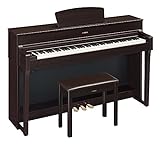
Overview: The Yamaha YDP184 represents the pinnacle of the Arius line, delivering a sophisticated console piano experience for discerning home musicians. This instrument combines Yamaha’s flagship CFX concert grand sampling with advanced digital technology in an elegant dark rosewood cabinet that complements any living space while providing serious pianists with a practice instrument that responds authentically to nuanced playing.
What Makes It Stand Out: The full VRM (Virtual Resonance Modeling) technology sets this apart from lesser models, recreating the complex sympathetic resonances of a true acoustic grand. The full dot LCD display provides intuitive navigation through its comprehensive features, while the included padded bench and accessories make it a complete package ready for serious practice sessions without additional purchases.
Value for Money: Positioned at the premium end of the console piano market, the YDP184 justifies its price through authentic hammer action, flagship sound engine, and furniture-grade construction. While more expensive than entry-level digitals, it costs a fraction of an acoustic upright while requiring no tuning or maintenance, saving thousands over its lifetime.
Strengths and Weaknesses: Strengths: Authentic GH3 weighted action with moisture-absorbing keytops; flagship CFX Premium sound; comprehensive VRM technology; elegant console design; complete accessory package. Weaknesses: 128-note polyphony may limit complex pedaling in advanced pieces; premium pricing exceeds casual learners’ budgets; heavier than portable alternatives at nearly 120 pounds.
Bottom Line: Ideal for intermediate to advanced pianists seeking acoustic authenticity in a beautiful, maintenance-free package. The YDP184 delivers professional performance worthy of serious musical study and daily practice.
2. Yamaha YDP165 Console Digital Piano with Weighted 88-Key Graded Hammer 3 Action, CFX Concert Grand Piano Sound, Includes Bench (Black)

Overview: The Yamaha YDP165 strikes an impressive balance between affordability and authentic piano performance in the Arius series. This console digital piano brings Yamaha’s acclaimed CFX concert grand sound and graded hammer action to serious students and hobbyists seeking a realistic playing experience without premium cost, packaged in a sleek black cabinet.
What Makes It Stand Out: While featuring VRM Lite instead of full VRM, the YDP165 retains the essential GH3 action with synthetic ivory keytops that serious pianists demand. The tone escapement construction enhances sound projection, and the three piano-style pedals provide authentic sustain, sostenuto, and soft performance that cheaper alternatives simply cannot match at this price tier.
Value for Money: This model occupies the sweet spot for value-conscious buyers who won’t compromise on core piano authenticity. It delivers approximately 80% of the YDP184’s experience at a significantly lower price point, making it arguably the best value in Yamaha’s console lineup for most players who prioritize touch and tone over advanced digital features.
Strengths and Weaknesses: Strengths: Authentic GH3 graded hammer action; CFX Stereo Sampling; three functional piano pedals; solid console construction; excellent brand reliability and resale value. Weaknesses: VRM Lite lacks full resonance modeling depth; no LCD display limits navigation; fewer advanced features than premium models; basic speaker system lacks projection.
Bottom Line: Perfect for dedicated students and intermediate players prioritizing authentic touch and tone over cutting-edge technology. The YDP165 delivers Yamaha quality at a more accessible price point without sacrificing essential piano performance.
3. Casio Privia PX-870 – 88-Key Weighted Console Digital Piano | Tri-Sensor II Scaled Hammer Action Keys| Elegant Design | Powerful 40W 4-Speaker Sound, Concert Play, USB-MIDI

Overview: The Casio Privia PX-870 challenges Yamaha’s dominance in the console piano market with impressive technology and value. This 88-key digital piano features Casio’s Tri-Sensor II Scaled Hammer Action and AiR Sound Source, delivering a playing experience that rivals more expensive competitors in an elegant, space-conscious design suitable for modern homes.
What Makes It Stand Out: The powerful 40W four-speaker system projects sound in ways that smaller systems cannot, filling rooms with rich, immersive audio. Concert Play orchestral backing tracks provide an inspiring practice tool, while dual headphone jacks and Duet Mode make it ideal for teaching environments. The USB-MIDI connectivity ensures seamless integration with music software and educational apps.
Value for Money: The PX-870 significantly undercuts Yamaha’s comparable models while offering superior speaker power and innovative features. For budget-conscious buyers unwilling to sacrifice quality, this piano delivers professional-grade components at a mid-range price, representing exceptional value in the console category with features typically found in more expensive instruments.
Strengths and Weaknesses: Strengths: Tri-Sensor II action with realistic textures; powerful 40W speaker system; Concert Play backing tracks; dual headphone jacks; excellent price-to-performance ratio; slim profile. Weaknesses: Brand perception lags behind Yamaha; key action slightly lighter than Yamaha GH3; fewer tonal customization options; plastic construction feels less premium than wooden cabinets.
Bottom Line: An outstanding choice for students and families seeking maximum features per dollar. The PX-870 proves Casio can compete with the industry’s best at a more attractive price point, making it a smart investment for serious learners.
4. Casio Privia PX-770 – 88-Key Weighted Console Digital Piano | Tri-Sensor II Scaled Hammer Action Keys | AiR Sound Source, 19 Tones, Concert Play, 16W Stereo Speakers, USB-MIDI | Elegant White Cabinet

Overview: The Casio Privia PX-770 serves as an entry point into serious console piano ownership, offering essential features for beginners and casual players. This slim, elegant white instrument packs Casio’s respected Tri-Sensor II Hammer Action and AiR Sound Source into a budget-friendly package that doesn’t compromise on core playing experience necessary for proper technique development.
What Makes It Stand Out: The space-saving design with sliding key cover makes it perfect for apartments and smaller rooms where traditional consoles feel overwhelming. Despite its affordable price, it includes valuable learning tools like Duet Mode, 60 built-in songs, and Concert Play orchestral tracks that inspire practice and skill development in beginning and intermediate students.
Value for Money: As one of the most affordable console pianos with authentic hammer action, the PX-770 delivers remarkable bang for your buck. It provides the fundamental weighted-key experience necessary for proper technique development at a price point that competes with lower-quality portable models, making it an intelligent starting point for new pianists.
Strengths and Weaknesses: Strengths: Authentic hammer action at entry-level price; slim, attractive cabinet; comprehensive learning features; USB-MIDI connectivity; respectable AiR sound engine; no drivers needed. Weaknesses: Modest 16W speaker system lacks depth and projection; limited to 19 tones; no advanced resonance modeling; lighter construction feels less robust; white finish shows wear over time.
Bottom Line: Ideal for beginners and space-conscious buyers seeking authentic piano fundamentals without breaking the bank. The PX-770 proves you don’t need a large budget to start learning on quality equipment that will support proper technique development.
5. Casio Celviano AP-750 – 88-Key Digital Console Piano | Smart Hybrid Hammer Action Keyboard CELVIANO Edition | 39 Built In Tones | Black

Overview: The Casio Celviano AP-750 represents the brand’s premium console offering, directly challenging Yamaha’s high-end Arius models. This sophisticated instrument features the innovative Smart Hybrid Hammer Action with actual wooden keys and Casio’s advanced AiR Grand Sound Engine, delivering an experience that blurs the line between digital and acoustic pianos in an elegant black cabinet.
What Makes It Stand Out: The spruce-and-resin key construction with internal counterweights provides tactile authenticity that plastic keys cannot match. The immersive 40W eight-speaker Grandphonic system with Hall Simulation creates a three-dimensional sound field, while Bluetooth connectivity and vanishing touch controls add modern convenience to the traditional cabinet aesthetic without visible buttons.
Value for Money: Though priced at the premium tier, the AP-750 justifies its cost through genuine wooden key action, superior speaker configuration, and contemporary features like wireless connectivity. It offers comparable value to Yamaha’s top models while providing unique technological advantages and a more luxurious playing experience that serious pianists will appreciate.
Strengths and Weaknesses: Strengths: Authentic wooden hybrid key action; powerful 8-speaker system; Bluetooth connectivity; elegant vanishing controls; comprehensive AiR Grand Sound Engine; adjustable bench included; 39 tones. Weaknesses: Premium pricing matches Yamaha’s high-end models; Casio brand still building prestige among traditionalists; complex features may overwhelm beginners; heavier than digital pianos with plastic construction.
Bottom Line: For serious pianists wanting maximum authenticity with modern convenience, the AP-750 is a compelling alternative to traditional console pianos. It successfully bridges acoustic tradition and digital innovation, making it worthy of consideration against established premium competitors.
Why Digital Console Pianos Are Ideal for Mature Musicians
Digital console pianos eliminate the most labor-intensive aspects of piano ownership while preserving the soul of the playing experience. Unlike acoustic pianos that require professional tuning twice yearly, action regulation, voicing, and climate-controlled environments, digital instruments remain perfectly in tune indefinitely. This alone saves seniors hundreds of dollars annually and removes the stress of coordinating service appointments.
The physical benefits cannot be overstated. As joints become stiffer and hearing more sensitive, the ability to adjust key touch sensitivity and volume becomes invaluable. Many models offer “light” touch settings that reduce finger fatigue during extended playing sessions, while headphone outputs let you practice at 2 AM without disturbing family or neighbors. The consistent touch and response across all keys also helps arthritic hands develop muscle memory without fighting uneven action.
Understanding 2026’s Low-Maintenance Technology Landscape
The digital piano industry has made quantum leaps in reliability and self-sufficiency. Modern instruments now feature sealed keybeds that prevent dust and debris from affecting action performance—a common issue in older models. The internal components are solid-state, meaning no moving parts to wear out except the keys themselves, which are now built with advanced polymers that resist chipping and yellowing.
Manufacturers have also embraced predictive maintenance technology. Built-in diagnostic systems can alert you to potential issues before they become problems, often with simple solutions accessible through the instrument’s display. Some premium models even connect via WiFi to manufacturer service centers for remote diagnostics, eliminating the need for a technician visit for minor issues. The cabinetry now utilizes scratch-resistant finishes and UV-protected materials that won’t fade even in sunny rooms.
Key Features That Minimize Upkeep Requirements
Sealed Action and Keybed Design
Look for instruments advertising “fully sealed hammer action” or “dust-proof keybed.” This engineering prevents the gradual buildup of debris that can make keys sticky or unresponsive—particularly important in homes with pets or in areas prone to dust. The best designs use magnetic sensors rather than physical contacts, eliminating wear points entirely.
Self-Calibrating Sensors
In 2026, high-end digital console pianos feature automatic sensor calibration that runs silently in the background. This ensures each key responds identically over years of use, compensating for any minor drift without requiring manual adjustment or professional service.
Firmware Over-the-Air Updates
Modern pianos receive periodic improvements to sound engines, touch response curves, and even new instrument voices through automatic updates. This keeps your instrument current without requiring a technician to physically access internal components.
The Importance of Authentic Touch for Aging Hands
Graded Hammer Action Explained
Premium digital console pianos replicate the heavier feel in the bass keys and lighter touch in the treble, just like an acoustic piano. For seniors with arthritis or reduced hand strength, this graded approach actually feels more natural and reduces strain compared to the uniform resistance of lesser keyboards. The subtle weight variation encourages proper technique and finger independence.
Key Surface Materials Matter
Synthetic ivory and ebony keytops do more than look elegant—they provide porous, breathable surfaces that absorb moisture and prevent fingers from slipping. This is crucial for seniors whose hands may perspire more or have reduced grip strength. These materials also resist polishing and wear, maintaining their texture for decades without maintenance.
Adjustable Touch Sensitivity
The best instruments offer multiple touch curves—from “light” for delicate passages and tired fingers, to “heavy” for building strength. Some 2026 models even include programmable user profiles that remember your preferred settings, automatically adjusting when you sit down to play.
Sound Quality Without Acoustic Compromises
Sampling vs. Physical Modeling
Modern digital pianos use either multi-gigabyte sample libraries recorded from concert grands, or sophisticated physical modeling that mathematically recreates piano sound in real-time. For seniors, both approaches deliver stunning realism, but modeling offers one advantage: it never degrades and requires no maintenance of sample memory or storage components.
Speaker System Considerations
The speaker configuration determines how faithfully the sound fills your room. Look for instruments with speakers pointed both toward the player and into the room, creating an immersive experience. In 2026, many models include automatic room calibration—using a simple microphone test to adjust EQ for your specific space, ensuring optimal sound without manual tinkering.
Polyphony and Layering
128-note polyphony is now the minimum standard, with 256+ notes common in mid-range models. This prevents dropped notes during complex pedaling, which is especially important when playing the lush, romantic repertoire many seniors prefer. The ability to layer sounds (piano with strings, for example) adds richness without requiring maintenance of additional instruments.
Connectivity That Simplifies Your Experience
Wireless Headphone Technology
Bluetooth headphones have finally achieved latency low enough for piano playing in 2026. This eliminates the tripping hazard of cables—a serious concern for seniors with mobility issues. Many pianos now support multiple simultaneous Bluetooth connections, letting you and a partner practice together with separate headphones.
Tablet Integration for Easier Control
Large, bright tablet screens are far easier to read than small onboard displays. Modern pianos connect seamlessly to companion apps that let you adjust settings, select voices, and even turn pages of digital sheet music with a foot pedal. This puts control at your fingertips without squinting at tiny LCD screens.
Remote Support Capabilities
Some manufacturers now offer video call support where technicians can remotely view your piano’s display (with permission) to guide you through settings or troubleshooting. This eliminates the anxiety of technical problems and the physical strain of trying to move the instrument for service.
Display and Interface Design for Aging Eyes
Screen Size and Contrast
In 2026, leading manufacturers have finally embraced accessibility. Look for models with at least 5-inch color displays offering high-contrast modes and adjustable font sizes. The best interfaces use simple iconography and avoid nested menus that can confuse even tech-savvy seniors.
Voice Prompt and Audio Feedback
Several premium models now include optional voice prompts that announce selected sounds, metronome settings, and recording status. This auditory feedback confirms your selections without requiring you to look away from sheet music, reducing eye strain and frustration.
Physical Button Layout
Instruments designed with seniors in mind place frequently used functions (volume, metronome, voice select) on large, clearly labeled physical buttons rather than touchscreen menus. Backlit buttons are especially helpful in dimly lit rooms, and textured surfaces help identify controls by touch alone.
Built-In Learning and Enjoyment Tools
Metronome and Recording Features
A sophisticated metronome with visual cues and multiple time signatures helps maintain timing without purchasing separate equipment. Recording capabilities allow you to capture performances and listen back objectively—a powerful practice tool that also preserves musical memories for family.
Lesson Modes and Light Guidance
Many 2026 models include dual headphone jacks and lesson modes that split the keyboard into identical pitch ranges for teacher-student practice. Some even feature light-up keys that guide you through new pieces, making learning new repertoire less intimidating and more accessible for those returning to piano after decades.
App-Based Learning Integration
The piano can connect to learning apps that provide interactive lessons with real-time feedback on timing and dynamics. This gamified approach makes practice engaging and helps seniors track progress, which is motivating and cognitively beneficial.
Size and Space Considerations for Downsizing
Vertical vs. Horizontal Profiles
Modern console pianos come in surprisingly compact vertical designs that occupy less floor space than traditional uprights while delivering full-size 88-key playing surfaces. These “slimline” models are perfect for apartments or smaller homes, often measuring just 18 inches deep.
Room Acoustics and Placement
Digital pianos are far more forgiving than acoustics regarding placement. They can sit against exterior walls, near windows, or in basements without damage. However, avoid direct sunlight on the control panel, and ensure adequate ventilation around heat vents. The ability to place the piano wherever is most comfortable for you—not where climate demands—is a significant advantage.
Cabinetry That Multi-Tasks
Some 2026 models incorporate storage benches, music shelves, and even charging stations for devices. This integration reduces clutter and makes the piano a functional furniture piece, not just a musical instrument—a key consideration when simplifying your living space.
Weight and Mobility Factors
Casters and Moving Considerations
Even console pianos weigh 100-150 pounds, but quality models include hidden casters that engage with a foot lever, allowing one person to move the instrument for cleaning or room rearrangement. This is invaluable for seniors who live independently and want to maintain their space without calling for help.
Assembly and Setup
Most digital console pianos require minimal assembly—typically just attaching the legs and pedals. In 2026, many retailers offer white-glove delivery that includes setup and a brief tutorial. This service, often free for seniors, eliminates the physical strain and technical anxiety of initial installation.
Portability for Future Moves
If you anticipate moving to assisted living or a smaller home, consider a model that partially disassembles. Some consoles separate into three manageable pieces (keyboard, stand, pedal assembly) without tools, making future transitions far less stressful.
Warranty and Service Support Essentials
In-Home Warranty Coverage
The gold standard for seniors is a warranty that includes in-home service for any issues. This means a technician comes to you, eliminating the impossible task of transporting a heavy instrument. Look for at least 3-5 years of comprehensive coverage, with extended warranties available for purchase.
Manufacturer Reputation for Longevity
Choose brands with a proven track record of supporting models for 10+ years. This ensures parts availability and firmware updates long into the future. Some Japanese and European manufacturers are particularly known for this long-term support, which provides peace of mind for seniors making a significant investment.
Local Technician Networks
Before purchasing, verify that authorized service technicians exist within reasonable distance. While digital pianos need minimal maintenance, having a qualified professional available for the rare issue prevents frustration. Many manufacturers now certify senior living facility maintenance staff for basic diagnostics.
Budget Considerations for Retirement Living
Total Cost of Ownership Analysis
A quality digital console piano ($2,500-$5,000) costs less than a single decade of professional acoustic piano maintenance. Factor in zero tuning costs ($150-200 per service), no climate control expenses, and no moving costs for regular service. The math strongly favors digital for fixed-income budgets.
Financing and Trade-In Programs
Many retailers offer 0% financing for 12-24 months, making a premium instrument accessible without draining savings. Additionally, some manufacturers provide trade-in allowances if you upgrade within a few years, recognizing that needs may change as you age.
Resale Value Reality
While digital pianos depreciate faster than acoustics, premium models from respected brands retain 40-60% of their value after 5 years. This is a consideration if you anticipate needing to sell due to health changes. The key is buying quality initially rather than entry-level models.
Environmental Factors and Long-Term Durability
Temperature and Humidity Resistance
Unlike acoustic pianos that can be destroyed by a single season of dry winter heat, digital consoles operate reliably from 40-90°F and 20-80% humidity. This resilience means you can keep your home at a comfortable level for you, not your instrument. The internal components are conformal-coated to resist moisture and dust.
Material Quality and Aging
Examine the cabinet construction. Medium-density fiberboard (MDF) with wood veneer offers stability without warping, while solid wood can crack in dry conditions. The best 2026 models use furniture-grade materials with anti-microbial surfaces—a subtle but important feature for seniors concerned about cleanliness.
Power Protection and Battery Backup
Quality instruments include built-in surge protection and voltage regulation, safeguarding the electronics from power fluctuations. Some models offer optional battery backups that provide 30 minutes of playing time during outages, preventing abrupt silence that can be disorienting.
Trial Periods and Return Policies
The Importance of Extended Home Trials
A 30-day in-home trial is non-negotiable. Playing an instrument in a showroom tells you nothing about how it feels during your morning routine or under your home lighting. Reputable retailers understand this and offer risk-free trials, though return shipping fees may apply.
What to Evaluate During Your Trial
Test the piano at different times of day when your energy and finger flexibility vary. Check that the display is readable in your room’s lighting. Verify that the speakers sound natural from your playing position. Most importantly, confirm that the bench height and keyboard height are comfortable for extended sessions—ergonomic issues won’t improve with time.
Return Policy Fine Print
Understand who pays return shipping (often $200-400 for console pianos) and whether there’s a restocking fee. Some retailers waive these fees for seniors or offer exchange credits instead of refunds, which can be advantageous if you simply chose the wrong model.
Making Your Final Decision With Confidence
Creating Your Personal Checklist
Compile your non-negotiable features: perhaps Bluetooth headphones, a specific bench height, or voice prompts. Rank other features by importance. This clarity prevents being swayed by impressive but unnecessary functions and keeps the focus on your actual needs as a senior player.
Involving Family in the Process
Bring a trusted family member or friend to the showroom, not to decide for you, but to take notes, photograph controls, and help remember details. They can also assist with setup and initial learning if they’re more tech-comfortable. However, ensure the final choice reflects your preferences, not theirs.
Trusting Your Instincts
After researching features and reading reviews, trust your fingers and ears. The instrument that feels right and sounds beautiful to you is the correct choice. Technical specifications matter less than the joy you’ll feel every time you sit down to play. Remember, this piano will be your musical companion for years to come.
Frequently Asked Questions
What’s the realistic lifespan of a digital console piano with minimal maintenance?
A quality digital console piano from a reputable manufacturer should provide 15-20 years of reliable service with virtually no maintenance. The key is choosing an instrument with sealed action and solid-state electronics. Many seniors report their digital pianos outlasting their acoustic ones because there are no strings to replace or hammers to wear out.
Can I really tell the difference between a digital and acoustic piano in terms of touch?
In 2026, premium digital pianos with graded hammer action and wooden keys feel remarkably similar to acoustic pianos. Most senior players adapt within a few weeks, and many actually prefer the consistent touch of digital instruments, especially if arthritis makes uneven acoustic action painful. The key is trying several models to find the action that feels natural to your hands.
How difficult is it to learn the digital features for someone uncomfortable with technology?
Modern digital pianos are designed with simplicity in mind. Basic functions like volume, voice selection, and metronome use large, clearly labeled buttons. Manufacturers provide large-print quick-start guides, and many offer free phone support where representatives can walk you through features slowly. Start with just the piano sound and add features gradually as you become comfortable.
Will my homeowners insurance cover a digital console piano?
Most policies cover digital pianos under personal property, typically with limits of $2,000-$5,000. For more expensive instruments, purchase a rider or scheduled personal property endorsement. The advantage over acoustic pianos is that digital instruments aren’t susceptible to the same catastrophic damage (like flooding or humidity), potentially lowering your risk profile.
Can I use my existing piano bench with a new digital console piano?
Generally yes, if the height is comfortable. Digital pianos typically have standard keyboard heights of 28-30 inches, similar to acoustics. However, many digital consoles come with matching benches that include storage and proper padding. If your current bench is too low or high, it can cause back and shoulder strain—address this during your trial period.
Do digital pianos require any cleaning or dusting special care?
Dust the cabinet weekly with a microfiber cloth, just like any furniture. Avoid liquid cleaners near controls. The keys can be wiped with a slightly damp cloth, but never spray directly on them. The sealed design means you never need to clean inside, unlike acoustic pianos that require professional interior dusting. No polishing, waxing, or special treatments are needed.
What happens if there’s a power outage while I’m playing?
The piano simply turns off, with no damage to the instrument. Your settings are stored in non-volatile memory, so they’ll be restored when power returns. Some 2026 models include quick-start features that restore your last voice and settings automatically. Consider an uninterruptible power supply (UPS) if you live in an area with frequent outages.
Are headphone jacks standard, and will my old headphones work?
Yes, all quality digital pianos include at least one 1/4-inch headphone jack, and most now include Bluetooth. Your older wired headphones will work perfectly, though you may need a 3.5mm to 1/4-inch adapter (inexpensive and widely available). For Bluetooth, ensure the piano supports low-latency codecs to avoid timing delays.
Can digital pianos help with hearing loss?
Absolutely. You can adjust the EQ to boost frequencies you hear best, use headphones for direct, clear sound without room acoustics interfering, and set volume to comfortable levels without losing tonal quality. Some models even have “hearing profile” settings that compensate for common age-related hearing loss patterns, bringing out the melody line or bass as needed.
Is it worth buying an extended warranty for a digital piano?
For seniors, a comprehensive extended warranty covering 5-7 years with in-home service is worthwhile. While digital pianos are reliable, the warranty provides peace of mind and priority service if issues arise. The cost (typically 10-15% of purchase price) is less than a single acoustic piano tuning and regulation service, making it a sound investment in worry-free ownership.
See Also
- We Tested 50 Digital Console Pianos—Here Are the 10 Best for Living Rooms in 2026
- 10 Premium Digital Console Pianos for Living Room Décor (Worth the Splurge) in 2026
- 10 Essential Digital Console Pianos for Classical Repertoire Practice in 2026
- Top 10 Digital Console Pianos for Small Apartments with Headphone Jacks in 2026
- 10 Space-Saving Digital Console Pianos for Narrow Music Rooms in 2026