Table of Contents
There’s nothing quite like the intimacy of a small stage—the connection with your audience is palpable, every nuance of your performance resonates, and the energy is electric. But for acoustic guitarists, that intimacy comes with a notorious nemesis: feedback. That ear-piercing squeal doesn’t just disrupt your set; it shatters the very atmosphere you’re working so hard to create. In 2026, the landscape of live acoustic performance has evolved dramatically, with manufacturers finally treating feedback suppression as a core design principle rather than an afterthought. Whether you’re playing a 50-seat coffeehouse or a cramped corner of a bustling bar, understanding what makes a concert acoustic guitar truly stage-ready is the difference between a memorable performance and a technical disaster.
This comprehensive guide dives deep into the engineering, features, and selection criteria that define modern feedback-resistant acoustic guitars. We’re not just listing specs—we’re exploring the science behind why certain designs work, what technologies have emerged as game-changers for small-stage performers, and how to evaluate instruments based on your specific performance needs. From revolutionary bracing patterns to intelligent pickup systems that think faster than your sound engineer, here’s everything you need to know to find your perfect stage companion.
Top 10 Concert Acoustic Guitars
Detailed Product Reviews
1. Yamaha FS800J Small Body Solid Top Acoustic Guitar, Natural, Concert
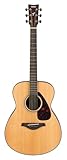
Overview: The Yamaha FS800J represents the gold standard for entry-level concert acoustic guitars, delivering Yamaha’s legendary craftsmanship in a compact, fingerstyle-friendly package. This instrument features a solid spruce top paired with scalloped bracing, producing a surprisingly rich and articulate voice that belies its affordable price point. Designed with a 25" scale length, it offers enhanced playability that benefits both developing beginners and experienced players seeking a comfortable couch guitar.
What Makes It Stand Out: Yamaha’s proprietary scalloped bracing pattern optimizes the solid spruce top’s resonance, creating a balanced tonal spectrum that excels in fingerpicked passages while maintaining strumming clarity. The concert body shape provides focused midrange response and comfortable ergonomics, particularly when seated. The shorter scale length reduces string tension, making fretting easier for novices and reducing hand fatigue during extended sessions.
Value for Money: Positioned firmly in the entry-level segment, the FS800J delivers exceptional value by offering solid wood construction and professional-grade bracing typically found on more expensive instruments. Yamaha’s rigorous quality control ensures consistency, making it a smarter long-term investment than most competitors at this price.
Strengths and Weaknesses: Strengths include outstanding build quality, excellent tonal balance, superior durability, and comfortable playability. The natural finish showcases the wood grain beautifully. Weaknesses are minimal: the basic laminate back and sides limit tonal complexity compared to all-solid guitars, and the lack of electronics restricts amplification options. Some players may desire more decorative appointments.
Bottom Line: The Yamaha FS800J is an outstanding choice for fingerstyle enthusiasts and beginners prioritizing quality and durability. Its combination of solid top engineering, ergonomic design, and trusted brand reliability makes it one of the smartest purchases in the sub-$300 category.
2. Fender CC-60S Concert Acoustic Guitar, with 2-Year Warranty, 3-Color Sunburst

Overview: The Fender CC-60S Concert Acoustic Guitar brings the iconic brand’s legacy to the entry-level market with impressive attention to playability and tone. Featuring a solid spruce top with scalloped X-bracing and mahogany back and sides, this instrument delivers classic acoustic voicing in a comfortable concert body shape. The inclusion of a 2-year warranty demonstrates Fender’s confidence in its construction quality.
What Makes It Stand Out: Fender’s “easy-to-play” neck profile, complete with rolled fingerboard edges, creates an exceptionally comfortable playing experience rarely found at this price point. This design consideration significantly reduces the learning curve for beginners while satisfying experienced players. The scalloped X-bracing pattern enhances top vibration, producing a balanced tone with crisp highs and warm lows.
Value for Money: The CC-60S competes directly with other entry-level solid-top acoustics while offering the prestige of the Fender name and superior neck comfort. The 2-year warranty adds tangible value, providing peace of mind that competitors often lack. It’s priced competitively against Yamaha and Epiphone equivalents.
Strengths and Weaknesses: Major strengths include the supremely comfortable neck, solid spruce top, excellent build quality, and strong brand resale value. The concert body offers ergonomic comfort and focused tone. Weaknesses include laminated back and sides that limit tonal depth, absence of electronics for amplification, and relatively plain aesthetics. The sunburst finish, while attractive, may not appeal to traditionalists.
Bottom Line: The Fender CC-60S is ideal for beginners seeking brand recognition and exceptional playability. Its player-friendly neck design sets it apart from competitors, making it a worthy consideration for anyone prioritizing comfort without sacrificing tonal quality.
3. Fender CC-60SCE Concert Cutaway Acoustic Guitar, with 2-Year Warranty, Natural

Overview: The Fender CC-60SCE builds upon the solid foundation of the CC-60S by adding essential performance features for the modern player. This concert cutaway acoustic-electric incorporates a Fishman low-profile pickup and preamp system, allowing seamless transition from practice room to stage. Retaining the comfortable neck and solid spruce top of its sibling, it represents a logical step-up for aspiring performers.
What Makes It Stand Out: The single-cutaway design provides effortless access to upper frets, crucial for lead work and advanced chord voicings. The integrated Fishman electronics deliver authentic amplified tone without compromising the guitar’s acoustic resonance. Combined with Fender’s signature rolled-edge neck, this instrument offers professional features at an entry-level price point.
Value for Money: As one of the most affordable acoustic-electric guitars with a solid top and reputable electronics, the CC-60SCE presents compelling value. The modest price increase over the non-electric version is justified by the versatile Fishman system and cutaway body. Competing brands often charge significantly more for similar specifications.
Strengths and Weaknesses: Strengths include stage-ready electronics, enhanced upper-fret access, comfortable playability, and solid top construction. The Fishman system provides reliable amplification with simple controls. Weaknesses involve the laminated mahogany back and sides, which temper acoustic projection compared to all-solid instruments. The basic preamp lacks advanced EQ shaping, and the cutaway slightly reduces body resonance.
Bottom Line: Perfect for students ready to perform or record, the CC-60SCE offers exceptional versatility. The combination of player-friendly design, solid top, and quality electronics makes it the best value acoustic-electric in its class for beginners and intermediate players alike.
4. Fender CC-60S All-Mahogany Concert V2 Pack Acoustic Guitar, with 2-Year Warranty, Natural, with Gig Bag and Accessories

Overview: The Fender CC-60S All-Mahogany V2 Pack delivers a complete starter solution centered around an all-mahogany concert acoustic guitar. This bundle eliminates guesswork for absolute beginners by including essential accessories and a 3-month Fender Play subscription. The guitar itself features mahogany top, back, and sides, producing a warm, mellow voice distinct from spruce-topped alternatives.
What Makes It Stand Out: This package’s comprehensive nature sets it apart—few competitors bundle a name-brand guitar with structured learning resources, quality accessories, and warranty coverage. The all-mahogany construction offers a uniquely warm tonal character perfect for folk, blues, and singer-songwriter styles. The included Fender Play subscription provides guided lessons tailored specifically to Fender instruments.
Value for Money: Representing exceptional bundled value, this pack costs only marginally more than the guitar alone while adding a gig bag, strap, extra strings, and educational content worth over $100 separately. For newcomers unsure about accessory compatibility, this one-purchase solution saves time and ensures proper fit.
Strengths and Weaknesses: Strengths include everything needed to start playing immediately, warm mahogany tone, comfortable neck, and trusted brand backing. The educational subscription accelerates learning. Weaknesses comprise the all-mahogany construction’s darker tonal profile, which lacks the brightness some genres require. The included accessories are functional but basic, and serious players will eventually upgrade them.
Bottom Line: This is the ideal choice for complete beginners seeking a hassle-free entry into guitar playing. The combination of quality instrument, essential accessories, and structured lessons makes it the smartest all-in-one purchase for new players.
5. WINZZ AF227A 39 Inches Concert Acoustic Acustica Guitar with Full Kit, Delicate Vine

Overview: The WINZZ AF227A positions itself as an ultra-affordable, visually distinctive concert acoustic guitar package targeting budget-conscious beginners. The instrument features a decorative vine pattern finish that transforms it into a personalized art piece, while the concert body provides comfortable ergonomics. The comprehensive bundle includes nearly every accessory a new player could need, from tuner to wall hanger.
What Makes It Stand Out: The intricate vine inlay design under glossy finish creates immediate visual impact, distinguishing it from plain beginner guitars. The extensive accessory kit—featuring a waterproof gig bag, capo, string winder, wall hanger, and 1-month online lessons—covers all startup needs. The concert body’s compact dimensions particularly suit younger players and fingerstyle techniques.
Value for Money: At a price point significantly below name-brand competitors, this package delivers remarkable accessory value. However, the cost savings reflect in unspecified tonewoods (likely laminated) and unknown manufacturing consistency. For absolute beginners testing their commitment, the low financial risk is appealing.
Strengths and Weaknesses: Strengths include striking aesthetics, comprehensive accessory bundle, comfortable body size, and unbeatable price. The package truly contains everything needed to begin. Weaknesses involve uncertain build quality, unspecified tonewoods that limit tonal development, no mention of solid wood, and a tuner battery not included. Brand recognition and resale value are minimal compared to established competitors.
Bottom Line: Best suited for absolute beginners on strict budgets or younger players drawn to its artistic design. While it won’t match the tonal quality or longevity of Yamaha or Fender alternatives, it provides an accessible, complete entry point into guitar playing.
6. Fender CN-60S Concert Nylon String Acoustic Guitar, with 2-Year Warranty, Natural

Overview: The Fender CN-60S delivers classical guitar tradition in a concert-sized package perfect for developing players. Its solid spruce top paired with laminated mahogany back and sides produces warm, articulate nylon-string tone with surprising projection. The mahogany neck features a 12"-radius walnut fingerboard—unusually comfortable for a classical design—while the 25.3" scale length accommodates both younger students and adult learners. This instrument bridges the gap between entry-level classical guitars and professional instruments.
What Makes It Stand Out: The solid spruce top is a rarity in this price category, providing superior resonance and dynamic response that laminated tops simply cannot match. Fender backs this quality with a 2-year warranty, demonstrating manufacturing confidence. The concert body offers ergonomic comfort without sacrificing volume, making it ideal for fingerstyle players or vocal accompaniment.
Value for Money: Competitively priced against Yamaha’s C series and Cordoba’s entry models, the CN-60S justifies every dollar through its solid top alone. You’re investing in Fender’s quality control and brand recognition, which retains resale value better than obscure imports. For classical beginners, this represents a smart long-term purchase.
Strengths and Weaknesses: Pros include a comfortable neck profile that reduces hand fatigue, quality tonewoods, excellent factory intonation, and the gentle touch of nylon strings. Cons are laminated back and sides limiting tonal complexity, basic aesthetic appointments, and the niche appeal—steel-string players may struggle with the wider neck and softer tension.
Bottom Line: An outstanding choice for dedicated classical students or singer-songwriters seeking a finger-friendly alternative to steel strings. The solid top ensures this guitar grows with you through the crucial first years of study.
7. YAMAHA FG800J Solid Top Acoustic Guitar

Overview: The Yamaha FG800J continues a decades-long legacy of reliable entry-level steel-string acoustics. Built with a solid spruce top and nato/mahogany back and sides, this dreadnought delivers bright, balanced tone with bold low-end projection. Yamaha’s meticulous quality control includes hand-applied finishes and detailed inspections, ensuring each instrument is gig-ready. The FG series has earned its reputation as a lifelong partner for countless players.
What Makes It Stand Out: Yamaha’s consistency separates the FG800J from competitors. While others deliver unpredictable setups, Yamaha maintains rigorous standards that minimize fret buzz and action issues. The large dreadnought body produces impressive volume and projection, giving beginners an inspiring sound that rewards practice and encourages progression.
Value for Money: Exceptional. Competing directly with Fender’s CD-60S, the FG800J offers superior build reliability that reduces future setup costs. This is an instrument that can last decades with proper care, eliminating the need for an immediate upgrade as skills advance. The investment pays dividends in durability.
Strengths and Weaknesses: Pros include robust construction, excellent tonal balance, reliable hardware, and bold projection that cuts through mixes. The nato wood keeps costs reasonable while approximating mahogany’s warmth. Cons include the large body size, which may overwhelm smaller players, and conservative aesthetics that lack visual excitement. The basic nut and saddle could be upgraded eventually.
Bottom Line: The definitive choice for serious beginners wanting a steel-string workhorse. Its proven durability and inspiring tone make it the most reliable starting point for committed learners. If you want one guitar to carry you from first chord to first gig, this is it.
8. Fender CC-60S Concert Acoustic Guitar - Black Bundle with Gig Bag, Tuner, Strap, Strings, Picks, Instructional Book, and Austin Bazaar Instructional DVD

Overview: The Fender CC-60S bundle eliminates the complexity of starting guitar by including every essential in one box. The concert-sized acoustic features a solid spruce top with mahogany back and sides, a walnut fingerboard with rolled edges for comfort, and Fender’s new easy-to-play neck profile. This comprehensive package provides a gig bag, tuner, strap, spare strings, picks, instructional book, and DVD—everything needed for immediate practice.
What Makes It Stand Out: Convenience dominates this offering. The rolled fingerboard edges—a premium feature—reduce finger discomfort during extended practice sessions, while the sleek black finish provides modern aesthetic appeal. Rather than piecing together compatible accessories, beginners receive curated, quality components designed to work together seamlessly.
Value for Money: Outstanding. Purchasing these accessories separately would cost 30-50% more than the bundle price. Fender includes usable gear, not disposable filler items. The solid-top guitar alone justifies the cost; the extras represent genuine savings and immediate playability without additional shopping trips.
Strengths and Weaknesses: Pros include one-stop shopping, quality solid-top construction, comfortable playability, and professional appearance. Cons are the black finish showing scratches and fingerprints, basic gig bag protection, and laminated back/sides limiting tonal depth. The instructional materials, while helpful, cannot replace personalized lessons and may feel dated.
Bottom Line: Perfect for absolute beginners who want to unbox and start playing. This bundle saves time, money, and frustration while providing a quality instrument that grows with you through the first several years of playing. It’s the most practical entry point for new guitarists.
9. Fender California Debut Redondo CE Series Acoustic Guitar, Beginner Guitar, 2-Year Warranty, Includes Built-In Tuner, Natural

Overview: The Fender California Debut Redondo CE targets modern beginners with acoustic-electric versatility and digital learning integration. This cutaway dreadnought features an all-laminate body for durability, a comfortable C-shaped neck, walnut fingerboard, and iconic 6-in-line Fender headstock. The built-in tuner and pickup system simplify practice and performance, while the included Fender Play subscription provides thousands of structured video lessons at no additional cost.
What Makes It Stand Out: The combination of plug-and-play electronics and comprehensive online lessons creates a complete learning ecosystem. The lightweight laminate construction prioritizes comfort and resilience—ideal for young players or casual practice. Fender’s 75-year legacy ensures reliable hardware and consistent quality control that cheaper brands cannot match.
Value for Money: Strong, considering the electronics and Fender Play subscription (a $50+ annual value) are bundled without premium pricing. While all-laminate guitars typically cost less, the added features justify the expense over basic acoustics. The 2-year warranty further protects your investment.
Strengths and Weaknesses: Pros include easy amplification, onboard tuning convenience, comfortable playability, durable construction, and exceptional educational content. Cons are the all-laminate body lacking the richness of solid wood, basic electronics quality, and the dreadnought size potentially challenging smaller players. The tone is functional but uninspiring for discerning ears.
Bottom Line: Ideal for beginners wanting immediate performance capability or those needing headphone practice options. The electronics and lessons package accelerates learning, though serious students should eventually upgrade to a solid-top acoustic for tonal growth. It’s technology meets tradition for the modern learner.
10. Fender California Debut Redondo Series Acoustic Guitar, Beginner Guitar, 2-Year Warranty, Natural

Overview: The Fender California Debut Redondo offers stripped-down acoustic simplicity for first-time players seeking comfort over complexity. This all-laminate dreadnought features Fender’s iconic 6-in-line headstock, lightweight construction, and a comfortable C-shaped neck with walnut fingerboard. The package includes a Fender Play subscription with thousands of instructional videos, creating a complete learning solution without electronic distractions. Sealed-gear tuners and a walnut bridge ensure reliable performance.
What Makes It Stand Out: Fender leverages its heritage to create a trustworthy beginner instrument focused on durability and playability. The sealed-gear tuning machines provide stable intonation—a critical feature often compromised in budget guitars. The walnut bridge and fingerboard offer better tonal transfer than the plastic components common in this category, while the lightweight design reduces playing fatigue.
Value for Money: Decent, though less compelling than its CE counterpart. Without built-in electronics, the price should be lower, yet you’re still paying for brand prestige and the Fender Play subscription. Competing all-laminate guitars from Yamaha or Epiphone may deliver better raw acoustic tone for less money, though without the educational content.
Strengths and Weaknesses: Pros include lightweight comfort, durable laminate construction, reliable hardware, included educational content, and iconic aesthetics. Cons are the all-laminate body producing a thinner, less dynamic tone, no electronics for future amplification needs, and basic appointments throughout. The dreadnought body may feel bulky for younger players, and the natural finish shows wear less than black but still requires care.
Bottom Line: A solid choice for young beginners or casual players prioritizing comfort and brand recognition over tonal depth. Consider upgrading to the CE version if performance is possible, or a solid-top alternative if you’re serious about acoustic tone. It’s a safe, comfortable introduction to guitar that won’t intimidate new players.
Understanding the Feedback Problem on Intimate Stages
The Physics of Feedback in Confined Spaces
Feedback occurs when your guitar’s pickup system captures sound from the amplifier or monitors, re-amplifies it, and creates a continuous loop. On small stages, this problem becomes exponentially worse because sound waves have less distance to travel and bounce off nearby surfaces with minimal energy loss. The proximity of your amplifier, monitor wedges, and even reflective walls means your guitar is essentially trapped in a sonic echo chamber. Unlike large venues where sound dissipates, confined spaces create standing waves that target specific frequencies, often those sweet resonant peaks your guitar naturally produces.
Why Small Venues Amplify the Issue
The average coffeehouse or small club measures between 500-2,000 square feet, with ceiling heights rarely exceeding 10 feet. These dimensions create resonant frequencies in the 100-500 Hz range—exactly where most acoustic guitars produce their fundamental body resonance. When your stage footprint is barely large enough for you and a microphone stand, you can’t simply “move away from the amp” as traditional advice suggests. Your guitar becomes a microphone for every vibration in the room, from the bass amp behind you to the chatter at the bar.
What Makes a Guitar “Concert-Ready” for 2026
Evolution of Live Acoustic Performance Technology
The definition of a stage-ready acoustic guitar has transformed completely over the past five years. In 2026, concert-ready means more than just having a pickup installed. It encompasses active feedback suppression circuitry, phase-coherent preamp design, and body construction that strategically controls resonance rather than maximizing it. Modern luthiers now design guitars specifically for amplified performance first, with acoustic tone as a secondary consideration—a complete reversal of traditional thinking.
Defining Modern Stage-Worthiness
A truly stage-worthy acoustic guitar balances three competing priorities: feedback resistance, amplified tone quality, and playability. The instrument must maintain enough acoustic presence for monitoring purposes while preventing uncontrolled resonance. This requires integrated design where the pickup, preamp, bracing, and body geometry work as a unified system. Generic acoustic-electric conversions no longer cut it for serious performers.
The Great Debate: Acoustic-Electric vs. Pure Acoustic
When to Choose Each Configuration
Acoustic-electric guitars with factory-installed systems dominate the small-stage market for good reason—they’re designed from the ground up for amplification. However, some purists still prefer high-quality pure acoustic guitars with professional aftermarket pickups. The key difference lies in control: factory systems integrate feedback suppression into the guitar’s very architecture, while aftermarket solutions offer more customization but require careful matching to the instrument’s natural characteristics.
Hybrid Solutions for Maximum Versatility
The emergence of detachable pickup systems in 2026 has created a new category of hybrid instruments. These guitars feature factory-routed cavities and pre-wired preamps, but allow you to swap between different pickup modules depending on the venue. A soundboard transducer for ultra-quiet coffeehouses, an under-saddle system for full-band situations, or a dual-source setup for complex solo performances—all without permanently altering your instrument.
Body Shape and Size: Your First Line of Defense
Compact Bodies That Cut Through the Mix
Oversized dreadnoughts and jumbos might sound magnificent unplugged, but they’re feedback magnets on small stages. Modern concert guitars favor compact bodies like 00, 000, or grand auditorium shapes that reduce internal air volume and move resonant peaks into more manageable frequencies. These smaller bodies also position the soundhole closer to your torso, naturally dampening unwanted resonance while maintaining enough projection for personal monitoring.
Depth and Width Considerations
Body depth matters as much as width. Shallow-depth guitars (3.5-4 inches) have become increasingly popular for stage use because they reduce the Helmholtz resonance that causes low-frequency feedback. However, extreme thinness can compromise unplugged tone and playing comfort. The sweet spot for 2026 lies in tapered designs—slightly deeper at the neck block for bass response, tapering to a shallower tail block for feedback control.
Top Wood Choices That Naturally Resist Feedback
Dense Tonewoods for Controlled Resonance
While spruce remains popular, denser top woods like mahogany, koa, and even carbon fiber composites are gaining traction for stage guitars. These materials have higher stiffness-to-mass ratios, which shifts resonant peaks upward and makes them easier to control electronically. They also exhibit less “wolf tone” behavior—the unpredictable resonant spikes that plague softer woods when amplified.
Laminated vs. Solid Tops for Stage Use
The old rule that solid tops are always superior doesn’t hold for amplified performance. Modern laminated tops with carefully engineered core materials can actually outperform solid wood for feedback resistance. The key is the lamination process—high-pressure bonding with damping layers creates a top that’s acoustically lively but less prone to uncontrolled vibration. Some 2026 models even feature “tuned laminates” where different areas of the top have different composite structures.
Bracing Patterns Engineered for Feedback Suppression
X-Bracing Modifications
Traditional X-bracing, designed to maximize acoustic projection, often works against amplified performance. Contemporary modifications include asymmetrical X patterns where one leg is shorter or lighter, shifting the main resonance away from feedback-prone frequencies. Scalloping is applied more selectively—deeply scalloped in the upper bout for responsiveness, but left heavy in the lower bout for feedback control.
Alternative Bracing Systems
Forward-shifted, rear-shifted, and even radial bracing patterns are now common in concert guitars. These designs intentionally create multiple smaller resonant peaks rather than one dominant resonance, making feedback less focused and easier to manage with EQ. Some manufacturers use computer modeling to predict how bracing will interact with specific pickup systems before the first piece of wood is cut.
Pickup Systems: The Heart of Feedback Management
Under-Saddle vs. Soundboard Transducers
Under-saddle piezo pickups remain the standard for feedback resistance because they sense string vibration directly rather than body resonance. However, they can sound sterile. Modern soundboard transducers (SBTs) use multiple small sensors placed strategically at anti-nodes—points of minimal vibration—allowing them to capture body tone without feeding back. The latest systems use 4-6 micro-transducers instead of one large plate, with phase cancellation built into the array.
Dual-Source and Blended Systems
The most advanced systems combine under-saddle pickups with internal microphones or SBTs, running through intelligent blend circuits that automatically reduce the microphone contribution as volume increases. These systems analyze the incoming signal in real-time, identifying and attenuating feedback frequencies before they become audible. The blend ratio becomes dynamic rather than fixed—a crucial development for unpredictable small-stage environments.
Microphone-Based Systems with Phase Control
Internal microphone systems have made a comeback thanks to digital signal processing that can invert phase on specific frequency bands rather than the entire signal. This means the system can cancel the exact frequency feeding back while leaving the rest of your tone untouched. Some 2026 models even include multiple microphones with different polar patterns, creating a directional array that rejects sound from monitors while capturing your guitar’s voice.
Preamp Features That Matter in 2026
Built-in Notch Filters and EQ
Modern preamps feature multiple narrow-band notch filters (typically 3-5 bands) that can surgically remove feedback frequencies without affecting your overall tone. The best systems include frequency spectrum analyzers that identify problem frequencies automatically during soundcheck. Parametric midrange controls have become standard, allowing you to shape the critical 200-800 Hz range where most feedback occurs.
Phase Switches and Feedback Controls
Simple phase switches are no longer sufficient. Advanced preamps now offer variable phase control—essentially a knob rather than a switch—that lets you dial in the exact phase relationship between your guitar and monitors. Some systems include “feedback learn” modes that sweep through frequencies during soundcheck, automatically setting notch filters and phase relationships for the specific room.
Digital Modeling and IR Technology
Impulse Response (IR) technology, borrowed from electric guitar amp modeling, has revolutionized acoustic preamps. These systems apply acoustic body models to your dry pickup signal, recreating the sound of a perfectly mic’d guitar without using an actual microphone. Since the “body tone” is digitally generated, it’s completely immune to acoustic feedback while sounding remarkably natural.
Construction Techniques That Minimize Unwanted Resonance
Chambered and Semi-Hollow Designs
Some modern concert guitars borrow from electric guitar design, incorporating chambered sections that break up internal standing waves. These aren’t fully hollow or solid, but strategically carved internal cavities that maintain acoustic tone while preventing the air volume from resonating as a single unit. The result is a guitar that’s feedback-resistant but still responds like an acoustic instrument.
Internal Dampening Methods
From graphite-reinforced neck blocks to constrained-layer damping materials glued inside the body, manufacturers are actively reducing unwanted vibration. The key is selective damping—targeting frequencies that cause feedback while preserving those that define your tone. Some guitars feature removable internal dampeners that can be adjusted based on venue size, giving you control over the instrument’s feedback threshold.
String Choice and Setup for Feedback Resistance
String Gauge and Tension
Heavier gauge strings (medium or even heavy) produce more fundamental tone and less harmonic content that feeds back. They also drive the top more efficiently at lower volumes, reducing the gain needed from your pickup system. Coated strings, while controversial among purists, can slightly reduce high-frequency resonances that contribute to feedback.
Action Height and Playability Trade-offs
Lower action reduces string energy transfer to the body, which in turn reduces feedback susceptibility. However, excessively low action can cause buzzing and compromise dynamic range. The 2026 approach favors slightly higher action than typical factory setups, combined with careful fretwork to maintain playability. Some performers even use different setups for amplified versus acoustic-only performances, adjusting saddle height between shows.
The Role of Finish and Build Quality
Thin vs. Thick Finishes
Traditional thin nitrocellulose finishes are tonally superior but offer minimal damping. Modern UV-cured polyester finishes can be applied in extremely thin, consistent coats that provide some vibration dampening without sacrificing tone. Some manufacturers are experimenting with micro-thin damping layers within the finish itself—essentially a constrained-layer damper on the guitar’s entire surface.
Neck Joint Construction
The neck joint is a critical feedback path that’s often overlooked. Bolt-on necks, long maligned in the acoustic world, allow for more precise neck angle adjustment and can include vibration isolation features. Set-neck designs are now using advanced adhesives with damping properties, while some high-end instruments feature “floating” neck joints that decouple neck vibration from the body.
Amplification Strategy: Matching Guitar to PA
DI Boxes and Impedance Matching
Your guitar’s output impedance must match your PA system’s input impedance for optimal signal transfer and minimal noise. Active pickups with buffered outputs have largely solved this problem, but the quality of the buffer matters enormously. Look for preamps with high-quality, low-noise op-amps and proper balanced output drivers. Passive DI boxes can sometimes introduce impedance mismatches that make feedback worse.
Monitor Placement Techniques
Even the most feedback-resistant guitar can’t overcome poor monitor placement. The 2026 standard for small stages is in-ear monitoring, but when wedges are necessary, they should be positioned at a 45-degree angle to your guitar’s soundhole and at least three feet away. Some performers use small, upward-firing monitors placed on the floor behind them, creating a personal monitoring bubble that doesn’t directly excite the guitar body.
Budget Considerations for Serious Performers
Entry-Level Professional Options
The good news is that effective feedback suppression technology has trickled down to mid-priced instruments. Guitars in the $800-$1,500 range now include many features previously found only on custom shop models. The key differentiators at this price point are build consistency and component quality rather than fundamental design limitations. You can get excellent feedback resistance without spending a fortune.
Investment Pieces That Hold Value
High-end concert guitars ($3,000+) differentiate themselves through superior wood selection, hand-tuned bracing, and cutting-edge pickup systems. These instruments often include features like interchangeable pickup modules, programmable preamps with venue presets, and custom-voiced electronics. While the law of diminishing returns applies, professional touring musicians find value in instruments that perform flawlessly night after night and retain resale value.
Testing Guitars Before You Buy
What to Play in the Showroom
Don’t just strum open chords. Play the specific techniques you use live—percussive taps, alternate tunings, capoed positions, and your full dynamic range from whisper-quiet fingerpicking to aggressive strumming. Bring your own amplifier or DI box to the store. Most importantly, test at stage volume, not bedroom volume. Feedback issues that are invisible at low volumes become catastrophic when you add 20dB.
Simulating Stage Conditions
Ask to play the guitar in a small room with a monitor wedge placed where it would be on stage. Play facing the monitor, then with your back to it. Test the notch filters and phase controls at various volume levels. If possible, record the output and listen back for any subtle resonances or artifacts that might become problems in a live setting. Some retailers now have dedicated “stage simulation” rooms for exactly this purpose.
Essential Accessories for Feedback-Free Performances
Soundhole Covers and Feedback Busters
While they change the acoustic tone, soundhole covers remain the most effective passive feedback suppressors. Modern designs use acoustic foam with selective frequency absorption, targeting the 150-300 Hz range where most feedback occurs while leaving higher frequencies relatively untouched. Some magnetic systems allow quick on/off between songs when you need true acoustic tone for a moment.
Isolation Stands and Mounts
Guitar stands can transfer floor vibrations directly to your instrument, causing mysterious low-frequency feedback. Isolation stands use decoupling materials like Sorbothane or air bladders to break this path. For particularly problematic venues, some performers use hanging mounts or even small sandbags placed on the guitar’s lower bout to add mass and shift resonant frequencies.
Frequently Asked Questions
1. Can I modify my existing acoustic guitar to be feedback-resistant, or do I need to buy a new one?
You can absolutely improve your current guitar’s feedback resistance through professional modifications. Installing a quality under-saddle pickup system with a modern preamp featuring notch filters and phase control will help significantly. Adding internal damping, a soundhole cover, and having a luthier adjust the bracing can further reduce issues. However, guitars designed from the ground up for stage use will always have an advantage because their entire architecture is optimized for amplified performance.
2. How much should I expect to spend for a reliable concert acoustic guitar that won’t feedback?
In 2026, entry-level professional models with effective feedback suppression start around $800-$1,200. These include quality factory electronics and body designs optimized for stage use. Mid-range options ($1,500-$2,500) offer more sophisticated pickup systems and better wood selection. Premium instruments ($3,000+) provide cutting-edge technology, interchangeable systems, and hand-tuned electronics. For serious performers, budget at least $1,500 for a reliable, gig-worthy instrument.
3. Do smaller body guitars sacrifice too much tone for feedback control?
Not anymore. Modern design techniques allow small-body guitars to produce remarkably full amplified tone. The key is that they’re designed to sound best through a PA system rather than to your ear. Features like carefully voiced bracing and advanced pickup systems capture the full frequency spectrum, often making them sound bigger than they are when amplified. Unplugged, they’ll be quieter than a dreadnought, but on stage, that works in your favor.
4. Are internal microphone systems still viable for small stages?
Yes, but they’ve evolved dramatically. Modern internal mic systems use multiple microphones with DSP phase correction that can cancel feedback in real-time. They’re often blended with under-saddle pickups, with the mic contribution automatically decreasing as stage volume increases. These systems work best when paired with in-ear monitors, as they’re still more prone to feedback with traditional wedges.
5. What’s the single most important feature for preventing feedback?
An effective notch filter system is the most critical feature. While body design and pickup type matter, the ability to surgically remove specific feedback frequencies without destroying your tone is invaluable. Look for preamps with at least three adjustable notch filters and an automatic feedback detection mode. This gives you the flexibility to adapt to any room’s unique acoustic signature.
6. How do I know if a guitar’s pickup system is high quality?
Listen for artifacts: cheap systems produce a “quacky” or compressed tone, especially in the midrange. High-quality systems maintain dynamic range and natural string-to-string balance. Check the signal-to-noise ratio by turning the volume up with your hands off the strings—there should be minimal hiss. Also, evaluate the EQ controls; they should make musical changes, not drastic, unnatural shifts. Bring a recording device to capture the direct signal and listen back on quality headphones.
7. Can using heavier strings really make a difference in feedback control?
Absolutely. Heavier strings produce more fundamental frequency and fewer harmonic overtones that feed back. They also transfer energy to the top more efficiently, allowing you to run your pickup system at lower gain. The difference between light and medium gauge strings can be 3-6 dB of additional clean headroom before feedback. The trade-off is increased finger fatigue and potentially needing a setup adjustment.
8. What’s the best way to test a guitar for feedback in a music store?
First, bring your own amplifier or DI box to eliminate variables. Ask to use a small practice room and place a monitor wedge close to the guitar, just like a small stage setup. Play at performance volume, not showroom volume. Test all pickup positions and EQ settings. Specifically, play facing the monitor, then sideways, then with your back to it. Strum aggressively and let chords ring out, listening for any hint of the feedback “growl” that precedes a full squeal.
9. Are soundhole covers necessary if I have a good pickup system?
Think of them as insurance rather than necessity. Even the best pickup systems can benefit from a soundhole cover in extreme situations—particularly when playing with a loud band or in a very reflective room. Modern covers are less intrusive than old designs, and many are magnetic for quick removal. Keep one in your case for those “just in case” moments. They’re inexpensive, weigh nothing, and can save a performance.
10. How often should I replace the batteries in my acoustic-electric guitar?
For active systems, replace batteries every 20-25 hours of playing time, regardless of whether they’ve died. Voltage sag as batteries drain can cause subtle changes in headroom and EQ that make your guitar more feedback-prone. Use high-quality alkaline batteries or rechargeable lithium options designed for audio equipment. Always carry spares and change them before important gigs. Some 2026 models include battery meters, but these only measure voltage, not current capacity, so don’t rely on them completely.
See Also
- 10 Concert Acoustic Guitars That Solve Finger Fatigue for Small-Handed Players
- 10 Acoustic Guitars That Solve Tuning Stability Issues in 2026
- How to Solve Stage Feedback with the 10 Best Parlor Acoustic Guitars in 2026
- Stop Feedback Issues: 10 Best Acoustic Guitars for Live Shows in 2026
- How to Solve Humidity Issues with the 10 Best Acoustic Guitars for Dry Climates in 2026