Table of Contents
Stepping onto a small stage is an intimate dance between artist and audience—every note matters, every nuance counts. Unlike arena performers who rely on massive PA systems and layers of production, small-stage musicians need instruments that speak with clarity, warmth, and authority without overwhelming the room. The concert acoustic guitar has emerged as the weapon of choice for these intimate engagements, offering a perfect balance of comfort, projection, and tonal sophistication that its larger siblings simply can’t match in close quarters.
As we look toward 2026, the landscape of acoustic guitar design has evolved dramatically, with manufacturers responding to the unique demands of gigging musicians who navigate coffee shops, listening rooms, and small clubs. The modern concert acoustic isn’t just a scaled-down dreadnought—it’s a purpose-built instrument engineered for sonic precision, ergonomic efficiency, and reliable performance under real-world conditions. Whether you’re a seasoned troubadour or preparing for your first residency, understanding what separates a truly stage-worthy concert guitar from a mere parlor novelty will determine not just your sound, but your entire performance experience.
Top 10 Concert Acoustic Guitars
Detailed Product Reviews
1. Yamaha FS800J Small Body Solid Top Acoustic Guitar, Natural, Concert
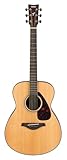
Overview: The Yamaha FS800J delivers exceptional value in a small-body acoustic designed for fingerstyle players and beginners. This concert-sized instrument features a solid spruce top with scalloped bracing, producing a balanced, articulate tone. The 25-inch scale length reduces string tension, making it remarkably comfortable for developing players and those with smaller hands.
What Makes It Stand Out: Yamaha’s legendary build quality ensures this guitar will withstand years of playing. The scalloped bracing pattern is typically found on more expensive instruments, enhancing resonance and projection. Its concert body shape excels at fingerpicking, providing clear note separation. The shorter scale length isn’t just comfortable—it actively reduces finger fatigue during extended practice sessions.
Value for Money: Priced competitively against entry-level Fenders, the FS800J offers genuine solid-wood tone without the premium cost. You’re investing in Yamaha’s decades of craftsmanship and reliability. While it lacks flashy aesthetics, the money goes directly into build quality and materials that affect sound and playability, making it a smarter long-term purchase than many budget bundles.
Strengths and Weaknesses: Strengths:
- Solid spruce top provides authentic acoustic tone that improves with age
- Concert body ideal for fingerstyle and solo playing
- 25" scale length enhances playability for beginners
- Yamaha’s proven durability and quality control
- Scalloped bracing adds resonance
Weaknesses:
- Minimalist aesthetics lack visual flair
- No included accessories (gig bag, tuner, etc.)
- Smaller body produces less bass than dreadnoughts
- Laminated back and sides (standard for this price)
Bottom Line: A no-nonsense, quality instrument perfect for fingerstyle beginners who prioritize tone and durability over flashy looks. Yamaha reliability makes this a sound investment.
2. Fender CC-60S Concert Acoustic Guitar, with 2-Year Warranty, 3-Color Sunburst

Overview: The Fender CC-60S brings iconic Fender styling to the acoustic world with its eye-catching 3-color sunburst finish. This concert-sized guitar features a solid spruce top paired with mahogany back and sides, delivering versatile tones suitable for strumming and fingerpicking. The included 2-year warranty demonstrates Fender’s confidence in their craftsmanship.
What Makes It Stand Out: The rolled fingerboard edges create an exceptionally comfortable playing experience, eliminating the sharp frets common on budget guitars. Fender’s scalloped X-bracing optimizes the solid spruce top’s resonance. The concert body shape offers excellent balance and comfort, while the sunburst finish provides vintage appeal that stands out in a sea of plain natural-topped acoustics.
Value for Money: Positioned in the mid-tier beginner range, you’re paying a slight premium for the Fender name, but the solid top and enhanced playability justify the cost. The 2-year warranty adds significant value, offering peace of mind rarely found in this price bracket. Comparable to Yamaha’s offerings but with distinctive Fender aesthetics.
Strengths and Weaknesses: Strengths:
- Rolled fingerboard edges provide exceptional comfort
- Solid spruce top with quality scalloped bracing
- Attractive 3-color sunburst finish
- Trusted Fender brand with 2-year warranty
- Concert body offers playing comfort
Weaknesses:
- Mahogany back and sides are laminated
- No included accessories or gig bag
- Sunburst finish may not appeal to traditionalists
- Setup may require minor adjustments out of box
Bottom Line: Ideal for beginners seeking Fender’s iconic style and comfortable playability. The rolled neck edges and warranty make it a compelling choice despite the brand premium.
3. Fender CC-60S All-Mahogany Concert V2 Pack Acoustic Guitar, with 2-Year Warranty, Natural, with Gig Bag and Accessories

Overview: This comprehensive starter bundle centers around the all-mahogany CC-60S concert guitar, delivering warm, rich tones with enhanced midrange presence. The package includes essential accessories, a gig bag, and a 3-month Fender Play subscription, providing everything a beginner needs to start their musical journey immediately without additional purchases.
What Makes It Stand Out: The all-mahogany construction creates a distinctly warm, woody voice that ages beautifully. Unlike typical starter packs with cheap accessories, Fender includes quality essentials and their premium online lesson platform. The rolled fingerboard edges carry over from the standard model, ensuring comfort. This is a curated experience, not just a guitar with throw-in extras.
Value for Money: Exceptional value for true beginners. When you factor the gig bag, extra strings, strap, and Fender Play subscription, the guitar itself costs less than the standalone model. You’re essentially getting professional accessories and lessons free. This eliminates guesswork for new players unsure what accessories to buy separately.
Strengths and Weaknesses: Strengths:
- Complete starter package with quality accessories
- All-mahogany body provides warm, rich tone
- 3-month Fender Play subscription included
- Rolled fingerboard edges enhance comfort
- 2-year warranty offers peace of mind
Weaknesses:
- All-mahogany tone lacks spruce’s brightness and versatility
- Gig bag is basic, not heavy-duty
- May be slightly more expensive than buying just the guitar
- Limited color options
Bottom Line: The ultimate beginner bundle for those wanting everything in one purchase. The all-mahogany tone and included lessons make starting guitar simple and enjoyable.
4. WINZZ AF227A 39 Inches Concert Acoustic Acustica Guitar with Full Kit, Delicate Vine

Overview: The WINZZ AF227A distinguishes itself through artistic design, featuring a delicate vine pattern glossy finish that transforms this concert acoustic into a visual statement piece. At 39 inches, it’s compact and comfortable, targeting beginners and fingerstyle players. The extensive all-in-one kit includes nearly every accessory imaginable for immediate playing.
What Makes It Stand Out: The ornate vine pattern is genuinely unique in this price range, appealing to players wanting personality in their instrument. The accessory bundle is remarkably comprehensive—gig bag, tuner, capo, wall hanger, string winder, strap, picks, cloth, and even 1-month online lessons. The concert body shape is specifically chosen for fingerstyle articulation and seated playing comfort.
Value for Money: Unbeatable accessory value at this price point. The guitar itself is secondary to the package deal. While the brand lacks Fender or Yamaha’s pedigree, you’re receiving literal hundreds of dollars in accessories. Perfect for absolute beginners on a strict budget who need everything at once and appreciate decorative flair.
Strengths and Weaknesses: Strengths:
- Stunning vine pattern aesthetic stands out
- Extremely comprehensive accessory bundle
- Concert size ideal for fingerstyle and smaller players
- Includes online lessons and wall hanger
- Very affordable entry point
Weaknesses:
- Unknown brand reliability and resale value
- Tuner battery not included (CR2032)
- Likely laminated top (not specified as solid)
- Quality control may be inconsistent
- Glossy finish may be polarizing
Bottom Line: A budget-friendly artistic option for beginners prioritizing accessories and visual appeal over brand reputation. Best for casual players not seeking long-term investment.
5. Fender CC-60S All-Mahogany Concert Acoustic Guitar, Natural

Overview: This stripped-down version of Fender’s all-mahogany concert guitar delivers pure tone without the bundle frills. Featuring a solid mahogany top with matching back and sides, it produces exceptionally warm, midrange-focused tones. The easy-to-play neck with rolled fingerboard edges remains, offering Fender’s renowned comfort in a no-nonsense package for tone purists.
What Makes It Stand Out: Solid mahogany tops are rare in this price class, providing a voice that matures beautifully over time. The all-mahogany construction creates a fundamentally different tonal character than spruce—warmer, woodier, with compressed dynamics perfect for recording. You get the premium Fender Playability without paying for accessories you may already own or prefer to select yourself.
Value for Money: Priced between the standard spruce-top model and the full bundle, this offers focused value for players specifically seeking all-mahogany tone. You’re not subsidizing accessories or lessons, making it ideal for intermediate players upgrading or beginners who’ve already gathered gear. The solid top alone justifies the cost over laminate competitors.
Strengths and Weaknesses: Strengths:
- Solid mahogany top provides unique warm tone
- Rolled fingerboard edges ensure superior comfort
- Concert body offers excellent ergonomics
- Fender’s reliable build quality
- No unnecessary accessories for experienced buyers
Weaknesses:
- All-mahogany lacks spruce’s versatility and brightness
- No included gig bag or accessories
- Plain natural finish may seem bland
- Requires humidification care for solid wood
Bottom Line: Perfect for players seeking all-mahogany warmth without bundle extras. The solid top and Fender quality make it a smart choice for tone-focused musicians.
6. YAMAHA FG800J Solid Top Acoustic Guitar

Overview:
The Yamaha FG800J stands as a benchmark in entry-level acoustic guitars, delivering serious craftsmanship at a beginner-friendly price point. This dreadnought features a solid spruce top with nato and mahogany back and sides, embodying Yamaha’s decades-long reputation for building reliable, great-sounding instruments that encourage new players to progress.
What Makes It Stand Out:
The FG800J’s solid spruce top is its crown jewel—uncommon in sub-$250 guitars—producing a bright, balanced tone that actually improves with age. Yamaha’s rigorous quality control includes hand-applied finishes and multiple inspection checkpoints, ensuring each guitar meets standards typically reserved for pricier instruments. The large dreadnought body projects bold low-end while maintaining clarity across all frequencies.
Value for Money:
Retailing around $210-230, this guitar demolishes the value proposition of laminated competitors. While you sacrifice electronics and flashy aesthetics, the solid wood construction offers tonal maturity and durability that cheap laminates can’t match. It’s an investment that eliminates the need for an immediate upgrade.
Strengths and Weaknesses:
Pros: Solid spruce top for authentic acoustic resonance; Exceptional build quality and reliability; Comfortable neck profile for learning; Excellent tuning stability; Improves with age. Cons: No cutaway restricts upper fret access; Lacks onboard electronics; Plain visual appointments; Heavier than some concert-size alternatives.
Bottom Line:
For beginners committed to learning, the FG800J is non-negotiable. It delivers legitimate acoustic tone and Yamaha reliability that cheap guitars simply cannot replicate. Buy this once and focus on playing, not replacing gear.
7. Fender CC-60SCE Concert Cutaway Acoustic Guitar, with 2-Year Warranty, Natural

Overview:
The Fender CC-60SCE bridges the gap between acoustic purity and modern convenience, offering beginners a concert-sized cutaway with built-in electronics. This instrument combines Fender’s approachable design philosophy with gig-ready features, making it ideal for players eager to transition from bedroom practice to small performances.
What Makes It Stand Out:
The Fishman low-profile pickup/preamp system is the headline feature—delivering natural amplified tone without compromising acoustic resonance. The solid spruce top with scalloped X-bracing provides enhanced vibration and dynamic response, while the concert cutaway body offers comfortable ergonomics and easy access to higher frets. Rolled fingerboard edges create a broken-in feel from day one.
Value for Money:
At approximately $330-350, you’re paying a $100 premium over non-electric equivalents. However, the Fishman system alone justifies the cost, eliminating the need for a $150+ aftermarket installation. The cutaway design and premium bracing further separate it from basic beginner models, making it performance-ready out of the box.
Strengths and Weaknesses:
Pros: Quality Fishman electronics for live use; Solid spruce top with advanced bracing; Comfortable cutaway concert body; Rolled edges enhance playability; Fender’s 2-year warranty. Cons: Mahogany back and sides are laminated; Slightly higher action may need setup; Electronics add weight; Tone is good but not exceptional unplugged.
Bottom Line:
The CC-60SCE is the perfect “grow-with-you” guitar for aspiring performers. If you anticipate playing live or recording within your first year, the electronics and cutaway are invaluable. For pure acoustic practice, cheaper options suffice—but this prepares you for the stage.
8. Fender California Debut Redondo Series Acoustic Guitar, Beginner Guitar, 2-Year Warranty, Natural

Overview:
The Fender California Debut Redondo leans heavily into brand heritage and beginner support, offering an all-laminate dreadnought designed for hassle-free learning. This guitar prioritizes durability and accessibility over tonal sophistication, making it a safe choice for uncertain beginners and younger players.
What Makes It Stand Out:
The included Fender Play subscription is the killer app—providing thousands of structured video lessons at no extra cost, effectively bundling a $100+ value. The iconic 6-in-line Strat-style headstock and classic dreadnought shape give beginners authentic Fender aesthetics. The lightweight laminate construction withstands humidity changes and rough handling, while the C-shaped neck and walnut fingerboard offer comfortable playability.
Value for Money:
Priced around $180-200, it’s competitive with other entry laminates. The free Fender Play subscription dramatically boosts value, essentially making the guitar itself cost under $100 if you factor lesson costs. However, laminate construction means limited tonal growth compared to solid-top rivals at similar prices.
Strengths and Weaknesses:
Pros: Free Fender Play lessons add immense value; Iconic Fender styling; Durable laminate build; Lightweight and comfortable; 2-year warranty. Cons: All-laminate body lacks tonal depth; No electronics or cutaway; Beginner-level hardware; Sound won’t improve with age; Basic tuning machines.
Bottom Line:
Buy the Redondo if you’re a true beginner who needs structured lessons and values brand recognition. The Fender Play subscription accelerates learning, but serious players will outgrow the laminate sound within a year. It’s a smart package for starters, not a long-term instrument.
9. Fender California Debut Redondo CE Series Acoustic Guitar, Beginner Guitar, 2-Year Warranty, Includes Built-In Tuner, Natural

Overview:
The Redondo CE builds upon its sibling by adding cutaway access and onboard electronics, creating a more versatile beginner package. This model retains the all-laminate construction and Fender Play subscription while addressing the modern player’s need for amplification and upper-fret exploration.
What Makes It Stand Out:
The built-in tuner and pickup system transform this from a practice tool into a performance-ready instrument at the entry level. Beginners can plug into amps or PA systems for open mics and recitals without additional gear. The cutaway design finally provides access beyond the 14th fret, while maintaining the iconic Fender headstock and durable laminate build that survives beginner mishaps.
Value for Money:
At roughly $220-250, the CE commands a $40-50 premium over the standard Redondo. The electronics and cutaway justify this modest increase, offering features typically found on guitars costing $300+. Combined with the Fender Play subscription, this represents exceptional bundled value for aspiring performers.
Strengths and Weaknesses:
Pros: Onboard tuner and electronics for live use; Cutaway provides full fretboard access; Includes valuable lesson subscription; Durable laminate construction; Classic Fender aesthetics. Cons: Laminate top limits acoustic tone and aging potential; Electronics are basic; Hardware remains entry-level; Sound is decent but uninspiring unplugged.
Bottom Line:
The Redondo CE is the best value in Fender’s beginner lineup. The electronics and cutaway remove common barriers to progression, while the lesson subscription accelerates skill development. Accept the laminate limitations and focus on the complete package—this guitar gets you playing, performing, and learning faster than any competitor.
10. Fender CC-60S Solid Top Concert Size Acoustic Guitar Bundle with Gig Bag, Tuner, Strap, Strings, Picks, and Austin Bazaar Instructional DVD - Mahogany

Overview:
This CC-60S bundle delivers a solid-top concert acoustic with everything needed to start playing immediately. Unlike laminate competitors, the solid mahogany top provides genuine acoustic richness, while the included accessories eliminate the hassle and expense of separate purchases. It’s a turnkey solution for serious beginners.
What Makes It Stand Out:
The solid mahogany top distinguishes it from typical spruce-topped entry guitars, offering warmer, woodier tones with strong midrange presence. The concert size is more comfortable for smaller players than dreadnoughts. Rolled fingerboard edges provide a premium feel rarely seen in bundles. Most importantly, it includes a gig bag, tuner, strap, strings, picks, and instructional DVD—easily $75+ in accessories.
Value for Money:
At approximately $280-300, the bundle costs only $30-50 more than the guitar alone. Considering the solid mahogany top and comprehensive accessory package, you’re essentially getting premium components at a bulk discount. Competing bundles often use laminate tops and cheaper accessories.
Strengths and Weaknesses:
Pros: Solid mahogany top for superior tone; Complete accessory package; Comfortable concert body size; Rolled edges enhance playability; Quality gig bag included. Cons: Mahogany back/sides are laminated; No electronics or cutaway; Instructional DVD feels dated vs online lessons; Setup may require minor adjustments; Gig bag offers limited protection.
Bottom Line:
This bundle is the smartest one-stop purchase for dedicated beginners. The solid mahogany top provides authentic tone that inspires practice, while the accessories provide immediate playing capability. Skip the subscription models if you’re self-motivated—this package focuses on quality instrument fundamentals rather than add-ons.
Understanding the Concert Body Shape for Intimate Venues
The concert body shape represents a Goldilocks solution for small-stage performers—large enough to generate substantial acoustic volume, yet compact enough to remain articulate and feedback-resistant. Typically featuring a lower bout width of 13-14 inches and a shallower depth than dreadnoughts, these instruments project sound in a more focused beam rather than the omnidirectional bloom of larger bodies. This directional quality becomes your ally in intimate settings, allowing you to aim your sound toward the audience rather than flooding the stage with uncontrolled resonance.
The Physics of Sound Projection in Small Spaces
In rooms holding 50-150 people, acoustic energy behaves differently. Large guitars can create problematic bass buildup and overpowering volume that muddies your vocals. Concert bodies generate a more balanced frequency response with controlled low-end fundamentals and enhanced midrange presence—exactly where the human voice lives. The smaller air chamber also results in quicker note attack and faster decay, meaning individual notes in complex passages remain distinct rather than blurring together.
Why Concert Guitars Outshine Dreadnoughts on Small Stages
While dreadnoughts excel in bluegrass jams and large venues, their booming bass and massive volume can become liabilities on small stages. They require heavier-handed playing to control, and their size can physically overwhelm both the performer and the space. Concert guitars encourage a more dynamic, fingerstyle-friendly approach that translates beautifully to attentive audiences. Your subtlest techniques—hammer-ons, pull-offs, delicate harmonics—emerge with pristine clarity rather than getting lost in a wall of sound.
Tonewood Selection: Your Sonic Signature
Your guitar’s voice begins with wood choice, and for small-stage work, this decision carries more weight than many performers realize. The right tonewood combination can mean the difference between cutting through a noisy café and disappearing into the background chatter.
Solid vs. Laminated Woods: The Long-Term Investment
Solid wood tops are non-negotiable for serious performers. They vibrate more freely, developing richer overtones as they age, and respond dynamically to your playing touch. Laminated backs and sides, however, deserve reconsideration rather than automatic dismissal. Modern laminates offer superior climate stability—a crucial factor for musicians loading gear into vans and playing rooms with questionable HVAC. They also provide feedback resistance when amplified, making them practical choices for high-volume stage monitoring.
Top Wood Choices for Clarity and Presence
Sitka spruce remains the workhorse for its versatility and headroom, but small-stage performers should consider alternatives. Cedar offers immediate warmth and complex overtones that bloom at lower volumes, perfect for fingerstyle players. Englemann spruce provides a more delicate, nuanced response for lighter touch players. For 2026, torrefied (thermally aged) tops are becoming standard at mid-price points, delivering vintage-opened tone straight from the factory—crucial for performers who can’t wait a decade for their instrument to mature.
Back and Side Woods: Balancing Warmth and Definition
Mahogany delivers focused mids and crisp note definition, helping your playing stay articulate through modest PA systems. Rosewood adds harmonic complexity and lush overtones that reward attentive listeners in quiet rooms. Sapele and other African hardwoods offer a compelling middle ground—rosewood-like richness with mahogany’s clarity—often at more accessible price points. For the experimental performer, alternative woods like ovangkol or pau ferro provide unique sonic signatures that help you stand out in a crowded singer-songwriter scene.
Electronics: Amplifying Without Compromising
The moment you plug in, your acoustic guitar becomes an electro-acoustic instrument, and the quality of that transition defines your amplified tone. Small stages magnify every electronic deficiency, making your pickup and preamp choice as critical as the wood itself.
Undersaddle vs. Soundboard Transducers
Undersaddle piezo pickups dominate the market for good reason—they’re feedback-resistant and capture string attack with precision. However, they can sound “quacky” without sophisticated preamp compensation. Soundboard transducers (SBTs) capture the guitar’s true acoustic voice more accurately, delivering woody, organic tone, but they’re more feedback-prone and require careful EQ management. The 2026 trend toward hybrid systems combines undersaddle elements with microscopic SBTs, giving you the best of both worlds: clarity and authenticity.
The Critical Role of Onboard Preamps
A sophisticated preamp transforms raw pickup signal into stage-ready tone. Look for sweepable mids rather than fixed EQ points—small-room acoustics vary wildly, and the ability to notch out problem frequencies is invaluable. Built-in tuners are stage essentials, but the real differentiator is a preamp’s dynamic range and headroom. Cheap preamps distort when you dig in; quality units preserve your playing dynamics, translating subtle fingerpicking and aggressive strumming with equal fidelity.
Feedback Suppression in Close-Quarter Performances
Small stages place you near monitors and room boundaries, creating feedback landmines. Modern electronics incorporate notch filters and phase reversal switches that tame problem frequencies without gutting your tone. Some advanced systems feature automatic feedback detection that adjusts in real-time—a game-changer for performers who move around the stage. Remember, the best feedback control starts with proper stage positioning; even the smartest electronics can’t save you from standing directly in front of a monitor wedge.
Playability: The Invisible Performance Factor
An instrument that fights you drains creative energy and introduces tension that audiences can feel. Playability isn’t just about comfort—it’s about enabling your best performance night after night.
Neck Profiles and Hand Fatigue During Sets
Slim, modern C-shaped necks feel fast for single-note lines but can cause cramping during two-hour sets. Consider a modified V or soft V profile that fills your hand more naturally, distributing pressure and reducing fatigue. Nut width is equally crucial—1-3/4" provides extra string spacing for fingerstyle while remaining comfortable for chord work. For 2026, compound radius fingerboards (flatter up high, rounder down low) are increasingly common, offering chord comfort and lead playability in one package.
Action Height and Its Impact on Dynamics
Ultra-low action might feel effortless in the store, but it robs you of dynamic range on stage. You need enough clearance to dig in for emphasis without fretting out. The sweet spot typically sits between 2.0-2.5mm at the 12th fret on the high E string. More importantly, ensure the action remains consistent up the neck—nothing kills a performance like buzzing notes during a climactic solo. A professional setup is mandatory, not optional, for any performance instrument.
Cutaway Designs: Access vs. Acoustic Integrity
Venetian cutaways (rounded) preserve more acoustic volume than sharp Florentine cutaways, but both designs sacrifice some air volume. For small stages, this trade-off often proves worthwhile—the ability to access upper frets for melodic fills and chord voicings expands your musical vocabulary significantly. Some modern designs use internal bracing innovations to compensate for lost volume, making the acoustic penalty nearly negligible while retaining full stage functionality.
The Gigging Musician’s Durability Checklist
Your guitar will face temperature swings, humidity shocks, and the occasional beer spill. Roadworthiness separates professional instruments from bedroom beauties.
Hardware Quality That Withstands Constant Travel
Die-cast tuners with a high gear ratio (18:1 or higher) maintain tuning stability through temperature changes and aggressive playing. Avoid plastic bridge pins—they’re tone killers and prone to cracking under pressure. Look for bone or Tusq saddles and nuts for consistent tone and durability. Strap button placement matters: the upper bout button should be positioned to balance the guitar naturally, preventing neck-dive during standing performances.
Finish Types: Gloss, Satin, and Road-Worn Realities
Gloss finishes look stunning under stage lights but show every scratch and can become sticky under hot stage lights. Satin finishes breathe better, offering more tactile feedback and hiding wear gracefully. Thin, open-pore finishes are gaining popularity—they protect the wood while allowing it to vibrate more freely, delivering a more responsive instrument. For the working musician, a finish that ages gracefully tells your story rather than just looking worn out.
Climate Resilience for Regional Touring
If you’re touring through different climates, consider guitars with carbon fiber reinforcement rods in the neck, which resist warping better than traditional steel truss rods. Some manufacturers now offer hydrophobic treatments on internal bracing that protect against humidity swings without affecting tone. Always invest in a quality humidification system for your case—the best guitar becomes unplayable after a week in a dry van or humid club storage.
Budget Tiers: Finding Value at Every Price Point
Price doesn’t always equal performance, but certain thresholds reliably deliver professional-grade features. Understanding what you gain at each level helps you invest wisely.
Entry-Level Professional Options
In the $800-$1,500 range, expect solid wood tops with laminated backs and sides, reliable onboard electronics, and decent hardware. These instruments are gig-ready but may require immediate professional setup and could need electronic upgrades within a few years. The key is finding models with quality foundations—good bones can be refined, but poor fundamental construction can’t be fixed.
Mid-Tier Sweet Spots
The $1,500-$3,000 range represents the professional’s best value. Here you’ll find all-solid wood construction, premium electronics, professional setups from the factory, and sophisticated bracing patterns. These guitars deliver 90% of what premium instruments offer at half the price. Many working musicians find their lifetime instrument in this bracket, with features that genuinely enhance performance rather than just adding cost.
Premium Investments That Pay Dividends
Above $3,000, you’re paying for master-grade tonewoods, hand-voiced bracing, custom electronics, and meticulous attention to detail. These instruments offer subtle but meaningful improvements in responsiveness, harmonic complexity, and consistency. For full-time professionals, the investment makes sense—a $5,000 guitar that inspires better performances and lasts 30 years costs less per gig than replacing a $1,000 guitar every three years.
Aesthetics That Enhance Stage Presence
Your guitar is part of your visual brand. While tone reigns supreme, an instrument that looks as good as it sounds creates a more memorable performance.
Visual Impact Without Distracting From Performance
Subtle appointments like abalone rosettes, bound fingerboards, and elegant inlays catch stage light without appearing ostentatious. Natural wood finishes age better than exotic sunbursts or graphics that might clash with your artistic identity. Consider how your guitar will photograph for promotional materials—highly figured wood can become a visual signature, while plain guitars can look timeless and authentic.
Classic vs. Contemporary Stage Appeal
Vintage-inspired guitars telegraph authenticity and tradition, resonating with folk, country, and blues audiences. Modern minimalist designs with clean lines and subtle hardware appeal to indie and alternative crowds. The 2026 trend toward “modern vintage” combines classic silhouettes with contemporary updates—think vintage body shapes with sleek, understated appointments that work across genres. Choose a style that feels like an extension of your artistic personality rather than a costume.
The Pre-Purchase Evaluation Protocol
Never buy a performance guitar without hands-on testing that simulates actual stage conditions. A guitar that sounds magical in a quiet showroom might fail completely under stage pressure.
The “Unplugged” Test: Assessing Natural Voice
Play the guitar in a small, quiet room similar to your typical venue. Strum aggressively—does the top compress or open up? Play fingerstyle passages at the quietest volume you use live—do the notes still speak clearly? Tap the body; you should hear a resonant, musical ping rather than a dull thud. The guitar should feel alive, responding differently to soft and hard playing rather than producing a one-dimensional output.
The “Plugged-In” Test: Electronics Under Scrutiny
Bring your own amplifier or DI box to the store—the same gear you use live. Play at stage volume, not bedroom level. Sweep through your entire dynamic range, listening for distortion, harshness, or uneven response. Test the tuner: does it track quickly and accurately? Adjust the EQ: do small changes make meaningful differences or does the preamp feel generic? If the store has a PA system, ask to plug in there—this reveals how the guitar will behave in the real world.
The “Ergonomics” Test: Comfort Over Extended Play
Spend at least 30 minutes with the guitar in playing position. Does your strumming arm feel natural, or does the body edge dig into your forearm? Can you reach the upper frets without contorting? Stand with it strapped on—does neck-dive force you to constantly readjust? A guitar that feels perfect for five minutes can become torturous over a two-hour set. Your body will tell you the truth if you listen.
Professional Setup: Your Secret Weapon
Even the finest guitar benefits from professional setup tailored to your playing style. Factor $100-$200 into every purchase for this critical service. A skilled luthier will adjust the saddle and nut for optimal action, file fret ends for comfort, and potentially tweak the truss rod for your preferred string gauge. They can also evaluate the guitar’s fundamental resonance and suggest string choices that complement its voice. This customization transforms a good guitar into your guitar.
Essential Accessories for Small-Stage Success
Your guitar is just the beginning. The right accessories solve problems before they start. A quality feedback buster soundhole cover provides insurance against problematic rooms. A short, high-quality instrument cable reduces stage clutter and signal degradation. Invest in a pedalboard-mounted DI box with ground lift—this solves 90% of stage noise issues. A compact, adjustable guitar stand keeps your instrument safe between sets without dominating cramped stage space. Finally, a premium capo that maintains intonation across the neck is non-negotiable for versatile performers.
Matching Your Guitar to Your Genre
Different musical styles demand different sonic signatures. Fingerstyle players need exceptional note separation and harmonic richness—look for cedar tops and wider nuts. Strummers require headroom and crisp attack—Sitka spruce and mahogany excel here. Jazz-tinged performers might prefer a darker, more piano-like tone from rosewood backs and sides. Blues players often gravitate toward the midrange punch of mahogany. The “best” concert guitar is the one that translates your specific musical language most faithfully.
2026 Design Innovations to Watch For
The acoustic guitar world is experiencing a renaissance in materials science and engineering. Expect to see more torrefied tops becoming standard at lower price points, delivering vintage tone without vintage prices. Hybrid bracing patterns that combine traditional X-bracing with modern lattice designs offer unprecedented dynamic range. Some manufacturers are experimenting with graphene-enhanced finishes that are thinner and more protective than traditional poly. Carbon fiber neck reinforcement is becoming ubiquitous, not just on high-end models. Perhaps most exciting are “smart” electronics with app connectivity, allowing you to save EQ presets for different venues and even track your playing hours for maintenance reminders.
Common Pitfalls and How to Avoid Them
Don’t be seduced by specifications alone—a guitar with premium woods but poor construction will disappoint. Avoid buying based on brand reputation without personal evaluation; every guitar is individual. Resist the temptation to choose the loudest guitar in the store—projection quality matters more than sheer volume. Don’t overlook string spacing at the bridge—too narrow, and fingerpicking becomes clumsy; too wide, and complex chords strain your hand. Finally, never buy a guitar that doesn’t inspire you emotionally. The best technical specs mean nothing if the instrument doesn’t spark your creativity.
Frequently Asked Questions
What’s the ideal string gauge for small-stage concert guitars?
Light to medium-light gauges (.012-.053) typically offer the best compromise. They provide enough tension for solid tone without requiring excessive hand effort during long sets. They also minimize stress on the smaller body, which can become overpowered by heavy strings. Experiment with coated strings—they last longer through frequent playing and climate changes, saving money and maintaining consistent tone between changes.
How often should I change strings for consistent live performance?
For regular gigging (2-3 shows weekly), change strings every 2-3 weeks or immediately if you notice intonation drift or dead spots. Professional performers often change strings before every important show. Keep a spare set in your case, and learn to change them quickly—broken strings mid-set are inevitable. Wipe down strings after every performance to extend their life significantly.
Can I use a concert acoustic for larger venues with a good PA?
Absolutely. A quality concert acoustic with excellent electronics will sound fantastic through a professional PA. The controlled low-end and focused midrange often translate better through sound systems than boomy dreadnoughts. The key is having a guitar with enough dynamic range to be mic’d effectively if needed, and electronics that preserve your tone at higher volumes.
What’s the best way to control feedback in small, loud venues?
Start with proper positioning: keep your guitar away from monitor wedges and aim the soundhole away from reflective surfaces. Use a soundhole cover when necessary. Roll off excessive bass on your preamp before it reaches the PA. Consider feedback-resistant strings with higher tension. Most importantly, work with the sound engineer to notch out problem frequencies rather than just turning down your volume.
Should I choose a built-in tuner or use a pedal tuner?
Use both. The built-in tuner is perfect for quick checks between songs without bending down. A pedal tuner provides more accurate tuning, mutes your signal while tuning, and serves as a convenient mute switch. Redundancy is crucial—if your onboard electronics fail mid-set, you can still tune and perform acoustically while the sound tech troubleshoots.
How do I protect my guitar from temperature damage during winter tours?
Never leave your guitar in a cold vehicle overnight. Allow it to acclimate slowly in its case when moving between extreme temperatures—15-30 minutes minimum. Use a humidifier in your case during dry winter months. Consider a guitar with carbon fiber reinforcement for extreme touring. Insulate your case with a blanket during transport. The goal is gradual temperature transitions, not perfect climate control.
Is a cutaway necessary for small-stage performance?
Not strictly necessary, but highly recommended. The ability to access frets above the 14th opens up melodic possibilities and alternative voicings that can differentiate your arrangements. Modern cutaway designs sacrifice minimal acoustic volume while dramatically expanding your musical vocabulary. For singer-songwriters who stay in open position, it matters less. For instrumentalists or adventurous chordal players, it’s transformative.
What’s the difference between a $1,500 and $3,000 concert guitar?
Primarily consistency, refinement, and materials grade. The $3,000 guitar will use master-grade tonewoods with more harmonic complexity, hand-voiced bracing for optimal response, and premium electronics with greater dynamic range. The build quality ensures it will remain stable for decades. However, a well-chosen $1,500 guitar with professional setup can deliver 85-90% of the performance. The law of diminishing returns hits hard after $2,500.
How important is the pickup blend control on modern electronics?
For hybrid systems combining undersaddle and microphone or soundboard transducers, blend control is essential. It lets you dial in the perfect ratio of string clarity to body warmth based on the room and your playing style. For pure undersaddle systems, it’s less critical. The trend toward app-controlled presets makes blend adjustment even more powerful, allowing you to save settings for different venues and switch instantly.
Can I upgrade the electronics in an otherwise perfect guitar?
Yes, and it’s often a smart investment. A $300 pickup system upgrade can transform a good guitar into a stage monster. However, consider the guitar’s base value—spending $300 on electronics for a $500 guitar rarely makes sense. For guitars over $1,000, premium electronics upgrades often yield better returns than buying a new instrument. Always have installations done professionally; sloppy wiring introduces noise and can damage the instrument.
See Also
- 10 Concert Acoustic Guitars That Solve Feedback Issues on Small Stages in 2026
- 10 Concert Acoustic Guitars That Solve Finger Fatigue for Small-Handed Players
- Stop Hand Cramp on Stage: 10 Concert Acoustic Guitars with Slim Necks in 2026
- 10 Best Parlor Acoustic Guitars for Small-Stage Intimacy in 2026
- 10 Concert Acoustic Guitars for Female Vocalists That Sit Comfortably in 2026