Table of Contents
Picture this: You’re three songs into your set, the crowd is vibing, and your fingers are flying through that intricate bridge you’ve practiced for months. Then it hits—that familiar, dreaded tightness in your fretting hand. Your thumb starts to cramp, your palm aches, and suddenly that complex chord progression feels like you’re gripping a baseball bat. For countless acoustic guitarists, hand cramps aren’t just an inconvenience; they’re a career-limiting performance killer. But here’s the good news: the 2026 guitar market is revolutionizing stage comfort with concert-sized acoustics featuring precision-engineered slim necks that let you play longer, faster, and pain-free. This isn’t about sacrificing tone for comfort—it’s about smart design that works with your anatomy, not against it.
Top 10 Concert Acoustic Guitars
Detailed Product Reviews
1. Yamaha FS800J Small Body Solid Top Acoustic Guitar, Natural, Concert
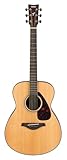
Overview: The Yamaha FS800J is a concert-sized acoustic guitar built for fingerstyle players seeking quality on a budget. Featuring a solid spruce top with scalloped bracing, this small-body instrument delivers surprising tonal depth while maintaining the durability Yamaha is known for. Its 25-inch scale length reduces string tension, making it particularly comfortable for beginners and younger players who haven’t developed finger strength.
What Makes It Stand Out: The scalloped bracing pattern is a premium feature rarely found at this price point, enhancing resonance and projection dramatically. The concert body shape excels with fingerpicking, producing articulate notes with excellent clarity. Yamaha’s legendary quality control ensures each instrument receives proper setup, while the shorter scale length significantly improves playability for those with smaller hands or shorter reaches.
Value for Money: Priced competitively against entry-level offerings from Fender and Epiphone, the FS800J justifies its cost through genuine solid wood construction and proven reliability. Unlike laminate-top competitors, the solid spruce top will actually improve with age, making this a long-term investment rather than a disposable starter instrument that players will outgrow.
Strengths and Weaknesses:
- Strengths: Superior build quality, excellent fingerstyle tone, beginner-friendly playability, durable construction, solid wood top that matures
- Weaknesses: Smaller body produces less bass response, minimal aesthetic appointments, no included accessories, limited color options
Bottom Line: The FS800J is an exceptional choice for fingerstyle beginners or players wanting a quality travel guitar. While it lacks the booming low-end of a dreadnought, its focused midrange and crystal-clear highs make it perfect for its intended purpose.
2. Fender CC-60S Concert Acoustic Guitar, with 2-Year Warranty, 3-Color Sunburst

Overview: The Fender CC-60S represents the brand’s commitment to accessible, quality acoustics for emerging players. This concert-body guitar pairs a solid spruce top with mahogany back and sides, creating a balanced tonal foundation. The instrument features Fender’s signature easy-to-play neck profile with rolled fingerboard edges, addressing common beginner complaints about uncomfortable necks.
What Makes It Stand Out: The rolled fingerboard edges provide a broken-in feel typically found on high-end instruments, eliminating the harsh fret ends that plague budget guitars. The scalloped “X” bracing pattern optimizes the solid top’s resonance, while the concert body offers comfortable ergonomics for seated practice. Fender’s included 2-year warranty demonstrates confidence in their manufacturing standards.
Value for Money: Positioned squarely in the entry-level market, the CC-60S competes directly with Yamaha’s FG/FS series. The combination of solid top, quality tonewoods, and player-centric neck design offers exceptional value. While slightly pricier than some no-name brands, the warranty and resale value justify the modest premium for brand recognition.
Strengths and Weaknesses:
- Strengths: Comfortable rolled neck edges, solid spruce top, reputable brand backing, balanced tone, excellent warranty coverage
- Weaknesses: Occasional quality control inconsistencies, basic hardware, limited acoustic projection compared to dreadnoughts, sunburst finish shows fingerprints
Bottom Line: The CC-60S is a smart purchase for beginners wanting a recognizable brand name without sacrificing playability. The comfortable neck makes learning less painful, though players seeking maximum volume might prefer a larger body style.
3. Fender CC-60SCE Concert Cutaway Acoustic Guitar, with 2-Year Warranty, Natural

Overview: The Fender CC-60SCE builds upon the solid foundation of the CC-60S by adding essential performance features. This electro-acoustic concert guitar incorporates a single-cutaway body for upper fret access and a Fishman low-profile pickup/preamp system for amplified playing. It retains the solid spruce top, mahogany back and sides, and comfortable neck of its acoustic sibling, making it a versatile hybrid instrument.
What Makes It Stand Out: The Fishman electronics represent the gold standard for affordable acoustic amplification, delivering natural plugged-in tone without the quackiness of cheaper systems. The cutaway provides access to frets beyond the 14th, expanding soloing possibilities significantly. The low-profile preamp preserves the guitar’s acoustic aesthetics while offering volume and tone shaping controls that are intuitive for beginners.
Value for Money: The price premium over the acoustic-only CC-60S is justified for anyone planning to perform or record. Comparable electronics packages alone often cost $100+ when installed aftermarket. For bedroom-only players, however, the extra cost might be unnecessary unless future-proofing is a priority. The 2-year warranty covers both acoustic and electronic components.
Strengths and Weaknesses:
- Strengths: Quality Fishman pickup system, cutaway access, maintains acoustic tone, gig-ready versatility, same comfortable neck, warranty coverage
- Weaknesses: Requires battery maintenance, slightly heavier than acoustic version, preamp controls are minimal, noticeable price jump from base model
Bottom Line: This is the logical step-up for CC-60S players ready to perform. The Fishman system ensures reliable amplification for open mics and small gigs, making it a versatile workhorse for emerging singer-songwriters who need one guitar for both practice and performance.
4. Fender CC-60S All-Mahogany Concert V2 Pack Acoustic Guitar, with 2-Year Warranty, Natural, with Gig Bag and Accessories

Overview: The Fender CC-60S All-Mahogany V2 Pack delivers a complete starter solution centered around an all-mahogany concert guitar. This bundle eliminates guesswork for new players by including essential accessories: a padded gig bag, extra strings, strap, and a 3-month Fender Play subscription. The all-mahogany construction produces a warmer, darker tone than the standard spruce-top model, with a focus on midrange richness.
What Makes It Stand Out: The Fender Play subscription provides structured video lessons tailored to this specific guitar, accelerating the learning curve dramatically for absolute beginners. The all-mahogany build creates a uniquely warm voice with strong midrange presence, ideal for blues and folk fingerstyle playing. Everything needed to start playing arrives in one box, preventing compatibility issues with aftermarket accessories and ensuring immediate playability.
Value for Money: Bundling saves approximately $50-75 compared to purchasing components separately. The Fender Play subscription (valued at ~$30) adds tremendous educational value that generic guitar packs lack. While the included gig bag is basic, it provides adequate protection for home-to-lesson transport and storage, making it practical for beginners.
Strengths and Weaknesses:
- Strengths: Complete starter package, educational subscription included, warm mahogany tone, cost-effective bundling, genuine Fender quality and warranty
- Weaknesses: All-mahogany sound lacks high-end sparkle, basic accessory quality, gig bag offers limited protection, no electronic tuner included
Bottom Line: This pack represents unbeatable value for absolute beginners. The educational content and included accessories remove all barriers to starting immediately. Players seeking brightness should opt for the spruce-top version, but those wanting instant gratification and a warm tone will love this bundle.
5. WINZZ AF227A 39 Inches Concert Acoustic Acustica Guitar with Full Kit, Delicate Vine

Overview: The WINZZ AF227A positions itself as the ultimate budget-friendly starter package with artistic flair. This 39-inch concert acoustic features a distinctive vine-pattern glossy finish that stands out from typical beginner guitars and includes an extensive accessory bundle: padded gig bag, clip-on tuner, capo, wall hanger, string winder, strap, picks, and cleaning cloth. The package also provides 1-month online lessons to jumpstart learning.
What Makes It Stand Out: The decorative vine finish transforms an ordinary beginner guitar into a personalized art piece, encouraging practice through aesthetic appeal. The comprehensive accessory list leaves absolutely nothing to purchase separately, which is rare even in premium packs. The concert size suits younger players and fingerstyle techniques, while the included wall hanger promotes proper storage and display.
Value for Money: At a fraction of brand-name competitors’ prices, this package prioritizes completeness over premium materials. The laminated construction won’t mature like solid wood, but the included accessories alone justify the entire cost. Serious players will quickly outgrow its tonal limitations, but the initial investment is minimal and risk-free.
Strengths and Weaknesses:
- Strengths: Extremely affordable, complete accessory package, attractive artistic finish, includes online lessons, ready to play out of box, lightweight design
- Weaknesses: Laminated top limits tonal development, unknown brand reliability, tuner battery not included (CR2032), questionable long-term durability, no warranty mentioned
Bottom Line: Perfect for tentative beginners testing interest without financial commitment. The artistic design and complete kit provide immediate satisfaction and everything needed to start. Dedicated students should eventually invest in a solid-top instrument. Buy this for a teenager’s first guitar or casual campfire use, not for serious musical development.
6. Fender CN-60S Concert Nylon String Acoustic Guitar, with 2-Year Warranty, Natural

Overview: The Fender CN-60S is a concert-sized nylon-string acoustic guitar designed for classical and fingerstyle players seeking quality on a budget. It features a solid spruce top paired with laminated mahogany back and sides, a mahogany neck, and a walnut fingerboard with a 12-inch radius. The 25.3-inch scale length provides comfortable string tension, while the concert body offers ergonomic playing for extended sessions.
What Makes It Stand Out: Unlike many entry-level classical guitars that use laminated tops, the CN-60S’s solid spruce top delivers superior resonance and tonal maturity that improves with age. The concert size strikes an ideal balance between comfort and projection, making it perfect for students and casual players. Fender’s inclusion of a two-year warranty demonstrates confidence in their manufacturing standards, which is rare in this price category.
Value for Money: This instrument punches above its weight class. Solid-top nylon-string guitars typically start at significantly higher price points. While the laminated back and sides keep costs down, they don’t severely compromise durability. For classical beginners or steel-string players wanting to explore fingerstyle techniques, this represents exceptional value.
Strengths and Weaknesses: Pros: Solid spruce top enhances tonal richness; comfortable concert body size; quality tonewoods throughout; two-year warranty; excellent for fingerstyle and classical repertoire.
Cons: Laminated back/sides limit ultimate resonance; not ideal for steel-string players; classical neck width may challenge those accustomed to narrower profiles.
Bottom Line: The CN-60S is an outstanding choice for classical beginners or fingerstyle enthusiasts wanting nylon-string warmth without sacrificing solid-top quality. It delivers professional-grade features at an accessible price point.
7. YAMAHA FG800J Solid Top Acoustic Guitar

Overview: The Yamaha FG800J represents the latest evolution of Yamaha’s legendary FG series, purpose-built for beginners who refuse to compromise on quality. This dreadnought acoustic features a solid spruce top with nato and mahogany back and sides, delivering the bright, balanced tone and robust low-end projection that has defined the series for decades. Yamaha’s meticulous craftsmanship ensures each instrument meets rigorous quality standards.
What Makes It Stand Out: Yamaha’s reputation for consistency sets the FG800J apart. Every guitar undergoes detailed quality control checks and receives a hand-applied finish typically reserved for more expensive instruments. The solid spruce top provides authentic acoustic tone that matures beautifully, while the dreadnought body shape offers powerful projection ideal for strumming and flatpicking.
Value for Money: Simply unmatched in the entry-level market. The FG800J delivers premium features and build quality that rivals guitars costing twice as much. Yamaha’s commitment to creating a “lifelong partner” means this instrument grows with the player, eliminating the need for an immediate upgrade.
Strengths and Weaknesses: Pros: Solid spruce top for superior tone; exceptional build quality and quality control; bright, balanced sound with strong projection; durable construction; ideal for various playing styles.
Cons: Nato wood, while tonally similar to mahogany, lacks prestige; basic aesthetics may not impress visually; may require professional setup for optimal playability.
Bottom Line: For beginners seeking a steel-string acoustic that won’t limit their growth, the FG800J is the gold standard. Its unbeatable quality-to-price ratio makes it the smartest first-guitar investment available.
8. Fender California Debut Redondo CE Series Acoustic Guitar, Beginner Guitar, 2-Year Warranty, Includes Built-In Tuner, Natural

Overview: The Fender California Debut Redondo CE is a comprehensive beginner package that combines an acoustic-electric guitar with modern learning tools. This dreadnought features an all-laminate construction for maximum durability, a comfortable C-shaped neck with walnut fingerboard, and convenient onboard electronics with a built-in tuner. The iconic 6-in-line Fender headstock provides classic styling.
What Makes It Stand Out: The included Fender Play subscription offers thousands of instructional videos, transforming this purchase into a complete learning ecosystem. The built-in tuner and pickup system eliminate barriers to practice and performance, while the cutaway design provides easy access to upper frets. Backed by Fender’s 75-year legacy and a two-year warranty, this package removes every obstacle for new players.
Value for Money: Exceptional when considering the Fender Play subscription alone represents significant value. The electronics and tuner add practical functionality that would cost extra with competitors. While the all-laminate construction keeps the price accessible, the focus on beginner needs creates genuine worth.
Strengths and Weaknesses: Pros: Fender Play subscription included; built-in tuner and electronics; durable laminate construction; comfortable C-shaped neck; cutaway for fret access; two-year warranty.
Cons: All-laminate body lacks tonal complexity of solid top; electronics are basic; primarily suited for beginners rather than advancing players; dreadnought size may be large for smaller players.
Bottom Line: The Redondo CE is the ultimate turnkey solution for absolute beginners wanting electric-acoustic versatility with structured learning. It delivers everything needed to start playing immediately.
9. Fender California Debut Redondo Series Acoustic Guitar, Beginner Guitar, 2-Year Warranty, Natural

Overview: The Fender California Debut Redondo is the acoustic-only sibling of the CE model, offering beginners a traditional playing experience without electronics. This dreadnought features all-laminate construction for resilience, a comfortable C-shaped neck with walnut fingerboard, sealed-gear tuning machines, and a walnut bridge. It maintains the iconic Fender 6-in-line headstock and includes the valuable Fender Play subscription for comprehensive learning.
What Makes It Stand Out: The Fender Play subscription remains the headline feature, providing thousands of structured lessons at no additional cost. The sealed-gear tuners offer excellent tuning stability for new players, while the walnut bridge enhances tone transfer. The lightweight laminate construction ensures durability for players still developing proper care habits, making it ideal for younger students and classroom environments.
Value for Money: Good overall value, though less compelling than the CE version. The absence of electronics and tuner reduces versatility while maintaining a similar price point. However, the included lessons and durable build still represent fair market value for beginners prioritizing acoustic purity and simplicity.
Strengths and Weaknesses: Pros: Fender Play subscription included; stable sealed-gear tuners; durable all-laminate construction; comfortable C-shaped neck; walnut bridge; two-year warranty.
Cons: No electronics limits amplification options; all-laminate body lacks tonal depth; dreadnought size may challenge smaller players; acoustic-only design reduces long-term versatility.
Bottom Line: A solid choice for beginners certain they only want acoustic play, but the CE version’s electronics and tuner offer significantly more versatility for minimal additional cost. Consider your long-term needs before deciding.
10. Fender CC-60S Concert Acoustic Guitar - Black Bundle with Gig Bag, Tuner, Strap, Strings, Picks, Instructional Book, and Austin Bazaar Instructional DVD

Overview: The Fender CC-60S Concert bundle delivers a solid-top acoustic guitar with everything needed to begin playing immediately. The concert-sized instrument features a solid spruce top, mahogany back and sides, and a walnut fingerboard with rolled edges for enhanced comfort. This comprehensive package includes a gig bag, tuner, strap, strings, picks, instructional book, and Austin Bazaar DVD for complete beginner support.
What Makes It Stand Out: The rolled fingerboard edges provide a broken-in feel rarely found at this price point, reducing finger fatigue during extended practice sessions. The concert body size offers superior comfort compared to larger dreadnoughts, particularly for younger players or those with smaller frames. Including genuine accessories rather than throwaway items demonstrates thoughtful curation and genuine value.
Value for Money: Outstanding bundle value. Purchasing the solid-top guitar and accessories separately would cost substantially more. The solid spruce top ensures tonal quality that grows with the player, while the included gig bag and instructional materials eliminate hidden startup costs that often surprise new guitarists.
Strengths and Weaknesses: Pros: Solid spruce top for superior tone; comfortable rolled fingerboard edges; manageable concert body size; comprehensive accessory bundle; mahogany back and sides.
Cons: Included accessories are entry-level quality; gig bag offers limited protection compared to hard case; black finish shows fingerprints and wear; no electronics for amplification.
Bottom Line: The CC-60S bundle is the best value package for beginners wanting solid-top quality with zero additional purchases required. It provides professional-grade playability and all essentials in one convenient, affordable package.
The Silent Show-Stopper: Understanding Hand Fatigue on Stage
Hand cramping during live performances stems from a perfect storm of physiological and mechanical factors. When you’re under stage lights, adrenaline pumping, your muscles naturally tense up. Combine that with a neck profile that forces your hand into an unnatural claw position, and you’ve got a recipe for disaster. The repetitive strain of gripping a bulky neck for 90 minutes while maintaining precise finger placement creates micro-traumas in your hand muscles and tendons. Over time, this doesn’t just hurt your performance—it can lead to chronic conditions like tendinitis or carpal tunnel syndrome that threaten your ability to play altogether.
What many guitarists don’t realize is that stage fatigue is different from practice room discomfort. You’re standing, moving, and often playing with more attack than you would at home. Your heart rate is elevated, which changes blood flow to your extremities. This means the ergonomic demands of a performance instrument are far more critical than those of your couch guitar. The solution isn’t just “playing more to build strength”—it’s choosing gear that eliminates the root cause of strain before your first note rings out.
Why Slim Necks Are Game-Changers for Performing Guitarists
Slim neck profiles fundamentally transform the biomechanics of fretting. By reducing the distance between your thumb and fingers, these designs allow your hand to maintain a more relaxed, natural curve. Think of it like shaking hands versus squeezing a tennis ball—one feels effortless, the other creates instant tension. Modern slim necks achieve this without compromising structural integrity, using advanced truss rod systems and reinforced construction that prevent the warping issues of older, thinner designs.
The real magic happens in the reduced hand span required for complex chords. That barre chord that normally has your thumb cramping at the 7th fret? On a properly designed slim neck, your thumb applies less pressure while your fingers gain better leverage. This efficiency means you can play with a lighter touch, which not only prevents cramps but actually improves your speed and accuracy. In 2026, manufacturers have refined these profiles using 3D hand modeling data, creating asymmetrical shapes that fit the hand’s natural resting position even more precisely than the uniform “C” or “D” shapes of the past.
The Ergonomic Science Behind Neck Profile Design
Neck profiling has evolved from simple wood shaping to a sophisticated study of anthropometrics—the measurement of human body dimensions. Today’s luthiers analyze thousands of hand scans to determine optimal thickness measurements at the 1st, 5th, and 12th frets. The most advanced designs feature a tapered asymmetry that’s slightly thicker on the bass side where your thumb rests for support, and thinner on the treble side where your fingers need clearance for rapid runs.
This science extends to the “shoulder” of the neck—the transition from the fretboard to the back of the neck. Slim designs in 2026 feature more rounded, rolled shoulders that prevent the sharp edge from digging into your palm during extended play. Combined with satin finishes that reduce friction against your skin, these细节details create a playing experience where the neck almost disappears in your hand, letting you focus on the music instead of your grip.
Concert Body vs. Dreadnought: Finding Your Perfect Fit
The concert body shape isn’t just about aesthetics—it’s a crucial factor in stage comfort that directly impacts hand fatigue. Unlike larger dreadnoughts that push the neck further away from your body, concert guitars position the instrument closer to your center of gravity. This means less shoulder rotation and a more natural arm angle reaching around the body to access the neck. When your shoulder isn’t straining to hold position, that relaxation cascades down through your arm to your hand.
The reduced body depth of concert guitars also changes how you cradle the instrument. You can maintain a more upright posture, which keeps your wrist in a neutral position rather than bending at an extreme angle to clear a deep body. This wrist neutrality is arguably more important than neck thickness for preventing cramp-inducing nerve compression. In 2026, many concert models feature slightly offset waists and beveled lower bouts that further enhance this ergonomic advantage without sacrificing the tonal balance performers need.
The Physics of Comfort: How Body Size Affects Playability
There’s a direct mechanical relationship between body size and fretting hand position. When you strum a large-bodied guitar, your picking arm naturally pushes the neck away from your body, forcing your fretting hand to extend further and grip more aggressively to maintain control. Concert bodies minimize this effect, keeping the neck stable and close. This stability means your hand can use subtle, efficient movements rather than constant compensatory tension.
The weight distribution differs dramatically too. A concert guitar typically concentrates mass closer to your body, reducing the neck-dive effect that forces your fretting hand to constantly support the instrument’s weight. This seemingly small detail means your hand muscles aren’t multitasking between holding up the neck and forming chords. By 2026, advanced bracing patterns and lightweight internal components have made concert bodies even more balanced, with some designs achieving near-perfect equilibrium that feels like the guitar floats in your hands.
2026 Guitar Design Innovations: What’s New for Performers
This year’s guitar market has embraced performer-centric design like never before. We’re seeing the widespread adoption of carbon fiber reinforcement in necks that allows for even slimmer profiles without stability concerns. These composite strips, invisible to the player, provide stiffness that prevents the “noodling” effect of thin wood necks while remaining acoustically transparent. The result is a neck that feels like vintage mahogany but maintains perfect relief through temperature changes and humidity swings that plague touring musicians.
Another breakthrough is the integration of piezoelectric sensors directly into the neck structure. These don’t just capture string vibration—they monitor neck stress in real-time, with LED indicators warning you when environmental conditions are pushing your setup out of optimal range. While this might sound gimmicky, it’s proving invaluable for performers who move between climates on tour, allowing preemptive truss rod adjustments before playability suffers.
Advanced Neck Materials and Construction Techniques
Beyond traditional mahogany and maple, 2026 brings exotic laminates and stabilized woods that revolutionize slim neck construction. Torrefied maple, heat-treated to remove moisture and resins, offers the stability of composite materials with the organic feel of wood. When used in multi-ply neck construction with opposing grain directions, it creates a neck that stays straight with minimal truss rod tension—a key factor in maintaining low action without buzzing.
The fingerboard itself has seen innovation, with compound radius designs becoming standard on performance models. These start with a tighter radius at the nut for comfortable chording and flatten toward the body for effortless bending and vibrato. Combined with stainless steel frets that reduce friction and last indefinitely, these boards make string movement feel almost frictionless, reducing the finger pressure needed and consequently easing hand strain.
The Rise of Hybrid Acoustic-Electric Slim Designs
The line between acoustic and electric guitar ergonomics has blurred significantly. Modern hybrid designs borrow the slim, fast necks of electric guitars while maintaining acoustic body resonance. These often feature reduced acoustic depth with internal chambers that preserve tone while making the instrument feel more like a solid-body electric. For performers who switch between electric and acoustic sets, this design continuity prevents the jarring transition that can cause technique breakdown and increased tension.
These hybrids also incorporate advanced preamp systems with adjustable mid-scoop controls that compensate for the tonal differences of ultra-slim necks. Since thinner necks can sometimes emphasize certain frequencies, these smart electronics let you dial back in the warmth and body that might be lost, ensuring you don’t sacrifice your signature sound for comfort.
Key Features That Prevent Hand Cramping
When shopping for a cramp-proof performance guitar, several specs work together to create hand-friendly ergonomics. Neck thickness at the 1st fret is the obvious starting point—generally, anything under 20mm qualifies as slim, but the real comfort comes from how that thickness tapers to the 12th fret. A gradual taper prevents the feeling of the neck “ballooning” as you move up the board, which can force uncomfortable hand repositioning mid-song.
Fretboard width plays a crucial role too. While nut width is often discussed, the string spacing at the saddle matters just as much for your picking hand comfort. Wider string spacing can actually reduce cramping by giving your fingers more room to maneuver without colliding, paradoxically allowing a more relaxed hand position. The key is matching this width to your finger length and playing style—longer fingers benefit from slightly wider spacing, while shorter fingers need compact layouts.
Nut Width: The Critical Measurement Most Guitarists Overlook
Nut width determines the spacing between strings at the headstock end, directly affecting how much stretch your fingers need for open chords and first-position work. Standard acoustic nuts around 43mm can feel cramped for complex fingerings, while 45mm provides breathing room without making the neck feel overly wide. The 2026 trend is toward adjustable nut systems that let you customize spacing in 0.5mm increments, essentially future-proofing your guitar as your technique evolves.
But nut width is only half the story—string spacing (the distance from string center to string center) can vary even within the same nut width depending on how the slots are cut. Modern performance guitars often feature compensated spacing that’s slightly wider on the bass strings where your thumb needs clearance, and tighter on the treble strings for efficient scale runs. This asymmetrical approach mirrors the natural fan of your fingers when relaxed.
Scale Length and Its Impact on String Tension
Scale length—the distance from nut to saddle—dramatically affects how much force your fingers need to fret notes and bend strings. Shorter scales around 24.75" reduce string tension significantly compared to the standard 25.5", making every note easier to press. This translates directly to reduced hand fatigue over a long set. The trade-off is slightly less acoustic projection, but modern bracing designs have largely compensated for this.
For 2026, we’re seeing more guitars offer adjustable scale lengths through modular bridge systems. While not a feature you’ll change mid-show, it allows you to experiment with different setups during soundcheck to find the sweet spot between tension and tone. Some innovative designs even feature fanned frets, with a longer bass side scale and shorter treble side, optimizing tension across all strings for the most comfortable playing experience possible.
Fingerboard Radius: Flat vs. Curved for Fast Playing
The radius of your fingerboard determines how much the surface curves from edge to edge. Traditional acoustics used flat 12" radii, which feel stable for chording but can cause your fingers to “fall off” the edges during fast runs. Modern performance guitars embrace compound radii that start around 12" at the nut and flatten to 16" or more by the body. This gives you the best of both worlds: a comfortable curve for cowboy chords and a flat plane for shredding.
Extremely flat radii (20"+) have also gained popularity among fingerstyle players who need consistent string height across the board for complex tapping and slapping techniques. The key is matching the radius to your playing style—if you primarily chord, a moderate 14" uniform radius might serve you better than an extreme compound. For 2026, many manufacturers laser-etch radius measurements right on the neck heel, making it easy to verify specs without digging out calipers.
Action Height and Setup: The Professional’s Secret Weapon
Even the slimmest neck will cause cramps if the action is too high. Action—the distance between strings and frets—should be as low as possible without buzzing. For performance acoustics, this typically means 1.5mm on the high E string and 2.0mm on the low E at the 12th fret. But these numbers aren’t universal; your playing attack and string gauge dramatically affect what’s possible.
The real secret is in the setup. A professional setup for a performance guitar includes not just adjusting the truss rod and saddle height, but also leveling and crowning frets to exacting tolerances. In 2026, many guitars ship with PLEK-machine precision leveling, ensuring every fret is within 0.01mm of perfect height. This consistency means you can run lower action without fear of random buzzes that force you to grip harder. Some touring musicians even travel with digital action gauges, checking their setup before each show to ensure environmental changes haven’t thrown off their carefully dialed-in specs.
Tonewood Choices That Enhance Playability
While tonewood discussions usually focus on sound, different woods significantly impact physical comfort. Lightweight bodies reduce overall instrument weight, which prevents shoulder fatigue from cascading down to your hands. Mahogany remains a popular choice for concert bodies, offering warmth and midrange punch at around 2.5 pounds for the body alone. But newer options like African okoume or chambered Spanish cedar can shave half a pound without tonal sacrifice.
The neck wood’s density affects how the neck responds to your touch. Denser woods like maple transmit vibration differently than mahogany, creating a stiffer feel that some players find more precise. However, this stiffness can also feel less forgiving, potentially increasing tension if you’re not accustomed to it. The 2026 solution is laminated necks that combine woods strategically—dense strips for stability with softer cores for vibration damping and comfort.
Lightweight Options for Reduced Shoulder Strain
Carbon fiber bodies have matured from experimental to exceptional, with brands mastering the art of creating lightweight, resonant shells that weigh under 3 pounds complete. These instruments eliminate neck dive entirely and reduce the cumulative fatigue that leads to hand cramping. The key advancement in 2026 is hybrid carbon/wood construction, where carbon provides structural support while wood veneers contribute acoustic complexity and traditional aesthetics.
Another innovation is the use of torrefied or “baked” spruce tops, which are lighter than traditional spruce but stiffer, allowing for thinner bracing. This reduces top weight while maintaining structural integrity and tonal projection. When combined with lightweight back and side woods like khaya mahogany or poplar, you get a full-size concert guitar that feels like a travel instrument in your hands but sounds like a studio masterpiece through the PA.
Electronics and Onboard Features for Stage-Ready Performance
Modern performance acoustics integrate electronics that do more than just amplify your sound. Advanced preamp systems now include haptic feedback in the neck that provides subtle vibration cues when your tuning drifts, allowing you to make micro-adjustments without taking your eyes off the audience. This keeps your hand position consistent instead of the awkward reach for tuners that can trigger cramps.
Feedback suppression has also evolved beyond simple notch filters. 2026 systems use phase-cancellation algorithms that analyze the room’s resonant frequencies in real-time, automatically adjusting to prevent the low-frequency rumble that often forces players to grip the neck tighter to control. This means you can play with a lighter touch even at high volumes, preserving your hand stamina through the final encore.
Budget Considerations: Investing in Your Playing Health
A performance-ready slim-neck concert guitar represents an investment in your musical longevity. While entry-level models exist, they often compromise on the precise fretwork and stable neck construction that make slim profiles truly comfortable. The sweet spot for professional-grade ergonomics typically starts around the mid-tier price range, where manufacturers apply the same CNC precision and quality control as their flagship models but with simpler wood choices and cosmetic details.
Consider this: hand surgery for repetitive strain injuries can cost thousands and sideline you for months. A properly designed guitar that prevents those injuries is cheap insurance. That said, not every expensive guitar is ergonomic, and not every affordable one is uncomfortable. The key is prioritizing neck construction and setup quality over fancy inlays or rare wood tops when your primary goal is cramp-free performance.
When to Splurge vs. When to Save on Slim-Neck Acoustics
Splurge on the neck and fretwork. These are the non-negotiable elements that directly impact hand health. A guitar with a perfectly executed slim neck, stainless frets, and precision setup will serve you better than a fancy top with a mediocre neck profile. Save on cosmetic features like abalone purfling or premium tuners that look great but don’t affect playability.
Where you shouldn’t compromise is in the truss rod system. Dual-action truss rods that allow both forward and backward bow adjustment give you precise control over neck relief, which is crucial for maintaining low action as seasons change. Also invest in a professional setup immediately after purchase, even on a new instrument. Factory setups are designed to be safe for shipping, not optimized for your hands.
Maintenance Tips to Preserve Slim Neck Playability
A slim neck requires vigilant maintenance to keep it performing at its best. Check your neck relief monthly using the classic capo-and-feeler-gauge method: capo at the first fret, press the string at the last fret, and measure the gap at the 8th fret. For slim necks, you want just enough relief to prevent buzzing—typically 0.008" to 0.010". Any more and you’re working harder than necessary to fret notes.
Humidity control is critical. Slim necks have less wood mass, making them more susceptible to environmental changes. Store your guitar in its case with a two-way humidity control system that maintains 45-50% relative humidity. When traveling, give the guitar 24 hours to acclimate in its case before opening it in a new climate. Rapid changes can cause the neck to shift, throwing off your carefully adjusted action and forcing you to compensate with grip pressure.
Clean your fretboard every string change with a conditioning oil appropriate for your wood type. A clean, smooth fingerboard reduces friction that can cause micro-adjustments in hand position that accumulate into tension. For satin-finished necks, occasionally rub the back with a microfiber cloth to remove skin oils that can create sticky spots, which inevitably lead to a tighter grip.
Frequently Asked Questions
Q: Will switching to a slim neck affect my tone?
A: Modern construction techniques ensure slim necks maintain full acoustic resonance. While there are subtle tonal differences, the reduced mass can actually enhance certain frequencies, and any perceived loss is easily compensated through your pickup system. Most performers find the trade-off in comfort far outweighs any minimal tonal shift.
Q: How long does it take to adjust to a slim neck profile?
A: Most players adapt within 2-3 weeks of regular practice. Start with shorter sessions to build muscle memory without fatigue. You’ll likely find your hand naturally relaxes into the new shape within the first week, but full comfort with complex techniques may take a month. The key is consistency—don’t switch back and forth between instruments during this period.
Q: Are slim necks durable enough for touring?
A: Absolutely. Today’s slim necks use carbon fiber reinforcement and multi-ply construction that makes them more stable than traditional thick necks. The critical factor is choosing a quality instrument from a reputable manufacturer who understands the engineering required. Avoid ultra-cheap slim necks that lack proper reinforcement.
Q: Can I modify my existing guitar to have a slimmer neck?
A: While possible, it’s not recommended. Reshaping a neck requires removing significant wood, which compromises structural integrity and truss rod function. The cost of a professional job often approaches the price of a new instrument. You’re better off selling your current guitar and investing in a purpose-built slim-neck model.
Q: What’s the ideal string gauge for slim necks to prevent cramping?
A: Lighter gauges (11-52 for standard tuning) work beautifully on slim necks due to the reduced tension. Many 2026 models are factory-set for these gauges with appropriate nut slots and saddle compensation. If you prefer heavier strings for tone, consider a shorter scale length to offset the increased tension.
Q: Do left-handed players benefit differently from slim necks?
A: The ergonomic advantages are identical, but left-handed players often face limited options. Fortunately, 2026 has seen a surge in lefty-friendly slim-neck acoustics. Some manufacturers now offer ambidextrous neck profiles that feel equally comfortable regardless of orientation, addressing the historical neglect of southpaw ergonomics.
Q: How does fingerboard radius impact barre chords on slim necks?
A: Compound radii are the sweet spot for barre chords. The tighter radius near the nut keeps strings at a consistent height across the board, making full barres easier. The flatter radius up the neck prevents your fingers from feeling like they’re falling off the edges during extended barre positions. This design nuance is why modern performance guitars excel at both rhythm and lead work.
Q: Are there specific warm-up exercises for adapting to slim necks?
A: Focus on exercises that promote finger independence without excessive pressure. Spider walks using minimal fret pressure, chromatic scales with a feather-light touch, and gentle stretching between the thumb and fingers are ideal. Avoid aggressive grip-strengthening exercises—they’re counterproductive for slim neck adaptation.
Q: Can children or players with small hands use these guitars?
A: Concert bodies with slim necks are actually ideal for smaller hands. The reduced reach and lighter string tension make proper technique accessible. Many instructors now recommend these instruments for serious young students to prevent developing bad habits from fighting with oversized guitars. The key is ensuring the nut width isn’t too wide—look for 43-44mm options.
Q: What role does strap height play with slim-neck concert guitars?
A: Proper strap positioning is crucial. Position the guitar so your fretting hand wrist stays straight at the 5th fret. Too low and you’ll bend your wrist excessively, negating the slim neck’s benefits. Too high and you’ll elevate your shoulder. Concert bodies sit naturally higher than dreadnoughts, so you may need to adjust your strap length when switching body styles.
See Also
- 10 Beginner Acoustic Guitars with Slim Necks for Kids in 2026
- Stop Feedback on Stage: 10 Acoustic Guitars with Built-In Anti-Feedback in 2026
- 10 Concert Acoustic Guitars for Small-Stage Performers in 2026
- 10 Concert Acoustic Guitars for Female Vocalists That Sit Comfortably in 2026
- Top 10 Best Concert Acoustic Guitars for Fingerstyle Players in 2026