Table of Contents
The percussive fingerstyle revolution isn’t slowing down—if anything, 2026 promises to be the year it fully matures into mainstream acoustic performance. What started as a niche technique has evolved into a sophisticated language that demands instruments specifically engineered for the task. While dreadnoughts and jumbos have their place, the concert body shape has emerged as the unsung hero for players who blend melody, harmony, and rhythm into a single explosive performance. Its balanced proportions, articulate voice, and ergonomic design create the perfect canvas for the modern percussive fingerstylist.
But here’s the truth that separates hobbyists from serious performers: not every concert acoustic guitar can handle the brutal, beautiful assault of percussive techniques. The instrument you choose must be a willing partner in sonic experimentation—responding to aggressive taps, body slaps, and harmonic slaps while maintaining musical clarity. As we look toward 2026, advances in pickup technology, sustainable tonewoods, and bracing innovation have fundamentally changed what’s possible. Let’s explore the essential features and considerations that will guide your decision.
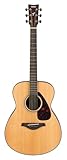
Top 10 Concert Acoustic Guitars


Detailed Product Reviews
Why Concert Body Shape Reigns Supreme for Percussive Fingerstyle
The Physics of Projection and Balance
The concert body’s dimensions—typically 13.5 inches across the lower bout—create a sweet spot that larger bodies can’t match. When you’re executing a thumb slap on the lower strings while simultaneously tapping the upper bout for a snare effect, you need an instrument that projects both frequencies without one overpowering the other. The concert shape’s tighter waist prevents the muddy low-end buildup that plagues dreadnoughts during percussive play, while its slightly shallower depth (usually 4-4.25 inches) reduces internal standing waves that can mask your subtle harmonic taps.
Comfort for Extended Playing Sessions
Percussive fingerstyle is a full-contact sport. Your right arm becomes a percussion instrument, striking the guitar body hundreds of times per set. The concert shape’s reduced overall size means less shoulder rotation and a more natural arm position during extended tapping sequences. This ergonomic advantage becomes critical during two-hour performances where fatigue directly impacts precision. The slightly smaller footprint also allows for closer microphone placement when blending acoustic and amplified sounds—a technique increasingly common in 2026’s hybrid performance environments.
Understanding Percussive Fingerstyle Demands on Your Instrument
Tapping, Slapping, and the Need for Responsiveness
Your guitar must distinguish between a gentle melody note and a forceful thumb attack on the same string. This requires a top wood with exceptional dynamic range—one that responds to feather-light touches but doesn’t compress or choke when you dig in for a bass drum thump. The bridge’s energy transfer efficiency becomes paramount; every percussive strike needs to activate the entire top, not just create a dull thud. Look for instruments where the builder has considered attack velocity in their voicing process.
How Body Contact Noise Affects Performance
That satisfying “thwack” from a palm slap isn’t just noise—it’s part of your musical vocabulary. However, poorly constructed guitars translate body contact into unwanted rattles and sympathetic vibrations. The ideal concert guitar for percussive work channels these intentional strikes into musical events while suppressing parasitic noises through precise internal damping and robust hardware mounting. In 2026, many luthiers are experimenting with selective mass loading in the upper bout to enhance the “snare” quality of side taps without compromising the guitar’s core voice.
Critical Tonewood Selection for 2026
Top Wood: Spruce vs. Cedar vs. Emerging Alternatives
Sitka spruce remains the percussive fingerstyle workhorse for its headroom and clarity, but European spruce is gaining traction for its complex overtones that sweeten harmonic slaps. Cedar, traditionally avoided for aggressive playing, has been re-engineered through advanced torrefaction processes that increase its compression threshold by nearly 30%. The real story for 2026 is the rise of thermally modified redwood and sinker cedar—reclaimed woods that offer cedar’s warmth with spruce’s power, perfect for players who want vintage tone with modern durability.
Back and Sides: Mahogany, Rosewood, and Sustainable Options
Mahogany’s focused midrange helps percussive elements cut through a mix, making it ideal for solo performers. Rosewood adds complexity and shimmer to harmonic taps, particularly above the 12th fret. But sustainability concerns have birthed legitimate alternatives like African padauk and thermally modified maple, which deliver rosewood-like overtones without the ethical baggage. These newer woods often exhibit faster note decay—surprisingly beneficial for percussive work, as they prevent rhythmic elements from blurring together.
The Neck Wood Factor in Percussive Stability
While tonewood discussions typically ignore the neck, percussive players can’t afford that oversight. The neck acts as a counter-tension system against the top’s violent excitations. Mahogany necks provide warmth and stability, but carbon fiber reinforcement has become non-negotiable for serious percussive artists. The neck must remain absolutely rigid when you’re slamming the body for a kick drum effect; any flex introduces tuning instability and kills sustain where you need it most.
The Anatomy of an Ideal Percussive Fingerstyle Neck
Nut Width and String Spacing Considerations
The 1.75-inch nut width has become the percussive fingerstyle standard, but 1.812 inches is gaining popularity among players with larger hands who need extra room for complex finger gymnastics. Wider spacing at the bridge—typically 2.25 inches or more—prevents sympathetic buzzing when you’re aggressively attacking individual strings for rhythmic patterns. This extra real estate also makes string-specific slaps more accurate, letting you target the low E for bass drum sounds while keeping the high strings free for melody.
Neck Profile and Hand Fatigue Prevention
Modern “soft V” and asymmetrical profiles dominate the 2026 landscape for good reason. They fill the hand during barre chords while creating a flatter surface for thumb-over techniques used in percussive patterns. The key is a profile that changes subtly as you move up the neck—thicker at the first fret for stability, slimmer at the 12th for tapping access. Some builders now offer adjustable neck profiles via interchangeable inserts, though this remains a premium feature.
Fretboard Radius and Accessibility
A 16-inch radius or flatter has become the percussive fingerstyle benchmark. Compound radii that flatten from 12 to 20 inches in the upper registers make two-hand tapping techniques infinitely more comfortable. Ebony fretboards remain the top choice for their stiffness and glassy response, but richlite and other composites are closing the gap while offering superior durability against the wear from aggressive fingernail attacks.
Electronics and Amplification in the Modern Era
Pickup Systems That Capture Percussive Nuances
Undersaddle pickups alone are obsolete for percussive work. The future belongs to hybrid systems combining undersaddle transducers with body sensors and internal microphones. The key is independent control over each source—blending the attack from the undersaddle with the body thump from a contact sensor while adding air from a mic. In 2026, look for systems with built-in compressors specifically voiced for percussive transients, preventing that harsh “ping” when you tap aggressively.
The Importance of Onboard Preamp Control
You need quick access to EQ and volume when moving between delicate fingerpicking and full percussive assault. Preamps with at least three bands of EQ, notch filtering for feedback, and a phase switch are baseline requirements. The game-changer is Bluetooth connectivity that lets you adjust settings from your phone mid-performance—crucial when you’re discovering how your guitar reacts to a new venue’s acoustics. Battery life has improved dramatically, with lithium-ion packs now lasting 100+ hours, but always choose systems with passive bypass modes for when power fails.
Build Quality and Construction Methods
Bracing Patterns That Enhance Percussive Response
Scalloped X-bracing remains the foundation, but forward-shifted patterns with scalloped tone bars specifically tuned for midrange punch are transforming percussive tone. Some innovative builders are employing “floating” finger braces that don’t contact the top except at their ends, allowing unprecedented top mobility for body strikes. The most advanced guitars feature asymmetric bracing that’s heavier on the bass side to handle kick drum slaps while keeping the treble side light and responsive for melody.
Finish Types and Their Impact on Resonance
Ultra-thin nitrocellulose finishes (under 0.005 inches) remain the gold standard for resonance, but UV-cured polyester formulas have achieved similar thinness with vastly superior durability. For percussive players, the finish must withstand constant body contact without checking or cracking. Satin finishes on the neck are mandatory for friction-free position shifts during complex routines, while the body’s finish should be thin enough to let the wood breathe but tough enough to survive years of aggressive playing.
Hardware and Component Choices
Bridge Design and Energy Transfer
Believe it or not, bridge material and mass dramatically affect percussive tone. A heavier bone saddle (around 3mm thickness) transfers more energy from string slaps, while a lightweight bridge plate prevents the top from being overdamped. Pinless bridge designs are gaining favor among percussive players because they allow for quicker string changes and eliminate the potential for bridge plate cracking under repeated impact stress. The bridge’s footprint matters too—wider bridges spread percussive energy more evenly across the top.
Tuning Machine Stability
Gotoh 510-style tuners with 21:1 ratios have become the percussive fingerstyle standard for their ability to hold pitch during violent body strikes. Locking tuners are worth the investment not for quick string changes, but for the increased break angle they maintain at the nut—a critical factor when you’re bending strings during two-hand taps. Look for sealed gear housings that resist dust and moisture, and always choose tuners with metal knobs; plastic can crack under the constant vibration from aggressive percussive play.
Scale Length and Its Percussive Implications
Short Scale vs. Standard Scale for Fingerstyle
The 25.5-inch standard scale provides better string tension for crisp rhythmic attacks, but the 24.9-inch short scale reduces hand stretch during complex fingerings. The compromise? Multi-scale (fanned fret) designs that give you treble string clarity with bass string comfort. These are particularly effective for percussive players who use alternate tunings like DADGAD or open C, as they maintain even tension across all strings—a crucial factor when you’re slapping the low strings for bass drum effects.
Budget Considerations for Serious Players
Investment vs. Return in Professional Instruments
Quality concert guitars for percussive work start around $1,500 in 2026, but the sweet spot lies between $2,500 and $4,000. Below this range, corners are cut in bracing precision and component quality that directly impact percussive performance. Above $5,000, you’re paying for aesthetic enhancements and marginal tonal improvements. Consider your guitar a professional tool; budget for professional setup and potential pickup upgrades. Many mid-priced instruments punch far above their weight after a skilled luthier optimizes the setup for your specific attack style.
Sustainability and Ethical Sourcing in 2026
Certified Woods and Eco-Friendly Manufacturing
The percussive fingerstyle community has embraced sustainability with unusual fervor, perhaps because many players perform in environmentally conscious venues. FSC certification is now table stakes, but the real innovation is in plantation-grown tonewoods specifically cultivated for acoustic performance. Australian blackwood and African okoume are proving legitimate alternatives to old-growth mahogany, while mycelium-based composites are being used for non-tonal components. Forward-thinking builders provide complete chain-of-custody documentation—a feature worth supporting even at a slight premium.
Testing and Evaluating Guitars In-Person
What to Listen For in Percussive Situations
Bring your own reference recordings when testing guitars. Play the same percussive pattern on each instrument and listen for note separation during rapid-fire taps. A great percussive guitar maintains string-to-string clarity even when you’re hammering the body like a drum. Pay attention to how the guitar responds to different strike velocities—does it compress pleasantly or choke? The best instruments offer a linear response curve, getting louder and fuller as you hit harder, never plateauing or breaking up.
The “Tap Test” and Other Evaluation Techniques
Tap the guitar body with your knuckles in various locations. The upper bout should produce a crisp, snare-like “crack” while the lower bout delivers a warm, kick drum “thump.” If any area sounds dead or produces a rattle, walk away. Check for wolf tones by tapping gently while fretting each note—percussive playing exaggerates these resonant peaks, making them unbearable in performance. Finally, play with a capo at multiple positions; percussive players use capos extensively, and the guitar must maintain its voice and balance across all positions.
Common Mistakes to Avoid When Choosing
Overlooking Setup Quality
A guitar optimized for percussive work requires action heights and relief settings that would be unplayable for strummers. The action must be low enough for effortless tapping but high enough to prevent buzzing during aggressive slaps. Many players buy an excellent guitar but never invest in the specialized setup it needs. Budget $200-300 for a professional luthier to voice the guitar specifically for percussive techniques—this often involves slightly loosening the truss rod and adjusting the saddle to optimize energy transfer.
Prioritizing Aesthetics Over Function
That gorgeous abalone rosette and flamed maple binding won’t help you when your guitar feeds back during a crucial performance. Percussive players are notoriously hard on instruments; choose durability over decoration. A simple, well-built guitar will serve you better than an ornate showpiece. This is particularly true for finishes—glossy, thick poly finishes look stunning but kill the percussive responsiveness you need. Let your playing be the visual spectacle, not the guitar’s appearance.
The Role of Customization and Luthier Collaboration
When to Consider a Custom Build
If you’ve been playing percussive fingerstyle for more than two years and know your technique inside and out, a custom instrument becomes a legitimate consideration rather than a luxury. A skilled luthier can voice the top specifically for your attack velocity, position body sensors precisely where your strike patterns occur, and carve a neck profile that fits your hand like a glove. The cost—typically $5,000 to $8,000—is justified when you consider it as commissioning a professional tool built for your exact specifications. Many luthiers now offer “percussive voicing” as a standard service option.
Caring for Your Percussive Fingerstyle Guitar
Maintenance Tips for High-Energy Playing
Percussive playing accelerates wear exponentially. Check your frets every three months for divots, especially under the strings you tap most frequently. The constant vibration loosens hardware faster than traditional playing; keep a small toolkit for monthly truss rod and tuner checks. Humidity control is critical—percussive strikes stress the top more than normal playing, making it more susceptible to cracking in dry conditions. Consider a two-way humidification system that both adds and removes moisture. Finally, learn to polish your frets regularly; the aggressive finger pressure from tapping creates microscopic roughness that kills sustain.
Future-Proofing Your 2026 Investment
Modular Components and Upgradable Features
The most forward-thinking guitars now feature modular preamp systems that can be swapped as technology evolves. Some builders offer interchangeable back panels that let you change tonewoods without buying a new instrument—imagine mahogany for solo gigs, rosewood for recording sessions. Quick-connect pickup systems mean you can upgrade to next year’s breakthrough sensor technology without soldering. When investing in a professional-grade instrument, ask about upgrade paths. A guitar that can evolve with your technique and technology offers far better long-term value than a static instrument, no matter how beautiful its initial voice.
Frequently Asked Questions
What makes a concert body shape better than a dreadnought for percussive fingerstyle?
The concert’s tighter waist and reduced depth prevent low-frequency mud during aggressive body strikes while maintaining the midrange punch that helps percussive elements cut through a mix. Its ergonomic size also reduces player fatigue during extended percussive passages.
How much should I expect to spend for a gig-ready percussive fingerstyle guitar in 2026?
Plan on $2,500-$4,000 for a professional instrument that won’t hold you back. Below this price point, compromises in bracing precision and component quality directly impact percussive performance. Remember to budget an additional $300-500 for a specialized setup and potential pickup upgrades.
Can I modify my existing acoustic guitar for percussive techniques?
Yes, but with limitations. A skilled luthier can install a percussive-optimized pickup system, adjust the action and relief for tapping, and potentially modify the bracing. However, the guitar’s fundamental voicing and body size can’t be changed. Concert-shaped guitars respond best to these modifications.
What pickup configuration best captures percussive elements?
A hybrid system combining an undersaddle transducer with at least one body sensor and an internal microphone provides the most complete picture. The key is independent control over each source, allowing you to blend attack, body thump, and air according to the venue and playing style.
Do I need a special type of strings for percussive fingerstyle?
Medium gauge (.013-.056) phosphor bronze strings provide the best balance of tension for tapping and flexibility for bending. Some players prefer coated strings for their smoother feel during slides, though purists argue coatings slightly dampen percussive transients. Experiment with hybrid sets that use heavier bass strings for better kick drum effects.
How often should I have my percussive fingerstyle guitar serviced?
More frequently than a traditional acoustic. Schedule a professional check-up every six months to address fret wear, hardware loosening, and top distortion from repeated impacts. Monthly, perform your own inspections of tuning machines, neck relief, and string height.
Will a cutaway affect the percussive response of my guitar?
A cutaway reduces internal air volume slightly, which can marginally affect low-end response, but the benefits for upper-fret access far outweigh this minor compromise. Modern cutaway designs are so structurally efficient that most players can’t detect any tonal difference, especially when amplified.
What’s the ideal humidity range for a percussive fingerstyle guitar?
Maintain 45-55% relative humidity. Percussive playing stresses the top more than conventional techniques, making the instrument more vulnerable to cracking in dry conditions. Use a two-way humidification system that actively maintains this range, especially if you tour frequently.
Can laminate back and sides work for percussive fingerstyle?
Solid wood is preferable, but high-quality laminates with thin outer veneers over a lightweight core can perform admirably. The key is the top—it must be solid and properly voiced. Some budget-conscious players choose laminate back/sides for durability on tour, though they sacrifice some tonal complexity.
How do I know if a guitar is “too delicate” for percussive techniques?
Tap the top firmly with your knuckle. If you hear any cracking sounds, see finish checking, or feel the top flex excessively, the instrument isn’t built for percussive work. Quality percussive guitars feel solid and respond to firm taps with a clear, musical tone, not a sense of fragility. When in doubt, ask the builder about their bracing design’s impact resistance rating.
See Also
- Top 10 Best Concert Acoustic Guitars for Fingerstyle Players in 2026
- 10 Expert-Recommended Acoustic Guitars for Percussive Slap Techniques in 2026
- 10 Game-Changing Acoustic Guitars for Percussive Fingerstyle Players in 2026
- 10 Must-Have Parlor Acoustic Guitars for Fingerstyle Players in 2026
- 10 Concert Acoustic Guitars for Female Vocalists That Sit Comfortably in 2026