Table of Contents
The living room has replaced the stadium as the most sacred space in modern music. As we move deeper into 2026, singer-songwriters are rediscovering what folk pioneers always knew: there’s unparalleled magic in performing three feet from your audience, without barricades or sound engineers. The concert acoustic guitar—smaller than a dreadnought yet more commanding than a parlor—has become the weapon of choice for these intimate house show warriors. But not just any concert body will do. The perfect instrument for unplugged (or minimally amplified) living room performances demands a delicate alchemy of projection, tonal clarity, and ergonomic comfort that won’t fatigue your hands during a two-hour storytelling marathon.
What separates a mediocre house show guitar from one that transforms your performance? It’s not brand prestige or exotic wood combinations that cost as much as a used car. The answer lies in understanding how specific design elements interact with the unique acoustics of residential spaces—carpeted floors, drywall, and that weird corner where the bass always disappears. Whether you’re a coffeehouse veteran upgrading your rig or a bedroom songwriter preparing for your first paid gig in a fan’s living room, this guide dismantles the marketing fluff and reveals what truly matters when selecting your concert companion for 2026.
Top 10 Concert Acoustic Guitars
Detailed Product Reviews
1. Fender CC-60S Concert Acoustic Guitar, with 2-Year Warranty, 3-Color Sunburst

Overview:
The Fender CC-60S Concert Acoustic Guitar delivers exceptional value for players seeking quality craftsmanship at an entry-level price point. This concert-bodied instrument features a solid spruce top with scalloped “X”-bracing, paired with mahogany back and sides for a balanced, articulate tone. The 3-Color Sunburst finish adds vintage visual appeal while maintaining Fender’s reputation for durability. Designed with playability in mind, the neck incorporates rolled fingerboard edges that make chord transitions remarkably comfortable, especially for beginners developing calluses.
What Makes It Stand Out:
The rolled fingerboard edges are a premium touch rarely found in this price bracket, significantly reducing hand fatigue during extended practice sessions. The scalloped bracing pattern enhances resonance and projection, allowing the solid spruce top to vibrate more freely. Fender’s inclusion of a 2-year warranty demonstrates confidence in their manufacturing standards, providing peace of mind that competitors often lack.
Value for Money:
Priced competitively against Yamaha and Epiphone alternatives, the CC-60S offers a genuine solid wood top rather than laminate, which dramatically improves tonal maturity as the wood ages. This represents outstanding long-term value for beginners who might otherwise outgrow a laminate guitar quickly.
Strengths and Weaknesses:
Strengths: Superior playability, solid spruce top, excellent warranty coverage, iconic brand heritage
Weaknesses: Laminate back and sides limit ultimate tonal complexity, gig bag not included
Bottom Line:
The Fender CC-60S is an ideal first serious acoustic guitar for beginners or a reliable backup for experienced players. Its combination of playability, solid wood construction, and warranty protection makes it a smart investment that will inspire continued musical growth.
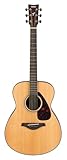
2. Yamaha FS800J Small Body Solid Top Acoustic Guitar, Natural, Concert
Overview:
The Yamaha FS800J represents the Japanese manufacturer’s commitment to accessible quality, featuring a concert-style body specifically optimized for fingerstyle playing. Its solid spruce top with scalloped bracing produces a clear, balanced voice that belies its modest price tag. The 25-inch scale length reduces string tension, making it exceptionally comfortable for younger players, beginners, or guitarists with smaller hands. Yamaha’s legendary quality control ensures each instrument meets rigorous durability standards.
What Makes It Stand Out:
The shorter 25-inch scale is a game-changer for playability, reducing finger stretch requirements without sacrificing tone. The FS body shape’s focused voice excels in fingerpicked passages, with note definition that stands out in recordings. Yamaha’s proprietary scalloped bracing delivers impressive projection from a small body, while the natural finish showcases the wood grain beautifully.
Value for Money:
Competing directly with Fender’s CC series, the FS800J offers comparable solid-top construction at a similar price point. Yamaha’s reputation for consistency means you’re less likely to encounter factory defects, saving potential setup costs. The durability ensures this guitar can withstand the learning curve’s inevitable bumps and scrapes.
Strengths and Weaknesses:
Strengths: Shorter scale length, fingerstyle-optimized voicing, exceptional build consistency, solid spruce top
Weaknesses: Smaller body lacks deep bass response for aggressive strummers, minimal aesthetic appointments
Bottom Line:
The Yamaha FS800J is perfect for fingerstyle enthusiasts, younger players, or anyone prioritizing comfort. While it won’t replace a dreadnought for booming strums, its articulate voice and ergonomic design make it an exceptional learning tool that remains musically relevant as skills advance.
3. Fender CC-60S All-Mahogany Concert V2 Pack Acoustic Guitar, with 2-Year Warranty, Natural, with Gig Bag and Accessories

Overview:
This all-mahogany variant of Fender’s popular CC-60S comes as a complete starter bundle, eliminating the guesswork for first-time buyers. The concert body features mahogany top, back, and sides, producing a warmer, woodier tone than its spruce-topped sibling. The package includes essential accessories: a padded gig bag, extra strings, guitar strap, and a 3-month Fender Play subscription, providing structured online lessons. The natural finish highlights mahogany’s attractive grain pattern.
What Makes It Stand Out:
The all-mahogany construction offers a distinct sonic character with enhanced midrange presence, perfect for folk and blues. The bundled Fender Play subscription transforms this from mere instrument purchase into a comprehensive learning system, guiding beginners through fundamentals. Having all necessary accessories included means you can start playing immediately without additional shopping trips.
Value for Money:
While slightly pricier than the base CC-60S, the included accessories and subscription justify the premium. The Fender Play membership alone represents significant value, offering curriculum-quality instruction. However, the all-laminate mahogany construction sacrifices some projection compared to solid-top alternatives.
Strengths and Weaknesses:
Strengths: Complete starter package, warm tonal character, Fender Play subscription, rolled fingerboard edges
Weaknesses: Laminate top limits dynamic response, basic gig bag quality, electronics not included
Bottom Line:
The CC-60S All-Mahogany Pack is the ultimate convenience purchase for absolute beginners. If you value having everything in one box and appreciate mahogany’s warm voice, this bundle delivers. Serious students may eventually want to upgrade to a solid-top instrument, but this package provides an excellent, frustration-free entry point.
4. Fender CC-60SCE Concert Cutaway Acoustic Guitar, with 2-Year Warranty, Natural

Overview:
The CC-60SCE builds upon the solid foundation of the CC-60S by adding performance-ready electronics and a single-cutaway design. This concert-sized acoustic-electric features the same solid spruce top with scalloped X-bracing and mahogany back and sides, ensuring consistent acoustic tone. The integrated Fishman low-profile pickup and preamp system allows seamless amplification for live shows or recording. The cutaway provides comfortable access to upper frets for lead playing, while the natural finish maintains a classic aesthetic.
What Makes It Stand Out:
The Fishman electronics are the star here, delivering natural amplified tone without the quackiness of cheaper systems. The low-profile design preserves the guitar’s acoustic integrity while adding versatility. The cutaway transforms the concert body into a more performance-friendly platform, especially for players who venture beyond the 12th fret. Fender’s rolled fingerboard edges remain, ensuring comfort whether plugged or unplugged.
Value for Money:
The price jump from the acoustic-only version is modest considering the Fishman system’s quality. Competing acoustic-electrics often use inferior electronics or sacrifice the solid top to meet price points. This represents genuine value for aspiring performers who need reliable amplification without breaking the bank.
Strengths and Weaknesses:
Strengths: Quality Fishman electronics, solid spruce top, cutaway access, 2-year warranty, gig-ready
Weaknesses: Battery dependency, slightly higher cost may not suit pure beginners, no included gig bag
Bottom Line:
The CC-60SCE is the logical choice for players planning to perform or record. It retains all the acoustic virtues of its sibling while adding professional-grade electronics and enhanced playability. If you envision playing beyond the bedroom, this versatile instrument justifies its premium and will serve you well on stage.
5. Fender California Debut Redondo Series Acoustic Guitar, Beginner Guitar, 2-Year Warranty, Natural

Overview:
The California Debut Redondo targets the absolute beginner market with an affordable, all-laminate acoustic designed for immediate playability. Featuring a dreadnought-inspired Redondo body shape, this instrument prioritizes comfort and durability over premium tonewoods. The lightweight laminate construction makes it manageable for younger players, while the “C”-shaped neck and walnut fingerboard provide a smooth playing experience. The iconic 6-in-line Fender headstock gives it classic brand appeal, and the included Fender Play subscription offers structured learning.
What Makes It Stand Out:
This guitar’s primary appeal lies in its beginner-focused design philosophy. The lightweight build reduces fatigue during practice, while the sealed-gear tuners maintain stable tuning—a critical feature for novices. The bundled Fender Play subscription adds educational value that transforms the purchase into a learning investment. The Redondo body offers fuller projection than a concert model, giving beginners a more rewarding strumming experience.
Value for Money:
As one of the most affordable options in Fender’s lineup, the Redondo Debut competes with budget brands while offering superior quality control. However, the all-laminate construction means limited tonal growth compared to solid-top alternatives. The included lessons provide immediate value, but players may outgrow the instrument’s sonic capabilities within a year or two.
Strengths and Weaknesses:
Strengths: Extremely affordable, lightweight, stable tuning, includes Fender Play, durable construction
Weaknesses: All-laminate body lacks resonance, basic components, not a long-term instrument
Bottom Line:
The Redondo Debut is a competent starter guitar for budget-conscious beginners or parents testing a child’s interest. While it won’t satisfy experienced ears, it provides a playable, durable platform for learning fundamentals. Consider this a stepping stone; plan to upgrade once commitment and skills develop.
6. WINZZ AF227A 39 Inches Concert Acoustic Acustica Guitar with Full Kit, Delicate Vine

Overview:
The WINZZ AF227A is a 39-inch concert acoustic guitar designed for beginners and fingerstyle players seeking visual flair and convenience. Its ornate vine pattern glossy finish transforms it into a personal statement piece rather than a generic starter instrument. The comprehensive package includes a waterproof padded gig bag, clip-on tuner, capo, wall hanger, string winder, strap, three picks, cleaning cloth, and one-month online lessons—everything needed to start playing immediately.
What Makes It Stand Out:
The intricate vine artwork distinguishes this guitar from countless plain beginner models. The all-in-one kit eliminates accessory guesswork for new players while providing structured online instruction. Its concert body shape offers superior seated comfort, making it ideal for practice sessions and fingerstyle techniques. The package approach demonstrates clear understanding of beginner needs.
Value for Money:
Purchasing accessories separately would cost significantly more, making this bundle financially savvy. While the guitar utilizes unspecified laminate woods typical in this price range, the included lessons and complete accessory suite justify the investment for absolute beginners. The convenience factor alone adds substantial value.
Strengths and Weaknesses:
Strengths include the complete starter package, eye-catching aesthetic, comfortable concert size, and included educational content. Weaknesses are the unspecified tonewood quality, lack of solid wood construction, CR2032 battery not included for the tuner, and lesser brand recognition compared to industry leaders.
Bottom Line:
The WINZZ AF227A is perfect for beginners wanting everything in one purchase. If you prioritize convenience, visual uniqueness, and immediate playability over premium tonewoods and brand prestige, this comprehensive kit delivers remarkable starter value.
7. Fender California Debut Redondo CE Series Acoustic Guitar, Beginner Guitar, 2-Year Warranty, Includes Built-In Tuner, Natural

Overview:
The Fender California Debut Redondo CE is an entry-level acoustic-electric that delivers the iconic Fender brand experience to new guitarists. It features a Redondo dreadnought body shape with durable all-laminate construction, an easy-playing C-shaped walnut fingerboard neck, and built-in electronics with integrated tuner. The package includes a Fender Play subscription, providing thousands of digital lessons at no additional cost.
What Makes It Stand Out:
The legendary Fender name provides instant credibility and resale value. The included Fender Play subscription offers professional-grade video instruction, while the onboard tuner and electronics enable seamless practice and performance. The 2-year warranty demonstrates manufacturer confidence rarely seen in beginner instruments. The iconic 6-in-line headstock completes the authentic Fender aesthetic.
Value for Money:
You’re paying a premium for the Fender brand, but receiving tangible benefits: a professional lessons platform, warranty protection, and electronics. Compared to generic alternatives, the digital learning integration and trusted craftsmanship justify the higher price for committed beginners who view their purchase as a long-term investment.
Strengths and Weaknesses:
Strengths include brand reputation, Fender Play subscription, built-in tuner and electronics, 2-year warranty, and comfortable neck profile. Weaknesses are the all-laminate construction limiting tonal development, the Redondo shape may feel bulky for smaller players, and the natural finish lacks visual distinctiveness.
Bottom Line:
Choose this Fender if brand trust, digital learning support, and amplification capability matter most. It’s a smart long-term investment for dedicated beginners who value warranty protection and professional lesson access over solid wood tone.
8. YAMAHA FS800 Small Body Solid Top Acoustic Guitar, Natural, Concert

Overview:
The Yamaha FS800 is a small-body concert acoustic featuring a solid Sitka spruce top with nato back and sides, representing Yamaha’s commitment to quality entry-level instruments with professional-grade tonewoods. The compact dimensions ensure exceptional comfort for younger players and adults, while the solid top delivers superior dynamic response and resonance that improves with age. Rosewood fingerboard and bridge complement the premium construction.
What Makes It Stand Out:
The solid Sitka spruce top is the defining feature, providing enhanced tonal complexity and projection unmatched by laminate competitors. Yamaha’s legendary quality control ensures consistent playability and construction across every unit. The small concert body offers ideal ergonomics without sacrificing volume, making it perfect for extended practice and fingerstyle playing.
Value for Money:
This guitar offers arguably the best price-to-performance ratio in its class. Solid wood tops typically command higher prices, but Yamaha’s manufacturing efficiency makes this accessible to budget-conscious buyers. The investment in a solid top pays lifelong dividends in tonal development, making it financially wise for serious learners.
Strengths and Weaknesses:
Strengths include the solid spruce top, impeccable build quality, comfortable small-body design, reliable diecast tuners, and rosewood appointments. Weaknesses are the lack of included accessories, no electronics or built-in tuner, and nato back/sides—while durable—don’t match the tonal richness of higher-end woods.
Bottom Line:
The FS800 is the top choice for serious beginners prioritizing tone and build quality over accessories. If you want a guitar that will sound better each year and are willing to purchase accessories separately, this Yamaha delivers unmatched sonic value.
9. Fender CC-60S All-Mahogany Concert Acoustic Guitar, Natural

Overview:
The Fender CC-60S All-Mahogany Concert acoustic guitar delivers a solid mahogany top with matching back and sides in a comfortable concert body shape. Designed for developing players, it produces warm, rich tones with enhanced playability features. Scalloped X-bracing optimizes resonance and projection, while rolled fingerboard edges provide a broken-in feel from the first chord. The mahogany construction creates a focused midrange perfect for vocal accompaniment.
What Makes It Stand Out:
The all-mahogany construction produces a beautifully warm, focused tone ideal for folk, blues, and singer-songwriter genres. The rolled fingerboard edges demonstrate Fender’s attention to player comfort, reducing hand fatigue during long sessions. Scalloped bracing, typically reserved for higher-end instruments, enhances projection and tonal complexity beyond typical beginner guitars.
Value for Money:
Positioned in the mid-range tier, this guitar delivers premium features at an accessible price point. Solid mahogany construction and advanced bracing usually cost significantly more. You’re investing in Fender’s quality assurance and ergonomic engineering without paying professional-tier prices, making it a smart intermediate-level purchase.
Strengths and Weaknesses:
Strengths include solid mahogany top, scalloped X-bracing, comfortable rolled fingerboard edges, versatile concert body, and Fender brand backing. Weaknesses include no electronics or tuner, limited included accessories, and the warm mahogany tone may lack the bright sparkle that strummers prefer.
Bottom Line:
Perfect for intermediate players seeking a warm, articulate voice and superior comfort. If you value tonal character and playability over amplification features, this all-mahogany Fender provides exceptional craftsmanship that will inspire continued musical growth.
10. Gretsch Jim Dandy Concert Acoustic Guitar - Deep Cherry Burst

Overview:
The Gretsch Jim Dandy Concert acoustic guitar channels vintage Americana with its striking Deep Cherry Burst finish and classic concert body shape. This laminate-construction instrument brings the iconic Gretsch brand heritage to budget-conscious players. The nato neck and walnut fingerboard provide reliable playability, while the retro aesthetic evokes 1930s resonator guitars. Compact dimensions ensure comfortable playing for all skill levels and body types.
What Makes It Stand Out:
The Gretsch name carries serious musical heritage and style credibility that few competitors match. The vintage-inspired Deep Cherry Burst finish and design details create a visual centerpiece, making it a conversation piece. The compact concert size offers exceptional comfort, particularly for younger players or those with smaller frames who find dreadnoughts cumbersome.
Value for Money:
This guitar provides entry into a legendary brand at an affordable price. While all-laminate construction limits tonal complexity, you’re paying for Gretsch’s design heritage and quality control. It’s competitively priced against other laminate guitars but with added brand cachet and vintage aesthetic appeal that justifies the cost for style-conscious buyers.
Strengths and Weaknesses:
Strengths include iconic Gretsch branding, stunning vintage aesthetic, comfortable concert size, and reliable hardware. Weaknesses are the all-laminate construction restricting long-term tonal development, lack of included accessories, no electronics, and the emphasis on style over premium materials.
Bottom Line:
Choose the Jim Dandy if brand heritage and visual style are priorities. Ideal for players wanting a distinctive, conversation-piece guitar from a legendary name, but serious learners should consider solid-top alternatives for long-term sonic development.
Why the Concert Body Shape Reigns Supreme in Living Rooms
The Physics of Intimate Projection
Concert acoustics operate in a sonic sweet spot that dreadnoughts can’t touch in confined spaces. With a typical lower bout width of 13.5 to 14 inches, these instruments generate sound waves that develop fully without overwhelming the 200-400 square foot rooms where house shows thrive. The tighter waist and shallower depth compared to larger bodies create a focused midrange that sits perfectly beneath the human voice, rather than competing with it. This isn’t just theory—when you’re performing for 15-30 people seated on sofas and floor cushions, you need a guitar that projects to the back row without blasting the front row into discomfort.
The diminished air volume inside the body also means faster note attack and quicker decay, which translates to exceptional note-to-note definition when you’re fingerpicking complex patterns. That clarity becomes your best friend when you’re simultaneously providing rhythm, harmony, and melodic fills between vocal phrases. In contrast, larger bodies can produce muddy overtones in untreated rooms, especially when you’re capoed up past the 5th fret where vocal-friendly keys live.
Balancing Comfort with Commanding Presence
Let’s address the ergonomic reality: house shows often mean performing on unfamiliar furniture, cross-legged on rugs, or perched on a stool that’s six inches too short. A concert body’s compact dimensions keep the neck within comfortable reach regardless of your playing position, while the reduced overall weight means your strumming shoulder won’t be screaming by the third encore request. The subtle cutaway that many modern concert acoustics feature—often just a gentle Venetian shape—provides meaningful upper-fret access without sacrificing the structural integrity that keeps tone consistent.
Yet comfort doesn’t mean compromise. Contemporary bracing patterns, particularly the scalloped X-variations and forward-shifted designs that have evolved from boutique builders into mainstream production, enable these smaller bodies to produce surprising low-end fundamentals. You’ll feel the difference when you drop-D for that emotional bridge and the room actually resonates instead of sounding thin.
Essential Tonewood Combinations for Vocal Clarity
Sitka Spruce: The Industry Workhorse
Sitka spruce remains the undisputed champion for singer-songwriters in 2026, and the reasons are more nuanced than “it’s loud.” The stiffness-to-weight ratio of properly quartersawn Sitka creates a broad dynamic range that responds to both whisper-light fingerpicking and aggressive strumming without compressing your tone. For house shows, this versatility is non-negotiable—you might open with a delicate ballad and close with a foot-stomping anthem, all on the same guitar.
The real magic happens in the midrange scoop that quality Sitka provides. This subtle dip in the 1-2kHz range creates a natural pocket for your voice to sit in the mix, even when you’re completely unplugged. Your audience hears you and the guitar as complementary forces rather than competing frequencies. When evaluating Sitka-topped instruments, tap the bridge lightly with your knuckle; you’re listening for a crisp, immediate response that suggests efficient energy transfer rather than a dull thud.
Mahogany’s Warm Midrange Embrace
Mahogany back and sides paired with a spruce top create the classic singer-songwriter formula for a reason. The mahogany’s focused, fundamental-rich tone prevents the boomy low-mid buildup that plagues rosewood-backed guitars in small, untreated rooms. That buildup might sound luxurious in a music store reverb chamber, but in a living room with drywall and fabric furniture, it turns your performance into a muddy mess.
In 2026, we’re seeing more builders using “select” or “vintage-grade” mahogany that’s been specifically processed to enhance harmonic complexity while retaining that desirable midrange focus. The result is a guitar that supports your voice without requiring constant EQ adjustments if you do plug in. Pay attention to the back’s internal bracing—lighter, scalloped braces here add warmth without sacrificing the quick response that makes mahogany ideal for percussive fingerstyle techniques.
Cedar and Redwood: Fingerstylists’ Secret Weapons
If your approach leans heavily on fingerpicking with minimal strumming, cedar or redwood tops deserve serious consideration. These softer tonewoods produce complex overtones and a buttery attack that makes every note feel expensive. The trade-off? They compress more readily under heavy strumming, which can actually be advantageous in a house show context—your aggressive moments won’t overpower the room.
Redwood, particularly from salvaged sources that have become more available in 2026, offers cedar’s warmth with added headroom and a slightly brighter harmonic signature. This makes it exceptional for alternate tunings where you need note separation. However, both woods are more sensitive to humidity fluctuations, which matters when you’re moving from your climate-controlled apartment to a fan’s steamy bathroom-adjacent performance space.
The Rise of Alternative Sustainable Tonewoods
The 2026 market has embraced eco-certified alternatives that aren’t marketing gimmicks anymore. African okoume, often called “African mahogany,” delivers 90% of the traditional mahogany experience at a lower environmental cost. For the eco-conscious songwriter, this isn’t just ethical—it’s practical, as these woods often come from plantations with strict quality control, resulting in more consistent grain structure.
Bamboo composites and flax fiber bracing have moved from experimental to reliable, offering incredible stability across temperature swings. If you’re touring between house shows in different climates, these innovations mean your guitar stays in tune and maintains consistent tone from a beachfront bungalow to a mountain cabin.
The Electronics Equation: Plugging In Without Sacrificing Soul
Undersaddle vs. Soundboard Transducers
Even purists eventually face the reality that some living rooms seat 40 people in an L-shape, and projection alone won’t reach everyone. Modern undersaddle pickups have evolved far beyond the quacky, compressed tone that gave them a bad reputation. The latest piezo systems in 2026 incorporate multiple sensing points and sophisticated preamp modeling that captures body resonance, not just string vibration.
Soundboard transducers (SBTs) have become increasingly popular for house shows because they excel at capturing the guitar’s acoustic character. Mounted on the bridge plate or directly on the top, they translate the wood’s actual movement into electrical signal. The downside? They’re more prone to feedback in tight quarters and can emphasize handling noise when you’re adjusting your grip mid-song. For house shows, a hybrid system combining undersaddle with an internal microphone or SBT offers the best of both worlds—clarity and authenticity.
Preamp Controls That Actually Matter
You don’t need a spaceship control panel. In a house show, you’ll adjust your volume maybe twice—once during soundcheck and once when the host’s Great Dane starts snoring. What matters is a notch filter to combat room resonances and a phase switch to fight feedback. The 2026 preamps worth their price include automatic feedback detection that subtly dips problem frequencies before they become screeches.
Look for systems with a simple, recessed tuner that’s visible in dim lighting. The best designs place the battery compartment in the soundhole rim, eliminating the awkward tailblock access that requires a PhD in contortionism. Some cutting-edge systems now offer Bluetooth connectivity, not for gimmicky app control, but for quick EQ adjustments from your phone while you’re sitting on the host’s couch during the opening act.
Battery Life and Power Solutions for Gigs
Here’s a pro tip that’ll save your set: lithium-ion battery packs designed for acoustic guitars now last 200+ hours and can be recharged via USB-C between shows. In 2026, the best systems include battery status indicators that actually mean something—four LEDs that give you real-time voltage readings rather than a vague “still good” green light. For the truly paranoid (read: professional), some guitars feature dual battery compartments that automatically switch over mid-performance.
Neck Profiles and Playability for Marathon Sessions
Scale Length’s Subtle Influence on Tone and Feel
The difference between a 24.9-inch short scale and a 25.5-inch standard scale profoundly impacts both comfort and tone. Short scale lengths reduce string tension, making barre chords and stretches easier during hour-long sets. They also produce a warmer, rounder tone with softer attack—ideal for vocal accompaniment where the guitar shouldn’t overshadow delicate melodies.
However, the longer 25.5-inch scale that many modern concert acoustics feature provides better note definition and more headroom for dynamic playing. It also keeps tuning more stable when you’re using altered tunings, as the increased tension resists pitch drift. For 2026, we’re seeing more builders offer 25-inch “compromise” scales that split the difference, along with multi-scale (fanned fret) designs that optimize tension across all six strings.
Fingerboard Radius for Modern Singer-Songwriter Techniques
The flat 12-16 inch radius of traditional acoustics works beautifully for cowboy chords but fights you on modern techniques like string bending and percussive tapping. Contemporary concert acoustics increasingly feature a 12-inch radius (similar to electric guitars) or even compound radius fingerboards that flatten as you move up the neck. This seemingly small change makes single-note runs and melodic fills feel effortless, especially when you’re switching between rhythm and lead within the same song.
Ebony has become the fingerboard wood of choice for premium instruments, not just for its durability but for its crystalline note definition. However, richlite and other composite materials have achieved parity in 2026, offering identical performance with superior stability—crucial when you’re playing a house show in a century-old home with radiators blasting dry heat.
Nut Width and String Spacing Considerations
The 1-11/16-inch nut width of vintage guitars feels cramped for complex fingerpicking patterns. Modern singer-songwriter instruments typically offer 1-3/4-inch nuts, with some pushing to 1-13/16 inches for fingerstyle specialists. This extra millimeter of space between strings prevents fumbled notes during percussive slaps and provides cleaner separation for thumb-over-chord voicings.
Equally important is string spacing at the saddle. Wider spacing (2-3/16 inches or more) gives your picking hand room to work, especially if you incorporate hybrid picking or partial capos into your arrangements. The trade-off is slightly more reach for certain chord shapes, but the clarity gained in intricate passages more than compensates.
The 2026 Innovation Landscape
AI-Enhanced Setup and Maintenance Features
We’re witnessing the first generation of “smart” acoustic guitars that don’t feel like gimmicks. Embedded humidity and temperature sensors connect to your phone, alerting you when the guitar case environment drifts outside optimal ranges. More impressively, some instruments now feature adjustable neck angles via micro-shims that can be tweaked with an included tool—no more luthier visits for minor seasonal adjustments.
The most practical innovation is fret wear mapping. Sensors in the neck detect buzzing and intonation drift, creating a visual heat map on your device that shows exactly which frets need attention. For the touring songwriter playing three house shows weekly, this predictive maintenance prevents mid-set disasters.
Eco-Certified Materials Become Standard
The 2026 market has shifted from offering “green” options as premiums to making them baseline. FSC certification is now expected, not celebrated. More exciting is the emergence of mycelium-based binding and inlay materials that are grown, not manufactured, offering identical workability to traditional plastics with a carbon footprint that’s virtually zero.
Torrefaction—thermally aging wood to simulate decades of playing—has become environmentally controlled and widely available. This means you can get the responsiveness of a vintage top without waiting 30 years or contributing to old-growth logging. The process also stabilizes the wood, making it less reactive to the humidity swings inevitable in house show environments.
Hybrid Amplification Systems
The line between acoustic and electric continues to blur in useful ways. New guitars feature magnetic soundhole pickups that can be blended with undersaddle systems, giving you an electric guitar’s immediacy for percussive techniques while retaining acoustic authenticity for strummed passages. This dual-voice approach means you can process the magnetic signal through reverb and delay while keeping the acoustic signal pristine—a game-changer for one-person performances that need sonic variety.
Budget Tiers: Where Value Lives in 2026
Sub-$1000 Workhorses That Punch Above Their Weight
The under-$1000 category has exploded with quality as manufacturing automation and overseas craftsmanship have matured. At this price point, you’re getting solid spruce or cedar tops with laminated back and sides that are no longer tone-killers. Modern lamination techniques use thinner veneers with sophisticated bracing, producing guitars that sound 80% as good as their all-solid counterparts at half the cost.
The key is focusing on setup quality. Many guitars in this tier arrive from the factory with playable action but suboptimal nut slotting and saddle compensation. Budget an extra $75-100 for a professional setup, and you’ll have an instrument that performs reliably for years of weekly house shows. Electronics at this level are surprisingly capable—basic undersaddle systems with decent preamps that prioritize reliability over tonal perfection.
The $1000-$2000 Sweet Spot for Serious Hobbyists
This is where the magic happens for most performing songwriters. You gain access to all-solid wood construction, bone nuts and saddles, and electronics designed by dedicated pickup companies rather than guitar factories. The difference isn’t just incremental; it’s the jump from “good enough” to “inspiring.”
Guitars in this range feature hand-fitted dovetail neck joints or advanced bolt-on systems that maximize vibration transfer. The bracing is more likely to be hand-voiced, meaning each top is tapped and shaved by a craftsperson rather than machine-routed. For house shows, this translates to a more responsive instrument that rewards dynamic playing and stays articulate when you’re singing at full volume.
Investment Pieces Over $2000: When Professional Grade Matters
Crossing the $2000 threshold enters you into a world of diminishing returns for tonal improvement but exponential gains in consistency, build quality, and resale value. These guitars use quartersawn woods selected for specific gravity and stiffness, resulting in instruments that weigh less yet produce more volume. The electronics are typically modular, allowing you to upgrade components as technology evolves rather than replacing the entire system.
For the songwriter playing 100+ shows annually, this tier offers durability that pays for itself. Reinforced neck blocks, carbon fiber neck reinforcement, and UV-cured finishes that resist sweat and scratches mean your guitar looks and sounds new after years of service. More importantly, the setup stability is remarkable—seasonal adjustments become rare rather than routine.
House Show Specific Considerations
Feedback Resistance in Tight Quarters
The proximity of walls and reflective surfaces in living rooms creates a perfect storm for feedback. Even when unplugged, certain body shapes can create resonant frequencies that feedback through your vocal mic. Concert bodies naturally excel here, but you can optimize further. Look for guitars with slightly thicker top plates or double-ring soundhole rosettes that dampen unwanted resonances.
When amplified, position yourself at least three feet from any wall and angle the guitar away from the vocal microphone by 15-20 degrees. Some 2026 models include internal soundport plugs that can be adjusted to alter the guitar’s air resonance, effectively giving you a feedback-fighting tool that doesn’t affect unplugged tone.
Portability and Gig Bag Essentials
Your guitar lives in transit between house shows, not in a humidity-controlled studio. A quality gig bag with 25mm+ padding, water-resistant exterior, and backpack straps is non-negotiable. Look for bags with dedicated pouches for your DI box, capos, and a small toolkit including a string winder, wire cutters, and a humidity gauge.
The guitar itself should weigh under 4.5 pounds for comfortable carrying. Some builders are now chambering neck heels and using lightweight tailblocks to shave ounces without sacrificing tone. Every pound matters when you’re walking six blocks from the subway to a Brooklyn brownstone show.
Aesthetic Appeal for Visual Storytelling
In the Instagram age, your guitar is part of your brand. House shows are inherently visual; attendees are seated close enough to appreciate (or scrutinize) your instrument’s details. A tasteful, simple rosette and clean binding look professional without being flashy. Avoid overly ornate inlays that distract from your performance and can appear pretentious in intimate settings.
Satin finishes have gained popularity for their organic feel and reduced glare under living room track lighting. They also age beautifully, developing a played-in look that tells your story. Many 2026 models offer UV-reactive finishes that subtly glow under stage lights but appear classic in daylight—a clever nod to modern performance without compromising traditional aesthetics.
Setup and Maintenance for Peak Performance
A guitar fresh from the factory is a starting point, not a finished product. For house shows, optimize your setup for medium-light strings (.012-.053) that balance projection with playability. Have a luthier slightly ramp the bridge pins to reduce string break angle over the saddle—this decreases the “ping” during tuning changes and improves intonation.
Check your fretwork under bright light; you’re looking for level crowns with no sprouting ends. In dry winter conditions, consider a two-way truss rod adjustment every two weeks rather than waiting for buzz to appear. And always, always humidify your case, not just the room. Case humidifiers maintain stable micro-environments that protect your guitar through constant location changes.
Frequently Asked Questions
What makes a concert body better than a parlor guitar for house shows?
While parlor guitars offer ultimate portability, their reduced air volume often lacks the bass response needed to support a full singing voice in a small room. Concert bodies provide the perfect compromise: enough low-end foundation to sound complete without the boominess that larger bodies create in untreated spaces.
Should I prioritize onboard electronics or a great microphone for house shows?
Start with quality onboard electronics. House shows rarely offer ideal mic placement or soundcheck time. A good undersaddle system gets you 90% of the way there instantly. As you grow, add a small diaphragm condenser mic to blend for recordings or special shows where setup time allows.
How do I test a guitar’s feedback resistance in a store?
Play the guitar at moderate volume facing a practice amp placed three feet away. Slowly increase the amp volume while sustaining a G chord. The guitar that starts feeding back last has better inherent damping. Also, tap the top near the bridge; a quick, controlled thump suggests good damping, while a ringing response indicates potential feedback issues.
Are solid wood guitars worth the investment for occasional house shows?
If you’re playing even twice a month, yes. Solid woods continue to open up and improve with playing, while laminates sound the same forever. The responsiveness of solid wood also makes dynamic playing more rewarding, which directly translates to more engaging performances.
What string gauge works best for fingerstyle in small rooms?
Custom light sets (.011-.052) provide excellent balance. They’re light enough for complex fingerpicking but retain enough mass to drive the top effectively. Consider a hybrid set with a slightly heavier low E (.054) if you use alternate tunings that drop that string.
How important is a cutaway for singer-songwriter material?
More important than you’d think. Even if you rarely play above the 12th fret, the cutaway changes your mental approach to the neck, encouraging melodic exploration. Physically, it makes the guitar feel less boxy and more approachable, which subconsciously affects your performance confidence.
Can I use my electric guitar amp for acoustic house shows?
Only if it has a dedicated acoustic channel with full-range speakers. Standard electric guitar amps color the tone dramatically and lack the frequency response for acoustic clarity. If you must go cheap, powered PA speakers or keyboard amps work better than electric guitar amps.
What humidity level should I maintain for my concert acoustic?
45-55% relative humidity is ideal. Below 40%, you risk fret sprout and top sinking; above 60%, you invite swollen tops and lifted bridges. Use a two-way humidity control system in your case that both adds and removes moisture as needed.
How often should I change strings for house shows?
Every 15-20 playing hours or monthly, whichever comes first. Fresh strings project better and stay in tune more reliably. The micro-corrosion that deadens tone happens whether you play daily or not, so time matters as much as usage.
Will a pickup upgrade void my guitar’s warranty?
Most manufacturers now offer modular electronics that can be user-swapped without affecting warranty coverage. For permanent installations, authorized dealers can perform upgrades that maintain warranty protection. Always check your specific warranty terms, but the industry has largely embraced aftermarket customization.
See Also
- 10 Concert Acoustic Guitars for Female Vocalists That Sit Comfortably in 2026
- Top 10 Best Concert Acoustic Guitars for Fingerstyle Players in 2026
- 10 Premium Acoustic Guitars for Singer-Songwriters Worth Every Penny in 2026
- 10 Concert Acoustic Guitars That Solve Feedback Issues on Small Stages in 2026
- 10 Concert Acoustic Guitars That Solve Finger Fatigue for Small-Handed Players