Table of Contents
The relationship between a vocalist and their acoustic guitar is deeply personal—especially when that instrument needs to feel like a natural extension of your body during two-hour sets. For female vocalists in 2026, the concert body acoustic guitar has emerged as the gold standard, striking an elusive balance between ergonomic comfort and sonic compatibility that larger dreadnoughts simply can’t match. Whether you’re writing in your living room, performing at intimate venues, or live-streaming from a home studio, the right concert guitar should disappear in your hands, letting your voice take center stage without physical distraction.
What makes this topic particularly relevant now is the convergence of advanced manufacturing, sustainable material sourcing, and a deeper understanding of performative ergonomics. Guitar makers are no longer taking a one-size-fits-all approach to body shapes and neck profiles. Instead, they’re engineering instruments that acknowledge the anatomical diversity of players and the specific harmonic relationships between vocal ranges and guitar voicings. Let’s explore what defines the perfect concert acoustic for female vocalists who prioritize comfort without compromising professional-grade tone.
Top 10 Concert Acoustic Guitars For Women
Detailed Product Reviews
1. Yamaha FS800J Small Body Solid Top Acoustic Guitar, Natural, Concert
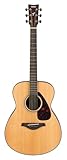
Overview: The Yamaha FS800J delivers concert-body versatility with a solid spruce top and scalloped bracing, engineered specifically for fingerstyle players. Its 25-inch scale length reduces string tension, making it exceptionally comfortable for beginners while maintaining professional-grade tonal clarity. Yamaha’s reputation for reliability shines through in this no-frills acoustic that prioritizes performance over flash.
What Makes It Stand Out: The scalloped bracing pattern unlocks surprising resonance from the solid spruce top, creating a balanced voice that belies its modest price. The concert body shape offers superior ergonomics for seated playing, while the shorter scale length reduces hand fatigue during extended practice sessions. Yamaha’s legendary quality control ensures each instrument meets strict durability standards that outlast cheaper competitors.
Value for Money: Priced in the entry-midrange bracket, the FS800J punches above its weight with a genuine solid wood top—rare at this price point. Competing laminates can’t match its tonal maturity, and the instrument’s longevity eliminates the need for an immediate upgrade. You’re investing in a guitar that grows with your skills for years.
Strengths and Weaknesses: Pros: Exceptional build quality, rich fingerstyle tone, comfortable short-scale neck, proven long-term durability. Cons: Minimal aesthetic embellishments, no included accessories, basic laminated back and sides.
Bottom Line: Ideal for serious beginners and intermediate fingerpickers seeking a reliable, great-sounding instrument without paying for unnecessary frills. The FS800J is a smart, long-term investment in your musical journey that won’t disappoint.
2. WINZZ AF227A 39 Inches Concert Acoustic Acustica Guitar with Full Kit, Delicate Vine

Overview: The WINZZ AF227A combines a concert acoustic guitar with an extensive starter bundle, distinguished by its eye-catching vine-patterned finish. This 39-inch instrument targets beginners seeking immediate playability with included accessories and online lessons. The concert body shape provides comfortable ergonomics for developing fingerstyle techniques, making it approachable for new players.
What Makes It Stand Out: Beyond the artistic glossy finish that transforms it into a visual statement piece, the kit includes a waterproof gig bag, clip-on tuner, capo, strap, string winder, wall hanger, picks, cloth, and one month of online lessons. This comprehensive package eliminates guesswork for first-time buyers, providing everything needed to start playing immediately without additional purchases.
Value for Money: The bundle offers remarkable convenience, though the tuner requires a CR2032 battery (not included). While the guitar itself competes with entry-level instruments, the combined value of accessories and lessons likely exceeds $50. However, the unknown brand’s long-term reliability may concern some buyers versus established competitors like Yamaha or Fender at similar price points.
Strengths and Weaknesses: Pros: Complete starter package, striking aesthetic design, concert body comfort, includes online lessons. Cons: Tuner battery omission, unproven brand reputation, laminated construction likely, no warranty mentioned.
Bottom Line: Perfect for absolute beginners wanting a turnkey solution with visual flair. If you prioritize convenience and style over brand pedigree, this bundle delivers exceptional starter value despite minor oversights.
3. Fender CC-60S Concert Acoustic Guitar, with 2-Year Warranty, 3-Color Sunburst

Overview: The Fender CC-60S brings legendary brand credibility to the entry-level concert acoustic market. Featuring a solid spruce top with scalloped X-bracing and mahogany back and sides, this instrument delivers classic Fender tone in a comfortable concert body. The standout 2-year warranty provides peace of mind rarely seen in this price class, making it an attractive option for cautious first-time buyers.
What Makes It Stand Out: Rolled fingerboard edges create an exceptionally smooth playing experience, reducing finger fatigue for beginners transitioning from electric guitars. The scalloped X-bracing pattern enhances resonance and projection, while the mahogany back and sides contribute warmth and balance. Fender’s quality assurance and that generous warranty set it apart from generic competitors who offer limited or no protection.
Value for Money: Positioned as a premium entry-level option, you’re paying partially for the Fender name, but the solid top and warranty justify the cost. The instrument holds its value better than no-name brands, and the warranty protects your investment against defects. However, the lack of included accessories means additional upfront costs that budget-conscious buyers must consider.
Strengths and Weaknesses: Pros: Rolled fingerboard edges, solid spruce top, 2-year warranty, excellent brand resale value, balanced tone. Cons: No accessories included, premium pricing over similar specs, basic gig bag sold separately, sunburst finish may not suit all tastes.
Bottom Line: Choose the CC-60S if brand reputation, playability, and warranty coverage matter more than bundled extras. It’s a reliable, great-sounding guitar that respects your investment and will serve you well as your skills develop.
4. Fender CC-60S All-Mahogany Concert V2 Pack Acoustic Guitar, with 2-Year Warranty, Natural, with Gig Bag and Accessories

Overview: This V2 Pack elevates the CC-60S platform with all-mahogany construction and a comprehensive accessory bundle. The solid mahogany top, back, and sides produce a warmer, darker tone than spruce counterparts, while the included gig bag, strap, and extra strings provide immediate playing capability. The 3-month Fender Play subscription adds significant structured learning value for self-taught players.
What Makes It Stand Out: The all-mahogany body creates a uniquely warm, mid-focused voice perfect for blues and folk. Combined with the same rolled fingerboard edges as the standard CC-60S, plus the Fender Play subscription worth approximately $30, this package prioritizes player development. The 2-year warranty and included accessories make it a true turnkey solution for serious beginners who want everything in one purchase.
Value for Money: While pricier than the base CC-60S, the added accessories and subscription offset the difference. The Fender Play membership alone provides three months of professional instruction, accelerating progress for dedicated beginners. However, the premium over non-Fender options remains significant, and the subscription auto-renews if not cancelled, requiring careful attention.
Strengths and Weaknesses: Pros: All-mahogany warmth, Fender Play subscription, included accessories, 2-year warranty, excellent playability. Cons: Higher price point, subscription requires cancellation to avoid charges, gig bag quality is basic, tonal preference may vary from traditional spruce.
Bottom Line: This V2 Pack suits committed beginners wanting guided learning and warm tonal character. The subscription and accessories justify the premium, but only if you’ll actively use the included resources and prefer mahogany’s darker voice.
5. Joymusic 38 inch blueburst beginner acoustic guitar kit,bundle with a strap with picks holder,digital tuner, set strings, capo,cleaning cloth,6 picks,gig bag.(JG-38C,BLS)
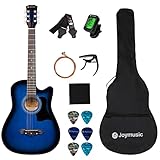
Overview: The Joymusic JG-38C offers an ultra-affordable entry point into acoustic guitar with its 38-inch compact body and striking blueburst finish. This bundle includes every accessory a beginner needs: a strap with pick holder, digital tuner, extra strings, capo, cleaning cloth, six picks, and a gig bag. The smaller size particularly suits younger players or those with smaller hands seeking comfortable learning.
What Makes It Stand Out: At this price point, the comprehensive accessory package is unprecedented. The 38-inch scale offers genuine portability while remaining large enough for proper technique development. The blueburst finish adds visual appeal rarely found in budget instruments, making practice more inspiring for style-conscious beginners who want their instrument to look as good as it sounds without breaking the bank.
Value for Money: This is among the most cost-effective ways to start playing guitar. The bundle’s total value far exceeds the purchase price, though the instrument itself likely features laminated woods and basic hardware. While it won’t match the tone of solid-top guitars, it removes all financial barriers to entry and includes items beginners often forget to buy separately, saving multiple shopping trips.
Strengths and Weaknesses: Pros: Extremely affordable, complete accessory bundle, portable 38-inch size, attractive finish, ideal for children or travel. Cons: Likely laminated construction, unknown long-term durability, shorter scale may limit future transition to full-size, basic hardware quality.
Bottom Line: This kit serves absolute beginners, kids, or travelers prioritizing budget and convenience over tonal sophistication. It’s a practical, low-risk introduction to guitar that includes everything needed to begin immediately and develop fundamental skills.
6. Gretsch Jim Dandy Concert Acoustic Guitar - Deep Cherry Burst

Overview: The Gretsch Jim Dandy Concert channels vintage Americana with its compact concert body and Deep Cherry Burst finish. This all-laminate acoustic delivers the brand’s historic charm at an accessible price point, featuring a nato neck and walnut fingerboard. Designed for couch strumming and casual sessions, it prioritizes portability and retro aesthetics over premium tonewoods, making it an ideal companion for informal musical exploration.
What Makes It Stand Out: Its 1930s-replica styling stands apart in a sea of generic beginner guitars. The concert size offers ergonomic comfort for smaller players or those wanting a travel-friendly instrument. Gretsch’s legacy adds credibility rarely found in this price bracket, while the walnut fingerboard provides a smoother feel than typical rosewood substitutes, enhancing playability for developing hands.
Value for Money: Positioned as a sub-$200 guitar, it competes directly with budget laminate models from Yamaha and Epiphone. You’re paying for brand heritage and unique aesthetics rather than tonal complexity. For beginners seeking inspiration through visual appeal, this delivers emotional value that generic options cannot match, making it more than just a starter instrument.
Strengths and Weaknesses: Strengths include lightweight portability, eye-catching vintage design, comfortable concert dimensions, and the Gretsch name. Weaknesses involve all-laminate construction limiting dynamic range, a nato neck lacking mahogany’s depth, and modest projection unsuitable for live performance. The factory strings and setup typically require immediate upgrading.
Bottom Line: Ideal for beginners drawn to classic style or experienced players wanting a grab-and-go campfire guitar. Don’t expect sonic miracles, but its personality and playability make it a worthy budget companion for casual musical enjoyment.
7. Enya Nova Go Carbon Fiber Travel Acoustic Guitar | 1/2 Size Lightweight Moisture-Proof Guitara | Adult & Beginner Portable Guitar with Gig Bag & Accessories (Black)

Overview: The Enya Nova Go revolutionizes portable acoustic design with aerospace-grade carbon fiber construction. This 1/2-size guitar weighs just 7.35 pounds and shrugs off environmental threats that destroy wooden instruments. Engineered for adventurers and urban commuters alike, it delivers consistent performance from beach bonfires to mountain campsites without the cracking or warping risks traditional guitars face, ensuring reliable playability anywhere.
What Makes It Stand Out: The unibody carbon fiber construction eliminates seams and weak points while providing complete immunity to humidity and temperature swings. Patented zero-fret technology ensures consistent action, and the ergonomic neck profile with polished fret edges prioritizes beginner comfort. It’s a true go-anywhere instrument that doesn’t compromise structural integrity for portability, representing genuine innovation.
Value for Money: At approximately $300-350, it commands a premium over comparable travel guitars like the Martin Backpacker. However, the carbon fiber durability, included premium accessories, and maintenance-free ownership justify the investment for frequent travelers. You’re paying for technological innovation and peace of mind that wooden guitars simply cannot provide in harsh conditions.
Strengths and Weaknesses: Strengths include indestructible build quality, exceptional portability, weatherproof reliability, beginner-friendly setup, and comprehensive accessory bundle. Weaknesses involve a smaller body producing less volume than full-size guitars, a tone that lacks traditional wood warmth, and a price point that may stretch beginner budgets significantly.
Bottom Line: Perfect for traveling musicians, outdoor enthusiasts, or beginners wanting a worry-free first guitar. If you prioritize durability and portability over traditional acoustic character, the Nova Go is an unparalleled modern solution that redefines travel instruments.
8. Fender CC-60SCE Concert Cutaway Acoustic Guitar, with 2-Year Warranty, Natural

Overview: The Fender CC-60SCE elevates entry-level acoustic-electric performance with a solid spruce top and Fishman electronics. This concert-sized cutaway combines Fender’s legendary quality control with player-friendly features like rolled fingerboard edges and scalloped X-bracing. Designed as a serious first instrument for aspiring performers, it bridges the gap between beginner boxes and professional-grade acoustics with remarkable sophistication and reliability.
What Makes It Stand Out: The solid spruce top is a rarity in this price class, delivering improved resonance and aging potential. Fishman’s low-profile preamp provides stage-ready amplified tone without compromising the acoustic voice. The rolled fingerboard edges create a broken-in feel typically found on premium instruments, reducing hand fatigue during extended practice sessions and inspiring longer playing.
Value for Money: Competing with Yamaha’s FG800 series and Epiphone’s Dove Pro, the CC-60SCE offers superior electronics and playability. The 2-year warranty and solid top make it a smart long-term investment around $300-350. You’re getting gig-ready features without the gig-level price tag, representing exceptional value for serious students.
Strengths and Weaknesses: Strengths include solid spruce top, reliable Fishman electronics, comfortable neck profile, quality hardware, and excellent factory setup. Weaknesses involve laminated mahogany back and sides limiting tonal depth, basic tuning machines, and a generic aesthetic lacking visual flair that some players might desire.
Bottom Line: An outstanding choice for serious beginners ready to perform or record. The combination of solid wood, professional electronics, and Fender’s playability focus makes this a gig-worthy instrument that grows with your skills and maintains long-term value.
9. Fender California Debut Redondo CE Series Acoustic Guitar, Beginner Guitar, 2-Year Warranty, Includes Built-In Tuner, Natural

Overview: The Fender California Debut Redondo CE targets first-time players with a comprehensive beginner ecosystem. This dreadnought acoustic-electric features an all-laminate construction with Fender’s iconic 6-in-line headstock and an onboard tuner. The package includes a free Fender Play subscription, transforming the guitar into a complete learning platform backed by 75 years of brand heritage and educational support.
What Makes It Stand Out: The bundled Fender Play subscription provides thousands of structured lessons, making this the only guitar that teaches you to play itself. The iconic Fender headstock shape inspires brand loyalty, while the built-in tuner ensures beginners always sound their best. The lightweight laminate body enhances comfort during long practice sessions, removing physical barriers to learning.
Value for Money: Priced competitively with other beginner packages, the Redondo CE’s true value lies in the included lessons and Fender brand assurance. Competing packages from Jasmine or Rogue lack the digital learning component and legacy support. For under $250, you’re investing in both an instrument and an education, making it financially sensible for committed starters.
Strengths and Weaknesses: Strengths include comprehensive learning package, comfortable C-shaped neck, lightweight body, onboard electronics with tuner, and strong brand reputation. Weaknesses involve all-laminate construction limiting tonal growth, entry-level hardware, and a generic dreadnought voice that lacks distinctive character for advanced players.
Bottom Line: The ultimate starter package for absolute beginners. If you value guided learning and brand trust over tonal sophistication, this guitar removes every barrier to entry. Perfect for gift-giving or self-starters wanting structure and reliability in their musical journey.
10. Fender CN-60S Concert Nylon String Acoustic Guitar, with 2-Year Warranty, Natural

Overview: The Fender CN-60S merges classical nylon-string warmth with steel-string playability. Featuring a solid spruce top and mahogany laminate back and sides, this concert-sized guitar adopts a 12-inch fingerboard radius uncommon in classical designs. It targets steel-string converts and beginners seeking the nylon’s softer touch without sacrificing familiar neck geometry or contemporary features that modern players expect.
What Makes It Stand Out: The 12-inch radius fingerboard bridges two worlds, allowing electric and steel-string players to transition seamlessly. The solid spruce top provides authentic acoustic resonance that improves with age, while the concert body offers ergonomic comfort. Fender’s modern manufacturing ensures consistent quality control rare in affordable classical guitars, making it a reliable choice for discerning students.
Value for Money: Competing with Yamaha’s C40 and Cordoba’s Protege series, the CN-60S offers superior top wood and contemporary playability around $250-300. The solid top alone justifies the price, as most rivals use laminated tops. It’s a forward-thinking classical guitar that respects tradition while embracing modern ergonomics for today’s diverse players.
Strengths and Weaknesses: Strengths include solid spruce top, comfortable steel-string-like neck, quality walnut fingerboard, and excellent build consistency. Weaknesses involve laminated back and sides, limited dynamic range compared to full-size classical guitars, and a tone that may not satisfy traditional purists seeking authentic Spanish character and response.
Bottom Line: Ideal for steel-string players exploring fingerstyle or beginners wanting a gentler learning experience. The hybrid design solves classical guitar ergonomics without sacrificing nylon-string authenticity. A smart, comfortable choice for modern musicians crossing genre boundaries.
Why the Concert Body Style Reigns Supreme for Female Vocalists
The Physics of Comfort: Understanding Body Mechanics
The concert body’s dimensions—typically featuring a narrower waist, shallower depth, and smaller lower bout compared to dreadnoughts—create a fundamentally different playing experience when seated. For female vocalists, who often perform in more upright postures to support breath control and projection, these proportions matter immensely. The waist contour sits naturally against the body without digging into the torso, while the reduced depth prevents the guitar from pushing your strumming arm into an elevated, tension-creating position. This matters because shoulder and upper back tension directly impacts vocal performance, restricting diaphragm movement and creating fatigue during extended sets.
The Sonic Sweet Spot: How Concert Guitars Complement Female Voices
Concert guitars produce a focused, balanced tone with pronounced midrange clarity that sits perfectly in the frequency spectrum alongside most female vocal ranges. Unlike boomy dreadnoughts that can muddy the 200-400Hz zone where vocal warmth lives, the concert body’s controlled bass response creates space for your voice to bloom. The articulation in the upper mids and trebles ensures that fingerpicked passages and rhythmic strumming alike cut through without harshness, providing a supportive harmonic bed that enhances rather than competes with vocals in the 1kHz-4kHz presence range.
Ergonomic Features That Define Comfort in 2026
Scale Length and String Tension: Finding Your Sweet Spot
Scale length—the distance between nut and saddle—dramatically affects both playability and tone. Shorter 24.75" to 25" scales reduce string tension, making barre chords and intricate fingerwork less taxing on smaller hands while producing a warmer, more compressed voice. Longer 25.5" scales offer more articulation and headroom but require greater finger strength. For 2026, look for manufacturers offering “modified scale lengths” around 24.9" that split the difference, providing slinky playability without sacrificing the piano-like clarity modern vocalists demand.
Neck Profiles and Nut Width: The Hand-Feel Factor
The modern concert guitar for female players increasingly features “modified C” or “oval C” neck profiles that fill the palm comfortably without feeling clubby. Nut widths of 1-11/16" to 1-3/4" offer enough string spacing for clean fingerpicking while keeping reaches manageable. Critically, examine the neck’s shoulder shape—softly rolled edges prevent the “corner dig” that creates hand cramping during long capoed passages. Advanced 2026 models incorporate asymmetric profiles that are slightly thicker on the bass side for stability while scalloping the treble side for easier thumb-over-chord voicings.
Body Depth and Waist Contour: The Sitting Test
When seated, a concert guitar’s typical 4" upper bout depth and 4.5" lower bout depth should allow the instrument to nestle into your lap without the neck diving toward the floor. The key is the waist taper—look for guitars with a 9.5" to 10" waist width that mirrors the natural curve where your leg meets your torso. Some 2026 models feature “asymmetric body depths” that are slightly shallower on the treble side, angling the soundboard toward your ear for better monitoring while reducing arm fatigue.
Tonewood Selection and Your Vocal Identity
Classic Pairings: Spruce and Mahogany
Sitka spruce tops paired with mahogany back and sides remain the workhorse choice for good reason. The spruce’s high stiffness-to-weight ratio projects cleanly while mahogany’s focused midrange supports vocals without frequency masking. For altos and mezzo-sopranos, this combination provides a punchy, articulate foundation that mirrors the vocal presence in the 2-3kHz range. The relatively quick note decay prevents harmonic buildup that could clutter vocal passages.
Warm Alternatives: Cedar and Rosewood
Cedar-topped guitars offer immediate warmth and responsiveness that flatpickers and gentle strummers love. When combined with rosewood’s complex overtones, you get a lush, three-dimensional voice that flatters higher soprano ranges and breathy indie-pop stylings. The trade-off is slightly less headroom when you dig in aggressively, but for fingerstyle accompaniments and nuanced dynamics, cedar’s compression works beautifully with delicate vocal phrasing.
Sustainable Options: The New Tonewood Frontier
2026’s market emphasizes torrefied spruce and thermally modified maple—woods processed to accelerate aging while sourcing from renewable forests. These materials deliver vintage-style warmth and openness without the ethical concerns of old-growth logging. For the environmentally conscious vocalist, guitars featuring Richlite or Ekoa fingerboards and bridges offer durability and consistent tone while reducing instrument weight by 15-20%, a significant comfort factor during marathon rehearsals.
Electronics and Stage-Ready Features
Modern Pickup Systems: Transparency and Control
The best 2026 concert guitars feature hybrid pickup systems blending undersaddle piezos with internal microphones or soundboard transducers. Look for preamps with sweepable mids (not just fixed EQ points) to notch out resonant frequencies that feedback when your vocal mic bleeds into the guitar signal. Systems with built-in phase switches and high-pass filters are non-negotiable for live work, allowing you to cut sub-bass rumble that triggers monitor feedback.
Feedback Resistance for Live Performance
Concert bodies naturally resist feedback better than larger guitars, but 2026’s best designs incorporate internal graphite bracing and “feedback baffles” that dampen problem frequencies without choking tone. When testing guitars, cup your hands over the soundhole and strum aggressively—minimal howling indicates good feedback rejection. Some models now feature partially sealed soundholes or magnetic covers that can be deployed mid-set without tonal penalty.
The 2026 Market Landscape: Trends and Innovations
Sustainability and Ethical Sourcing Beyond Marketing
Leading manufacturers now provide blockchain-verified wood sourcing documentation through QR codes on the guitar’s label. This transparency matters for artists building brands around environmental consciousness. Additionally, water-based UV finishes have replaced nitrocellulose in most mid-to-high-end models, reducing VOC emissions while providing better scratch resistance and a thinner, more resonant coating that lets the top breathe.
Smart Guitar Integration: Helpful or Hype?
Several 2026 models incorporate discreet Bluetooth connectivity that sends your signal to mobile apps for real-time tone shaping and silent practice through headphones. While gimmicky for purists, this tech enables vocalists to practice quietly while monitoring through vocal training apps that analyze pitch accuracy alongside your guitar accompaniment. The key is systems that don’t add weight or compromise acoustic tone when disengaged.
Budget Strategies for Serious Musicians
The Gigging Musician’s Price Sweet Spot
Between $1,200 and $2,500, you’ll find all-solid-wood concert guitars with professional electronics and setups that rival custom shop instruments. This range offers the best ROI for working vocalists—durable enough for weekly gigs, tonally sophisticated for recording, and comfortable enough for daily playing. Guitars in this tier often include factory setups with plek’d frets and compensated nuts that would cost $300+ aftermarket.
When Premium Features Justify Premium Pricing
Spending above $3,000 makes sense when you require specific ergonomic customizations like left-hand conversions, 12-fret neck joints for easier upper fret access, or rare tonewood combinations. At this level, you’re paying for master-grade wood selection that offers incremental tonal improvements and bespoke setup work where luthiers voice the top to complement your playing attack and vocal range. For most vocalists, the law of diminishing returns hits hard after $4,000 unless you have highly specific needs.
The Art of Guitar Setup and Personalization
Professional Setup Essentials for Vocalists
Every concert guitar, regardless of price, needs a pro setup optimized for light-to-medium gauge strings and low action that facilitates quick chord changes between vocal phrases. Insist on a compensated saddle that corrects intonation issues at the first three frets—where most vocal accompaniment occurs. Request a slight fallaway on the fingerboard extension above the 14th fret to eliminate buzzing when capoing high for vocal-friendly keys.
String Choice and Vocal Range Synergy
Phosphor bronze strings emphasize warmth that flatters lower female voices, while 80/20 bronze adds brilliance that helps higher ranges cut through mixes. For vocalists who play aggressively, silk-and-steel strings reduce finger noise and offer softer attack that won’t overpower delicate vocal passages. Experiment with custom light gauges (.011-.052) that reduce hand fatigue while maintaining enough mass for proper top vibration. In 2026, coated strings have evolved to feel nearly indistinguishable from uncoated sets while lasting 3x longer—crucial for performers who can’t change strings before every show.
Maintenance for the Performing Vocalist
Guitars worn while vocalizing face unique challenges: breath moisture, body chemistry, and constant temperature changes from venue to venue. Store your concert guitar in a hard case with two-way humidity control, not gig bags that offer minimal protection. Wipe down strings and the fingerboard after every performance with a microfiber cloth to remove acidic moisture that corrodes frets. Schedule quarterly fret polishing and annual saddle adjustments to combat the subtle changes in neck angle that occur from constant playing. For touring vocalists, consider a “road guitar” and a “studio guitar” to extend both instruments’ lifespans.
Frequently Asked Questions
What makes a concert guitar better for sitting than a dreadnought?
Concert guitars feature a narrower waist and shallower body depth that nestles naturally in your lap without pushing your strumming arm upward. This reduces shoulder tension that can restrict breathing and vocal projection. Their balanced tone also prevents low-frequency buildup that competes with vocals.
How do I test a guitar’s comfort in a music store?
Sit in your actual performance posture—whether cross-legged on the floor or upright in a chair—and play for at least 20 minutes. Notice if the neck dives, if the waist digs into your torso, or if your right shoulder creeps upward. Bring your capo and play progressions in the keys you sing in most often.
Should I prioritize electronics or acoustic tone?
For vocalists who perform live, prioritize acoustic tone first—a great-sounding guitar miked will always beat a mediocre guitar with fancy electronics. However, ensure the pickup system has a sweepable mid-EQ and phase switch. You can upgrade electronics later, but you can’t change the guitar’s fundamental voice.
What string gauge is ideal for fingerstyle accompaniment?
Custom light (.011-.052) or light (.012-.053) phosphor bronze strings offer the best compromise. They provide enough tension to drive the top but remain pliable for intricate patterns. If you tune down for vocal comfort, consider medium gauges to maintain proper tension.
Are short-scale guitars suitable for all female players?
Short-scale (24.75") guitars reduce string tension and reach distance, making them excellent for players with smaller hands or those who prefer slinky feel. However, they can sound slightly compressed. Test both short and standard scales to see if the tonal trade-off works for your vocal style.
How often should I have my guitar professionally set up?
Every six months if you gig weekly, or annually for occasional performers. Vocalists who capo frequently may need more frequent nut slot adjustments. Seasonal humidity changes affect neck relief, so schedule setups before major recording sessions or tours.
Can a concert guitar handle aggressive strumming?
Modern concert guitars with scalloped X-bracing and reinforced tops can handle vigorous playing better than vintage models. However, they won’t provide the same headroom as a dreadnought. If you strum heavily, look for guitars with slightly thicker tops (around .120") and forward-shifted bracing.
What’s the difference between a 12-fret and 14-fret concert guitar?
12-fret models position the neck joint at the 12th fret, shifting the bridge further into the lower bout for enhanced bass response and a more relaxed string feel. The trade-off is reduced upper fret access. For vocalists who rarely play above the 12th fret, the tonal benefits are significant.
How do I prevent feedback when performing with a vocalist?
Use a soundhole cover, position monitors behind you rather than in front, and engage your preamp’s phase switch. Keep your guitar’s volume lower than your vocal mic and notch out 200Hz and 1kHz on your guitar EQ. Concert bodies naturally feedback less than larger guitars.
Is it worth buying a carbon fiber concert guitar for touring?
Premium carbon fiber guitars from established makers now rival wood for warmth and complexity while being impervious to climate changes. For vocalists touring internationally or playing outdoor festivals, they’re invaluable. However, they lack the “living” quality of wood that some players prefer for studio work. Consider one as a reliable backup before making it your primary instrument.
See Also
- 10 Concert Acoustic Guitars for Female Singers in 2026
- 10 Concert Acoustic Guitars for Female Players with Smaller Hands in 2026
- Top 10 Best Concert Acoustic Guitars for Fingerstyle Players in 2026
- 10 Concert Acoustic Guitars That Solve Feedback Issues on Small Stages in 2026
- 10 Concert Acoustic Guitars That Solve Finger Fatigue for Small-Handed Players