Table of Contents
Stepping onto a stage with just your voice and a guitar is one of the most vulnerable and powerful artistic statements you can make. For female singer-songwriters, the instrument you choose becomes an extension of your vocal expression—not a competitor for sonic space. The concert acoustic guitar, with its compact body and balanced voice, has emerged as the go-to choice for discerning vocalists who need an instrument that complements rather than overwhelms their natural tone.
As we look toward 2026, the landscape of acoustic guitar design has evolved dramatically, with manufacturers finally acknowledging that female players make up nearly half of the beginner market and a significant portion of professional touring artists. This shift means more options tailored to ergonomic needs, tonal pairing with female vocal registers, and stage-ready features that respect both your artistry and your physical comfort. Whether you’re upgrading from your first guitar or building a touring arsenal, understanding what separates a good concert acoustic from a transformative one will shape your sound for years to come.
Top 10 Concert Acoustic Guitars
Detailed Product Reviews
1. Yamaha FS800J Small Body Solid Top Acoustic Guitar, Natural, Concert
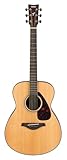
Overview: The Yamaha FS800J is a purpose-built concert acoustic that excels in fingerstyle applications while remaining accessible to beginners. Its solid spruce top and scalloped bracing generate a surprisingly rich, balanced tone that projects clearly without overwhelming smaller spaces. The 25-inch scale length reduces string tension significantly, making fretting easier for novices and reducing hand fatigue during intricate passages.
What Makes It Stand Out: Yamaha’s legendary craftsmanship ensures durability that outlasts competitors in this price bracket. The FS body shape is specifically engineered for fingerpicked performances, offering enhanced note definition and harmonic complexity that larger bodies can’t match at this price point. The shorter scale length is a deliberate design choice that improves playability without sacrificing tone.
Value for Money: Positioned as an entry-level instrument, it punches far above its weight class. Comparable guitars from other brands often use laminate tops or compromise on build quality. The solid wood top alone justifies the investment, as it will age and improve tonally over time, something laminate guitars cannot offer.
Strengths and Weaknesses: Strengths: Solid spruce top; exceptional build quality; ergonomic short scale; fingerstyle-optimized voicing; stable tuning machines. Weaknesses: Plain aesthetics; basic nut and saddle; limited low-end response for strummers; no cutaway or electronics.
Bottom Line: For fingerstyle enthusiasts and serious beginners who value substance over style, the FS800J is a smart, long-term investment that will serve you well for years.
2. Fender CC-60S Concert Acoustic Guitar, with 2-Year Warranty, 3-Color Sunburst

Overview: The Fender CC-60S Concert Acoustic delivers vintage aesthetics and modern playability in an entry-level package. Featuring a solid spruce top with mahogany back and sides, this instrument produces a warm, articulate tone that works equally well for strumming and fingerpicking. The concert body size offers comfortable ergonomics for players of all sizes, while the 3-Color Sunburst finish provides classic Fender visual appeal.
What Makes It Stand Out: The rolled fingerboard edges are a game-changer for beginners, eliminating the sharp fret ends that plague budget guitars and creating a smooth, professional feel. Fender’s scalloped X-bracing pattern optimizes resonance while maintaining structural integrity. The included 2-year warranty demonstrates manufacturer confidence rarely seen in this price class.
Value for Money: This guitar sits comfortably in the entry-level sweet spot. While the back and sides are laminate, the solid top ensures proper tonal development over time. The warranty and Fender brand equity add tangible value, making it a safer investment than no-name alternatives.
Strengths and Weaknesses: Strengths: Solid spruce top; rolled fingerboard edges enhance comfort; attractive vintage finish; comprehensive warranty; reliable tuning stability. Weaknesses: Laminate back and sides; no onboard electronics; basic plastic nut and saddle; limited tonal complexity compared to all-solid guitars.
Bottom Line: Perfect for beginners wanting brand recognition and comfort. The CC-60S makes learning less painful while offering tone that grows with your skills.
3. Fender CC-60SCE Concert Cutaway Acoustic Guitar, with 2-Year Warranty, Natural

Overview: The Fender CC-60SCE builds on the solid foundation of the CC-60S by adding essential performance features for gigging musicians. This cutaway concert acoustic-electric retains the comfortable neck profile and solid spruce top of its sibling while incorporating a Fishman pickup/preamp system for amplified versatility. The natural finish showcases the wood grain beautifully.
What Makes It Stand Out: The low-profile Fishman system provides stage-ready sound without compromising the guitar’s acoustic resonance—a common issue with budget electronics. The single-cutaway design grants effortless access to upper frets, expanding creative possibilities for lead players. You get premium features typically reserved for guitars costing hundreds more.
Value for Money: The modest price premium over the acoustic-only model buys you genuine performance capability. A quality aftermarket pickup installation would cost more than the upgrade price here. For players planning to perform or record, this eliminates a future expense and potential modification headaches.
Strengths and Weaknesses: Strengths: Solid spruce top; natural-sounding Fishman electronics; cutaway provides full fretboard access; comfortable rolled fingerboard edges; stage-ready output. Weaknesses: Laminate back and sides; basic tuning machines; no built-in tuner; electronics require battery maintenance.
Bottom Line: The perfect step-up for players ready to perform. Its acoustic quality and reliable electronics make it a versatile, gig-ready instrument at a beginner-friendly price.
4. Fender CC-60S All-Mahogany Concert V2 Pack Acoustic Guitar, with 2-Year Warranty, Natural, with Gig Bag and Accessories

Overview: The Fender CC-60S All-Mahogany V2 Pack provides a complete entry-point solution for new players. This bundle centers around a concert-body acoustic with mahogany top, back, and sides, delivering a distinctly warm, midrange-focused tone that excels in blues, folk, and vocal accompaniment. The natural finish highlights the mahogany’s attractive grain pattern while the included gig bag, strap, extra strings, and 3-month Fender Play subscription ensure you can start playing immediately.
What Makes It Stand Out: The all-mahogany construction sets this apart tonally from spruce-topped competitors, offering a compressed, vintage-inspired voice that many performers prefer for recording. The V2 pack’s curated accessories eliminate the confusion and added expense of piecing together a starter setup. The Fender Play subscription provides structured, professional lessons tailored specifically to Fender guitars.
Value for Money: This package represents significant savings over buying components separately. The accessories are decent quality—not just throwaway items—and the subscription adds educational value that accelerates learning. While the all-laminate construction won’t improve with age like solid wood, the cohesive bundle and immediate playability justify the price for beginners.
Strengths and Weaknesses: Strengths: All-inclusive starter pack; warm mahogany tonality; Fender Play lessons included; quality gig bag; concert body comfort. Weaknesses: Laminate throughout (no solid top); darker tone lacks brightness; basic tuning machines; no cutaway or electronics.
Bottom Line: Ideal for beginners wanting everything in one purchase. The all-mahogany tone and comprehensive accessories make it a hassle-free entry point into acoustic guitar.
5. WINZZ AF227A 39 Inches Concert Acoustic Acustica Guitar with Full Kit, Delicate Vine

Overview: The WINZZ AF227A positions itself as a complete starter solution with distinctive visual appeal. This 39-inch concert acoustic features an eye-catching vine pattern inlay under a high-gloss finish, transforming the instrument into a decorative statement piece. The comprehensive bundle includes a waterproof padded gig bag, clip-on tuner, capo, wall hanger, string winder, strap, picks, cleaning cloth, and one month of online lessons—essentially everything a beginner requires.
What Makes It Stand Out: The intricate vine artwork is genuinely unique in this price category, appealing to players who view their guitar as a personal expression. The accessory selection is remarkably thorough, including practical items like a wall hanger and string winder that most starter packs ignore. The concert dimensions make it comfortable for younger players and seated performers.
Value for Money: The accessory value alone exceeds the guitar’s cost if purchased separately. While the instrument itself uses unspecified tonewoods and prioritizes aesthetics over acoustic refinement, the complete package eliminates all startup costs. For beginners unsure about long-term commitment, this minimizes financial risk.
Strengths and Weaknesses: Strengths: Striking visual design; exhaustive accessory bundle; comfortable concert size; includes online lessons; waterproof gig bag. Weaknesses: Unknown wood quality; tuner battery not included; glossy finish can be sticky; inconsistent factory setup; limited dynamic range.
Bottom Line: Perfect for gift-giving or beginners wanting maximum visual impact and accessory value. Treat it as a functional piece of art that teaches you to play.
6. Fender CN-60S Concert Nylon String Acoustic Guitar, with 2-Year Warranty, Natural

Overview: The Fender CN-60S offers classical guitar appointments in an affordable package, featuring a solid spruce top paired with laminated mahogany back and sides. This concert-sized nylon-string instrument delivers warm, mellow tones ideal for fingerstyle playing, Latin styles, or beginners seeking a gentler learning experience than steel-string acoustics provide. The 25.3-inch scale length and 12-inch fingerboard radius create a comfortable playing experience, while the walnut fingerboard adds smooth response under the fingers.
What Makes It Stand Out: This model distinguishes itself by offering a solid spruce top—rare at this price point for nylon-string guitars—providing superior resonance and tonal maturity over time. The concert body shape strikes an excellent balance between comfort and projection, making it less cumbersome than full-size classical guitars while maintaining authentic nylon-string character. Fender’s inclusion of a two-year warranty demonstrates confidence in their construction quality.
Value for Money: Priced competitively against entry-level classical guitars from Yamaha and Cordoba, the CN-60S justifies its cost through the solid top and reputable brand backing. While laminated back and sides keep the price accessible, the solid spruce ensures the instrument won’t sound boxy or uninspiring. It’s an investment that grows with the player, offering tonal improvement as the wood opens up.
Strengths and Weaknesses: Strengths include the comfortable concert size, solid spruce top, smooth walnut fingerboard, and forgiving nylon strings for beginners. The two-year warranty provides peace of mind. Weaknesses involve laminated back and sides limiting ultimate tonal complexity, and the 12-inch radius may feel unfamiliar to traditional classical players accustomed to flat fingerboards. The guitar also lacks onboard electronics.
Bottom Line: The CN-60S excels for students exploring classical technique, fingerstyle players wanting affordable quality, or guitarists seeking a comfortable nylon-string option. While purists may prefer all-solid construction, this instrument delivers exceptional value and playability for its class.
7. YAMAHA FG800J Solid Top Acoustic Guitar

Overview: The Yamaha FG800J represents the latest evolution of Yamaha’s legendary FG series, purpose-built for beginners who refuse to compromise on quality. This dreadnought features a solid spruce top with nato and mahogany back and sides, delivering the bright, balanced tone and robust low-end projection the series is known for. Each instrument undergoes detailed quality control checks and receives a hand-applied finish, ensuring consistency rarely found in entry-level acoustics.
What Makes It Stand Out: Yamaha’s meticulous craftsmanship sets this apart from typical beginner guitars. The company carefully selects tonewoods and applies the same quality control standards across their entire line, meaning beginners receive an instrument built to last a lifetime. The FG800J’s scalloped bracing pattern enhances resonance and projection, creating a surprisingly sophisticated voice that encourages continued practice and musical growth.
Value for Money: Competing directly with Fender and Epiphone entry-level models, the FG800J offers superior build quality and tone consistency. The solid spruce top ensures the guitar sounds better with age, while the nato/mahogany combination provides durability without significant tonal compromise. This instrument eliminates the need for an immediate upgrade, saving money long-term.
Strengths and Weaknesses: Strengths include exceptional build quality, solid spruce top, balanced dreadnought tone, reliable hardware, and Yamaha’s proven track record. The hand-applied finish adds aesthetic appeal. Weaknesses are minimal: nato wood, while tonally similar to mahogany, lacks the same prestige, and the guitar ships without accessories, requiring additional investment in essentials.
Bottom Line: For beginners serious about learning on a steel-string acoustic, the FG800J is arguably the best value available. Its combination of quality craftsmanship, solid top, and reliable performance makes it the benchmark entry-level dreadnought.
8. Fender CC-60S Concert Acoustic Guitar - Black Bundle with Gig Bag, Tuner, Strap, Strings, Picks, Instructional Book, and Austin Bazaar Instructional DVD

Overview: The Fender CC-60S bundle delivers a complete starter package centered around a concert-sized acoustic with a solid spruce top and mahogany back and sides. The striking black finish gives this guitar a contemporary aesthetic, while the included accessories—gig bag, tuner, strap, strings, picks, instructional book, and DVD—eliminate any barrier to immediate practice. The walnut fingerboard features rolled edges for enhanced comfort, and the redesigned neck profile promotes easier chord transitions.
What Makes It Stand Out: This bundle’s comprehensiveness is its primary advantage, providing every essential accessory in one purchase. The solid spruce top ensures authentic acoustic tone that improves with age, while the concert body offers ergonomic comfort for younger players or those of smaller stature. Fender’s attention to playability details, particularly the rolled fingerboard edges, demonstrates thoughtful design for novice hands.
Value for Money: While slightly pricier than the guitar alone, this bundle represents significant savings compared to purchasing accessories separately. The solid top alone justifies the price point, making it competitive with Yamaha and Epiphone alternatives. For parents or gift-givers, the convenience of a single, complete package eliminates research time and ensures compatibility.
Strengths and Weaknesses: Strengths include the solid spruce top, comfortable rolled fingerboard edges, complete accessory package, and Fender brand reliability. The concert size suits diverse body types. Weaknesses involve the black finish potentially showing scratches more visibly than natural wood, laminated back and sides limiting tonal depth, and the gig bag offering minimal protection compared to a hardshell case.
Bottom Line: This bundle is ideal for absolute beginners seeking a one-stop solution. The CC-60S guitar itself is a quality instrument, and the included accessories provide everything needed to start playing immediately, making it an excellent value proposition.
9. Fender California Debut Redondo CE Series Acoustic Guitar, Beginner Guitar, 2-Year Warranty, Includes Built-In Tuner, Natural

Overview: The Fender California Debut Redondo CE targets entry-level players with a cutaway electric-acoustic design featuring an all-laminate construction for maximum durability. The dreadnought body shape with cutaway provides full acoustic projection while allowing upper fret access. Built-in electronics with an onboard tuner simplify amplification and tuning, while the included Fender Play subscription offers thousands of instructional videos. The lightweight build and comfortable “C”-shaped neck cater specifically to new players.
What Makes It Stand Out: The combination of onboard electronics, built-in tuner, and complimentary Fender Play subscription creates an unparalleled learning ecosystem. The iconic 6-in-line Fender headstock provides brand authenticity, while the cutaway design encourages exploration beyond the 12th fret. The laminate construction ensures resilience against humidity changes and beginner handling, making it virtually maintenance-free.
Value for Money: This guitar competes strongly against other beginner electo-acoustics from Epiphone and Ibanez. The added value of Fender Play—typically a paid subscription—justifies the price premium over acoustic-only models. While all-laminate construction keeps costs down, the electronics and tuner add practical functionality that beginners will immediately appreciate.
Strengths and Weaknesses: Strengths include the built-in tuner, pickup system for amplification, cutaway access, lightweight comfortable design, two-year warranty, and valuable Fender Play subscription. The laminate body offers durability. Weaknesses involve the all-laminate construction producing a less complex tone than solid-top guitars, and the beginner-focused design may leave advancing players wanting more sonic depth.
Bottom Line: Perfect for beginners interested in performing or recording, the Redondo CE removes technical barriers while providing professional tools. The Fender Play subscription alone makes this a compelling choice for self-directed learners wanting structured guidance.
10. Fender California Debut Redondo Series Acoustic Guitar, Beginner Guitar, 2-Year Warranty, Natural

Overview: The acoustic-only sibling of the Redondo CE, this Fender California Debut model offers beginners a lightweight, all-laminate dreadnought with a focus on simplicity and comfort. Featuring the same iconic 6-in-line headstock and “C”-shaped neck profile, this guitar prioritizes playability for novice hands. The walnut fingerboard and bridge contribute to clean tone production, while sealed-gear tuners ensure stable intonation. The included Fender Play subscription provides extensive digital lessons at no extra cost.
What Makes It Stand Out: The standout feature is the Fender Play subscription integration, offering thousands of structured lessons tailored to this specific instrument. The lightweight, all-laminate construction makes it ideal for younger players or those concerned about instrument weight. Fender’s legendary brand heritage and the distinctive headstock design give beginners a sense of owning a genuine piece of music history, fostering pride and motivation.
Value for Money: Competing with Yamaha F325D and other entry-level acoustics, this guitar’s value proposition centers on the included lessons rather than premium materials. The all-laminate build keeps the price accessible while ensuring durability. For self-teaching beginners, the Fender Play content eliminates the need for initial private lessons, representing substantial savings.
Strengths and Weaknesses: Strengths include the comfortable lightweight design, easy-playing “C” neck, sealed-gear tuners for stability, two-year warranty, and invaluable Fender Play subscription. The iconic aesthetics inspire confidence. Weaknesses are the all-laminate construction limiting tonal richness compared to solid-top alternatives, absence of electronics restricting amplification options, and the dreadnought size potentially overwhelming smaller players.
Bottom Line: An excellent choice for absolute beginners prioritizing comfort, brand recognition, and structured learning over tonal complexity. The Fender Play subscription makes this particularly attractive for self-motivated learners starting their musical journey.
Why the Concert Body Reigns Supreme for Female Vocalists
The Ergonomic Advantage for Smaller Frames
The concert body shape isn’t just a scaled-down dreadnought—it’s a fundamentally different instrument designed with player comfort as a primary engineering goal. With a narrower waist and shallower depth, these guitars sit naturally against the body without the notorious shoulder strain that bulkier bodies create during two-hour sets. For performers with smaller torsos or those who prefer to stand while playing, this translates to better posture, freer breathing, and ultimately, stronger vocal support. The reduced body mass also means less acoustic energy directed straight into your diaphragm, allowing you to hear your own voice more clearly on stage without relying solely on monitor wedges.
Projection vs. Comfort: Finding the Balance
There’s a persistent myth that smaller guitars sacrifice volume, but modern bracing patterns and wood selection have rendered this argument obsolete. Contemporary concert guitars deliver surprising projection through sophisticated X-bracing modifications and torrefied soundboards that vibrate more efficiently. The key distinction lies in where that sound projects. Rather than the boomy, omnidirectional blast of a dreadnought, concert bodies produce a more focused sound beam that cuts through a mix without overpowering vocals. This directional control is invaluable in coffeehouse settings, small venues, or any situation where you’re competing for midrange clarity with your own voice.
2026’s Must-Have Guitar Features for Singers
Tonewood Synergy with Female Vocal Frequencies
Your voice occupies a specific frequency range—typically 200 Hz to 1.2 kHz for fundamental tones, with harmonics extending far higher. The guitar’s tonal signature should create space for these frequencies, not crowd them. Mahogany-backed concert guitars excel here, offering a controlled midrange that supports rather than masks vocals. For brighter voices, cedar tops provide warmth without muddiness, while spruce remains the versatile standard for players needing headroom. The emerging trend in 2026 is “frequency pairing,” where manufacturers are intentionally voicing guitars to complement common vocal registers, using advanced tap-tuning techniques during construction.
Next-Generation Electronics and Feedback Resistance
The pickup systems of 2026 bear little resemblance to the under-saddle transducers of the past. Dual-source systems blending an undersaddle pickup with an internal microphone or body sensor have become the professional standard, offering unprecedented control over your amplified tone. Look for systems with adjustable crossover frequencies, allowing you to roll off low-end rumble that competes with your voice while preserving the airy top-end that defines acoustic character. Advanced feedback suppression now operates in real-time, using phase-cancellation algorithms rather than notch filters, preserving your natural tone even at stage volume.
Neck Profiles That Prevent Performance Fatigue
The modern “C” and “V” neck profiles are giving way to asymmetrical designs that accommodate the natural shape of a relaxed hand. For female players with generally smaller hand spans, these contoured necks reduce the effort required to form complex chords, especially during extended barre chord passages. The 2026 market emphasizes “hand-neutral” profiles that feel comfortable in any position, reducing the tendency to grip too tightly—a common cause of vocal tension and hand fatigue that can derail a performance.
Understanding Scale Length and String Tension
Short-Scale Benefits for Vocal Accompaniment
Short-scale guitars (24.75" vs. the standard 25.5") reduce string tension by approximately 10-15%, making bends easier and lowering the physical effort required for fretting. This mechanical advantage becomes crucial when you’re dividing your focus between precise chord changes and nuanced vocal delivery. The slightly looser feel also encourages a lighter touch, which can improve your right-hand dynamics and prevent the aggressive strumming that often overpowers delicate vocal passages. Many 2026 models now offer compensated nuts and saddles specifically calibrated for short-scale intonation, eliminating the tuning compromises that previously plagued these instruments.
Custom String Gauges for Your Playing Style
The factory string setup is merely a starting point. For fingerstyle players backing vocals, lighter gauges (11-50 or even 10-47) reduce finger noise and allow more expressive dynamics. Strummers might prefer medium lights (12-53) for projection, but consider hybrid sets that maintain light trebles with slightly heavier bass strings to prevent low-frequency boom. In 2026, coated strings have evolved beyond simple longevity, with new polymer formulations that actually enhance warmth rather than dampening it—perfect for digital recording scenarios where harsh overtones are magnified.
The Critical Role of Setup and Playability
Action Height and Its Impact on Both Hands
Action that’s too high forces you to press harder, creating vocal tension and intonation issues as strings stretch sharp under increased pressure. Conversely, action that’s too low buzzes under aggressive strumming, limiting dynamic range. The 2026 standard for concert guitars aimed at vocalists is a medium-low setup around 5/64" on the bass side and 4/64" on the treble side at the 12th fret, with a perfectly level fretting surface. This sweet spot allows light touch while maintaining clean articulation. Insist on a professional setup included with your purchase, and budget for seasonal adjustments as humidity fluctuates.
Nut Width and String Spacing Considerations
While 1-11/16" remains common, many female players find 1-3/4" (44mm) nut widths provide crucial extra space for fingerpicking without feeling like a classical guitar. The string spacing at the saddle matters equally—wider spacing (2-3/16" or more) prevents right-hand fingers from colliding during complex patterns but requires precise fretting hand accuracy. Test both measurements by playing your most challenging passages; the right combination disappears from your awareness, letting you focus entirely on the vocal-guitar conversation.
The Armrest Bevel: A Game-Changer for Long Sets
Once a luxury feature, the armrest bevel has become increasingly standard on mid-tier concert guitars in 2026. This ergonomic contour eliminates the sharp edge digging into your forearm, improving circulation and reducing the tension that creeps into your shoulders during extended playing. For singers who anchor their guitar arm while projecting their voice, this single feature can extend comfortable playing time by hours and prevent the nerve compression that leads to numbness.
Matching Guitar Tone to Your Vocal Register
Soprano and Mezzo-Soprano Considerations
Higher voices risk being overshadowed by guitars with overpowering low-midrange content. If you sing in these registers, prioritize guitars with strong fundamental clarity in the 2-5 kHz range—where consonants and breathiness live—while controlling boom around 150-250 Hz. Cedar or redwood tops paired with mahogany back and sides create this balance naturally. The goal is an instrument that sparkles in the upper mids without harshness, providing rhythmic definition that sits above your vocal fundamentals.
Alto Voices and Midrange Focus
Alto and contralto singers occupy the guitar’s most powerful frequency range, creating potential for sonic conflict. Your ideal concert guitar should have a scooped midrange character—something maple or koa backs accomplish beautifully—allowing your voice to own that space. Spruce tops with lighter bracing prevent the “honk” that competes with vocal presence. When testing, strum open chords and sing simultaneously; you should hear distinct separation, not a muddy blend where guitar and voice become indistinguishable.
Avoiding Frequency Masking on Stage
Masking occurs when two sounds share frequencies and the louder masks the softer. On stage, your voice must win this battle. Modern concert guitars for vocalists often feature subtle built-in EQ curves that dip around 1-3 kHz, creating a “vocal pocket.” Some 2026 models include switchable voicing modes—one flat for recording, one scooped for live performance. This innovation acknowledges that the perfect live guitar is rarely the perfect studio guitar, and versatility has become the new standard.
Cutaway or Non-Cutaway: Making the Right Choice
Accessing Upper Frets Without Sacrificing Tone
The traditional argument against cutaways—that they reduce air volume and kill bass response—has been largely negated by advanced bracing patterns and strategic internal bracing. For vocalists who play melodic hooks above the 12th fret, a cutaway isn’t just convenient; it’s essential for maintaining proper hand position, which affects your entire upper body posture and thus your breath support. The minimal tonal sacrifice is often worth the ergonomic benefit, especially since most solo vocal accompaniment stays in the lower positions anyway.
How Cutaways Affect Stage Performance
Visually, a cutaway creates a modern silhouette that many performers prefer. Functionally, it changes how you approach the guitar—literally. Without a cutaway, players often angle the neck upward to reach upper frets, which can tilt the soundhole away from your ears and alter your perception of your own voice. A cutaway allows you to maintain a consistent guitar position throughout your range, stabilizing your monitoring situation and reducing the urge to over-sing to hear yourself.
Electronics and Amplification in 2026
Dual-Pickup Systems for Sonic Versatility
The most sophisticated systems now blend three sources: undersaddle for attack, internal mic for air, and a body sensor for low-end thump. The magic lies in the onboard mixer, allowing you to balance these elements for each venue. For coffee shops, you might favor the mic for intimacy; for outdoor festivals, the undersaddle cuts through ambient noise. This flexibility means one guitar can serve multiple performance contexts, crucial for independent artists building their careers across diverse venues.
Onboard EQ: Less Is More
Resist the temptation of complex 7-band EQs. The best preamps for vocalists offer simple bass, mid, and treble controls, or even just a “voice” knob that dials in a preset curve. Why? Because on a dark stage between songs, you need to make quick adjustments without thinking. Some 2026 models include Bluetooth connectivity to a smartphone app for deep editing during soundcheck, then lock those settings for the performance—set-and-forget simplicity with behind-the-scenes sophistication.
The DI Box Debate: Built-in vs. External
High-end concert guitars increasingly feature studio-quality DI circuits built into the preamp, eliminating the need for an external DI box. These onboard systems often include ground lift, phase reverse, and pad functions—previously only found in premium rack units. For touring artists, this reduces gear clutter and potential failure points. However, purists argue that no onboard system matches the isolation and transformer quality of a dedicated DI. The 2026 compromise? Guitars with a “true bypass” switch that sends the raw pickup signal to your favorite external DI when recording, while using the onboard system for live convenience.
Sustainable Materials and Ethical Sourcing
Eco-Conscious Tonewoods Gaining Popularity
The 2026 guitar market has embraced sustainability as a feature, not a compromise. Torrefied spruce and cedar, thermally modified in ovens to accelerate aging, provide vintage tone from plantation-grown wood. Mahogany alternatives like khaya and sapele have matured in quality, offering indistinguishable tonal characteristics from their endangered counterparts. Forward-thinking manufacturers now include QR codes on the label that trace your guitar’s wood from forest to workshop, appealing to environmentally conscious artists whose values align with their audience’s.
Carbon Fiber and Composite Alternatives
While traditionalists may scoff, carbon fiber concert guitars have evolved from novelties to legitimate tools for touring musicians. These instruments laugh at humidity changes, temperature extremes, and the physical abuse of baggage handlers—common nightmares for the working singer-songwriter. The tonal character has shifted from sterile and bright to remarkably wood-like, thanks to hybrid designs that combine carbon fiber backs and sides with wooden soundboards. For female vocalists performing 200+ dates annually, the reliability factor alone justifies consideration, and the modern iterations finally deliver the warmth and complexity that acoustic purists demand.
Aesthetics That Enhance Your Stage Presence
Finish Options and Lighting Interaction
Your guitar’s finish affects more than durability—it influences how stage lighting interacts with your instrument. Satin and semi-gloss finishes diffuse light, reducing harsh reflections from LED spots that can blind you mid-performance. Darker stains like walnut or charcoal burst create visual depth under stage lights, while natural finishes project a folk-artist authenticity. The 2026 trend toward ultra-thin UV-cured finishes not only improves resonance but also allows the wood’s natural chatoyancy to shimmer under moving lights, creating a subtle visual performance element that complements your stage presence.
Inlay Designs That Reflect Your Artistic Identity
From minimalist side dots to elaborate fretboard art, inlays are your guitar’s tattoo—deeply personal and visually communicative. Many female artists are moving away from traditional mother-of-pearl blossoms toward geometric patterns or custom motifs that reflect their lyrical themes. Some manufacturers now offer laser-etched designs in the soundhole rosette that can be personalized without the cost of hand-inlay work. Remember, every visual element becomes part of your brand photography and video content, so choose aesthetics that age well and represent your artistic evolution.
The Psychology of Stage-Ready Instruments
There’s a psychological phenomenon where players perform better on instruments they perceive as beautiful. This isn’t vanity—it’s confidence transference. When you feel your guitar looks professional and aligns with your artistic identity, you stand differently, breathe more freely, and take creative risks. The weight, balance, and visual appeal combine to create what psychologists call “enclothed cognition” for musicians. In 2026, this has driven a market where even mid-priced instruments receive the aesthetic attention once reserved for high-end custom shops, democratizing confidence for emerging artists.
Budget Realities and Investment Strategy
The $800-$2,500 Sweet Spot for Serious Amateurs
This price range represents the intersection of solid wood construction, professional electronics, and reliable hardware without the diminishing returns of boutique pricing. Guitars in this tier feature hand-voiced tops, bone nuts and saddles, and pickup systems that can genuinely handle paid performances. The key is identifying which features you’ll actually use: a $2,000 guitar with basic but quality electronics often outperforms a $1,200 model with flashy features that compromise core tone. In 2026, this segment includes guitars built in respected overseas factories under strict quality control from American or European master luthiers, delivering 90% of a custom instrument’s performance at 30% of the cost.
When Professional-Grade Features Justify the Cost
Once you cross the $3,000 threshold, you’re paying for consistency, customization, and cachet. For full-time touring artists, this investment makes sense when it includes a flight case, lifetime warranty, and direct access to the builder for repairs and modifications. Premium features like individually compensated saddles, hide-glue construction, and quartersawn bracing offer subtle improvements that accumulate over hundreds of performances. The question isn’t whether these features sound better in a blind test—it’s whether they hold up to the rigors of professional use and maintain their value as a business asset.
Factoring in Long-Term Maintenance
Your guitar’s purchase price is just the down payment. Budget annually for a professional setup ($75-$150), fret leveling every 2-3 years ($200-$400), and electronics servicing. Humidity control systems for home and road add another $200-$500 in initial investment. These costs dwarf the price difference between a good and great guitar over a decade. Smart buyers in 2026 negotiate maintenance packages with their purchase, including free setups for the first year and discounted repair services, effectively buying insurance for their investment.
The Pre-Purchase Testing Protocol
What to Bring to the Guitar Shop
Never test guitars empty-handed. Bring your preferred pick, a capo you trust, and a recording device to capture how each instrument sounds from the audience’s perspective. Most importantly, bring your microphone—whether it’s a gig-workhorse SM58 or your studio condenser. Singing through your own mic while testing reveals how the guitar’s projection interacts with your vocal technique in a way that store microphones cannot replicate. Wear the same style clothing you’ll perform in; a bulky sweater versus a tank top changes how the guitar sits and feels against your body.
Testing Acoustic Tone vs. Amplified Sound
Start unplugged. Play simple open chords and listen for evenness across strings—no note should jump out or disappear. Strum aggressively to test headroom; fingerpick softly to assess dynamic sensitivity. Then plug into an acoustic amp similar to your performance rig, not just the store’s PA. The transition from acoustic to amplified should preserve the guitar’s character while adding clean headroom. Pay special attention to the B and high E strings, which often sound thin when amplified. If the guitar can’t deliver balanced tone through a modest amp, it won’t magically improve with your expensive preamp.
Vocalizing While Playing: The Ultimate Test
This is the moment of truth. Play and sing a song you know intimately, covering your entire dynamic range from whisper to belt. The guitar should feel like a collaborator, not an adversary. If you find yourself adjusting your vocal technique to accommodate the guitar—singing louder to hear yourself, or altering your tone to cut through—move on. The right instrument disappears in your hands, leaving only the music. Don’t rush this step; stores expect serious buyers to spend 30+ minutes with a candidate instrument.
Customization and Future-Proofing
Mod-Friendly Models Worth Seeking
Some guitars are built to be modified, with easily accessible electronics compartments, standard pickup sizes, and saddle slots that accommodate aftermarket upgrades. Look for instruments where the endpin jack is mounted in a reinforced block, not just drilled through the side wood—this prevents cracking when you inevitably step on your cable. Guitars with removable battery boxes (rather than velcroed pouches) simplify battery changes mid-set. These details indicate a builder who understands that professional instruments evolve with their players’ needs.
Planning for Pickup Upgrades
Even if you love everything else about a guitar, mediocre electronics don’t have to be a dealbreaker. The best concert guitars use standard-sized saddle slots that accept premium aftermarket pickups from LR Baggs, Fishman, or K&K without modification. Before buying, research whether your target model has a history of successful upgrades. Online forums reveal which guitars respond well to modifications and which become unstable when you start swapping components. A mod-friendly guitar grows with your career, while a proprietary system can become obsolete when the manufacturer discontinues support.
The Value of a Luthier Relationship
Establishing a relationship with a skilled luthier before you need emergency repairs is like having a trusted doctor. They can evaluate potential purchases with x-ray vision, spotting issues like loose braces or compromised neck joints that escape casual inspection. Many luthiers offer “purchase consultation” services for $50-$100, where they accompany you to stores or evaluate instruments you’re considering online. This small investment can prevent a $2,000 mistake and ensures your new guitar receives a professional setup optimized for your specific playing style and vocal accompaniment needs from day one.
Gig-Ready Maintenance Essentials
Humidity Management for Traveling Musicians
The concert body’s smaller air volume makes it more susceptible to humidity-related cracking than larger guitars. Invest in a two-way humidity control system that both adds and removes moisture, maintaining 45-50% relative humidity inside the case. For touring artists, portable humidifiers that fit in hotel room gig bags are non-negotiable. The 2026 market includes Bluetooth-enabled hygrometers that alert your phone when conditions drift outside safe zones, preventing damage before it occurs. Remember, a cracked top doesn’t just affect tone—it can shatter your confidence mid-tour.
Stage-Worthy Tuning Stability
Nothing kills a performance like tuning issues between songs. Locking tuners, once a heavy metal affectation, have become standard on quality concert guitars for their ability to hold pitch through temperature changes and string bends. The best systems feature an 18:1 or higher gear ratio for precise adjustment and a smooth feel that doesn’t click or slip under pressure. For 2026, look for tuners with removable knobs that can be replaced if damaged on the road—a small detail that speaks to a guitar’s touring readiness. Pair them with a well-cut nut and saddle, and you should tune once before the set and touch up only between songs if needed.
Protective Cases and Gig Bags: 2026 Standards
Your guitar’s case is its home between performances. Hardshell cases remain the gold standard for flight travel, but modern gig bags have evolved to offer near-equal protection at half the weight. Look for bags with reinforced headstock and bridge areas, multiple accessory pockets for cables and mics, and backpack straps for hands-free load-ins. The latest models include solar-powered humidity control units and GPS tracking—valuable insurance for a working musician’s primary tool. Whatever you choose, ensure it fits your guitar snugly; movement inside the case causes finish wear and can crack bindings over thousands of miles.
Frequently Asked Questions
What makes a concert guitar better for female singers than a dreadnought?
Concert guitars offer a balanced tonal spectrum that doesn’t compete with vocal frequencies, plus ergonomic proportions that reduce physical strain during performance. Their focused projection cuts through a mix without overpowering, while the smaller body improves vocal monitoring by reducing acoustic feedback into your diaphragm.
How much should I expect to spend on a quality concert acoustic in 2026?
The professional-grade sweet spot falls between $1,200 and $2,500, where you’ll find solid wood construction, reliable electronics, and professional setup quality. Budget an additional $200-$400 for a premium setup, humidification system, and initial accessories. Instruments below $800 often use laminate backs or compromised electronics that limit long-term growth.
Can a shorter-scale guitar really make a difference for my playing?
Absolutely. Short-scale guitars reduce string tension by 10-15%, decreasing the finger pressure needed for clean fretting. This reduction in hand effort translates directly to reduced shoulder and neck tension, freeing your breathing for better vocal support. The difference is particularly noticeable during long sets or when playing complex chord voicings.
What electronics features are essential for live performance?
Prioritize dual-source pickup systems with feedback suppression, simple 3-band EQ, and a built-in tuner that mutes the output. Bluetooth connectivity for deep editing during soundcheck is valuable, but stage controls should be minimalist. Ensure the system includes a phase switch and ground lift to troubleshoot venue-specific noise issues.
Should I prioritize solid wood over laminate for my first serious guitar?
Yes. Solid wood tops are non-negotiable for tone development, as they vibrate more freely and improve with age. Solid back and sides are ideal but less critical; high-quality laminate can provide durability for touring. Avoid all-laminate instruments if you plan to perform professionally—the tonal ceiling is simply too low for nuanced vocal accompaniment.
How do I test a guitar’s amplified tone in the store?
Bring your own acoustic amp or request to play through a model similar to your performance rig. Record yourself playing the same passage unplugged, then amplified, and listen for consistency. Pay attention to string-to-string balance and whether the amplified tone preserves the guitar’s acoustic character. Test at both whisper-quiet and aggressive strumming volumes to assess headroom and feedback resistance.
What maintenance issues should I anticipate while touring?
Expect to adjust truss rods seasonally as you travel between climates, replace batteries monthly if using active electronics, and deal with finish scratches from normal use. Plan for professional fret leveling every 18-24 months of heavy playing. Most critically, monitor humidity daily—rapid changes cause cracks that can destroy a guitar’s tone and value.
Are cutaway guitars worth the potential tone sacrifice?
Modern bracing has minimized the tonal impact of cutaways to the point of being negligible for most players. The ergonomic benefits—consistent playing position, easier upper-fret access, and reduced body twisting—far outweigh the theoretical loss of air volume. For vocalists who rarely play above the 12th fret, the visual and comfort advantages still make cutaways worthwhile.
How can I match my guitar’s tone to my vocal range?
Sopranos and mezzo-sopranos should seek guitars with strong upper-mid presence (cedar or redwood tops) to complement their harmonic content. Alto voices benefit from scooped midrange instruments (maple or koa backs) that create space for their fundamental frequencies. Always test by singing and playing simultaneously; the right pairing creates clarity, not competition.
What sustainable wood alternatives should I consider in 2026?
Torrefied spruce and cedar from managed forests deliver vintage tone with ethical sourcing. For backs and sides, khaya mahogany, walnut, and cherry offer exceptional tonality without environmental concerns. Carbon fiber hybrids provide tour-ready durability with surprisingly warm tone. Always verify a manufacturer’s chain-of-custody documentation—reputable builders in 2026 provide transparent sourcing information for every component.
See Also
- 10 Concert Acoustic Guitars for Female Vocalists That Sit Comfortably in 2026
- 10 Concert Acoustic Guitars for Female Players with Smaller Hands in 2026
- Top 10 Best Concert Acoustic Guitars for Fingerstyle Players in 2026
- 10 Concert Acoustic Guitars That Solve Feedback Issues on Small Stages in 2026
- 10 Concert Acoustic Guitars That Solve Finger Fatigue for Small-Handed Players