Table of Contents
Stepping behind a drum kit for the first time is electrifying—that moment when wood first strikes cymbal and skin sends a jolt of adrenaline through any aspiring drummer. But before you can channel your inner Dave Grohl or Questlove, you need the right tools in your hands. For beginners navigating the overwhelming world of drum gear in 2026, 5A sticks represent the sweet spot of versatility, control, and affordability. And here’s the good news: you don’t need to empty your wallet to get quality sticks that will support your learning journey.
The market for budget drum sticks has evolved dramatically, with manufacturing improvements making sub-$15 options far more reliable than the inconsistent, warped sticks beginners suffered through a decade ago. This guide dives deep into everything you need to know about selecting the perfect pair of budget 5A drum sticks, from understanding the nuances of wood grain to decoding the mysterious world of tip shapes. We’ll arm you with the knowledge to make an informed decision without getting lost in marketing hype or paying for features you don’t yet need.
Top 10 5A Drum Sticks
Detailed Product Reviews
1. Vic Firth American Classic 5A Drum Sticks

Overview: The Vic Firth American Classic 5A represents the gold standard in drumsticks, trusted by professionals worldwide. Crafted from premium USA hickory with a precision tear-drop tip, these sticks deliver exceptional durability and versatile performance across all musical genres at 16 inches long with a .565-inch diameter.
What Makes It Stand Out: As the world’s best-selling drumstick, this model has earned its reputation through decades of consistent quality control. The deeply back-cut tear-drop tip produces rich, warm cymbal tones with enhanced articulation that budget alternatives cannot replicate. Vic Firth’s rigorous manufacturing ensures each pair is weight-matched and pitch-paired, eliminating variability.
Value for Money: Priced around $10-12 per pair, these sticks cost more than generic options but deliver superior longevity. A single pair often outlasts two or three pairs of budget sticks, making them more economical long-term. For working musicians, the premium is negligible compared to the cost of mid-performance failures.
Strengths and Weaknesses: Strengths include unmatched durability, precise manufacturing tolerances, excellent cymbal response, and universal versatility. The hickory construction provides ideal shock absorption. Weaknesses are minimal: the higher upfront cost may deter beginners, and some heavy hitters may find them wearing faster than specialized models.
Bottom Line: For drummers seeking reliability and proven performance, the Vic Firth 5A is the definitive choice. Whether practicing, recording, or performing live, these sticks deliver consistent results that justify their industry-leading status. Invest in these and stop thinking about your sticks.
2. WOGOD 5A Drum Sticks Maple Drumsticks (Two pair)
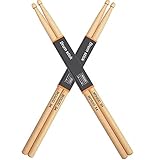
Overview: WOGOD delivers an accessible entry point into quality maple drumsticks with this two-pair bundle designed for drummers of all abilities. These 5A sticks measure 16 inches with a .55-inch diameter, featuring a water drop-shaped tip that enhances articulation across diverse playing styles. The maple construction offers a lighter feel than traditional hickory, reducing hand fatigue during extended practice.
What Makes It Stand Out: The satisfaction guarantee demonstrates confidence while protecting buyers from defects. Maple wood provides a faster, more responsive feel ideal for jazz, orchestral work, and lighter rock applications. The two-pair packaging ensures you always have a backup ready, crucial for developing drummers who haven’t learned to conserve gear.
Value for Money: Typically priced under $15 for two pairs, these sticks cost significantly less than premium brands while offering comparable playability for casual use. They represent excellent value for students and rehearsal spaces. However, the lower price reflects compromises in material selection and quality control consistency.
Strengths and Weaknesses: Strengths include exceptional affordability, lightweight comfort, reduced wrist fatigue, and the security of a backup pair. Maple’s responsiveness suits technical playing. Weaknesses involve durability concerns under heavy playing, potential inconsistencies between pairs, and tips that chip more readily than hardened hickory alternatives.
Bottom Line: Perfect for beginners, students, and budget-conscious drummers who prioritize quantity over ultimate quality. Keep these as practice sticks or backups, but serious performers should invest in premium brands for critical gigs. They’ll serve you well while you develop technique.
3. OIETON 12 Pairs Drum sticks 5A Classic Maple Wood Drumsticks Wood Tip Drumstick for Adults Kids and Beginners

Overview: OIETON’s bulk offering delivers twelve pairs of maple 5A drumsticks in a single economical package, targeting schools, studios, and high-volume users. Each stick measures 16 inches with a .55-inch diameter, manufactured from responsive maple that reduces hand fatigue. This volume-focused approach prioritizes availability over premium craftsmanship, making it ideal for environments where sticks disappear quickly.
What Makes It Stand Out: The sheer quantity-to-price ratio is unmatched, providing a year’s supply for casual players or a month’s stock for busy music programs. No other offering delivers this many sticks at such low per-unit cost. The lightweight maple construction makes them particularly suitable for youth players and jazz applications where speed trumps power.
Value for Money: With per-pair costs dropping below $3, these sticks redefine economy. Music teachers can supply entire classrooms without budget strain, and gigging drummers can stock their stick bags for months. The trade-off is evident in quality control, but for practice and learning environments, the value proposition is undeniable. You sacrifice consistency for quantity.
Strengths and Weaknesses: Strengths include unparalleled bulk value, lightweight playability, and suitability for educational settings. Having twelve pairs eliminates anxiety about running out. Weaknesses comprise inconsistent weight matching, faster wear under heavy playing, tips prone to splitting, and lack of professional-grade durability. Some pairs may arrive warped, requiring inspection.
Bottom Line: Ideal for music educators, rehearsal spaces, and beginners who burn through sticks quickly. Purchase these for practice pads and student use. Professional drummers should reserve these for emergency backups only, investing in premium sticks for performances where reliability matters.
4. Drum Sticks 5A Wood Tip Drumstick (2 Pair Maple)

Overview: This no-frills offering provides two pairs of North American maple 5A drumsticks at a budget price, targeting cost-conscious beginners and casual players. The sticks feature a natural finish for slip resistance and standard 5A dimensions. Without brand recognition or advanced features, they focus purely on basic functionality for youth bands and practice applications where performance demands are minimal.
What Makes It Stand Out: The minimalist approach eliminates marketing costs, passing savings directly to consumers. The natural finish provides decent grip without lacquer buildup, while lightweight maple suits developing players who haven’t built significant hand strength. These sticks prioritize affordability above all else, making drumming accessible to the tightest budgets. The two-pair inclusion ensures immediate backup availability.
Value for Money: Priced similarly to other budget brands, these deliver functional sticks at roughly $7-8 per pair. While cheaper than premium brands, they lack quality assurance and consistency. They represent fair value for absolute beginners testing their interest in drumming, but experienced players will quickly notice deficiencies in balance and durability that cost more long-term.
Strengths and Weaknesses: Strengths include low cost, lightweight feel, decent grip, and suitability for light playing. Maple’s responsiveness helps with dynamic control and reduces fatigue. Weaknesses involve unknown manufacturing standards, potential for warped or mismatched pairs, faster tip degradation, and lack of warranty support. The generic branding makes replacement unpredictable and quality varies between batches.
Bottom Line: Suitable for absolute beginners, youth rock bands on shoestring budgets, or as emergency backup sticks in a gig bag. Don’t expect professional performance or longevity beyond a few weeks of regular use. Upgrade to established brands once you develop basic technique and start playing regularly. They’ll get you started, but won’t carry you far.
5. Vic Firth American Classic 5A Wood-Tipped Drumsticks - 3 Pack with Austin Bazaar Polishing Cloth

Overview: This Vic Firth bundle packages three pairs of their legendary American Classic 5A sticks with a bonus Austin Bazaar polishing cloth, offering professional-grade reliability in bulk. Each stick is crafted from premium USA hickory with deeply back-cut tear-drop tips, delivering the same weight-matched, pitch-paired performance that made Vic Firth the industry standard. The included cloth helps maintain cymbals and hardware between sessions.
What Makes It Stand Out: Buying three factory-matched pairs ensures consistency across your entire rotation, eliminating adjustment periods when switching sticks. The deeply back-cut tip design intensifies cymbal response beyond standard Vic Firth 5As, providing richer overtones and clearer articulation. The polishing cloth adds practical value, keeping your gear clean and professional-looking without additional purchases.
Value for Money: At approximately $25-30 for the bundle, the per-pair cost drops below individual retail pricing while adding a useful accessory. For gigging drummers who cycle through sticks regularly, this represents measurable savings over time. The upfront investment pays dividends in performance consistency and reduced mid-gig failures, making it economically sound for serious players who practice frequently.
Strengths and Weaknesses: Strengths include unmatched manufacturing consistency, superior hickory durability, enhanced cymbal definition from back-cut tips, and the convenience of a three-pair rotation. The polishing cloth is a thoughtful addition. Weaknesses involve the higher initial cost compared to budget brands and potential overkill for casual players who won’t utilize all three pairs quickly. Some drummers may prefer traditional tip profiles.
Bottom Line: The smartest purchase for working drummers, serious students, and regular performers. The bulk packaging saves money while ensuring you never compromise on quality. Keep one pair in your stick bag, one at practice, and one as backup. For those who play weekly, this bundle delivers professional reliability at a slight discount with a useful bonus.
6. Drum sticks 5A Maple Drumsticks 4 Pair

Overview: These maple drumsticks offer exceptional value with four pairs included, making them ideal for drummers who go through sticks quickly. Crafted from North American hard maple, they provide a lighter feel than traditional hickory while maintaining substantial strength for controlled performances across all genres.
What Makes It Stand Out: The four-pair bundle stands out for its sheer quantity at an entry-level price point. Maple construction offers a unique playing experience with faster rebound and less weight, perfect for technical passages. The natural finish provides excellent grip without tackiness, and rigorous quality control ensures consistent weight and balance across all eight sticks.
Value for Money: With four pairs included, these sticks cost significantly less per pair than premium brands. Maple is generally more affordable than hickory, making these perfect for practice sessions, teaching studios, or backup sticks. While they may not match the longevity of professional-grade hickory, the quantity compensates for any durability concerns.
Strengths and Weaknesses: Strengths include excellent value, lightweight feel, slip-resistant finish, and consistent manufacturing. The four-pair package provides ample backups. Weaknesses involve maple’s reduced durability compared to hickory, making them less suitable for heavy hitters. The generic branding may lack the prestige of established names, and they may chip more easily during aggressive playing.
Bottom Line: These maple sticks are perfect for beginners, students, and casual players seeking quantity and quality on a budget. They excel in practice environments and light gigging but may not withstand the demands of heavy-hitting professionals.
7. LA Specials Drum Sticks - 5A Drumsticks - Drum Sticks Set for Acoustic Drums or Electronic Drums - Oval Nylon Tip - Hickory Drum Sticks - Consistent Weight and Pitch - 3 Pairs

Overview: LA Specials delivers three pairs of professional-grade 5A hickory sticks with nylon tips, manufactured entirely in the USA. These sticks target serious drummers who need consistency across recording sessions and live performances, offering the resilience hickory is famous for with the articulate attack of synthetic tips.
What Makes It Stand Out: The oval nylon tip produces a noticeably brighter cymbal tone and more defined stick definition compared to wood tips, making these ideal for genres requiring clarity. The “Made in USA” designation ensures quality manufacturing standards, while the three-pair bundle provides backups without excessive bulk. Consistent weight and pitch matching between sticks is a standout feature rarely found at this price.
Value for Money: While pricier than budget imports, these American-made sticks offer professional quality without premium brand pricing. Hickory’s natural durability means fewer replacements, and the nylon tips resist chipping indefinitely. For studio work where consistency is paramount, these represent excellent mid-tier value.
Strengths and Weaknesses: Strengths include exceptional durability, bright articulate tone, consistent manufacturing, and versatile performance across drum types. The USA manufacturing ensures quality control. Weaknesses involve nylon tips potentially feeling too bright for some musical styles, and three pairs may be insufficient for heavy gigging drummers. Some players prefer wood tips’ natural feel.
Bottom Line: These LA Specials nylon-tipped sticks are an excellent choice for intermediate to advanced drummers focused on rock, pop, or studio work. They balance quality American manufacturing with affordability, though heavy hitters might want the four-pair option.
8. Vater Los Angeles 5A Wood Tip Hickory Drum Sticks, Pair

Overview: Vater’s Los Angeles 5A represents premium single-pair craftsmanship from a respected American drumstick manufacturer. These hickory sticks feature precise specifications—16" length and 0.570" diameter—with a unique forward-weighted design that shifts mass toward the tip for aggressive, fast attack and enhanced projection.
What Makes It Stand Out: The forward-weighted balance is distinctive, providing enhanced response and power without requiring additional effort from the player. Vater’s reputation for quality control ensures each stick matches perfectly. The wood tip delivers classic warmth while the specialized weight distribution creates a fast, focused sound ideal for cutting through dense musical arrangements.
Value for Money: As a single pair, these carry a higher per-unit cost than bulk options. However, Vater’s premium construction and specialized design justify the price for discerning players. These aren’t economy sticks—they’re precision tools for specific playing styles, offering better longevity than budget alternatives and consistent performance.
Strengths and Weaknesses: Strengths include exceptional balance engineering, premium hickory selection, consistent quality, and the forward-weighted design’s enhanced attack. Vater’s brand reputation is a significant plus. The primary weakness is the single-pair packaging, requiring frequent repurchasing. The specialized weighting may not suit drummers preferring traditional balance, and the price is steep for beginners or casual players.
Bottom Line: Perfect for professional drummers seeking a specialized feel and superior quality. The forward-weighted design excels in rock and fusion contexts. However, the single-pair format and premium pricing make them less practical for students or those needing bulk quantities for regular gigging.
9. LA Specials Drum Sticks - Hickory 5A Drumsticks - Set for Acoustic or Electronic Drums - Oval Wood Tip - Consistent Weight and Pitch - 3 Pairs

Overview: This three-pair bundle from LA Specials offers hickory 5A sticks with traditional wood tips, manufactured in the USA. Designed for versatility across acoustic and electronic drums, these sticks provide the classic feel and warm tone that wood tips deliver, making them suitable for diverse musical genres from jazz to rock.
What Makes It Stand Out: The wood tip construction offers a warmer, more organic cymbal tone compared to nylon-tipped variants. As with other LA Specials products, the American manufacturing ensures consistent weight and pitch matching across all six sticks. The three-pair quantity hits a sweet spot—enough for regular rotation without excessive upfront cost.
Value for Money: These occupy a middle ground between budget imports and premium brands. Hickory’s natural durability combined with USA quality control provides reliable performance. Wood tips, while wearing faster than nylon, are less expensive to produce, keeping costs reasonable. For drummers preferring traditional feel, these offer excellent value.
Strengths and Weaknesses: Strengths include durable hickory construction, warm articulate tone, consistent manufacturing, and versatile performance. The Made in USA label ensures quality standards. Weaknesses involve wood tips gradually wearing down and chipping, requiring more frequent replacement than nylon. Three pairs may be insufficient for heavy gigging, and the brand lacks the prestige of industry leaders.
Bottom Line: An excellent choice for intermediate drummers who prioritize traditional wood tip feel and American manufacturing. They perform admirably in both live and studio settings, though heavy hitters should consider larger bundles or nylon tips for extended durability.
10. Vic Firth P5A.3-5A.1 American Classic Wood Tip Drumsticks (Pack of 4)

Overview: Vic Firth’s American Classic 5A pack includes four pairs of industry-standard hickory sticks, representing the benchmark against which most other drumsticks are measured. These sticks feature select hickory construction with precise 16" length and 0.570" diameter specifications, delivering the familiar feel trusted by professionals worldwide.
What Makes It Stand Out: Vic Firth’s reputation as the world’s leading drumstick manufacturer ensures unmatched quality control and consistency. The American Classic series has been refined over decades, offering a perfectly balanced feel that suits virtually every playing style. The four-pair pack provides professional quantity at a per-pair discount compared to buying individually.
Value for Money: While carrying a premium price tag, these sticks offer exceptional value through superior durability, consistency, and performance. The dense hickory selection provides a more pronounced sound and longer lifespan than budget alternatives. For serious drummers, the reduced breakage rate and reliable feel justify the investment.
Strengths and Weaknesses: Strengths include industry-leading quality control, proven durability, perfect balance, professional brand recognition, and excellent bulk pricing. The dense hickory produces superior sound projection. Weaknesses primarily involve higher upfront cost intimidating beginners, and the standard design may feel generic to players seeking specialized features. Some may prefer forward-weighted or custom designs.
Bottom Line: The definitive choice for serious drummers, teachers, and gigging musicians. These sticks represent the professional standard for reliability and performance. While beginners might find more economical options, any drummer progressing beyond the novice stage will appreciate their consistent excellence.
Why 5A Drum Sticks Are the Perfect Starting Point for Beginners
The 5A designation isn’t just random nomenclature—it’s a time-tested specification that has become the global standard for good reason. These sticks hit the Goldilocks zone: light enough for extended practice sessions without causing premature fatigue, yet substantial enough to produce full tones from drums and cymbals. For beginners developing fundamental techniques like the Moeller stroke or learning to control rebound, the 5A’s balanced weight distribution provides immediate feedback without fighting against you. Unlike heavier 5B or 2B sticks that can mask technique flaws, or lighter 7A sticks that require more precision, 5A models let you build proper muscle memory while still feeling authoritative behind the kit.
Understanding Drum Stick Anatomy: What Every Beginner Should Know
Before you can evaluate budget options intelligently, you need to speak the language of drum stick construction. Every component influences playability, durability, and sound, even at entry-level price points.
The Tip: Shape Matters More Than You Think
The tip is your primary sound generator, and its shape dramatically affects cymbal response and drum tone. Teardrop tips produce warm, focused sounds with controlled overtones—ideal for learning dynamics. Acorn tips offer fuller cymbal washes and broader stroke definition. Barrel tips deliver articulate, punchy attacks that cut through mixes. Even budget manufacturers now offer multiple tip shapes in their 5A lines, so understanding these differences helps you match sticks to your musical aspirations. For beginners, teardrop or modified acorn tips provide the most versatility across genres.
The Taper: The Hidden Force Behind Rebound
The taper—the gradual thinning from shaft to tip—determines how much energy returns to your hand after each stroke. A short taper creates a front-heavy feel with less rebound, forcing you to work harder and build strength. A long taper generates lively rebound that helps develop finger control and speeds up learning. Medium tapers split the difference, making them the default choice for most 5A models. When testing budget sticks, roll them on a flat surface; significant wobbling indicates inconsistent taper turning, a common cost-cutting flaw to avoid.
The Shaft: Where Grip Meets Feel
The shaft’s diameter and finish directly impact comfort and grip security. Standard 5A shafts measure approximately .565 inches, but subtle variations exist between manufacturers. Some budget lines offer slightly thicker shafts for durability, while others maintain traditional dimensions. The shaft’s straightness is crucial—any warping will cause uneven wear and unpredictable rebound. Quality control at budget price points has improved, but you should still inspect shafts for visible grain irregularities or bends before purchasing.
The Butt: More Than Just an Endcap
While often overlooked, the butt end serves as your grip anchor and occasional playing surface for bell accents. Some budget 5A sticks feature slightly rounded butts for comfort, while others keep them flat. The butt’s treatment can also indicate overall manufacturing care—clean, smooth finishing suggests attention to detail that likely extends throughout the stick.
Decoding the 5A Designation: It’s Not Just a Number
Drum stick sizing follows a historical system where numbers originally indicated circumference and letters represented application (A for orchestra, B for band, S for street). The 5A specification has become somewhat standardized, but variations persist. In 2026’s budget market, you’ll encounter “true” 5A sticks and “5A-style” sticks that approximate the classic dimensions. True 5A models adhere to traditional length (16 inches) and diameter specs, while stylistic variations might add a quarter-inch in length or slightly modify the taper. For beginners, sticking to traditional 5A dimensions ensures compatibility with most learning resources and instructional materials.
The $15 Price Point: What Realistic Expectations Should You Have?
Fifteen dollars in 2026 buys you far more quality than the same amount did five years ago. Modern manufacturing efficiencies, direct-to-consumer models, and improved wood sourcing have elevated budget stick quality across the board. At this price, you should expect hickory construction (the industry standard), decent weight matching within pairs, and adequate finishing. You might sacrifice some durability compared to premium models, experience occasional warped pairs, and find limited specialty options like fire-grain or proprietary coatings. However, you should absolutely expect playable, reliable sticks that won’t hinder your development. The days of budget sticks being synonymous with instant splintering are firmly behind us.
Wood Types Explained: Hickory, Maple, Oak, and Beyond
Wood selection fundamentally affects weight, durability, and feel. While premium exotic woods dominate high-end markets, budget sticks center around three primary species, each with distinct characteristics.
Hickory: The Industry Workhorse
Hickory accounts for roughly 85% of all drum sticks for good reason. Its dense, resilient grain structure provides excellent shock absorption, reducing hand fatigue during long practice sessions. The wood’s natural flexibility offers forgiving rebound that helps beginners develop timing. Budget hickory 5A sticks typically use second or third-grade lumber with more grain variation than premium options, but the fundamental properties remain. Look for sticks with relatively straight, tight grain patterns running the full length—this indicates better wood selection even at lower price points.
Maple: Lightweight Speed Demons
Maple sticks weigh approximately 10% less than equivalent hickory models, making them popular for jazz, light rock, and players with smaller hands. The lighter weight accelerates learning of quick rudiments and complex patterns. However, maple’s lower density means faster wear and higher breakage rates, especially for heavy-handed beginners. Some budget manufacturers now offer maple 5A sticks under $15, but they often compensate with thicker diameters or shorter tapers to improve durability. Consider these if you prioritize speed over longevity.
Oak: Dense and Durable Powerhouses
Oak represents the heavyweight contender in budget woods, offering maximum durability and pronounced attack. These sticks produce brighter cymbal tones and more articulate drum sounds but transmit more vibration to your hands. For beginners playing aggressive styles like punk or metal, oak 5A sticks provide confidence-inspiring heft. The trade-off is increased fatigue and potentially slower technical development. Japanese oak variants sometimes appear in budget lines, offering slightly better balance than standard oak.
Alternative Wood Options in Budget Range
Emerging budget manufacturers increasingly experiment with birch, poplar, and laminated wood composites. Birch offers a middle ground between maple and hickory, while poplar provides extreme affordability at the cost of durability. Laminated sticks, made from bonded wood layers, can offer surprising consistency and strength, though some purists argue they lack the natural feel of solid wood. These alternatives can be viable for beginners, especially if sustainably sourced options matter to you.
Nylon vs. Wood Tips: Making the Right Choice for Your Sound
The tip material debate intensifies at budget price points. Nylon tips deliver consistent cymbal definition and virtually eliminate tip chipping—a common failure point for beginners. They produce brighter, more focused attacks that cut through amplified settings. However, some players find nylon tips feel slightly “clicky” or harsh on cymbals. Wood tips offer warmer, more organic tones and traditional feel but will chip and wear over time. For practice pads and acoustic kits, wood tips suffice beautifully. If you’ll be playing frequently with amplifiers or in worship teams where cymbal articulation matters, nylon tips justify their slight price premium within the $15 budget.
Grip and Finish: Finding Your Perfect Hand Feel
How sticks feel in your hands affects everything from confidence to technique development. Budget manufacturers now offer several finishing options that were once premium-only features.
Lacquered vs. Natural Finish
Traditional lacquered finishes provide smooth, consistent grip that many beginners find reassuring. The coating protects against moisture and hand oils, extending stick life. However, some lacquers become slippery when hands sweat. Natural or “unfinished” sticks offer raw wood feel with enhanced grip but absorb moisture and can cause splinters if poorly sanded. Satin finishes split the difference, providing subtle texture without full lacquer buildup. For beginners, a light lacquer or satin finish typically works best, offering security without sacrificing feel.
Special Grip Coatings on a Budget
Some budget lines now incorporate proprietary grip enhancements like rubberized dips, textured lacquers, or wax infusions. These can improve control significantly, especially for younger players or those with smaller hands. However, these coatings add weight and can wear unevenly. Dip coatings may also feel sticky in humid environments. If you struggle with sticks slipping, these options warrant consideration, but test them first if possible—grip preference is highly personal.
The Importance of Weight and Balance Consistency
Even the best budget sticks can suffer from poor weight matching. Professional players often weigh their sticks, but beginners should at least roll pairs together to check for consistent rolling speed and wobble. Quality budget manufacturers now computer-match sticks within 3-5 grams, a tolerance that won’t affect learning. When shopping online, read reviews specifically mentioning weight consistency—this is where budget lines differentiate themselves. A perfectly matched pair feels like a natural extension of your arms, while mismatched sticks create subtle timing and dynamic inconsistencies that can frustrate progress.
How Beginner Playing Style Influences Stick Choice
Your musical direction should guide even budget stick selection. Jazz and fusion aspirants benefit from maple or lightweight hickory sticks with long tapers for delicate cymbal work and quick ghost notes. Rock and pop players need durable hickory with medium tapers that handle rimshots and aggressive playing. Metal and hardcore beginners might lean toward oak or heavy hickory sticks that survive heavy hitting. Funk and R&B players should prioritize sticks with excellent rebound for intricate hi-hat patterns. The beauty of the 5A size is its adaptability, but subtle wood and taper variations within budget lines let you tailor your choice to your goals.
Common Beginner Mistakes When Buying Budget Sticks
First-time buyers consistently make three critical errors. First, they choose sticks based on brand recognition rather than specifications, assuming famous names guarantee quality. At budget price points, lesser-known manufacturers often deliver superior value. Second, they buy in bulk before testing a single pair, ending up with dozens of sticks that don’t suit their hands. Third, they ignore taper and tip shape, focusing solely on wood type. Another frequent mistake is choosing sticks that are too heavy, believing they’ll “build strength.” Poor technique reinforced by overly heavy sticks creates bad habits that take years to unlearn. Start with true 5A specs, master your fundamentals, then experiment.
Caring for Your Drum Sticks: Maximizing Lifespan on a Budget
Extending stick life stretches your limited budget further. Always store sticks in a cool, dry place—extreme temperature changes cause wood to expand and contract, leading to cracks. Rotate your sticks between hands every practice session to ensure even wear. Sand down any developing splinters immediately with fine-grit paper to prevent catastrophic breaks. Avoid playing on damaged cymbals or hoops, as these create stress points that shorten stick life dramatically. For natural-finish sticks, occasional light rubbing with linseed oil maintains moisture balance and prevents drying. With proper care, budget sticks can last 30-50% longer, making that $15 investment go significantly further.
Where to Shop Smart for Budget Drum Sticks in 2026
The retail landscape continues shifting toward direct-to-consumer models. Online marketplaces offer unbeatable selection and competitive pricing, but stick quality can vary between sellers. Specialty drum e-commerce sites often provide better quality control and knowledgeable customer service. Local music stores remain invaluable for hands-on testing—many now price-match online retailers while offering the expertise of staff drummers. Watch for bundle deals that include stick bags or practice pads, effectively reducing per-pair cost. Manufacturer websites occasionally run clearance sales on previous year’s graphics or overstock, delivering premium quality at budget prices. For beginners, buying three pairs from different budget lines lets you compare feel before committing to a favorite.
What to Expect from Budget Sticks in Terms of Durability
Realistic durability expectations prevent disappointment. A budget 5A pair should survive 20-40 hours of moderate playing before showing significant wear. Heavy hitters might get 10-15 hours. You’ll likely experience tip chipping first, followed by shaft fraying near the shoulder. Breakage typically occurs at the taper or tip, rarely in the middle. Compared to premium sticks that might last 60-80 hours, budget options offer 60-70% of the lifespan at 30-40% of the cost—a compelling value proposition for beginners still developing touch and dynamics. The key is monitoring wear patterns; when you notice consistent breakage points, you’ve identified technique issues to address.
The Environmental Angle: Sustainable Options Under $15
Sustainability concerns increasingly influence purchasing decisions. Several budget manufacturers now source wood from Forest Stewardship Council (FSC) certified suppliers, ensuring responsible harvesting. Some use reclaimed wood from furniture manufacturing or tree-trimming operations. Laminated sticks maximize material usage by bonding smaller wood pieces, reducing waste. While truly “eco-friendly” sticks at this price point remain rare, you can make more sustainable choices by selecting brands that transparently discuss sourcing. Avoid sticks with excessive plastic packaging, and consider that longer-lasting sticks (even if not marketed as green) reduce overall consumption. As a beginner, building efficient technique that doesn’t waste sticks through breakage is perhaps the most sustainable choice of all.
Frequently Asked Questions
1. Can I really get quality 5A drum sticks for under $15, or am I just buying disposable sticks?
Absolutely. Modern manufacturing has revolutionized the budget stick market. While you won’t get the meticulous weight matching or exotic wood options of $25+ models, today’s sub-$15 sticks use genuine hickory, proper kiln drying, and decent quality control. Think of them as reliable practice tools rather than disposable items—they’ll support your development through your first 6-12 months of playing.
2. How many pairs should a beginner buy initially?
Start with just two or three pairs of the same model. This gives you backups while allowing you to truly learn how those specific sticks respond. Buying a dozen different pairs creates confusion and prevents you from developing consistent muscle memory. Once you’ve worn out your first few pairs, you’ll have the experience to make a more informed second purchase.
3. What’s the difference between a $12 pair and a $15 pair at the budget level?
That $3 difference often reflects better weight matching, slightly higher wood grade, or improved finishing. The $15 pair might include nylon tips or a special grip coating, while the $12 sticks stick to basics. For beginners, the sweet spot is often around $13-14, where you get most quality benefits without paying for marginal gains.
4. Should beginners start with wood tips or nylon tips?
Wood tips are generally recommended for pure beginners because they provide more tactile feedback and warmer tones that encourage dynamic development. However, if you’re playing primarily on electronic drums or in amplified settings, nylon tips’ durability and consistency make them a smart choice. There’s no wrong answer—choose based on your primary playing environment.
5. How can I tell if budget sticks are properly matched in weight?
The simple roll test: place both sticks on a smooth table and roll them simultaneously. They should roll at the same speed without wobbling. You can also tap the tips against each other—matched sticks produce identical pitches. While budget pairs won’t be perfect, they should feel virtually identical in your hands.
6. Will using budget sticks hurt my technique development?
Not if you choose wisely. Poorly balanced, warped, or inconsistently weighted sticks can reinforce bad habits, but quality budget sticks won’t hinder you. The key is avoiding sticks that are too heavy or have bizarre tapers. Stick to traditional 5A specs from reputable budget lines, and your technique will develop properly.
7. How often should beginners replace their drum sticks?
Replace them when you notice significant tip chipping, shaft splintering, or when the sticks feel “dead” with reduced rebound. For practicing 30 minutes daily, expect to replace sticks every 6-8 weeks. Don’t wait for catastrophic breaks—worn sticks subtly compromise your technique before they snap.
8. Are laminated or composite sticks worth considering at budget prices?
Yes, especially if durability is your primary concern. Laminated sticks can be surprisingly good values, offering consistent weight and impressive strength. They sometimes feel slightly different than solid wood sticks—slightly stiffer—but many beginners never notice. They’re worth trying if you find yourself breaking solid wood sticks frequently.
9. What’s the biggest red flag when shopping for budget drum sticks?
Extremely inconsistent finishing—rough spots, visible glue, or splinters right out of the package—indicates poor quality control. Also be wary of sticks that feel unusually light or heavy for their size. Good budget sticks look clean and feel balanced, even if the wood grain isn’t perfectly straight.
10. Can I use 5A sticks for all music styles as a beginner?
The 5A’s versatility is its greatest strength. You can comfortably learn rock, pop, funk, jazz, and even lighter metal with 5A sticks. While you might eventually add specialty sticks to your collection, mastering fundamentals with 5As creates a solid foundation. Only consider other sizes after you’ve developed basic proficiency and identified specific limitations with 5As for your preferred style.
See Also
- 10 Budget 5B Drum Sticks Under $15 for Beginners in 2026
- 10 Budget 5A Drum Sticks for School Jazz Bands in 2026
- 10 Budget Jazz Drum Sticks Under $12 for College Students in 2026
- Stop Hand Fatigue: 10 Best 7A Drum Sticks for Long Jazz Sets in 2026
- 10 Classic Wood-Tip 5A Drum Sticks Every Kit Needs in 2026