Table of Contents
Practicing violin at home shouldn’t feel like you’re preparing for a hostile takeover of your household’s peace and quiet. Yet for countless violinists—from conservatory students in thin-walled apartments to dedicated hobbyists with sleeping children—the daily ritual of practice often comes with a side of guilt and volume anxiety. The quest for the perfect practice mute becomes a Goldilocks dilemma: too many options dampen your sound into a lifeless whisper, while others barely make a dent in the decibels.
The truth is, a well-designed practice mute doesn’t just turn down the volume; it transforms your practice experience. It allows you to hear the subtle imperfections in your intonation, the nuance of your bow pressure, and the clarity of your articulation—all while keeping the neighbors blissfully unaware that you’re working through the Bach Chaconne at 6 AM. Understanding what separates a tone-preserving mute from a tone-killer is the difference between productive practice and developing bad habits that you’ll later have to unlearn.
Top 10 Violin Practice Mutes
Detailed Product Reviews
1. eBoot Rubber 4/4 Violin Practice Mute, Black

Overview: The eBoot Rubber 4/4 Violin Practice Mute is a straightforward, no-frills accessory designed for violinists seeking quiet practice sessions. This single claw-style mute attaches directly to the bridge of a full-size violin, reducing volume without complex installation. Made from durable rubber, it measures a compact 2.1 x 1 x 0.5 inches and weighs virtually nothing. Perfect for apartment dwellers, late-night practitioners, or students in shared living spaces who need to keep their playing discreet while maintaining pitch accuracy.
What Makes It Stand Out: This mute’s primary distinction is its pure simplicity. Unlike bulk packs or metal alternatives, it offers exactly what a beginner or casual player needs: one reliable, effective mute. The claw design grips the bridge securely without slipping during vigorous playing. Its rubber construction ensures no risk of scratching your instrument’s finish or damaging the bridge, a common concern with metal mutes. The tool-free installation takes seconds—simply slide it over the bridge and start playing.
Value for Money: Priced as an entry-level single unit, this mute delivers exceptional value for individual players. You’re not paying for unnecessary extras or fancy packaging. While bulk sets offer lower per-unit costs, most violinists only need one or two mutes. This represents a smart, minimal investment for students or hobbyists who want effective sound dampening without committing to a larger purchase. Comparable single mutes from specialty music stores often cost 2-3 times more.
Strengths and Weaknesses: Pros: Extremely affordable; simple one-handed installation; lightweight and portable; no risk of instrument damage; maintains reasonable pitch accuracy.
Cons: Only compatible with 4/4 size; single style limits tonal options; rubber provides moderate (not maximum) volume reduction; no backup if lost.
Bottom Line: For violinists wanting a fuss-free, budget-friendly practice mute that just works, the eBoot delivers. It’s ideal for beginners and intermediate players who prioritize simplicity and instrument safety over aggressive sound suppression.
2. Rubber Violin Practice Mute Set, 10 Pack Round Tourte Style Mute for Violin and Small Viola & 2 Pack Claw Style 4/4 Violin Practice Mute,Ultra Practice Silencer(Black)

Overview: This comprehensive 12-piece mute set provides exceptional versatility for violinists and violists. The package includes ten round Tourte-style mutes plus two claw-style mutes, all crafted from soft, flexible rubber. Designed to fit most standard violins and small violas, this bulk collection ensures you’ll never be without a mute. The round mutes sit atop the bridge, while the claw versions wrap around it, offering different dampening characteristics for varied practice scenarios.
What Makes It Stand Out: The sheer quantity and variety make this set unique. It’s essentially a lifetime supply for an individual player or perfect for music teachers outfitting multiple students. The soft rubber construction prevents any bridge or finish damage, unlike metal alternatives. Having both styles allows experimentation—Tourte mutes provide lighter dampening for subtle reduction, while claw mutes offer more aggressive silencing. The universal sizing means these work across multiple instruments in your collection.
Value for Money: This bulk pack represents outstanding value, reducing the per-mute cost to mere pennies. Purchasing these individually would cost significantly more. For teachers, the value is immeasurable—having spares for students who forget theirs eliminates practice disruptions. Even for solo players, the economics make sense: you’ll have backups for every case, bag, and practice space. The durability ensures this one purchase could last decades.
Strengths and Weaknesses: Pros: Unbeatable quantity-to-price ratio; two distinct mute styles; safe for all finishes; fits multiple instrument sizes; perfect for educational settings.
Cons: Excessive quantity for casual players; storage can be cumbersome; rubber mutes don’t achieve maximum silence; quality control may vary across large production runs.
Bottom Line: This set is a no-brainer for music educators or serious violinists wanting ultimate preparedness. Individual players might find the volume overwhelming, but the price-per-mute makes it hard to pass up if you practice in multiple locations.
3. Mudder Metal Violin Mute Practice Violin Silencer for 1/2, 3/4, 4/4 Violin, Silver
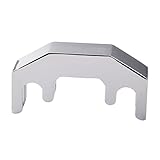
Overview: The Mudder Metal Violin Mute is a heavy-duty practice tool engineered for maximum volume reduction across multiple violin sizes. Constructed from sturdy chrome-plated metal, this claw-style mute fits 1/2, 3/4, and 4/4 violins, making it ideal for growing students or families with various instruments. Measuring just 4 x 1.6 cm, it delivers aggressive sound dampening while purportedly maintaining pitch integrity—perfect for truly silent practice sessions that won’t disturb neighbors or sleeping family members.
What Makes It Stand Out: Metal construction sets this mute apart from rubber alternatives, offering superior sound suppression through increased mass. The universal sizing is a standout feature, accommodating three common violin sizes without separate purchases. The chrome finish provides durability that rubber can’t match, resisting wear and maintaining appearance over years of use. Its design specifically targets the vibrations that create sound, making it significantly more effective than rubber for late-night or apartment practice.
Value for Money: While priced higher than basic rubber mutes, the metal build and universal compatibility justify the cost. You’re essentially getting three mutes in one, eliminating the need to repurchase as a young player grows. The durability ensures this single purchase lasts indefinitely, unlike rubber that can dry crack over time. For serious students requiring near-silent practice, the premium is minimal compared to the freedom it provides.
Strengths and Weaknesses: Pros: Maximum volume reduction; fits multiple violin sizes; extremely durable; maintains pitch surprisingly well; compact and portable.
Cons: Metal can damage bridge or finish if installed carelessly; heavier than rubber; may over-mute for some practice needs; silver finish may not appeal to all aesthetic preferences.
Bottom Line: If you need serious noise reduction and have multiple violin sizes in your household, this metal mute is worth every penny. Handle with care during installation, but enjoy the freedom to practice anytime, anywhere, without complaints.
4. Amgate 4 PCS Rubber Violin Practice Mute Set, Included 2 PCS Claw Style & 2 PCS Round Tourte Style, Black

Overview: The Amgate 4-piece mute set strikes an ideal balance between variety and value, offering two claw-style and two Tourte-style rubber mutes in one package. Designed for 4/4 violins and small violas, this set provides options for different practice situations without overwhelming you with excess. The soft rubber construction ensures instrument safety while effectively reducing volume. Each mute is sized appropriately—claw at 2.1 x 1 x 0.5 inches and round at 0.8 x 0.8 x 0.4 inches—making them compatible with most standard instruments.
What Makes It Stand Out: This set’s thoughtful curation is its key differentiator. Rather than forcing you to choose between mute styles or buy bulk quantities you don’t need, it provides exactly two of each type—perfect for experimenting and finding your preference. The inclusion of spares means you’re covered if one goes missing. The rubber formulation is specifically designed to maintain pitch accuracy while dampening, addressing a common complaint about practice mutes altering intonation. It’s a Goldilocks solution: not too many, not too few.
Value for Money: Priced moderately between single units and bulk packs, this set offers excellent value for discerning players. You get four quality mutes at roughly the price of two individually purchased ones. The dual-style approach saves money compared to buying separate claw and Tourte mutes. For serious students or advancing players who understand their practice needs, this represents a smart, focused investment without waste.
Strengths and Weaknesses: Pros: Perfect quantity for most players; two distinct dampening options; maintains pitch well; safe for instrument finish; includes useful spares.
Cons: Limited to 4/4 size; rubber doesn’t achieve maximum silence; no color options; may still be more than a casual player needs.
Bottom Line: This Amgate set hits the sweet spot for intermediate players wanting quality and variety without excess. The dual-style approach lets you tailor your practice volume, making it a practical, economical choice for dedicated violinists.
5. Rubber Violin Practice Mute, Claw Style & Round Tourte Style Mute for Violin, Practice Silencer Viola Violin Mute

Overview: This minimalist 2-piece mute set provides essential versatility for violinists who want to explore different dampening styles without commitment. Including one claw-style and one Tourte-style mute, both crafted from soft, flexible rubber, this set covers basic practice needs for most standard violins and small violas. The claw mute measures 2.1 x 1 x 0.5 inches for heavier dampening, while the 0.8-inch round mute offers lighter suppression—giving you options for different practice environments from quiet evenings to near-silent late-night sessions.
What Makes It Stand Out: The set’s restraint is its virtue. Rather than overwhelming with quantity, it provides exactly what an individual player needs to discover their preference. The rubber formulation emphasizes both muting effectiveness and sound quality preservation—a critical balance often missed in practice mutes. Installation is tool-free and intuitive: simply slide either mute over the bridge until secure. This simplicity makes it perfect for younger players or those new to using mutes who might be intimidated by more complex accessories.
Value for Money: As an entry-level multi-style pack, this offers tremendous value for players unsure which mute type suits them best. You’re essentially getting two products for less than the cost of one premium mute. The durability of the rubber ensures longevity, while the minimal investment risk means you can experiment freely. For parents of growing students or adult learners, it’s an economical way to access professional practice tools without breaking the bank.
Strengths and Weaknesses: Pros: Perfect starter combination; low financial risk; easy installation; maintains tonal quality; lightweight and portable.
Cons: No spares if lost; rubber may not satisfy those needing maximum silence; limited size compatibility information; basic packaging.
Bottom Line: This 2-piece set is the ideal starting point for any violinist curious about practice mutes. It offers just enough variety to make an informed decision about future purchases while delivering immediate, effective sound reduction for peaceful practice sessions.
6. 4 Pack Violin Mute Small Viola Mute, Practice Mute Silencer, Round Tourte Style, Black Rubber

Overview: This four-pack of Tourte-style rubber mutes offers a practical solution for violinists and small viola players seeking quiet practice sessions. Measuring just 0.75 inches square and 0.35 inches thick, these compact accessories fit securely over the bridge to dampen sound output significantly. Made from soft, flexible rubber, they’re designed to be gentle on your instrument while providing reliable muting performance. The Tourte style represents the traditional, proven design that orchestral players have trusted for decades.
What Makes It Stand Out: The value proposition of receiving four mutes in a single package immediately distinguishes this product from single-unit competitors. This makes it ideal for students who frequently misplace accessories or teachers needing backups for their studio. The universal compatibility with both violins and small violas adds versatility, while the classic round Tourte design ensures even pressure distribution across the bridge without risking damage to the wood.
Value for Money: Priced competitively as a multi-pack, these rubber mutes deliver exceptional affordability. Individual metal mutes often cost 2-3 times more than this entire four-piece set. While they may not provide the aggressive sound reduction of metal alternatives, they offer sufficient dampening for apartment practice and late-night rehearsals without compromising the instrument’s tonal character entirely.
Strengths and Weaknesses: Strengths: Bulk packaging provides spares; soft rubber protects bridge; easy to install/remove; suitable for multiple instruments; Tourte-style design is time-tested. Weaknesses: Rubber material wears faster than metal; less sound reduction than metal mutes; may fit loosely on some bridges; black color shows dust; limited to small violas.
Bottom Line: This four-pack delivers outstanding value for students and casual players prioritizing gentle bridge contact and budget-friendly convenience over maximum sound suppression.
7. Alnicov Violin Viola Practice Zinc Alloy Mute Fiddle Professional Practice for 3/4 4/4 Electric Acoustic Violin Parts Black

Overview: The Alnicov zinc alloy mute targets serious violinists and violists seeking professional-grade sound reduction without sacrificing tonal integrity. Engineered for 3/4 and 4/4 acoustic and electric instruments, this metal mute clips securely onto the bridge to dramatically lower volume while maintaining pitch accuracy. Its lightweight yet durable construction promises longevity that rubber alternatives cannot match, making it a staple for conservatory students and professionals alike.
What Makes It Stand Out: Unlike basic rubber mutes, this zinc alloy construction provides superior sound dampening through metallic mass that absorbs string vibrations more effectively. The design emphasizes both functionality and convenience—its tool-free installation allows quick transitions between muted and unmuted playing during practice sessions. The black finish gives it a sleek, professional appearance that complements any instrument aesthetic.
Value for Money: Positioned in the mid-range price category, this metal mute offers excellent durability that justifies its cost over disposable rubber options. While more expensive than bulk rubber packs, it provides 3-5 times the lifespan and significantly greater sound reduction. For musicians in shared living spaces or those requiring serious practice volume control, the investment pays dividends in neighborly relations and extended practice hours.
Strengths and Weaknesses: Strengths: Superior sound reduction; durable zinc alloy construction; maintains pitch accuracy; fits multiple instrument sizes; easy installation/removal; professional appearance. Weaknesses: Metal can damage bridge if improperly fitted; heavier than rubber mutes; single unit (no spares); may over-mute for some practice needs; requires careful handling.
Bottom Line: This professional-grade metal mute is ideal for serious musicians who prioritize maximum sound reduction and durability, provided they handle it with appropriate care to protect their instrument’s bridge.
8. Amgate 4 Pack Violin Practice Mute for Violin and Small Viola, Round Tourte Style Rubber Mute, Black

Overview: Amgate’s four-pack of Tourte-style rubber mutes provides a budget-friendly solution for violinists and small viola players needing reliable practice dampening. These 0.8-inch square mutes attach securely to the bridge, reducing volume sufficiently for apartment living or late-night practice without completely eliminating tone. Constructed from soft rubber, they promise gentle contact with your instrument while delivering the basic muting functionality that students and casual players require for discreet rehearsal sessions.
What Makes It Stand Out: The four-unit packaging offers exceptional convenience for forgetful students or multi-instrument households. Amgate emphasizes pitch retention as a key feature, ensuring that while volume decreases, intonation practice remains accurate. The slightly larger dimensions compared to some competitors provide a more secure fit on various bridge styles, while the lightweight design makes them virtually unnoticeable in your case pocket.
Value for Money: This multi-pack represents one of the best cost-per-unit values in the mute market. Teachers can equip entire studios for the price of a single premium metal mute. While durability doesn’t match metal alternatives, the four-piece quantity ensures you’ll have replacements ready. For beginners uncertain about their long-term commitment, this minimal investment removes financial barriers to proper practice etiquette.
Strengths and Weaknesses: Strengths: Excellent bulk value; gentle on instruments; maintains pitch; easy to use; portable; fits violin and small viola; suitable for beginners. Weaknesses: Rubber degrades over time; less effective muting than metal; may fit loosely on some bridges; brand recognition is limited; no storage pouch included.
Bottom Line: Perfect for students and budget-conscious players who need functional, gentle muting in quantity, accepting that durability and maximum sound reduction take a backseat to affordability.
9. Unxuey Metal Violin Mute Practice Violin Silencer Golden Fiddle Silent Silencer Parts for 1/2, 3/4, 4/4 Violin

Overview: The Unxuey metal violin mute delivers aggressive sound reduction for players of 1/2, 3/4, and 4/4 violins through its metallic construction. This golden-finished silencer clips onto the bridge to dramatically lower practice volume while allegedly preserving pitch accuracy. Marketed as superior to rubber alternatives, the metal composition absorbs vibration more effectively, making it suitable for musicians in noise-sensitive environments who need substantial volume control without sacrificing practice time.
What Makes It Stand Out: The striking golden finish provides aesthetic appeal uncommon in functional accessories, while the broad size compatibility covers virtually all student and full-size instruments. Unxuey claims their metal design achieves greater sound reduction than rubber counterparts, positioning it as the go-to solution for apartment dwellers and late-night practitioners. The compact, simple installation requires no tools or complicated adjustments.
Value for Money: This metal mute typically costs less than premium brand metal mutes while offering similar sound dampening capabilities. For parents of growing students, the universal sizing means one purchase lasts through multiple instrument upgrades. However, the lower price point may reflect compromises in finishing quality or protective features compared to rubber-coated alternatives.
Strengths and Weaknesses: Strengths: Excellent sound reduction; universal size compatibility; attractive golden finish; easy installation; effective vibration absorption; affordable metal option. Weaknesses: Bare metal risks bridge damage; may over-mute for some users; single unit purchase; finish may tarnish; limited brand reputation; no protective coating.
Bottom Line: An affordable metal mute for those prioritizing maximum volume reduction and universal sizing, but users should carefully monitor bridge contact to prevent instrument damage.
10. Artino Practice Mute for violin/viola, Japanese import

Overview: The Artino practice mute represents the premium tier of string instrument accessories, imported from Japan with a unique hybrid design. Featuring a metal core encased in protective rubber, this mute delivers substantial sound reduction while safeguarding your bridge from the scratches and wear common with bare metal mutes. Compatible with both violins and violas, it targets serious musicians who refuse to compromise between practice convenience and instrument preservation.
What Makes It Stand Out: Artino’s proprietary rubber-coated metal construction claims to be the “only protective practice mute,” addressing the primary drawback of traditional metal mutes. This innovative design absorbs string vibrations effectively while creating a buffer between the hard metal and your bridge’s delicate wood. The Japanese import status suggests meticulous quality control and precision engineering that budget alternatives lack.
Value for Money: Positioned at the high end of the price spectrum, this mute justifies its cost through superior materials and bridge protection. While significantly more expensive than rubber multi-packs, it eliminates the risk of costly bridge repairs. For professional musicians or owners of valuable instruments, the premium is negligible compared to potential luthier bills. The durability ensures years of reliable service, amortizing the initial investment.
Strengths and Weaknesses: Strengths: Protective rubber coating; excellent sound reduction; premium build quality; bridge protection; retains tonal character; professional-grade durability. Weaknesses: High price point; single unit; may be overkill for beginners; adds noticeable weight to bridge; limited availability; import premiums.
Bottom Line: The ideal choice for serious musicians and valuable instrument owners who demand maximum sound reduction without risking bridge damage, making the premium price a worthwhile insurance policy.
Understanding Violin Mutes: Beyond Simple Volume Control
When most musicians first encounter practice mutes, they assume these devices are crude volume knobs—simple pieces of rubber or metal that smother sound. This fundamental misunderstanding leads to poor purchasing decisions and frustrated practice sessions. A sophisticated practice mute operates more like a sophisticated audio filter, selectively attenuating specific frequency ranges while allowing others to pass through with minimal interference.
The best practice mutes create what acoustic engineers call “controlled attenuation.” Rather than eliminating sound entirely, they reduce the intensity of higher overtones that carry most aggressively through walls, while preserving the fundamental frequencies and lower partials that give your violin its characteristic voice. This selective dampening means you can practice with full bow and expressive dynamics without the sonic footprint of a full-volume performance.
The Physics of Sound Reduction: How Mutes Actually Work
Your violin produces sound through complex vibrations traveling from strings through the bridge to the soundpost and bass bar, ultimately activating the entire body of the instrument. A mute interrupts this energy transfer at the bridge, adding mass that changes the resonant frequency of the system. The key lies in how that mass is distributed and what materials absorb which frequencies.
Rubber mutes, for instance, work through both mass-loading and internal friction, converting vibrational energy into minuscule amounts of heat. Metal mutes rely primarily on mass, creating a more uniform attenuation across frequency spectra. Composite materials attempt to combine these properties, offering nuanced control over which frequencies get suppressed. Understanding this physics helps you predict how a mute will affect your specific violin’s voice.
Why Tone Preservation Matters for Effective Practice
Practicing on a mute that kills tone is like learning to paint in a dark room—you miss critical details. Your ear develops through feedback loops, and when your instrument’s voice becomes unrecognizable, you lose the ability to judge bow speed, contact point, and vibrato width accurately. Worse still, you might compensate with technique adjustments that sound fine muted but become problematic problems at full volume.
Tone-preserving mutes maintain enough spectral complexity that you can still hear the difference between a pure fifth and a slightly out-of-tune interval. They let you detect the wolf tones and harshness that indicate bow pressure issues. This fidelity ensures your muted practice translates directly to your unmuted performance, making every minute spent with the mute genuinely productive rather than merely quiet.
Types of Practice Mutes: A Comprehensive Overview
The market offers a surprising diversity of mute designs, each born from different philosophies about sound reduction. Some prioritize maximum silence for extreme situations, while others aim for the lightest possible touch on your tone. Knowing the categories helps you narrow your search before you ever handle a physical product.
Tourte-Style Rubber Mutes: The Universal Standard
Named after their legendary French maker, Tourte-style mutes represent the most common design you’ll encounter. These two-pronged rubber devices slip over two strings behind the bridge, making contact with the bridge’s top edge. Their popularity stems from remarkable versatility—they produce moderate volume reduction while maintaining surprisingly good tonal fidelity.
The rubber composition varies significantly between manufacturers, affecting both durability and sound quality. Softer compounds generally preserve tone better but wear out faster and provide less volume reduction. Harder rubbers last longer and mute more aggressively but can introduce a slightly nasal quality to your sound. Most violinists find these mutes ideal for late-night practice when you need meaningful volume reduction without completely sacrificing musical expression.
Heavy Practice Mutes: Maximum Silence for Apartment Living
When your upstairs neighbor works night shifts or you share a studio apartment, heavy practice mutes become essential tools. These substantial rubber or metal devices cover more of the bridge surface, sometimes wrapping around it entirely. The increased mass and contact area can reduce volume by 70-80%, bringing your violin down to the level of a quiet conversation.
The trade-off is significant tonal alteration. Heavy mutes necessarily change your instrument’s voice more dramatically—the sound becomes darker, more focused, and loses much of its natural resonance. However, modern heavy mutes use sophisticated designs with internal chambers and composite materials to mitigate these effects. They’re perfect for technical work, scale practice, and repertoire review where absolute tonal perfection matters less than physical repetition.
Wire and Metal Practice Mutes: The Professional’s Choice
Professional orchestral players often gravitate toward wire-based mutes for their practice needs. These sleek designs typically feature a metal weight suspended by thin wires that hook over the strings. The minimal contact area means less interference with the bridge’s natural vibrations, preserving more of your violin’s core sound.
The metal mass provides consistent, predictable attenuation without the “rubbery” quality some players detect in polymer mutes. Many models allow you to adjust the contact pressure, fine-tuning the balance between silence and tone. While they produce less dramatic volume reduction than heavy rubber mutes, their superior fidelity makes them invaluable for practicing subtle bow techniques and color changes that rubber mutes might mask.
Leather and Fabric Mutes: The Emerging Alternative
A newer category gaining traction among tone-conscious players uses leather or high-density fabric wrapped around the bridge. These materials introduce damping through friction and fiber compression rather than pure mass-loading. The result is a softer, more organic-sounding reduction that many describe as “warming” rather than “muting.”
These mutes excel at preserving the violin’s natural overtones while still taking the edge off the volume. They’re particularly effective for baroque and classical repertoire where transparency and clarity matter. The downside is durability—fabrics compress over time, and leather requires occasional conditioning. They also provide less aggressive volume reduction, making them better for moderate practice situations rather than extreme quiet needs.
Magnetic Mutes: Innovation in Convenience
The latest innovation in mute design uses rare-earth magnets to attach the mute to metal plates mounted on your violin’s tailpiece. This system allows instant muting and unmuting without touching the bridge—a huge advantage when you need to switch quickly between muted and unmuted playing. The magnetic attachment also eliminates the risk of bridge scratches from repeated installation.
Sound-wise, magnetic mutes perform similarly to well-designed rubber mutes, though some players report a slightly brighter tone due to the minimal physical contact. The primary drawback is the initial installation—you’ll need to carefully position the tailpiece plates, which some players find intimidating. Once installed, however, the convenience factor is unmatched, making these ideal for practice sessions that mix muted etudes with unmuted repertoire work.
Clip-On vs. Slip-On Designs: Practical Considerations
How a mute attaches to your instrument affects both convenience and sound quality. Slip-on designs slide over the strings and rest against the bridge, making them universally compatible but potentially less stable during vigorous playing. Clip-on mechanisms grip the bridge itself, providing secure attachment but risking cosmetic damage to the bridge’s delicate edges.
Consider your playing style when choosing. If you practice with lots of physical motion—perhaps working on sautillé or spiccato—a secure clip-on prevents the mute from shifting or falling. For gentler practice, slip-ons offer simplicity and zero risk to your bridge. Some hybrid designs use a gentle clip that contacts the bridge’s flat surfaces rather than edges, balancing security and safety.
Key Features to Evaluate Before Buying
With so many designs available, focusing on specific features helps you make an informed decision. The perfect mute for your situation depends on a combination of factors unique to your instrument, environment, and practice goals.
Material Composition and Its Impact on Tone
The material science behind mutes directly correlates with their acoustic properties. Natural rubber offers different damping characteristics than synthetic silicone or neoprene. Metal mutes—typically brass, nickel, or stainless steel—provide mass without absorption, creating a different tonal signature entirely.
Hardness ratings matter significantly. A Shore A durometer rating around 40-50 (relatively soft) preserves tone but wears quickly. Ratings above 70 provide durability and stronger muting but can sound harsh. Some advanced mutes use layered materials, combining a soft contact surface with a dense core to balance these competing demands. When possible, handle mutes in person—flexibility and texture often predict performance better than product descriptions.
Weight and Mass: Finding Your Sweet Spot
A mute’s weight, typically ranging from 3 to 15 grams, determines its muting power but also influences how it affects tone color. Heavier mutes reduce volume more dramatically but can make your violin feel sluggish and unresponsive. Lighter mutes preserve playability but might not provide enough volume reduction for your needs.
The distribution of that weight matters as much as the total mass. A compact, dense mute will have different effects than a lighter mute with a broader contact area. For most practice situations, mutes in the 5-8 gram range offer the best compromise—substantial volume reduction without making your instrument feel foreign under your bow.
Ease of Installation and Removal
You’ll likely install and remove your mute multiple times per practice session, so frustration-free operation is crucial. Designs that require excessive force or precise alignment quickly become annoying. Look for mutes that you can install by feel alone, without needing to inspect the bridge visually each time.
Consider how the mute stores when not in use. Many designs allow you to slide the mute up toward the tailpiece, keeping it on the strings but off the bridge. This “standby position” should be secure enough that the mute doesn’t rattle or fall during playing, yet accessible enough for quick deployment when needed. Poorly designed standby positions are a common source of rattling buzzes that can drive you mad.
Compatibility with Your Violin’s Bridge
Not every mute fits every bridge. Baroque bridges with their distinctive sweeping curves, modern high-arched bridges, and low-profile student bridges each present different challenges. A mute that fits perfectly on one instrument might sit awkwardly on another, creating uneven pressure or incomplete contact.
Measure your bridge’s thickness and height before purchasing. Most product specifications list compatible bridge dimensions, but these numbers assume standard setups. If you play a fractional-size violin or have a custom bridge, you may need to seek out adjustable designs or consult with a luthier about minor modifications. Never force a mute onto an incompatible bridge—the risk of warping or cracking far outweighs any practice benefits.
Durability and Long-Term Performance
A quality practice mute should last years, not months. Rubber mutes harden and lose flexibility over time, especially when exposed to sunlight or extreme temperatures. Metal mutes can corrode if stored in humid cases. Leather and fabric mutes absorb rosin dust and skin oils, eventually becoming less effective.
Examine how the mute attaches to your instrument. Stress points where wire meets metal or where rubber is thinnest will fail first. Some manufacturers offer replacement parts for wearable components, extending the mute’s lifespan. Consider this an investment in your practice routine—a $30 mute that lasts five years costs less per use than a $10 mute you replace annually.
Tone Preservation Techniques: Getting the Most from Your Mute
Even the best mute can sound terrible with improper technique. Learning to work with your mute rather than against it unlocks its full potential for both quiet practice and musical development.
Proper Placement for Optimal Results
The exact position of your mute on the bridge dramatically affects both volume reduction and tone quality. Most mutes should sit centered on the bridge, contacting the wood evenly across their surface. A crooked mute creates uneven damping, making some strings sound darker than others and potentially causing wolf tones.
Experiment with slight position adjustments. Moving a rubber mute a millimeter higher or lower on the bridge can shift the tonal balance, sometimes improving clarity without sacrificing muting power. Mark your ideal position with a small dot of nail polish on the bridge’s back—this ensures consistent placement every time you practice.
Adjusting Your Playing Technique
Muted practice requires subtle adjustments to your bowing. The reduced volume means you’ll naturally want to press harder or move the bow faster to “hear yourself,” but this defeats the purpose and creates tension. Instead, maintain your normal bow pressure and speed, trusting that the reduced volume is doing its job.
Use the mute as a microscope for your technique. Without the violin’s full resonance masking small imperfections, you’ll hear every scratchy bow change and impure double-stop. This heightened awareness accelerates technical improvement. Practice your normal repertoire muted, then remove the mute periodically to check that your adjustments translate to full-volume playing.
Maintaining Your Instrument with Regular Mute Use
Frequent mute use can affect your violin’s setup over time. The constant pressure on the bridge can cause it to lean slightly forward, especially with heavier mutes. Check your bridge’s vertical alignment monthly, straightening it if necessary or having your luthier do so during routine maintenance.
Clean your mute regularly—rosin dust accumulates on the contact surfaces and can transfer to your bridge, affecting both appearance and sound. A soft cloth with a tiny amount of rubbing alcohol removes buildup without damaging most mute materials. For leather mutes, use leather conditioner sparingly to prevent drying and cracking.
Common Mistakes That Ruin Both Volume and Tone
Many violinists inadvertently sabotage their muted practice through simple errors. Using a mute that’s too heavy for your practice goals creates a dull, lifeless sound that teaches you to over-bow. Conversely, a too-light mute in a noise-sensitive environment leads to tentative, timid playing that doesn’t transfer to performance.
Perhaps the most damaging mistake is practicing exclusively muted for extended periods. Your ear needs regular exposure to your instrument’s full voice to maintain accurate pitch perception and dynamic control. Alternate muted and unmuted practice within each session, using the mute for repetitive technical work and removing it for musical phrasing and tone development.
Another frequent error is leaving the mute on the strings in standby position when not practicing. This adds unnecessary tension to your strings and can affect your violin’s resonance even when the mute isn’t touching the bridge. Store your mute in your case or on your music stand when not in use.
When to Use (and Avoid) Practice Mutes
Practice mutes shine during technical exercises, scale work, and slow practice of difficult passages where you’re focusing on finger placement and bow mechanics. They’re invaluable for late-night practice sessions and warming up in hotel rooms before concerts. Many teachers recommend muted practice for students learning vibrato, as the reduced volume allows them to focus on the physical motion without overwhelming their ears.
However, avoid using practice mutes when working on tone production, dynamic shading, or orchestral excerpt preparation where you need to match specific colors. Never practice muted exclusively for more than a week at a time—your ear needs recalibration to your instrument’s true voice. And skip the mute when practicing pieces that rely heavily on sympathetic string resonance, as the mute fundamentally alters how these overtones interact.
Frequently Asked Questions
Will practicing with a mute damage my violin or bridge?
Quality practice mutes won’t damage a properly maintained instrument when used correctly. The primary risk comes from forcing ill-fitting mutes onto your bridge or leaving heavy mutes installed for weeks at a time. Check your bridge’s alignment monthly and never use excessive pressure when installing any mute.
How much volume reduction should I expect from a good practice mute?
Most effective practice mutes reduce volume by 40-70%, depending on design and material. Tourte-style rubber mutes typically achieve 40-50% reduction, while heavy practice mutes can reach 70-80%. The goal isn’t complete silence but enough reduction to practice comfortably without disturbing others.
Can I use a practice mute during lessons or ensemble rehearsals?
Generally, no. Practice mutes alter your instrument’s response and tone color, making it difficult for teachers to assess your true sound. In emergencies where extreme volume reduction is necessary, discuss it with your teacher beforehand. Some ensemble situations might allow mutes for balance purposes, but this is different from practice muting.
Why does my violin sound nasal or harsh with a mute?
This usually indicates either a poor-quality mute or improper placement. Try repositioning the mute slightly on the bridge. If the problem persists, your mute may be too heavy or made from overly hard material that’s over-damping specific frequencies. Consider switching to a lighter rubber or wire-based design.
How do I clean my practice mute without damaging it?
For rubber and silicone mutes, use a soft cloth slightly dampened with rubbing alcohol. Metal mutes can be wiped with a dry cloth; use metal polish sparingly and avoid getting any on your violin. Leather mutes require specialized leather cleaner and conditioner—never use alcohol on leather as it causes drying and cracking.
Are metal practice mutes better than rubber ones?
Neither is inherently better—they serve different purposes. Metal mutes preserve more tonal fidelity and last longer but provide less dramatic volume reduction. Rubber mutes mute more aggressively but can slightly color the sound. Professional players often own both, using metal mutes for moderate reduction and rubber for extreme quiet needs.
Can children learning violin use practice mutes effectively?
Absolutely, and many teachers recommend them for young students in shared living situations. The key is choosing appropriately sized mutes for fractional violins and ensuring adult supervision during installation. Mutes can actually help young ears focus on intonation without being overwhelmed by volume.
What’s the difference between a practice mute and an orchestral mute?
Orchestral mutes (often called “Sordino”) are much lighter, producing a specific muted color for musical effect rather than significant volume reduction. Practice mutes are heavier and designed primarily for sound reduction. Using an orchestral mute for practice won’t provide enough volume control for most situations.
How often should I replace my practice mute?
With regular use, a quality rubber mute lasts 2-3 years before hardening affects performance. Metal mutes can last decades with proper care. Replace your mute when you notice cracks, permanent deformation, or a change in its muting effectiveness. If your mute becomes loose or develops rattles, it’s time for a replacement.
Will using a practice mute affect my bowing technique?
It can, which is why technique awareness is crucial. The reduced resistance and feedback from a muted violin might lead you to press harder or use excessive bow speed. Counteract this by periodically practicing unmuted passages and maintaining consistent bow mechanics regardless of volume. Think of the mute as a microscope, not a crutch.