Table of Contents
Choosing your first violin bow feels like navigating a maze of technical specs and conflicting advice. While most beginners obsess over finding the perfect violin, seasoned players know a secret: the bow is where the real magic happens. It’s your direct connection to the instrument, the tool that translates intention into sound, and in 2026, the options for beginner-friendly bows that genuinely balance comfort with control have never been more sophisticated. Whether you’re a parent guiding a young musician or an adult learner taking your first musical steps, understanding what makes a bow feel like a natural extension of your arm—rather than a clumsy foreign object—will set the foundation for everything from your first scales to your first concerto.
The landscape of beginner violin equipment has evolved dramatically, with modern manufacturing techniques creating bows that would have been unthinkable at entry-level price points just a decade ago. But with this abundance comes confusion. This guide cuts through the noise, focusing on the ergonomic and technical features that matter most when your hands are still developing muscle memory and your ear is learning to discern tone quality. We’ll explore how weight distribution affects shoulder tension, why balance point can make or break your staccato, and which materials offer the sweet spot between durability and responsiveness that beginners desperately need.
Top 10 Violin Bows For Beginners
Detailed Product Reviews
1. AMZZ Professional 4/4 Full Size Violin Bow - Brazilwood with Ebony Frog & White Horsehair for Adults and Student (4 4 Violin Bow Size)

Overview: The AMZZ Professional violin bow targets serious students and advancing players seeking professional-grade performance without the premium price tag. Crafted from select Brazilwood with an ebony frog inlaid with mother of pearl, this 63-gram bow combines traditional materials with modern craftsmanship. At 73cm, it meets full-size specifications while emphasizing playability and tonal production for dedicated musicians.
What Makes It Stand Out: This bow distinguishes itself through its AAA+ Mongolian natural white horsehair, which provides superior rosin adhesion and cleaner articulation than typical student bows. The handcrafted construction ensures optimal camber and stiffness, offering responsive control that helps developing players master nuanced bowing techniques. The leather grip reduces hand fatigue during extended practice sessions, while the abalone slide with silver-plated wire adds durability to high-stress areas.
Value for Money: Priced in the mid-range student bracket, this bow delivers features typically found in advanced models costing twice as much. The genuine ebony frog and quality horsehair alone justify the investment compared to fiberglass or low-grade wood alternatives. For students advancing beyond their first bow, it represents a smart upgrade that won’t require immediate replacement as skills develop.
Strengths and Weaknesses: Strengths include excellent balance point placement, genuine professional materials, lightweight maneuverability, and consistent sound production across dynamic ranges. The handcrafted quality control ensures straight sticks and proper hair tension. Weaknesses involve occasional quality variance between individual bows, requiring careful inspection upon receipt. The leather grip may wear faster than synthetic alternatives with heavy use, and it lacks the refinement of pernambuco bows for truly advanced professionals.
Bottom Line: The AMZZ Professional bow offers exceptional value for intermediate students and serious adult learners ready to elevate their playing. Its quality materials and thoughtful construction make it a worthy investment that bridges the gap between starter and professional equipment.
2. Anton Breton AB-100 4/4 Student Violin Bow - Full-Size Hardwood Bow with Genuine Horsehair, Comfort Grip & Rosewood Frog for Lessons, Practice & Orchestra
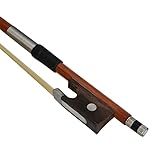
Overview: The Anton Breton AB-100 serves as a reliable workhorse for beginning and intermediate students navigating school orchestra requirements and daily practice. This full-size bow features a round hardwood stick, rosewood frog, and genuine unbleached horsehair, prioritizing durability and consistent performance over exotic materials. Designed specifically for educational environments, it withstands the rigors of young players developing proper technique.
What Makes It Stand Out: This bow excels in its role as a dependable student instrument through its half-mounted rosewood frog with nickel silver button, providing functional balance at an accessible price point. The traditional leatherette wrap offers superior grip security compared to bare wood, crucial for beginners mastering bow hold. Its compatibility with 12-13" violas adds versatility for multi-instrumental students, while the flexible hardwood stick forgives developing bow arms with smooth, even response.
Value for Money: As one of the most budget-friendly genuine horsehair bows available, the AB-100 delivers remarkable value for school programs and parents. It outperforms fiberglass alternatives that hinder tonal development while costing only marginally more. The bow’s durability means fewer replacements during a student’s first 2-3 years, making it more economical than repeatedly replacing cheaper bows that warp or lose hair quickly.
Strengths and Weaknesses: Strengths include exceptional affordability, robust construction for student use, reliable hardware that stays adjusted, and genuine horsehair that produces acceptable tone. The flexible stick helps prevent scratchy sounds from uneven pressure. Weaknesses include limited dynamic range compared to Brazilwood bows, a heavier feel that may slow advanced technique development, and cosmetic simplicity that lacks inspirational appeal. The leatherette wrap can become slippery with sweaty hands.
Bottom Line: The Anton Breton AB-100 is an ideal first “real” bow for students committed to long-term study. Its durability and reliable performance make it perfect for school use, though advancing players will eventually need to upgrade for greater tonal complexity.
3. Violin Bow in Red Sandalwood with White Horsehair, 1/4 1/8 1/10 Size for Beginner Practice, Balanced Weight Distribution, Straight Arch for Smooth Playing Accessories(1/10)

Overview: Specifically designed for the smallest violinists, this 1/10-size bow in red sandalwood addresses the unique challenges facing young beginners with appropriately scaled dimensions and lightweight construction. Weighing approximately 50 grams, it provides the proper balance and weight distribution crucial for developing correct bowing mechanics in children as young as three or four. The bow serves as a functional introduction to string playing for the earliest learners.
What Makes It Stand Out: This bow’s primary distinction lies in its size-specific engineering and material choice. Red sandalwood offers a warmer tonal response than the fiberglass typically found in fractional bows, while remaining more affordable than Brazilwood options that are overkill for beginners. The plastic-wrapped handle provides a secure, non-slip grip for small hands still mastering fine motor control, and the silver-plated silk winding adds durability where young players tend to grip too tightly.
Value for Money: Fractional bows represent a temporary investment, and this model’s modest pricing reflects that reality without sacrificing playability. It costs significantly less than comparable fractional bows from major brands while delivering superior sound production to rental instruments. Parents save money versus renting, and the bow retains enough quality to pass down to younger siblings or resell when the child outgrows it.
Strengths and Weaknesses: Strengths include appropriately light weight for tiny arms, decent balance that encourages straight bowing, genuine horsehair for proper rosin application, and affordable replacement cost. The red sandalwood construction resists warping better than generic hardwood. Weaknesses include limited dynamic capability, a plastic handle that feels less premium than wood, and inconsistent quality control across size variations. The stick lacks the stiffness needed for advanced techniques, but this is irrelevant for its target age group.
Bottom Line: This fractional bow perfectly suits preschool and early elementary beginners needing a properly sized tool for foundational technique development. It’s an economical choice that outperforms rental equipment while acknowledging the temporary nature of fractional instruments.
4. LMS Violin Bow Full Size 4/4 Brazilwood Violin Bows Lightweight Bow Well Balance Fiddle Bow Made with Ebony Frog Mongolian White Horse Hair for Violin Student Professional (4/4)

Overview: The LMS 4/4 Brazilwood bow positions itself as a versatile option bridging student and professional needs through quality materials and handcrafted construction. Featuring an ebony frog with mother of pearl inlay and Mongolian white horsehair, this lightweight bow emphasizes playability and tonal clarity. The brand targets motivated students and adult learners seeking an upgrade from basic bows without entering the premium price tier reserved for pernambuco.
What Makes It Stand Out: Handmade craftsmanship distinguishes this bow from machine-produced alternatives at similar price points. Each bow’s natural arch and camber receive individual attention from experienced makers, resulting in more consistent performance. The exquisite workmanship extends to the ebony frog and mother of pearl detailing, providing aesthetic inspiration that motivates practice. Its well-balanced design produces a beautiful full tone that builds student confidence during performances and auditions.
Value for Money: This bow competes directly with other Brazilwood student models but offers superior handmade quality control that justifies its slightly higher price. The use of genuine ebony and Mongolian horsehair matches specifications of bows costing 30-50% more from established luthier brands. For serious students planning 3-5 years of advancement before upgrading to pernambuco, it eliminates the need for an intermediate purchase.
Strengths and Weaknesses: Strengths include exceptional balance and weight distribution, genuine high-grade materials throughout, lightweight comfort for extended playing, and handmade consistency. The bow responds well to subtle pressure changes, encouraging dynamic development. Weaknesses include occasional finishing imperfections typical of handmade budget items, a break-in period where hair tension stabilizes, and limited availability compared to major brands. Some players may find it too light for aggressive playing styles.
Bottom Line: The LMS 4/4 Brazilwood bow excels as a “final student bow” before professional pernambuco. Its quality materials and handmade construction make it ideal for committed students and serious amateurs seeking reliable performance without premium costs.
5. LMS Violin Bow Full Size 1/8 Brazilwood Violin Bows Lightweight Bow Well Balance Fiddle Bow Made with Ebony Frog Mongolian White Horse Hair for Violin Student Professional (1/8)
Overview: The LMS 1/8-size bow scales down professional-grade features for young advancing students who have outgrown their first fractional bow but aren’t yet ready for full-size instruments. Maintaining the same Brazilwood construction, ebony frog, and Mongolian horsehair as its 4/4 counterpart, this 1/8 model provides quality materials rarely seen in fractional sizes. It serves elementary-aged players demonstrating serious commitment to violin study.
What Makes It Stand Out: Fractional bows typically compromise materials, but this model preserves the ebony frog and mother of pearl inlay usually reserved for full-size instruments. This attention to quality means young players experience proper weight, balance, and hair response during crucial developmental years. The handmade construction ensures straight sticks and appropriate camber—critical for small bows that warp easily—while the lightweight design prevents fatigue during 30-45 minute practice sessions typical for this age group.
Value for Money: Premium materials in fractional sizes represent excellent long-term value for parents of multiple children or those planning to resell. While costing more than basic fractional bows, it eliminates the tonal limitations that can hinder aural development in young musicians. The durability means it survives the rough handling common in elementary school orchestras, and its quality retains resale value better than plastic or low-grade wood alternatives.
Strengths and Weaknesses: Strengths include professional-grade materials appropriately scaled, superior balance for proper technique development, genuine horsehair for accurate tone production, and robust construction that withstands student use. The ebony frog provides functional weight distribution. Weaknesses include higher cost than necessary for casual learners, limited dynamic range compared to full-size equivalents, and the same break-in period as adult bows. The investment may be excessive if the child outgrows it within a year.
Bottom Line: This 1/8 bow suits serious young students with demonstrated commitment and proper instruction. Parents should view it as an investment in correct technique development rather than a disposable fractional tool, making it ideal for multi-child families or dedicated learners.
6. AMZZ 3/4 Violin Bow for Students & Advanced Players– Brazilwood, Ebony Frog, Mongolian Horsehair for Rich Tone (3 4 Violin Bow Size)
Overview: The AMZZ 3/4 Violin Bow serves as a strategic upgrade for students transitioning beyond basic rental equipment. Constructed from select Brazilwood with AAA+ Mongolian horsehair, this 69cm bow weighs approximately 58g, delivering enhanced playability for intermediate musicians. The ebony frog features mother-of-pearl inlay with silver-plated winding, combining traditional aesthetics with functional durability that appeals to serious learners seeking better tonal control.
What Makes It Stand Out: This bow’s exceptional balance point and lightweight design provide young players with superior control without sacrificing tone production. The unbleached Mongolian horsehair offers excellent rosin adhesion and string grip compared to synthetic alternatives. The premium leather grip significantly reduces hand fatigue during extended practice sessions—a crucial benefit for developing proper technique. At 58g, it hits the ideal weight for 3/4 bows, preventing the tip-heavy feel that plagues many student models.
Value for Money: Positioned in the mid-range student bracket, this bow dramatically outperforms generic rental bows featuring lower-grade wood and synthetic hair. It’s priced competitively against entry-level wood bows but incorporates features typically reserved for advanced student models. For parents investing in their child’s musical progression, this represents a cost-effective intermediate step before committing to professional-grade equipment costing several times more.
Strengths and Weaknesses: Strengths include excellent weight distribution, quality horsehair that holds rosin effectively, and a comfortable leather grip. The ebony frog provides stable contact points and durability. Weaknesses may include occasional quality control inconsistencies common in mass-produced bows, and the Brazilwood—while decent—won’t match the responsiveness of premium pernambuco. Some users report initial hair shedding during the break-in period.
Bottom Line: An excellent upgrade for dedicated students seeking improved tone and control. While not a true professional bow, it effectively bridges the gap between beginner equipment and serious instruments, making it a smart investment for advancing players.
7. AMZZ Professional 1/2 Violin Bow – Brazilwood, Ebony Frog, White Horsehair, Handmade & Balanced for Students & Advanced Players

Overview: The AMZZ Professional 1/2 Violin Bow addresses a critical market gap: quality fractional-sized bows for serious young students. At 61cm and 65g, this Brazilwood bow features genuine Mongolian white horsehair and handcrafted construction, promising stability for developing musicians mastering advanced techniques. The mother-of-pearl inlaid ebony frog with abalone slide mirrors professional full-size specifications, scaled appropriately for smaller instruments.
What Makes It Stand Out: Despite its diminutive size, this bow refuses to compromise on materials or features. The round stick design provides consistent flexibility throughout, helping young players develop proper bowing mechanics without fighting equipment limitations. Its balance point is carefully calibrated for small hands, preventing the tip-heavy feel common in cheap student bows. The handcrafted quality ensures superior strength and stability compared to factory-produced alternatives.
Value for Money: Quality 1/2 size bows are notoriously difficult to find—most options are cheap, unbalanced sticks that hinder progress. This model delivers genuine horsehair and proper craftsmanship at a price accessible to parents. It’s an investment that preserves resale value in the fractional market and, more importantly, supports proper technique development during formative years. Compared to replacing inferior bows repeatedly, this single purchase makes financial sense.
Strengths and Weaknesses: Strengths include authentic materials throughout, excellent balance for its size, and a comfortable leather grip. The handcrafted construction shows attention to detail often missing in mass-produced bows. Weaknesses: the “professional” designation somewhat oversells its capabilities—it’s an excellent advanced student bow, but not truly professional grade. The 65g weight may feel slightly heavy for some young players. Limited availability compared to full-size options creates sourcing challenges.
Bottom Line: A rare quality option in fractional sizes that gives serious young students professional-grade features without the premium price. Highly recommended for advancing players on 1/2 size violins who’ve outgrown basic equipment.
8. Kmise Carbon Fiber Violin Bows: Lightweight Violin Bow 4/4, Anti-Deformation Full Size Fiddle Bow, Ultra-Stretchy Horse Hair, Gift for Professional, Beginner, Adults, Kids Violins Practice (Black)
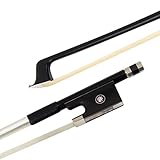
Overview: Kmise’s Carbon Fiber Violin Bow offers a modern alternative to traditional wood construction for full-size violinists. This 4/4 bow utilizes advanced carbon fiber materials to deliver consistent performance across all climate conditions, targeting players from beginner to professional levels. The design promises enhanced tactile feedback and durability that wood bows struggle to match at comparable price points, making it ideal for travel and daily practice.
What Makes It Stand Out: The carbon fiber construction eliminates wood’s primary weakness—sensitivity to temperature and humidity fluctuations. Players can perform anywhere without warping concerns or constant adjustment. The superior balance facilitates technique development, particularly for rapid passages and spiccato. The eye-catching abalone inlay with Parisian eyes maintains aesthetic appeal while modern materials handle mechanical demands. The ultra-stretchy horsehair maintains tension better than conventional hair.
Value for Money: Carbon fiber bows typically command premium prices, but Kmise positions this as an accessible alternative to mid-range wood bows. It eliminates costly rehairing and replacement issues plaguing student wood bows. For musicians in variable climates, the durability alone justifies investment. Compared to wood bows at twice the price, it offers comparable—if different—playing characteristics with vastly superior consistency and essentially zero maintenance requirements.
Strengths and Weaknesses: Strengths include climate resistance, excellent balance, low maintenance, and consistent performance. The construction quality exceeds expectations for the price point. Weaknesses: some traditionalists find carbon fiber lacks premium wood’s “warmth,” and the feel differs subtly. The black color may not appeal to classical purists. Initial rosin adhesion sometimes requires extra effort. The “gift” marketing may undersell its serious capabilities.
Bottom Line: An outstanding choice for pragmatic players prioritizing reliability and consistency. While it won’t replace fine pernambuco for purists, it’s a brilliant primary or secondary bow for students, travelers, and modern players seeking worry-free performance.
9. LMS Violin Bow Full Size 4/4 Brazilwood Violin Bows Lightweight Bow Well Balance Fiddle Bow Made with Ebony Frog Mongolian White Horse Hair for Violin Student Professional (1/2)
Overview: The LMS Violin Bow suffers from confusing specifications—marketed as “Full Size 4/4” but parenthetically labeled “(1/2).” Assuming the 1/2 size variant, this Brazilwood bow targets student and professional players seeking lightweight, balanced performance. Handcrafted with Mongolian white horsehair and an ebony frog, it emphasizes playability. The contradictory listing creates uncertainty, but the promised specifications suggest a decent fractional option for developing musicians.
What Makes It Stand Out: The handmade construction by experienced craftsmen ensures each bow maintains a natural arch and smooth finish—quality control steps often skipped in factory production. The round stick provides uniform flexibility, while the lightweight build prevents player fatigue. The combination of genuine horsehair and proper ebony frog at this price is noteworthy, as competitors frequently use synthetic substitutes. The elegant design offers good hand feel that motivates young players.
Value for Money: This bow competes with entry-level wood bows from major brands, offering similar materials at a competitive price. The handmade claim suggests better quality control than mass-produced alternatives. For students, it represents a viable step-up from rental bows without the financial leap to professional equipment. However, the sizing confusion in the listing raises concerns about broader quality assurance and makes purchasing risky without direct seller clarification.
Strengths and Weaknesses: Strengths include genuine materials, lightweight design, comfortable grip, and handmade quality that enhances playability. The full, confident tone supports student progression. Weaknesses: contradictory sizing information is a major red flag. Brazilwood is decent but not premium. Some players may find it too flexible for aggressive styles. The “professional” claim is optimistic for this price point.
Bottom Line: A capable student bow overshadowed by listing inconsistencies. Verify actual size directly with seller before purchasing. If specifications match your needs, it offers solid performance, but buyer caution is essential given the documentation errors.
10. Tongina Violin Bow Student Beginner for 4/4 3/4 1/2 1/4 1/8 1/10 for Violin Learner - 45cm

Overview: The Tongina Violin Bow positions itself as an ultra-budget universal solution for absolute beginners across all fractional sizes. Measuring just 45cm, this Brazil wood bow claims compatibility with violins from 1/10 through 4/4, which is physically impractical. It targets the youngest learners and families seeking the most affordable entry point into violin playing, prioritizing cost savings over refined performance.
What Makes It Stand Out: Its primary distinguishing feature is extreme versatility—one bow purportedly fitting six different violin sizes. The 45cm length suggests it’s actually designed for smaller instruments (likely 1/4 to 1/2 size). The temperature and humidity resistance indicates synthetic or stabilized materials, suitable for rough handling by young children. The marketing focuses on accessibility rather than performance excellence.
Value for Money: This is among the least expensive bow options available, making violin entry accessible for families testing their child’s interest. It eliminates rental costs for the earliest stages. However, quality reflects the minimal price—this is purely functional equipment, not an investment. Compared to basic rental bows, it may underperform, but the low cost means zero financial loss if the child abandons the instrument. It’s a disposable tool, not a long-term asset.
Strengths and Weaknesses: Strengths include rock-bottom price, multi-size marketing appeal, and durability for very young users. The Brazil wood construction is adequate for absolute beginners. Weaknesses: the universal sizing claim is misleading and inaccurate—a 45cm bow cannot properly serve a 4/4 violin. Balance and playability are severely compromised. Limited tone production may hinder early development and motivation.
Bottom Line: Only suitable for the earliest trial period with very young children. Serious students will immediately outgrow its limitations. Purchase with realistic expectations—it’s a temporary placeholder, not a legitimate practice tool. Verify actual size compatibility before ordering.
Why Your First Violin Bow Matters More Than You Think
Your beginner bow isn’t just a temporary tool to be discarded later—it’s the foundation upon which your entire technique will be built. Every nuanced movement, from the subtle wrist flexion needed for spiccato to the steady pressure control for legato phrases, gets encoded into muscle memory through repetitive practice. A poorly balanced bow forces compensatory movements that become ingrained habits, requiring months of corrective work later. Conversely, a well-matched bow makes proper technique feel intuitive, almost inevitable.
The psychological impact is equally profound. When a bow feels comfortable in your hand, you’re more likely to practice longer and with greater focus. The frustration of fighting an unwieldy stick that skitters across strings or feels like a dead weight can quietly erode motivation. In 2026’s competitive learning environment, where students have access to world-class online instruction, having equipment that works with you rather than against you isn’t a luxury—it’s a necessity for keeping pace with your own potential.
Understanding Bow Anatomy: The Foundation of Comfort and Control
Before diving into specific features, you need to understand the language of bows. Each component plays a crucial role in how the tool feels and performs, and knowing these terms transforms you from a passive buyer into an informed decision-maker.
The Stick: Your Primary Interface
The stick’s shape, taper, and flexibility determine how energy travels from your hand to the strings. Beginners should look for a stick with a gentle, consistent taper rather than dramatic changes in diameter. This creates predictable response across different bowing positions. The wood or carbon fiber construction affects vibration transmission—too stiff, and the bow feels dead; too flexible, and it becomes uncontrollable.
The Frog: Where Comfort Begins
The frog houses the mechanism that adjusts hair tension and serves as the primary contact point for your hand. Its shape, weight, and the quality of its finish directly impact grip comfort. A well-designed frog positions your thumb naturally without requiring awkward angles, reducing the risk of developing tendon strain during those crucial first months of practice.
The Weight Factor: Finding Your Perfect Balance
The ideal beginner bow weighs between 60 and 70 grams, but this number alone tells only part of the story. Distribution matters more than total weight. A 68-gram bow with weight concentrated in the frog feels lighter and more agile than a 62-gram bow with a heavy tip. For younger players with smaller hands, staying closer to 60 grams prevents fatigue during 30-minute practice sessions. Adult beginners often prefer the stability of a 65-68 gram bow, which provides better control when learning detache strokes.
Consider your physical build. A petite adult or child under 12 will fatigue quickly with a heavier bow, while a larger-framed individual might find a lightweight bow feels insubstantial and difficult to control. The 2026 market offers more graded weight options than ever before, with many manufacturers producing “light,” “medium,” and “heavy” versions of the same model—something that was rare just five years ago.
Balance Point Demystified: Where Magic Happens
The balance point—measured from the frog’s edge where your thumb rests—should fall between 19 and 20 centimeters for optimal beginner control. This sweet spot allows the bow’s weight to do the work, requiring minimal downward pressure from your hand. To find it, balance the bow on your index finger; the point where it rests level is the balance point.
A balance point too far toward the tip (beyond 20.5cm) makes the bow feel tip-heavy, forcing you to constantly fight to keep the heel down. This creates tension in your pinky and forearm. Conversely, a balance point too close to the frog (under 18.5cm) makes the bow feel sluggish and unresponsive, requiring excessive effort to produce sound. For beginners developing their colle and martele techniques, proper balance point is non-negotiable.
Bow Materials: Carbon Fiber vs. Brazilwood vs. Pernambuco
Carbon Fiber: The Modern Standard for Beginners
In 2026, carbon fiber bows have evolved far beyond the “student-grade” stigma they once carried. Advanced composite manufacturing now produces sticks with graduated flexibility that rivals mid-range wood bows, while offering near-perfect consistency. The material’s stability means it won’t warp with humidity changes—a critical advantage for beginners who might not yet have climate-controlled practice spaces. Carbon fiber’s durability also survives the inevitable drops and bumps of learning.
Brazilwood: The Traditional Entry Point
Brazilwood bows remain the most common wooden option for beginners. The material offers warmer tone production than basic carbon fiber, though with less consistency between individual bows. Each piece of wood is unique, meaning you must evaluate every Brazilwood bow individually. They require more careful humidity management but provide a traditional feel that many teachers prefer for classical training.
Why Pernambuco Isn’t for Beginners
True Pernambuco wood, the professional standard, has become prohibitively expensive and ethically complex due to CITES restrictions. While some budget bows claim “Pernambuco” status, they’re typically low-grade cuts or mislabeled. Beginners should avoid this category entirely—the investment doesn’t match the skill level, and the subtle responsiveness that makes Pernambuco valuable is lost on developing technique.
The Frog: Your Hand’s Best Friend
Ebony vs. Composite Frogs
Genuine ebony frogs, fitted with mother-of-pearl slides and Parisian eyes, offer superior smoothness and longevity. However, high-quality composite frogs in 2026 have closed the gap significantly, offering comparable performance at lower cost. The key is the precision of the mechanism—does the screw turn smoothly without wobble? Does the frog slide evenly along the stick?
Frog Shape and Hand Fit
Modern ergonomic frogs feature slightly wider heels and more pronounced thumb projections, cradling the hand naturally. For beginners, avoid “octagonal” frog designs that prioritize aesthetics over comfort. The thumb projection should be rounded, not sharp, and the pearl eye should be flush-mounted to prevent thumb irritation during long practice sessions.
Grip and Feel: What Beginners Should Prioritize
The grip area—typically leather or synthetic material over winding—directly contacts your fingers for hours each week. Leather offers traditional feel and absorbs moisture, preventing slippage. Synthetic grips, often made from advanced polymers in 2026, provide more consistent tackiness and resist wear better. For beginners with sweaty hands, synthetic is often the smarter choice.
The winding beneath the grip, usually silver or nickel wire, adds counterweight. Silver winding feels more refined and adjusts balance subtly, while nickel offers durability. Some beginner bows now feature adjustable winding systems, allowing you to fine-tune balance as your technique develops—a feature worth seeking out in the current market.
Camber and Stick Flexibility: Hidden Performance Indicators
Camber refers to the bow’s subtle inward curve when tensioned. A proper camber stores energy like a spring, helping the bow bounce naturally for spiccato and sautille strokes. Beginner bows should have moderate camber—too much makes the bow feel stiff and unyielding; too little creates a floppy, uncontrollable feel.
To test flexibility, hold the bow at the frog and tip, then apply gentle pressure in the middle. A good beginner bow will flex evenly along its length without any dead spots. The stick should return to its original position immediately when released, showing resilience. In 2026’s quality carbon fiber bows, this flexibility is engineered with precision, while wood bows require individual assessment.
Hair Quality and Tension: The Sound Connection
Mongolian Horsehair: The Gold Standard
Even beginner bows should feature genuine Mongolian horsehair, which grips strings effectively without excessive rosin. Synthetic hair, while durable, lacks the microscopic barb structure that creates friction. In humid climates, good hair maintains tension consistently. Beware of bows with hair that feels slippery even after rosining—this indicates poor quality or old stock.
Tension Mechanism Smoothness
The screw and eyelet system should operate with silky smoothness. Rough operation makes precise tension adjustments difficult, and a sticky screw often indicates poor internal threading that will fail within months. Test this repeatedly in the shop—tighten and loosen the bow ten times. Any grittiness or catching is a red flag you shouldn’t ignore.
Sizing Considerations: Full-Size Isn’t for Everyone
Bow sizing directly correlates with violin size: a 4/4 violin needs a 4/4 bow. However, the “standard” 4/4 bow measures approximately 75cm, which can be unwieldy for younger teens with smaller arms. The 2026 market has responded with “short” 4/4 bows (73cm) that maintain full-size playability while improving ergonomics for petite players.
For fractional violins, always match bow size precisely. A 1/2-size bow on a 1/2-size violin ensures the balance point aligns correctly with the instrument’s string length. Using an oversized bow forces the player to overextend their bow arm, creating tension and preventing proper weight transfer at the tip.
Price vs. Value: Investing Wisely in 2026
The Sub-$75 Zone: Proceed with Caution
Bows under $75 often cut critical corners—poor quality hair, warped sticks, and rough frog mechanisms. While tempting for absolute beginners, these bows can actually hinder progress. The frustration of equipment failure or inconsistent response often leads to premature quitting. In 2026’s market, this segment is flooded with drop-shipped generic bows from unverified sources.
The $75-$150 Sweet Spot
This range now offers exceptional value. Modern carbon fiber bows from reputable makers include features like properly graduated sticks, genuine ebony frogs, and professional-quality hair. For most beginners, this is where you’ll find the optimal balance of quality and affordability. Many come with satisfaction guarantees, allowing you to test and return if the feel isn’t right.
The $150-$300 Premium Beginner Tier
At this level, you’re approaching professional workshop quality. Bows feature hand-finished frogs, carefully selected wood or advanced composite blends, and individual setup by skilled craftsmen. For serious students planning rapid advancement, this investment eliminates the need for an intermediate bow upgrade, bridging directly to advanced student or pre-professional equipment.
Testing Protocols: How to Evaluate a Bow Hands-On
The Silent Tests
Before rosining or playing, perform these checks: Hold the bow horizontally and sight down the stick—it should be perfectly straight, with no twisting or warping. Roll it gently on a flat surface; any wobble indicates a bent stick. Check the frog’s lateral movement—it should slide without side-to-side play.
Playing Tests for Beginners
Bring your own violin to testing sessions. Play long, slow bows on open strings, listening for evenness of tone from frog to tip. Execute simple detach strokes, feeling for any “dead spots” where the bow seems to lose response. Try light spiccato at the balance point—a good beginner bow will bounce with minimal effort. Don’t worry about advanced techniques; focus on fundamental feel and response.
Common Beginner Mistakes to Avoid
The “Heavier is Better” Fallacy
Many beginners assume a heavier bow produces bigger sound. In reality, excessive weight creates tension and prevents developing nuanced bow control. Your muscles learn to push rather than guide, creating a harsh tone and limiting dynamic range. Trust the 60-70 gram standard unless a qualified teacher specifically recommends otherwise.
Ignoring Climate Compatibility
If you live in a region with extreme humidity fluctuations, wood bows require diligent care. A $120 Brazilwood bow that warps in three months offers worse value than a $90 carbon fiber bow that remains stable. In 2026’s climate-aware market, consider your environment as much as your budget.
Buying Based on Brand Alone
While established brands offer consistency, many smaller workshops now produce exceptional beginner bows. Focus on specifications and feel rather than logos. Some of the best values come from makers who specialize exclusively in student equipment, pouring all their R&D into perfecting the beginner experience.
Maintenance Tips for Longevity
Daily Care Rituals
Always loosen the hair after playing—this prevents stick warping and extends hair life. Wipe the stick clean with a soft cloth to remove rosin dust, which can stick to the finish and affect grip comfort. Store the bow in its case, never leaving it perched on a music stand where it can fall.
Climate Control for Wooden Bows
If you choose a wood bow, invest in a case humidifier. Maintaining 40-50% relative humidity prevents the stick from drying and cracking. In 2026’s smart home era, consider a small hygrometer in your practice space. The $15 investment saves hundreds in potential repairs.
Rehairing Schedule
Beginners typically need rehairing every 12-18 months, less frequent than professionals but still essential. Hair stretches and loses grip over time, even with minimal playing. A bow that suddenly feels slippery despite fresh rosin likely needs rehairing. Don’t wait for breakage—schedule it proactively.
When to Upgrade: Recognizing Your Bow’s Limitations
Technical Milestones
When you can consistently execute colle, spiccato, and sustained pianissimo tones, your beginner bow may start holding you back. Advanced techniques require nuanced stick response that entry-level models can’t provide. If you find yourself compensating for the bow’s limitations rather than refining your technique, it’s time.
Physical Signs of Wear
Frog mechanism wear is the most common reason to upgrade. If the screw no longer holds tension reliably or the frog wobbles despite professional adjustment, replacement often costs more than the bow’s value. Cracks in the stick, even hairline ones, compromise safety and performance.
The Two-Year Rule
Most serious students outgrow their first bow within 18-24 months. Rather than viewing this as failure, plan for it. Keep your first bow as a backup or for travel, but budget for an intermediate bow ($300-$600 in 2026 pricing) as you approach the two-year mark of consistent study.
Frequently Asked Questions
How do I know if a bow is too heavy for me?
If you feel forearm fatigue after 15 minutes of playing or notice your pinky finger working overtime to support the tip, the bow is likely too heavy. A properly weighted bow should feel balanced and almost weightless during normal playing.
Can a beginner really tell the difference between bow qualities?
Absolutely. While subtle tonal differences may escape untrained ears, the physical feedback—comfort, balance, and ease of control—is immediately apparent. A quality beginner bow feels like an extension of your arm, while a poor one feels like a clumsy tool.
Should I buy a bow online or in-person?
In-person testing is ideal, but 2026’s online retailers now offer generous trial periods (typically 30 days) with free returns. If buying online, order 2-3 bows simultaneously, keep the best, and return the rest. Always check return policies before purchasing.
How often should I rosin a beginner bow?
Apply rosin 3-4 times per week for normal practice. Over-rosining creates a gritty tone and sticky strings, while under-rosining causes slipping. A few strokes per session is sufficient—listen for the tone to tell you when more is needed.
Is carbon fiber really better than wood for beginners?
Not necessarily “better,” but different. Carbon fiber offers consistency and climate resistance, while wood provides traditional feel and slightly warmer tone. In 2026, both are excellent choices; prioritize the one that feels most comfortable in your hand.
What’s the most important feature for a child’s first bow?
Balance point and weight. A child developing fine motor skills needs equipment that doesn’t fight them. Look for bows specifically marketed as “youth” or “junior” models, which often feature slightly modified ergonomics.
How can I test a bow if I’m not yet a good player?
Focus on simple tests: long bows on open strings for evenness, light bouncing at the balance point, and how the bow feels during string crossings. Bring your teacher to test advanced techniques if possible, but trust your physical comfort above all.
Should I spend more on the bow or the violin?
Split your budget evenly. A $500 violin with a $100 quality bow will serve you better than a $600 violin with a $50 poor-quality bow. The bow directly impacts your ability to produce sound and develop technique.
How long does a beginner bow typically last?
With proper care, a quality beginner bow lasts 3-5 years physically, though most players outgrow them technically within 2 years. Carbon fiber bows often outlast wood bows in terms of structural integrity, making them better long-term investments.
What should I do with my old beginner bow when I upgrade?
Keep it as a backup for emergencies, use it for outdoor or travel playing, or donate it to a school music program. Quality beginner bows retain decent resale value on student marketplace sites, often recouping 40-60% of the original cost if well-maintained.
See Also
- Stop Bow Bounce with the 10 Best Violin Bows for Beginners in 2026
- 10 Baroque Violin Bows for Authentic Period Performances in 2026
- 10 Complete Violin Sets for Adult Beginners in 2026
- 10 Expert-Recommended Violin Bows for Advanced Students in 2026
- 10 Violin Bows for Jazz Players Who Dig Heavy Bow Attacks in 2026