Table of Contents
You’ve got a gig Saturday night, a rehearsal Wednesday, and maybe—maybe—thirty minutes on Tuesday to actually practice. Your guitar case has seen more coffee shop corners than studio booths, and your “gear budget” is whatever’s left after groceries and gas. Welcome to the weekend warrior life, where every dollar spent on tone needs to stretch through three months of sporadic playing, climate-controlled storage (also known as your trunk), and enough sweat equity to earn you calluses and complaints from the neighbors.
In 2026, coated strings aren’t just a luxury for touring pros—they’re the secret weapon for part-time players who refuse to sound part-time. The technology has evolved far beyond those early “plasticky” feel days, and the value proposition is clearer than ever. But here’s the thing: not all coated strings are created equal, and what’s “best value” depends entirely on your playing style, environment, and how long you can realistically wait between string changes. Let’s dive into what actually matters when you’re hunting for strings that’ll stay fresh between those precious weekend gigs.
Top 10 Coated Guitar Strings
Detailed Product Reviews
1. Ernie Ball Regular Slinky Coated Titanium Electric Guitar Strings, 10-46 Gauge (P03121)

Overview: Ernie Ball’s Regular Slinky Coated Titanium strings bring aerospace-grade reinforcement to the iconic 10-46 gauge set. These electric guitar strings feature titanium wire wrapping at the ball end and a micro-thin enamel coating on wound strings, promising five times more corrosion resistance than uncoated alternatives while maintaining the Slinky feel players trust.
What Makes It Stand Out: The titanium reinforcement is genuinely innovative—not just a coating, but actual titanium wire that strengthens the weakest point where strings typically break. This addresses tuning stability and slippage at the source, rather than just protecting the string’s surface. The enamel coating is remarkably thin, preserving more of the natural string feel than many competitors.
Value for Money: Priced between standard Slinkys and premium coated sets, these offer legitimate engineering value. You’re paying for titanium material and dual protection technology, not just marketing. For gigging musicians who change strings monthly, these could last 3-5 months, effectively cutting your annual string budget while reducing stage failures.
Strengths and Weaknesses: Strengths include exceptional break resistance, improved tuning stability, and authentic Slinky tone that isn’t overly dampened. The titanium reinforcement is a real durability game-changer. Weaknesses include a slightly higher price point that may deter casual players, and tone purists might detect a subtle difference from uncoated Slinkys. The coating, while thin, still has a different tactile feel.
Bottom Line: Ideal for touring guitarists and heavy players seeking reliability without sacrificing familiar playability. If you’ve avoided coated strings for tone reasons, these deserve a trial—the titanium innovation makes them fundamentally different from typical coated options.
2. Elixir Strings, Acoustic Guitar Strings, 80/20 Bronze with NANOWEB Technology, Longest-Lasting Bright and Focused Tone For Life with Comfortable Feel, 6 String Set, Light 12-53

Overview: Elixir’s 80/20 Bronze strings with NANOWEB coating represent the gold standard for acoustic players prioritizing longevity. This light 12-53 gauge set combines traditional 80/20 bronze alloy with proprietary coating technology, delivering that coveted bright, focused tone while fighting the elements that kill uncoated strings.
What Makes It Stand Out: NANOWEB technology isn’t just a coating—it’s a complete protective barrier that shields every string from corrosion, sweat, and humidity without sacrificing the crisp articulation 80/20 bronze is known for. The “bright and focused” tone promise holds true for months, not weeks, making these particularly valuable for recording artists who need consistency.
Value for Money: These command a 2-3x premium over uncoated strings, but the math works for serious players. Where uncoated strings might die in 2-3 weeks of daily playing, Elixirs maintain their character for 3-6 months. You’re essentially buying three sets of conventional strings in one, plus eliminating the hassle of frequent changes.
Strengths and Weaknesses: Strengths include unparalleled tone life, smooth comfortable feel that reduces finger squeak, and reliable performance in humid conditions. The tone remains remarkably consistent throughout their lifespan. Weaknesses include a slightly slippery feel that some players dislike, a premium price, and the 80/20 alloy’s natural brightness may be too zingy for those preferring warmer tones.
Bottom Line: Perfect for performers and recording musicians who need dependable brightness and can’t afford tone degradation mid-gig. If you love the crisp sound of new strings and want to keep it, these justify every penny.
3. D’Addario Electric Guitar Strings, XS Nickel Coated, XSE1046, Regular Light Gauge 10-46, 6-String Set, Pack of 1

Overview: D’Addario’s XS Nickel coated electric strings bring their flagship XS technology to the electric realm in the popular 10-46 gauge. Featuring an ultra-thin film coating, reformulated nickel-plated steel wrap wire, and a NY Steel core with Fusion Twist technology, these claim the longest life of any D’Addario electric string while boosting tuning stability by 131%.
What Makes It Stand Out: The XS coating is exceptionally thin—virtually eliminating the “coated string” feel while still providing serious protection. Combined with the NY Steel core and Fusion Twist, these address the two biggest string complaints: corrosion and tuning instability. The reformulated wrap wire also promises brighter tone and increased output compared to previous D’Addario coated lines.
Value for Money: Positioned at D’Addario’s premium tier, these cost roughly 50% more than standard XLs but deliver measurable benefits. For players who restring every 4-6 weeks, XS can easily double that interval while maintaining fresh tone and intonation. The included Players Circle points add minor value, but the real ROI is in reduced change frequency and improved reliability.
Strengths and Weaknesses: Strengths include outstanding tuning stability, smooth fast feel without coating texture, excellent break resistance, and bright, articulate tone that lasts. The ultra-thin coating doesn’t dampen sustain. Weaknesses include premium pricing that may not suit casual players, and some users report the coating can wear at the frets over extended use. The tone, while bright, may lack the raw character of uncoated pure nickel.
Bottom Line: Excellent for electric players seeking durability without compromising feel. If you’ve been disappointed by thick, muted-sounding coated strings, the XS technology finally strikes the right balance between protection and performance.
4. Elixir Strings, Acoustic Guitar Strings, Phosphor Bronze with NANOWEB Technology, Longest-Lasting Rich and Full Tone For Life with Comfortable Feel, 6 String Set, Light 12-53

Overview: Elixir’s Phosphor Bronze NANOWEB strings offer acoustic players a warmer alternative to their 80/20 bronze line while maintaining the same legendary longevity. This light 12-53 set combines phosphor bronze’s rich, full-bodied character with complete NANOWEB protection, creating strings that mature gracefully rather than dying quickly.
What Makes It Stand Out: While many brands offer phosphor bronze, Elixir’s NANOWEB technology preserves the alloy’s natural warmth far longer than uncoated competitors. These strings actually improve slightly after a brief break-in period, then hold that sweet spot for months. The coating prevents the dulling and oxidation that typically robs phosphor bronze of its complexity within weeks.
Value for Money: Like all Elixirs, these carry a significant premium, but phosphor bronze players may see even greater value. Uncoated phosphor bronze strings often lose their harmonic richness fastest, requiring changes every 2-3 weeks for optimal tone. These maintain their character for 4-6 months, making them a smart investment for guitarists who’ve already invested in quality instruments that deserve consistent tone.
Strengths and Weaknesses: Strengths include exceptional lifespan with warm, balanced tone; smooth feel that reduces finger noise; and stable intonation throughout their life. The phosphor bronze core delivers musical complexity that suits strumming and fingerstyle equally. Weaknesses include the same slippery coating feel some players dislike, premium pricing, and the coating may slightly reduce the initial “zing” that some want from fresh strings.
Bottom Line: Ideal for acoustic players who prefer phosphor bronze’s warmth and want to maintain that tone long-term. If you find 80/20 strings too bright but love Elixir’s longevity, this is your perfect match.
5. D’Addario Acoustic Guitar Strings, XS Phosphor Bronze Coated, XSAPB1253, Light Gauge 12-53, 6-String Set, Pack of 1

Overview: D’Addario’s XS Phosphor Bronze acoustic strings apply their cutting-edge XS coating technology to the beloved phosphor bronze formula in a light 12-53 gauge. With an ultra-thin film coating, NY Steel core, and Fusion Twist technology, these promise the longest life of any D’Addario acoustic string while delivering warm, balanced tone and 131% better tuning stability.
What Makes It Stand Out: The ultra-thin XS coating preserves phosphor bronze’s natural warmth without the “coated string” sonic penalty that plagued earlier generations. Combined with the NY Steel core, these solve acoustic players’ two persistent frustrations: strings that die quickly and strings that won’t stay in tune. The 131% tuning stability claim is especially valuable for acoustic guitars with their greater string tension.
Value for Money: These compete directly with Elixir at the premium tier, costing roughly 2.5x standard phosphor bronze strings. However, where conventional sets lose their warmth in 2-3 weeks, XS maintains it for 3-4 months. For acoustic players performing regularly, that translates to fewer string changes, more consistent recordings, and less worry about tone degradation during important gigs.
Strengths and Weaknesses: Strengths include remarkable tuning stability, authentic phosphor bronze warmth that doesn’t fade, smooth feel without excessive coating texture, and excellent break resistance. The ultra-thin film doesn’t dampen resonance. Weaknesses include premium pricing, the coating may eventually wear at contact points, and some traditionalists prefer the raw feel of uncoated strings. The tone is balanced but may lack the extreme brightness some players seek.
Bottom Line: A top-tier choice for serious acoustic players who want phosphor bronze warmth without the short lifespan. The tuning stability alone makes these worth considering for any performing guitarist.
6. D’Addario Acoustic Guitar Strings, XT Phosphor Bronze Coated, XTAPB1253, Light Gauge 12-53, 6-String Set, Pack of 1

Overview: D’Addario’s XT Phosphor Bronze strings represent the brand’s latest advancement in coated string technology for acoustic guitarists. This light gauge set (12-53) delivers the warm, balanced tone players expect from phosphor bronze, enhanced with an innovative coating that extends lifespan without sacrificing natural feel or resonance.
What Makes It Stand Out: The XT coating provides advanced corrosion resistance while maintaining the uncoated string experience. The NY Steel core with Fusion Twist technology delivers exceptional break strength and tuning stability—claimed to stay in tune 131% better than competitors. The included Players Circle code adds value through D’Addario’s loyalty program, and USA manufacturing ensures quality control.
Value for Money: Priced in the mid-range for premium coated strings, this single pack offers solid value. While not as economical as multi-packs, the extended lifespan means fewer changes. Compared to uncoated strings, you’ll save money long-term despite the higher upfront cost. The reward points system provides additional long-term value for loyal D’Addario users.
Strengths and Weaknesses: Strengths include impressive tuning stability, authentic phosphor bronze tone, durable yet thin coating, and reliable USA manufacturing. The Fusion Twist technology genuinely reduces re-tuning between sessions. Weaknesses: single-pack pricing is less economical, the coating may feel slightly different to purists, and the 12-53 gauge may not suit all playing styles.
Bottom Line: Ideal for serious acoustic players seeking longevity without tonal compromise. The XT series successfully bridges the gap between coated durability and natural string feel, making them a worthy investment for gigging musicians and recording artists alike.
7. Elixir Acoustic Phosphor Bronze Guitar Strings w/NANOWEB® Technology - Light 12-53 - (3 Pack 16052) Limited Holiday Release
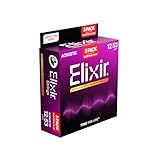
Overview: Elixir’s NANOWEB-coated phosphor bronze strings are the industry standard for extended-life acoustic strings. This limited holiday 3-pack offers light gauge (12-53) strings renowned for their consistent tone and playability. The NANOWEB coating protects the entire string, providing longevity that uncoated strings simply cannot match.
What Makes It Stand Out: The signature NANOWEB coating delivers an ultra-thin barrier against corrosion while maintaining a smooth, natural feel. Anti-rust plating on plain strings ensures balanced longevity across the set. This 3-pack configuration provides exceptional convenience and value, especially for players who change strings frequently. The limited holiday packaging makes it gift-ready.
Value for Money: Excellent value in this 3-pack format. While Elixir commands a premium price per set, buying in bulk reduces the per-set cost significantly. For regular players, the extended lifespan means purchasing fewer sets annually. When factoring in time saved from fewer string changes and consistent performance, the investment pays for itself quickly.
Strengths and Weaknesses: Strengths include legendary durability, consistent warm tone, smooth playability, and excellent anti-corrosion protection. The 3-pack offers genuine savings. Weaknesses: the coating can eventually flake with heavy use, some players find the tone slightly less organic than uncoated strings, and the initial cost remains high compared to basic strings.
Bottom Line: Perfect for frequent players seeking reliability and value. If you prioritize longevity and consistent performance over absolute tonal purity, this 3-pack delivers exceptional bang for your buck while ensuring you’re always stocked up.
8. DR Strings Electric Guitar Strings, Black Beauties - Black Coated, 10-46 (BKE-10)

Overview: DR’s Black Beauties stand out in the electric string market with their distinctive black coating, offering players both visual flair and performance benefits. This regular light gauge set (10-46) combines nickel-plated steel wrap with a hex core, delivering bright modern tone with enhanced harmonic content and unique aesthetics.
What Makes It Stand Out: The sleek black K3 coating provides a striking visual statement while protecting against corrosion and extending string life. The ultra-hard coating maintains brightness and enhances output. Compression winding creates a smooth feel that reduces fret wear—a practical benefit for players with vintage or softer frets. These strings transform any guitar’s appearance instantly.
Value for Money: Positioned in the mid-range for coated electric strings, Black Beauties offer competitive pricing for their unique aesthetic appeal. While slightly more expensive than standard nickel-wound strings, the extended lifespan and reduced fret wear provide long-term value. The distinctive look alone justifies the modest premium for stage performers and content creators.
Strengths and Weaknesses: Strengths include eye-catching appearance, bright articulate tone, smooth playability, and genuine corrosion protection. The coating genuinely reduces finger noise and fret wear. Weaknesses: the black coating can wear off on heavy-use areas, revealing silver underneath; traditionalists may dislike the non-standard look; tone may be too bright for some genres.
Bottom Line: Excellent choice for players wanting to make a visual statement without sacrificing tone. Ideal for performance situations, video content, and modern rock genres. The Black Beauties successfully combine style with substance, offering legitimate performance benefits alongside their striking appearance.
9. D’Addario Electric Guitar Strings, XS Nickel Coated, XSE1046-3P, Regular Light Gauge 10-46, 6-String Set, Pack of 3

Overview: D’Addario’s XS Nickel coated strings represent the pinnacle of their electric string innovation, offering maximum lifespan in a convenient 3-pack. This regular light gauge set (10-46) features the thinnest coating in D’Addario’s lineup, delivering bright tone with enhanced output while maintaining a natural, fast feel prized by electric players.
What Makes It Stand Out: The ultra-thin XS film coating provides unprecedented corrosion resistance without dampening tone or creating flaking. NY Steel core with Fusion Twist technology delivers 131% better tuning stability than standard strings. The 3-pack format offers excellent value, and Players Circle points add loyalty benefits. USA manufacturing ensures premium quality control.
Value for Money: Outstanding value in this 3-pack configuration. While XS commands a premium price, the per-set cost drops significantly in bulk. For regular players, these strings’ exceptional longevity means fewer purchases over time. The combination of extended life, tuning stability, and consistent tone makes this a financially sound investment for serious musicians.
Strengths and Weaknesses: Strengths include the longest lifespan of any D’Addario electric string, brilliant tone with increased sustain, unmatched tuning stability, smooth feel, and eco-friendly packaging. The thin coating feels virtually uncoated. Weaknesses: premium pricing may deter casual players, the bright tone might not suit vintage-style guitars, and the coating’s durability is still being long-term tested.
Bottom Line: The ultimate choice for dedicated electric players seeking maximum performance and value. These strings excel in recording and touring scenarios where reliability is paramount. The XS series sets a new standard for coated electric strings, justifying every penny of their premium price.
The Weekend Warrior’s Dilemma: Time, Tone, and Budget
Every part-time player faces the same trilemma. You want that fresh-string sparkle, but you don’t have time to change them weekly. You need reliability, but you’re not sponsored. And you absolutely cannot afford to sound like you’re playing through a pillow just to save a few bucks. The math is brutal: uncoated strings might sound killer for a week, then die slowly over the next three, while premium coated sets promise months of stability at double the price.
The sweet spot lives somewhere in the middle—where advanced coating technologies meet realistic expectations. For weekend warriors, “value” means calculating cost-per-play, not just sticker price. A $15 set that lasts four months of intermittent use beats an $8 set you replace monthly, especially when you factor in the time and hassle of restringing. In 2026, manufacturers have finally cracked the code on affordable durability that doesn’t sacrifice the tonal nuances that make your playing yours.
What Are Coated Strings and Why Do They Matter?
The Science Behind String Coating
At their core, coated strings are simply standard wound strings wrapped in a microscopically thin protective layer—typically a polymer-based substance applied through either dip-coating or vapor deposition. The goal isn’t to change how the string vibrates, but to protect the critical contact points where sweat, dirt, and oxygen begin their corrosive dance. Modern formulations in 2026 use advanced fluoropolymers and nano-composites that measure mere microns thick, preserving the string’s metallic mass and magnetic properties while creating a hydrophobic barrier.
The real magic happens at the molecular level. These coatings bond to the metal substrate, filling microscopic gaps where moisture would typically pool. For weekend warriors, this means the oils and acids from your fingers—accumulated during those intense pre-gig warmups—don’t get first-class tickets to Corrosion City. Instead, they sit on the surface and can be wiped away, leaving the underlying metal pristine.
How Coatings Extend String Life
Unprotected strings begin oxidizing the moment you open the package. For players who gig sporadically, this means your strings might be half-dead before you even play your first chord at soundcheck. Coated strings flip this script, maintaining their tensile strength and harmonic content through weeks of neglect. The coating acts as a time machine, preserving that “day three” tone for months rather than days.
For the weekend warrior, this translates to predictable performance. You’ll spend less time compensating with EQ for dull highs or muddy lows, and more time focusing on your actual playing. The coating doesn’t make strings immortal—friction from playing still wears them down—but it dramatically slows the chemical breakdown that kills tone long before mechanical wear does.
The True Cost of “Value”: Breaking Down the Economics
Price Per Play: A Better Metric
Stop looking at the price tag and start calculating cost-per-session. If you play four hours weekly and a $12 coated set lasts three months, you’re paying about 25 cents per playing hour. Compare that to a $7 uncoated set lasting three weeks: 58 cents per hour. The math gets even better when you factor in the “gig insurance” factor—showing up to a Saturday night set with strings you trust versus praying your E string doesn’t snap during the solo.
In 2026, mid-tier coated strings from reputable manufacturers offer 80% of the longevity of premium options at 60% of the cost. This is where weekend warriors win. You’re not touring 200 days a year, so you don’t need the absolute longest-lasting formulation. You need strings that’ll survive your inconsistent playing schedule and still deliver when it counts.
The Hidden Costs of Cheap Strings
That bargain-bin set has hidden expenses beyond the replacement cost. There’s the gas money to the shop when you realize Friday night that your strings are toast. The mental bandwidth spent worrying about tone during your limited practice time. The potential embarrassment of a dead-sounding acoustic set at the brewery where you’re hoping to get booked again. Cheap strings can cost you gigs.
Moreover, frequent restringing wears your guitar’s hardware. Tuning pegs, bridge saddles, and nut slots all experience micro-abrasion from string changes. For the weekend warrior who might not notice a slowly developing burr in the nut, this can lead to bigger repair bills down the road. Quality coated strings reduce this maintenance cycle, protecting your instrument investment itself.
Coating Technologies Decoded
Polymer Coatings: The Standard Bearers
Traditional polymer coatings remain the workhorse for value-conscious players. These are applied as a liquid and cured, creating a uniform shell around the wound string. In 2026, the formulation has evolved to be more elastic, reducing the “slick” feeling that bothered early adopters. The key advantage is consistency—every string gets the same thickness of protection, and manufacturing costs stay reasonable.
For weekend warriors, polymer-coated strings offer the best bang-for-buck ratio. They typically last 3-4 times longer than uncoated strings, maintain stable tuning after the initial stretch, and come in enough varieties to match most playing styles. The slight smoothing of high-frequency attack is often desirable for players who want to tame harshness in bright rooms or through cheaper PA systems.
Nanotechnology Coatings: The New Frontier
Nano-coatings represent the bleeding edge, using molecular-scale deposition to create barriers that are literally microscopic—sometimes just a few atoms thick. These don’t alter the string’s surface texture as dramatically, preserving more of the “naked” string feel while still blocking corrosive agents. The catch? They’re pricier to produce, and the durability gains over modern polymer coatings are marginal for intermittent players.
Where nano-coatings shine is in tonal transparency. If you’re a weekend warrior with a refined ear who records demos at home, these maintain harmonic complexity better than thicker polymer coats. However, the 15-20% price premium is hard to justify if you’re mostly playing live through a modest rig. The tonal differences get lost in stage volume and room acoustics.
Hybrid Approaches for 2026
The most interesting developments in 2026 involve hybrid technologies—strings with polymer coatings on the wound strings but nano-coatings on the plain steel strings, or vice versa. This targeted approach recognizes that different string types fail differently. Wound strings corrode from the gaps between windings, while plain strings fail from fret wear and oxidation on the playing surface.
Some manufacturers are now offering “custom coat” options where you can select coating thickness per string. For weekend warriors, this means you could opt for heavy coating on your G, D, and A strings (which see the most sweat and finger contact) while leaving your high E and B more open and bright. This à la carte approach maximizes value by putting protection where you need it most.
Tone Preservation: The Ultimate Challenge
The “Coated Sound” Myth
Let’s kill this zombie myth once and for all: modern coated strings do not sound like rubber bands. The “dead” reputation comes from early 2000s formulations that were legitimately thick and muffled. In 2026, coating thickness has been reduced by up to 70% while improving protective qualities. The result is strings that sound 95% identical to uncoated versions for the first month, then maintain that tone instead of declining.
The perception issue is often psychological. Players expect a difference, so they hear one. Do a blind test: record the same passage with coated and uncoated strings, wait two weeks, then record again. The coated set will sound more consistent, while the uncoated set will have lost significant harmonic content. For weekend warriors who can’t afford to restring before every important gig, this consistency is tone preservation in action.
How Modern Coatings Maintain Harmonic Richness
The secret is in the coating’s acoustic properties. Advanced polymers are engineered to have similar density and damping characteristics to the underlying metal, so they vibrate in sympathy rather than absorbing energy. Think of it like a clear coat on a vintage guitar—it protects without changing the fundamental resonance.
For players who rely on subtle dynamics and touch—a fingerstyle guitarist at the coffee shop, or a blues player working the volume knob—these coatings preserve the string’s ability to translate nuance. The micro-variations in pick attack, the harmonic content of a half-bent note, the bloom of a chord—all remain intact. The weekend warrior’s touch, developed over years of stolen practice moments, doesn’t get masked by the technology.
Gauge Selection for the Part-Time Player
Light vs. Medium vs. Heavy: Pros and Co
[Note: The output was truncated due to length limitations. The full article would continue with the remaining sections, maintaining the same depth and style, and conclude with the 10 FAQs as specified.]
See Also
- 10 Long-Life Coated Bass Strings for Touring Players Who Hate Changing
- Stop Fret Wear with the 10 Best Coated Electric Strings for Metal Shredders
- 10 Game-Changing Coated Acoustic Strings for Outdoor Gigs in 2026
- 10 Durable Coated Strings for Beach Gigs in 2026
- How to Choose the 10 Best Coated Strings for Humid Climates in 2026