Table of Contents
There’s something almost spiritual about the relationship between a blues guitarist and their tube amplifier. It’s not just about volume or distortion—it’s about a living, breathing conversation where every nuance of your pick attack, every subtle vibrato, and every whispered ghost note gets translated into pure emotion. As we move through 2026, the landscape of tube amplification has evolved into a golden age for purists, with manufacturers honoring vintage circuits while embracing innovations that make these tonal masterpieces more accessible than ever. Whether you’re chasing the raw, primal bark of Chicago clubs or the singing, sustain-laden voice of British blues-rock, understanding what truly makes an amplifier excel for blues is more crucial than simply following brand loyalty or celebrity endorsements.
The modern blues purist faces a unique paradox: we’re blessed with unprecedented access to both historically accurate reproductions and forward-thinking designs that capture vintage soul with modern reliability. But this abundance of choice can be overwhelming. What wattage delivers authentic power tube saturation without getting you evicted? Which circuit designs respond to your picking dynamics rather than just your guitar’s volume knob? And how do you navigate the sea of marketing buzzwords to find an amp that actually speaks blues? This guide cuts through the noise, focusing on the sonic characteristics, technical specifications, and practical considerations that separate truly exceptional blues amplifiers from mere tube-powered noise boxes.
Top 10 Tube Guitar Amplifiers
Detailed Product Reviews
1. Monoprice 5-Watt, 1x8 Guitar Combo Tube Amplifier with Celestion Speaker - Stage Right Series

Overview: The Monoprice Stage Right 5-watt tube amp delivers authentic vintage tone through a genuine ECC83/12AX7 preamp tube and 6V6GT power tube, paired with a Celestion Super 8 speaker. This no-frills combo captures the essence of classic tube breakup at manageable volumes, making it ideal for home practice, studio recording, and intimate gigs. The dual inputs (High and Low) offer signal attenuation for different guitar types, while the straightforward control set keeps your focus on playing rather than tweaking.
What Makes It Stand Out: True tube circuitry at this price point is remarkable. The Celestion speaker is a premium touch rarely seen in budget amplifiers, providing articulate mids and smooth highs that respond dynamically to your playing touch. The 5-watt design intentionally limits clean headroom, allowing you to achieve saturated tube distortion without deafening volumes—perfect for apartment dwellers seeking authentic cranked-amp tones.
Value for Money: Competing tube amps often cost twice as much while delivering similar tones. This represents one of the most affordable entries into genuine tube amplification, making it accessible for beginners curious about real tube sound or veterans needing a backup recording amp. Boutique alternatives with comparable specs can exceed $500, positioning this as a budget champion.
Strengths and Weaknesses: Strengths include authentic tube tone, quality Celestion speaker, simple operation, and excellent recording capabilities. Weaknesses are limited volume for gigs, lack of effects, no headphone jack, and only 8-inch speaker size restricts low-end response. The single tone control limits tonal flexibility.
Bottom Line: For players seeking genuine tube tone without breaking the bank, this Monoprice delivers exceptional value. It’s a specialized tool perfect for home use and studio work, though gigging musicians will need more power. The authentic tube response and Celestion speaker make it a standout budget option.
2. Fender Mustang LT25 Guitar Amp, 25-Watt Combo Amp, with 2-Year Warranty, 30 Preset Effects with USB Audio Interface for Recording

Overview: The Fender Mustang LT25 is a 25-watt digital modeling amplifier designed for modern players seeking versatility and convenience. Featuring an 8-inch Fender Special Design speaker and a user-friendly 1.8-inch color display, this amp packs 30 preset effects covering everything from pristine cleans to high-gain distortion. The USB audio interface transforms it into a recording interface, while its compact dimensions make it perfect for bedroom practice and small rehearsals.
What Makes It Stand Out: Fender’s decades of amp modeling expertise shine through in the LT25’s authentic voicings, which meticulously recreate classic Fender tones. The color display simplifies navigation for beginners, while the USB connectivity offers seamless integration with recording software. The two-year warranty demonstrates Fender’s confidence in build quality, and the preset library serves as an educational tool for tone discovery.
Value for Money: At its price point, the LT25 competes directly with entry-level modeling amps from Line 6 and Boss, offering comparable features with the added prestige of the Fender brand. The inclusion of a USB interface eliminates the need for separate recording hardware, saving $50-100. For beginners, it’s an all-in-one solution that grows with your skills.
Strengths and Weaknesses: Strengths include intuitive interface, diverse preset selection, recording capability, brand reliability, and headphone output for silent practice. Weaknesses are the small 8-inch speaker limiting low-end, digital tone may lack tube warmth, 25 watts insufficient for gigs, and presets can sound generic without customization.
Bottom Line: The Mustang LT25 excels as a beginner’s amplifier and home recording solution. Its combination of ease-of-use, versatility, and brand pedigree makes it an excellent value. While serious gigging musicians will need more power, it’s perfect for practice, learning, and demo recording.
3. Flatsons FBA-10 Guitar Amp, 10W Mini Electric Guitar Amplifier with Clean/Drive Channel, 6H Working, USB-C Rechargeable, 3.5mm Headphone/AUX Jack, Wireless Portable Amp for Indoor Practice, Traveling

Overview: The Flatsons FBA-10 redefines portable guitar amplification with its 10-watt analog design and USB-C rechargeable battery providing six hours of playtime. This compact amp (152x75x99mm) delivers full-range frequency response from 100Hz-20kHz through pure analog circuitry, offering both Clean and Drive channels with independent Gain and Tone controls. Bluetooth 5.3 connectivity enables wireless backing tracks, while the 3.5mm headphone jack facilitates silent practice anywhere.
What Makes It Stand Out: True analog tone in a battery-powered package is rare, avoiding the sterile quality of digital mini amps. The six-hour battery life outlasts most competitors, and the vintage-inspired two-tone woven grille adds aesthetic appeal unmatched in this category. Bluetooth 5.3 provides stable wireless audio streaming, while the AUX volume control offers independent backing track mixing—a thoughtful feature for practice sessions.
Value for Money: Competing portable amps like the Blackstar Fly or Roland Cube Street cost significantly more while offering similar power. The Flatsons delivers analog warmth at a digital amp price point, plus superior battery life. For buskers and travelers, it eliminates the need for disposable batteries, saving money long-term.
Strengths and Weaknesses: Strengths include wireless portability, long battery life, analog circuitry, Bluetooth connectivity, and headphone output. Weaknesses are limited 10-watt power, unknown brand reliability, plastic construction may lack durability, and frequency response doesn’t extend as low as larger amps. No footswitch capability limits live use.
Bottom Line: The Flatsons FBA-10 is an exceptional travel companion for guitarists prioritizing portability and authentic tone. Its analog design and robust battery make it ideal for practice, busking, and hotel room rehearsals. While not a primary amp, it’s a worthy secondary tool for musicians on the move.
4. Fender Champion II 50 Guitar Amp, 50 Watts, with 2-Year Warranty, Features 12 Built-In Effects Models

Overview: The Fender Champion II 50 is a robust 50-watt solid-state amplifier built for serious practice and small venue performance. Featuring a 12-inch Fender Special Design speaker and two channels, this amp delivers authoritative volume with a dozen built-in effects including reverb, delay, chorus, tremolo, and Vibratone. Multiple amp voicings and distortion types provide tonal flexibility, while the straightforward control layout maintains Fender’s tradition of player-friendly design backed by a two-year warranty.
What Makes It Stand Out: The 12-inch speaker moves serious air, delivering the low-end thump and projection that 8-inch models simply cannot match. Fender’s amp voicings authentically replicate their iconic tube amplifiers, while the effect selection covers essential sounds without overwhelming complexity. At 50 watts, it bridges the gap between practice amp and gig-worthy amplifier, making it one of the most powerful options in its price class.
Value for Money: Competing 50-watt amps with 12-inch speakers from Peavey or Orange typically cost 30-50% more. The Champion II 50 offers legitimate gig volume, quality effects, and Fender reliability at a practice amp price point. For developing players ready to jam with drummers or play small clubs, it eliminates the immediate need for a more expensive tube amp.
Strengths and Weaknesses: Strengths include powerful 50-watt output, full-range 12-inch speaker, versatile effects, authentic Fender voicings, and rugged construction. Weaknesses are solid-state tone lacks tube dynamics, no USB connectivity for recording, effects are not footswitch-controllable, and it’s heavier than practice amps. Limited EQ controls restrict deep tone shaping.
Bottom Line: The Champion II 50 is a workhorse amplifier for gigging musicians on a budget. It delivers sufficient volume for small venues with enough tonal variety to cover most genres. While purists may prefer tubes, this amp’s power, reliability, and effects make it a practical choice for working players.
5. LEKATO Mini Electric Guitar Amp 5W, Portable Guitar Amp Bluetooth with Built-in 4 Effects, Clean Distortion Overdrive Reverb, Rechargeable Small Amplifier for Practice, Black (JA-05G)

Overview: The LEKATO Mini Electric Guitar Amp is an ultra-compact 5-watt rechargeable amplifier designed for ultimate portability. Weighing mere ounces, this tiny amp features built-in Clean, Distortion, Overdrive, and Reverb effects, plus Bluetooth connectivity for playing along with backing tracks. The integrated 6.35mm plug connects directly to your guitar, eliminating cables entirely, while the rechargeable battery provides six hours of practice time. Its diminutive size makes it the smallest amplifier in this roundup.
What Makes It Stand Out: The plug-and-play design directly integrates with your guitar, creating a truly wireless experience. Bluetooth backing track capability transforms solo practice into full-band sessions, while the four essential effects cover fundamental tones without complexity. This is the only amp here that hangs from your instrument, offering unprecedented mobility for practice anywhere—hotel rooms, parks, or couches.
Value for Money: Priced below most pedal effects, this is the most affordable way to practice with amplified tone and effects. Competing mini amps like the Vox amPlug cost more while offering fewer features. For players seeking the absolute minimum viable practice solution, nothing matches its price-to-portability ratio.
Strengths and Weaknesses: Strengths include extreme portability, direct guitar plug, Bluetooth backing tracks, rechargeable battery, and simplicity. Weaknesses are limited sound quality from tiny speaker, no tone-shaping controls, 5 watts insufficient for anything beyond personal practice, and plastic construction feels toy-like. Effects lack depth and customization.
Bottom Line: The LEKATO Mini serves a singular purpose: ultra-portable practice. It excels for travelers and apartment dwellers needing silent practice options, but it’s not a replacement for a proper amplifier. Consider it a practice accessory rather than a primary amp—perfect for its niche, but limited beyond that.
6. Monoprice 1x12 Guitar Speaker Cabinet With Celestion Vintage 30, Designed to Match to our 30-Watt Stage Right Head - Stage Right Series
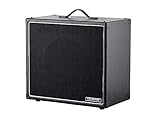
Overview: The Monoprice 1x12 cabinet delivers professional-grade tone by pairing a legendary Celestion Vintage 30 speaker with road-ready construction. Designed to complement Monoprice’s 30-watt Stage Right head, this cabinet houses the same driver heard on countless recordings from icons like Slash and Peter Frampton, making pro-tier tone accessible to budget-conscious players.
What Makes It Stand Out: The Celestion V30 is the star—its midrange punch and tight low-end have defined modern rock guitar tone for decades. Monoprice wisely built a no-frills, durable enclosure around it featuring metal corner caps and textured synthetic leather that rivals cabinets costing twice as much. The comfortable leather handle and compact 12-inch footprint make it genuinely gig-worthy without breaking your back or bank.
Value for Money: Comparable V30-loaded cabinets from Orange or Mesa Boogie easily exceed $500. Monoprice’s offering typically runs under $300, delivering 90% of the sonic signature for 60% of the price. While it’s optimized for their Stage Right head, it works seamlessly with any quality amp head under 60 watts, offering exceptional versatility per dollar.
Strengths and Weaknesses: Pros: Authentic Celestion V30 tone; rugged, stage-ready construction; affordable entry to pro sound; lightweight portability. Cons: Limited to 30-watt matching head marketing may confuse buyers; single speaker lacks stereo spread; synthetic leather isn’t genuine tolex; brand prestige lags behind established names.
Bottom Line: This cabinet is a steal for gigging guitarists seeking that coveted V30 growl without premium pricing. It sacrifices only brand recognition and cosmetic luxury while delivering the core tone that matters. Perfect for small venues, studio work, or as a reliable backup.
7. Fender Frontman 20G Guitar Amp, 20 Watts, with 2-Year Warranty 6 Inch Fender Special Design Speaker, 10x16x16 inches

Overview: Fender’s Frontman 20G represents the brand’s entry into the beginner amplifier market, offering 20 watts through a custom 6-inch speaker. This compact combo maintains Fender’s clean aesthetic and straightforward design philosophy, providing essential features for practice and casual playing in a space-saving 10x16x16-inch enclosure that fits anywhere.
What Makes It Stand Out: The two-year warranty demonstrates Fender’s confidence in build quality—a rarity in this price class. The separate Drive channel with independent volume control allows seamless switching between pristine cleans and crunchy distortion without knob-twisting. The aux input and headphone jack transform it into a silent practice hub, while the iconic Fender badge carries decades of musical heritage that inspires beginners.
Value for Money: Priced competitively with other entry-level amps, the Frontman 20G adds Fender’s quality control and warranty support that generic brands lack. While 20 watts won’t cut through a band mix, it’s perfect for bedroom practice and small jam sessions. The included EQ provides genuine tone-shaping rather than preset gimmicks, offering real learning value.
Strengths and Weaknesses: Pros: Trusted Fender build quality; excellent clean tones; comprehensive 2-year warranty; simple, intuitive controls; headphone/aux connectivity. Cons: 6-inch speaker lacks bass response; 20 watts insufficient for gigging; distortion channel sounds thin at higher volumes; no reverb or effects.
Bottom Line: Ideal for beginners prioritizing reliability and brand heritage over raw power. The Frontman 20G teaches proper tone-shaping fundamentals while delivering Fender’s signature clean sound. A smart investment for new players who want an amp that grows with them through the learning phase.
8. Monoprice 1x10 Guitar Combo Amplifier - Black, 40-Watt, Spring Reverb, 10-Inch 4-Ohm Speaker, High & Low Inputs, Headphone Output - Stage Right Series

Overview: Monoprice’s 40-watt 1x10 combo amplifier punches above its weight class, delivering serious power and genuine spring reverb in a budget-friendly package. The Stage Right series amp features a 10-inch, 4-ohm speaker with a 3-band EQ spanning 60 Hz to 12 kHz, making it suitable for everything from bedroom practice to small venue performances where volume matters.
What Makes It Stand Out: The “volume goes to 11” nod to Spinal Tap isn’t just a gimmick—it signals this amp’s commitment to rock culture while delivering usable headroom. The spring reverb provides authentic, splashy ambience that digital circuits can’t replicate at this price point. High and low inputs accommodate both humbuckers and single-coils properly, while 40 watts through a 10-inch speaker offers gig-worthy projection most competitors reserve for higher price tiers.
Value for Money: Comparable 40-watt combos with spring reverb typically start at $300+. Monoprice delivers this package for significantly less, challenging brands like Fender and Orange in the entry-level gigging category. The 0.5% THD specification indicates clean power delivery, while the 3-band EQ offers genuine tone control rather than token knobs.
Strengths and Weaknesses: Pros: Impressive 40-watt output; authentic spring reverb; flexible EQ; high/low inputs; headphone output for practice. Cons: 10-inch speaker may struggle with palm-muted chugging; brand lacks Fender/Marshall prestige; reverb tank could be fragile; no effects loop.
Bottom Line: A powerhouse for home players ready to graduate to small gigs. The spring reverb and 40-watt output create a compelling value proposition that embarrasses pricier practice amps. Perfect for rock and blues players needing volume and vibe without vintage amp prices.
9. Orange Crush 20 20W 8" 2-Channel Guitar Amplifier and Speaker Combo, Orange
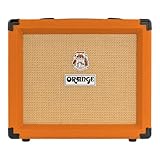
Overview: The Orange Crush 20 distills the brand’s iconic British tone and visual identity into a compact 20-watt practice amp. Featuring an 8-inch speaker and twin-channel design, this combo delivers genuine Orange high-gain character alongside clean tones. The unmistakable orange tolex and basketweave grille make it instantly recognizable, bringing pro-tier aesthetics to the bedroom and rehearsal space.
What Makes It Stand Out: Orange’s high-gain preamp circuit provides authentic British distortion that competitors struggle to emulate, giving beginners access to modern rock and metal tones. The CabSim-loaded headphone output is a game-changer, emulating a 4x12 cabinet for silent practice that actually sounds like a mic’d Orange stack rather than fizzy direct tone. The simple 3-band EQ cuts through the mix effectively without overwhelming novices.
Value for Money: While priced slightly above generic 20-watt amps, you’re paying for legitimate Orange DNA and build quality that holds resale value. The Crush 20 competes directly with Fender’s Frontman series but offers superior distortion character for rock players. The CabSim feature alone justifies the premium over basic practice amps.
Strengths and Weaknesses: Pros: Authentic Orange high-gain tone; iconic visual design; excellent CabSim headphone output; robust construction; simple interface. Cons: 8-inch speaker limits low-end thump; 20 watts won’t gig; clean channel lacks headroom; no reverb or effects; premium price for wattage.
Bottom Line: The definitive choice for aspiring rock guitarists. If your musical taste leans toward gritty British distortion, no practice amp delivers more authentic tone per dollar. The Crush 20 makes practicing addictive by capturing the Orange magic that defines countless records.
10. GLARRY Electric Guitar Amp, Portable Guitar Tube Amp with Headphone MP3 Input, 20W Practice Guitar Combo Amplifier Speaker Accessories with Bass, Volume, Treble, and Middle Controls
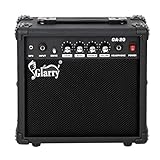
Overview: Glarry’s 20-watt combo positions itself as the ultimate portable practice solution, weighing just 6.61 pounds and featuring a built-in belt clip for true mobility. The 6.5-inch speaker and high-sensitivity tuner promise clear sound, while the hard rubber edges provide practical protection for players on the move. This is bare-bones amplification for the budget-conscious beginner.
What Makes It Stand Out: The integrated belt clip and ultra-lightweight design make this genuinely portable—guitarists can practice anywhere without lugging equipment. Hard rubber corner protection exceeds typical budget amp build quality, suggesting surprising durability. The built-in overdrive circuit provides thick distortion at the push of a button, while the 1/4-inch headphone jack and 1/8-inch MP3 input enable silent practice along with backing tracks.
Value for Money: This is among the cheapest functional guitar amps available, making it accessible to absolute beginners who haven’t committed to serious equipment investment. While tone and build quality can’t match Fender or Orange, it delivers basic amplification and practice features at a fraction of the cost. The portability adds value for travelers or students.
Strengths and Weaknesses: Pros: Extremely affordable; highly portable with belt clip; headphone/aux inputs; protective rubber edges; built-in overdrive. Cons: 6.5-inch speaker produces thin tone; questionable long-term reliability; “tube amp” marketing is misleading; limited volume before distortion; brand lacks support network.
Bottom Line: Only recommended for total beginners with severe budget constraints or those needing a throwaway travel amp. The Glarry fulfills basic practice needs but quickly reveals limitations as skills progress. Invest in a Fender or Orange if possible, but this works as a temporary starter solution.
The Philosophy of Authentic Blues Tone
Before diving into specifications, it’s essential to understand that blues tone isn’t a destination—it’s a journey defined by touch sensitivity, harmonic complexity, and the magical interaction between player and amplifier. The best blues amps don’t just reproduce your sound; they become an extension of your instrument, adding dimension and character while preserving your unique voice.
Why Tubes Still Reign Supreme for Blues
Tube amplifiers possess an inherent non-linear behavior that solid-state and digital technologies still struggle to replicate authentically. When pushed, tubes produce even-order harmonics that our ears perceive as musical and pleasing, creating that “singing” quality essential to blues expression. The natural compression and gradual, organic breakup of a quality tube amp responds to your picking intensity like an acoustic instrument, making it possible to control your entire dynamic range from whisper-clean to roaring overdrive without touching a single knob.
The Myth of “Perfect” Clean Tone
Many blues players mistakenly believe they need pristine, hi-fi clean tone. In reality, the most revered blues tones exist in that magical space where clean and overdriven coexist. Think of it as a sonic canvas with infinite shades rather than black and white. Your amplifier should maintain clarity and note definition even when crunching, allowing complex chord voicings and subtle finger dynamics to shine through the grit.
Power Tube Types: The Heart of Your Sound
The specific power tubes an amplifier uses fundamentally shape its voice, response, and breakup characteristics. Understanding these differences helps you narrow your search to amplifiers that align with your tonal vision.
6V6: American Blues Heritage
These smaller bottles deliver the quintessential American blues voice—sparkling cleans that evolve into a sweet, compressed overdrive with a pronounced midrange focus. Their lower headroom makes them ideal for players who want power tube breakup at manageable volumes. The 6V6’s characteristic “bloom” and touch-sensitive response make it perfect for country-blues, Texas shuffle, and classic Chicago tones where pick dynamics tell the story.
6L6: The Big American Voice
Offering greater headroom and a more robust low-end, 6L6 tubes provide the foundation for louder, cleaner blues tones that stay composed on big stages. When pushed, they deliver a bold, authoritative crunch with exceptional note separation. Modern 6L6 designs in the 20-40 watt range give you the best of both worlds—enough clean headroom for pedal steel-inspired licks while still achieving glorious power tube saturation before the soundman gives you the stink eye.
EL84: British Chime Meets Blues
These pentodes pack surprising punch in smaller packages, delivering the chiming top-end and quick breakup characteristics associated with British invasion tones. For blues players, EL84s offer a unique voice that sits somewhere between American warmth and British aggression, with a forward, cutting presence that helps solos soar without harshness. Their natural compression at moderate volumes makes them exceptional for studio work where every note’s envelope needs perfect control.
EL34: The Rock-Blues Powerhouse
While traditionally associated with higher-gain British rock, EL34s in properly designed lower-wattage circuits create a blues voice with exceptional midrange complexity and harmonic richness. These tubes excel at producing that “violin-like” sustain when paired with the right output transformer, making them ideal for players who bend notes into the next zip code.
Wattage Sweet Spots: Volume vs. Tone
The relationship between wattage and usable tone represents perhaps the most critical consideration for modern blues players, especially those recording at home or gigging in small venues.
The 5-15 Watt Sanctuary
This range has become the holy grail for home studio blues enthusiasts. Five to fifteen watts through an efficient speaker delivers genuine power tube overdrive at conversation levels, allowing you to capture that cranked-amp magic without isolation booths or angry neighbors. These amps typically feature single-ended or push-pull designs that reveal their character immediately, responding to your guitar’s volume knob with a transparency that feels like an instrument unto itself.
18-30 Watts: The Gigging Sweet Spot
For players regularly performing in clubs and small theaters, this range provides enough clean headroom to handle a drummer while still achieving natural overdrive without excessive stage volume. Modern circuit designs in this category often include half-power switches or power scaling, giving you flexibility for different rooms while maintaining that crucial power tube feel.
40+ Watts: When Clean Headroom Is King
Higher wattage amplifiers serve blues players who need pristine clean tones that stay composed even when pushing air in larger venues. These amps rely more on preamp distortion or pedals for overdrive, though modern master volume designs allow you to tap into their power tubes at reasonable volumes. The trade-off comes in weight, cost, and the challenge of achieving natural breakup without ear-splitting levels.
Circuit Topology: Tweed, Blackface, and Beyond
The architecture of an amplifier’s circuitry determines how it responds to your playing and how its voice evolves as you turn it up.
The Tweed Formula: Raw and Responsive
Tweed-style circuits, characterized by simple tone stacks and minimal negative feedback, deliver immediate, tactile response with a midrange-forward voice that punches through a mix. These designs typically feature earlier breakup with a loose, bouncy low-end that feels alive under your fingers. For blues purists, tweed circuits offer the most direct connection between your hands and the speaker, making them ideal for players who rely on pick dynamics and subtle volume adjustments to shape their tone.
The Blackface Approach: Sparkle and Headroom
Blackface-style circuits provide more extensive tone shaping with a scooped midrange and extended clean headroom. These amps excel at delivering shimmering clean tones that accept pedals beautifully while offering a more refined overdrive character. The enhanced negative feedback loop creates tighter bass response and more pristine highs, making them perfect for chord-melody blues and players who need their rhythm parts to stay articulate.
British-Style Circuits: The Marshall Influence
While originally designed for rock, British circuits with their cascaded gain stages and specific voicing have become blues staples. The key lies in how the preamp and tone stack interact, creating a midrange complexity that helps solos sing. Modern British-inspired blues amps often incorporate modifications that reduce the aggressive upper-mid spike while preserving the harmonic richness that makes these circuits special.
The Preamp Stage: Where Your Tone Takes Shape
The preamp section is where your guitar’s signal first meets the amplifier’s personality, and its design profoundly affects touch sensitivity and harmonic content.
12AX7 Varieties and Gain Staging
Not all 12AX7 preamp tubes are created equal. Modern production tubes from different manufacturers exhibit varying gain structures and noise floors that dramatically impact your amp’s voice. Lower-gain preamp tubes in early stages can increase headroom and reduce noise, while specific tube selections in later stages shape the overdrive character. Some contemporary designs allow tube swapping without bias adjustments, letting you fine-tune your amp’s response to your playing style.
Cathode vs. Fixed Bias in Preamp Design
Cathode-biased preamp stages offer inherent compression and a softer, more forgiving feel that many blues players prefer. Fixed-bias designs provide greater headroom and more articulate response but can feel stiffer under the fingers. The magic often happens in hybrid designs that strategically employ both approaches throughout the preamp chain.
Rectifier Types: The Feel Factor
The rectifier converts AC to DC power, and its design significantly influences an amp’s “sag”—that compressed, breathing quality when you dig in hard.
Tube Rectifiers: Vintage Soul
Tube rectifiers naturally compress when you play aggressively, creating that elastic, touch-sensitive response that defines vintage blues tone. This sag acts like a built-in compressor that responds to your dynamics in real-time, making the amp feel alive. The trade-off is slightly less tight low-end and reduced reliability compared to solid-state alternatives.
Solid-State Rectifiers: Modern Precision
Diode rectifiers provide immediate power delivery with no sag, resulting in tighter bass and more immediate attack. While purists might scoff, modern blues amps often use solid-state rectification with carefully designed power supplies that mimic tube sag characteristics, giving you vintage feel with modern consistency.
Hybrid Approaches: Best of Both Worlds
Some contemporary designs incorporate switchable rectifiers or complex power supply designs that provide tube-like sag without the vintage reliability concerns. These innovations represent the future of blues amplification, preserving the feel purists demand while addressing practical gigging concerns.
Output Transformers: The Tone Shaper
Often overlooked, the output transformer (OT) is where your signal gains the muscle to move speakers, and its design profoundly affects harmonic content and frequency response.
Winding Techniques and Tone
The way an OT is wound—interleaved layers, primary and secondary winding ratios, and core material—determines how harmonically rich your overdrive will be. Boutique manufacturers in 2026 are using advanced winding techniques and premium core materials to capture vintage transformer magic without vintage inconsistencies. A quality OT extends high-frequency response while maintaining musical low-end, preventing your blues tone from becoming muddy when saturated.
Impedance Matching and Speaker Interaction
Modern output transformers with multiple impedance taps give you flexibility to experiment with different speaker configurations without sacrificing tone. This versatility is crucial for blues players who might run a 1x12 for studio work and a 2x12 or 4x10 for gigs. The transformer’s ability to properly match your power tubes to various speaker loads directly impacts efficiency and tonal character.
Speaker Configuration and Cabinet Design
Your amplifier is only half the equation—the speaker and cabinet act as the final voice that projects your tone to the world.
Speaker Size and Character
Ten-inch speakers provide tight, focused response with exceptional midrange punch that cuts through dense mixes. Twelve-inch speakers offer fuller frequency response and move more air, creating that “big” blues tone we all love. Fifteen-inch speakers, while less common, deliver piano-like low-end and exceptional note clarity for jazz-influenced blues. The modern trend toward mixing speaker sizes—like a 1x12 paired with a 1x10—creates complex tonal landscapes that respond differently across the frequency spectrum.
Cabinet Construction and Resonance
Dovetailed solid pine cabinets, like those from the golden age, impart a warm resonance that colors your tone in musical ways. Baltic birch plywood, the modern standard, provides tighter, more controlled response with superior durability. The cabinet’s internal volume, baffle design, and even the type of screws used affect how the speaker resonates, influencing everything from low-end thump to high-end sparkle.
Master Volume vs. Non-Master Designs
The ongoing debate between master volume and non-master amplifiers reveals fundamental differences in how blues tone is achieved and controlled.
Non-Master Volume Purity
Traditional non-master designs force you to control your overdrive level solely through the volume control, creating the most direct relationship between power tube saturation and playing dynamics. These amps reward players who’ve mastered their guitar’s volume knob, offering a purity of tone that’s hard to replicate. The downside is obvious: achieving sweet overdrive often requires ear-splitting volumes.
Master Volume Realities
Modern master volume circuits allow you to dial in preamp distortion at any volume, but this often comes at the expense of power tube feel. The best designs use post-phase-inverter master volumes or incorporate power scaling that maintains the power tube’s contribution even at low volumes. Understanding how a specific master volume circuit is implemented helps you determine whether it preserves the touch sensitivity blues demands.
Power Scaling and Attenuation Integration
Some 2026 amplifiers now feature built-in reactive load attenuators that maintain the amp’s relationship with the speaker while reducing volume. These aren’t the tone-sucking resistive loads of yesteryear—they’re sophisticated circuits that preserve the feel and frequency response of a cranked amp at whisper levels.
Effects Loop Considerations for Blues Purists
While traditional blues players often plug straight in, modern players frequently incorporate time-based effects, making loop quality a legitimate concern.
Series vs. Parallel Loops
Series loops interrupt your signal path completely, sending all your tone through the effects. Parallel loops blend your dry signal with the effected signal, preserving your core tone while adding dimension. For blues, where your amp’s natural voice is paramount, parallel loops often work better, especially with digital delays and reverbs that can sound sterile when inserted directly into your signal path.
Loop Level and Transparency
The best effects loops for blues amplifiers operate at low impedance with minimal circuitry, acting as a transparent window rather than a tone filter. Some modern designs even incorporate loop level controls that let you match the loop to both vintage stompboxes and modern line-level processors without tone loss.
The Attenuator Revolution: Silent Stages and Home Recording
The biggest innovation affecting blues players in 2026 is the mainstream adoption of reactive attenuators and load boxes that finally deliver on the promise of “cranked tone at any volume.”
Reactive vs. Resistive Attenuation
Reactive attenuators mimic the impedance curve of a real speaker, allowing your power tubes to interact naturally with the load. This preserves the harmonic content and feel that makes tube amps special. Resistive attenuators, while cheaper, flatten your tone and kill the dynamic response. Modern designs often include speaker simulation for direct recording, making them invaluable for home studio blues players.
Built-in vs. External Solutions
Some contemporary amplifiers now include integrated reactive attenuation, eliminating the need for external boxes and potential tonal degradation from additional cables. These designs often feature direct outputs with sophisticated speaker impulse response (IR) technology, letting you record silently while capturing the mic’d cabinet sound of legendary studios.
Build Quality and Component Selection
In an era of global manufacturing, build quality varies dramatically, and for blues players who rely on their amp’s consistency night after night, this matters enormously.
Point-to-Point vs. PCB Construction
Point-to-point and turret board construction, the vintage standard, offers easier servicing and a certain mojo that many swear by. Modern printed circuit boards (PCBs) with thick copper traces and premium components can deliver equal tone with greater consistency and lower cost. The key isn’t the construction method itself, but the quality of components and the care taken in assembly.
Capacitor and Resistor Quality
The types of capacitors used in the signal path—whether paper-in-oil, Mallory-style, or modern polypropylene—significantly affect your tone’s harmonic texture. Carbon composition resistors, with their inherent microphonic qualities, add a certain vintage warmth that metal film resistors lack. Boutique manufacturers in 2026 are increasingly transparent about their component choices, allowing educated buyers to select amps built with tone-first philosophies.
Price Tiers and Value Proposition
The tube amp market in 2026 spans from affordable imports to custom-built masterpieces, with legitimate blues tones available at every price point.
Under $1,000: The Accessible Gateway
This category now includes surprisingly capable amplifiers from emerging manufacturers who’ve mastered cost-effective production without sacrificing core tone. While you might compromise on component quality, cabinet wood, or hand-wired construction, the fundamental circuit designs can absolutely deliver authentic blues voice. These amps are perfect for players still discovering their specific tonal preferences.
$1,000-$2,500: The Professional’s Workhorse
This sweet spot represents where serious blues players find their lifetime amplifiers. You get premium transformers, quality speakers, robust construction, and circuit designs that honor vintage principles while incorporating modern reliability. Amps in this range often include features like half-power switches, bias adjustments, and effects loops that make them gig-worthy and studio-friendly.
$2,500 and Above: The Boutique Domain
At this level, you’re paying for obsessive attention to detail, rare components, custom transformers, and often, a direct lineage to specific vintage circuits. These amplifiers are built without compromise, using techniques and materials that mass-produced amps simply can’t match. For the purist who hears the difference between NOS and modern tubes, this tier offers instruments that might just outlive you.
The 2026 Market Landscape: Trends and Innovations
This year has brought fascinating developments that benefit blues players specifically, from sustainable wood sourcing to AI-assisted circuit matching.
Sustainable Tone: Eco-Friendly Construction
Forward-thinking manufacturers now use reclaimed wood from old buildings for cabinets, claiming (and often delivering) superior resonance compared to new lumber. Some are even experimenting with hemp-based speaker cones and recycled materials for chassis construction, appealing to environmentally conscious players without sacrificing tone.
Smart Amplifier Features
While purists might resist digital integration, some 2026 tube amps include subtle smart features like automatic bias monitoring, tube life prediction, and even companion apps that help you document your favorite settings. These innovations address practical concerns without touching the analog signal path, preserving your tone while adding convenience.
Testing and Selecting Your Blues Voice
With all this technical knowledge, how do you actually choose? The process is deeply personal and requires hands-on experience.
The “Unplugged” Test
Before even plugging in, a quality amplifier reveals itself through heft, construction details, and component inspection. Check chassis thickness, transformer size, and soldering quality. A well-built amp feels substantial and shows attention to detail even where it isn’t visible.
Playing Dynamics Over Chords
When testing, don’t just strum chords. Play single-note lines with varying pick attack, roll your guitar’s volume knob, and listen to how the amp cleans up. Does it respond like an extension of your fingers, or does it fight you? The best blues amps make you play better by rewarding dynamic control.
Bring Your Own Guitar
Always test amplifiers with your primary guitar. The interaction between specific pickups and an amp’s input stage is where magic happens—or doesn’t. A Les Paul will tell you different things about an amp than a Telecaster will, and your personal axe is the only one that matters for your decision.
Frequently Asked Questions
What’s the ideal wattage for home studio blues recording in 2026?
For authentic power tube saturation at home, 5-15 watts is optimal. Modern designs in this range often include built-in attenuation or line-out options that let you capture cranked tones silently. Look for amps with half-power switches or power scaling to extend their utility across different recording scenarios.
Do I need multiple channels for blues, or is single-channel better?
Single-channel amps typically offer more direct, touch-sensitive response that purists prefer. However, modern two-channel designs with completely separate preamp circuits can provide genuine versatility without compromising core tone. The key is whether the overdrive channel uses the same power section and retains dynamic response.
How important is NOS (New Old Stock) tube selection for blues tone?
While NOS tubes can offer superior noise performance and longevity, modern production tubes from select manufacturers deliver exceptional tone at a fraction of the cost. Focus on finding an amp with a great circuit design first—tube rolling is fine-tuning, not a foundation. Many 2026 amps come with premium modern tubes that rival vintage specimens.
Can I achieve authentic blues tone with a solid-state rectifier?
Absolutely. While tube rectifiers provide natural sag, many modern blues amps use solid-state rectification with carefully designed power supplies that mimic this characteristic. The rectifier type is just one piece of the puzzle—output transformer quality, speaker selection, and circuit voicing matter more for authentic blues feel.
What’s the difference between British and American blues amp voicing?
American-style amps (6V6, 6L6) typically emphasize sparkling highs, warm lows, and a midrange that sits naturally in a band mix. British-style amps (EL84, EL34) feature more pronounced midrange complexity and earlier breakup, with a forward, cutting presence. Modern designs often blend these characteristics, but the fundamental voice still traces back to these traditions.
Should I choose a combo amp or head and cabinet setup?
Combos offer convenience and often cost less, but sealed designs can suffer from vibration issues. Head and cabinet setups provide flexibility to match different speakers to your amp and isolate the chassis from speaker vibration. For blues players who gig regularly, a head with a 1x12 or 2x12 cabinet offers the best balance of tone and practicality.
How do I maintain my tube amp for optimal blues tone?
Beyond annual tube replacement, have a qualified tech check bias settings every six months and inspect filter capacitors every few years. Keep the amp in a climate-controlled environment, use a quality surge protector, and always warm up your amp for at least 30 seconds before playing. Modern amps with self-bias features simplify maintenance, but regular professional check-ups still matter.
Are built-in attenuators as good as external units?
Modern built-in attenuators, especially reactive designs, often outperform external units because they’re specifically matched to the amp’s output transformer and power section. They eliminate additional cables and connections that can degrade tone. However, premium external attenuators still offer more flexibility if you own multiple amps.
What’s the role of speaker breakup in blues tone?
Speaker breakup contributes significantly to the compressed, musical quality of cranked blues amps. Some players choose speakers that break up early to add another dimension of overdrive, while others prefer speakers that stay clean to let the amp’s character shine through. Modern speakers are available across this spectrum, with detailed specifications about breakup characteristics.
How has the used market changed for blues amps in 2026?
The used market has stabilized post-pandemic, with more realistic pricing and increased availability of well-maintained amps. However, counterfeit “relic” amps and misrepresented modifications are more common. Always buy from reputable dealers or get a professional inspection. Many manufacturers now offer transferrable warranties and authenticity verification services that make used purchases safer than ever.
See Also
- 10 Budget Tube Guitar Amplifiers That Rival Boutique Tone Under $800
- 10 Low-watt Tube Guitar Amplifiers for Cranked Tone at Bedroom Levels in 2026
- Top 10 Best Tube Guitar Amplifiers for Blues Gigging in 2026
- 10 Legendary Tube Guitar Amplifiers Under $1000 for Blues Players
- 10 Affordable Tube Guitar Amplifiers Under $500 That Rival Boutique in 2026