Table of Contents
The unmistakable cry of a pedal steel weaving through a country ballad or firing off lightning-fast licks in a honky-tonk shuffle isn’t just about technique—it’s about a symbiotic relationship between player and strings. Unlike standard electric guitar strings, pedal steel strings endure extreme tension changes, constant pitch bending via pedals and knee levers, and the relentless pressure of a steel bar. Choosing the right set in 2026 means understanding a complex ecosystem of metallurgy, gauge mathematics, and evolving manufacturing innovations that directly impact every glissando, chord voicing, and soulful bend.
Whether you’re upgrading from stock strings on your first Carter Starter or fine-tuning a professional-grade Emmons, the string selection process determines your instrument’s responsiveness, tonal character, and physical playability. This comprehensive guide dismantles the technical barriers, giving you the expert framework to evaluate strings based on your specific playing style, tuning configuration, and the sonic demands of modern country music.
Top 10 Pedal Steel Guitar Strings
Detailed Product Reviews
1. SIT Strings Buddy Emmons Pedal Steel Strings Nickel (S.I.T.), E9th Tuning, BEE9th
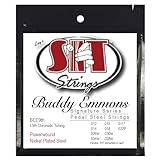
Overview: The SIT Buddy Emmons E9th strings represent a legendary collaboration with pedal steel icon Buddy Emmons. These nickel-wound strings capture the warm, sustaining tone that defined Emmons’ signature sound. Precision-wound in Akron, Ohio, they’re engineered specifically for the demands of E9 pedal steel guitar, delivering professional-grade performance for serious players who demand authenticity.
What Makes It Stand Out: These strings carry the imprimatur of Buddy Emmons himself, giving them unparalleled authenticity in the pedal steel world. The nickel wrap provides classic warmth while maintaining clarity and note definition. The precision manufacturing ensures consistent tension across all strings, crucial for the complex pedal and lever changes E9 tuning demands. This isn’t just marketing—these are the strings Emmons actually used throughout his career.
Value for Money: While pricier than generic steel guitar strings, you’re paying for legitimate heritage and proven performance. Comparable boutique sets cost $15-20, making these competitively priced for professional-grade strings. For recording or touring musicians, the tuning stability and authentic tone justify every penny. Hobbyists might find them indulgent, but serious players understand the value of investing in their sound.
Strengths and Weaknesses: Pros: Authentic Buddy Emmons tone, exceptional sustain, rock-solid tuning stability, made in USA, trusted by professionals worldwide. Cons: Premium price point may deter beginners, nickel version less bright than stainless, limited availability in some markets.
Bottom Line: Ideal for dedicated pedal steel players seeking the genuine Emmons sound. These strings deliver professional performance that honors a legend’s legacy while meeting modern demands.
2. E9 Pedal steel
Overview: These premium uncoated strings from D’Addario’s NYXL line represent modern string technology applied to pedal steel. Engineered for maximum strength and tuning stability, they address the fundamental challenges steel players face. The NY Steel core wire provides a robust foundation for the demanding E9 tuning, promising performance that exceeds conventional strings through innovative metallurgy.
What Makes It Stand Out: The 131% better tuning stability claim isn’t just marketing—it’s backed by D’Addario’s proprietary NY Steel core. These strings can bend two whole steps while remaining under 75% of their breaking point, offering unprecedented resilience for aggressive pedal work. The enhanced mid-range frequency response helps pedal steel cut through dense mixes without harshness, a common problem with traditional sets.
Value for Money: Positioned at the premium tier, these strings cost more than standard sets but deliver measurable performance benefits. The 40% strength increase translates to fewer string changes and broken strings during gigs. For working musicians, this durability combined with superior tuning stability makes them cost-effective despite the higher upfront price. The included Players Circle points add minor value for loyal customers.
Strengths and Weaknesses: Pros: Outstanding tuning stability, significantly stronger than standard strings, enhanced mid-range cut, made in USA, reward program. Cons: Premium pricing, may feel stiffer than traditional strings, over-engineered for casual players.
Bottom Line: Perfect for demanding players who prioritize reliability and cutting tone. The technology justifies the investment for serious musicians who can’t afford failures on stage.
3. D’Addario Electric Guitar Strings, NYXL Pedal Steel, NYXL1138PS, 10-String Pedal-Steel Guitars, Regular Light E9 11-38, Pack of 1
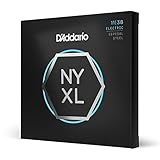
Overview: D’Addario’s NYXL1138PS brings their revolutionary NYXL technology specifically to 10-string pedal steel guitars. This Regular Light E9 set (11-38 gauge) balances playability with robust tone. Manufactured in New York to exacting specifications, these strings deliver the same enhanced mid-range and tuning stability that made NYXLs famous among six-string players, now optimized for pedal steel’s unique demands.
What Makes It Stand Out: The specific 11-38 gauge catering to E9 tuning demonstrates D’Addario’s commitment to pedal steel players. Unlike generic electric strings adapted for steel guitar, these are purpose-built. The NY Steel core’s 40% strength increase is particularly valuable for pedal steel’s constant tension changes. The Players Circle rewards program, while minor, shows D’Addario’s engagement with the musician community.
Value for Money: These compete directly with other premium pedal steel strings, priced around $18-22 per set. For professional players, the 131% better tuning stability claim translates to fewer retunings between songs and more reliable intonation across the neck. The durability means less frequent changes, offsetting the higher cost. Weekend warriors might hesitate, but touring musicians will appreciate the consistency.
Strengths and Weaknesses: Pros: Purpose-built for 10-string E9, exceptional tuning stability, increased break strength, enhanced mid-range cut, trusted brand consistency. Cons: Premium price, may require setup adjustment for some guitars, packaging could be more informative.
Bottom Line: An excellent choice for E9 players seeking modern technology and reliability. These strings deliver professional performance that justifies their premium status and D’Addario’s reputation.
4. SIT Strings Buddy Emmons Pedal Steel Strings Nickel (S.I.T.), C6th Tuning, BEC6th

Overview: The C6th counterpart to the legendary E9 set, these SIT Buddy Emmons strings deliver the same collaborative heritage for players using C6 tuning. Developed with Buddy Emmons himself, this nickel set captures the warm, vocal-like quality essential for classic C6 pedal steel styles. Manufactured in Akron, Ohio, they maintain the precision and consistency that made the E9 version a professional standard.
What Makes It Stand Out: Few string sets address C6 tuning with such authentic pedigree. The nickel wrap provides the smooth, mellow tone perfect for jazz, western swing, and classic country C6 applications. The consistent tension across the neck is critical for C6’s complex copedent, where players often use multiple pedals and knee levers simultaneously. These strings handle these demands while delivering Emmons’ signature sustain.
Value for Money: C6 strings are inherently niche, and these command a premium similar to their E9 siblings. While budget options exist, they lack the specific gauge balancing and quality control. For C6 players, the investment ensures proper intonation and the authentic tone that defines the tuning. The durability and tuning stability make them economical for regular performers despite the higher initial cost.
Strengths and Weaknesses: Pros: Authentic C6 tone, Buddy Emmons legacy, excellent sustain, reliable tuning stability, made in USA. Cons: Very specific to C6 tuning (not versatile), premium pricing, harder to find than E9 sets.
Bottom Line: Essential for serious C6 players wanting authentic tone and performance. These strings honor Buddy Emmons’ legacy in the C6 universe while providing modern reliability for today’s working musicians.
5. Stringjoy NW1238 Signatures Pedal Steel Guitar Strings E9th (12-38) Nickel Wound Pedal Steel Strings E9

Overview: Stringjoy’s NW1238 Signatures bring boutique craftsmanship to E9 pedal steel strings from the heart of Music City. These Nashville-made strings offer a carefully balanced 12-38 gauge set designed for optimal playability and tone. As the first pedal steel strings crafted entirely in Nashville, they represent a fresh approach from passionate musicians who understand the instrument’s nuances intimately.
What Makes It Stand Out: The Nashville pedigree matters—these are made by steel players, for steel players, in steel guitar’s modern capital. Stringjoy’s meticulous gauge selection (12-38) provides a slightly heavier feel than some competitors, offering more control for complex bar slants and pedal combinations. The company’s small-batch approach ensures quality control that mass-produced strings sometimes lack, with each set inspected by experienced players.
Value for Money: Positioned competitively against other premium strings, these offer boutique quality without boutique pricing. They cost slightly less than major-brand premium sets while delivering comparable performance. For players wanting to support independent American manufacturing, the value proposition is strong. The focus on playability reduces hand fatigue during long sessions, adding intangible value.
Strengths and Weaknesses: Pros: Nashville-made by steel players, excellent gauge balance, smooth playability, strong mid-range presence, supports independent business. Cons: Newer brand with less proven track record, limited distribution, slightly heavier feel may not suit all players.
Bottom Line: A compelling boutique alternative for E9 players seeking playability and craftsmanship. These strings deliver Nashville-quality tone with independent spirit, perfect for players wanting something beyond corporate brands.
6. GHS Strings - Pedal Steel String Set - Nickel Plated Steel - Model: GB-E9 SET

Overview: The GHS GB-E9 SET delivers classic nickel-plated steel tone for E9 pedal steel guitarists prioritizing reliability and consistency. Engineered for the instrument’s unique demands, these strings handle constant tension changes from pedals and knee levers while maintaining stable intonation. The set includes standard E9 gauges that respond predictably to volume pedal swells and bar techniques, making them a dependable choice for both stage and studio work where traditional twang is essential.
What Makes It Stand Out: GHS’s exclusive “Nitro-Pack” anti-corrosion packaging guarantees factory-fresh strings free from pre-installation oxidation—a common issue in slower-moving inventory. The High Breakpoint Technology maximizes Ultimate Tensile Strength, dramatically reducing mid-performance breakage during aggressive bar bends. The revolutionary LOCK TWIST ball-end prevents unraveling under extreme tension shifts, addressing a critical failure point unique to pedal steel’s constant pitch manipulation. This triple-protection approach ensures mechanical reliability.
Value for Money: Priced in the competitive mid-range, the GB-E9 set offers exceptional long-term value through extended lifespan. While budget sets may cost 30% less, the enhanced durability typically provides 40% more playing time before tonal degradation. For gigging musicians changing strings weekly, this translates to significant annual savings, effectively matching premium brands’ performance at a more accessible price point while reducing environmental waste.
Strengths and Weaknesses: Pros: Superior corrosion resistance, excellent tensile strength, consistent tone retention, reliable ball-end construction, traditional nickel tone. Cons: Nickel-plated steel lacks pure nickel’s warmth, slightly brighter than vintage-spec strings, may require EQ adjustment for some amplifiers.
Bottom Line: Ideal for working pedal steel players needing dependable strings that maintain tuning stability through demanding performances. The GB-E9 set strikes an excellent balance between modern durability and traditional tone, making it a smart choice for gigging musicians who can’t afford string failure.
7. GHS ST-E9 Super Steels (E9th Tuning) Guitar Steel Guitar

Overview: The GHS ST-E9 Super Steels cater to E9 pedal steel players seeking maximum projection and durability. Constructed with stainless steel roundwound wrap over a hexagonal core, these strings deliver aggressive brightness that cuts through dense stage mixes. The Made-in-USA quality assurance appeals to players prioritizing American manufacturing standards, while the precise gauge progression ensures balanced tension across all ten strings for consistent pedal response.
What Makes It Stand Out: The hexagonal core provides enhanced magnetic output and tuning stability compared to traditional round cores, translating to stronger signal and better intonation. Stainless steel’s inherent corrosion resistance maintains brilliant high-end longer than nickel alternatives, crucial for pedal steel’s exposed string length. The carefully calculated gauge set (.013 to .036) optimizes tension distribution, ensuring each string responds uniformly to pedal and knee lever actions for predictable pitch changes.
Value for Money: Positioned as a premium option, the ST-E9 commands a higher price than standard nickel sets but justifies this through exceptional lifespan. Stainless steel’s durability typically yields twice the playing time before tone loss, reducing string change frequency by half. For recording professionals and touring musicians, the extended life and consistent tone offset the initial investment, making it economically sound while minimizing setup time between gigs.
Strengths and Weaknesses: Pros: Exceptional brightness and sustain, superior corrosion resistance, excellent tuning stability, hex core strength, consistent intonation. Cons: Can be overly harsh for traditional country tones, harder on fingerpicks and bar, may require amplifier treble reduction, stiffer feel.
Bottom Line: Perfect for modern pedal steelists in rock, contemporary country, or fusion contexts where articulation and presence are paramount. Not recommended for vintage tone purists, but unbeatable for players needing maximum clarity and durability in high-volume environments.
8. D’Addario Set El Gt Nyxl Ped Steel 12-70 (NYXL1270PS)

Overview: D’Addario’s NYXL1270PS brings their revolutionary NYXL technology to C6 pedal steel, offering unprecedented strength and tuning stability. Engineered with a high-carbon steel alloy, these strings target advanced players demanding precision during intricate fretboard and pedal maneuvers. The 12-70 gauge range covers full C6th tuning with optimized tension distribution, making them suitable for complex jazz chords and rapid single-note runs.
What Makes It Stand Out: The high-carbon steel alloy provides up to 40% more tensile strength than traditional strings, virtually eliminating performance breakage. Improved tuning stability means faster setup and reliable pitch retention through aggressive bar techniques and temperature changes. D’Addario’s corrosion-resistant packaging maintains freshness, while the reformulated nickel winding delivers enhanced midrange presence without sacrificing C6’s characteristic warmth, creating a modern yet balanced voice.
Value for Money: As a premium-priced set, the NYXL1270PS represents a significant investment. However, the extended lifespan—often 2-3 times longer than conventional strings—combined with reduced tuning hassle creates substantial value. For studio musicians and touring professionals, the reliability factor alone justifies the cost, preventing expensive session delays or gig disruptions while delivering consistent performance night after night.
Strengths and Weaknesses: Pros: Unmatched strength and durability, superior tuning stability, consistent tone over extended use, excellent corrosion resistance, enhanced midrange clarity. Cons: Premium price point may deter hobbyists, C6 tuning limits versatility, slightly stiffer feel requires adaptation, overkill for casual players.
Bottom Line: Essential for professional C6 pedal steel players who prioritize reliability above all. The NYXL1270PS excels in high-pressure performance and recording situations where string failure is not an option. Worth every penny for serious musicians demanding the utmost in strength and stability.
9. GHS Strings - Pedal Steel Strings - Nickel Rollerwound - Semi-Flat - E9 Tuning - Model:PF500 SET

Overview: The GHS PF500 SET occupies a unique niche with its nickel rollerwound semi-flat construction for E9 pedal steel. Designed for players seeking a smoother tactile experience, these strings reduce finger noise while maintaining nickel’s characteristic warmth. The semi-flat profile bridges the gap between traditional roundwounds and flatwounds, offering a compromise for technique-focused musicians struggling with excessive string squeal.
What Makes It Stand Out: The rollerwound semi-flat design compresses the outer winding, creating a smoother surface that glides under the steel bar with minimal friction. This reduces the “squeak” often amplified in pedal steel work while retaining some roundwound brightness. GHS’s Nitro-Pack and LOCK TWIST technologies ensure these specialized strings remain corrosion-free and mechanically sound despite their unique construction, providing durability rarely found in modified-wind strings.
Value for Money: Priced slightly above standard roundwounds, the PF500 set offers value to specific players. Those struggling with excessive string noise or seeking a slicker feel will find the premium worthwhile. While not necessary for all styles, the reduced wear on fingerpicks and smoother bar movement can extend accessory life, creating hidden savings for technique-focused players while improving recording cleanliness.
Strengths and Weaknesses: Pros: Significantly reduced finger noise, smooth bar feel, maintains nickel warmth, excellent durability features, consistent intonation. Cons: Less sustain than roundwounds, slightly muted high-end, niche application may not suit all genres, requires playing adjustment.
Bottom Line: Best suited for recording artists and players sensitive to string noise. The PF500 set excels in studio environments where every extraneous sound matters. Not for everyone, but indispensable for those needing a quieter, smoother playing experience without going fully flatwound and losing all brightness.
10. GHS Pedal Steel Guitar Super Steel C6th 12-70 ST-C6
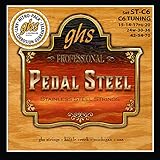
Overview: The GHS ST-C6 extends the Super Steel line to C6 tuning, providing stainless steel brilliance for players utilizing this versatile tuning. Built with the same hexagonal core and roundwound stainless construction as its E9 sibling, this set delivers aggressive articulation across the extended C6 range. The 12-70 gauge set handles the tuning’s wide interval leaps with authority, making it ideal for jazz, western swing, and progressive country styles.
What Makes It Stand Out: The hexagonal core’s enhanced magnetic response pairs perfectly with C6’s lower registers, delivering clear note definition even on the .070 low string. Stainless steel’s natural brightness helps balance C6’s inherently warm voicing, creating a more modern, cutting sound. The precise gauge selection ensures even tension distribution, critical for maintaining accurate intonation across C6’s complex pedal and knee lever configurations while preventing uneven stress on the guitar’s changer mechanism.
Value for Money: Offering similar premium pricing to the ST-E9, the ST-C6 provides comparable value through exceptional longevity. C6 players often face limited string options, making this set’s durability even more valuable. The extended lifespan reduces the frequency of full set changes, which is particularly beneficial given C6’s wider string spacing and more time-consuming restringing process, saving both time and money long-term.
Strengths and Weaknesses: Pros: Excellent brightness for C6 tuning, superior durability, hex core stability, balanced tension across wide range, clear low-end definition. Cons: May be too bright for traditional C6 styles, stiffer feel on heavier gauges, premium pricing, requires tonal adjustment.
Bottom Line: An excellent choice for contemporary C6 players in jazz, western swing, or modern country settings. The ST-C6 set provides the clarity and durability needed for complex arrangements. Traditionalists may prefer nickel, but progressive players will appreciate the enhanced articulation and lifespan in demanding musical contexts.
The Unique Demands of Pedal Steel Guitar Strings
Pedal steel strings operate in a universe far removed from conventional guitar strings. They face radical tension fluctuations—some strings shift by as much as three whole steps during performance—which demands exceptional tensile strength and elastic memory. The extended scale length, typically 24 to 25 inches, combined with the weight of a tone bar and the force of pedal mechanisms, creates a perfect storm of mechanical stress. Your strings must maintain pitch stability while offering enough pliability for smooth bar movement and precise intonation. This dual mandate separates premium pedal steel strings from generic alternatives that might work for standard guitars but fail catastrophically under steel-specific demands.
Decoding String Gauges for Country Articulation
Gauge selection isn’t merely about tension—it’s about sculpting your attack, sustain, and the physical feedback you receive during rapid pedal changes. Country licks demand crisp note definition, especially on the high end, while chordal work requires balanced volume across all strings. Heavier gauges produce more magnetic output and sustain but can fatigue your knees and ankles during extended sessions. Lighter gauges facilitate faster bar work and easier bending but may sound thin or introduce unwanted buzzing against the nut or bridge.
E9 Standard Gauges
The Nashville standard E9 tuning typically uses gauges ranging from .011 to .038, with specific emphasis on the changer strings (1-8) requiring precise tension matching. The third string (G#) often benefits from a slightly heavier gauge to compensate for its frequent whole-step raises via the A and B pedals. Many players customize the first two strings (.011 and .014) based on their picking attack—aggressive pickers may opt for .012 and .015 to prevent breakage and maintain tone.
C6 Tuning Considerations
C6 setups, popular in Western swing and jazz-tinged country, generally employ heavier gauges from .012 to .042. The lower-pitched strings need additional mass to maintain clarity, especially when playing complex jazz chords or rapid single-note runs. The sixth string (C) often uses a wound .042 or .044 to provide solid fundamental tone without floppiness.
Material Alloys: The Tone Foundation
The metal composition of your strings fundamentally shapes your sonic fingerprint. Each alloy offers distinct harmonic content, magnetic response, and lifespan characteristics that either complement or clash with country music’s aesthetic demands.
Nickel-Plated Steel
The workhorse of country music, nickel-plated steel delivers a balanced tonal spectrum with pronounced midrange punch and smooth highs. The nickel coating provides a softer feel under the bar, reducing finger noise during glissandos while maintaining strong output from your pickups. This material excels at producing the classic “Nashville twang” without harshness, making it ideal for both traditional and contemporary country styles.
Pure Nickel
Pure nickel strings offer a warmer, more vintage-tinged voice reminiscent of 1960s and 1970s country records. They produce softer attack transients and richer harmonic overtones, which can sweeten the tone of brighter steels or add complexity to simple licks. However, their lower magnetic output may require pickup height adjustments, and they’re more susceptible to corrosion from finger oils.
Stainless Steel
For players seeking maximum brightness, cutting power, and durability, stainless steel provides aggressive high-end sparkle and exceptional longevity. The material’s hardness resists corrosion and wear from the tone bar, but its slick surface can feel slippery to some players. Stainless excels in high-gain situations or when you need your steel to slice through dense band mixes, though it may sound too harsh for traditional ballads.
Coated Innovations
Modern polymer coatings in 2026 have evolved beyond simple moisture barriers. Micro-thin treatments now enhance string life without significantly dampening high frequencies—a previous dealbreaker for country players. These coatings reduce bar squeak and finger noise while protecting against humidity and sweat, making them viable for touring musicians who face varying climates nightly.
Core Types: Round vs. Hex Core Explained
The core wire shape dramatically influences string flexibility, tuning stability, and break angle over the bridge. Round cores, the traditional choice, offer suppler feel and more vintage-style sustain but can be prone to slippage at the ball end if not properly secured. Hex cores, with their six-sided profile, grip the wrap wire more securely, providing consistent tension and improved tuning stability during aggressive pedal work. Most modern pedal steel strings utilize hex cores for their reliability, though some boutique manufacturers still craft round-core sets for players chasing classic Lloyd Green-style response.
Windings: Precision Ground vs. Half-Round vs. Flatwound
The outer winding texture affects both tone and the physical interaction with your bar. Round wound strings deliver maximum brightness and projection but generate noticeable bar noise. Precision ground (or “roller wound”) strings are partially flattened during manufacturing, reducing squeak while retaining much of round wound’s harmonic complexity—an increasingly popular compromise for recording sessions. Flatwounds, though rare on pedal steel, offer buttery smooth bar action and dark, mellow tone suitable for jazz-country hybrids but lack the bite for traditional licks.
E9 Tuning: The Country Standard Deep Dive
E9 dominates modern country for good reason: its pedal and lever layout facilitates iconic licks and seamless chord transitions. String selection for E9 must account for the three most common pedals (A, B, C) and four knee levers. The second string (E) typically undergoes multiple pitch changes and benefits from a balanced gauge that won’t snap under repeated raises. The fourth and fifth strings (E and F) work as a pair in many voicings, requiring matched tension for consistent response. When selecting strings, consider how your specific copedent (pedal and lever configuration) alters each string’s tension—custom gauge sets often swap individual strings to optimize unusual or extended copedents.
C6 Tuning: Western Swing and Beyond
C6 tuning opens harmonic possibilities that E9 can’t reach, particularly for jazz-influenced country and Western swing. The string set must accommodate wider interval spacing and heavier gauges for the lower register. The third string (A) frequently gets lowered by a half-step, requiring enough initial tension to prevent buzzing when slackened. Many C6 players prefer slightly stiffer strings overall to maintain pitch definition during complex chord melodies. If you double on E9 and C6, you may need separate guitars with dedicated setups rather than compromising with a universal string set.
The Hybrid Setup: Blending E9 and C6
Twelve-string universal setups attempt to merge E9 and C6 tunings, demanding extraordinary string selection strategy. The lower six strings serve C6 while the upper six handle E9, creating massive tension disparities across the neck. This configuration requires carefully graduated gauges to balance volume and response—often a custom-ordered set rather than off-the-shelf packages. The middle strings experience the most stress during pedal changes and typically need the highest quality materials to prevent premature breakage.
Tone Profiles: Bright vs. Warm vs. Balanced
Your ideal tone profile depends on musical context, pickup type, and amplifier voicing. Bright strings emphasize pick attack and high-frequency detail, perfect for chicken-pickin’ licks and cutting solos. Warm strings roll off harshness, favoring smooth swells and rich chord pads. Balanced sets aim for versatility, neither accentuating nor suppressing any frequency range. Consider your band’s instrumentation: if you’re competing with a banjo and fiddle, brightness helps; if you’re the primary harmonic pad, warmth may serve the song better.
Tension Balance and Pedal/Knee Lever Response
Uneven string tension creates uneven pedal feel—a nightmare for precise technique. When one string fights your foot’s pressure more than others, intonation suffers and muscle memory fails. Quality string sets for 2026 are engineered with tension curves that complement standard copedents, ensuring that raising the B pedal feels consistent across all affected strings. This balance also protects your guitar’s changer mechanism from excessive stress on individual fingers.
Durability in High-Use Scenarios
Professional pedal steel players change strings far more frequently than guitarists due to the mechanical abuse they endure. A weekend warrior might stretch a set to three months, while a Nashville session player changes them weekly. Durability factors include corrosion resistance, wrap wire tightness, and ball-end reinforcement. Look for strings with reinforced winding at the ball end and consider your playing environment—sweaty clubs and outdoor festivals accelerate wear dramatically.
The Price-Performance Sweet Spot
String pricing spans from budget bulk packs to premium hand-inspected sets costing three times as much. Expensive strings generally offer better consistency, superior raw materials, and tighter quality control—critical for pedal steel where a single defective string wastes an entire set’s installation time. However, mid-priced options from reputable manufacturers often deliver 90% of the performance at half the cost. The key is finding a reliable supplier whose quality control meets your tolerance for variability.
Environmental Factors and Climate Considerations
Pedal steel strings are hypersensitive to humidity and temperature fluctuations. Steel expands and contracts, altering tension and pitch relationships between strings. In humid climates, uncoated strings oxidize faster, while dry environments can cause wood neck movement that indirectly affects string action. Touring musicians in 2026 increasingly rely on coated strings and portable dehumidifiers stored in their cases. Some advanced players maintain separate gauge sets for summer and winter to compensate for seasonal neck movement.
Emerging Technologies in 2026
The string industry continues innovating with shape-memory alloys that return to pitch faster after pedal releases, and micro-textured surfaces that reduce bar noise without coatings. Sustainable materials are gaining traction, including recycled steel cores and bio-based polymer coatings. “Smart” strings with embedded micro-sensors that report tension and temperature data to smartphone apps are emerging, though their practical value remains debated among traditionalists. Nanotechnology treatments promise to fill metal surface imperfections at the molecular level, extending life while preserving tone.
Pro Setup Tips for Optimal Performance
Before installing new strings, clean your changer fingers and lubricate moving parts with dry graphite. Stretch strings systematically by pulling them away from the fretboard and retuning repeatedly for the first hour. Set your pickup height after strings have settled—different gauges and materials alter magnetic field interaction. Many pros file custom string notches in the nut and bridge to match their exact gauge choices, preventing binding that causes tuning instability. Finally, adjust your pedal travel to match the new string tension, ensuring smooth mechanical action.
Maintenance Protocols for Longevity
Wipe down strings with a microfiber cloth after every playing session to remove acidic oils and debris. For uncoated strings, apply a light string conditioner weekly—but avoid products that leave slippery residues affecting bar control. Store your steel in a hard case with humidity control packs when not in use. Rotate between two sets of strings if you play daily, giving each set 24 hours of rest to recover elasticity. Inspect ball ends monthly for wear, as this is the most common failure point. When you notice intonation drifting or tone dulling, change the entire set rather than individual strings to maintain balanced tension.
Frequently Asked Questions
How often should I change pedal steel guitar strings for optimal country tone?
For active gigging musicians playing multiple shows weekly, change strings every 1-2 weeks. Session players may change them before each important recording date. Hobbyists can extend to 6-8 weeks, but tone and intonation degrade noticeably after a month of regular play. The mechanical stress from pedals accelerates wear far beyond what guitarists experience.
What’s the difference between pedal steel strings and lap steel strings?
Pedal steel strings are engineered for extreme tension changes and longer scale lengths, with reinforced ball ends and tighter winding tolerances. Lap steel strings experience static tension and can use standard guitar string sets with appropriate gauges. Using lap steel strings on a pedal steel will result in breakage and tuning instability.
Can I use standard electric guitar strings on my pedal steel?
Only for the two highest plain strings in emergencies. Electric guitar strings lack the tensile strength for pedal steel’s demands, have inconsistent ball ends, and their gauges aren’t optimized for the required tension balance. Dedicated pedal steel strings are mandatory for professional use.
Why do my strings keep breaking at the ball end?
Ball-end breakage indicates either poor-quality strings with inadequate winding tension, sharp edges in your guitar’s changer mechanism, or excessive pedal travel pulling the string at an extreme angle. Inspect your changer for burrs and consider switching to strings with reinforced ball ends or using string-end protectors.
How do I know if my gauges are too heavy or too light?
If bar movement feels sluggish and requires excessive force, your gauges are likely too heavy. If you experience buzzing, poor intonation, or a thin tone lacking sustain, they’re probably too light. The sweet spot allows smooth bar work with firm, controlled pedal action and clear, sustained notes.
Should I use coated strings for recording pedal steel?
Modern coated strings in 2026 are recording-friendly, with micro-thin coatings that preserve high-end detail while reducing squeak. For pristine studio work, try a set during rehearsals first to ensure they match your desired tone. Some engineers prefer the slightly darker tone of coated strings as it sits better in dense mixes.
What’s the ideal string height for country licks?
String height (action) is highly personal, but most country players prefer lower action for faster licks, typically 3/8" from the fretboard at the eighth fret. Too low causes buzzing during pedal raises; too high slows down bar movement. Adjust in small increments and test with your most demanding pedal combinations.
How does temperature affect my pedal steel strings?
Steel contracts in cold and expands in heat, directly altering tension and pitch. A 20-degree temperature swing can pull your guitar noticeably out of tune and change string-to-string balance. Always retune after moving between environments and consider keeping your steel in climate-controlled rooms when possible.
Is there a break-in period for new pedal steel strings?
Yes, expect a 2-4 hour break-in period of active playing before strings stabilize. During this time, they’ll stretch and settle into the nut and bridge slots. Professional players often install strings the day before a gig and repeatedly tune and stretch them to accelerate this process.
Can mixing brands or gauges within a set cause problems?
Absolutely. Different manufacturers use varying tension formulas, core-to-wrap ratios, and materials that create uneven response across the neck. If you must customize, source individual strings from the same product line to ensure consistency. A mismatched set leads to unpredictable pedal feel and volume imbalances that ruin your tone.
See Also
- 10 Pedal Steel Guitar Strings That Solve Tuning Drift in 2026
- Stop Dead Tone: 10 Long-Lasting Steel Guitar Strings for Touring in 2026
- 10 High-Tension Acoustic Guitar Strings for Aggressive Strummers in 2026
- 10 Best Flatwound Guitar Strings for Jazz Guitarists in 2026
- 10 Top Electric Guitar Strings for Blues Bending in 2026