Table of Contents
The relationship between a harmonica player and their microphone is intimate, almost sacred. Unlike vocalists who can afford to float around a mic, harp players wrestle with theirs—cupping it, choking it, using it as both a shield and a weapon. By 2026, the landscape of dynamic microphones for harmonica has evolved dramatically, blending vintage soul with cutting-edge acoustic engineering. Whether you’re a blues shouter playing sweaty dives or a studio artisan layering textures, understanding what makes a dynamic mic sing for your harp is more critical than ever.
This isn’t just about buying gear; it’s about finding your voice. The right dynamic microphone becomes an extension of your instrument, shaping your tone before it ever hits an amplifier or recording interface. But with new materials, smart impedance matching circuits, and hybrid analog-digital designs hitting the market, making an informed decision requires more than just reading spec sheets. Let’s dive deep into what separates a mediocre harp mic from one that’ll make your solos cut through the mix like a hot knife through butter.
Top 10 Dynamic Microphones For Harmonica
Detailed Product Reviews
1. Superlux D112C Omnidirectional Dynamic Microphone – Hi-Z Vocal Mic for Blues/Harmonica, Volume Control, 6.3mm Connector & 6m Cable, Plug into Guitar Amps, Live Performance, Vintage Bullet Mic Design

Overview: The Superlux D112C delivers authentic bullet mic aesthetics and functionality at an accessible price point. Designed specifically for blues harmonica players, this high-impedance dynamic microphone connects directly to guitar amplifiers without requiring additional preamps or impedance-matching devices. The omnidirectional capsule captures the full character of your harp while the classic titanium blue bullet housing provides genuine stage presence for traditional blues performances.
What Makes It Stand Out: This mic’s ambidextrous grip design accommodates both left and right-handed players comfortably during extended cupping sessions. The built-in volume knob features a tactile center detent, allowing musicians to locate their preferred level by feel alone—a crucial feature for dark stages. The included 6-meter dual-shielded cable provides ample room for movement without needing immediate aftermarket upgrades, making it gig-ready out of the box.
Value for Money: Priced significantly below industry-standard bullet mics, the D112C offers exceptional entry-level value. While it may lack the legendary status of premium alternatives, it includes professional features like the lengthy cable and volume control that competitors often omit. For beginners and intermediate players, this represents a low-risk investment in authentic blues tone that doesn’t compromise essential functionality.
Strengths and Weaknesses: Pros include the comfortable ergonomic design, generous cable length, intuitive volume control with detent, and true high-impedance output. The vintage styling is stage-appropriate. Cons involve slightly lower build quality compared to premium brands, limited frequency response (100-6,000Hz) that may sacrifice some harmonic detail, and less road-tested durability for heavy touring schedules.
Bottom Line: An excellent starting point for harp players seeking authentic bullet mic tone without professional-grade expense. Ideal for home practice, local gigs, and developing your cupping technique before upgrading to premium options.
2. Shure 520DX Green Bullet Dynamic Microphone
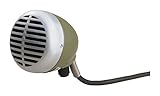
Overview: The Shure 520DX Green Bullet stands as the undisputed industry standard for blues harmonica microphones, with a legacy spanning decades. This high-impedance dynamic mic features an omnidirectional capsule specifically voiced for the unique tonal characteristics of amplified harp. The iconic green bullet design is instantly recognizable on any stage, representing decades of proven performance that has shaped the sound of electric blues.
What Makes It Stand Out: Shure’s rugged dynamic cartridge has been refined over generations, offering improved frequency response while maintaining the classic “Muddy Waters growl” players demand. The integrated volume control knob provides seamless level adjustments mid-performance. As the first choice of countless professional harpists, its pedigree is unmatched—this microphone has literally defined the sound heard on countless classic recordings and continues to set the benchmark.
Value for Money: While commanding a premium price, the 520DX justifies every penny through bulletproof construction and timeless tone. Unlike budget alternatives, this mic appreciates in collector value and maintains consistent performance for decades. The cost-per-year of ownership makes it economical for serious musicians who would otherwise replace cheaper mics multiple times, making it a sound long-term investment.
Strengths and Weaknesses: Pros include legendary durability, authentic vintage tone, excellent resale value, and Shure’s unparalleled customer support. The omnidirectional pattern captures true harp character without coloration. Cons include the lack of included cable, limited frequency range compared to modern mics, and no XLR option for studio flexibility. The price may intimidate beginners testing the waters.
Bottom Line: The definitive professional choice for serious blues harpists. If you’re committed to the instrument and demand the authentic sound heard on countless classic recordings, the Green Bullet is a lifetime investment that won’t disappoint.
3. Hohner Harmonica Instrument Dynamic Microphone (MZ20201), Green

Overview: The Hohner MZ20201 represents the premium tier of harmonica-specific microphones, engineered in collaboration with professional players to replicate legendary vintage tones. This high-impedance dynamic mic features a gold-plated XLR connector, offering studio-grade connectivity uncommon in bullet-style microphones. The all-metal construction exudes professional quality from first touch, reflecting Hohner’s century-long expertise in harmonicas.
What Makes It Stand Out: The inclusion of a high-end Bourns potentiometer for volume control ensures precise, noise-free adjustments and long-term reliability—a significant upgrade from standard components. The gold-plated XLR connector provides superior signal integrity and compatibility with professional audio interfaces and mixing consoles. Hohner’s partnership with working harpists ensures every design element serves real-world performance needs rather than theoretical specifications.
Value for Money: Positioned at the high end of the price spectrum, this microphone targets dedicated professionals and serious enthusiasts. The premium components, XLR flexibility, and meticulous German engineering justify the cost for those seeking the finest tools. While overkill for casual players, it offers comparable value to boutique custom mics at a lower price point, making it a smart premium choice.
Strengths and Weaknesses: Pros include exceptional audio fidelity, professional XLR connectivity, premium component quality, rock-solid metal housing, and precise volume control. The dynamic capsule authentically reproduces vintage character while adding modern clarity. Cons involve the substantial weight, higher cost barrier, and potential need for impedance conversion in some setups. The XLR connector may require adapters for direct amp connection, adding minor complexity.
Bottom Line: For discerning harpists demanding studio-quality components and maximum versatility, the MZ20201 is a top-tier investment. Best suited for professional performers and recording artists who prioritize sonic excellence and build quality above all else.
4. PylePro Dynamic Handheld Microphone, Professional Moving Coil Mic with Built-in Pop Filter, Wide Frequency Response, High Signal Output, Rugged Design, Low Noise Circuitry, 15’ ft. XLR Cable Included

Overview: The PylePro Dynamic Handheld Microphone is a general-purpose vocal mic that, while not specifically designed for harmonica, offers an ultra-budget entry point for amplification. Featuring a unidirectional cardioid pattern and XLR connectivity, this zinc alloy microphone prioritizes feedback rejection and versatility across multiple applications from vocals to instruments, making it a jack-of-all-trades solution.
What Makes It Stand Out: The cardioid polar pattern effectively minimizes background noise and feedback, which can be beneficial in loud stage environments. Its ultra-wide 50Hz-15KHz frequency response exceeds many harp-specific mics, potentially capturing more harmonic detail. The included 15-foot XLR cable and rugged all-metal construction provide unexpected value at this price tier, delivering professional features at a bargain-basement cost.
Value for Money: This is among the most affordable dynamic microphones available, making it accessible to absolute beginners. For players uncertain about committing to harmonica-specific gear, it offers a low-risk experiment. However, the impedance mismatch and non-optimized frequency response mean you’ll sacrifice authentic blues tone for cost savings, potentially costing more in the long run when you upgrade.
Strengths and Weaknesses: Pros include the extremely low price, excellent feedback rejection, versatile application, durable metal construction, and included cable. The wide frequency range is technically superior on paper. Cons involve the low-impedance design requiring a preamp for guitar amps, unsuitable shape for proper cupping technique, and voicing that lacks classic harp character. It sounds sterile compared to bullet mics.
Bottom Line: A practical choice for vocalists or multi-instrumentalists on extreme budgets, but a poor fit for serious blues harpists seeking authentic tone. Consider this only if finances are severely constrained and you understand its significant sonic limitations for harmonica.
5. Suzuki HMH-200 Handheld Dynamic Harmonica Microphone with Volume Control

Overview: The Suzuki HMH-200 occupies the middle ground between budget bullet mics and premium options, offering harp-specific optimization at a moderate price point. This unidirectional dynamic microphone includes integrated volume control and comes packaged with a protective soft case, targeting gigging musicians who need practical features without premium costs. Suzuki’s harmonica expertise informs every design decision.
What Makes It Stand Out: Unlike traditional omnidirectional bullet mics, the unidirectional pattern provides superior feedback rejection in high-volume stage situations—a critical advantage for rock-blues fusion players. The frequency range (80-15,000 Hz) captures both fundamental tones and harmonic overtones effectively. The inclusion of a soft case demonstrates gigging musician-focused design, protecting your investment between shows.
Value for Money: Positioned as a mid-range option, the HMH-200 delivers specialized features like the unidirectional capsule and included case that justify its moderate price premium over entry-level alternatives. It avoids the extreme cost of boutique mics while outperforming generic dynamics for harp-specific applications, hitting a sweet spot for serious hobbyists and working musicians.
Strengths and Weaknesses: Pros include the feedback-resistant unidirectional pattern, tailored frequency response for harmonica, convenient volume control, lightweight portability, and included protective case. The build quality exceeds budget brands significantly. Cons involve the unidirectional pattern’s potential to sacrifice some “air” and room interaction prized by traditional blues purists, limited brand recognition compared to Shure, and fewer connectivity options than XLR-equipped models.
Bottom Line: An excellent compromise for working harpists playing loud venues where feedback is problematic. Ideal for blues-rock players needing modern performance characteristics while maintaining vintage tonal character. A smart, practical choice for regular gigging musicians.
6. Audio-Technica AT2040 Hypercardioid Dynamic Podcast Microphone

Overview: The Audio-Technica AT2040 is a purpose-built dynamic microphone designed specifically for podcasters and broadcasters seeking professional vocal isolation. Featuring a large diaphragm dynamic element, it delivers the warm, authoritative tone listeners expect from radio-quality productions while maintaining remarkably low self-noise for its class.
What Makes It Stand Out: The hypercardioid polar pattern provides exceptional off-axis rejection, focusing tightly on your voice while minimizing room reflections and background noise. Its integrated shock mount system effectively decouples the capsule from handling noise and stand vibrations—a feature typically found in far more expensive broadcast mics. The multistage foam mesh windscreen offers superior plosive protection without requiring an external pop filter.
Value for Money: Priced in the mid-range segment, the AT2040 competes directly with mics costing twice as much. It includes a pivoting stand mount, thread adapter, and protective pouch—accessories that often cost extra. For podcasters upgrading from entry-level USB mics, this represents a significant quality jump without breaking the bank, offering near-broadcast standards at a prosumer price point.
Strengths and Weaknesses:
- Strengths: Excellent vocal isolation; Integrated shock mounting; Professional broadcast sound; Complete accessory package; Low noise floor
- Weaknesses: Hypercardioid pattern demands consistent mic technique; Requires audio interface with adequate gain; Less versatile than cardioid alternatives for multi-person setups
Bottom Line: The AT2040 is an outstanding choice for serious podcasters and voice-over artists wanting professional broadcast quality without premium pricing. Its tight pattern and integrated features make it a smart, focused investment.
7. Pyle Classic Retro Dynamic Vocal Microphone - Old Vintage Style Unidirectional Cardioid Mic with XLR Cable - Universal Stand Compatible - Live Performance In Studio Recording - PDMICR42SL (Silver)

Overview: The Pyle PDMICR42SL delivers vintage microphone aesthetics in a budget-friendly package designed for live vocals and home studio recording. This retro-styled dynamic mic combines classic 1950s visual appeal with modern cardioid polar pattern technology, making it an accessible entry point for performers wanting style without sacrificing basic functionality.
What Makes It Stand Out: Its iconic silver-finished chrome body immediately evokes classic rock-and-roll imagery, while the built-in pop filter and included 16-foot XLR cable provide unexpected convenience at this price tier. The universal stand adapter with self-tensioning swivel allows flexible positioning, and the integrated shock mounting helps reduce handling noise during energetic performances.
Value for Money: This microphone sits firmly in the budget category, often retailing for less than a single professional XLR cable. For beginners, karaoke enthusiasts, or performers prioritizing visual impact, it delivers acceptable sound quality alongside essential accessories. While it won’t match professional studio standards, it eliminates the need for separate cable and pop filter purchases.
Strengths and Weaknesses:
- Strengths: Attractive retro aesthetics; Complete package with cable; Extremely affordable; Built-in pop filtering; Universal stand compatibility
- Weaknesses: Limited 30Hz-15kHz frequency response; Pyle’s inconsistent quality control; Lower sensitivity requiring more gain; Not suitable for professional recording
Bottom Line: The Pyle Retro mic is ideal for budget-conscious performers seeking vintage style for live karaoke or basic home recording. Manage expectations on audio fidelity and it’s a fun, functional entry-level option.
8. Audix Fireball-V Ultra-Small Professional Dynamic Instrument Microphone

Overview: The Audix Fireball-V is a diminutive dynamic microphone engineered specifically for harmonica players and beatboxers who need hands-free operation and superior feedback rejection. Its ultra-compact design allows cupping directly against the instrument or mouth, delivering focused capture of harmonicas and vocal percussion with remarkable clarity.
What Makes It Stand Out: The integrated volume control knob is a game-changer for live performers, enabling on-the-fly level adjustments without reaching for a mixer. Its cardioid pattern provides excellent isolation while the extremely small form factor—barely larger than a harmonica reed plate—allows natural playing technique. The tailored 50Hz-16kHz frequency response emphasizes the critical midrange frequencies of blues harp and beatboxing.
Value for Money: Positioned as a premium specialty tool, the Fireball-V justifies its price through purpose-built design and stage-ready durability. While more expensive than generic vocal mics, it eliminates feedback issues and provides features no standard microphone offers. For serious harmonica players, it’s a professional investment that directly enhances performance capability.
Strengths and Weaknesses:
- Strengths: Ultra-compact size; Onboard volume control; Excellent feedback rejection; Tailored frequency response; Rugged construction
- Weaknesses: Highly specialized—poor for general vocals; Requires specific technique; Premium pricing for single-purpose use; No XLR cable included
Bottom Line: The Fireball-V is an essential tool for dedicated harmonica players and beatboxers. Its unique features and stage-focused design make it worth every penny for its target audience, but it’s not a versatile all-purpose microphone.
9. AUDIX Fireball Dynamic Harmonica Microphone and Harp Mic - Black/Red
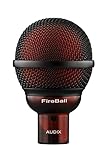
Overview: The AUDIX Fireball represents the pinnacle of harmonica microphone craftsmanship, meticulously manufactured in Oregon from aircraft-grade aluminum. This premium dynamic mic is purpose-built for professional harmonica players demanding uncompromising durability and tone, featuring CNC-machined construction that transforms a simple tool into a precision instrument.
What Makes It Stand Out: Every Fireball is carved from a solid aluminum bar and finished through a multi-stage anodizing process, creating a dent-resistant housing that withstands aggressive stage use. The laser-etched name and serial number add exclusivity, while the internal pop filter and optimized capsule deliver clean, feedback-resistant performance. Its compact design allows traditional hand-cupping techniques without sonic compromise.
Value for Money: As a high-end specialty microphone, the Fireball commands a premium price that reflects its American manufacturing, materials, and performance. While expensive compared to generic dynamics, it offers professional harmonica players a lifetime tool that maintains tone consistency and reliability through thousands of performances. The craftsmanship justifies the cost for serious musicians.
Strengths and Weaknesses:
- Strengths: Exceptional build quality; Made in USA; Dent-resistant grill; Laser-etched personalization; Superior feedback control; Professional-grade components
- Weaknesses: Extremely niche application; High price point; Not suitable for vocals or other instruments; Requires dedicated audio interface
Bottom Line: The Fireball is the definitive choice for professional harmonica players who view their microphone as a long-term investment. Its unmatched construction and performance excellence make it worth the premium for dedicated musicians.
10. Monoprice Memphis Blue Classic Dynamic Microphone - Unidirectional, Retro-Style with Pop-Free On/Off Switch and Protective Case - Stage Right Series

Overview: The Monoprice Memphis Blue merges 1940s styling with modern supercardioid dynamic technology, creating a visually striking microphone built for demanding stage environments. Part of Monoprice’s Stage Right series, this retro-inspired mic delivers focused sound capture and exceptional durability at a price point that challenges established brands.
What Makes It Stand Out: The supercardioid polar pattern offers tighter rejection than typical cardioid mics, providing superior feedback immunity in loud stage settings. Its die-cast zinc housing is nearly indestructible, while the internal shock mounting isolates handling noise effectively. The pop-free on/off switch is a practical addition for live performers, and the vintage aqua-blue finish ensures visual distinction.
Value for Money: Monoprice consistently disrupts pricing norms, and the Memphis Blue delivers features found in mics costing significantly more. The inclusion of a protective case adds value, making it an attractive option for working musicians needing reliable gear without premium branding costs. It competes directly with industry standards while leaving budget for other equipment.
Strengths and Weaknesses:
- Strengths: Supercardioid feedback rejection; Extremely durable construction; Attractive retro aesthetics; Effective shock mounting; Protective case included
- Weaknesses: Monoprice lacks pro audio pedigree; Heavier than comparable mics; Limited professional reviews; Supercardioid requires precise technique
Bottom Line: The Memphis Blue is perfect for gigging musicians wanting vintage style with modern performance. Its robust build and tight polar pattern make it a smart, affordable workhorse for live stages.
Why Dynamic Microphones Dominate the Harmonica Landscape
Dynamic microphones have ruled the harmonica world for decades, and their reign isn’t ending anytime soon. The fundamental reason? They thrive on exactly what harp players throw at them—extreme sound pressure levels, aggressive handling, and the need for that gritty, up-close character.
The SPL Advantage
Harmonicas can produce startlingly high sound pressure levels, especially when cupped tightly and played with force. Condenser mics, while detailed, often distort or require pads to handle this onslaught. Dynamic capsules, particularly those with robust voice coils and diaphragms, laugh at these levels. They compress naturally in a musical way, adding that coveted “growl” without breaking a sweat.
Durability That Survives the Road
Let’s be honest—harp mics get abused. They’re dropped, sweated on, stuffed into gig bags, and used as impromptu percussion instruments. Dynamic microphones, with their simpler construction and lack of phantom power requirements, are built for this warfare. Modern 2026 models feature reinforced grilles, moisture-resistant coatings, and internal shock mounting that would make a vintage engineer weep with joy.
Understanding Harmonica-Specific Frequency Response Needs
A flat frequency response might sound ideal in theory, but for harmonica, it’s a recipe for a thin, lifeless tone. The magic happens in the mid-range sculpting.
The 2kHz-5kHz Sweet Spot
Harmonicas live and breathe in the upper midrange. This is where the “cut” happens—the frequencies that allow your solo to pierce through a dense band mix. A good harp mic intentionally boosts this region, but the shape of that boost matters. Too narrow, and you’ll sound nasal; too broad, and you’ll compete with the vocals. The best 2026 microphones offer nuanced response curves that enhance articulation without sacrificing body.
Managing the Low-End Bloom
Cupping technique creates a resonant chamber that amplifies low frequencies, often resulting in a boomy, muddy sound. Premium dynamic mics address this with controlled proximity effect and internal acoustic damping. Some even feature subtle low-frequency roll-offs that engage when the mic is cupped tightly, keeping your tone tight and focused rather than flabby.
The Classic “Bullet” Mic Form Factor Explained
That distinctive bullet shape isn’t just aesthetic nostalgia—it’s functional ergonomics perfected over 70 years.
Hand-Cupping Geometry
The tapered design allows players to create an airtight seal with their hands, forming a resonant chamber that dramatically alters tone and volume. Modern bullet mics have refined this geometry with subtle flanges and grip textures that maintain the vintage feel while improving comfort during three-hour sets. The 2026 models even incorporate slight weight distribution tweaks to reduce hand fatigue.
Internal Acoustic Chamber Design
The shape influences internal reflections and standing waves. Premium manufacturers now use computational fluid dynamics to optimize these chambers, reducing unwanted resonances while enhancing the desirable ones. It’s vintage vibe meets rocket science.
Cardioid vs. Supercardioid: Polar Patterns for Harmonica Players
Polar pattern choice directly impacts your stage experience, feedback threshold, and ability to move while playing.
Feedback Rejection Realities
Cardioid patterns offer a solid balance, rejecting sound from the rear while providing a generous pickup area in front. Supercardioid patterns reject even more from the sides but have a small rear lobe that can pick up stage monitors if positioned poorly. For loud blues bands, supercardioid is often worth the trade-off. For acoustic ensembles, cardioid provides more flexibility.
Off-Axis Coloration Concerns
Here’s something spec sheets don’t tell you: how a mic sounds when you move slightly off-axis. Harp players constantly shift their grip and angle. The best 2026 dynamic mics maintain consistent tone across a wider angle, preventing those “where’d my sound go?” moments mid-phrase.
Impedance Matching: The Hidden Technical Hurdle
This is where many players stumble, and it’s arguably the most critical technical consideration.
High vs. Low Impedance Explained
Vintage bullet mics were high-impedance, designed to plug directly into guitar amps. Modern PA systems and recording gear prefer low-impedance signals. Mismatching creates tone suck—dull highs, weak output, and noise. Many 2026 models feature switchable impedance or internal transformers that let you toggle between “vintage” and “modern” modes with a flick.
The Transformer Tone Debate
Internal transformers don’t just match impedance; they add character. The core material and winding ratio subtly saturate and compress your signal. Some players swear by the warmth of a good transformer; others prefer the transparency of transformerless designs. Both have their place, and the choice depends on whether you’re chasing vintage grit or modern clarity.
Built-in Volume Controls and Tone Shaping Features
Onboard controls have evolved from simple volume pots to sophisticated tone-shaping networks.
Passive vs. Active Circuitry
Passive controls maintain signal purity but offer limited range. Active circuits (powered by small internal batteries or phantom power) provide true bypass, buffered output, and even EQ curves. The 2026 trend is toward “hybrid passive” designs that use clever resistor networks to shape tone without needing power—pure signal path with enhanced flexibility.
High-Pass Filters and Presence Boosts
Some modern mics include subtle switches for cutting low-end mud or adding a gentle presence lift. These aren’t drastic changes; they’re surgical tools for adapting to different rooms or amplifier combinations without touching your amp’s EQ.
Durability and Build Quality Considerations
A harp mic is a working tool, not a museum piece. Build quality directly impacts longevity and consistent performance.
Grille and Housing Materials
Stainless steel grilles remain the standard, but 2026 brings reinforced powder-coated finishes that resist corrosion from hand sweat better than chrome. Internal hydrophobic coatings on the diaphragm protect against moisture—crucial for players who work the mic hard.
Internal Shock Mounting Evolution
Modern capsules float on sophisticated suspension systems that decouple them from handling noise while maintaining the tactile feedback players rely on. It’s a delicate balance: too much isolation and you lose that connected feel; too little and every hand movement becomes a thunderclap.
Handheld vs. Stand-Mounted: Performance Style Implications
Your playing style should dictate your microphone form factor, not the other way around.
The Traditional Handheld Approach
Handheld bullet mics offer ultimate control over tone via cupping and allow you to “work the mic” for dynamics. They’re perfect for blues, rock, and any style where the mic is part of your performance choreography. The weight and balance become critical factors during long gigs.
Modern Stand-Mounted Solutions
Some contemporary players, especially in jazz or Americana, prefer stand-mounted dynamics that free their hands for complex harp manipulations. These mics often feature modified frequency responses to compensate for the lack of hand cupping, providing a more “open” sound that works better in acoustic settings.
The Role of Cupping Technique in Microphone Selection
Your hand technique and your mic are inseparable partners. One must complement the other.
Tight Cup vs. Open Hand
A tight cup creates maximum compression and a throaty, distorted tone but requires a mic that can handle the resulting SPL and proximity effect. An open hand technique needs a mic with more sensitive off-axis response and less dramatic proximity boost. Understanding your default technique helps narrow the field dramatically.
The “Wah-Wah” Effect and Mic Design
The classic hand wah effect relies on changing the resonant chamber size. Some mics are specifically designed to exaggerate this effect with tuned ports and reflective surfaces, while others aim for a more consistent response. Your preference for dramatic wah effects versus subtle shading should guide your choice.
Cable Quality and Connector Types in 2026
The humble cable is your tone’s lifeline, and connector choices have expanded beyond simple XLR and 1/4-inch jacks.
Balanced vs. Unbalanced Signals
Low-impedance balanced signals (XLR) reject noise and allow long cable runs to PA systems. High-impedance unbalanced signals (1/4-inch) are prone to noise but deliver that direct-to-amp character. Many modern mics offer both outputs, sometimes simultaneously, giving you flexibility for dual paths.
The Rise of Wireless Harmonica Systems
2026 has seen major advances in low-latency digital wireless specifically for harmonicas. These systems now preserve the nuanced response of high-end dynamic mics without the cable drag. Look for systems with selectable impedance matching at the transmitter—it’s a game-changer for tone purists.
Budget Tiers: What to Expect at Different Price Points
While specific prices fluctuate, understanding what features correlate with cost helps set realistic expectations.
Entry-Level Options
Sub-$100 mics in 2026 offer surprisingly good performance for beginners. You’ll get a basic dynamic capsule, decent build quality, and often a switchable impedance circuit. What you won’t get is the refined frequency response, premium materials, or sophisticated shock mounting. These are workhorses, not thoroughbreds.
Mid-Range Sweet Spot
The $150-$300 range is where innovation thrives. Expect tailored frequency responses for harmonica, robust build quality, multiple polar pattern options, and advanced features like passive tone shaping. This is the professional’s choice for gigging and recording.
Premium and Custom Territory
Above $300, you’re paying for diminishing returns in measurable specs but significant gains in musical character. Hand-tuned capsules, exotic materials, custom impedance curves, and artisanal build quality define this tier. For the working pro who lives and dies by their tone, this is where the magic lives.
The Vintage vs. Modern Sound Debate
The harmonica community remains divided between chasing classic tones and embracing contemporary clarity.
What Makes “Vintage” Sound
Vintage dynamics (and their crystal element cousins) offered limited frequency response, high impedance, and natural compression. That “missing” information—rolled-off highs, restrained lows—actually helped harmonicas sit in dense mixes. Modern mics aiming for vintage tone recreate these limitations intentionally, often using aged magnets or deliberately under-damped diaphragms.
The Case for Modern Transparency
Conversely, some 2026 mics offer extended frequency response and lower distortion, trusting the player and amplifier to provide character. This approach provides more versatility—great for clean jazz tones or processing through effects—but requires more technique to avoid sounding sterile.
Matching Your Microphone to Your Amplifier
A mic and amp are a married couple; compatibility issues lead to endless arguments and bad tone.
Tube Amp Synergy
Tube amps love high-impedance signals. They interact with the microphone’s output in complex ways, creating that singing sustain and harmonic richness. If you’re running into a vintage-style tube amp, a high-impedance mic or a model with a dedicated “tube mode” will yield the most dynamic, responsive tone.
Solid-State and PA Considerations
Modern solid-state amps and PA systems prefer low-impedance, balanced signals. Mismatching here can result in harsh, brittle tone and noise. Many 2026 mics feature internal preamps that optimize the signal for these systems while maintaining that dynamic character.
Maintenance and Longevity Tips for Harmonica Mics
Even the toughest mic needs love to survive years of gigging.
Cleaning and Moisture Management
After each gig, wipe down your mic with a slightly damp cloth and dry it thoroughly. Remove the grille periodically (if detachable) and clean it with mild soap. For heavy sweat sessions, consider a mic with a removable capsule assembly that can be aired out. Silica gel packets in your case are cheap insurance against corrosion.
Storage and Transport Wisdom
Never coil cables tightly around the mic—this stresses connectors and cable cores. Use a padded case, not just a gig bag pocket. If your mic has active electronics, remove batteries during long storage periods to prevent leakage. And always cap your connectors to keep out dust and beer.
Frequently Asked Questions
1. Can I use a vocal dynamic microphone for harmonica, or do I need a dedicated harp mic?
You can, but it’s like using a chef’s knife as a screwdriver—it’ll work, but it’s not ideal. Vocal mics are tuned for voice, not the SPL and frequency range of a harp. You’ll miss out on the mid-range honk and feedback rejection that dedicated harp mics provide.
2. What’s the biggest mistake beginners make when buying their first harmonica microphone?
Choosing based on looks or vintage hype rather than their actual playing style and amplification setup. A $500 vintage replica is wasted if you’re plugging into a practice amp. Start with your signal chain and work backward.
3. How important is impedance really? Can’t I just use a DI box?
Impedance is crucial for tone, not just signal level. While a DI box solves level issues, it can’t restore the interaction between a high-impedance mic and a tube amp. It’s a workaround, not a solution. Get a mic with the right impedance for your setup.
4. Will a wireless system ruin my tone?
Not in 2026. Modern digital wireless systems designed for instruments preserve the full frequency response and dynamic character of your mic. Just ensure the system supports high-impedance inputs if that’s what your mic requires.
5. What’s the deal with crystal microphones? Are they still relevant?
Crystal mics are vintage tech—fragile, high-impedance, with a uniquely compressed tone. Some players swear by them for authentic Chicago blues sounds, but they’re impractical for gigging. Modern dynamics can emulate that character with far better durability.
6. How do I know if I need a cardioid or supercardioid pattern?
If you play loud rock or blues with stage monitors, go supercardioid for maximum feedback rejection. If you play acoustic styles or move around a lot on stage, cardioid is more forgiving. When in doubt, cardioid is the safer default.
7. Can one microphone really work for both live and studio use?
Absolutely. The best modern harp mics are designed to be versatile. Look for models with switchable response curves or low self-noise specs. The key is finding one that excels at your primary use while being adequate for the secondary application.
8. Why do some mics have built-in volume controls? Isn’t that what my amp is for?
Onboard volume lets you adjust your level without reaching for your amp, crucial for maintaining your cupping position mid-song. It’s also a quick way to reduce feedback without touching amp EQ. Think of it as a performance tool, not a replacement for your amp’s controls.
9. How long should a good harmonica microphone last?
With proper care, a quality dynamic mic should last decades. The capsule itself is incredibly robust. What fails first are cables, connectors, and grilles—all replaceable. Invest in build quality upfront and maintenance along the way.
10. Is there really a difference between a $100 mic and a $400 mic for harmonica?
Yes, but it’s subtle and situational. The difference isn’t just durability—it’s the musicality of the frequency response, the feel of the cupping surface, and how it interacts with your specific amplifiers. For hobbyists, the law of diminishing returns hits hard. For professionals, that 10% improvement can be the difference between a good gig and a great one.
See Also
- 10 Dynamic Microphones for Blues Harmonica Players in 2026
- How to Solve Hiss Noise with the 10 Best Dynamic Microphones for Live Gigs in 2026
- 10 High-SPL Dynamic Microphones for Guitar Amps That Won’t Distort in 2026
- 10 Dynamic Microphones for Drum Kits That Survive Stick Hits in 2026
- 10 Dynamic Microphones for Podcasting in Untreated Rooms in 2026