Table of Contents
So you’ve finally got your hands on your first electric guitar, or maybe you’re ready to upgrade from that dusty hand-me-down practice amp that’s been holding you back. Either way, you’re standing at a thrilling crossroads where the right amplifier can transform your playing experience from frustrating to inspiring. The world of combo guitar amplifiers under $500 is surprisingly vast, filled with feature-packed options that would’ve seemed like science fiction a decade ago.
The challenge isn’t finding a decent amp at this price point—it’s navigating the sea of specifications, marketing jargon, and conflicting advice to find the one that matches your unique musical journey. As a beginner, you need an amplifier that grows with you, not one that you’ll outgrow in six months. This guide cuts through the noise to help you understand what truly matters when investing in your first serious combo amp, ensuring every dollar stretches further while keeping your tone ambitions alive.
Top 10 Combo Guitar Amplifiers
Detailed Product Reviews
1. Fender Mustang LT25 Guitar Amp, 25-Watt Combo Amp, with 2-Year Warranty, 30 Preset Effects with USB Audio Interface for Recording

Overview: The Fender Mustang LT25 is a 25-watt digital modeling amplifier designed specifically for beginners seeking versatility without complexity. This compact combo measures just 12.75" x 14.5" x 8.25" and houses an 8-inch Fender special design speaker. The amp features a straightforward user interface centered around a 1.8-inch color display, making navigation intuitive for those still learning tone shaping. With 30 preloaded presets spanning multiple genres, it offers immediate access to usable sounds right out of the box.
What Makes It Stand Out: Unlike traditional analog practice amps, the LT25 functions as a USB audio interface, allowing direct recording to your computer without additional hardware. The color display is a rarity in this price class, providing visual feedback that simplifies effect editing and preset management. Fender’s 30 included presets aren’t just random sounds—they’re carefully curated tones modeled after iconic amplifiers, giving beginners a masterclass in classic guitar sounds. The 2-year warranty demonstrates Fender’s confidence in their build quality, a significant advantage over budget competitors.
Value for Money: Priced competitively against entry-level modeling amps from Line 6 and Boss, the LT25 offers superior value through its integrated USB interface alone, which would cost $50-100 separately. While the 8-inch speaker limits low-end response compared to larger combos, the feature set—including the display, presets, and Fender brand reliability—justifies every dollar for the target beginner audience.
Strengths and Weaknesses: Pros include the USB recording capability, intuitive color display, extensive preset library, compact footprint, and comprehensive warranty. The 25-watt power is adequate for bedroom practice and small jams. Cons are the smaller speaker size that lacks depth, limited manual control for advanced users, and plastic construction that feels less robust than premium models.
Bottom Line: The Mustang LT25 is an ideal first amplifier for aspiring guitarists who want to explore different tones and record their progress. It removes technical barriers while delivering authentic Fender quality, making it a smart investment for beginners serious about developing their sound.
2. Fender Frontman 20G Guitar Amp, 20 Watts, with 2-Year Warranty 6 Inch Fender Special Design Speaker, 10x16x16 inches

Overview: The Fender Frontman 20G represents the quintessential entry-level practice amplifier—no frills, just fundamental tone. Delivering 20 watts through a modest 6-inch speaker in a 10" x 16" x 16" cabinet, this solid-state combo focuses on simplicity and reliability. The dual-channel design provides clean and overdriven sounds, controlled via a straightforward panel with volume, bass, middle, treble, and drive level knobs. Auxiliary input and headphone output complete the basic feature set for modern practice needs.
What Makes It Stand Out: In an era of complex digital modeling, the Frontman 20G’s analog simplicity is refreshing. Beginners can focus on playing rather than menu diving. The separate EQ controls for the clean channel offer more tonal flexibility than many competitors at this price point. Fender’s 2-year warranty on such an affordable amplifier underscores their commitment to quality, even in budget-tier products. The iconic Fender branding carries weight for new players seeking gear from a heritage manufacturer.
Value for Money: This is among the most affordable ways to own a genuine Fender amplifier. Competing models from lesser-known brands may offer similar wattage, but lack Fender’s service network and resale value. While the 6-inch speaker won’t win awards for richness, the price-to-performance ratio is excellent for bedroom practice and learning fundamentals.
Strengths and Weaknesses: Strengths include dead-simple operation, reliable construction, effective basic tones, headphone jack for silent practice, and that coveted Fender logo. The 20-watt output is sufficient for home use. Weaknesses are the small speaker’s limited frequency response, lack of effects, no direct recording capability, and minimal headroom before distortion.
Bottom Line: The Frontman 20G is perfect for absolute beginners who want a reliable, easy-to-use amplifier from a trusted brand. It won’t inspire with versatility, but it delivers clean and dirty tones without complication, making it an honest, dependable practice companion.
3. Fender Hot Rod Deluxe 30th Anniversary 40-Watt 1x12-Inch Guitar Combo Amplifier, Black Western Vinyl
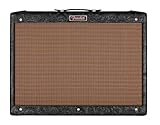
Overview: The Hot Rod Deluxe 30th Anniversary edition celebrates three decades of Fender’s beloved gigging workhorse. This 40-watt all-tube combo delivers serious power through a 12-inch Celestion G12M-65 Creamback speaker, driven by two 6L6 power tubes and three 12AX7 preamp tubes. The modified preamp circuitry provides enhanced clarity and definition, while the authentic spring reverb offers lush ambience. Unique cosmetic touches include black western tooled vinyl covering, brown and gold grille cloth, and a leather handle.
What Makes It Stand Out: This isn’t a practice amp—it’s a professional-grade tube amplifier with genuine spring reverb and a premium Celestion speaker. The 30th Anniversary aesthetics make it a collectible piece, distinguishing it from standard Hot Rod Deluxes. The modified preamp addresses previous-generation complaints about muddiness when overdriven, delivering articulate crunch even at high gain settings. Four decades of gig-proven reliability back the Hot Rod platform.
Value for Money: While significantly pricier than solid-state alternatives, the tube circuitry, premium speaker, and limited-edition cosmetics justify the cost for serious players. Comparable tube amps from Marshall or Vox cost similarly but lack Fender’s signature clean tone and spring reverb. This amp holds excellent resale value, making it a sound long-term investment.
Strengths and Weaknesses: Pros include glorious tube tone, loud clean headroom, responsive overdrive, quality reverb, robust construction, and stunning anniversary styling. The 40 watts are perfect for gigs and rehearsals. Cons are substantial weight (over 50 pounds), excessive volume for home use, no direct recording output, and premium price point.
Bottom Line: For gigging guitarists seeking Fender’s quintessential clean tone with capable overdrive, this anniversary edition delivers timeless performance with collectible appeal. It’s overkill for beginners but essential for serious players who need reliable, inspiring tube tone.
4. Flatsons FBA-10 Guitar Amp, 10W Mini Electric Guitar Amplifier with Clean/Drive Channel, 6H Working, USB-C Rechargeable, 3.5mm Headphone/AUX Jack, Wireless Portable Amp for Indoor Practice, Traveling

Overview: The Flatsons FBA-10 redefines portable guitar amplification with its battery-powered, wireless-enabled design. This compact 10-watt mini amp measures just 152x75x99mm and weighs 580 grams, yet delivers analog tone shaping through Clean and Drive channels. The USB-C rechargeable battery provides up to 6 hours of playtime, while Bluetooth 5.3 allows wireless audio streaming. A 3.5mm headphone jack enables silent practice, and the AUX input accommodates backing tracks.
What Makes It Stand Out: True analog circuitry in a battery-powered mini amp is rare, offering authentic tone rather than digital approximation. The 6-hour battery life surpasses most competitors, while USB-C charging provides modern convenience. Bluetooth connectivity transforms it into a portable speaker system for practice or leisure listening. The handcrafted two-tone woven grille combines aesthetic appeal with functional sound transmission, making it gift-worthy.
Value for Money: While priced higher than basic mini amps, the FBA-10’s feature set—wireless audio, extended battery life, USB-C, and analog tone—justifies the premium. Competing models lack either battery power or wireless capability, forcing buyers to choose. For traveling musicians and apartment dwellers, the versatility outweighs the cost.
Strengths and Weaknesses: Pros include exceptional portability, wireless streaming, long battery life, analog tone quality, headphone practice capability, and striking design. The 10-watt output covers 165 feet, suitable for small gatherings. Cons are limited power for jamming, unknown brand reputation, smaller speaker compromises low-end, and no direct recording option.
Bottom Line: The FBA-10 is ideal for guitarists prioritizing portability and silent practice without sacrificing tone quality. Whether traveling, commuting, or playing in noise-sensitive environments, its wireless freedom and battery power make it an indispensable modern practice tool.
5. CXLWZ Electric Guitar Amp 20 Watt Amplifier Portable Amp with Headphone Input Gain Powe Including Professional Noise Reduction Cable (Black)

Overview: The CXLWZ 20-watt amplifier positions itself as an ultra-portable practice solution for budget-conscious guitarists. Weighing just 6.2 pounds with a built-in handle, this compact combo offers basic tone shaping through gain, bass, treble, and volume controls. The package includes a professional noise reduction cable—a rare inclusion at this price point. Standard 1/4-inch input, AUX input for backing tracks, and headphone output cover essential practice needs.
What Makes It Stand Out: The included noise reduction shielded cable adds immediate value, typically a $15-25 separate purchase. The lightweight design prioritizes portability without sacrificing the full 20-watt output—many competitors reduce power in portable models. Rubber pads and edge protection demonstrate thoughtful durability considerations often missing in budget amps. The straightforward control layout eliminates learning curves for absolute beginners.
Value for Money: This is among the cheapest 20-watt amplifiers available from any brand. While build quality and tone won’t rival Fender or Marshall, the price-to-wattage ratio is exceptional. The included accessories and decent feature set make it a pragmatic choice for those uncertain about their long-term commitment to guitar.
Strengths and Weaknesses: Pros include unbeatable price, lightweight portability, complete accessory package, simple operation, and adequate power for home practice. The 20 watts provide reasonable headroom. Cons are unknown brand reliability, basic tone quality, plastic construction, potential durability concerns, and no effects or recording capability.
Bottom Line: The CXLWZ amp serves as a functional entry point for absolute beginners on tight budgets. It delivers the basics—clean and dirty tones, headphone practice, and portability—without pretense. Consider it a temporary solution until you’re ready to invest in a quality practice amp with better tone and reliability.
6. BOSS Katana-50 Gen 3 Guitar Amplifier | Compact 50-Watt Combo Amp | Custom 12-Inch Speaker | Evolved Tube Logic Sound | 12 Amp Characters | Onboard BOSS Effects | Advanced Connectivity & More

Overview: The BOSS Katana-50 Gen 3 represents the latest evolution in BOSS’s acclaimed stage amplifier series, delivering 50 watts of power through a custom 12-inch speaker. This third-generation model introduces enhanced Tube Logic technology for richer sound and more responsive feel, including a new “Pushed” amp character that excels at edge-of-breakup tones.
What Makes It Stand Out: With 12 distinct amp characters (six base types plus variations) and five independent effects sections covering Booster, Mod, FX, Delay, and Reverb, the Katana-50 offers studio-grade tone shaping in a gig-ready package. The Tube Logic enhancements provide authentic tube-like response, while the comprehensive connectivity options make it suitable for both stage and studio applications.
Value for Money: Priced competitively against other 50-watt modeling amps, the Katana-50 Gen 3 delivers exceptional value through its extensive feature set. The combination of amp modeling, multi-effects, and stage-ready power typically requires separate purchases, making this an all-in-one solution that justifies its price point for serious players.
Strengths and Weaknesses: Strengths include versatile tone options, professional-grade effects, robust build quality, and ample volume for gigs. The 12-inch speaker delivers full-range sound. Weaknesses include a steeper learning curve for beginners and potential overkill for bedroom-only players. The menu-driven interface may frustrate those preferring simple knob-per-function controls.
Bottom Line: The Katana-50 Gen 3 is ideal for gigging musicians seeking versatile, high-quality tones without breaking the bank. Its comprehensive features and stage-ready power make it a smart investment for serious guitarists.
7. Orange Amps 20 Watt Crush 20 RT (Black) Bundle with FPA-CTS10 TS Guitar Cable (10-Feet) (2 Items)

Overview: The Orange Crush 20RT bundle packages Orange’s 20-watt analog combo with a quality instrument cable. This amp stays true to Orange’s heritage with an all-analog signal path and custom 8-inch Voice of the World speaker, delivering surprising punch despite its compact footprint. The included chromatic tuner and reverb add practical functionality for practice and small gigs.
What Makes It Stand Out: The all-analog circuitry provides the lively, responsive feel Orange is famous for, while the innovative CabSim feature accurately emulates a mic’d 4x12 cabinet through the headphone/line output. The three-band EQ offers extensive tonal control, from vintage warmth to modern scooped sounds, making it versatile for various genres.
Value for Money: Orange amps typically command premium prices, but the Crush 20RT offers authentic Orange tone at an accessible price point. The bundle’s included cable adds convenience, though the amp itself represents the real value—delivering true analog tone that digital competitors can’t match in this price range.
Strengths and Weaknesses: Strengths include authentic analog tone, responsive dynamics, effective CabSim for silent practice/recording, built-in tuner, and quality reverb. The 8-inch speaker impressively delivers depth but may lack the low-end thump of larger speakers. The 20-watt output is perfect for practice but limited for unmiked gigs. No effects loop reduces expandability.
Bottom Line: Perfect for Orange enthusiasts seeking authentic tube-like response in a practice-friendly package. The Crush 20RT excels for home use and small venues where tone quality trumps sheer volume.
8. Fender Frontman 10G Guitar Amp, 10 Watts, with 2-Year Warranty, 6 Inch Fender Special Design Speaker, 5.75Dx10.25Wx11H Inches

Overview: The Fender Frontman 10G is a no-frills 10-watt practice amplifier built for beginners and casual players. Featuring a 6-inch Fender Special Design speaker and straightforward controls for gain, overdrive, treble, and bass, this compact amp focuses on simplicity and reliability. The closed-back design enhances bass response beyond what its size suggests.
What Makes It Stand Out: Fender’s two-year limited warranty stands out in the entry-level category, demonstrating confidence in build quality. The amp’s clean and overdrive tones cover basic practice needs, while the closed-back construction provides a fuller sound than typical budget amps. Its simplicity makes it immediately accessible to new players.
Value for Money: Among the most affordable practice amps from a major brand, the Frontman 10G delivers essential features without unnecessary complexity. While lacking effects or advanced connectivity, it provides reliable Fender tone and build quality at a price that’s hard to beat for beginners on tight budgets.
Strengths and Weaknesses: Strengths include rock-solid reliability, brand pedigree, generous warranty, simple operation, and decent clean tones. The closed-back design adds sonic depth. Weaknesses are the small 6-inch speaker’s limited frequency range, minimal features (no reverb, delay, or aux input), and harsh overdrive at higher gain settings. Volume suffices for bedroom practice only.
Bottom Line: An honest, reliable starter amp that does exactly what it promises. Ideal for absolute beginners needing a trustworthy practice companion without spending much. Don’t expect versatility, but count on durability.
9. LEKATO Mini Electric Guitar Amp 5W, Portable Guitar Amp Bluetooth with Built-in 4 Effects, Clean Distortion Overdrive Reverb, Rechargeable Small Amplifier for Practice, Black (JA-05G)

Overview: The LEKATO Mini Electric Guitar Amp is a revolutionary 5-watt portable amplifier designed for ultimate mobility. This rechargeable unit features built-in Bluetooth connectivity and four essential effects—clean, distortion, overdrive, and reverb—making it perfect for travel practice. The compact design allows it to hang directly on your guitar strap.
What Makes It Stand Out: True wireless operation with 6-hour battery life eliminates power cord constraints, while Bluetooth audio lets you jam along with backing tracks from your phone. The plug-and-play 6.35mm plug design means no cables between guitar and amp. Despite its tiny size, it produces adequate volume for personal practice.
Value for Money: For traveling guitarists or those with limited space, this amp offers unique value. Traditional practice amps can’t match its portability, and the rechargeable battery saves ongoing costs. While not a primary amp, its convenience justifies the price for specific use cases.
Strengths and Weaknesses: Strengths include unmatched portability, rechargeable battery, Bluetooth connectivity, multiple effects, and true wireless design. It’s incredibly convenient for hotel rooms or outdoor practice. Weaknesses include limited volume (5 watts), questionable long-term durability, basic tone quality that won’t satisfy discerning ears, and potential Bluetooth latency issues. Not suitable for performances.
Bottom Line: A niche product that excels at its intended purpose. Perfect for traveling musicians, students, or anyone needing silent, portable practice. Keep expectations realistic—this is a convenience tool, not a tone monster.
10. Fender Frontman 10G Guitar Combo Amplifier - Black Bundle with Cable and Austin Bazaar Exclusive 12-Pack Picks

Overview: This Fender Frontman 10G bundle delivers the same reliable 10-watt practice amp as the standalone version, but adds essential accessories to get playing immediately. The package includes a quality instrument cable and Austin Bazaar’s exclusive 12-pack of picks, making it a complete starter solution. The amp features clean and overdrive channels, closed-back design, and Fender’s 2-year warranty.
What Makes It Stand Out: The bundle’s completeness sets it apart—new players receive everything needed to start playing out of the box. The 1/8" auxiliary input and headphone output (features not mentioned in the standalone description) add versatility for silent practice and play-along sessions. Fender’s brand reliability remains the core selling point.
Value for Money: The bundle offers better value than purchasing components separately. While the Frontman 10G is basic, adding a cable and picks creates a turnkey solution for beginners. The convenience factor and included accessories justify the slight price premium over the standalone unit.
Strengths and Weaknesses: Strengths include complete accessory package, brand reputation, warranty coverage, simple operation, and added connectivity options. The closed-back design enhances tone. Weaknesses mirror the standalone version: limited 6-inch speaker, minimal power (10 watts), basic tones, and lack of built-in effects. The overdrive can sound harsh when pushed.
Bottom Line: The ultimate beginner bundle for those wanting a ready-to-play package. Ideal for new players needing a trusted brand name and all necessary accessories. A smart, convenient choice for starting your guitar journey.
What Makes a Combo Amp Ideal for Beginners?
Combo amplifiers represent the perfect marriage of simplicity and capability for new guitarists. Unlike stack systems that separate the amplifier head from the speaker cabinet, a combo unit houses everything in one portable package. This all-in-one design eliminates compatibility headaches and lets you focus on what matters most—playing.
The All-in-One Advantage
When you’re learning chords, scales, and songs, the last thing you need is to research impedance matching and speaker configurations. A combo amp removes these technical barriers, offering a plug-and-play solution that gets you making music within minutes of unboxing.
Space Efficiency for Home Practice
Most beginners practice in bedrooms, apartments, or shared spaces where a half-stack would be impractical (and relationship-ending). Modern combo amps deliver surprising volume and tone quality from modest footprints that fit neatly in corners or closets when not in use.
Understanding Your Needs as a Beginner Guitarist
Before diving into specifications, take an honest inventory of your playing goals. Are you primarily a bedroom warrior, or do you envision jamming with friends soon? Do you worship at the altar of classic rock, or are you drawn to modern metal’s crushing gain? Your answers shape everything that follows.
Defining Your Musical Direction
Different genres favor different amp characteristics. Blues players might prioritize warm, touch-sensitive clean tones, while metalheads need tight, high-gain distortion that stays articulate at low volumes. Many sub-$500 amps now offer remarkable versatility, but understanding your primary focus helps narrow the field.
Setting Realistic Volume Expectations
That 100-watt monster might seem appealing, but it could be a liability if you’re practicing in an apartment with thin walls. Conversely, a 10-watt practice amp might leave you drowned out during your first band rehearsal. Finding the sweet spot requires balancing your current practice needs with near-future ambitions.
Wattage Demystified: How Much Power Do You Really Need?
Wattage numbers confuse more beginners than any other specification. Contrary to popular belief, a 100-watt amp isn’t ten times louder than a 10-watt model—it’s roughly twice as loud. This logarithmic relationship means small wattage differences matter less than you’d think.
The Bedroom Practice Sweet Spot
For home practice, 5-20 watts proves ideal. This range provides enough clean headroom for practicing chords and scales while allowing the power amp to naturally compress and saturate at reasonable volume levels. Many modern amps include power attenuators or headphone outputs for silent practice.
Gearing Up for Band Situations
If you plan to jam with a drummer within the next year, target the 30-50 watt range. This provides sufficient clean headroom to compete with acoustic drums while maintaining portability. Solid-state amps in this category often deliver more usable volume than their tube counterparts, as they don’t need to be cranked to achieve their sweet spot.
Speaker Size Matters More Than You Think
That 8-inch speaker might save space and money, but it could fundamentally limit your tone development. Speaker size directly impacts bass response, projection, and the overall character of your sound.
The 8-Inch Speaker Compromise
Amps with 8-inch speakers excel at bedroom practice and extreme portability. However, they struggle to reproduce the full frequency range of your guitar, often sounding boxy or thin. This isn’t necessarily bad for learning, but it might paint an inaccurate picture of how your playing truly sounds.
Why 10-Inch and 12-Inch Speakers Dominate
A 10-inch speaker strikes an excellent balance, offering improved low-end response while maintaining compact dimensions. The 12-inch speaker remains the industry standard for good reason—it delivers full-range tone, projects well, and handles power gracefully. Many quality amps under $500 now feature 12-inch speakers, previously unheard of at this price point.
Tube vs. Solid-State vs. Modeling: The Great Amp Debate
This three-way battle defines modern amplifier design, and each technology offers distinct advantages for beginners. Understanding these differences prevents buyer’s remorse and aligns your purchase with your learning style.
The Tube Amp Experience
Tube amplifiers deliver organic, touch-sensitive response that reactive dynamically to your playing. Notes bloom, chords breathe, and the amp becomes an instrument itself. However, tube amps require maintenance, weigh more, and often need volume to sound their best. Some budget-friendly tube options exist under $500, but they typically sacrifice features for pure tone.
Solid-State Reliability and Consistency
Solid-state amps use transistors instead of vacuum tubes, offering bulletproof reliability and consistent tone at any volume. They’re lighter, require zero maintenance, and often include more features per dollar. Modern solid-state designs have shed their historic “sterile” reputation, with many offering impressively musical tones.
Modeling Amps: The Swiss Army Knife Approach
Digital modeling amps simulate dozens of classic amplifiers and effects, essentially giving you a warehouse of gear in one box. For beginners, this variety proves invaluable for discovering your tone preferences without buying multiple amps. The trade-off comes in complexity—too many options can overwhelm new players seeking simplicity.
The Importance of Built-in Effects for Learning
Effects pedals represent a significant additional investment, so amps with quality built-in effects stretch your budget considerably. More importantly, they let you experiment with different sounds that inspire practice and creativity.
Essential Effects for Skill Development
Reverb adds depth that makes even simple chords sound musical, encouraging longer practice sessions. Delay teaches timing and rhythmic precision. Overdrive and distortion help you understand gain staging and how different sounds suit different playing techniques. An amp packing these basics eliminates immediate pedal purchases.
Avoiding Option Paralysis
While 100+ effects might look impressive on a spec sheet, they can distract from fundamental skill building. Focus on amps offering 10-20 high-quality, adjustable effects rather than hundreds of mediocre presets. You can always add dedicated pedals later as your ear develops.
Connectivity Options: Practicing and Recording Made Easy
Modern practice amps double as recording interfaces and practice tools, features that prove invaluable for tracking progress and creating music. These connections transform your amp from a simple speaker into a versatile practice companion.
Headphone Jacks for Silent Practice
A proper headphone output with good cabinet simulation lets you practice at 2 AM without waking the household. This single feature often determines whether a beginner practices daily or abandons ship due to noise constraints. Look for amps where the headphone tone mirrors the main speaker output, not a thin, fizzy afterthought.
Auxiliary Input for Jamming Along
An auxiliary input lets you connect your phone or music player to jam along with backing tracks or songs. This transforms practice from isolated exercises into musical collaboration, dramatically improving timing and ear training. Ensure the amp blends your guitar and aux signals naturally without one overpowering the other.
USB and Recording Outputs
USB connectivity turns your amp into a direct recording interface, sending your tone straight to recording software. This feature proves priceless for reviewing your playing, sharing progress with teachers, or beginning your home recording journey. Some amps even include basic recording software to get you started.
Portability and Size Considerations
That 50-pound amp might seem manageable until you’re carrying it up three flights of stairs to your apartment. Weight and dimensions directly impact how often you’ll move the amp and where you’ll practice.
The Gig Bag Factor
Many modern combo amps include top-mounted handles and rugged corners, but weight varies dramatically. A 20-watt solid-state combo might weigh 15 pounds, while a similarly powered tube amp could tip 40 pounds. Consider your physical space and how often you’ll transport the amp before falling in love with a heavyweight contender.
Storage and Setup Convenience
Amps that fit under desks or in closets encourage spontaneous practice sessions. Bulky units that dominate room space might sound great but can become obstacles—literal and psychological—to regular playing. Measure your available space and visualize the amp’s permanent home before purchasing.
Tone Shaping Controls: Mastering Your Sound
The EQ section—typically Bass, Mid, and Treble controls—shapes your fundamental voice. Understanding how these interact prevents endless knob-twiddling frustration and helps you dial in tones quickly.
The Midrange Secret
Beginners often scoop mids (turn them down) chasing modern metal tones, but this creates a hollow sound that gets lost in a mix. Learning to use midrange effectively separates good tones from great ones. Some amps include a “Mid Shift” or “Contour” control that re-voices this critical frequency range.
Presence and Resonance Controls
Higher-end budget amps sometimes include Presence (high-frequency sparkle) and Resonance (low-end thump) controls. These fine-tune your tone beyond the basic three-band EQ, offering professional-level tweaking without complexity. They particularly help when switching between single-coil and humbucker-equipped guitars.
The Role of Channels and Switching
Multiple channels let you switch between clean and overdriven sounds instantly, essential for dynamic playing. However, the implementation varies widely and affects usability.
Two-Channel Basics
Most amps offer Clean and Gain channels, with some providing a third “Crunch” option. The key lies in how you switch between them. A button on the control panel works for practice, but a footswitch input becomes crucial when playing with others or performing. Some budget amps include a basic footswitch, while others sell them separately.
Channel-Specific EQ
Premium features sometimes appear in budget amps, like separate EQ sections per channel. This lets you optimize your clean tone (perhaps more bass and treble) independently from your lead tone (maybe boosted mids). While not essential, this flexibility proves valuable as your tonal ear develops.
Durability and Build Quality on a Budget
Sub-$500 amps shouldn’t feel like toys. Quality construction ensures your investment survives the learning curve, including accidental drops, spilled drinks, and the general wear of enthusiastic practice.
Cabinet Construction Insights
Pressboard cabinets dominate this price range, but their thickness and bracing quality varies. Tap the cabinet sides—excessive resonance indicates thin construction that colors your tone negatively. Well-built amps feel solid and produce a dull thud when knocked, not a hollow ring.
Control Knob and Input Jack Quality
Wobbly knobs and loose input jacks foreshadow future repair bills. Test knobs for smooth, consistent rotation and gently wiggle the input jack—any movement suggests poor soldering that’ll fail under regular use. Quality amps use nuts to secure jacks to the chassis, not just solder points.
Brand Reputation and Community Support
Established brands offer more than just recognizable logos—they provide extensive online tutorials, active user communities, and reliable customer service. This ecosystem proves invaluable when you’re troubleshooting issues or seeking tone advice.
The Value of Online Resources
Companies like Fender, Yamaha, and Boss maintain massive libraries of demo videos, setting templates, and firmware updates. When you’re stuck trying to dial in a specific sound, these resources accelerate your learning dramatically. Lesser-known brands might offer similar hardware but lack this educational infrastructure.
Firmware Updates and Feature Expansion
Some modern modeling amps receive firmware updates that add new amps, effects, or improve existing sounds. This effectively future-proofs your purchase, giving you new gear without spending additional money. Check manufacturer websites to see if they support amps beyond the initial sale.
New vs. Used: Maximizing Your Budget
That $500 budget stretches considerably in the used market, but beginners face unique risks when buying pre-owned gear. Understanding the trade-offs helps you make an informed decision.
The Used Market Advantage
A $500 used amp might have cost $800 new, offering professional features otherwise out of reach. Reverb, eBay, and local music stores provide access to gently used gear. However, you assume the risk of hidden damage and typically forego any warranty protection.
New Amp Benefits for Beginners
Buying new provides peace of mind, full warranty coverage, and often includes free setup or lessons from local dealers. For your first “real” amp, this security frequently outweighs the cost savings of used gear. Plus, you know the amp’s full history—no mysterious smells or mysterious previous owners.
Essential Accessories to Pair with Your Amp
Your $500 investment performs best with a few strategic accessories that enhance practice and protect your gear. Budgeting an extra $50-100 for these items prevents future frustration.
Quality Instrument Cables
That $10 cable might seem like a bargain until it fails mid-practice or adds noise to your signal. A $25-30 cable with lifetime warranty offers reliable performance and typically includes better shielding that preserves your tone. Look for cables with Neutrik connectors and oxygen-free copper conductors.
The Right Power Strip
Amps benefit from surge-protected power strips with isolated outlets. This protects against voltage spikes and reduces electrical noise that can hum through your speaker. A $20-30 strip with 8-10 outlets also gives you room to expand with pedals later.
Practice Strategies with Your New Combo Amp
Owning a capable amp transforms how you practice. Rather than just playing songs, you can now structure sessions that build skills systematically while exploring your amp’s capabilities.
The Tone-First Approach
Spend 5 minutes at each practice session dialing in a specific tone—clean, crunch, or lead. This develops your ear and teaches you how controls interact. Record a short riff with your phone, then adjust one knob and record again. Listening back reveals how EQ changes affect your sound in a mix.
Using Effects as Learning Tools
Practice scales with delay set to quarter notes to improve your timing. Use reverb to make chord progressions sound more musical and satisfying. When learning solos, dial back the gain to hear every note clearly, then add distortion once your fingers are accurate. This methodical approach prevents hiding sloppy playing behind effects.
Troubleshooting Common Beginner Amp Issues
Every guitarist encounters amp problems, but most have simple solutions that don’t require a tech. Learning these basics saves money and keeps you playing instead of waiting for repairs.
The Dreaded No-Sound Scenario
When your amp powers on but produces silence, check the simplest causes first: guitar volume knob, amp volume, cable connection, and input jack selection. Nine times out of ten, it’s a user error or dead cable, not a broken amp. Always test with a known-working cable and guitar before assuming amp failure.
Dealing with Unwanted Noise
Hum and buzz usually stem from ground loops or single-coil pickups picking up electrical interference. Try plugging into a different outlet, moving away from fluorescent lights, or engaging the amp’s ground lift if available. If noise changes when you touch the strings, it’s likely a shielding issue with the guitar, not the amp.
Frequently Asked Questions
What’s the difference between a practice amp and a performance amp?
Practice amps prioritize headphone outputs, compact size, and lower wattage for home use. Performance amps offer more power, better projection, and features like effects loops for pedalboards. Many modern combo amps under $500 bridge both categories, providing enough power for small gigs while remaining practice-friendly.
Can I really get a gig-worthy amp for under $500?
Absolutely. Many 30-50 watt solid-state and modeling combos in this price range include direct outputs for PA systems, meaning you can mic the amp or send a direct signal. For small clubs and coffee shops, these amps provide more than enough volume and tone quality to hold your own in a mix.
Should I prioritize wattage or speaker size?
Speaker size generally impacts tone quality more than wattage affects usable volume. A 20-watt amp with a 12-inch speaker often sounds fuller and more professional than a 50-watt amp with an 8-inch speaker. For beginners, prioritize speaker quality and size, then ensure wattage meets your practice needs.
How long will a sub-$500 amp last before I need to upgrade?
A quality combo amp can serve you for 3-5 years or longer, even as you advance. Many professional guitarists keep their first “good” amp as a practice unit decades later. The key is choosing an amp with room to grow—adequate effects, good tone controls, and enough power for jamming.
Is it worth buying a tube amp as a beginner?
Tube amps offer unmatched touch sensitivity and tone, but they require more maintenance and often need volume to sound their best. If you’re drawn to blues, classic rock, or jazz and have a space where you can play loud, a small tube amp can be inspiring. For most beginners, a quality modeling or solid-state amp provides more versatility and fewer headaches.
What effects are essential versus just nice-to-have?
Reverb is nearly essential—it makes everything sound better and more musical. A good overdrive/distortion covers most rock and metal needs. Delay is incredibly useful for learning timing and adding depth. Everything else (modulation, pitch effects, filters) falls into the “explore later” category for beginners.
How important is the weight of the amp?
If you’ll never move it, weight doesn’t matter. But if you plan to take lessons, jam with friends, or eventually gig, every pound counts. Many players compromise on a slightly heavier amp for better tone, but there’s a limit. Anything over 40 pounds becomes cumbersome for regular transport without a cart.
Can I connect pedals to a combo amp under $500?
Most combo amps include an effects loop (send/return jacks) or at least allow pedals through the front input. However, modeling amps with extensive built-in effects sometimes lack an effects loop, as they’re designed to be self-contained. If you plan to build a pedalboard, verify the amp has a loop, preferably series rather than parallel.
What’s the deal with firmware updates on guitar amps?
Digital modeling amps can receive firmware updates that add new amplifier models, effects, or improve existing sounds. This essentially gives you free gear upgrades. Check if the manufacturer regularly releases updates and whether the update process is user-friendly or requires dealer assistance.
Should I buy online or from a local music store?
Local stores let you test amps with your own guitar and get expert advice, often including free setup or lessons with purchase. Online retailers offer better prices and selection. The ideal approach: test at local stores, then buy from the store if the price is within 10-15% of online. Building a relationship with your local shop proves invaluable for future purchases and repairs.
See Also
- 10 Best Budget Combo Guitar Amplifiers Under $300 for Beginners
- How to Choose the 10 Best Combo Guitar Amplifiers for Open-Mic Nights in 2026
- 10 Best 1x12 Combo Guitar Amplifiers for Club Gigs in 2026
- 10 Best Combo Guitar Amplifiers for Bedroom Practice in 2026
- We Tested 40 Combo Guitar Amplifiers—Here Are the 10 Best for Small Clubs in 2026