Table of Contents
Embarking on your drumming journey is exhilarating, but navigating the sea of budget-friendly acoustic kits can feel overwhelming. With 2026 bringing refined manufacturing techniques and smarter material choices, the sub-$500 price point has become a genuine launching pad for serious beginners. Gone are the days when “budget” meant “unplayable”—today’s entry-level drum sets offer surprising quality that can carry you from your first paradiddle to your first gig.
This comprehensive guide cuts through the marketing noise to focus on what truly matters when investing your hard-earned money. We’ll explore the critical features that separate a frustrating practice session from an inspiring musical experience, ensuring you understand exactly what to prioritize before making your decision.
Top 10 Acoustic Drum Sets For Beginners


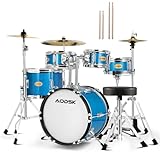
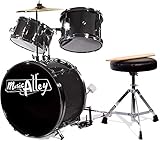
Detailed Product Reviews
Why $500 Is the Sweet Spot for Beginner Drum Sets
The $500 threshold represents a crucial inflection point in drum manufacturing. Below this price, manufacturers must make significant compromises in hardware durability, shell construction, and cymbal quality that often lead to equipment failure within months. Above it, you’re paying for features beginners don’t yet need—premium woods, professional-grade hardware, and boutique finishes that won’t improve your technique.
At the $500 mark, you’re accessing kits built with sustainable poplar shells, double-braced hardware that won’t collapse mid-practice, and cymbals that actually resemble musical instruments rather than trash can lids. This budget also typically includes all necessary components—bass drum, snare, toms, cymbals, stands, pedals, and throne—eliminating hidden costs that derail most first-time buyers.
Understanding Drum Set Configurations
The Standard 5-Piece Setup Explained
Most beginner kits under $500 center around the classic 5-piece configuration: bass drum (22"), snare drum (14"), two mounted toms (12" and 13"), and a floor tom (16"). This layout mirrors what you’ll encounter in 90% of instructional materials and band settings. The beauty of this standardization means your muscle memory transfers seamlessly when you eventually upgrade.
The snare deserves special attention—it’s your primary voice and the most played drum. At this price point, expect a steel-shell snare that’s bright and responsive. While not as warm as maple or brass, a properly tuned steel snare will serve you through your first several years of development.
Compact vs. Full-Size: What Beginners Need to Know
Compact kits with smaller bass drums (18"-20") and shallower toms have flooded the budget market, marketed as “space-saving” solutions. While appealing for apartment dwellers, these can hinder your technique development. The reduced air volume in smaller shells produces a boxy, less dynamic tone that masks subtle improvements in your touch.
Full-size kits teach you proper striking angles and force transmission. That 22" bass drum develops your foot technique correctly, while standard-depth toms reward proper stick control with full, resonant tones. Unless space constraints are absolutely non-negotiable, prioritize a full-size configuration for your foundational years.
Key Components Every Beginner Set Must Include
A true “complete” kit at this price should contain nine essential pieces: bass drum, snare drum, three toms, hi-hat cymbals with stand, crash cymbal with stand, ride cymbal with stand, bass drum pedal, snare stand, and throne. Beware of “shell packs” that omit hardware or cymbals—the initial savings evaporate when you’re forced to purchase these separately at premium prices.
The throne is particularly critical. A wobbly, height-adjustable throne included in many budget bundles can cause back pain and poor posture that leads to chronic injuries. Ensure any kit you consider includes a throne with a sturdy, double-braced base and adequate padding. Your spine will thank you after those 2-hour practice sessions.
Shell Materials: What Your Drums Are Made Of Matters
Poplar: The Budget-Friendly Workhorse
Poplar dominates the sub-$500 category for good reason. This fast-growing hardwood delivers balanced tone with warm lows and controlled highs, making it incredibly forgiving for beginners still developing touch sensitivity. Its density is lower than maple or birch, which means manufacturers can use slightly thicker shells without adding prohibitive cost—resulting in drums that stay in tune and withstand the enthusiastic (read: heavy-handed) playing style common among newcomers.
The key advantage? Consistency. Poplar shells from reputable manufacturers offer predictable sound quality across an entire kit, eliminating the tonal mismatch that plagues some budget offerings.
Basswood and Other Alternatives
Some kits in this range utilize basswood, an even softer wood that’s easier to shape but yields a duller, less articulate tone. While acceptable for practice pads and very entry-level kits, basswood shells often lack the projection needed for jamming with other musicians. They can sound “choked” even when properly tuned, which might discourage you as your ear develops.
Occasionally, you’ll encounter mahogany or luan (often marketed as “select hardwoods”). These are essentially poplar’s cousins—acceptable but not exceptional. The real differentiator isn’t the wood species itself but the quality of the bearing edges (the angled cut where the drum head meets the shell). Even the finest wood sounds terrible with poorly cut edges, so prioritize manufacturers known for precise shell construction over exotic wood marketing.
Hardware Quality: The Foundation of Your Drumming Experience
Hardware separates disposable toy kits from real musical instruments. Double-braced stands are non-negotiable—they feature two parallel metal tubes in each leg, creating a tripod that won’t buckle when you crash a cymbal. Single-braced hardware, while lighter and cheaper, transmits vibration through the floor and collapses under aggressive playing.
Test the cymbal stands’ tilter mechanisms. They should move smoothly and lock firmly without slipping. The bass drum pedal should have a chain or belt drive (avoid direct-drive at this price—they’re rarely implemented well) with adjustable spring tension. A pedal that feels mushy or unresponsive will sabotage your timing development.
Cymbals: The Make-or-Break Factor
Here’s the harsh truth: most sub-$500 kits include cymbals that are, at best, practice-worthy. Manufacturers often bundle ultra-thin brass cymbals (typically 80% copper, 20% zinc) that sound harsh and crack easily. These are your first upgrade target, but you need them to be functional out of the box.
Look for cymbals described as “sheet bronze” or B8 alloy (92% copper, 8% tin). While not professional grade, B8 cymbals produce a musical tone and can survive beginner-level playing. The hi-hats should be at least 13" (14" is standard), the crash 16", and the ride 20". Anything smaller compromises the frequency range you need to develop a balanced playing style.
Drum Heads and Tuning Potential
Factory-installed heads on budget kits are universally mediocre—thin, single-ply films chosen for cost, not tone. However, they should be tunable. Press gently in the center of each head; it should feel taut, not squishy. The head should seat evenly on the bearing edge without visible wrinkles.
The real test is the tuning range. With a drum key, tighten each lug a quarter turn. The pitch should rise smoothly and evenly. If you encounter lugs that won’t turn or produce no pitch change, the hardware is stripped or the head is defective. A kit that won’t tune is a kit that won’t inspire you to play.
Size Matters: Choosing the Right Drum Dimensions
Bass drum depth affects both tone and pedal feel. A 22" x 16" or 22" x 18" bass drum provides the classic punch and low-end thump that defines rock, pop, and jazz. Shallower 22" x 14" kick drums appear in some budget lines—they’re easier to transport but sacrifice the fundamental tone that makes acoustic drums satisfying to play.
Tom sizes follow similar logic. Standard depths (12" x 9", 13" x 10", 16" x 16") ensure proper resonance. “Fast” toms with reduced depth (12" x 7", for example) are easier to position but sound boxy and lack the sustain needed for dynamic playing. As a beginner, you want drums that respond to your learning curve, not ones that hide your mistakes.
The Importance of Throne Quality (Often Overlooked)
Your throne is the only piece of drum equipment that directly contacts your body for extended periods. A poor throne causes fatigue, back pain, and ultimately, less practice time. In the sub-$500 category, expect a basic round throne with vinyl covering and medium-density foam.
The critical spec is the base. A tripod with double-braced legs and a wide stance (at least 20" diameter when fully extended) prevents wobbling. The height adjustment should use a memory lock—a metal collar that clamps to the post, preventing the throne from slowly sinking during play. If the kit you’re considering has a spindle-style adjustment without a memory lock, budget $50 for a better throne immediately. Your posture is too important to compromise.
New vs. Used: Navigating the Pre-Owned Market
A used intermediate kit from a premium brand can outperform a new budget kit, but only if you know what to inspect. Check bearing edges for dents or flat spots—run your finger along the edge; it should feel smooth and consistent. Inspect each lug for stripped threads by gently tightening with a key. Peer inside the shells for cracks, especially around the lug mounts.
Cymbal condition is trickier. Look for keyholing (an elongated center hole from stand wear), edge cracks, and bell cracks. Tap each cymbal lightly with a stick; it should produce a clear, ringing tone without buzzing or rattling. However, buying used requires immediate replacement of heads ($100+ investment) and often missing hardware pieces. For absolute beginners without technical knowledge, a new kit with warranty often provides better long-term value.
Essential Accessories to Factor Into Your Budget
That $500 price tag is just the starting line. You’ll need a drum key ($5), stick bag ($15), and at least three pairs of sticks ($30) in varying sizes (5A, 5B, 7A) to find your preference. A practice pad ($25) is non-negotiable for silent technique work.
Consider dampening tools like Moon Gels ($8) or studio rings ($20) to control overtones in untreated rooms. If you’re in an apartment, mesh heads ($80 for a full set) or drum mutes ($50) will preserve neighborly relationships. These accessories often push your actual first-year investment to $650-$700—plan accordingly rather than discovering these needs post-purchase.
Brand Reputation and Warranty Considerations
Established drum companies stake their reputation on entry-level kits because they know these instruments create lifelong customers. Look for brands offering at least a one-year warranty on shells and hardware, with 90 days on cymbals. This warranty period reveals the manufacturer’s confidence in their product.
Customer service accessibility matters. Can you order replacement parts directly? Are there tutorial videos for setup and maintenance? Companies investing in beginner education typically produce more thoughtfully designed kits. Avoid brands with no online presence or those sold exclusively through third-party marketplaces—if you can’t find support information, you’re buying a disposable product.
Sound Optimization Tips for Budget Kits
Even the best sub-$500 kit needs optimization. First, replace the resonant heads (the bottom heads) with single-ply clear heads if they’re factory-installed cheapies—this single $40 upgrade dramatically improves tom sustain and tone. Next, invest in quality snare wires ($20); the stock wires on budget snares are often flimsy and choked.
Experiment with tuning intervals. Try tuning your toms to perfect fourths (like the opening of “Here Comes the Bride”) for melodic fills. For the bass drum, a small pillow touching both heads controls boom without killing resonance. These tweaks transform a boxy-sounding kit into a musical instrument that inspires daily practice.
Common Beginner Mistakes to Avoid
The number one error is prioritizing finish over function. That glittery blue kit might match your aesthetic, but if the hardware is single-braced and the cymbals are paper-thin brass, you’ll outgrow it in months. Another pitfall is buying a “junior” kit to save space—undersized drums teach improper technique that’s difficult to unlearn.
Don’t fall for expansion packs promising “professional sound.” A $500 kit with $200 of add-on toms is still a $500 kit at its core. Instead, master the standard configuration first. Finally, resist the urge to immediately replace everything. Play the kit stock for three months; your developing ear will tell you exactly what needs upgrading, preventing wasteful spending on components you didn’t actually need to change.
Setting Up Your First Kit for Success
Proper setup prevents injury and accelerates learning. Position your throne so your thighs slope slightly downward, with your feet flat on the floor. The snare should sit 1-2 inches above your knee, centered between your legs. Your hi-hat cymbals should align with your snare height, allowing smooth transitions between the two.
Angle your toms so they face slightly toward you, not flat and parallel to the floor—this reduces stick angle strain on your wrists. The ride cymbal should hover just above your floor tom, reachable without stretching. Take 30 minutes to experiment with positioning; a kit tailored to your body feels like an extension of yourself, while a poorly positioned setup fights you every stroke.
Frequently Asked Questions
Can I really get a gig-worthy drum set for under $500?
Absolutely, but with realistic expectations. A well-tuned budget kit with upgraded heads can handle coffee shop gigs, church services, and small club shows. The cymbals will be your limiting factor; consider budgeting an additional $200 for a used professional cymbal pack within six months if you start performing regularly.
How long will a $500 drum set last before I need to upgrade?
With proper care, the shells themselves can last decades. Hardware typically shows wear after 2-3 years of heavy playing, though double-braced stands often survive longer. Most beginners find the cymbals and snare drum become limiting around the 12-18 month mark as their technique and ear improve. Plan for incremental upgrades rather than a complete replacement.
Should I buy electronic drums instead at this price point?
Electronic kits around $500 suffer from worse compromises than acoustic sets—unresponsive rubber pads, limited dynamic range, and module sounds that discourage nuanced playing. Acoustic drums teach proper stick control, dynamics, and tuning skills that transfer to any drumming situation. Only choose electronic if noise is an absolute dealbreaker and you can stretch to $800+ for a quality mesh-head kit.
What’s the first thing I should upgrade on a budget kit?
Replace the bass drum pedal if it feels sluggish. A smooth, responsive pedal ($80-$120) immediately improves your timing and foot technique. Second, upgrade the snare drum heads to a coated batter head and clear resonant head ($30 total). This transforms your primary voice from boxy to professional-sounding.
Are bigger drums always better for beginners?
Not necessarily. While full-size drums are recommended, oversized drums (24" bass drums, 18" floor toms) can be physically overwhelming and difficult to tune properly. Stick to standard sizes: 22" bass drum, 14" snare, 12"/13"/16" toms. These dimensions offer the best balance of playability, tone, and long-term versatility.
How do I know if a kit’s hardware is double-braced?
Look at the legs of each stand. Double-braced hardware has two parallel metal tubes forming each leg, creating a wide, stable base. Single-braced stands use a single tube that bends into a narrow tripod. If product photos are unclear, check the weight spec—double-braced stands typically weigh 6-8 lbs each versus 3-4 lbs for single-braced.
Can I mix and match components from different brands?
Yes, and it’s encouraged as you upgrade. Drum sizes are largely standardized, so a Pearl snare works on a Yamaha stand. Cymbal stands are universal. The only exception is tom mounting systems—some brands use proprietary mounts. However, most budget kits use standard L-arms or tom holders that fit any brand’s hardware.
What’s the deal with bearing edges, and can I check them without tools?
Bearing edges are the angled cuts on the shell’s top and bottom that contact the drum head. They’re crucial for tone. Without tools, visually inspect the edge under good lighting—it should appear smooth and consistent, not wavy or chipped. Run your fingernail gently around the edge; you shouldn’t feel sharp points or flat spots. Poor edges kill sustain and make tuning impossible.
Is it worth buying a kit with more drums (like a 7-piece) for the same price?
No. A 7-piece kit at $500 means severe compromises in hardware and cymbal quality. Those extra toms use the same budget that should have gone to a better snare or double-braced stands. Master the standard 5-piece first. Additional drums are a distraction until you’ve developed solid fundamentals on the core voices.
How much should I budget for drum heads each year?
Plan on $80-$120 annually. Replace your snare batter head every 4-6 months depending on play time, and tom batter heads every 8-12 months. Resonant heads last 2-3 years. As a beginner, you’ll hit harder and less accurately, wearing heads faster. Learning proper tuning extends head life significantly, so invest time in mastering that skill before spending money on frequent replacements.
See Also
- Top 10 Best Acoustic Drum Sets for Beginners in 2026
- 10 Game-Changing Compact Acoustic Drum Sets for Coffee Shops in 2026
- How to Choose the 10 Best Acoustic Drum Sets for Recording in 2026
- Top 10 Acoustic Drum Sets for Vintage Tone Seekers Who Love 60s Sound
- 10 Electronic Drum Sets with Mesh Heads That Feel Like Acoustic Skins in 2026