Table of Contents
So you’ve unboxed your first electric guitar, felt the weight of it in your hands, and maybe even fumbled through your initial chords. Now comes the equally exciting—and potentially overwhelming—quest for your first amplifier. The right combo amp doesn’t just make your guitar louder; it becomes your sonic laboratory, practice companion, and possibly your stage partner for years to come. But here’s the catch: most beginners either buy something they’ll outgrow in six months, or they overspend on features they won’t use for years.
The sweet spot? A growth-friendly combo amp that respects your beginner budget while hiding professional-grade potential under the hood. These are amplifiers designed with enough flexibility to remain relevant as your technique evolves, your ear refines, and your musical tastes mature. Think of it as buying a guitar with a comfortable neck that you’ll still love playing after you’ve mastered barre chords—except this time, it’s your tone we’re talking about.
Top 10 Beginner Combo Amps
Detailed Product Reviews
1. Fender Mustang LT25 Guitar Amp, 25-Watt Combo Amp, with 2-Year Warranty, 30 Preset Effects with USB Audio Interface for Recording

Overview: The Fender Mustang LT25 delivers 25 watts of versatile digital amplification in a compact footprint. This combo amp pairs an 8-inch Fender Special Design speaker with a user-friendly interface featuring a 1.8-inch color display, making it ideal for bedroom practice and home recording. With 30 preset effects covering everything from pristine cleans to high-gain distortion, it serves as an excellent launching pad for beginners exploring different genres while offering enough depth for intermediate players to craft their signature sounds.
What Makes It Stand Out: The integrated USB audio interface sets this amp apart, allowing direct recording to your computer without additional hardware. The color display simplifies preset navigation far better than traditional LED segments, while Fender’s proprietary modeling technology captures authentic amp tones. The 30 preloaded presets provide instant access to classic Fender sounds and modern high-gain options, eliminating the need for external pedals during practice sessions.
Value for Money: Priced competitively in the entry-level digital amp market, the LT25 offers exceptional value by combining amplifier, effects processor, and recording interface in one unit. Competing products often require separate purchases for USB recording or lack Fender’s authentic voicings, making this a cost-effective solution for home recording enthusiasts.
Strengths and Weaknesses: Pros include intuitive operation, diverse effects, silent recording capability, and robust two-year warranty. The USB interface works seamlessly with popular DAWs. Cons are the 8-inch speaker’s limited bass response, 25 watts insufficient for live gigs, and plastic construction that feels less durable than vintage Fender gear. The power switch location can be awkward.
Bottom Line: The Mustang LT25 excels as a practice and recording amp, delivering professional features at a beginner-friendly price. Its USB recording capability and authentic Fender tones make it a smart investment for home musicians.
2. Fender Squier Debut Series Stratocaster Electric Guitar Kit, Beginner Guitar Kit, with 2-Year Warranty, with Padded Gig Bag, Frontman 10G Amp, Strap, and More, Includes Free Lessons, Black

Overview: This comprehensive starter package delivers everything needed to begin your electric guitar journey. The bundle centers around the Squier Debut Series Stratocaster, a lightweight instrument with a comfortable “C”-shaped neck and laurel fingerboard. Paired with the Frontman 10G amplifier, padded gig bag, strap, cable, picks, stand, and spare strings, it eliminates the guesswork of assembling a rig piecemeal. Fender includes a free subscription to Fender Play, providing structured lessons for all skill levels.
What Makes It Stand Out: Few starter kits match the pedigree of genuine Fender design and the inclusion of Fender Play lessons. The Stratocaster’s three single-coil pickups with five-way switching deliver authentic tones that inspire practice. The complete accessory package means you can unbox and play immediately without additional purchases. The two-year warranty backing both guitar and amp demonstrates Fender’s confidence in their entry-level instruments.
Value for Money: This kit offers remarkable savings compared to purchasing components separately. The guitar alone rivals competitors in the sub-$200 range, while the amp and accessories add significant value. The included Fender Play subscription, typically costing $10 monthly, represents substantial long-term educational value that competing bundles rarely match.
Strengths and Weaknesses: Strengths include authentic Stratocaster styling, comfortable playability, comprehensive accessories, and quality instruction. The lightweight body reduces fatigue during long practice sessions. Weaknesses are the Frontman 10G’s limited 10-watt power and basic tone, the guitar may require professional setup out of the box, and advanced players will quickly desire higher-end components.
Bottom Line: This is the definitive starter package for aspiring Stratocaster players, combining iconic design, essential accessories, and quality instruction at an unbeatable entry-level price point.
3. Fender Rumble 25 V3 Bass Amplifier, Bass Combo Amp, 25 Watts, with 2-Year Warranty, 8 Inch Speaker, with Overdrive Circuit and Mid-Scoop Contour Switch

Overview: The Fender Rumble 25 V3 packs serious low-end punch into a compact, lightweight combo perfect for bedroom practice and small jam sessions. Delivering 25 watts through an 8-inch Fender Special Design speaker, this amp features a three-band EQ for precise tone shaping. The newly-developed overdrive circuit adds gritty growl, while the mid-scoop contour switch instantly modernizes your sound. Auxiliary input and headphone output enable silent practice with backing tracks.
What Makes It Stand Out: The overdrive circuit delivers authentic tube-like saturation rarely found in practice amps this size. The contour switch provides instant tone transformation, making it easy to dial in modern slap sounds or vintage thump. Fender’s top-mount control panel with ivory soft-touch knobs offers superior ergonomics compared to rear-mounted competitors. The amp’s remarkably light weight makes it ideal for transport between practice spaces.
Value for Money: In the crowded entry-level bass amp market, the Rumble 25 distinguishes itself with genuine Fender tone-shaping capabilities at a competitive price point. While similarly powered alternatives exist, few offer the combination of overdrive, contour switching, and Fender’s two-year warranty, making it a reliable long-term investment for developing bassists.
Strengths and Weaknesses: Pros include excellent tone controls, satisfying overdrive, silent practice capability, and professional aesthetics. The lightweight design and sturdy cabinet construction impress. Cons are the 25-watt power limiting it to solo practice, the 8-inch speaker lacking deep sub-bass frequencies, and absence of an XLR direct output for recording or live use. The power indicator light is dim.
Bottom Line: The Rumble 25 V3 stands as the premier practice amp for bassists seeking authentic Fender tone and versatile sound-shaping features without breaking the bank.
4. Rockville G-AMP 20W Guitar Amplifier Combo with Bluetooth, Delay, Dual Guitar Inputs, Clean/Overdrive, EQ Controls, Portable for Practice and Small Gigs

Overview: The Rockville G-AMP 20W delivers surprising versatility in a budget-friendly package designed for practice and intimate performances. This compact combo pushes 20 watts through a 6.5-inch speaker, offering clean and overdrive channels with three-band EQ. Bluetooth connectivity allows wireless backing track streaming, while the built-in delay effect adds professional ambience. Dual guitar inputs enable teacher-student jamming or duo practice without additional equipment.
What Makes It Stand Out: Bluetooth integration at this price point is exceptional, eliminating cable clutter during practice. The dual-input configuration is a standout feature for instructors and collaborative players. The delay effect, typically requiring a separate pedal, adds significant value. Metal corner protectors and a sturdy carry handle enhance portability and durability beyond typical budget amps.
Value for Money: This amp dramatically undercuts competitors while offering premium features like Bluetooth and dual inputs. Comparable amps from major brands cost significantly more, making the G-AMP an outstanding choice for budget-conscious players. The feature set rivals amps costing twice as much, delivering remarkable bang for your buck.
Strengths and Weaknesses: Strengths include wireless connectivity, dual inputs, built-in delay, and exceptional portability. The 3-band EQ provides adequate tone shaping for practice. Weaknesses are the unproven brand longevity, 20 watts limiting volume, 6.5-inch speaker compromising bass response, and absence of recording outputs. Build quality, while decent, doesn’t match Fender’s standards.
Bottom Line: For players prioritizing features and affordability over brand prestige, the Rockville G-AMP delivers impressive functionality that makes practice more engaging and convenient.
5. Fender Squier Debut Series Precision Bass Guitar Pack, Beginner Guitar Pack, 2-Year Warranty, Includes Rumble 15 Amplifier, Padded Gig Bag, Instrument Cable, and More, Black with Satin Urethane Finish

Overview: This all-inclusive bass starter pack delivers the iconic Precision Bass experience in a beginner-friendly bundle. The Squier Debut Series P-Bass features a comfortable “C”-shaped neck, laurel fingerboard, and lightweight body for extended playing comfort. The split-coil pickup produces authentic punchy tones. The package includes a Rumble 15 amplifier, padded gig bag, cable, picks, clip-on tuner, stand, and spare strings, plus a free Fender Play subscription for guided lessons.
What Makes It Stand Out: The Precision Bass design offers timeless tone that remains relevant as skills advance. The included clip-on tuner is a practical addition often omitted from competitor packs. Fender Play’s bass-specific lessons provide structured learning unmatched by generic YouTube tutorials. The vintage-style open-gear tuning machines add authentic aesthetics while ensuring stable tuning.
Value for Money: This pack represents exceptional savings versus individual purchases. The Precision Bass alone justifies the price, with the amp and accessories providing tremendous added value. The Fender Play subscription delivers ongoing educational content that accelerates learning. Competing bass starter packs rarely match this combination of quality instrument, comprehensive accessories, and professional instruction.
Strengths and Weaknesses: Pros include authentic P-Bass tone, comfortable playability, complete accessory package, and quality instruction. The lightweight body reduces shoulder strain. Cons are the Rumble 15’s limited 15-watt power, the bass may need professional setup, and advanced players will eventually desire higher-output pickups. The small amp limits low-frequency depth.
Bottom Line: This is the ultimate entry point for aspiring bassists, providing professional tone, essential gear, and structured learning in one convenient, value-packed bundle.
6. GLARRY Electric Guitar Amp, Portable Guitar Tube Amp with Headphone MP3 Input, 20W Practice Guitar Combo Amplifier Speaker Accessories with Bass, Volume, Treble, and Middle Controls
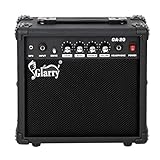
Overview: The GLARRY 20W Electric Guitar Amp positions itself as a portable practice solution for guitarists needing decent tone in a compact package. With its 6.5-inch speaker and three-band EQ, it aims to deliver clear sound reproduction for home practice and small jam sessions. The inclusion of a headphone jack and MP3 input makes it versatile for silent practice and playing along with backing tracks.
What Makes It Stand Out: This amp distinguishes itself through genuine portability—weighing just 6.61 pounds with an integrated belt clip for true mobility. The hard rubber edge protection is a thoughtful touch rarely seen at this price point, preventing damage during transport. The built-in overdrive circuit provides instant distortion without requiring external pedals, while the stable voltage design claims to minimize unwanted noise. The three-band EQ (bass, middle, treble) offers more tonal shaping than many budget practice amps.
Value for Money: Priced competitively within the entry-level practice amp category, the GLARRY offers features typically found in more expensive units. Similar amps from established brands often lack the protective rubber edging and belt clip convenience. While 20 watts won’t fill a venue, it’s perfectly adequate for practice and bedroom playing, making it a cost-effective alternative to larger, more expensive amplifiers for beginners.
Strengths and Weaknesses: Strengths include excellent portability, useful EQ controls, silent practice capability, durable construction, and the convenient overdrive switch. Weaknesses involve potentially misleading “tube amp” marketing (this is solid-state), limited power for performances, and a basic 6.5-inch speaker that may lack depth. The tone quality, while clear, won’t satisfy experienced players seeking rich harmonics.
Bottom Line: The GLARRY 20W amp is an excellent practice companion for beginners and intermediate players prioritizing portability and convenience. It’s not a stage-ready amplifier, but for home practice and learning, it delivers solid value with thoughtful features that make daily playing more enjoyable.
7. Fojill Full Size 4 Four String Electric Bass Guitar 20W Amplifier Amp Right Hand Beginner Starter Kit Set Combo Bundle Accessory Gig Bag,Strap,Picks,Capo,Noiselss Cable,Strings (Black)
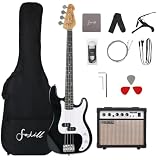
Overview: The Fojill bass starter kit delivers a complete entry-point solution for aspiring bassists, bundling a full-size four-string bass with a 20-watt practice amplifier and essential accessories. The package includes a gig bag, strap, picks, capo, noiseless cable, and extra strings—everything needed to start playing immediately. The bass features a maple neck, rosewood fretboard, and lightweight paulownia body designed for comfortable learning.
What Makes It Stand Out: This kit’s comprehensive nature eliminates guesswork for beginners. The included “noiseless” cable addresses common grounding issues that frustrate new players, while the 600D padded gig bag offers superior protection compared to thin bags typically included in budget bundles. The phoenix wood body (referred to as paulownia in some descriptions) provides exceptional lightness, reducing shoulder fatigue during practice sessions. The amplifier’s removable power cord is a practical detail often overlooked in entry-level gear.
Value for Money: As an all-in-one package, this kit represents significant savings over purchasing components separately. Individual budget basses, practice amps, and accessories would easily exceed the kit’s price. While each component is entry-level, the collective value is undeniable for beginners testing their commitment. The thicker padded bag alone adds considerable worth, protecting the investment better than standard issue alternatives.
Strengths and Weaknesses: Strengths include complete accessory inclusion, lightweight body design, noiseless cable, robust gig bag, and immediate playability. Weaknesses involve entry-level hardware quality, soft wood bodies prone to dents, basic amplifier tone, and setup likely requiring professional adjustment. The bass won’t satisfy intermediate players, but serves its beginner purpose.
Bottom Line: Perfect for absolute beginners, this Fojill kit removes all barriers to entry. If you’re uncertain about pursuing bass long-term, it’s an affordable, complete solution. Serious students may outgrow it quickly, but it’s an ideal low-risk starting point.
8. Fojill Full Size 4 Four String Electric Bass Guitar 20W Amplifier Amp Right Hand Beginner Starter Kit Set Combo Bundle Accessory Gig Bag,Strap,Picks,Capo,Noiselss Cable,Strings (Cream)

Overview: The Fojill cream-colored bass starter kit mirrors its black counterpart, offering a complete entry package for new bassists. This bundle includes a full-size four-string bass, 20-watt amplifier, and comprehensive accessory set—gig bag, strap, picks, capo, noiseless cable, and spare strings. The instrument features a maple neck, rosewood fretboard, and lightweight paulownia body, while the cream finish provides an aesthetic alternative to traditional black.
What Makes It Stand Out: Beyond the complete accessory package, the cream finish offers visual distinction in a sea of black beginner instruments. The kit maintains the same practical advantages: a noiseless cable preventing hum frustrations, a 600D padded gig bag for superior protection, and an ultra-light phoenix/paulownia body reducing practice fatigue. The amplifier’s headphone jack enables silent practice, crucial for apartment dwellers.
Value for Money: Identical to the black version in features and pricing, this kit delivers exceptional value for beginners. The cream finish typically commands no premium, making it purely an aesthetic choice. The bundled approach saves approximately 30-40% versus separate purchases of comparable entry-level gear. The thicker gig bag remains a standout value component, offering protection that extends the instrument’s lifespan.
Strengths and Weaknesses: Strengths include the complete ready-to-play package, lightweight construction, hum-free cable, robust padding, and distinctive cream finish option. Weaknesses match the black version: entry-level hardware requiring eventual upgrades, soft wood bodies vulnerable to damage, and a basic amplifier with limited tonal depth. The cream finish may show dirt more readily than black.
Bottom Line: Functionally identical to the black model, choose this cream version based purely on aesthetic preference. It remains an outstanding value for beginners seeking a complete, low-risk entry into bass playing with a slightly unique visual appeal.
9. Fojill Full Size 4 Four String Electric Bass Guitar 10W Battery Power Bluetooth Amplifier Amp Beginner Starter Kit Set Combo Bundle Package Accessory Bag,Picks,Capo,Cable,Strings(Black)

Overview: The Fojill Bluetooth bass kit elevates the beginner package with modern connectivity and true portability. Featuring a full-size bass with upgraded mahogany body and bone nut, this set includes a 10-watt rechargeable amplifier with Bluetooth streaming and a 15-hour battery life. The bundle contains a gig bag, strap, picks, capo, cable, and extra strings, targeting tech-savvy newcomers who value wireless convenience.
What Makes It Stand Out: The battery-powered Bluetooth amplifier is the star, enabling practice anywhere without AC power while streaming backing tracks from a phone. This eliminates cable clutter and location constraints. The mahogany body and bone nut represent significant upgrades from typical beginner materials, offering richer tone and better sustain. European maple neck and real rosewood fretboard further distinguish this from entry-level laminates.
Value for Money: While pricier than the standard 20W kit, the premium is justified by Bluetooth capability, battery operation, and superior wood selection. Comparable battery-powered amps alone cost nearly half this entire package. For beginners wanting modern features without multiple purchases, it consolidates convenience and quality. The bone nut and mahogany body provide tonal benefits that remain relevant as skills progress.
Strengths and Weaknesses: Strengths include wireless Bluetooth connectivity, 15-hour battery life, superior tonewoods, bone nut for sustain, and complete accessory package. Weaknesses involve the lower 10-watt output limiting clean headroom, potential Bluetooth latency issues, added weight from batteries, and charging management complexity for beginners. The smaller speaker may lack low-end depth compared to the 20W version.
Bottom Line: Ideal for beginners prioritizing portability and modern features, this kit seamlessly integrates technology with improved tonewoods. The Bluetooth battery amp justifies the upgrade cost, making it perfect for mobile practice, though purists may prefer the simpler 20W version’s straightforward approach.
10. Fojill 39 Inch Electric Guitar Kit Set Beginner Starter Combo Package Bundle 20W Amplifier Amp Accessory Padded gig Bag,Picks, Cable,Strap,Extra Strings

Overview: The Fojill 39-inch electric guitar kit adapts the brand’s bass bundle formula for six-string beginners, offering a complete starter package. This set includes a full-size electric guitar with maple neck, paulownia body, and rosewood fretboard, paired with a 20-watt amplifier and essential accessories: padded gig bag, strap, picks, cable, and spare strings. Designed for immediate playability, it targets new guitarists seeking convenience.
What Makes It Stand Out: This kit transfers the bass package’s strengths to electric guitar, emphasizing lightweight paulownia construction that’s 30% lighter than traditional woods, reducing fatigue for younger players. The 20-watt amplifier includes distortion, bass, and treble controls—more comprehensive than typical starter amps. The noiseless cable and 600D padded gig bag, inherited from the bass kits, provide unexpected quality at this price point.
Value for Money: As an all-inclusive bundle, it eliminates the component-matching confusion that overwhelms beginners. Purchasing a comparable guitar, amp, and accessories separately would cost significantly more. The thicker gig bag alone represents a $30-40 value, making the package price compelling. While individual components are entry-level, the collective convenience and immediate playability justify the investment for uncertain beginners.
Strengths and Weaknesses: Strengths include complete accessory inclusion, ultra-lightweight body, noise-free cable, robust gig bag, and ready-to-play setup. Weaknesses involve soft paulownia wood prone to dents, basic hardware requiring future upgrades, entry-level pickup quality, and an amplifier that lacks the warmth serious players seek. The guitar may need professional setup for optimal playability.
Bottom Line: An excellent launchpad for aspiring guitarists, this Fojill kit removes every obstacle to starting. It’s not built for lifelong use, but provides exceptional value for beginners testing their musical interest. Serious students will eventually upgrade, but it’s a perfect low-risk introduction to electric guitar.
What Defines a “Growth-Friendly” Combo Amp?
A growth-friendly combo amp isn’t simply a cheap amp with a famous brand name slapped on it. It’s a carefully engineered piece of gear that balances accessibility with depth. The hallmark of these amplifiers lies in their ability to sound great at bedroom volumes while offering enough tonal complexity to keep you discovering new sounds years down the line. They typically feature intuitive controls that don’t intimidate newcomers but hide advanced functionality that reveals itself as your knowledge expands.
The most crucial element is scalability—both in terms of volume and features. An amp that can handle practice sessions, jam with friends, and potentially mic up for small gigs gives you three amplifiers in one. The best models include features like aux inputs for backing tracks, headphone outputs for silent practice, and direct recording capabilities that become invaluable when you start creating your own music. These amps understand that today’s bedroom guitarist is tomorrow’s bedroom producer.
Understanding Wattage: Finding Your Sweet Spot
Wattage numbers on amplifiers create more confusion than clarity for beginners. The common misconception is that more watts automatically equal better tone, but the relationship is far more nuanced. A 15-watt tube amp can deafen you in a small room, while a 100-watt solid-state model might struggle to cut through a band mix. For growth-friendly purposes, the magic lives in the 20-50 watt range for solid-state and digital amps, or 10-20 watts for tube circuits.
These power ratings provide enough clean headroom for pedals and dynamic playing while remaining manageable at home. Crucially, many modern amps include power scaling or attenuation features that let you drop the wattage for late-night practice sessions. This flexibility means you’re not stuck with an amp that’s either too quiet for band practice or too loud for apartment living. The key is finding an amp where the wattage serves your playing contexts rather than limiting them.
Tube vs. Solid-State vs. Digital: The Real Differences
The amplifier technology debate has raged for decades, but for the growth-minded beginner, each type offers distinct advantages. Tube amps provide that responsive, dynamic feel that makes your guitar seem alive in your hands. They naturally compress and saturate in musical ways, teaching you about touch sensitivity and pick attack. However, they require maintenance, are generally heavier, and often lack modern conveniences.
Solid-state amps deliver reliability and consistency. They sound the same every time you power them on, require minimal maintenance, and typically cost less. Digital modeling amps represent the ultimate growth tool, packing dozens of classic amp simulations and effects into a single package. They let you explore everything from pristine cleans to high-gain metal tones, helping you discover your sonic identity without buying multiple amps. The “best” choice depends on whether you value organic feel, bulletproof reliability, or sonic versatility most.
Built-In Effects: Learning Tools, Not Crutches
Multi-effects built into combo amps often get dismissed as toys, but they function as an invaluable education in tone shaping when implemented thoughtfully. A growth-friendly amp provides quality over quantity—perhaps a handful of genuinely usable effects rather than 100 mediocre ones. Reverb and delay teach you about spatial depth and timing. Modulation effects like chorus and tremolo introduce you to texture. Overdrive and distortion circuits show you gain staging.
The secret is choosing an amp where these effects are adjustable enough to be educational. Can you control the delay time, feedback, and mix level? Does the reverb offer different room sizes? These parameters turn preset effects into learning opportunities. As you advance, you’ll understand which effects you truly love and might want to invest in as standalone pedals, making the built-in versions your training wheels rather than your permanent solution.
The Effects Loop: Your Pedalboard’s Best Friend
Many beginners overlook the effects loop, but it’s a feature that separates practice amps from gig-ready machines. This input/output section sits between the preamp and power amp stages, allowing you to insert time-based effects (delays, reverbs, modulations) after the distorted preamp section. Why does this matter? It creates clearer, more professional-sounding tones and prevents your delay repeats from turning into mud.
An amp with an effects loop signals that the designers expect you to eventually build a pedalboard. It shows foresight—recognizing that today’s beginner might be tomorrow’s tone chaser. Even if you’re not using pedals yet, having this feature means you won’t need to upgrade your amp when you buy your first delay pedal six months from now. It’s the ultimate growth-friendly inclusion that costs manufacturers little but adds tremendous future-proofing value.
Speaker Size and Configuration: The Voice of Your Tone
That 8-inch speaker in your bargain practice amp might work for scales and exercises, but it will box in your tone as you progress. Growth-friendly combo amps typically feature 10-inch or 12-inch speakers—the industry standard for a reason. Larger speakers move more air, produce fuller low-end, and handle higher volumes without farting out. A 12-inch speaker especially provides that authoritative voice that makes power chords feel substantial and single notes sing.
Some advanced combos offer extension speaker outputs, letting you add a second cabinet later. This transforms your practice amp into a modular system. Imagine starting with a 1x12 combo, then adding a 2x12 extension cab for gigs. Suddenly, your beginner amp has become the head of a serious rig. The speaker’s character—its efficiency, frequency response, and breakup characteristics—ultimately shapes your tone as much as the amp circuitry itself.
EQ Controls: More Than Just Bass, Middle, and Treble
A simple three-knob EQ section works perfectly fine for beginners, but growth-friendly amps often include additional tone-shaping tools that reveal their power gradually. Presence controls affect high-frequency clarity and cut. Resonance knobs adjust low-end thump. Some amps feature contour controls that scoop mids with a single turn, while others include semi-parametric mid controls for surgical tone sculpting.
These advanced EQ options teach you how different frequency ranges interact. You’ll learn that boosting mids helps you cut through a mix, while excessive bass makes your tone muddy. An amp with a versatile EQ section becomes a masterclass in frequency management. Even better, some models include multiple voicing switches that fundamentally change the amp’s character—effectively giving you several amps in one box, each with its own learning curve and tonal palette.
Connectivity for the Modern Musician
Today’s guitarist needs more than a guitar input and a speaker output. Growth-friendly amps anticipate how you’ll actually use the tool in 2024 and beyond. An auxiliary input lets you jam along with songs from your phone, developing your timing and ear training. A headphone output with good cabinet simulation makes 11 p.m. practice sessions productive rather than relationship-ending.
USB connectivity has become non-negotiable for the aspiring recording artist. It allows direct digital recording to your computer, often with built-in amp and cabinet modeling that sounds better than miking your amp in an untreated room. XLR direct outs serve a similar purpose for live settings, letting you send a polished signal directly to the PA system. These features mean your practice amp doubles as a recording interface and gigging solution, growing with you into multiple musical contexts.
The Headphone Output: Silent Practice Revolution
Not all headphone outputs are created equal, and this feature alone can make or break a beginner’s practice consistency. A poorly implemented headphone jack sounds fizzy, harsh, and nothing like the amp’s speaker tone. Growth-friendly amps invest in quality cabinet simulation for their headphone circuits, using impulse responses or analog filtering to recreate the sound of a miked speaker.
This matters because consistent practice defines progress. If your amp sounds terrible through headphones, you’ll practice less in shared living spaces. Look for amps where the headphone out includes the same effects and tone controls as the main output. Some even let you load custom impulse responses, meaning your silent practice tone can be as inspiring as your cranked amp tone. This feature keeps you playing during life’s inevitable quiet hours, directly accelerating your growth.
Size, Weight, and the Portability Factor
That 60-watt 2x12 combo might sound glorious, but if you can’t carry it up a flight of stairs, it’ll become a bedroom fixture rather than a gigging companion. Growth-friendly amps strike a balance between tone and transportability. They typically weigh between 20-40 pounds—light enough for one person to manage but heavy enough to suggest serious components inside.
Consider where you’ll play in the next two years. Will you be taking lessons? Jamming with friends? Playing open mic nights? An amp that’s easy to transport gets played more often in more contexts, and more playing equals faster improvement. Some designs include clever features like tilt-back legs that angle the speaker upward for better monitoring, or detachable caster wheels that make rolling easier without sacrificing stability when stationary.
Build Quality: Investing in Longevity
That $99 special might seem like a smart entry point until the input jack fails after three months or the tolex starts peeling. Growth-friendly amps use proper metal chassis, reinforced corners, and quality control pots that withstand years of knob-twisting. The cabinet should feel solid, with no rattling or buzzing when you play loudly.
Check the speaker grill—metal mesh protects better than cloth. Examine the control knobs; they should turn smoothly without wobble. The handle should feel secure when you lift the amp. These details matter because a broken amp interrupts your practice routine and kills momentum. A well-built amp becomes a reliable tool that you can depend on for daily practice and weekend gigs alike, making it a true long-term investment rather than a disposable starter piece.
Budget Realities and Value Optimization
The concept of “beginner” pricing has shifted dramatically. While $150 can still get you a functional practice amp, the growth-friendly sweet spot typically falls between $250 and $500. This range unlocks features like quality effects, better speakers, and robust build quality without venturing into professional-tier pricing. It’s the difference between buying a tool you’ll replace and investing in a partner you’ll keep.
Consider cost-per-year of ownership. A $400 amp you use for five years costs $80 annually—cheaper than most music subscription services. Factor in resale value too; quality amps from reputable manufacturers retain 50-70% of their value if maintained. This means your “expensive” beginner amp might only cost you $150 when you eventually sell it, compared to a cheap amp that becomes landfill fodder. The initial investment pays dividends in tone, reliability, and retained value.
Navigating the Used Market Wisely
The used market offers incredible value for growth-minded players, but it requires knowledge and caution. A five-year-old quality combo often sells for half its original price but retains 90% of its functionality. The key is knowing what to inspect. Ask about the speaker’s condition—does it make any rubbing sounds when you push it gently? Test every knob and switch; scratchy pots might need cleaning, but silent controls could indicate deeper issues.
Check the effects loop jacks; corrosion here suggests poor storage conditions. For tube amps, inquire about recent tube changes and bias adjustments. Many sellers upgrade speakers or modify circuits, which can be either a bonus or a liability. The used route lets you afford a higher-tier amp with better growth potential, but always test thoroughly and buy from sellers with return policies or strong reputations. Your local music store’s used section often provides the best balance of price and security.
The In-Store Test: Your Most Important Research
Specs and reviews only tell half the story. The true test happens when you plug in your own guitar and play. Bring your instrument to the store—an amp that sounds stellar with a Strat might not suit your Les Paul. Play at multiple volumes; some amps sound glorious cranked but thin at low volumes, while others maintain their character across the dial. Test the clean channel’s headroom by strumming aggressively. Does it stay pristine or break up prematurely?
Spend time with the dirty channels too. A good overdrive should respond to your picking dynamics, cleaning up when you roll back your guitar’s volume knob. Check how intuitive the controls feel. Can you dial in a good tone quickly, or are you lost in menus and sub-menus? The best growth-friendly amps make great tone accessible immediately while rewarding deeper exploration. Don’t rush this process; plan to spend at least 30 minutes with each contender.
Setting Up Your Amp for Success
Your first few weeks with a new amp define your relationship with it. Start with the EQ at noon and all effects off. This establishes your baseline tone and helps you understand the amp’s natural voice. Gradually introduce effects one at a time, learning what each knob does to your sound. Keep a practice journal noting settings you love—this builds your tonal vocabulary.
Position your amp correctly. Placing it directly on the floor can make bass frequencies boom; elevating it on a stand or tilting it back often provides better clarity. Experiment with distance from walls, which can either reinforce or muddy your tone. Many beginners sabotage a great amp with poor placement. Take time to find the sweet spot in your practice space; your ears will thank you, and you’ll actually hear what your amp can do.
Growing Into Your Amp: Advanced Techniques
After six months of solid practice, your growth-friendly amp reveals its deeper potential. Start experimenting with the effects loop, even if you’re just running the amp’s built-in reverb through it to hear the difference in clarity. Learn about gain staging—how your guitar’s volume knob interacts with the amp’s input gain to create different shades of overdrive. Explore the upper and lower limits of the EQ controls; extreme settings teach you about frequency interaction.
If your amp has USB connectivity, dive into the recording software world. Layering guitar tracks teaches you about arrangement and how your tone sits in a mix. Try miking your amp instead of using the direct out; this develops your engineering ear. The amp that seemed simple on day one becomes a platform for advanced musical expression, proving its growth-friendly design wasn’t just marketing fluff but genuine engineering foresight.
When to Add External Gear
Your combo amp grows with you, but eventually you’ll want to expand. The first addition should be a quality tuner pedal—not because your amp can’t tune, but because it frees up your hands and trains your ear. Next, consider an overdrive pedal, even if your amp has gain channels. A good overdrive pushes the front end differently, teaching you about signal boosting and stacking gain stages.
Delay and reverb pedals often follow, especially if your amp’s built-in effects feel limiting. This is where the effects loop becomes crucial. A volume pedal might seem unnecessary, but it’s invaluable for swells and controlling your level without bending down. Each pedal should solve a specific problem or open a new creative door. The growth-friendly amp serves as the foundation, letting you build a rig that reflects your developing style rather than replacing the amp entirely.
Maintenance: Protecting Your Investment
A well-maintained amp lasts decades, becoming a vintage treasure rather than obsolete gear. For solid-state and digital amps, this means keeping them dust-free, avoiding extreme temperature changes, and powering them down properly. The occasional blast of compressed air through the venting prevents component overheating. Check and tighten speaker screws annually; vibration can loosen them, affecting tone and potentially damaging the speaker.
Tube amps require more care. Learn to identify when power tubes need replacement—volume loss, excessive noise, or a blown fuse are telltale signs. Preamp tubes last longer but affect your tone significantly. Biasing power tubes is crucial and often best left to a tech, but learning the basics helps you communicate with professionals. Keep the contacts clean with electronic contact cleaner, especially on the effects loop jacks if you use them infrequently. This preventive care ensures your amp grows old gracefully with you.
Frequently Asked Questions
How many watts do I really need as a beginner?
For home practice, 15-30 watts solid-state or 5-10 watts tube is plenty. If you plan to jam with a drummer within your first year, aim for 40-50 watts solid-state or 15-20 watts tube. The key is finding an amp with power scaling so you’re not stuck with one volume level.
Will built-in effects make me a lazy player?
Not if you use them intentionally. Built-in effects are learning tools that let you experiment with delay, reverb, and modulation without spending hundreds on pedals. The danger is relying on them to mask poor technique. Use them to enhance your playing, not hide it, and you’ll develop both skills simultaneously.
Should I buy a tube amp as a total beginner?
Tube amps offer unparalleled touch sensitivity and tone, but they’re heavier, require maintenance, and often lack modern features like headphone outs. If you’re drawn to blues, rock, or indie sounds and don’t mind the learning curve, a small tube amp can be inspiring. For most beginners, a quality digital amp provides more flexibility and convenience.
What’s the difference between a practice amp and a combo amp?
“Practice amp” typically refers to small, low-wattage amps (often under 15 watts) designed solely for bedroom use. A combo amp combines the amplifier and speaker in one cabinet and can range from practice-sized to stage-ready. A growth-friendly combo amp bridges both categories.
How important is an effects loop for a beginner?
You won’t use it immediately, but it signals the amp is designed for long-term use. Within your first year, you’ll likely start experimenting with pedals, and an effects loop becomes essential for time-based effects. Buying an amp without one means you’ll probably need to upgrade sooner.
Can I gig with a small combo amp?
Absolutely. Many 20-40 watt combos can handle small venues when mic’d through the PA. Some even have XLR outputs for direct connection. Focus on tone quality over raw volume—a great-sounding 30-watt amp will serve you better than a mediocre 100-watt amp.
Why does my amp sound different at low volumes?
Most amps are designed to sound best when pushed. At low volumes, you might lose some warmth and dynamics. Many modern amps include circuits that compensate for this at bedroom levels. Using an attenuator or your amp’s power scaling feature can also help maintain tone at lower volumes.
When should I upgrade my beginner amp?
Upgrade when you’ve outgrown specific features, not just because you’re “supposed to.” If you need more clean headroom, better effects, or an effects loop your current amp lacks, it’s time. If you simply want a different flavor, consider whether a pedal might give you that variation instead.
Are modeling amps just toys?
Modern modeling amps have evolved dramatically. High-end models use sophisticated digital processing that convincingly replicates classic tube circuits. They’re powerful learning tools that let you explore countless tones and styles. While purists may prefer analog, modeling amps are legitimate, gig-worthy instruments.
How do I know if an amp is built to last?
Check the weight (solid usually means better components), examine the cabinet construction (look for reinforced corners and quality tolex), and test the knobs (they should feel smooth and secure). Research the manufacturer’s warranty and read long-term reviews. An amp with a strong used market presence typically indicates durability.
See Also
- 10 Lightweight Bass Combo Amps for Doubling Guitarists in 2026
- Stop Stage Volume Wars: 10 Best Low-Watt Combo Amps for Club Gigs in 2026
- 10 Beginner Amps with Built-In Tuners for First-Time Buyers
- 10 Best Combo Amps for Slide Guitarists Who Need Sparkle in 2026
- 10 Mic-Friendly Guitar Combo Amps for Home Studio Recording in 2026