Table of Contents
Fingerstyle guitar has exploded across YouTube, transforming bedroom musicians into viral sensations through intricate arrangements of pop hits, cinematic soundscapes, and delicate classical interpretations. As we approach 2026, the auditorium acoustic guitar has emerged as the undisputed champion for this specific niche—offering the perfect balance of projection, clarity, and visual appeal that content creators crave. Unlike larger dreadnoughts that can overpower nuanced techniques or smaller parlor guitars that lack low-end presence, auditorium bodies deliver articulate note separation and a comfortable playing experience during marathon recording sessions.
This comprehensive guide dives deep into the essential features, emerging technologies, and nuanced considerations that define the ideal auditorium acoustic for fingerstyle YouTube covers. Whether you’re building your first home studio setup or upgrading to a professional-grade instrument for 4K video content, understanding these elements will help you make an informed decision without getting lost in marketing hype.
Top 10 Auditorium Acoustic Guitars
Detailed Product Reviews
1. Fender FA-345CE Auditorium Cutaway Acoustic Guitar, with 2-Year Warranty, Natural

Overview: The Fender FA-345CE positions itself as a workhorse acoustic-electric for budget-conscious players who need reliable stage performance. Its all-laminate construction with a flame maple top and lacewood back and sides delivers consistent durability, while the auditorium cutaway body offers comfortable access to higher frets. The inclusion of Fishman electronics—a trusted name in acoustic amplification—makes this guitar gig-ready straight out of the box.
What Makes It Stand Out: The 2-year warranty is a standout feature rarely seen in this price bracket, providing peace of mind for new players. The modern 3+3 headstock design gives it a contemporary Fender aesthetic, and the Viking bridge adds a touch of classic styling. Fishman’s electronics ensure your amplified tone remains clear and feedback-resistant, making it ideal for live settings where reliability matters more than subtle acoustic nuances.
Value for Money: This guitar punches above its weight class for beginners and intermediate players. While all-laminate construction sacrifices some tonal complexity compared to solid wood, it offers superior resistance to humidity changes and impacts. You’re essentially getting a stage-ready instrument with professional electronics at an entry-level price point, making it a smarter investment than many no-name alternatives.
Strengths and Weaknesses: Strengths include excellent durability, reliable Fishman electronics, comfortable playability, and that reassuring warranty. The auditorium body shape suits fingerpicking and strumming alike. Weaknesses stem from the laminated woods, which produce a less resonant and dynamic tone than solid-top guitars. The laurel fingerboard, while functional, lacks the responsiveness of rosewood or ebony.
Bottom Line: For beginners seeking their first acoustic-electric or gigging musicians needing a reliable backup, the FA-345CE delivers exceptional utility. Don’t expect premium tonewoods, but do expect consistent performance and Fender’s build quality. It’s a practical choice that prioritizes function over audiophile-grade acoustics.
2. Cort Essence Series ES-GA4 Grand Auditorium Cutaway Acoustic Electric Guitar, Black Top Semi Gloss (GA4BTSG)

Overview: The Cort ES-GA4 represents a serious step-up for advancing guitarists, featuring a torrefied solid Sitka spruce top that rivals instruments costing twice as much. This Grand Auditorium cutaway combines modern playability with vintage-inspired appointments, targeting players who demand professional-grade tone without the premium brand tax. The torrefaction process ages the wood, delivering a played-in resonance typically found on much older instruments.
What Makes It Stand Out: The torrefied solid top is the headline feature—this thermal treatment enhances stability and produces a richer, more complex tone that opens up faster than traditional solid wood. Cort’s S-Core pickups paired with Presys VT electronics offer versatile amplified tones with intuitive controls. Vintage open-gear tuning machines provide both aesthetic charm and reliable stability, while herringbone binding adds a touch of boutique sophistication.
Value for Money: This guitar demolishes price-to-performance expectations. Torrefied solid tops are usually reserved for high-end instruments, making the ES-GA4 a remarkable value. The mahogany back and sides offer warm, balanced projection, and the rosewood fingerboard provides smooth playability. You’re getting premium features that typically require a much larger investment, making it ideal for serious students and gigging musicians.
Strengths and Weaknesses: Strengths include the mature, resonant tone from the torrefied top, excellent electronics, comfortable Venetian cutaway, and stunning aesthetics. The Grand Auditorium body suits diverse playing styles. Weaknesses include Cort’s lower brand recognition, which might affect resale value, and the all-mahogany construction may lack the sparkle of maple or rosewood back/sides for some players.
Bottom Line: The ES-GA4 is a hidden gem for tone-conscious players on a budget. If you prioritize sound quality and features over brand prestige, this instrument delivers professional performance that will satisfy demanding musicians for years.
3. Cort Essence Series ES-GA4 Grand Auditorium Cutaway Acoustic Electric Guitar, Natural Semi Gloss (GA4NSG)
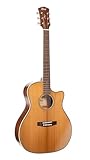
Overview: The natural-finish version of Cort’s ES-GA4 offers identical premium specifications to its black counterpart, showcasing the torrefied solid Sitka spruce top’s beautiful grain pattern. This Grand Auditorium cutaway targets discerning players who appreciate both sonic excellence and organic aesthetics. The semi-gloss natural finish allows the wood to breathe and resonate more freely while highlighting the herringbone binding’s craftsmanship.
What Makes It Stand Out: Beyond sharing the remarkable torrefied solid top and S-Core pickup system, the natural finish provides visual authenticity that many purists prefer. The open-pore semi-gloss feel creates a more direct connection between player and instrument, reducing the “plastic” sensation of heavy poly finishes. The Venetian cutaway offers effortless upper-fret access, while vintage open-gear tuners deliver precise, stable tuning with classic visual appeal.
Value for Money: Like its black sibling, this model delivers extraordinary value by making torrefied solid-top technology accessible at a mid-range price. The natural finish option often appeals to traditionalists without adding cost. You’re investing in a rapidly maturing instrument with professional electronics and boutique-level appointments that typically command double the price. The mahogany back and sides provide reliable, warm tonal foundation.
Strengths and Weaknesses: Strengths mirror the black version: exceptional torrefied tone, versatile electronics, comfortable playability, and stunning value. The natural finish may age more gracefully and appeal to a broader audience. Weaknesses include identical concerns—limited brand prestige and potentially less treble shimmer than rosewood-backed alternatives. The finish is more susceptible to visible wear over time.
Bottom Line: Choose the natural finish if you value traditional aesthetics and want to see the wood’s character. It delivers the same professional-grade performance as the black version, making it an outstanding choice for serious players who prioritize substance over brand names.
4. Washburn G12FCE Comfort Series Grand Auditorium Cutaway Acoustic Electric Guitar, Sunburst

Overview: The Washburn G12FCE carves its niche through ergonomic innovation rather than traditional tonewood prestige. This Grand Auditorium cutaway features a comfort armrest bevel that reduces playing fatigue during long sessions, making it uniquely suited for gigging musicians and singer-songwriters. The all-laminate flame okoume construction prioritizes durability and affordability while the sunburst finish adds vintage visual appeal.
What Makes It Stand Out: The sculpted comfort bevel is the defining feature—this ergonomic contour dramatically improves playing position for hours of strumming or fingerpicking. The comprehensive Presys VT preamp provides unprecedented EQ control with bass, mid, treble, presence, volume, and a built-in tuner, offering studio-grade tone shaping. The ABS and faux abalone rosette provides attractive detail without inflating cost.
Value for Money: While all-laminate construction typically suggests entry-level pricing, the G12FCE justifies its mid-range tag through genuine ergonomic innovation. The comfort bevel alone adds significant value for players with shoulder or arm fatigue issues. Okoume, though less prestigious than mahogany, offers lightweight durability and respectable tone. You’re paying for thoughtful design and player comfort rather than rare tonewoods.
Strengths and Weaknesses: Strengths include revolutionary comfort for extended playing, versatile electronics, lightweight construction, and eye-catching sunburst finish. The Grand Auditorium body remains balanced across styles. Weaknesses include laminated woods that limit acoustic resonance and dynamic response. Okoume lacks the depth of traditional mahogany or rosewood, and the faux abalone rosette may not satisfy purists.
Bottom Line: If comfort is your primary concern, the G12FCE is unmatched at this price. It’s an excellent choice for performing musicians who prioritize playability over premium tonewoods. For studio purists, look elsewhere, but for live work, this guitar’s ergonomics are game-changing.
5. Taylor Taylor 224ce-K DLX Grand Auditorium Acoustic-electric Guitar - Tobacco

Overview: The Taylor 224ce-K DLX represents the entry point into Taylor’s prestigious koa series, delivering the brand’s legendary playability and build quality with stunning island tonewoods. This Grand Auditorium acoustic-electric features an all-koa body that produces a focused, bright voice with exceptional note definition. The tobacco finish adds rich visual depth while the ebony fingerboard ensures silky playability.
What Makes It Stand Out: The all-koa construction is the star—this exotic wood delivers a unique tonal signature that starts bright and sweet, maturing into a richer, warmer voice over decades. Taylor’s meticulous craftsmanship ensures impeccable fretwork, setup, and finish quality. The Expression System 2 electronics capture the guitar’s true acoustic voice with remarkable fidelity. The mahogany neck provides stability and comfort.
Value for Money: While priced at a premium, the 224ce-K DLX offers genuine Taylor quality and koa wood at a relatively accessible price point. Koa guitars typically appreciate in value and develop enhanced character with age. The investment includes Taylor’s excellent customer support, high resale value, and a lifetime of musical enjoyment. It’s professional-grade equipment that justifies every dollar for serious musicians.
Strengths and Weaknesses: Strengths include stunning aesthetics, exceptional build quality, unique koa tonality, superior electronics, and strong resale value. The Grand Auditorium shape excels in versatility. Weaknesses include a high price barrier for beginners and koa’s naturally bright tone may not suit players seeking deep, boomy bass response. The tobacco finish, while beautiful, obscures some of koa’s natural grain.
Bottom Line: For players ready to invest in a lifetime instrument, the 224ce-K DLX delivers Taylor excellence with exotic tonewood character. It’s a professional tool that will inspire and appreciate in value, making it ideal for serious musicians and collectors alike.
6. Fender FA-345CE Auditorium Cutaway Acoustic Guitar, with 2-Year Warranty, 3-Color Tea Burst

Overview:
The Fender FA-345CE represents the brand’s commitment to accessible acoustic-electric instruments, offering beginners and intermediate players a stage-ready package at an entry-level price. This auditorium cutaway features all-laminate construction with a striking flame maple top and lacewood back/sides, complemented by Fishman electronics and a comfortable laurel fingerboard.
What Makes It Stand Out:
The standout feature is Fender’s generous 2-year warranty, which demonstrates confidence rarely seen in this segment. The Fishman electronics provide professional-grade amplification that accurately captures the guitar’s voice. The modern 3+3 headstock and eye-catching 3-Color Tea Burst finish deliver authentic Fender aesthetics that distinguish it from generic alternatives.
Value for Money:
Positioned in the sub-$300 range, this guitar prioritizes reliability and brand equity over premium materials. While all-laminate construction means limited tonal evolution, the trade-off yields a durable, weather-resistant instrument perfect for learning. You’re paying approximately 15-20% premium for the Fender name, but gaining superior resale value and warranty protection that budget brands can’t match.
Strengths and Weaknesses:
Strengths include the trusted brand heritage, gig-ready electronics, attractive flame maple veneer, comfortable cutaway design, and comprehensive warranty coverage. The Viking bridge adds stylistic flair. Weaknesses center on the all-laminate body constraining dynamic range and harmonic complexity, basic tuning machines, and a tone that lacks the depth advancing players crave.
Bottom Line:
An excellent choice for emerging players seeking a dependable, gig-capable acoustic with iconic branding. The FA-345CE delivers impressive value despite material limitations, making it a smart first serious instrument.
7. Ibanez AAM50CE Advanced Acoustic Auditorium Acoustic-electric Guitar - Sapphire Blue Burst

Overview:
The Ibanez AAM50CE Advanced Acoustic series brings the brand’s electric guitar expertise to the acoustic realm, offering a contemporary take on the classic auditorium shape. Featuring a solid spruce top with sapele back and sides, this acoustic-electric targets modern players seeking versatility and sleek aesthetics in the Sapphire Blue Burst finish.
What Makes It Stand Out:
Ibanez applies their renowned neck-profile knowledge to create exceptionally playable acoustic instruments. The Advanced Acoustic series incorporates a proprietary pickup system that delivers natural amplified tone without the quack common in undersaddle pickups. The striking Sapphire Blue Burst finish and purpleheart fingerboard create a distinctive, modern visual identity.
Value for Money:
In the $400-500 range, this guitar competes directly with Yamaha’s A-Series and Takamine’s G-Series. The combination of solid spruce top with quality electronics represents strong value. While the sapele laminate back/sides keep costs down, they provide stability for gigging musicians. You’re getting 80% of a high-end acoustic-electric’s performance at half the price.
Strengths and Weaknesses:
Strengths include the fast, comfortable neck, excellent electronics, solid top for tonal development, eye-catching finish, and reliable gig-ready construction. The purpleheart fingerboard offers unique aesthetics and durability. Weaknesses include laminate back/sides limiting resonance, a tone that some traditionalists may find too bright, and Ibanez’s lesser reputation in the acoustic market compared to electric dominance.
Bottom Line:
Ideal for electric guitarists transitioning to acoustic or contemporary players needing a reliable stage instrument. The AAM50CE delivers modern playability and plugged-in performance that punches above its weight class.
8. Washburn Heritage Series HG12S Grand Auditorium Acoustic Guitar

Overview:
The Washburn Heritage Series HG12S embraces the all-mahogany tradition, delivering a warm, focused tone perfect for fingerstyle players and singer-songwriters. This grand auditorium guitar features solid mahogany top, back, and sides with a comfortable 25.5"-scale satin-finished neck, representing Washburn’s commitment to heritage designs at accessible prices.
What Makes It Stand Out:
The complete mahogany construction creates a unified tonal character with exceptional note definition and midrange focus. Washburn’s Heritage Series includes thoughtful details like a bone nut, custom wood rosette inlay, and rosewood bridge typically found on more expensive instruments. The satin neck finish provides lightning-fast playability.
Value for Money:
Priced competitively for an all-solid wood guitar, the HG12S offers incredible value for recording artists and serious students. While lacking electronics limits its live versatility, the tonal quality rivals instruments costing twice as much. The omission of a case at this price point is disappointing but standard for the segment.
Strengths and Weaknesses:
Strengths include the rich, warm all-mahogany voice, excellent sustain, comfortable satin neck, quality bone nut, and attractive aesthetic details. The grand auditorium size balances comfort with projection. Weaknesses are the lack of electronics for stage use, potential feedback issues when mic’d in loud environments, and a tonal character that may be too dark for strummers seeking sparkle.
Bottom Line:
A superb choice for recording musicians and fingerstyle enthusiasts prioritizing organic tone over amplification. The HG12S delivers exceptional unplugged performance, though you’ll need a pickup system for live applications.
9. Ibanez AAM50CE Advanced Acoustic Auditorium Acoustic-electric Guitar - Coral Red Burst

Overview:
The Ibanez AAM50CE in Coral Red Burst is identical in construction to its Sapphire Blue sibling, offering the same Advanced Acoustic platform with a warmer, more traditional aesthetic. This auditorium acoustic-electric combines a solid spruce top with sapele back/sides, delivering versatile tone for contemporary players who prefer a vintage-inspired finish.
What Makes It Stand Out:
Beyond the electronics and playability, the Coral Red Burst finish appeals to traditionalists while maintaining modern performance. The purpleheart fingerboard remains a unique spec in this price range, offering enhanced durability and a distinctive look. Ibanez’s approach to acoustic design emphasizes comfort for electric guitar converts.
Value for Money:
Sharing the same $400-500 price point as the blue variant, this color option provides identical value. The solid spruce top represents the minimum investment for tonal development, while laminate back/sides ensure roadworthiness. You’re paying market rate for a solid-top acoustic-electric, with Ibanez’s engineering as the differentiator.
Strengths and Weaknesses:
Strengths mirror the Sapphire version: fast neck, reliable electronics, solid top, and gig-ready build quality. The Coral Red finish offers broader aesthetic appeal. Weaknesses include the same laminate back/sides, potentially bright tonal character, and acoustic purists’ skepticism of Ibanez’s credentials. The purpleheart fingerboard, while durable, may feel unfamiliar to traditionalists.
Bottom Line:
Choose between this and the Sapphire version based purely on visual preference. The AAM50CE platform remains an excellent value for modern players needing a dependable, comfortable acoustic-electric that performs reliably on stage and in studio.
10. D’Angelico Premier Gramercy Acoustic-electric Guitar - Deep Sea Satin, Sweetwater Exclusive

Overview:
The D’Angelico Premier Gramercy represents the legendary archtop maker’s foray into flat-top acoustics, exclusively available through Sweetwater. This acoustic-electric features a solid spruce top with sapele back/sides and a mahogany neck, wrapped in a distinctive Deep Sea Satin finish that embodies D’Angelico’s Art Deco heritage.
What Makes It Stand Out:
The Deep Sea Satin finish and exclusive Sweetwater distribution create immediate collectibility. D’Angelico’s meticulous attention to detail is evident in the binding, inlays, and overall fit and finish. The brand’s prestige in the jazz world lends credibility uncommon in this price segment.
Value for Money:
Positioned in the $500-600 range, you’re investing partially in the D’Angelico name and exclusive aesthetics. While the tonewood combination is standard for the price, the boutique branding and limited availability justify the premium. Comparable instruments from mainstream brands offer similar specs for 10-15% less but lack the cachet.
Strengths and Weaknesses:
Strengths include the stunning exclusive finish, excellent build quality, prestigious brand heritage, comfortable C-shaped neck, and quality electronics. The rosewood fingerboard adds warmth. Weaknesses include limited availability affecting resale, D’Angelico’s limited acoustic guitar service network, and a tonal character that may not suit all genres. The exclusivity could complicate warranty service.
Bottom Line:
Perfect for players seeking distinctive aesthetics and boutique brand prestige without custom-shop prices. The Premier Gramercy delivers solid performance with unmatched visual sophistication, ideal for performers wanting their instrument to make a statement.
Why Auditorium Body Shape Dominates Fingerstyle YouTube Content
The auditorium configuration—often designated as “000” or “OM” depending on the manufacturer—hits a sweet spot that fingerstyle players intuitively understand. Its narrower waist and slightly smaller lower bout compared to dreadnoughts create a focused voice where each note in complex arrangements maintains independence. For YouTube covers where viewers scrutinize every hammer-on and percussive tap, this clarity isn’t just preferred—it’s essential. The body size also sits comfortably in frame for overhead camera angles, making it visually proportional without overwhelming the shot.
Understanding Tonewood Pairings for Maximum Clarity
Solid Wood vs. Laminate: The Recording Difference
In 2026’s competitive YouTube landscape, microphone sensitivity and digital clarity reveal every sonic detail. Solid wood tops vibrate more freely, producing richer overtones that translate beautifully through high-quality mics. Laminate constructions, while more affordable and stable, can produce a slightly compressed sound that lacks the three-dimensional quality viewers subconsciously notice. For fingerstyle where dynamic range tells the story, solid Sitka spruce or cedar tops provide the responsiveness needed for both whisper-quiet passages and aggressive percussive hits.
Back and Side Wood Impact on Video Tone
Mahogany back and sides deliver focused midrange that cuts through lo-fi YouTube compression algorithms, ensuring your performance retains character even on mobile devices. Rosewood alternatives like pau ferro or ovangkol—popular in 2026 for sustainability—offer shimmering highs and complex harmonics that reward close-miking techniques. Maple, increasingly used in premium auditorium models, provides exceptional note definition for rapid-fire fingerpicking and makes post-production EQ adjustments more predictable.
Electronics and Pickup Systems for Direct Recording
The Rise of Hybrid Systems
Modern auditorium acoustics increasingly feature dual-source pickup systems that blend undersaddle piezos with internal microphones or body sensors. For YouTube creators, this means capturing both the direct string attack and the airy resonance that defines fingerstyle tone. Look for systems with independent EQ controls and phase reversal switches—these help eliminate low-end boom when recording directly into audio interfaces, a common issue in untreated home studios.
USB-C and Digital Integration
2026’s guitars often include built-in USB-C outputs for direct digital recording, bypassing preamp coloration entirely. This technology proves invaluable for fingerstyle players who need pristine, uncolored signal for reamping or blending with room mics in post-production. Some advanced systems even include onboard DSP with compressors specifically voiced for fingerstyle dynamics, taming spikes from aggressive thumb slaps while preserving delicate treble work.
Neck Profile and Playability for Extended Sessions
Fingerstyle YouTube creators frequently record multiple takes and long-form tutorials, making neck comfort paramount. Modern auditorium guitars trending in 2026 feature modified low-profile shapes with slightly flattened fingerboards around the 5th-9th frets—where complex chord voicings and stretches commonly occur. These profiles reduce hand fatigue during three-hour recording marathons while maintaining enough substance for thumb-over techniques.
The satin finish on necks has become standard for serious fingerstyle instruments, allowing the thumb to glide silently during position shifts. This seemingly minor detail prevents unwanted noise from bleeding into sensitive condenser microphones positioned close to the neck joint.
Scale Length and Its Impact on Arrangement Complexity
Short Scale vs. Standard Scale Trade-offs
Short-scale auditorium guitars (24.9" or less) reduce string tension, making bends and vibrato more fluid—crucial for emulating vocal lines in fingerstyle covers. However, this can slightly reduce projection and low-end definition. Standard 25.5" scales maintain piano-like clarity in the lower registers, essential for arrangements requiring simultaneous bass, harmony, and melody lines.
Progressive tension string sets, increasingly popular in 2026, help bridge this gap by using varying core-to-wrap ratios across the set. This technology allows short-scale guitars to maintain tight low-end while enjoying the playability benefits of reduced tension.
Fretboard Radius and Fingerstyle Precision
Flat fretboard radii (16" or greater) facilitate clean execution of barre chords and complex stretches common in contemporary fingerstyle arrangements. However, extremely flat boards can feel unnatural for players transitioning from traditional acoustic setups. The sweet spot for most YouTube fingerstyle creators lies between 12"-14" radii—offering enough curvature for comfortable chord work while maintaining the flatness needed for intricate single-note runs.
Some 2026 models feature compound radii that flatten progressively up the neck, combining rhythm comfort in lower positions with lead agility above the 12th fret. This innovation particularly benefits fingerstyle players who incorporate tapping and slap harmonics in their covers.
Nut Width and String Spacing Fundamentals
Wider nuts (1 3/4" to 1 13/16") provide the extra millimeters between strings that prevent fingerstyle techniques from feeling cramped. This spacing becomes critical when executing simultaneous bass patterns with the thumb while the fingers dance through melodies. For YouTube covers where camera close-ups reveal hand position, wider spacing also makes techniques more visually distinct and educational for viewers learning your arrangements.
String spacing at the bridge should mirror this width—look for 2 1/4" or greater spacing at the saddle. This consistency ensures your right-hand technique translates seamlessly from practice to performance without micro-adjustments that can introduce timing inconsistencies during recording.
Bracing Patterns: The Hidden Architecture of Tone
Scalloped X-Bracing Evolution
While scalloped X-bracing remains the gold standard, 2026’s premium auditorium guitars feature asymmetric scalloping that varies brace thickness based on string tension patterns. This voicing enhances bass response under the lower strings while maintaining treble clarity on the higher strings—perfect for fingerstyle’s polyphonic demands. Some manufacturers now use carbon fiber reinforcement in bracing, increasing stability against humidity changes that can plague home studio environments.
Alternative Bracing Systems
Ladder bracing has made a surprising comeback in boutique auditorium models aimed at fingerstyle players seeking vintage-inspired midrange focus. Meanwhile, dual-tapered fan bracing—borrowed from classical guitar construction—appears in hybrid designs that support both steel-string projection and nylon-string responsiveness. These alternative patterns reward players with unique tonal signatures that help their YouTube covers stand out in an oversaturated market.
Finish Types and Their Acoustic Transparency
Thin Nitrocellulose vs. Modern Poly
The finish thickness debate intensifies for fingerstyle recording. Thin nitrocellulose finishes allow maximum vibration and age beautifully, but remain vulnerable to sweat and stand wear during intense recording sessions. Modern polyester finishes have evolved to be remarkably thin while offering superior protection—crucial for guitars that appear regularly on camera where cosmetic condition affects perceived professionalism.
Matte and satin finishes have gained popularity for their non-reflective properties under video lights, eliminating hot spots that distract viewers. These finishes also typically weigh less, contributing to the guitar’s overall responsiveness to light touch techniques.
Aesthetic Considerations for Video Content Creation
Visual Balance and On-Camera Presence
The auditorium shape photographs elegantly from multiple angles, but specific visual elements enhance YouTube appeal. Abalone or wood rosettes with subtle patterning catch light without creating distracting reflections. Binding that contrasts slightly with the body wood defines the guitar’s silhouette in thumbnail images, making it pop against backgrounds.
For creators using multiple cameras, guitars with understated top detailing prevent moiré patterns and aliasing that can occur with intricate inlays under 4K recording. The trend toward “clean and minimal” aesthetics in 2026 reflects this technical consideration as much as stylistic preference.
Budget Tiers and Feature Expectations
Entry-Level Considerations (Under $800)
Even at accessible price points, 2026’s entry-level auditorium guitars often include solid tops and basic pickup systems suitable for direct recording. While laminate back and sides are common, manufacturing improvements have made these instruments surprisingly viable for growing channels. The primary compromise lies in consistency—budget guitars may require more setup work to achieve optimal playability for fingerstyle.
Mid-Range Sweet Spot ($800-$2,000)
This tier delivers the features most fingerstyle YouTubers need: all-solid wood construction, professional-grade electronics, and refined neck profiles. Guitars in this range typically include advanced bracing patterns and premium hardware that stays in tune through multiple takes. The value proposition for content creators is undeniable—professional tone without diminishing returns on investment.
Premium and Boutique Instruments ($2,000+)
Above this threshold, you’re paying for master-grade tonewoods that offer marginal acoustic improvements but significant aesthetic enhancements for video content. Custom options like armrest bevels and soundport cutaways provide ergonomic benefits during extended recording while creating visual interest. These guitars often include proprietary electronics with features like wireless connectivity for live streaming performances.
Setup and Maintenance for Recording Consistency
Action Height and Buzz Threshold
For fingerstyle recording, action must be low enough for effortless legato and hammer-ons but high enough to prevent buzz during aggressive thumb techniques. The ideal setup typically measures 3/32" on the bass side and 2/32" on the treble side at the 12th fret. However, this varies based on your attack and string choice. Professional YouTubers often maintain two setups: one slightly higher for percussive arrangements and one lower for melodic, classical-inspired pieces.
Humidity Control in Home Studios
Home recording environments often lack professional humidity control, causing seasonal setup drift. Smart hygrometers that connect to phone apps now help creators maintain 45-55% relative humidity. Some 2026 auditorium models include built-in humidity sensors that alert you to dangerous conditions before tone and playability suffer. This technology proves invaluable for preventing the crackling bridge lifts that can destroy a recording schedule.
Amplification and Direct Input Solutions
Preamp Pedals for Tone Shaping
Even with excellent onboard electronics, external preamp pedals offer superior control over fingerstyle dynamics. Look for units with notch filters to combat feedback during live-streamed performances and parametric midrange controls to sculpt your tone for different microphone combinations. The latest models include IR (impulse response) technology that can emulate the sound of your guitar recorded with high-end studio mics—perfect for quick covers where setting up a full mic array isn’t practical.
DI Box Considerations
A high-quality DI box with ground lift capability eliminates hum when connecting directly to audio interfaces or streaming mixers. Active DIs with buffered outputs preserve the high-end shimmer of fingerstyle techniques over long cable runs common in multi-camera studio setups. Some creators use stereo DIs to process bass and treble strings separately, allowing independent compression and EQ for unprecedented mix control.
Accessories That Elevate Your Recording Quality
Capo Choices for Intonation Stability
Partial capos and adjustable tension models have become essential tools for fingerstyle YouTubers creating unique arrangements. Look for capos with micrometer adjustment screws that apply even pressure across the fretboard—preventing tuning issues that become magnified under studio microphones. Aluminum capos with non-marring pads maintain the guitar’s finish during frequent position changes on camera.
String Selection for Balanced Recording
Coated strings have evolved to feel nearly identical to uncoated varieties while offering extended life crucial for daily content creation. For fingerstyle, consider hybrid sets that mix phosphor bronze trebles with 80/20 bronze bass strings, creating a balanced frequency response that sits perfectly in a mix with vocals or other instruments. Some 2026 string sets include color-coded ball ends, simplifying quick changes between different tunings during marathon recording sessions.
Microphone Placement Strategies for Auditorium Guitars
The Stereo Pair Sweet Spot
For pure acoustic recording, position a small-diaphragm condenser pair in an X/Y configuration 12-18 inches from the 12th fret, angled toward the soundhole. This captures both the string detail and body resonance while minimizing boominess. A second large-diaphragm mic placed 3-4 feet back adds room ambience that prevents the recording from sounding sterile—critical for YouTube covers where listeners use headphones.
Phase Alignment with Pickup Signals
When blending onboard pickup signals with microphone tracks, phase cancellation can thin your tone. Record a sharp percussive tap and align the waveforms in your DAW, or use plugins that auto-align phase. Some advanced pickup systems now include adjustable phase controls, allowing you to dial in perfect alignment at the source rather than fixing it in post-production.
Frequently Asked Questions
What’s the ideal string gauge for fingerstyle on an auditorium guitar?
Light to custom-light gauges (.011-.052) offer the best balance of playability and tone for most fingerstyle players. They require less finger pressure for bends and vibrato while maintaining enough tension for clear bass notes. However, if you incorporate heavy percussive techniques, consider a medium gauge (.013-.056) for the lowest three strings only, creating a hybrid set that maintains articulation while providing thump.
How do I prevent my fingerstyle recordings from sounding muddy on phone speakers?
Focus on midrange clarity when EQing your recordings. Auditorium guitars naturally excel here, but boost slightly around 2-3kHz to help individual notes cut through small speakers. Record a test clip and listen on your phone before finalizing your mic placement. Also, consider using a de-esser on the high frequencies to prevent harshness when the video is compressed by YouTube’s encoding.
Are cutaways necessary for fingerstyle YouTube covers?
While not essential, cutaways provide comfortable access above the 14th fret for arrangements incorporating high melody lines or two-hand tapping techniques. For purely traditional fingerstyle, a non-cutaway body offers slightly more air volume and sustain. Many YouTubers choose venetian (rounded) cutaways for their elegant appearance on camera versus sharp florentine designs.
Should I prioritize acoustic tone or electronics when choosing a guitar for YouTube?
Prioritize acoustic tone first—no electronics can fix a fundamentally poor-sounding guitar. However, ensure the pickup system is at least professional-grade with separate volume and tone controls. You’ll likely record both mic’d and direct signals, so the electronics must be transparent enough for direct recording while the acoustic voice shines in your primary microphone tracks.
How often should I change strings for consistent YouTube content?
For daily content creators, change strings every 2-3 weeks or when you notice diminished sparkle in your recordings. Coated strings extend this to 4-6 weeks. Keep a fresh set ready for important collaborations or sponsored content where audio quality is paramount. Document the string age in your recording notes to maintain consistency across multi-video series.
What’s the best way to mic an auditorium guitar for live-streamed performances?
Use a combination of the onboard pickup system sent directly to your streaming interface and a single large-diaphragm condenser positioned 18 inches from the 12th fret for visual appeal. Blend the signals 70% pickup to 30% mic to maintain consistency if you move during performance. This setup prevents the ambient room noise and inconsistent levels that plague purely mic’d live streams.
Do I need a humidifier built into my guitar case?
While not mandatory, case humidifiers provide cheap insurance against climate-related damage. For guitars stored in home studios with inconsistent climate control, they’re essential. The latest generation uses gel packs that maintain 48% humidity for 2-3 months without refilling. For guitars under $1,500, a basic soundhole humidifier suffices; premium instruments deserve the stability of a full-case system.
How can I make my auditorium guitar sound fuller when recording solo arrangements?
Experiment with Nashville tuning on a second guitar and layer the parts, or use a partial capo on the second fret covering strings 3-5 to create natural chorus effects. In the mix, apply subtle stereo widening to the reverb return rather than the direct guitar signal. A gentle boost around 100-150Hz adds warmth without boominess, but use a dynamic EQ that only activates when those frequencies are present to avoid muddiness.
Are armrest bevels worth the extra cost for recording?
Armrest bevels provide ergonomic benefits during extended recording sessions, preventing the forearm discomfort that can affect consistency. Visually, they create a premium aesthetic that viewers associate with professional musicians. While they offer minimal acoustic impact on auditorium bodies, the comfort improvement alone justifies the cost for creators filming multiple takes or long tutorials.
What’s the biggest mistake fingerstyle YouTubers make when choosing an auditorium guitar?
Selecting a guitar based solely on how it sounds in the store without considering its recorded voice. A guitar that sounds bright and articulate acoustically can become thin and harsh under microphones, while a slightly darker instrument might record with perfect balance. Always record sample clips during your evaluation process, using the same mics and position you’ll use for YouTube content. The best fingerstyle auditorium guitar is the one that sounds incredible through your specific recording chain, not necessarily the one that impresses in a showroom.
See Also
- 10 Auditorium Acoustic Guitars for Spotify Bedroom Covers in 2026
- 10 Affordable Auditorium Acoustic Guitars Under $500 for Fingerstyle Players
- 10 Must-Have Parlor Acoustic Guitars for Fingerstyle Players in 2026
- How to Solve Shoulder Pain with 10 Lightweight Auditorium Acoustic Guitars in 2026
- How to Choose the 10 Best Auditorium Acoustic Guitars for Studio Recording in 2026