Table of Contents
The modern drum market has undergone a quiet revolution. By 2026, advanced manufacturing techniques, sustainable sourcing, and fierce competition have blurred the line between entry-level shell packs and boutique custom kits. What once required a $3,000 investment now hides in sub-$800 packages, waiting for the educated buyer to unlock its potential. The secret isn’t just about finding a “good deal”—it’s about understanding which fundamental design elements actually matter for tone, which specs are pure marketing fluff, and how to spot a hidden gem before it becomes everyone else’s secret weapon.
This guide dismantles the myth that budget drums can’t sound expensive. We’ll explore the specific construction details, wood choices, and hardware features that separate genuinely impressive shell packs from the sea of mediocre options cluttering online marketplaces. Whether you’re a gigging drummer needing a reliable backup kit, a studio musician building a versatile arsenal, or a beginner who refuses to compromise on tone, these insights will transform how you evaluate drums in the under-$800 category.
Top 10 Shell Pack Drum Sets
Detailed Product Reviews
1. Yamaha Rydeen 5-Piece Drum Set With 22" Bass Drum, Floor Tom, 2 Toms With Ball Clamp And Wood Snare Drum, Champagne Glitter

Overview: The Yamaha Rydeen series delivers an impressive entry-level package designed for beginners and intermediate players. This 5-piece configuration features a 22" bass drum, two mounted toms, floor tom, and wood snare, all wrapped in an eye-catching Champagne Glitter finish. Built around 6-ply poplar shells, this kit aims to provide the reliability and sound quality Yamaha is known for at an accessible price point.
What Makes It Stand Out: The genuine Yamaha Tom Ball and Pipe Clamps set this kit apart from budget competitors, offering professional-grade adjustability and non-slip reliability that prevents tom creep during intense playing sessions. The inclusion of a Powerstroke P3-style bass drum head delivers punchy, controlled low-end without requiring immediate upgrades. Matching steel bass drum hoops with color-coordinated inlays demonstrate attention to aesthetic detail rarely seen in this price class.
Value for Money: Positioned as a complete shell pack for emerging drummers, the Rydeen offers exceptional value by incorporating Yamaha’s reputable hardware design principles. While cymbals and stands require separate purchase, the quality of the ball clamps alone justifies the investment over generic beginner kits. Comparable sets from other brands often use inferior mounting systems that need immediate replacement, making this a smarter long-term investment.
Strengths and Weaknesses:
- Pros: Professional-style ball clamps prevent tom movement; excellent hardware stability; attractive finish options; punchy bass drum head included; Yamaha build quality and resale value
- Cons: Poplar shells lack the projection of higher-end woods; no cymbals or hardware included; champagne glitter may not appeal to all players; basic snare wires may need upgrading
Bottom Line: An excellent starting point for serious beginners, the Rydeen offers Yamaha reliability and thoughtful hardware choices that grow with your skills, making it worth the modest premium over entry-level competitors.
2. Yamaha Stage Custom Birch 5pc Drum Shell Pack With a 20" Kick Drum and 14” Snare Drum in Matte Surf Green For Students and Working Drummers (SBP0F50MSG)
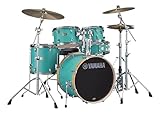
Overview: Yamaha’s Stage Custom Birch series represents the sweet spot between affordability and professional performance. This 5-piece shell pack features 100% birch construction throughout, including the 14"x5.5" snare, delivering the articulate, cutting tone that made Yamaha famous. The 20" kick drum makes this particularly versatile for smaller venues and studio work, while the Matte Surf Green finish offers a modern aesthetic.
What Makes It Stand Out: The 6-ply birch shells provide that signature Yamaha brightness and projection at a fraction of the Recording Custom price. The hand-lacquered finish showcases natural wood grain with mirror-perfect clarity, demonstrating craftsmanship typically reserved for premium kits. The included snare drum matches the shell quality of the toms, featuring sharp rimshots and enough power to cut through dense mixes across any genre.
Value for Money: For students and gigging drummers, this kit delivers professional-grade birch tone that records beautifully and projects live. The price point undercuts many birch competitors while maintaining Yamaha’s rigorous quality control. Unlike budget kits, these shells tune easily and hold their tuning, saving time and frustration. The investment pays dividends in reliability and sound quality that won’t need upgrading for years.
Strengths and Weaknesses:
- Pros: Authentic birch tone; excellent projection and cut; professional lacquer finish; versatile 20" kick size; matching birch snare included; Yamaha hardware compatibility
- Cons: No cymbals, stands, or pedals included; 20" kick may lack the depth some rock drummers prefer; matte finish shows fingerprints; limited color options in some markets
Bottom Line: A workhorse kit that punches far above its weight class, perfect for serious students and working drummers who need reliable, record-ready birch tone without breaking the bank.
3. Yamaha Stage Custom Birch 5pc Drum Shell Pack With a 20" Kick Drum and 14” Snare Drum in Deep Blue Sunburst For Students and Working Drummers (SBP0F50DUS)
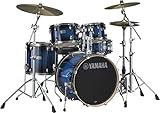
Overview: Identical in construction to its Stage Custom siblings, this 5-piece birch kit features a stunning Deep Blue Sunburst finish that elevates its visual presence on stage. The 100% birch 6-ply shells deliver Yamaha’s renowned articulate and resonant tone, making it ideal for diverse musical settings. Designed for students and professional gigging drummers, this pack includes a 20" kick drum and matching 14"x5.5" birch snare.
What Makes It Stand Out: The Deep Blue Sunburst lacquer creates a premium aesthetic that rivals kits costing twice as much, with hand-finished perfection that highlights the natural birch grain beneath. Yamaha’s precision shell construction ensures consistent tone across all drums, while the 20" kick offers a tight, focused low-end that works exceptionally well in mic’d situations. The matching birch snare provides crisp articulation and powerful rimshots essential for modern genres.
Value for Money: This kit represents remarkable value by delivering true birch resonance and Yamaha’s legendary build quality at an entry-level price point. The finish alone adds perceived value that helps working drummers look professional on stage. While hardware requires separate investment, the shells themselves compete sonically with kits in much higher price brackets, making this a smart long-term purchase for developing drummers.
Strengths and Weaknesses:
- Pros: Gorgeous deep blue sunburst finish; authentic birch projection; consistent shell quality; tight 20" kick ideal for miking; professional-grade snare included; excellent tuning stability
- Cons: No hardware or cymbals included; sunburst finish may not suit all band aesthetics; 20" bass drum less suitable for unmic’d rock; requires careful handling to avoid finish damage
Bottom Line: A visually striking and sonically impressive kit that delivers professional birch tone and stage-ready looks, making it an outstanding choice for gigging drummers building their first serious setup.
4. Yamaha Stage Custom Birch 5pc Drum Shell Pack With a 22" Kick Drum and 14” Snare Drum in Deep Blue Sunburst For Students and Working Drummers (SBP2F50DUS)

Overview: This Stage Custom Birch variant pairs the series’ signature 6-ply birch shells with a more substantial 22" kick drum for enhanced low-end presence. The Deep Blue Sunburst finish provides a professional aesthetic that commands attention. Explicitly marketed without cymbals, stands, pedal, or throne, this shell pack targets drummers who already own quality hardware and want to upgrade their core drum voices to genuine birch tone.
What Makes It Stand Out: The 22" bass drum delivers the depth and authority that many rock and fusion drummers crave while maintaining the punch birch is known for. Yamaha’s transparency about what’s included helps buyers make informed decisions without surprise costs. The matching birch snare included in the pack ensures tonal consistency across the entire kit, a detail often overlooked in shell packs that treat the snare as an afterthought.
Value for Money: For drummers with existing hardware, this represents pure value in shell quality alone. The 22" kick adds versatility for larger venues and unmiked situations where low-end authority matters. Compared to buying drums individually, the bundled pricing offers savings while ensuring matching finishes and consistent shell construction. The investment focuses entirely on tone-bearing components rather than redundant hardware.
Strengths and Weaknesses:
- Pros: Full-sized 22" kick for maximum low-end; genuine birch tone throughout; professional sunburst finish; cost-effective shell-only option; matching quality snare included; Yamaha reliability
- Cons: Absolutely no hardware included (must purchase separately); larger kick less portable; deeper blue finish may clash with some stage designs; requires experienced tuning to control 22" boom
Bottom Line: Ideal for drummers upgrading their core sounds, this shell pack delivers maximum birch tone and stage presence while letting you use your existing hardware investments.
5. Yamaha Rydeen 5pc Shell Pack with 22" Bass Drum, Black Glitter

Overview: Yamaha’s Rydeen series offers emerging drummers a solid foundation with this 5-piece shell pack featuring 6-ply poplar construction and a commanding 22" bass drum. The Black Glitter wrap provides a classic, stage-ready appearance that suits any genre. Designed as a hardware-free package, this kit includes the essential drums needed to build a custom setup tailored to individual playing styles and budget constraints.
What Makes It Stand Out: The 22" bass drum size is unusual for entry-level kits, giving younger players early experience with full-sized drum physics and feel. Yamaha’s commitment to quality mounting hardware ensures stability even with aggressive playing, preventing the structural issues common in budget kits. The poplar shells offer surprising warmth and sustain, defying expectations for wood type typically considered entry-level. Black Glitter remains a timeless finish that maintains its appeal across years of use.
Value for Money: This kit maximizes value by focusing budget on shell quality and size rather than potentially disposable beginner hardware. Drummers can invest in professional-grade cymbals and stands that will outlast these shells, creating a modular upgrade path. The 22" kick alone provides sonic capabilities usually reserved for more expensive kits, making this an excellent platform for developing power and dynamics without immediate replacement.
Strengths and Weaknesses:
- Pros: Full-size 22" bass drum; stable Yamaha mounting hardware; classic black glitter finish; warm poplar tone; affordable entry to Yamaha quality; flexible hardware pairing options
- Cons: Poplar lacks high-end projection; no included hardware requires additional investment; glitter wrap may peel with heavy use; basic snare needs upgrade for professional settings
Bottom Line: A smart first kit that prioritizes shell size and hardware stability over bundled accessories, perfect for beginners serious about developing proper technique on full-sized drums.
6. Yamaha Stage Custom Birch 5pc Drum Shell Pack With a 22" Kick Drum and 14” Snare Drum in Honey Amber For Students and Working Drummers (SBP2F50HA)

Overview: The Yamaha Stage Custom Birch 5pc Shell Pack represents a sweet spot for serious students and gigging drummers seeking professional tone without breaking the bank. This configuration features a 22x17-inch kick drum, 10x7 and 12x8 rack toms, 16x15 floor tom, and 14x5.5 snare—all crafted from 100% birch shells using Yamaha’s proprietary air seal system. The Honey Amber finish provides a sophisticated aesthetic that looks stage-ready.
What Makes It Stand Out: Yamaha’s YESS mounting system isolates the toms for maximum resonance, while the 45-degree bearing edges deliver precise attack and sustain. The Absolute-style lugs reflect Yamaha’s high-end design philosophy, offering consistent tuning stability. The included TH-945B three-hole receiver with dual YESS mounts provides flexible positioning options, and the floor tom legs ensure stability during aggressive playing.
Value for Money: Positioned between entry-level and flagship kits, this shell pack offers exceptional value. Birch shells deliver the focused attack and controlled overtones preferred in studio and live settings. While cymbals, stands, pedal, and throne must be purchased separately, the core drum quality rivals kits costing twice as much, making it a smart long-term investment for developing drummers.
Strengths and Weaknesses: Strengths include professional-grade birch construction, superior YESS mounting hardware, versatile sizing for multiple genres, and Yamaha’s reputation for durability. Weaknesses are the lack of included cymbals and hardware, which adds to the total investment, and the 22-inch kick may be too large for small venues or jazz applications.
Bottom Line: An outstanding choice for intermediate to advanced drummers who prioritize shell quality and hardware innovation. The Stage Custom Birch delivers Yamaha’s legendary consistency and tone at a working musician’s price point.
7. Yamaha Stage Custom Birch 3pc Bop Drum Shell Pack - 18" Kick, Natural Wood

Overview: The Yamaha Stage Custom Birch 3pc Bop Pack caters specifically to jazz musicians and drummers prioritizing portability and quick setup. This streamlined configuration centers around an 18x15-inch bass drum, paired with a 12x8 rack tom and 14x13 floor tom—all built from Yamaha’s signature 100% birch shells with air seal construction. The Natural Wood finish emphasizes the kit’s organic, understated aesthetic perfect for intimate venues.
What Makes It Stand Out: The compact 18-inch kick delivers the focused, punchy bass response ideal for jazz without overwhelming smaller rooms. Yamaha’s YESS tom mount preserves shell resonance while allowing precise positioning. The 45-degree bearing edges provide the crisp articulation and quick decay that bebop and modern jazz styles demand. The minimal three-piece setup encourages creative playing and fits easily in cramped stages.
Value for Money: This shell pack offers exceptional value for jazz-focused drummers. The birch construction provides professional tone at a fraction of custom bop kit prices. While hardware and cymbals are separate purchases, the core drums’ quality ensures years of reliable performance. Compared to full-size kits, the reduced footprint saves on transportation costs and stage space.
Strengths and Weaknesses: Strengths include lightweight portability, genre-appropriate sizing, Yamaha’s reliable hardware, and excellent projection for acoustic settings. Weaknesses include limited versatility for rock or fusion styles, no included snare drum, and the 18-inch kick may feel undersized for drummers accustomed to standard 22-inch models.
Bottom Line: Perfect for jazz purists and gigging musicians needing a compact, high-quality solution. The Stage Custom Bop Pack delivers authentic Yamaha tone in a portable, stage-friendly configuration.
8. Yamaha Rydeen 5pc Shell Pack with 20" Bass Drum, Black Glitter
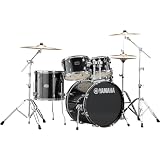
Overview: The Yamaha Rydeen 5pc Shell Pack serves as the brand’s entry-level offering, designed to introduce beginners to quality acoustic drums without overwhelming complexity. This configuration includes a 20x16-inch bass drum, 10x7 and 12x8 rack toms, 14x13 floor tom, and 14x5.5 snare, all constructed from 6-ply poplar shells. The Black Glitter finish adds visual excitement that appeals to new players.
What Makes It Stand Out: Yamaha applies its manufacturing expertise to an accessible price point, featuring solid mounting hardware and bass drum spurs that ensure stability during enthusiastic practice sessions. The poplar shells deliver a warm, balanced tone with respectable sustain for the category. The included CL940LB hardware components provide basic mounting functionality, reflecting Yamaha’s attention to durability even at entry level.
Value for Money: This shell pack represents excellent value for first-time buyers. Poplar wood offers a cost-effective alternative to premium woods while maintaining musicality. Though cymbals, stands, pedal, and throne require separate purchase, the drum shells themselves provide a solid foundation for skill development. The Yamaha badge alone adds resale value and confidence in build quality.
Strengths and Weaknesses: Strengths include affordable Yamaha quality, complete five-piece configuration, durable hardware, and attractive finish options. Weaknesses include poplar shells lacking the projection of birch or maple, basic included hardware, and the absence of cymbals and accessories increases total startup cost.
Bottom Line: An ideal first kit for aspiring drummers who want a recognizable brand name and reliable construction. The Rydeen provides a musically satisfying introduction to acoustic drumming that can grow with the player.
9. AODSK Drum Sets 5-Piece for Beginners, 14 inch Full Size Complete Drum Kit with Adjustable Throne, Cymbal, Hi-Hat, Pedal & Drumstick
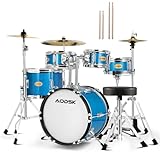
Overview: The AODSK 5-Piece Drum Set targets absolute beginners with a complete, all-in-one package that eliminates the guesswork of piecing together a first kit. This compact setup features a 14x10-inch bass drum, 8x4 and 6x4 mounted toms, 12x8 floor tom, and 8x4 fixed snare, accompanied by two 10-inch cymbals, 8-inch hi-hats, adjustable throne, pedal, and drumsticks. The poplar construction with chrome hardware prioritizes affordability.
What Makes It Stand Out: This kit’s primary advantage is its comprehensive inclusion of all necessary components—throne, cymbals, pedal, and sticks—making it truly playable out of the box. The compact sizing suits younger players and small practice spaces. Upgraded brass cymbals attempt to deliver better tone than typical entry-level offerings, while the full chrome accessories maximize durability.
Value for Money: Exceptional value for families seeking a complete starter kit without multiple purchases. The all-inclusive nature saves significant money compared to buying drums, hardware, and cymbals separately. While individual component quality reflects the budget price, the package provides everything needed to begin lessons immediately.
Strengths and Weaknesses: Strengths include complete accessory package, compact size for tight spaces, affordable price point, and suitability for young beginners. Weaknesses involve very small drum sizes limiting tonal depth, low-quality cymbals requiring eventual upgrade, fixed snare reducing versatility, and build quality not suitable for advanced study.
Bottom Line: Perfect for young children or absolute beginners needing a turnkey solution. The AODSK kit provides immediate playability and essential accessories, making it a practical gift choice that delivers on its promise of a complete starter experience.
10. Pacific Drums & Percussion PDP Concept Maple 4-Piece Fusion, Satin Seafoam Drum Set Shell Pack (PDCM20FNSF), 8x10 &9x12 Tom,14x14 Floor Tom, 16x20 Kick Drum

Overview: The PDP Concept Maple 4-Piece Fusion Shell Pack positions itself as a serious instrument for intermediate to professional drummers seeking premium maple tone. This configuration features 10x8 and 9x12 rack toms, 14x14 floor tom, and 16x20 bass drum, all crafted from European maple shells. The Satin Seafoam finish showcases PDP’s attention to modern aesthetics while maintaining a professional appearance.
What Makes It Stand Out: True Pitch tension rods provide ultra-precise tuning control, a feature borrowed from parent company DW’s high-end designs. Suspension tom mounts maximize shell resonance by eliminating hardware contact, while dual-turret lugs ensure stable, even tuning. The inclusion of genuine Remo drum heads demonstrates PDP’s commitment to performance-ready quality straight from the factory.
Value for Money: This shell pack delivers exceptional value in the mid-tier professional market. European maple shells produce the warm, complex overtones prized in recording and live situations. While cymbals, stands, snare, and pedal require separate investment, the drum shells themselves compete with kits costing significantly more, making it a smart upgrade for serious players.
Strengths and Weaknesses: Strengths include professional-grade maple shells, DW-derived hardware innovations, superior Remo heads, and versatile fusion sizing. Weaknesses include no snare drum in the package, hardware and cymbals sold separately adding to total cost, and the 20-inch kick may lack the sub-frequency punch of 22-inch models for certain genres.
Bottom Line: An outstanding professional-level kit that punches above its weight class. The Concept Maple series delivers authentic DW engineering and premium maple tone, making it ideal for gigging drummers and recording artists seeking exceptional performance value.
Understanding the “Custom Kit” Sound Profile
The Anatomy of Professional Drum Tone
Custom drum builders obsess over three core elements: shell resonance, harmonic balance, and projection control. These aren’t abstract concepts—they’re measurable qualities that budget manufacturers have learned to replicate. Professional-grade tone starts with shells that speak clearly without excessive overtones, offering a fundamental pitch that projects naturally without sounding boxy or hollow.
The magic happens when the drum’s sustain decays evenly across all frequencies, creating what engineers call a “short, musical note” rather than a sharp attack followed by unwanted ringing. This requires precise shell construction where every component works in harmony. The bearing edges must be cut to exacting tolerances, the hoops need to apply even pressure, and the shell itself must be free from internal stresses that choke vibration.
Why Price Doesn’t Always Dictate Quality
The $800 threshold represents a sweet spot where mass production economies meet quality control standards that were impossible even five years ago. Automated CNC machines now cut bearing edges with the same precision as master craftsmen, while computer-controlled drying processes stabilize wood more effectively than traditional methods. What you’re not paying for at this price point is hand-selected exotic veneers, personalized hardware finishes, or small-batch customization. The core tone, however, often shares DNA with kits costing three times as much, because the fundamental physics of drum building hasn’t changed—only our ability to manufacture it affordably has.
Key Wood Types and Their Sonic Signatures
Maple: The Industry Standard
Maple remains the gold standard for versatile drum tone, and by 2026, plantation-grown maple has become standard in budget lines. Its balanced frequency response—with slight boosts in the low and high mids—delivers warmth without muddiness and attack without harshness. In sub-$800 kits, you’re typically getting 6-ply maple shells around 5.4mm thick, which provides enough mass for full-bodied tone while remaining responsive at lower volumes.
The key differentiator is whether manufacturers use “selected” maple plies versus premium grade. For your purposes, the difference is largely cosmetic. The acoustic variance between grades is negligible compared to the impact of bearing edge quality and head selection. Focus on how the shells are built, not which maple forest they came from.
Birch: The Studio Workhorse
Birch shells offer a naturally pre-EQ’d sound with enhanced highs and lows and a slightly scooped midrange. This makes them ideal for miked situations where you want clarity without fighting room resonance. Budget birch kits in 2026 often feature 7-ply construction around 6mm, providing the focused attack that made birch famous in 1980s recording studios.
The trade-off is reduced warmth compared to maple, which can sound clinical in untreated rooms. However, for drummers playing primarily through a PA or recording interface, birch’s inherent frequency curve means less time spent dialing in EQ and more time capturing a punchy, present drum sound that sits perfectly in a dense mix.
Poplar and Basswood: The Budget-Friendly Contenders
Don’t dismiss these softer hardwoods. Modern poplar and basswood shells have evolved far beyond their 1990s reputation as “student kit” material. When harvested from sustainable, climate-controlled sources and paired with proper construction, these woods deliver surprising musicality. Poplar offers a darker, rounder tone than maple—think vintage thump rather than modern cut—while basswood provides exceptional low-end response with controlled overtones.
The secret is ply thickness. Budget manufacturers often over-build these shells (8-9 plies) to compensate for the wood’s softness, which actually creates a focused, dry tone perfect for certain genres. For rock drummers seeking a fat backbeat or jazz players wanting a warm, controlled ride, a well-made poplar shell pack under $800 can outperform maple kits costing twice as much.
Hybrid Shells: Best of Both Worlds
The 2026 market has embraced hybrid constructions that layer different woods to target specific tonal goals. A common configuration pairs a poplar core with maple inner and outer plies, capturing maple’s projection while controlling costs. More innovative designs use birch for the center plies with basswood reinforcement rings, creating shells that project like birch but maintain the warmth of softer woods.
These hybrids represent the smartest engineering in the budget category. Manufacturers can tune the shell’s response by varying wood densities throughout the ply layup, essentially creating a custom EQ curve at the source. When evaluating these kits, pay attention to which wood forms the inner ply—it has the most direct contact with your heads and thus the greatest impact on initial attack and sustain characteristics.
Shell Construction: What Matters Most
Ply Count and Thickness
The relationship between ply count and tone is more nuanced than “more plies = better drums.” In the sub-$800 range, 6-ply maple (5.4mm) and 7-ply birch (6mm) represent optimal configurations. These thicknesses provide enough structural integrity to hold tuning while remaining thin enough to resonate freely. Thicker 8-9 ply shells become increasingly focused and dry—great for close-miking but potentially choked and lifeless acoustically.
Critical detail: ply thickness consistency. Budget kits sometimes use thinner plies for interior layers to cut costs, which can create tonal inconsistencies. The tap test (covered later) reveals these flaws immediately. Quality manufacturers in 2026 maintain uniform ply thickness throughout, even in budget lines, thanks to automated quality control systems that reject inconsistent plies before they reach assembly.
Bearing Edges: The Secret Weapon
Bearing edges are the single most important factor in drum tone, and they’ve become the great equalizer between budget and boutique. A 45-degree inner cut with a sharp outer edge provides the modern, open sound most drummers seek, while a rounded 30-degree edge delivers vintage warmth. The 2026 manufacturing standard has become a 45-degree cut with a 1-ply roundover, offering the best of both worlds.
What separates good budget drums from great ones is edge consistency. Run your finger along the bearing edge (carefully—sharp edges can cut). You should feel no bumps, dips, or inconsistencies. Modern CNC routers cut these edges to tolerances within 0.001 inches, meaning a $600 kit can have edges as precise as a $3,000 custom build. The difference? Custom builders hand-polish edges while mass producers use automated buffing. The acoustic impact is minimal compared to the cut angle itself.
Venting and Shell Hardware
Every hole drilled in a shell reduces its structural integrity and alters its resonance. Budget kits that sound expensive minimize unnecessary hardware contact. Look for isolated tom mounts that use rubber gaskets to decouple metal from wood, and bass drums with minimal venting—just a single small vent opposite the badge is ideal.
Some 2026 designs have eliminated traditional vents entirely, relying on microscopic gaps between hardware and shell to allow air movement. This “ventless” design increases sustain and projection, giving budget shells a more open, expensive sound. The trade-off is slightly more challenging tuning, as air pressure equalizes more slowly. For tone-focused drummers, it’s a worthwhile compromise.
Hardware and Component Quality
Hoops: Triple-Flanged vs. Die-Cast
The hoop debate rages on, but the 2026 consensus is clear: quality triple-flanged hoops provide better sensitivity and tuning range than budget die-cast options. Die-cast hoops add mass and focus, which can choke thinner shells. Premium triple-flanged hoops (2.3mm or thicker) offer the rim-shot crack and cross-stick definition of expensive kits while allowing shells to breathe.
Inspect the hoop’s flange width. Wider flanges (1.6 inches or more) distribute pressure more evenly across the head, reducing the “hoop bend” that plagues cheap kits. Also check the hoop’s roundness by spinning it on a flat surface. A quality hoop will spin true without wobbling, ensuring even tension and consistent pitch across the drum.
Tom Mounts and Resonance
The Achilles’ heel of many budget kits is the tom mount. A poorly designed mount chokes shell resonance by creating a rigid connection to the bass drum. Look for suspension mounts that use minimal contact points—ideally just two small rubber-isolated points. The 2026 standard includes “floating” mounts that attach to tension rods rather than the shell itself, preserving nearly 100% of the drum’s acoustic properties.
Test mount quality by mounting the tom and tapping the shell near the mount. If the tap sounds dead or choked compared to tapping the opposite side, the mount is stealing resonance. Quality budget kits have solved this problem through clever engineering that was proprietary to high-end brands just years ago.
Bass Drum Spurs and Stability
Bass drum stability affects more than convenience—it impacts tone. Spurs that allow the drum to “walk” during play create inconsistent head tension and muddy your attack. Look for double-braced spurs with large rubber feet and memory locks. More importantly, check if the spur mounts are isolated from the shell with rubber gaskets. This isolation prevents vibration transfer that can cause unwanted resonance in the bass drum shell.
Some innovative 2026 designs use retractable spurs that store inside the shell when not in use, eliminating permanent mount hardware. This “clean shell” concept maximizes resonance and gives budget kits a custom-shop aesthetic and acoustic profile.
The 2026 Market Landscape
Manufacturing Advances
Automation has democratized precision. Laser-guided lathes ensure perfectly round shells, while AI-powered quality control cameras inspect every bearing edge for defects. These technologies have reduced waste and labor costs, allowing manufacturers to invest more in material quality while maintaining sub-$800 pricing. The result is consistency that was unimaginable in budget drums even three years ago.
Asian manufacturing facilities have also adopted “just-in-time” wood conditioning, where raw shells acclimate in climate-controlled rooms for weeks before final machining. This stabilizes the wood and prevents the cracking and warping that plagued older budget kits. When you buy a 2026 shell pack, you’re getting drums that have already been “broken in” through controlled humidity cycles.
Sustainability in Drum Building
Eco-conscious manufacturing isn’t just marketing—it’s changed how drums sound. Fast-growth plantation woods like sustainable birch and poplar have become more stable and consistent than old-growth timber, which varied dramatically based on soil conditions and weather patterns. These controlled-growth woods offer predictable density and grain structure, allowing engineers to tune shell designs with scientific precision rather than empirical guesswork.
Additionally, water-based finishes and thinner lacquers (as thin as 0.2mm) have replaced thick polyester wraps. This reduces mass on the shell exterior, increasing resonance and giving budget kits a more “natural” tone previously only achieved with raw or thin-oiled custom shells. The environmental benefit is a bonus; the sonic improvement is the real story.
Evaluating Shell Packs in Person
The “Tap Test” and Other Tricks
Forget brand names and trust your ears. Remove both heads from a tom and tap the shell with your knuckle at various points around the circumference. A quality shell produces a clear, musical pitch with a long, even sustain. Listen for “hot spots” where the pitch jumps or chokes—these indicate inconsistent ply thickness or internal stress. The shell should sing the same note regardless of where you tap it, with a fundamental pitch that matches its size (larger shells produce lower pitches).
Next, place the shell on a carpeted surface and tap it while listening for rattles or buzzes. Quality construction means no loose plies or internal hardware vibration. This test reveals defects that become maddening at gig volumes.
Listening for Overtones and Sustain
Mount the tom with just a resonant head and tap the center. You should hear a pure, singing tone without a “boing” or harsh overtone. Then add the batter head and tune both to finger-tight tension. The drum should produce a full, round tone at this minimal tension—if it sounds dead or choked, the shell has fundamental issues.
Bring a trusted snare drum to the store and place it inside the bass drum. Strike the snare and listen to how the bass drum resonates. A quality shell will amplify and color the tone musically, while a poor shell will sound boxy or add unpleasant honking frequencies. This “sympathetic resonance test” reveals how the kit will behave in real-world playing situations.
Upgrading Strategies for Maximum Impact
Heads: Your First Investment
The fastest way to make budget shells sound custom is premium heads. Allocate $100-120 of your budget to a full set of coated ambassadors on toms, a controlled sound on snare, and a Powerstroke-style on bass. This single upgrade transforms tone more dramatically than any hardware swap. The heads that come with sub-$800 kits are universally mediocre—designed to be “good enough” for a showroom demo but lacking the nuance for serious playing.
Experiment with unconventional head choices. A thin diplomat on the resonant side of toms increases sensitivity and adds a vintage vibe. On bass drum, try a full front head with a small port rather than a pre-cut port head—the intact head adds mass and improves low-end thump.
Tuning Techniques That Transform
Budget shells often have slightly less rigid construction, making them more sensitive to tuning methods. Use a “quarter-turn” approach: bring all tension rods to finger-tight, then give each exactly one quarter-turn in a star pattern. Repeat until you reach desired pitch. This prevents uneven tension that exposes construction flaws.
For a custom kit sound, tune the resonant head slightly higher than the batter—about a minor third. This creates a pitch bend that sounds intentional and expensive, rather than the flat, lifeless tone of matched-pitch tuning common on cheap kits. On bass drum, tune the batter head just past wrinkle-free and the front head slightly higher for maximum punch.
When to Upgrade Hardware
Replace tom mounts only if your tap test reveals significant choking. Most 2026 budget kits have adequate mounts that benefit more from rubber isolation pads than full replacement. Invest in better bass drum pedals and hi-hat stands first—these affect your playing directly and can be transferred to any future kit.
If you must upgrade hoops, do so for the snare only. A quality snare hoop improves rim shots and cross-stick tone dramatically. For toms, stick with quality triple-flanged hoops and invest the money in better cymbals, which have a far greater impact on your overall sound than marginal hardware improvements.
Common Pitfalls to Avoid
Beware of “feature creep” where manufacturers add flashy but tone-robbing elements. Tube lugs look vintage but add mass to the shell and reduce resonance. Suspension mounts with multiple connection points often choke drums more than simple rubber-gasketed mounts. Trust the tap test over visual aesthetics.
Avoid kits with excessively thick finishes. While modern thin lacquers are beneficial, some budget lines still use 1mm+ thick wraps that act like a drum mute. If the finish looks like it belongs on a car bumper, it’s killing your tone. Look for satin or thin gloss finishes that let the wood breathe.
Don’t be seduced by exotic wood names at this price point. “Exotic” in sub-$800 kits usually means a thin outer veneer over standard plies. This veneer adds nothing to tone and may indicate the manufacturer is spending money on appearance rather than construction quality. Focus on proven woods like maple, birch, and quality poplar.
Finally, never buy without playing the exact kit you’re purchasing. Manufacturing consistency has improved, but individual shells still vary. The kit that sounded amazing in a YouTube demo might be a dud from a different production batch. Always test the specific shells you’ll be taking home.
Frequently Asked Questions
What makes a drum set sound “custom” versus “budget”?
The distinction lies in shell consistency, bearing edge precision, and hardware isolation rather than exotic materials. Custom kits offer hand-selected shells with perfectly matched fundamental pitches, edges polished to microscopic tolerances, and hardware that floats without contacting the shell. Modern manufacturing has automated these processes, allowing budget kits to achieve 90% of custom tone at 30% of the cost.
Can I really get professional studio-quality tone from drums under $800?
Absolutely. The microphones and preamps in modern studios capture the true voice of the shell, and today’s budget shells have voices worth capturing. The key is proper head selection, tuning, and understanding which frequencies each wood type emphasizes. A well-tuned $600 birch kit often records better than a poorly maintained $2,000 kit because its inherent frequency curve requires less corrective EQ.
Should I prioritize more drums or better quality shells in my shell pack?
Always choose quality over quantity. A 4-piece shell pack (bass, snare, two toms) with superior construction will serve you better than a 7-piece with compromised shells. Additional toms can be added later, but you can’t fix a fundamentally flawed shell. The 2026 market offers excellent 4-piece options that leave room in your $800 budget for premium heads and hardware upgrades.
How important is country of manufacture in 2026?
Geographic origin matters less than quality control standards. Taiwanese and Indonesian factories producing for major brands now use the same CNC equipment and quality protocols as American custom shops. The differentiator is the brand’s inspection tolerance—some accept shells within 0.5mm of spec, others within 0.05mm. Research manufacturer warranty claims and online forums for real-world durability data rather than relying on “Made In” labels.
What’s the best wood type for my playing style?
Rock and metal drummers should lean toward birch for its focused attack and recording-friendly frequency curve. Jazz and fusion players will appreciate maple’s balanced warmth and dynamic sensitivity. Poplar shines for vintage tones and situations requiring controlled volume. If you’re genre-hopping, hybrid shells offer the most versatility, combining the attack of dense woods with the warmth of softer varieties.
How can I verify bearing edge quality without specialized tools?
Use the “light test.” Place a drum head on the bare shell in a dark room and shine a flashlight from inside. Light leaking between the head and edge indicates unevenness. Next, run a credit card around the edge—it should glide smoothly without catching on bumps. Finally, the tap test reveals edge consistency through even shell vibration. These three simple checks expose 95% of edge problems.
Is it worth buying a shell pack with no hardware to maximize shell quality?
In 2026, this is rarely the best strategy. Most shell packs under $800 include minimally adequate hardware that works synergistically with the shells. Buying shells-only often means spending more on separate hardware that may not fit properly or match the kit’s design aesthetic. The included hardware also maintains warranty coverage and ensures proper setup specifications from the manufacturer.
How do I know if a finish will affect tone?
Tap the shell with your knuckle, then tap again while pressing your other hand firmly against the finish. If the tone changes significantly, the finish is too thick. Quality thin finishes won’t alter the tap tone. Also check finish thickness at lug holes—thin finishes show wood grain at the hole edges, while thick finishes look like plastic plugs. Satin and oil finishes are safest for tone, followed by thin gloss lacquers.
What’s the lifespan of a sub-$800 drum set with heavy gigging?
With proper care, expect 5-7 years of professional use before requiring significant maintenance. Modern hardware is surprisingly robust, and shell construction has improved to handle temperature and humidity changes better than vintage drums. The weak points are typically tension rods (which strip over time) and bass drum hoops (which can bend). Keep spare parts and avoid overtightening, and your budget kit can outlast a neglected custom set.
Should I consider used drums to get more for my money?
The 2026 market makes new kits under $800 so competitive that used purchases carry more risk than reward. New drums include warranties, fresh heads, and modern construction improvements. A 5-year-old used kit may have hidden stress cracks, worn bearing edges, or outdated hardware designs. The exception is if you find a pristine kit from a known brand’s higher line being sold by the original owner—then you might leapfrog budget quality. Otherwise, the consistency and features of new 2026 models make them the smarter investment.
See Also
- 10 Shell Pack Drum Sets for Custom Hardware Upgrades in 2026
- 10 Shell Pack Drum Sets for Custom Hardware Addicts in 2026
- 10 Best Shell Pack Drum Sets for Vintage Reissues in 2026
- We Tested 40 Shell Pack Drum Sets—Here Are the 10 Best for Gigging in 2026
- We Tested 40 Shell Pack Drum Sets—Here Are the 10 Best for Gigging Drummers in 2026