Table of Contents
Learning drums as an adult is a completely different beast than picking up sticks as a kid. You’ve got better coordination, more discipline, and—let’s be honest—a much clearer idea of what you actually want to sound like. But here’s the kicker: your budget probably has more competing priorities now, and your living situation might involve neighbors who don’t appreciate a 2 a.m. tom solo. The good news? Today’s market is overflowing with surprisingly capable beginner drum sets for adults that deliver legitimate rock-worthy tone without requiring a second mortgage.
The trick is knowing where manufacturers hide their cost-cutting measures and which features actually matter for your musical journey. This guide cuts through the marketing fluff to show you how to spot value, avoid money pits, and build a setup that grows with you. Whether you’re dreaming of basement jam sessions or quiet apartment practice, we’ll help you navigate the drum world like a seasoned pro—without paying the pro price tag.
Top 10 Beginner Drum Sets


Detailed Product Reviews
Why Adult Beginners Need a Different Approach to Drum Set Shopping
Adult learners face unique challenges that teenage beginners simply don’t. Your hands are fully developed, meaning you can actually feel the difference between cheap hardware and quality components from day one. You’re also more likely to have specific genre preferences—maybe you want that fat rock sound, or perhaps tight, funk-friendly articulation.
Budget-conscious doesn’t mean cheap, and understanding this distinction separates the weekend warriors from the quitters. Adult beginners need gear that inspires practice, withstands honest critique, and won’t need immediate replacement once skills advance. The psychology is simple: better tools create better results, which fuels motivation. But “better” doesn’t automatically mean “expensive.”
Acoustic vs. Electronic: The Great Debate for Budget-Conscious Rockers
The Authentic Experience of Acoustic Drums
Nothing matches the visceral feedback of striking a real drumhead and feeling the shell resonate through your body. Acoustic kits teach you dynamics, tuning, and the subtle art of touch in ways that electronic pads simply can’t replicate. For rock enthusiasts seeking that organic, live-band feel, acoustic drums remain the gold standard.
The Quiet Revolution of Electronic Kits
Modern electronic drum sets have evolved from toy-like novelties into serious practice instruments. They offer headphone jacks for silent practice, built-in metronomes, and hundreds of sounds to explore. For apartment dwellers or parents with young children, electronic kits transform “impossible” into “absolutely doable.” The trade-off? You’ll eventually need to transition to acoustic drums to develop true finesse.
The Hybrid Solution Many Overlook
Some budget-conscious adults start with a hybrid approach: a basic acoustic shell pack paired with mesh drumheads and low-volume cymbals. This gives you 70% of the acoustic experience at 30% of the noise level, creating a perfect compromise for shared living spaces.
Understanding the True Cost: Budget Beyond the Sticker Price
That $399 “complete” drum set online? It’s probably missing critical components you’ll need within weeks. Smart budgeting means accounting for the invisible costs: a proper throne (your back will thank you), quality sticks that won’t splinter, and basic sound dampening materials.
Factor in another $150-300 for essential accessories and potential upgrades. This isn’t upselling—it’s realistic planning. The cheapest kit isn’t the one with the lowest initial price; it’s the one that doesn’t require immediate replacement when you realize the included cymbals sound like trash can lids.
The Anatomy of a Beginner Drum Set: What You’re Actually Paying For
Shell Construction: The Heart of Your Sound
Most budget kits use poplar or basswood shells. These woods are perfectly adequate for learning and even gigging, but pay attention to bearing edges—the angled cut where the head meets the shell. Sharp, clean edges mean better tone, even from inexpensive wood. Avoid kits with visible glue globs or rough edges inside the shells.
Hardware Quality: Where Budget Kits Live or Die
The weak link in most affordable drum sets isn’t the drums themselves—it’s the hardware. Test the tom mounts: do they hold position without drifting? Are the wing nuts sturdy or flimsy plastic? Quality hardware means your drums stay in tune and position, which directly impacts your learning curve. Look for double-braced stands and memory locks that save your preferred settings.
Shell Packs vs. Complete Kits: Decoding the Jargon
A shell pack includes just the drums—no cymbals, no hardware, no throne. Complete kits promise everything in one box. For adults on a budget, shell packs often represent better value if you can source quality used hardware separately.
Complete kits prioritize convenience over quality, especially in the cymbal department. However, some manufacturers now offer “intermediate” complete kits that include surprisingly decent hardware. The key is reading reviews specifically about the hardware and cymbals, not just the shells.
The Hidden Gem of Junior Kits: Why They Might Work for You
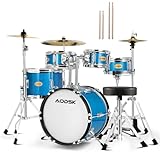
Here’s a controversial take: some adult beginners should consider high-end junior kits. These smaller configurations often use the same shell construction as full-sized versions but cost significantly less. If you’re under 5'6" or have severe space constraints, a 20" bass drum and shallower toms might actually fit your body better than a standard 22" kit.
The secret is ensuring the hardware is adult-weight rated. Many junior kits use scaled-down hardware that can’t withstand aggressive playing. But the shells themselves? Often identical to their bigger siblings, just sized for tighter spaces.
Size Matters: Configurations That Fit Your Space and Style
The Standard Rock Configuration
The classic 5-piece setup (22" bass drum, 12", 13", and 16" toms, 14" snare) dominates for good reason. It covers most genres and feels familiar when you sit behind any backline kit at a gig. But it demands at least a 6’x6’ footprint.
Compact and Bop-Sized Kits for Space Saving
Consider a 4-piece kit with a 20" bass drum and 10", 14", and 16" toms. These configurations save space and money while forcing you to become a more creative player. Many rock legends famously used smaller kits—it’s not the size, it’s how you use it.
The Fusion Setup for Versatility
Fusion kits typically feature 10", 12", and 14" toms with a 22" kick. They excel in genres requiring quick, articulate playing. For adults unsure of their musical direction, fusion configurations offer maximum flexibility.
The Hardware Hierarchy: Where Manufacturers Cut Corners
Budget kits save money through hardware shortcuts you’ll feel immediately. Single-braced cymbal stands wobble. Tom mounts that clamp to the bass drum hoop cause tuning instability. Cheap pedals feel sluggish and unresponsive.
Prioritize these hardware elements in order of importance: bass drum pedal, hi-hat stand, snare stand, then cymbal stands. A $50 upgrade to your pedal transforms your entire kit’s playability. Many experienced drummers use budget shells with pro hardware—it’s a legitimate strategy for adults building their first setup.
Cymbals: The Real Budget Killer (And How to Navigate Them)
Why Packaged Cymbals Usually Disappoint
The cymbals included in complete kits under $700 are universally terrible. They’re made from cheap alloys that sound harsh, wash out quickly, and crack under normal playing. This isn’t snobbery—it’s physics.
The Smart Cymbal Strategy for Beginners
Plan to replace packaged cymbals within six months, or budget separately for a used cymbal pack from reputable brands. A single decent 20" ride cymbal beats a full set of garbage cymbals every time. Start with hi-hats and a ride, add a crash later. Your ears (and bandmates) will thank you.
Low-Volume Cymbals: The Apartment Drummer’s Secret Weapon
Low-volume cymbals reduce acoustic output by 70-80% while maintaining realistic stick feel. They’re perfect for practice and can be mic’d for recording. While they cost more upfront, they eliminate the need for electronic conversion kits.
Drum Heads and Tuning: Your Secret Weapons for Pro Sound
The fastest way to make a budget kit sound expensive is new drum heads and proper tuning. Stock heads are single-ply, thin, and designed to make drums sound “good enough” in a showroom. Replace them with two-ply heads for a fatter, controlled sound that hides shell imperfections.
Learning to tune drums is free and more impactful than any gear upgrade. Watch videos on the “finger-tight” method and invest in a $15 drum key. Properly tuned budget drums outperform poorly tuned expensive kits every single time.
The Noise Factor: Soundproofing Solutions for Apartment Drummers
Quick Wins for Volume Reduction
Place your kit on a dense rubber mat (horse stall mats from farm supply stores work perfectly). Hang heavy curtains behind the kit to absorb reflections. These $50 solutions buy you goodwill with neighbors.
The Mesh Head Conversion
Replacing batter heads with mesh heads and using low-volume cymbals creates a near-silent acoustic kit. When you’re ready to play out, swap back to regular heads. This modular approach costs less than a mid-range electronic kit.
Communicating with Neighbors
The best soundproofing is good relationships. Tell neighbors you’re learning, share your practice schedule, and invite them to hear your progress. A small gift card and open door policy solve more problems than foam panels ever will.
New vs. Used: The Smart Money Move for Adult Beginners
The Case for Buying New
New kits include warranties, return policies, and zero mystery history. For adults who’ve never owned drums, the peace of mind is worth the premium. You also get modern features like improved hardware designs and better factory tuning.
The Used Market Goldmine
Craigslist, Facebook Marketplace, and Reverb are flooded with barely-used kits from people who overestimated their commitment. A $1,200 kit from three years ago might sell for $400. The key is inspecting bearing edges, checking for rust on hardware, and ensuring all tension rods turn smoothly.
The Refurbished Sweet Spot
Some retailers sell refurbished or B-stock kits with full warranties at 30-40% off. These often have cosmetic flaws but perfect functionality. It’s the adult beginner’s secret weapon for maximizing value.
Where to Shop: Beyond the Big Box Stores
Local Music Stores: The Knowledge Premium
Your local shop might charge 10-15% more than online giants, but they’ll unbox and tune the kit before you take it home. They’ll also answer questions for months after purchase. That relationship is worth the markup.
Online Retailers: The Price Advantage
Sweetwater, Musicians Friend, and Guitar Center offer price matching and generous return policies. The downside? You’re on your own for setup and troubleshooting. Factor in $100 for a professional setup if you’re not mechanically inclined.
Direct-to-Consumer Brands: Cutting Out the Middleman
Newer companies sell quality kits directly online, passing savings to you. The trade-off is limited hands-on evaluation before purchase. Read exhaustive reviews and watch unboxing videos to gauge quality control.
Essential Accessories: The Hidden Costs Nobody Warns You About
The Non-Negotiables
A quality throne ($80-150) prevents back injury. Good sticks ($8-12 per pair) last longer and feel better. A practice pad ($20-40) lets you build technique silently. These aren’t optional—they’re the cost of entry.
The “Buy It Once” Items
A drum key, stick bag, and basic dampening materials (moon gels, O-rings) cost under $30 total but last years. Cheap out here and you’ll rebuy constantly.
The Upgrade Path
Plan for a Kick drum patch ($5) to protect your head, better pedals ($100-200), and eventually, quality cymbals ($300-600). Spreading these costs over six months makes the initial investment more palatable.
Learning Paths: Free Resources to Maximize Your Investment
YouTube channels from professional drummers offer more value than a year’s worth of lessons did in the 90s. Drumeo, Stephen Taylor, and Rob Brown provide structured beginner courses for free. Apps like Melodics gamify practice for electronic kit users.
Local drum circles and open jams let you test your skills on other kits while building community. Most adult learners progress faster through peer feedback than isolated practice. Your gear investment means nothing without consistent, guided practice.
Maintenance and Upkeep: Protecting Your Budget Investment
Wipe down cymbals and hardware after every session to prevent corrosion. Check tension rods weekly—loose rods kill tone and can strip lug casings. Keep drums away from windows and heating vents to prevent shell warping.
A $15 bottle of chrome polish and microfiber cloths extend hardware life by years. Tighten wing nuts and memory locks monthly. These five-minute habits separate gear that lasts decades from kits that fall apart in a year.
Common Mistakes That Blow Your Budget
Mistake #1: Buying the Cheapest Kit Available
That $250 all-in-one special seems smart until the bass drum pedal breaks in month two and replacement parts don’t exist. Budget at least $400-500 for a kit that won’t fight you.
Mistake #2: Ignoring the Throne
Using a kitchen chair or cheap throne guarantees back pain and poor posture. A $120 throne is cheaper than a chiropractor.
Mistake #3: Cymbal FOMO
Buying a massive cymbal pack because “I might need it someday” wastes money. Master hi-hats and a ride first. Add crashes as your playing demands them.
Mistake #4: Skipping the Setup Learning Curve
Paying $75 for a professional setup teaches you nothing. Watch setup videos, learn to tune, and invest that money in better heads instead.
Frequently Asked Questions
1. Can I really learn drums on a $400 kit, or am I setting myself up for failure?
Absolutely. Many professional drummers started on budget kits. The key is ensuring the hardware is functional and planning for cymbal upgrades. Your technique and practice consistency matter far more than the price tag. A $400 kit with new heads and proper tuning will serve you well for 2-3 years of serious learning.
2. How much should I budget beyond the initial drum set purchase?
Plan for an additional $200-300 for a quality throne, sticks, drum heads, and basic accessories. If the kit includes cymbals, budget $300-400 to replace them within six months. The “true” cost of a starter setup is always 50-75% higher than the kit’s sticker price.
3. Are electronic drums really a good alternative for apartment living?
Modern electronic kits are excellent practice tools, but they lack the acoustic feedback needed for dynamic control. Consider them a compromise, not a permanent solution. The best apartment setup is an acoustic kit with mesh heads and low-volume cymbals, giving you authentic feel at controllable volumes.
4. What’s the minimum space I need for a drum set?
A compact 4-piece kit fits in a 5’x5’ corner. Standard 5-piece kits need 6’x6’ minimum. Remember to account for your throne’s movement and stick range. Measure your available space and add 18 inches on all sides before buying.
5. How do I know if a used drum set is a good deal or a money pit?
Inspect bearing edges for cracks or chips, check all hardware moves smoothly, and ensure tension rods aren’t stripped. Bring a drum key and actually remove a head if possible. If the seller hesitates, walk away. Good deals have clear photos and honest descriptions; scams have excuses.
6. Should I buy a shell pack and build my kit piece by piece?
This is the smartest long-term strategy if you have patience. Buy quality used hardware first, then add drums as deals appear. It takes longer but results in a gig-worthy setup for half the cost. However, complete kits get you playing immediately, which is crucial for motivation.
7. How often will I need to replace drum heads as a beginner?
Batter heads (the ones you strike) need replacement every 6-12 months with regular practice. Resonant heads last 2-3 years. As a beginner, you’ll likely replace heads due to learning proper tuning technique rather than wear. Budget $80-120 for a full head replacement set.
8. Can I use regular drum heads with dampening to reduce volume instead of mesh heads?
Yes, but it’s a compromise. Two-ply heads with O-rings or moon gels reduce volume by 30-40% but still produce significant noise. Mesh heads reduce volume by 80-90%. For serious apartment practice, mesh heads are worth the investment. Keep your acoustic heads for when noise isn’t an issue.
9. What’s the single most important upgrade I can make to a budget kit?
The bass drum pedal. It’s your direct connection to the kit’s foundation. A $100-150 pedal upgrade improves feel, speed, and control more than any other single purchase. Second place goes to the throne. Everything else can wait.
10. How long will a beginner drum set last before I need to upgrade?
A quality budget kit with maintained hardware lasts 5-7 years. You’ll outgrow the sound before the physical kit fails. Most adults upgrade components incrementally: cymbals first, then snare, then hardware. The shells themselves can last decades. Plan to upgrade individual pieces as your ear develops, not the entire kit at once.
See Also
- 10 Rock Drum Sets for Drummers Who Need 24-Inch Kick Power in 2026
- 10 Rock Drum Sets for Heavy Hitters Who Break Heads in 2026
- 10 Beginner Rock Drum Sets with Cymbal Packs in 2026
- How to Choose the 10 Best Beginner Drum Sets for Adult Learners in 2026
- 10 Rock Drum Sets That Survive Outdoor Festivals in 2026