Table of Contents
Guitarists pushing the boundaries of metal, progressive rock, and modern fusion are constantly seeking instruments that keep pace with their evolving techniques and sonic ambitions. As tunings drop lower and playing styles become more demanding, traditional six-string limitations start to show. Enter the 8-string electric guitar with a multiscale (or fanned-fret) neck—a revolutionary design that’s redefining playability, tonal clarity, and string tension balance across extended ranges. In 2026, these instruments are no longer niche curiosities; they’re essential tools for musicians who demand precision, versatility, and ergonomic efficiency.
The multiscale concept—where each string has a slightly different scale length, with lower strings longer and higher strings shorter—solves one of the most persistent issues in extended-range guitar design: uneven string tension. On a standard fixed-scale 8-string, the low F# or B often feels flabby, while the high strings can feel overly stiff. Multiscale necks distribute tension evenly, delivering a consistent feel across all strings and enhancing harmonic definition, especially in drop tunings. With advancements in manufacturing, materials, and ergonomics, the 2026 landscape offers players a broader range of high-performance options than ever before. But with so many models, what should you really be looking for?
Top 10 8-String Guitars Multiscale
Detailed Product Reviews
1. Ibanez RGMS8 8-string Electric Guitar - Cosmic Blue Starburst

Overview:
The Ibanez RGMS8 is a multi-scale 8-string electric guitar tailored for modern metal and progressive musicians. Featuring a nyatoh body and striking cosmic blue starburst finish, it blends visual flair with solid tonal performance. The maple/walnut neck and jatoba fretboard deliver a balanced, bright tone with solid sustain.
What Makes It Stand Out:
Its 25.5" to 28" fanned fret design enhances string tension and intonation across all eight strings, offering superior clarity in drop tunings. Paired with two powerful humbuckers, the RGMS8 excels in high-gain settings, maintaining tight lows and articulate highs. The ergonomic body shape ensures comfort during long sessions.
Value for Money:
Priced mid-range, the RGMS8 competes well against boutique 8-strings. While not entry-level, it offers professional-grade features like multi-scale geometry and quality woods at a reasonable cost.
Strengths and Weaknesses:
Strengths: Excellent string definition, comfortable playability, bold aesthetics, reliable hardware.
Weaknesses: Jatoba fretboard may wear faster than ebony; stock pickups capable but not top-tier.
Bottom Line:
A well-rounded 8-string for modern players seeking precision and style—ideal for metal and progressive genres without breaking the bank.
2. IYV- IEHLFF8-300 Multi-Scale Headless 8 String, Red Black

Overview:
The IYV IEHLFF8-300 is a headless, multi-scale 8-string electric guitar in a bold red-black finish. Built with CNC precision, it emphasizes modern design and consistent manufacturing quality. Its headless design reduces weight and improves balance.
What Makes It Stand Out:
The CNC construction ensures exacting tolerances, translating to reliable intonation and build consistency. The fanned frets (25.5"–28") enhance low-string tightness and tuning stability—perfect for extended-range metal. Its minimalist headless profile offers sleek stage appeal.
Value for Money:
Competitively priced, this guitar delivers boutique-like features such as multi-scale and headless tuning systems at a fraction of the cost of high-end brands.
Strengths and Weaknesses:
Strengths: Lightweight, excellent balance, precise CNC build, compact for travel.
Weaknesses: Limited brand reputation, minimal info on pickup quality, headless tuners may require adjustment.
Bottom Line:
A forward-thinking, budget-conscious option for players exploring headless and multi-scale designs—best for tech-savvy musicians.
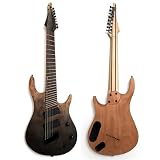
3. Upgrade Pro 8-String Fanned Fret Electric Guitar, Grey Tide Fade – 25.5-28" Multiscale Mahogany Body Poplar Burl Top, Stainless Steel Frets, High-Output Pickups
Overview:
The Upgrade Pro 8-string fanned fret guitar combines aggressive styling with high-performance specs. Its grey tide fade finish over a poplar burl top and mahogany body makes a bold visual statement, while the 25.5–28" multi-scale layout ensures tonal clarity.
What Makes It Stand Out:
Stainless steel extra-jumbo frets and a 16" radius neck offer exceptional playability and longevity. The high-output ceramic humbuckers deliver crushing tones ideal for djent and metalcore. The 5-piece maple/poplar neck ensures long-term stability.
Value for Money:
Priced below many competitors with similar specs, it provides premium features—like stainless steel frets and multi-laminate neck—at an accessible level.
Strengths and Weaknesses:
Strengths: Outstanding fretwork, powerful pickups, stable neck, stunning top.
Weaknesses: Brand lacks service network; electronics may need upgrading for studio use.
Bottom Line:
An excellent value-packed 8-string for serious metal guitarists wanting pro-level performance without the premium price.
4. Schecter Omen Elite-8 Multiscale 8-string Electric Guitar - Black Cherry Burst

Overview:
The Schecter Omen Elite-8 is a striking 8-string multiscale guitar with a mahogany body, burl maple top, and rich black cherry burst finish. Designed for heavy music, it combines classic Schecter aggression with modern multiscale precision.
What Makes It Stand Out:
The 26.5"–28" multiscale design delivers tight low-B and clear high-end articulation. The mahogany body with burl top enhances resonance and visual appeal. Dual humbuckers offer versatile high-gain tones suitable for modern metal.
Value for Money:
Well-priced for a brand with Schecter’s reputation, offering quality tonewoods and hardware. It undercuts boutique models while maintaining solid craftsmanship.
Strengths and Weaknesses:
Strengths: Warm, resonant tone, attractive burl top, reliable tuning stability, comfortable neck.
Weaknesses: Rosewood fretboard may require more maintenance; scale range less extreme than some rivals.
Bottom Line:
A powerful, visually impressive 8-string ideal for metal players wanting a balance of tone, build, and affordability.
5. Ibanez Axe Design Lab RGDMS8 Multi-scale 8-string Electric Guitar - Classic Silver Matte

Overview:
The Ibanez Axe Design Lab RGDMS8 is a high-performance 8-string multiscale guitar with a nyatoh body and classic silver matte finish. Designed for modern metal, it features active electronics and a sleek, ergonomic build.
What Makes It Stand Out:
Its 2 active humbuckers deliver high-output, noise-resistant tones with exceptional clarity—perfect for technical playing. The ebony fretboard and maple/walnut neck ensure smooth action and durability. The multiscale layout (25.5"–28") tightens low-string response.
Value for Money:
Positioned as a premium instrument, it justifies its price with active electronics, quality woods, and Ibanez’s trusted build standards—rivaling more expensive custom builds.
Strengths and Weaknesses:
Strengths: Powerful active pickups, smooth ebony board, excellent sustain, modern aesthetics.
Weaknesses: Matte finish shows wear; active system requires battery management.
Bottom Line:
A top-tier 8-string for professionals needing cutting-edge tone and precision—highly recommended for studio and stage.
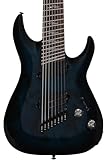
6. Schecter Omen Elite-8 Multiscale 8-string Electric Guitar - See Through Blue Burst
Overview:
The Schecter Omen Elite-8 Multiscale in See Through Blue Burst is a high-performance 8-string electric guitar tailored for modern metal and progressive musicians. Featuring a mahogany body with an elegant burl top, this guitar combines aggressive tone with striking aesthetics.
What Makes It Stand Out:
Its multiscale design (25.5" to 27") ensures tighter low-end response and enhanced intonation across all strings. The dual humbucking pickups deliver thick, articulate output ideal for high-gain playing, while the maple neck and rosewood fingerboard offer a balanced, fast-playing feel. The translucent blue burst finish highlights the wood’s natural grain, adding visual flair.
Value for Money:
Priced competitively within the mid-to-high tier, it offers premium features like multiscale geometry and quality hardware that rival more expensive models. It’s a solid investment for serious players seeking extended range and stage-ready reliability.
Strengths and Weaknesses:
Strengths: Excellent sustain, clear lows, comfortable neck, stunning finish. Weaknesses: Heavier than some models, rosewood sourcing may raise concerns for international buyers due to regulations.
Bottom Line:
The Omen Elite-8 in See Through Blue Burst delivers professional-grade tone, playability, and style—ideal for progressive and metal guitarists seeking an 8-string workhorse.
7. Cort KX Series 508 Multi-Scale 8-String Electric Guitar, Mariana Blue Burst Finish

Overview:
The Cort KX508 stands out in the extended-range market with its Mariana Blue Burst finish and Fishman Fluence Modern Humbuckers. Built for technical precision, it caters to modern metal and djent players needing clarity across eight strings.
What Makes It Stand Out:
Equipped with Fishman’s active pickups, the KX508 provides exceptionally clean headroom and a modern tone that cuts through dense mixes. The multiscale design (26.5”–28”) improves low B and F# string tension, while the Macassar ebony fingerboard adds durability and a bright, responsive feel.
Value for Money:
Despite its upscale features—especially the Fishman pickups—it remains more affordable than comparable models. This makes it a top contender for players seeking pro-level tone without the premium price.
Strengths and Weaknesses:
Strengths: Exceptional clarity, premium pickups, ergonomic design, beautiful poplar burl top. Weaknesses: Active system requires battery changes, slightly steeper learning curve for multiscale newcomers.
Bottom Line:
The Cort KX508 delivers elite tonal performance and build quality, making it one of the best value 8-string multiscale guitars on the market.
8. Schecter Omen Elite-8 Multiscale 8-string Electric Guitar - Charcoal

Overview:
The Schecter Omen Elite-8 in Charcoal offers the same high-caliber performance as its Blue Burst sibling but with a more understated aesthetic. Designed for heavy riffing and intricate playing, it’s built around a mahogany body and multiscale precision.
What Makes It Stand Out:
Its multiscale setup enhances string tension and tuning stability, especially on the lower registers. The dual humbuckers provide a thick, saturated tone perfect for metal, while the maple neck and rosewood fingerboard ensure smooth playability across all frets.
Value for Money:
Offering the same specs as higher-priced 8-strings, the Charcoal model delivers strong value. Its durable build and versatile sound justify the cost for gigging and recording musicians.
Strengths and Weaknesses:
Strengths: Powerful tone, solid build, excellent intonation, sleek finish. Weaknesses: Weight can be fatiguing during long sessions, limited visual appeal for those preferring flashy finishes.
Bottom Line:
A reliable, no-frills 8-string beast ideal for players who prioritize performance and durability over flashy looks.
9. Schecter Damien-8 Multiscale 8-string Electric Guitar - Satin Black

Overview:
The Schecter Damien-8 in Satin Black is a streamlined 8-string designed for aggressive playing styles. With a mahogany body and versatile humbuckers, it’s built for high-output performance in metal and progressive genres.
What Makes It Stand Out:
Its sharp, angular body and satin black finish give it a menacing stage presence. The multiscale design improves low-string clarity, while the maple neck provides speed and stability. It’s a no-nonsense instrument for players who demand precision and power.
Value for Money:
Priced accessibly for an 8-string multiscale, it offers pro-level features without unnecessary extras. A great entry point into extended-range playing with room to grow.
Strengths and Weaknesses:
Strengths: Aggressive tone, fast neck, durable construction, affordable for its class. Weaknesses: Lacks premium tonewoods like ebony, minimal onboard tone-shaping options.
Bottom Line:
The Damien-8 is a solid, cost-effective choice for metal guitarists seeking a reliable, high-output 8-string with multiscale advantages.
10. Schecter C-8 Multi-scale Rob Scallon 8-string Electric Guitar - Satin Dark Roast

Overview:
The Schecter C-8 Multi-Scale, designed in collaboration with Rob Scallon, is a versatile 8-string guitar built for modern experimentalists. Its satin dark roast finish and unique tonewood blend offer both visual and sonic distinction.
What Makes It Stand Out:
Featuring an ash body and mahogany neck, it delivers a balanced tone with enhanced midrange warmth and top-end clarity. The ebony fingerboard ensures durability and a smooth playing surface, while the multiscale design (26.5"–28") tightens low-string response.
Value for Money:
While priced higher than entry-level models, its premium materials and signature artist design justify the cost. It’s an investment for serious players in progressive, ambient, or extended-range genres.
Strengths and Weaknesses:
Strengths: Exceptional tonal balance, high-end craftsmanship, comfortable ergonomics, unique aesthetic. Weaknesses: Higher price point, may be overkill for casual players.
Bottom Line:
The Schecter C-8 Rob Scallon model is a top-tier 8-string offering refined tone, build quality, and multiscale precision—ideal for advanced players pushing musical boundaries.
Why Multiscale 8-String Guitars Are Gaining Popularity in 2026
The rise of the 8-string multiscale guitar isn’t just a passing trend—it’s a response to real musical demands. As genres like djent, progressive metal, and cinematic rock embrace lower tunings and complex rhythms, players need instruments that don’t sacrifice articulation or responsiveness. The multiscale design directly addresses this by optimizing string tension, improving intonation, and increasing harmonic clarity.
In 2026, we’re seeing greater adoption thanks to improved accessibility. What were once custom-shop rarities are now available in more affordable production models without compromising on quality. Additionally, artists across multiple genres—from metal to ambient—have showcased the tonal and ergonomic benefits of fanned frets, helping normalize the concept for a wider audience.
Understanding Multiscale Neck Design
At its core, a multiscale neck features frets that fan out from the nut to the bridge, creating different effective scale lengths for each string. Typically, the bass strings (low E, F#, B, etc.) are longer—often 27" or more—while the treble strings taper down to around 25.5". This graduated design allows each string to be tensioned optimally for its pitch.
The result? A more balanced feel under the fingers. You no longer battle floppy low strings or overly stiff high strings. Instead, every note responds with clarity, sustain, and consistency. This is particularly beneficial on an 8-string, where the extreme low end can otherwise dominate the instrument’s feel and tone.
How Multiscale Affects Playability
One of the most immediate benefits players notice is the improved playing feel. With even tension across all strings, techniques like legato, tapping, and palm muting become more uniform and less physically taxing. The longer scale for bass strings also reduces string buzz and improves note definition, especially when using high-gain amplification.
Additionally, the fanned fret layout promotes better hand alignment during stretches and position shifts. While there’s a brief adjustment period for players used to straight frets, most adapt within a few practice sessions—and many report reduced wrist strain over time due to more natural hand angles.
Intonation and Tuning Stability Advantages
Tuning stability is critical on extended-range guitars, and multiscale designs inherently support superior intonation. The extended scale length of the lower strings allows for more accurate harmonic alignment and better compensation at the bridge. This means your low F# or B stays in tune not just open, but across the entire fretboard.
High-end models in 2026 often pair multiscale necks with advanced locking tremolo systems or fixed hardtail bridges, further enhancing tuning stability. Combined with high-ratio locking tuners and graphite nut systems, these guitars maintain pitch integrity even under aggressive playing.
Key Features to Consider When Choosing an 8-String Multiscale Guitar
Not all 8-string multiscale guitars are created equal. As the market expands, so does the range of features and build qualities. To make an informed decision, it’s essential to understand which components matter most for your playing style and musical goals.
Neck Construction and Materials
The neck is the backbone of any multiscale guitar, and its construction profoundly affects tone, stability, and feel. Most high-performance models use multi-laminate designs—often combining maple, walnut, wenge, or carbon fiber—for increased rigidity and resistance to warping.
Neck profiles vary too, from slim C-shapes to flatter, more modern contours. Consider your hand size and playing technique when evaluating neck shape. A thicker profile may offer better sustain and vibration transfer but could be less comfortable for fast, technical passages.
Fretboard Radius and Fret Size
Fretboard radius plays a crucial role in playability, especially on multiscale instruments. A flatter radius (16" to 20") supports lower action and easier string bending, ideal for modern metal and fusion styles. A more curved radius (12") may feel more familiar to players coming from traditional guitars but can hinder wide stretches.
Fret size—jumbo, medium-jumbo, or stainless steel—also affects articulation and longevity. Stainless steel frets, increasingly common in 2026, offer exceptional durability and a smooth playing surface, perfect for players who frequently use vibrato or tapping.
Body Woods and Their Impact on Tone
The body wood contributes significantly to the guitar’s resonance, sustain, and overall voice. Common choices include alder, swamp ash, mahogany, basswood, and exotic hardwoods like korina or wenge.
Lighter woods like basswood enhance comfort during long sessions and emphasize midrange warmth, while denser woods like maple or wenge add brightness and attack—ideal for cutting through a dense mix. Many manufacturers now use chambered or weight-relieved bodies to balance tone and ergonomics.
Bridge and Hardware Quality
The bridge is critical on an 8-string multiscale, as it must accommodate the fanned string spacing and maintain precise intonation. High-end models typically use multiscale-specific bridges from brands like Floyd Rose, Hipshot, or Fishman, designed to align with the fan angle.
Look for features like individual string height and intonation adjustment, locking mechanisms, and compatibility with drop tunings. The hardware should feel solid, with no play or wobble, and be made from corrosion-resistant materials.
Electronics and Pickup Configuration
Pickup selection can make or break an 8-string’s versatility. Active humbuckers (like those from EMG or Fishman) deliver high output and tight low-end response, perfect for modern metal. Passive pickups (such as Bare Knuckle or DiMarzio) offer more dynamic range and organic tone, favored by players seeking warmth and expressiveness.
In 2026, many models feature coil-splitting, series/parallel switching, or even hexaphonic outputs for integration with modeling processors. Consider how much tonal flexibility you need—do you want one guitar that covers clean jazz chords and crushing downtuned riffs, or a dedicated metal machine?
Scale Length Range and Fan Angle
Multiscale guitars vary in their fan angle and overall scale spread. Common configurations range from 25.5" to 27" or even 28", with fan angles between 5° and 10°. A steeper fan angle increases the tension benefits but may require more hand adjustment, especially for chordal playing.
Consider your tuning preferences. If you play in standard or drop B, a moderate fan (26.5"–27") may suffice. For ultra-low tunings like drop A or G#, a longer scale (27.5"+) provides better string control and harmonic clarity.
Ergonomics and Weight Distribution
Extended-range guitars can be heavy, especially with dense woods and complex hardware. In 2026, manufacturers are prioritizing ergonomics with contoured bodies, strategic weight relief, and balanced mass distribution.
Pay attention to how the guitar sits when standing. Does the neck dive? Is the upper horn positioned to support your strumming arm? The best designs feel stable and natural, whether you’re seated or moving across the stage.
Finishes and Aesthetic Options
While tone and playability come first, aesthetics matter—especially when you’re performing. Modern 8-string multiscale guitars come in a wide range of finishes, from stealthy matte blacks to vibrant metallics and natural wood grains.
Some brands offer custom finishes or UV-cured coatings that resist scratches and wear. Others use sustainable or reclaimed woods, appealing to environmentally conscious players. Choose a finish that reflects your style—but don’t let looks compromise structural integrity.
Compatibility with Effects and Amplification
An 8-string multiscale guitar produces a broader frequency spectrum than a standard guitar, requiring careful attention to your signal chain. Low-end resonance can overwhelm some amps or pedals if not properly managed.
Look for guitars with active electronics or built-in EQ that allow you to shape your tone before it hits the amp. Many 2026 models also feature onboard preamps or DI outputs, making them ideal for live performance and studio recording.
Customization and Aftermarket Support
The ability to upgrade components is a major advantage of high-end 8-string platforms. From swapping pickups to installing new tuners or bridges, ensure the guitar supports easy customization.
Check if the manufacturer offers spare parts, detailed schematics, or mod-friendly circuit layouts. A strong aftermarket community can also extend your guitar’s lifespan and functionality.
Price vs. Performance: Finding the Sweet Spot
In 2026, you can find capable 8-string multiscale guitars at various price points. While boutique models offer custom woods and hand-built craftsmanship, many mid-tier options deliver 90% of the performance at half the cost.
Ask yourself: how often will you play it? Is it your main instrument or a studio tool? Investing in a high-end model makes sense for touring musicians, while a well-built production model may suffice for hobbyists or session players.
The Role of Setup and Professional Adjustment
Even the best multiscale guitar needs a proper setup to shine. Factory setups are often generic—adjusting action, intonation, neck relief, and nut slot depth can dramatically improve playability.
Consider having your guitar professionally set up upon arrival, especially if you have specific tuning or string gauge preferences. A skilled tech can optimize the fanned fret geometry for your playing style, ensuring peak performance.
Future Trends in Multiscale 8-String Design
Looking ahead, expect even more innovation in 2026 and beyond. We’re seeing increased use of CNC precision, 3D-printed components, and smart materials that adapt to environmental changes. Some brands are experimenting with modular neck systems, allowing players to swap between multiscale and fixed-scale configurations.
Additionally, integration with digital modeling and MIDI systems is growing. Imagine an 8-string that seamlessly connects to your DAW, with each string individually processed—this is becoming a reality thanks to advanced pickup systems and onboard electronics.
How to Test a Multiscale 8-String Guitar Before Buying
If possible, try before you buy. Pay attention to how the fanned frets feel under your fretting hand. Do chords feel natural? Can you execute fast runs without hand fatigue?
Play both rhythm and lead passages. Test the low end with palm-muted chugs and open chords. Check for fret buzz, especially on the lowest strings. Plug in and assess tonal balance—does the high end cut through without being shrill? Does the low end remain tight and defined?
If buying online, look for brands with generous return policies and detailed spec sheets.
Frequently Asked Questions
What is a multiscale neck, and why is it beneficial for 8-string guitars?
A multiscale neck uses fanned frets to give each string a different scale length, optimizing tension across all eight strings. This results in better intonation, improved clarity, and a more balanced playing feel—especially important for the low tunings common on 8-strings.
Do multiscale guitars take time to get used to?
Yes, there’s a brief adjustment period, typically a few hours to a few days. Your hand positioning changes slightly due to the fanned frets, but most players adapt quickly and often prefer the improved ergonomics once acclimated.
Can I use regular guitar strings on a multiscale 8-string?
While you can use standard strings, multiscale-optimized sets are recommended. These are designed to balance tension across the varying scale lengths, maximizing tone and playability.
Are multiscale guitars harder to set up?
They require a bit more precision, especially with intonation and nut slot alignment, but experienced techs can handle them with standard tools. Many manufacturers provide detailed setup guides tailored to their models.
Do multiscale necks affect chord playing?
Initially, chord shapes may feel slightly different, but the improved string tension and clarity often make chords sound fuller and more defined. Most players report enhanced chordal articulation after adjusting.
Are 8-string multiscale guitars only for metal?
No. While popular in metal, they’re increasingly used in progressive rock, fusion, ambient, and even jazz. The extended range and balanced response open up new creative possibilities across genres.
How do I choose the right scale length for my playing style?
If you use ultra-low tunings (drop A or lower), go for 27" or longer. For drop B or standard, 26"–27" is ideal. Consider your string gauge preferences and playing dynamics when deciding.
Can I install a tremolo system on a multiscale 8-string?
Yes, but it must be a multiscale-compatible tremolo, such as the Floyd Rose 1000 Series or Fishman Fluence Modern. These are engineered to align with the fanned string spacing and maintain tuning stability.
Are multiscale guitars more expensive?
They can be, due to complex manufacturing and specialized components, but prices are becoming more competitive. Many quality models now sit in the mid-tier price range, making them accessible to serious players.
Do multiscale guitars improve sustain and tuning stability?
Yes. The optimized string tension and improved neck stability contribute to longer sustain and better tuning retention, especially under heavy playing and aggressive techniques.
See Also
- 10 Must-Have 7-String Electric Guitars for Nu-Metal Revival in 2026
- 10 High-Output 7-String Electric Guitars for Metalcore Rhythm Players
- Stop Fret Buzz with the 10 Best 8-String Electric Guitars in 2026
- 2026’s Top 10 7-String Electric Guitars for Progressive Rock Virtuosos
- 10 Affordable 7-String Electric Guitars That Handle Low-B Without Flab in 2026