Table of Contents
Jazz fusion demands a rare alchemy of precision and power, where lightning-fast ghost notes dance alongside explosive backbeats, and subtle brushwork can explode into complex polyrhythms without warning. In this genre, your drum sticks aren’t just tools—they’re extensions of your musical voice. While many drummers default to heavier sticks for volume, seasoned fusion players know that 7A drum sticks offer the nuanced control and responsive touch this sophisticated style requires. The right pair becomes a conductor’s baton, allowing you to articulate everything from feather-light cymbal swells to punchy, defined funk grooves without fighting your equipment.
Choosing the perfect 7A stick for jazz fusion involves far more than grabbing the lightest option on the shelf. The subtle variations in wood density, taper geometry, and tip design can dramatically alter your sound, feel, and endurance during those two-hour improvisational journeys. Whether you’re navigating the complex compositions of Return to Forever or crafting your own hybrid soundscapes, understanding these intricacies separates the adequate from the exceptional. Let’s explore what makes a 7A stick truly sing in a fusion context.
Top 10 7A Drum Sticks
Detailed Product Reviews
1. Vic Firth American Classic 7A
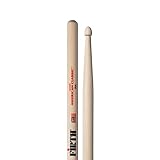
Overview: The Vic Firth American Classic 7A represents the gold standard for drummers seeking a lightweight, agile stick for nuanced playing. Crafted from premium USA hickory, these sticks are specifically designed for jazz, combo work, and any situation requiring quick, effortless movement around the kit.
What Makes It Stand Out: The teardrop tip delivers exceptional cymbal definition and responsive rebound, while the select hickory construction provides superior durability compared to maple alternatives. Vic Firth’s legendary quality control ensures each pair is perfectly matched for weight and pitch, giving you consistency you can trust. The 7A profile sits comfortably between ultra-light and medium sticks, making it versatile enough for acoustic jazz, small club gigs, and practice sessions where finesse trumps power.
Value for Money: Priced in the mid-range ($10-12 per pair), these sticks justify every penny through exceptional longevity and performance. While budget options may save you a few dollars upfront, the American Classic’s durability means fewer replacements and more consistent feel over time. For serious drummers, this translates to better value than cheaper alternatives that break or warp prematurely.
Strengths and Weaknesses:
- Strengths: Premium USA hickory construction, impeccable weight matching, teardrop tip for versatile articulation, ideal for jazz and light rock, excellent durability.
- Weaknesses: Single pair packaging, wood tips wear faster than nylon on cymbals, may be too light for heavy hitters, premium price for beginners.
Bottom Line: A professional-grade stick that delivers unmatched consistency and feel. Perfect for intermediate to advanced drummers focused on jazz, pop, or any genre requiring speed and subtlety.
2. Drum Sticks 7a Drumsticks Maple Wood Tip Drumsticks (2 Pair)

Overview: This budget-friendly offering delivers two pairs of maple 7A sticks designed with beginners and younger players in mind. The manufacturer emphasizes comfort and accessibility, making these an attractive entry point for those just starting their drumming journey or seeking reliable practice sticks.
What Makes It Stand Out: Getting two pairs at this price point is immediately compelling. The automated production process promises consistent weight and density across sticks, while the smooth, burr-free finish ensures comfortable handling. Maple construction keeps them lightweight and responsive, and the nonslip grip treatment helps developing players maintain control during practice sessions.
Value for Money: With two pairs typically priced under $15, the value proposition is undeniable. You’re essentially paying budget-stick prices while receiving double the quantity, making these perfect for students who might misplace sticks or break them while learning proper technique. For beginners, this represents a low-risk investment in decent quality gear.
Strengths and Weaknesses:
- Strengths: Excellent price for two pairs, lightweight maple ideal for children, smooth anti-slip grip, consistent manufacturing, great for practice and learning.
- Weaknesses: Maple less durable than hickory for heavy playing, unknown brand reliability, may lack premium feel and balance, not suitable for aggressive styles.
Bottom Line: An exceptional starter package that prioritizes accessibility and quantity. Ideal for beginners, young students, or as backup practice sticks without breaking the bank.
3. OIETON 2 Pairs Drum sticks 7A Classic Maple Wood Drumsticks Wood Tip Drumstick for Adults Kids and Beginners

Overview: OIETON’s maple 7A sticks target a broad audience from beginners to seasoned players seeking a lightweight option. With precise dimensions specified (15.6" length, 0.55" diameter), these sticks promise consistent feel across both pairs, making them suitable for family gatherings, teaching studios, and casual jam sessions.
What Makes It Stand Out: The explicit focus on reducing wrist fatigue makes these particularly appealing for youth players and long practice sessions. The brand markets them as both professional-grade and beginner-friendly, a versatile positioning enhanced by their gift-worthy packaging. Maple construction offers classic rebound characteristics while keeping weight minimal.
Value for Money: Typically priced around $12-16 for two pairs, these sit in the sweet spot between ultra-budget and premium options. You get the warmth of maple and the security of a backup pair without the premium cost of hickory or brand-name markup, making them sensible for educators and casual players.
Strengths and Weaknesses:
- Strengths: Two pairs included, precise specifications, lightweight design reduces fatigue, versatile for all ages, smooth polished finish, good for teaching environments.
- Weaknesses: Maple lacks hickory’s durability for heavy hitters, brand recognition is limited, wood tips may chip with aggressive playing, not ideal for loud rock/metal.
Bottom Line: A comfortable, well-priced option for drummers prioritizing feel over brand prestige. Perfect for youth bands, music educators, and beginners wanting reliable maple sticks.
4. Avedis Zildjian Company 7A Nylon DIP Drumsticks

Overview: Zildjian’s 7A Nylon DIP sticks bring innovative grip technology to the legendary cymbal maker’s stick lineup. Featuring a slightly thinner profile than the standard 5A and a tacky DIP coating, these are engineered for drummers who demand security and precision across all musical styles.
What Makes It Stand Out: The DIP coating is the star feature, providing a slightly tacky surface that prevents slippage without feeling sticky. Combined with a nylon tip for enhanced articulation and durability, these sticks excel in both studio and stage environments. Zildjian’s reputation for quality ensures excellent weight matching and consistency.
Value for Money: At $13-16 per pair, you’re paying for premium brand heritage and proprietary grip technology. While more expensive than budget options, the DIP coating’s longevity and the nylon tip’s durability offset the cost for working drummers. The enhanced grip alone can prevent dropped sticks during crucial moments.
Strengths and Weaknesses:
- Strengths: DIP coating prevents slippage, nylon tip offers bright articulation and durability, well-balanced feel, versatile for all genres, premium brand quality control.
- Weaknesses: DIP coating may wear off with heavy use, nylon tip sound too bright for some purists, slightly higher price point, coating can attract dirt over time.
Bottom Line: A top-tier choice for drummers struggling with grip or seeking nylon tip durability. The DIP technology justifies the premium for serious players.
5. LA Specials Drum Sticks - Hickory 7A Drumsticks - Set for Acoustic or Electronic Drums - Oval Nylon Tip - Consistent Weight and Pitch - 3 Pairs

Overview: LA Specials delivers exceptional quantity without sacrificing quality in this three-pair bundle of hickory 7A sticks. Made in the USA and featuring oval nylon tips, these sticks are engineered for consistency across acoustic and electronic kits, making them a workhorse choice for practice, teaching, and performance.
What Makes It Stand Out: Three pairs of USA-made hickory sticks at a budget price is remarkable. The oval nylon tip provides a unique articulation profile—brighter than wood but warmer than traditional nylon shapes. The company’s emphasis on consistent weight and pitch means you’re getting matched pairs that perform reliably, gig after gig.
Value for Money: This package often retails for under $25, making each pair cost less than many budget imports while delivering superior hickory durability. For instructors, students, or gigging drummers needing backups, this represents unmatched value. You’re getting American manufacturing and quality wood at import prices.
Strengths and Weaknesses:
- Strengths: Three pairs included, genuine hickory durability, made in USA, consistent quality control, oval nylon tip offers versatile tone, excellent for high-volume playing.
- Weaknesses: Lesser-known brand lacks prestige, oval tip feel may require adjustment, packaging is utilitarian, not as refined as premium brands.
Bottom Line: The ultimate value package for drummers who prioritize quantity, durability, and American manufacturing. Perfect for practice, teaching studios, or as reliable gig backups.
6. Vic FIrth - American Classic® Drumsticks 7A - American Hickory - Wood Tip - 4 Pair Value Pack

Overview:
The Vic Firth American Classic 7A value pack delivers four pairs of industry-standard drumsticks crafted from premium American hickory. These sticks represent the benchmark for quality and consistency, with each pair computer-analyzed to ensure optimal weight and pitch balance. At 15.5 inches with a .540-inch diameter and medium taper, they’re slightly shorter and slimmer than traditional 7A sticks, making them exceptionally nimble for technical playing.
What Makes It Stand Out:
Vic Firth’s proprietary computer-matching process sets these apart from competitors, guaranteeing that both sticks in each pair are virtually identical in feel and response. The tear-drop wood tip produces articulate cymbal definition while the American hickory construction provides legendary durability. Being manufactured in the USA under stringent quality controls ensures professional-grade reliability that gigging drummers depend on night after night.
Value for Money:
While the upfront cost exceeds budget brands, the four-pair pack offers significant savings compared to purchasing individually. For serious drummers, the price per pair is justified by exceptional longevity and consistency. These sticks outlast cheaper alternatives, making them more economical long-term for regular players who demand reliability.
Strengths and Weaknesses:
Strengths include unmatched consistency, superior durability, excellent balance for speed work, and trusted brand reputation. The medium taper provides ideal rebound. Weaknesses include a higher initial investment that may deter beginners, and the slightly shorter length might require adjustment for players accustomed to standard 7A dimensions. Heavy hitters may find them too light for aggressive playing.
Bottom Line:
This value pack is an excellent investment for intermediate to advanced drummers, session players, and touring musicians who prioritize consistency and durability. The computer-matched quality control justifies the premium, making these sticks a reliable choice for professionals.
7. Antner 3 Pairs Maple Wood Drumsticks 7A Drum Sticks for Kids and Beginners

Overview:
Antner’s three-pair maple drumstick set targets entry-level drummers and younger players seeking an affordable, lightweight option. These 7A sticks measure 39.6cm (15.6 inches) with a 1.4cm (.55-inch) diameter, crafted from maple wood for reduced weight and enhanced maneuverability. The package includes a convenient black velvet storage bag, making it practical for students and beginners.
What Makes It Stand Out:
The maple construction offers a noticeably lighter feel than traditional hickory, reducing hand fatigue during extended practice sessions. The oval-shaped wooden tip produces a warmer, more subdued cymbal tone ideal for quieter playing environments. The included velvet bag adds value and protection, addressing storage and transport needs that many beginners overlook.
Value for Money:
This set presents exceptional affordability, providing three pairs at a price point often equivalent to a single pair of premium sticks. For novices uncertain about their commitment or proper stick size, the low financial barrier is compelling. The addition of the storage bag enhances the overall package value.
Strengths and Weaknesses:
Strengths include budget-friendly pricing, lightweight maple construction, smooth comfortable grip, and practical storage solution. The sticks are suitable for learning fundamentals without hand strain. Weaknesses include potentially compromised durability under heavy playing, lack of computer-matching for consistency, and unspecified manufacturing origin raising quality control questions. Advanced players will find them lacking in robustness.
Bottom Line:
Ideal for children, absolute beginners, or as backup practice sticks. While not professional grade, they fulfill their purpose admirably, offering a low-risk entry point into drumming without sacrificing basic playability.
8. Suwimut 12 Pairs 7A Drum Sticks, Classic Maple Wood Tip Drumsticks for Kids Beginners Students, Rock Band Musical Instrument Percussion Accessories, Consistent Weight and Pitch

Overview:
Suwimut’s massive 12-pair bundle delivers maple 7A drumsticks designed for educational institutions, drum instructors, or families with multiple budding drummers. These sticks measure 39.6cm by 1.4cm, featuring oval wood tips and a lightweight construction. The manufacturer claims consistent weight and pitch across all pairs, making them suitable for systematic learning environments.
What Makes It Stand Out:
The sheer quantity distinguishes this offering—twelve pairs ensure extended supply without frequent reordering. This bulk approach serves music programs and teachers who maintain inventory for numerous students. The maple wood provides a gentler touch appropriate for developing proper technique without hand fatigue, while the oval tips deliver clear cymbal articulation.
Value for Money:
The per-pair cost drops dramatically in this bulk configuration, offering among the lowest unit prices available. For schools or studios purchasing for multiple users, the savings are substantial. Individual drummers gain years of supply at an unbeatable price, though storage becomes a consideration.
Strengths and Weaknesses:
Strengths include extraordinary bulk value, claimed consistency, lightweight maple suitable for young players, and sufficient quantity for institutional use. Weaknesses include potential quality variation across such a large batch, maple’s reduced durability compared to hickory for aggressive playing, and the practical challenge of storing twelve pairs. Single drummers may find the volume excessive.
Bottom Line:
Perfect for music educators, school band programs, or families with several drummers. The bulk pricing is unbeatable for high-consumption scenarios, though individual players should consider whether they need such quantity.
9. ProMark Forward Rebound 7A ActiveGrip Drumsticks, R7AAG, Tacky Active Grip Finish, Black Drum Sticks, Acorn Tip, Hickory Wood - 1 Pair

Overview:
ProMark’s Forward Rebound 7A ActiveGrip drumsticks introduce innovative moisture-activated grip technology to the traditional hickory stick market. These American-made sticks measure 16 inches with a .535-inch diameter, featuring the proprietary ActiveGrip coating that becomes tackier as hands sweat and temperature increases. The reinvented acorn tip expands the sweet spot for enhanced responsiveness.
What Makes It Stand Out:
The sweat-activated grip technology addresses a genuine problem for many drummers, eliminating the need for tape or gloves. This adaptive coating maintains tackiness without adding diameter or compromising feel. The Forward Rebound balance profile optimizes leverage and control, while the acorn tip design offers broader articulation than traditional teardrop shapes.
Value for Money:
As a premium single pair, these command a higher price point than standard sticks. However, for drummers struggling with grip slippage during intense performances, the technology justifies the investment. The durability of hickory combined with the reusable grip coating provides long-term value compared to disposable grip aids.
Strengths and Weaknesses:
Strengths include revolutionary grip solution, quality hickory construction, innovative tip design, and USA manufacturing. The grip performs reliably in hot, sweaty conditions. Weaknesses include the premium price for one pair, potential adjustment period for the tacky feel, and the coating’s longevity uncertainty over years of use. Traditionalists may prefer natural wood feel.
Bottom Line:
An excellent specialized tool for drummers with perspiration issues or those playing in hot environments. While not essential for everyone, it’s a game-changer for those who need it, representing genuine innovation in stick design.
10. LA Specials Drum Sticks - 7A Drumsticks - Drum Sticks Set for Acoustic Drums or Electronic Drums - Oval Wood Tip - Hickory Drum Sticks - Consistent Weight and Pitch - 3 Pairs

Overview:
LA Specials offers a practical three-pair set of 7A drumsticks crafted from hickory wood in the USA. These sticks feature oval wood tips and are engineered for consistent weight and pitch across pairs. Designed to accommodate various genres and playing styles on both acoustic and electronic drums, they position themselves as an affordable yet quality option for intermediate drummers.
What Makes It Stand Out:
The combination of American hickory construction, USA manufacturing, and competitive pricing creates a compelling value proposition. While less famous than Vic Firth or ProMark, LA Specials delivers professional-grade materials and quality control. The oval tips provide versatile cymbal response suitable for diverse musical contexts, from studio recording to live performance.
Value for Money:
This three-pair pack hits a sweet spot between budget bulk options and premium single pairs. The price reflects mid-tier positioning, offering hickory durability and American craftsmanship without the brand-name premium. For drummers seeking reliable backups or primary sticks without breaking the bank, the cost-per-pair is attractive.
Strengths and Weaknesses:
Strengths include genuine hickory durability, Made in USA quality assurance, consistent specifications, versatile oval tip design, and practical three-pair quantity. They perform reliably across genres. Weaknesses include lesser brand recognition, potentially less refined finishing than premium competitors, and limited tip options. Some players may prefer more established brands for critical applications.
Bottom Line:
A smart choice for intermediate drummers, students ready to upgrade from maple, or gigging musicians needing reliable backups. These sticks deliver professional performance at a reasonable price.
Why 7A Drum Sticks Are the Jazz Fusion Sweet Spot
The Physics of Lighter Sticks in Complex Grooves
The 7A classification represents a sweet spot in drum stick engineering—typically measuring .530" to .550" in diameter and 15" to 15.75" in length. This reduced mass creates lower inertia, meaning the stick responds faster to your subtlest muscle movements. For jazz fusion’s characteristic rapid-fire hi-hat barks and intricate ride cymbal patterns, this translates to less physical effort and greater stamina during extended improvisational sections. The physics work in your favor: less mass means less rebound energy to control, giving you command over ghost notes that would otherwise get lost with heavier sticks.
Dynamic Range and Touch Sensitivity
Jazz fusion lives in the spaces between volumes. A 7A stick’s reduced weight allows you to access the full spectrum from pianissimo brush strokes to forte accents without changing your grip or technique. The stick’s natural flex—often overlooked by players accustomed to rigid 5B hickory—adds a subtle “give” that absorbs impact on softer strokes while still providing enough backbone for articulate rimshots. This dynamic elasticity is crucial when you’re layering subtle comping patterns behind a keyboard solo, then suddenly driving the band with a sharp backbeat.
Speed and Endurance for Intricate Patterns
The mathematical reality is simple: moving less mass requires less energy. During a typical fusion performance, your hands might execute thousands more strokes than in a rock set. That cumulative fatigue factor makes 7A sticks not just a preference but a strategic choice. The reduced diameter also promotes a more relaxed grip, preventing the tension that kills speed and causes repetitive strain injuries during those marathon fusion jams where a single tune might stretch fifteen minutes.
Understanding the Anatomy of a 7A Stick
Decoding the 7A Specification
The “7A” designation is more tradition than strict standard, originating from orchestral stick classifications. Unlike 5A or 5B sticks, which have relatively consistent specs across manufacturers, 7A sticks vary significantly. Some makers produce “jazz 7A” models that run longer and lighter, while “rock 7A” versions might be shorter with more shoulder mass. Understanding that the number-letter system is merely a starting point helps you look past the label to the actual measurements that matter: diameter at the grip point, taper length, and overall balance point.
How 7A Compares to 5A and 5B in Fusion Settings
While 5A sticks remain the all-purpose workhorse, their additional mass can muddy the quick, articulate strokes fusion demands. The .570" diameter of a typical 5A requires more finger control to achieve the same ghost note definition a 7A produces naturally. Conversely, stepping up to a 5B for volume sacrifices the delicate touch needed for brush-stick hybrid techniques. Many fusion professionals keep 5As for rehearsal and 7As for performance, training their hands on the heavier sticks to build strength, then switching to 7As for maximum expression when it counts.
Wood Types and Their Sonic Impact
Hickory: The Industry Standard Explained
Hickory dominates the drum stick market for good reason—it offers an ideal balance of density, durability, and shock absorption. For 7A sticks, hickory provides enough backbone to prevent excessive flex that could compromise control during fast single-stroke rolls. The wood’s cellular structure dampens high-frequency vibrations, producing a warmer cymbal tone that sits beautifully in fusion’s dense harmonic landscape. However, not all hickory is equal; wood harvested from colder climates tends to be denser and more durable, a subtle detail that explains price variations between manufacturers.
Maple: Lightweight Articulation for Touch Players
Maple 7A sticks run approximately 10% lighter than their hickory counterparts, making them the choice for drummers prioritizing speed and the lightest possible touch. The lower density translates to brighter, more articulate cymbal tones with faster decay—perfect for the crisp, defined ride patterns in fusion. The trade-off comes in durability; maple’s softer structure wears faster, especially on the tips, and provides less shock absorption on rimshots. For studio work or low-volume gigs where every nuance matters, maple’s responsiveness often outweighs its shorter lifespan.
Oak: When You Need More Weight Without Bulk
Japanese white oak offers a unique compromise: the density of hickory with a tighter grain structure that produces a more focused, articulate sound. Oak 7A sticks feel slightly heavier than hickory models of the same dimensions, providing additional mass for projection without increasing diameter. This makes oak particularly valuable for fusion drummers who play larger kits and need stick definition to carry across multiple cymbals and toms. The wood’s hardness also extends tip life significantly, though it transmits more vibration to your hands—a consideration for players with joint concerns.
Alternative Woods: Birch, Rosewood, and Exotics
Birch presents an interesting middle ground, offering hickory-like durability with a slightly brighter tonal character. Rosewood, while expensive and rare in 7A sizes, produces exceptionally warm, dark tones on cymbals. Some boutique makers experiment with laminated constructions, combining a hickory core with softer wood veneers to create hybrid responses. While these exotic options intrigue tone-chasers, their inconsistent availability and higher cost make them specialty tools rather than daily drivers for most working fusion drummers.
The Critical Role of Tip Shape in Jazz Fusion
Oval Tips: Balanced Warmth and Definition
The oval tip—essentially a rounded teardrop—remains the most versatile choice for fusion players. Its larger contact patch with cymbals produces a full, warm tone while maintaining enough definition for intricate patterns. The rounded edges prevent the harsh “ping” that can make complex ride work sound busy or cluttered. When you’re weaving between swing patterns and linear funk grooves, oval tips provide the sonic chameleon quality that lets you blend styles seamlessly.
Teardrop Tips: Dark, Complex Tones
Teardrop tips concentrate mass at their pointed end, creating a darker, more complex cymbal tone with reduced high-frequency content. For fusion’s atmospheric passages and textural playing, this translates to a “wet” sound that doesn’t overpower melodic instruments. The pointed shape also increases articulation on hi-hats, making each chick and bark distinct without becoming harsh. However, the smaller contact area means faster tip wear, and some drummers find the reduced cymbal wash challenging when building intensity.
Barrel Tips: Articulate and Punchy
Barrel tips feature a flat, circular striking surface that maximizes attack and definition. In fusion contexts, they excel at making ghost notes audible and creating crisp, almost electronic-sounding hi-hat patterns. The larger flat surface also produces more volume from drums, helpful when you need snare and tom accents to cut through dense keyboard harmonies. The trade-off is reduced cymbal sustain and a potentially “clicky” ride sound that some purists find too aggressive for traditional jazz elements.
Acorn Tips: Full-Bodied Response
Acorn tips, with their bulbous, rounded shape, create the fullest cymbal tones possible from a 7A stick. The large contact area activates more of the cymbal’s surface, producing rich overtones and long sustain. For fusion ballads and ambient sections, this fullness adds orchestral weight to your playing. The downside? Reduced articulation on fast passages and potential muddiness when playing intricate ride patterns at speed. Many drummers reserve acorn-tipped 7As for specific songs rather than using them as all-purpose tools.
Taper Designs That Define Your Feel
Short Taper: Front-Heavy Power
Sticks with a short taper—where the diameter reduces quickly from shoulder to tip—feel front-weighted and powerful. This design puts more mass behind each stroke, giving 7A sticks surprising punch for their size. The quick taper also creates a stiffer feel, beneficial for drummers who play with a lot of rimshots or need to project in louder fusion contexts. However, the reduced flex means less natural rebound, requiring more finger control during fast, delicate passages.
Medium Taper: The Versatile Middle Ground
The most common taper in quality 7A sticks, medium tapers offer the best compromise between front-weighted power and rear-weighted finesse. The gradual reduction in diameter creates a balanced feel whether you’re playing traditional grip matched grip, or transitioning between both within a single phrase. This versatility explains why medium-taper 7As dominate professional setups—they adapt to the genre-hopping nature of fusion without forcing you to adjust your technique constantly.
Long Taper: Rebound and Finesse
Extended tapers shift weight toward the butt end, creating a light, whippy feel that maximizes rebound. For ghost note masters and drummers who rely on finger technique, long-taper 7As feel like they’re doing half the work. The increased flex adds a springiness that makes fast single-stroke rolls and intricate hi-hat patterns effortless. The sacrifice comes in power; long-taper sticks can feel vague during aggressive backbeats and may not provide enough mass for clear cross-stick tones.
Length and Weight Variations Within 7A Classification
Standard 7A Dimensions
Traditional 7A specs hover around 15" to 15.5" in length with a diameter of .540". However, “jazz” models often extend to 15.75" or even 16", giving extra reach for larger kits while maintaining the slender profile. These longer variants help fusion drummers access distant cymbals and toms without shifting their throne position—a subtle but critical factor during improvised sections where looking away from the band can break the musical conversation.
Extended Reach Models for Larger Kits
Modern fusion kits often sprawl across the stage, with auxiliary snares, stacked cymbals, and electronic pads requiring extended reach. Some manufacturers produce 7A sticks in 16" or 16.25" lengths specifically for this purpose. The additional length adds minimal weight but significantly changes the balance point, moving it further back and increasing the lever action. This can enhance speed but requires grip adjustments to prevent the sticks from feeling unwieldy during close-in technical work.
Lightweight Variants for Maximum Speed
“Super 7A” or “7A Jazz” models reduce diameter to .520" or even .510", creating an ultra-light stick for players prioritizing speed above all else. These featherweight options excel in low-volume settings and for drummers with smaller hands or those recovering from injury. The extreme lightness, however, demands pristine technique; any grip tension or improper stroke mechanics becomes immediately audible as inconsistent dynamics. They’re specialty tools best reserved for acoustic jazz settings rather than high-volume fusion gigs.
Finish and Texture: The Grip Factor
Lacquered vs. Natural Finish
The finish applied to drum sticks significantly affects grip security and hand fatigue. Traditional lacquered finishes create a smooth, sealed surface that prevents moisture absorption but can become slippery during intense performances. Natural or “unfinished” sticks absorb sweat, providing a more secure grip that actually improves as your hands warm up. For fusion’s dynamic range—from delicate passages to high-energy peaks—many players prefer a light lacquer or satin finish that offers some moisture protection while maintaining tactile feedback.
The Controversy of Sanded Grip Areas
Some 7A models feature sanded or “rubberized” grip zones near the butt end. While these prevent slippage, they also create a consistent grip position that some drummers find limiting. The sanded texture can also accelerate wear on gloves (if you use them) and create hot spots during long sessions. Traditionalists argue that developing proper grip technique eliminates the need for textured grips, while modern players appreciate the security when executing complex stick tricks or playing in hot, humid conditions.
Nylon vs. Wood Tips for Fusion Articulation
The Bright Attack of Nylon
Nylon tips on 7A sticks produce a distinctly bright, articulate cymbal sound with enhanced high-frequency content. This clarity helps intricate ride patterns cut through dense fusion arrangements featuring distorted guitars or synthesizers. Nylon also provides consistent tone regardless of humidity—a real advantage when touring through varying climates. However, the synthetic attack can sound harsh on recordings, and some drummers find the feel less responsive than wood, especially during subtle brush-stick transitions.
The Organic Warmth of Wood
Wood tips offer a warmer, more organic cymbal response that blends naturally with acoustic instruments. The slight variability in density from tip to tip creates subtle sonic differences that many players find musical rather than problematic. For fusion’s jazz roots, wood tips provide the traditional ride cymbal wash and hi-hat sizzle that defined the genre’s pioneers. The main drawback is durability; wood tips chip and wear, gradually changing your sound over time and requiring more frequent replacement.
Hybrid Approaches: When to Choose Which
Experienced fusion drummers often keep both wood and nylon-tipped 7As in their stick bag, selecting based on the gig’s demands. Nylon excels in amplified settings with electronic elements, while wood suits acoustic-heavy sets and studio dates. Some manufacturers offer “dual-tip” sticks with wood on one end and nylon on the other, though these often compromise balance. The pragmatic solution? Identify your primary playing context and choose accordingly, keeping the alternative as a backup for specific songs or venue changes.
Cymbal Response and Stick Selection
Riding the Crash: 7A Techniques
Jazz fusion often involves riding crash cymbals for color and texture, a technique that heavier sticks can easily overdrive. A 7A stick’s lighter mass allows you to crash-ride without overpowering the band, producing a musical wash rather than a harsh explosion. The key is matching stick velocity to cymbal weight—thinner crashes respond beautifully to 7A dynamics, while heavier rock crashes may require technique adjustments to prevent the sticks from feeling lost against the cymbal’s mass.
Splash and Hi-Hat Articulation
Small cymbals like splashes and mini-hats reveal every nuance of your stick choice. A 7A stick’s quick response lets you articulate rapid-fire patterns on 10" splashes without “choking” them, while the reduced mass prevents hi-hats from sounding clangy during intricate foot-hand coordination. The stick’s taper becomes critical here; a long taper provides the finesse needed for subtle chick patterns, while a short taper delivers crisp, defined strokes for funk-inspired ostinatos.
Avoiding Cymbal Damage with Proper Stick Weight
Heavier sticks don’t just sound different—they accelerate cymbal fatigue and potential cracking. A 7A stick’s reduced impact force extends cymbal life, particularly important when you’re investing in high-end, handcrafted models. The lighter touch also allows you to play with the stick’s shoulder on larger cymbals, creating unique textures without the fear of damage that comes with heavier sticks. This sonic exploration defines fusion’s experimental spirit.
The Hybrid Technique Demands on Your Sticks
Traditional Grip vs. Matched Grip Considerations
Jazz fusion often requires switching between traditional and matched grip within a single song. A well-balanced 7A stick feels natural in both positions, whereas poorly designed models may feel butt-heavy in traditional grip or tip-heavy in matched. The stick’s balance point should fall roughly one-third of the way from the butt end, allowing the stick to pivot naturally in traditional grip’s fulcrum while providing enough front mass for matched grip power strokes.
Brush Work and Stick Integration
Modern fusion frequently blends stick and brush techniques, sometimes within a single measure. The 7A’s slender profile makes it easier to execute quick stick-to-brush swaps, and the reduced weight means less shock when you accidentally strike a drum with the brush handle during fast transitions. Some drummers even modify their 7A sticks, adding small grip marks or tape to help locate the optimal brush-holding position without looking.
Cross-Sticking and Rimshot Clarity
Cross-stick patterns require a stick with enough mass to produce a clear, resonant “click” while remaining light enough for quick repositioning. The 7A’s diameter fits comfortably in the cross-stick fulcrum, and the right taper ensures the tip doesn’t bounce excessively off the rim. For rimshots, the stick’s reduced mass demands more precise alignment to achieve the signature “crack,” but this precision ultimately improves your overall technique and consistency.
Durability vs. Playability: Finding the Balance
Why 7A Sticks Break (And How to Prevent It)
The slender profile of 7A sticks makes them inherently less durable than heavier models, but most breaks result from technique issues rather than stick weakness. Rimshots placed too far from the optimal striking point create stress fractures in the shoulder, while playing with excessive angle on cymbals concentrates impact force. Proper technique—striking drums at a slight angle, allowing the stick to rebound naturally, and avoiding playing through the head instead of into it—dramatically extends 7A lifespan.
The Rimshot Factor in Fusion Playing
Fusion’s dynamic range often calls for rimshots at moderate volumes, a technique that challenges 7A sticks. The solution lies in stick selection: models with reinforced shoulders or slightly shorter tapers withstand rimshot stress better. Some drummers rotate their sticks during songs, using one orientation for normal playing and rotating 180 degrees for rimshot passages. This distributes wear and prevents the shoulder from weakening prematurely.
Wood Grain Orientation and Stick Longevity
Premium stick manufacturers align the wood grain parallel to the stick’s length, maximizing strength. When examining 7A sticks, look for tight, straight grain lines running from tip to butt. Avoid sticks with grain that curves or runs diagonally—these will split along the grain under stress. The wood’s “runout,” where grain emerges at the surface, should be minimal on the striking surfaces for maximum durability.
Testing Sticks: What to Listen and Feel For
The “Carpet Test” for Rebound
Before committing to a new 7A model, perform the classic carpet test: drop the stick tip-down onto a thick carpet from about 12 inches. A well-balanced stick will bounce back to your hand with minimal effort, while a poorly balanced model will feel dead or unresponsive. This test reveals the stick’s natural rebound characteristics without the influence of drumhead or cymbal resonance, isolating the feel you’ll experience during fast finger work.
Sound Testing on Your Actual Kit
Never evaluate sticks on a store’s demo kit. The cymbals, heads, and tuning differ dramatically from your personal setup. Instead, purchase single pairs of promising models and test them on your own drums. Record yourself playing identical patterns with each stick, then listen back on studio monitors. The 7A that sounds full and articulate in the store might disappear on your darker cymbals, while a model you dismissed might reveal hidden character through your specific drum combination.
The 30-Minute Rule: Extended Play Evaluation
A stick’s true character emerges after twenty minutes of continuous playing, when your hands are warm and technique naturally adjusts. The 7A that felt perfect for the first five minutes might reveal balance issues or grip discomfort as fatigue sets in. Dedicate a full practice session to each candidate, playing through your most demanding fusion material. Pay attention to how the stick responds when you’re tired—that’s when subtle design flaws become deal-breakers.
Building Your Stick Arsenal for Different Fusion Contexts
Studio Recording vs. Live Performance Needs
Studio microphones capture every nuance, making maple 7As with wood tips ideal for their warmth and lack of harsh overtones. Live, however, you need sticks that project and maintain definition through amplification. Many fusion drummers keep separate stick sets: hickory 7As with nylon tips for stage, and maple wood-tipped models for the studio. The weight difference is minimal, but the sonic impact is profound, ensuring your carefully crafted parts translate appropriately in each environment.
Acoustic vs. Electronic Kit Considerations
Electronic drums respond differently to stick weight than acoustic instruments. The lighter touch of a 7A prevents triggering double-hits on sensitive pads and reduces the mechanical noise of stick-on-rubber that can bleed into your mix. However, some electronic cymbal pads require more mass to register consistently. If you run a hybrid kit, test your 7A candidates on both acoustic and electronic surfaces, or consider slightly heavier 7A models (.545" diameter) that bridge both worlds effectively.
Small Club vs. Festival Stage Setup
Intimate venues reward the subtle dynamics of lightweight 7A sticks, allowing you to explore the full whisper-to-roar range without overwhelming the room. Festival stages, however, present projection challenges. Here, 7A sticks with shorter tapers and slightly larger tips help your strokes carry. Some drummers switch to 7A “rock” variants for outdoor shows—sticks that maintain the slender profile but add length and shoulder mass for projection without sacrificing the quickness that defines their playing.
Common Mistakes Jazz Fusion Drummers Make
Choosing Sticks Based on Brand Loyalty Alone
Your favorite drummer’s signature 7A might be perfect for them but completely wrong for your hands and technique. Stick selection is deeply personal; what works for a player with large hands and a matched grip might feel clumsy to someone with smaller hands using traditional grip. Judge each stick on its own merits, not its endorsement pedigree. The best stick is the one that disappears in your hands, becoming a transparent conduit for your ideas.
Ignoring Room Acoustics in Stick Selection
A dead, carpeted rehearsal room flatters every stick, while a bright, reflective club exposes harsh overtones. Before blaming your cymbals or tuning, consider that your 7A sticks might be the wrong match for the room’s character. Nylon tips that sound crisp in a dry studio can become piercing in a live hall, while wood tips that feel warm at home might disappear in a boomy venue. Build a small collection of 7A variants to adapt to different acoustic environments.
Overlooking Stick Maintenance and Rotation
7A sticks wear faster than heavier models, but rotating them systematically extends their useful life. Mark the butt end of each stick and rotate them every few songs to distribute wear evenly. Sand down developing splinters immediately with fine-grit paper—small cracks propagate quickly in slender sticks. Store sticks in a climate-controlled environment; the rapid humidity changes of a car trunk can cause warping or cracking in premium wood. These simple habits can double your stick lifespan.
Frequently Asked Questions
Can 7A sticks really handle the power demands of fusion drumming?
Absolutely. While lighter than 5A or 5B models, properly designed 7A sticks deliver surprising projection through technique rather than brute force. The key is allowing the stick’s natural velocity to generate volume rather than muscling every stroke. Many legendary fusion drummers exclusively use 7As, proving that precision and power aren’t mutually exclusive when your technique is solid.
How do I prevent 7A sticks from breaking during aggressive sections?
Focus on strike placement and angle. Hit drums slightly off-center, allowing the head to absorb impact and the stick to rebound naturally. For rimshots, ensure you’re catching both head and rim simultaneously in the stick’s sweet spot—typically 3-4 inches from the tip. Rotating sticks regularly prevents stress concentration, and choosing models with reinforced shoulders adds durability without sacrificing the 7A feel.
Will switching to 7A sticks hurt my speed if I’m used to heavier sticks?
Initially, you may experience a brief adjustment period where the sticks feel too light or uncontrollable. However, most drummers report increased speed within two weeks as they adapt to the reduced mass. The lighter sticks reveal grip tension you didn’t know you had, forcing technique improvements that ultimately make you faster, regardless of stick weight.
What’s the best 7A stick for drummers with small hands?
Look for 7A models at the smaller end of the diameter range (.520" to .530") with a medium taper and standard 15" length. The reduced circumference fits more comfortably in smaller palms, while the medium taper provides enough front weight for control. Avoid extended-length models, as they can feel unwieldy and shift the balance point too far back.
How often should I replace my 7A sticks?
Replace them when you notice significant tip wear, shoulder cracks, or changes in balance. For active gigging drummers, this might mean every 2-4 weeks, while practice-only players might get 2-3 months. Don’t wait for catastrophic failure—a stick that breaks mid-gig can damage drums or cause injury. Keep a rotation of 3-4 pairs, retiring them systematically as they wear.
Are wood or nylon tips better for recording fusion music?
Wood tips generally produce a warmer, more organic tone that sits better in acoustic-heavy fusion mixes. They lack the harsh high-frequency content that can make nylon-tipped cymbals sound sterile on tape. However, if your fusion style incorporates heavily processed electronic elements, nylon’s consistent attack and brightness can help drums cut through dense digital textures.
Can I use 7A sticks on a loud rock gig if needed?
You can, but you’ll work harder to achieve the same volume as a drummer using 5B sticks. The solution is technique: rely on the stick’s velocity rather than muscle, and position yourself so the drums project naturally. For occasional rock songs within a fusion set, 7As work beautifully. For an entire evening of hard rock, consider 7A “rock” variants or switching to 5As to avoid fatigue.
What’s the ideal 7A stick length for a large fusion kit?
If your kit spans more than 8 feet across, consider 7A sticks in the 15.75" to 16" range. The extra reach prevents overextending your arms for distant cymbals, maintaining proper ergonomics and reducing shoulder strain. However, if your kit is more compact, standard 15.5" models offer better control and faster response for technical passages.
How do I know if a 7A stick is too light for my playing style?
If you consistently bottom out sticks on drumheads (hitting the hoop after striking the head), or if your cymbals sound weak and undefined, you may need more mass. Try a 7A with a shorter taper or consider stepping up to a “light 5A” (.560" diameter) that bridges the gap. The stick should feel like an asset, not a limitation, during your most demanding passages.
Should beginners start with 7A sticks for learning fusion techniques?
Beginners often benefit from starting slightly heavier (5A) to build strength and develop proper grip, then transitioning to 7As as technique refines. However, if a student shows natural finesse and struggles with heaviness, 7As can accelerate development by making ghost notes and subtle dynamics more accessible. The best approach is to try both and let comfort and sound be your guide—technique develops faster when you’re not fighting your equipment.
See Also
- 10 Expert-Recommended Jazz Drum Sticks for Brush-Style Playing in 2026
- 10 Expert-Recommended Hickory 5A Drum Sticks for Session Work in 2026
- Stop Hand Fatigue: 10 Best 7A Drum Sticks for Long Jazz Sets in 2026
- 10 Short 7A Drum Sticks for Tight Jazz Kits in 2026
- 10 Jazz Drum Sticks for Brush-Like Whisper Tones in 2026